Collector article · Paper money
Collecting, researching value and caring for banknotes
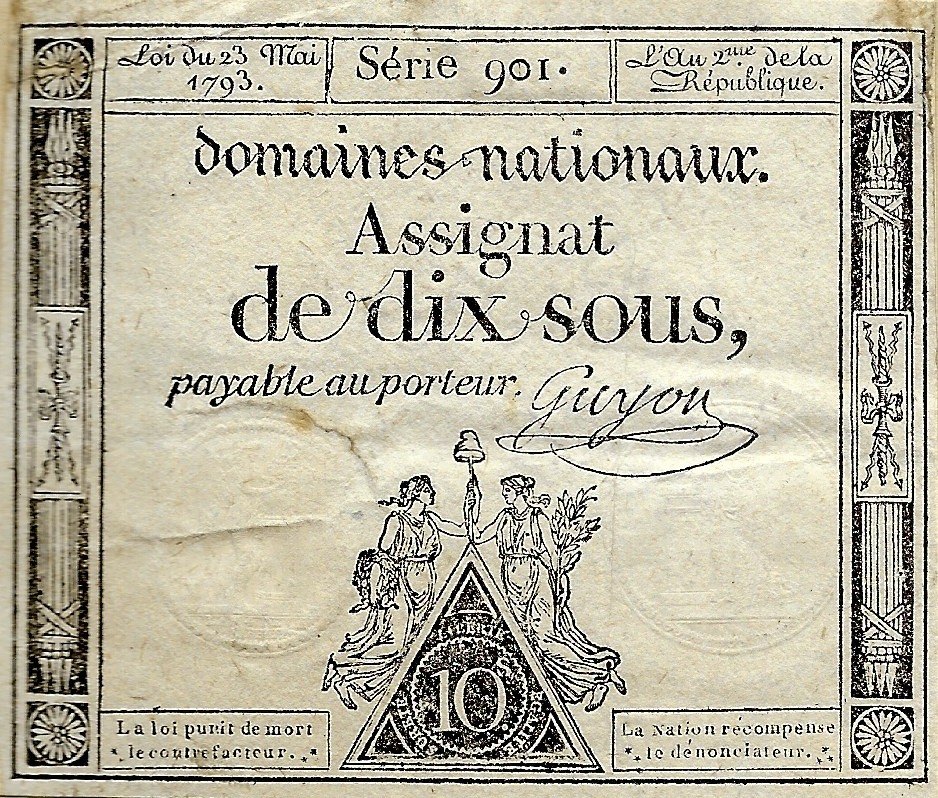
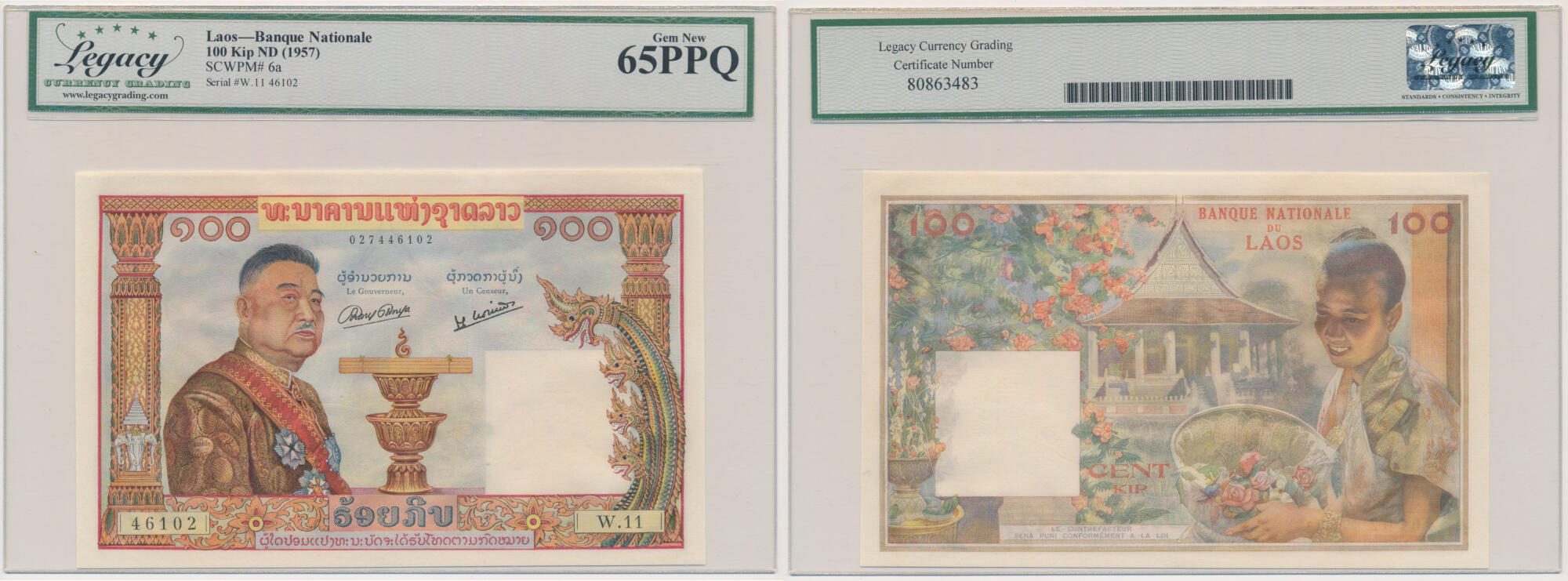
Banknotes are documents as much as objects. Their issuer, promise text, serial format, signatures, paper and security features all need to be recorded before condition or market context can be studied responsibly.
Evidence to record · limits to respect
- Issuer and obligation
- Record and compareCopy the bank or treasury name, payment clause, denomination and branch wording on both sides.
- Limits of the evidenceCurrency and language alone do not distinguish a state issue from a private, occupation or emergency issue.
- Dates and signatures
- Record and compareSeparate issue, law and series dates; note printed office titles and signature positions before comparing combinations.
- Limits of the evidenceA printed date can remain unchanged across later printings. Do not identify an unreadable signature by resemblance.
- Serials and overprints
- Record and compareCopy prefixes, suffixes, leading zeros, punctuation and the location of each number or later overprint.
- Limits of the evidenceReplacement status and serial-block dates require issuer or catalogue documentation; a star has no universal meaning.
- Paper and printing
- Record and compareMeasure the complete note without flattening it; inspect printer imprints, transmitted-light features and visible print texture.
- Limits of the evidenceOrdinary museum scans do not prove watermarks, fluorescence, raised ink or paper composition.
- Circulation or specimen
- Record and compareRecord specimen wording, cancellation holes, unprinted areas and annotations exactly as seen.
- Limits of the evidenceMissing serials alone do not establish a proof. A museum note demonstrates that specimen, not every series variety.
Browse related records
Filter the catalogue after identifying the exact type and documented field.
Banknote identification guide
Work through the identification checks before comparing condition or market context.
Care-first rule
Orbis identifies banknote types and documents sources. It does not grade individual notes or publish banknote values.
Collect by issuer, series or historical event
Paper-money collections are easiest to control when they follow a documented issuing authority, printer, monetary reform, colonial administration, emergency period or design family. This prevents a box of interesting notes from becoming an uncited accumulation.
- Record the issuing bank, treasury, local authority or occupation administration exactly as printed.
- Separate series date, law date, issue date and overprint date when a note carries more than one.
- Transcribe signature combinations, serial prefixes, specimen marks, cancellation marks and printer imprints.
- Photograph both sides under even light before placing the note in a sleeve.
Research value from comparable notes, not headlines
Banknote value research depends on exact issue, signature variety, serial range, replacement status, condition and originality. A rare-looking denomination may be common in low grade, while a modest note may matter because of a specific printer, prefix or issuing context.
- Use completed, attributable comparables only when denomination, series, signature and condition match.
- Distinguish collector grade from historical importance: archival importance does not automatically mean market scarcity.
- Note folds, pinholes, tears, stains, trimming, washing, pressing and repairs before comparing market evidence.
- Keep auction results and dealer notes outside the identification record unless they support provenance or bibliographic research.
Protect paper, ink and security features
Banknotes are vulnerable to light, humidity, oils, pressure and chemical migration from poor sleeves. Conservation-safe storage keeps the note flat, visible and documented without flattening or treating it.
- Use archival polyester, polypropylene or polyethylene sleeves; avoid PVC and adhesive mounts.
- Store flat in a dark, stable environment and avoid prolonged display under light.
- Do not iron, press, wash, laminate or tape a note; those treatments alter evidence and can be irreversible.
- Keep labels, receipts and certificates in separate archival pockets so inks and adhesives cannot transfer.
Common questions
- Does a high denomination banknote automatically have high value?
- No. Denomination is only one fact. Series, issuer, survival, condition, signatures and demand all affect value research.
- Should I flatten a folded banknote?
- No. Pressing can alter originality and leave new damage. Store the note flat and supported without treatment.
- Why record serial prefixes?
- Prefixes, blocks and replacement marks can distinguish varieties that share the same design and date.