The reference library
Collector reference library
Comprehensive, source-linked guides for collectors who want to document what they can see, understand what a source supports and keep uncertainty visible.
Documentation
Photographing and documenting collectibles
Build a reliable object record: safe handling, clear photographs, literal observations, source citations and an image-rights trail.
Read the guide
Research
Reading inscriptions and catalogue references
A source-first method for literal transcription, uncertain readings, historical issuers, original dates and conflicting catalogue numbers.
Read the guide
Care
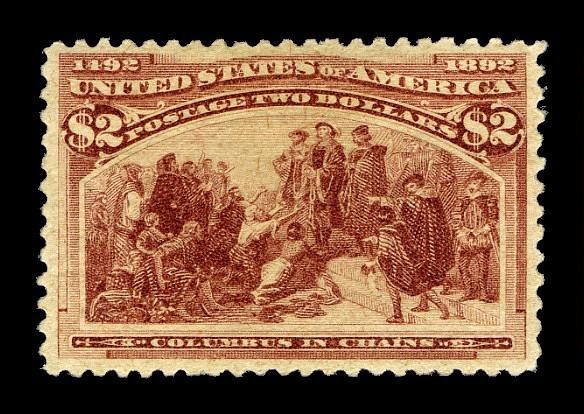
Paper collectibles: storage, handling and condition
Conservative care for banknotes, stamps, postcards and other paper objects: enclosures, light, support, condition records and when to stop.
Read the guide
Research
Provenance and source research for collectibles
Trace an object's documented history, assess independent evidence, distinguish specimens from types and preserve uncertainty in a research dossier.
Read the guide
Care
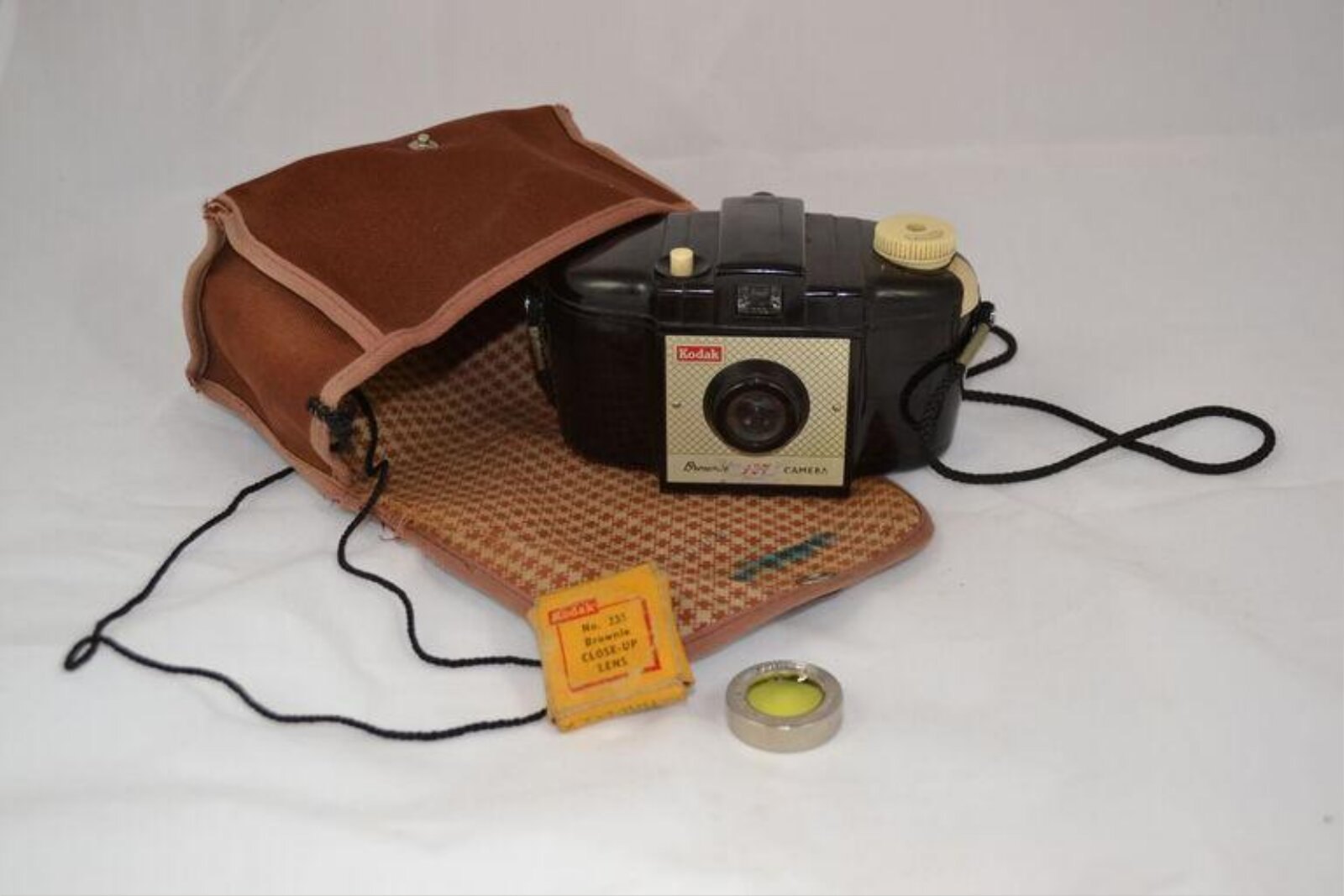
Metal and mixed-material collectibles: preventive care
Plan safe handling, supportive storage and condition records for coins, medals, watches and cameras without polishing, dismantling or home restoration.
Read the guide
Research
Historical issuers, calendars and dates on collectibles
Record issuing authorities under their historical names, read regnal, Hijri and era dates in their original form, and keep normalized equivalents and date ranges honest.
Read the guide
Research
Mint marks, printers and production marks
Read the small marks that record where and by whom an object was produced: mint marks and mint cities on coins, printer imprints on notes and stamps, and maker or assay marks on metalwork.
Read the guide
Four habits of careful research
- Observe: record visible features before assigning a type.
- Compare: use a named institutional or specialist source.
- Qualify: separate facts, proposals and unanswered questions.
- Preserve: keep original photographs, citations and rights information.
Continue your research
These guides support documentation and comparison. They do not authenticate an individual object, assign a grade or estimate a price. Museum accession numbers describe collection specimens, not automatically every object of the same type.