Collector article · Other fields
Collecting, researching value and caring for cameras, pens and further collectibles
Other collecting fields need the same evidence discipline: identify the maker, model, variant, material, mechanism, completeness and source before making rarity or value claims.
Evidence to record · limits to respect
- Maker and model
- Record and compareCopy body, cap, barrel and clip markings exactly; separate retailer names from manufacturer names.
- Limits of the evidenceA shared brand or family name does not establish a specific version; museums may preserve broad descriptions.
- Camera construction
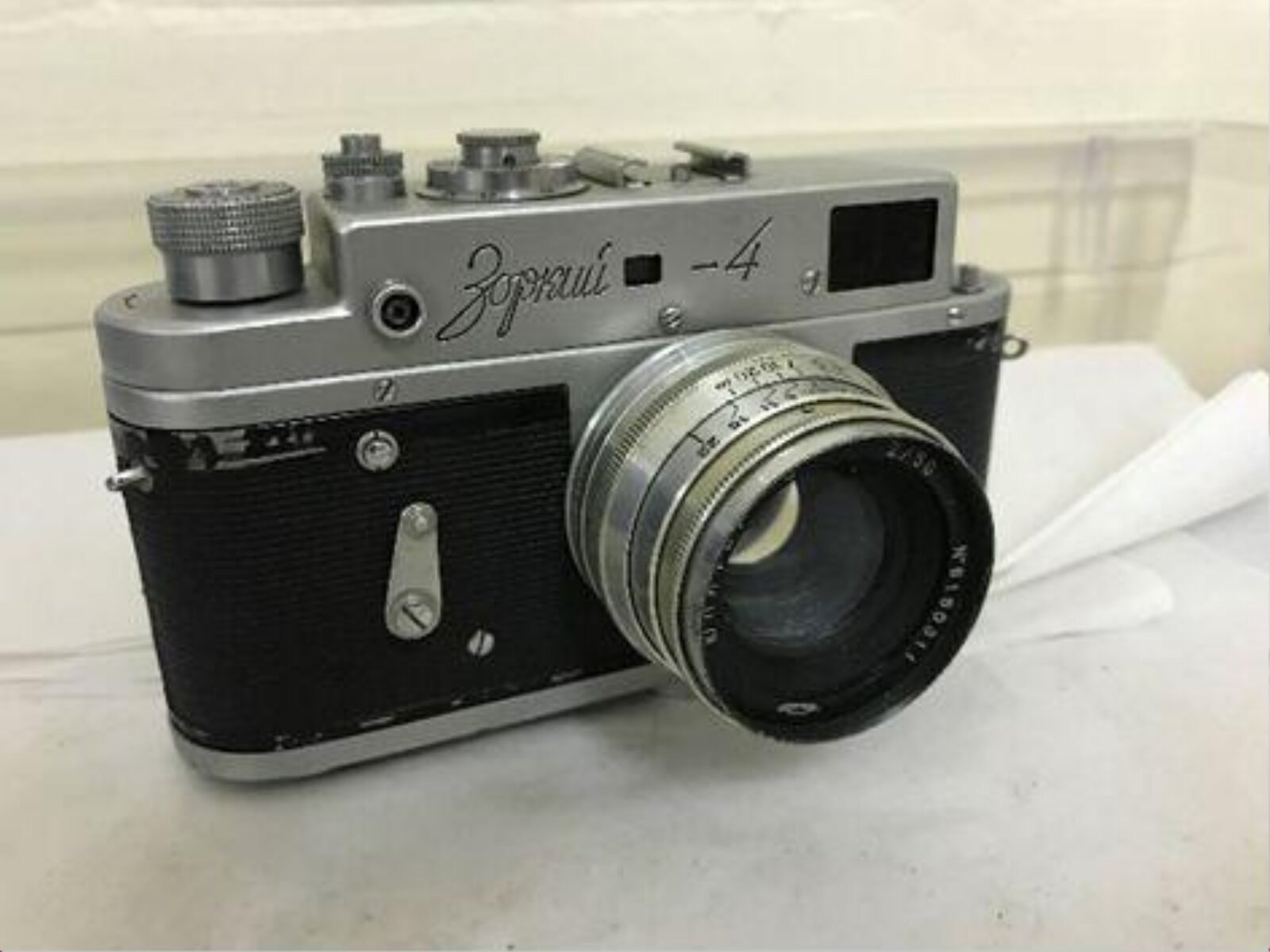
- Record and compareCompare body form, film or plate format, viewfinder layout, shutter controls and lens mount with documented versions.
- Limits of the evidenceDo not fire a shutter or force a back to check it. A fitted lens may be a later substitution.
- Lens documentation
- Record and compareRecord focal length, maximum aperture, maker, lens name and lens serial separately from the body serial.
- Limits of the evidenceA lens chronology does not date the body. Exterior appearance does not establish optical or shutter condition.
- Pen filling and nib
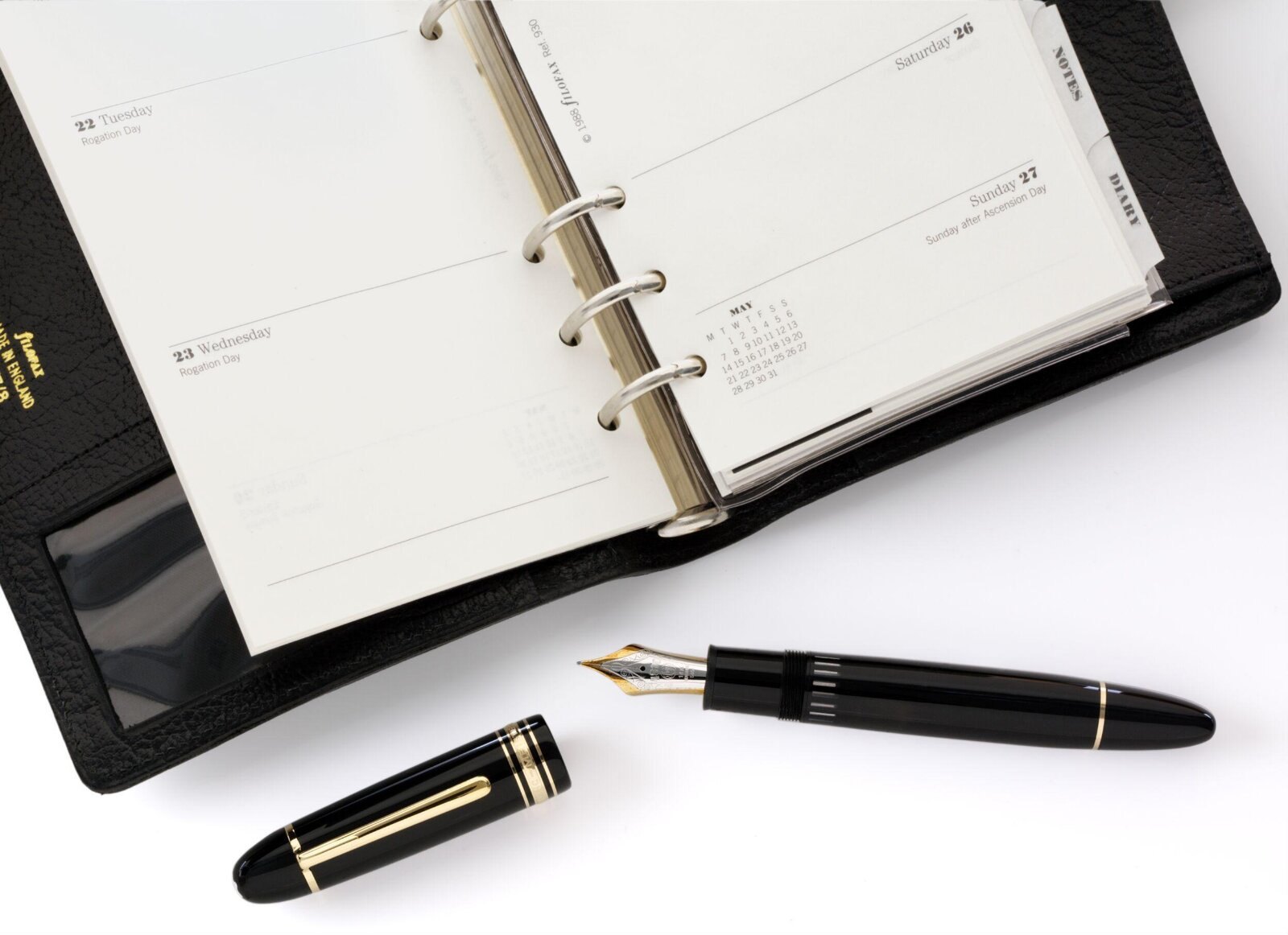
- Record and compareRecord visible lever, button, cartridge connection or ink window; transcribe nib imprint and barrel markings.
- Limits of the evidenceDo not disassemble or fill an unknown pen. A fitted nib may not be original, and gold colour does not establish fineness.
- Version and replacement parts
- Record and compareCompare controls, trim, caps, sections, backs and material patterns with a named maker archive or museum description.
- Limits of the evidenceSerials need a maker-specific source. A photograph cannot prove operation, internal seals or an original assembly.
Browse related records
Filter the catalogue after identifying the exact type and documented field.
Care-first rule
Orbis adds new collecting fields only from reliable references. It does not infer variants or publish valuations for individual objects.
Define the object family before the variant
For cameras, pens, scientific instruments and similar fields, the first task is to identify the maker and model family. Variant-level details come later: lens mount, shutter, nib, filling system, finish, production period, export mark or accessory set.
- Record maker marks, model names, serials, patents, country marks and retailer labels exactly as found.
- Photograph every marking, mechanism, accessory and case before cleaning or repair.
- Keep original boxes, manuals, caps, straps, lenses, nibs and fittings with the object record.
- Mark uncertain model names as research required rather than choosing the closest online match.
Research value by completeness and working condition
In many object fields, value research depends less on age alone and more on completeness, originality, working order, specialist demand and the presence of scarce accessories. A camera without its correct lens or a pen with a replaced nib may be a different market comparison.
- Compare only the same maker, model, variant, finish and accessory state.
- Document faults honestly: shutter lag, fungus, haze, cracked hard rubber, brassing, corrosion, leaks or missing parts.
- Separate restoration cost from market context; an object can be historically interesting and uneconomical to repair.
- Use books, museum records, maker catalogues and specialist societies before dealer summaries.
Care follows material and mechanism
Mixed-material objects are damaged when one generic cleaning method is applied to everything. Glass, lacquer, leather, rubber, celluloid, hard rubber, plated metal and ink residues each need different caution.
- Do not oil shutters, shutters, nib mechanisms or hinges without knowing the correct lubricant and procedure.
- Keep celluloid, rubber and plastics away from heat and prolonged sunlight.
- Store cameras with lenses capped and pens cleaned only when appropriate for their filling system.
- Use reversible, labelled storage so accessories are not separated from the object they document.
Common questions
- Is an old camera or pen valuable because it is old?
- Not automatically. Maker, model, rarity, completeness, condition, originality and collector demand all matter.
- Should I repair an object before cataloguing it?
- No. Photograph and document it first. Repair can remove marks, replace parts or obscure evidence.
- What sources are strongest for these fields?
- Maker catalogues, museum records, patents, specialist reference books and society research are stronger than unsourced sales descriptions.