Collector article · Horology
Collecting, researching value and caring for antique clocks
A clock combines a case, a dial and a movement that may not have started life together. Good collecting starts with recording each part and how they relate.
Evidence to record · limits to respect
- Form and case
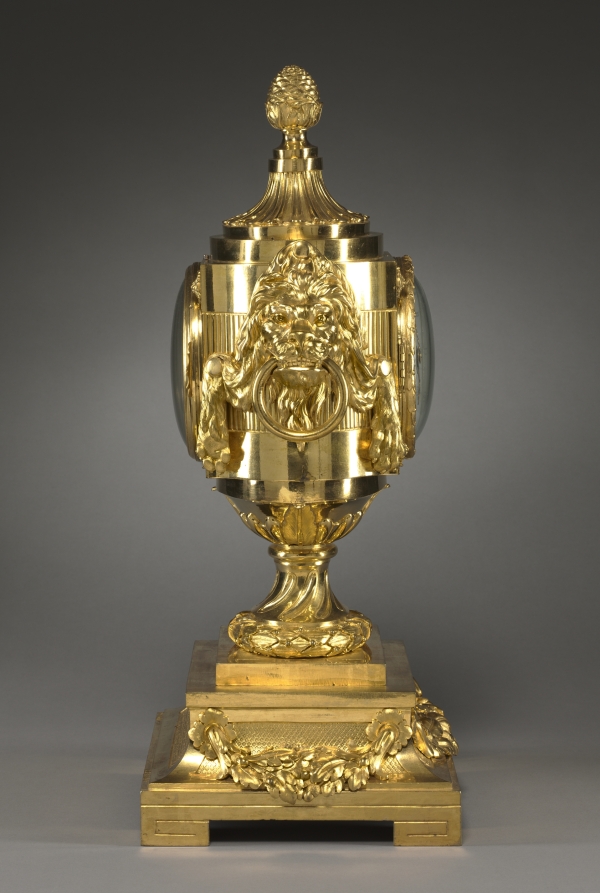
- Record and compareCompare mounting, proportions, materials and case construction; distinguish a complete clock from a detached case.
- Limits of the evidenceCase style alone cannot date a movement, and a case photograph does not show the train.
- Dial and signature
- Record and compareTranscribe name, place, numerals and subsidiary displays; keep retailer, clockmaker and cabinetmaker attributions separate.
- Limits of the evidencePainted or enamel dials may have been replaced. A signature needs documentary support for authorship.
- Power and trains
- Record and compareRecord weights, winding apertures, visible fusees and any documented going, striking, chiming or alarm trains.
- Limits of the evidenceWinding holes alone do not identify the full mechanism. Do not wind or run an uninspected movement.
- Sundial geometry
- Record and compareDistinguish portable and fixed dials; record gnomon form, hour scales, compass and latitude wording where visible.
- Limits of the evidenceA latitude setting is not proof of a place of manufacture. A dial photograph cannot establish timekeeping accuracy.
- Conversions and replacements
- Record and compareCompare seat boards, fixing holes, dial feet and movement fit with documented original configurations.
- Limits of the evidenceMuseum documentation describes its object; matching its exterior does not establish an original case–movement pairing.
Browse related records
Filter the catalogue after identifying the exact type and documented field.
Care-first rule
Orbis does not publish valuations. Compare only against documented sales of equivalent clocks with known originality and condition.
Record case, dial and movement separately
Each part can have its own history. Recording them separately makes marriages, conversions and replacements visible instead of hidden.
- Photograph the movement front and back, the dial, and the inside of the case.
- Record signatures and their location exactly as written.
- Note unused holes and filled screw holes as possible signs of change.
- Keep service marks and repair papers with the record.
Understand conversions
Many clocks were converted from verge to anchor escapement, from weight to spring or from one striking system to another. Conversions are part of the object's history and affect comparison.
- Record the current escapement and any evidence of the original one.
- Note replaced pendulums, weights, hands and finials.
- Leave uncertain points as research required rather than guessing.
Common questions
- Does a replaced dial ruin a clock?
- Not necessarily, but it changes what the clock is and must be recorded honestly.
- Can I tell a clock's age from its case style?
- Only roughly. Cases were remade and styles revived, so movement evidence is stronger.
- Are sundials included?
- Yes. Sundials are recorded under the Clocks and Sundials section with their stated source and dial type.