Collector article · Philately
Collecting, researching value and caring for stamps
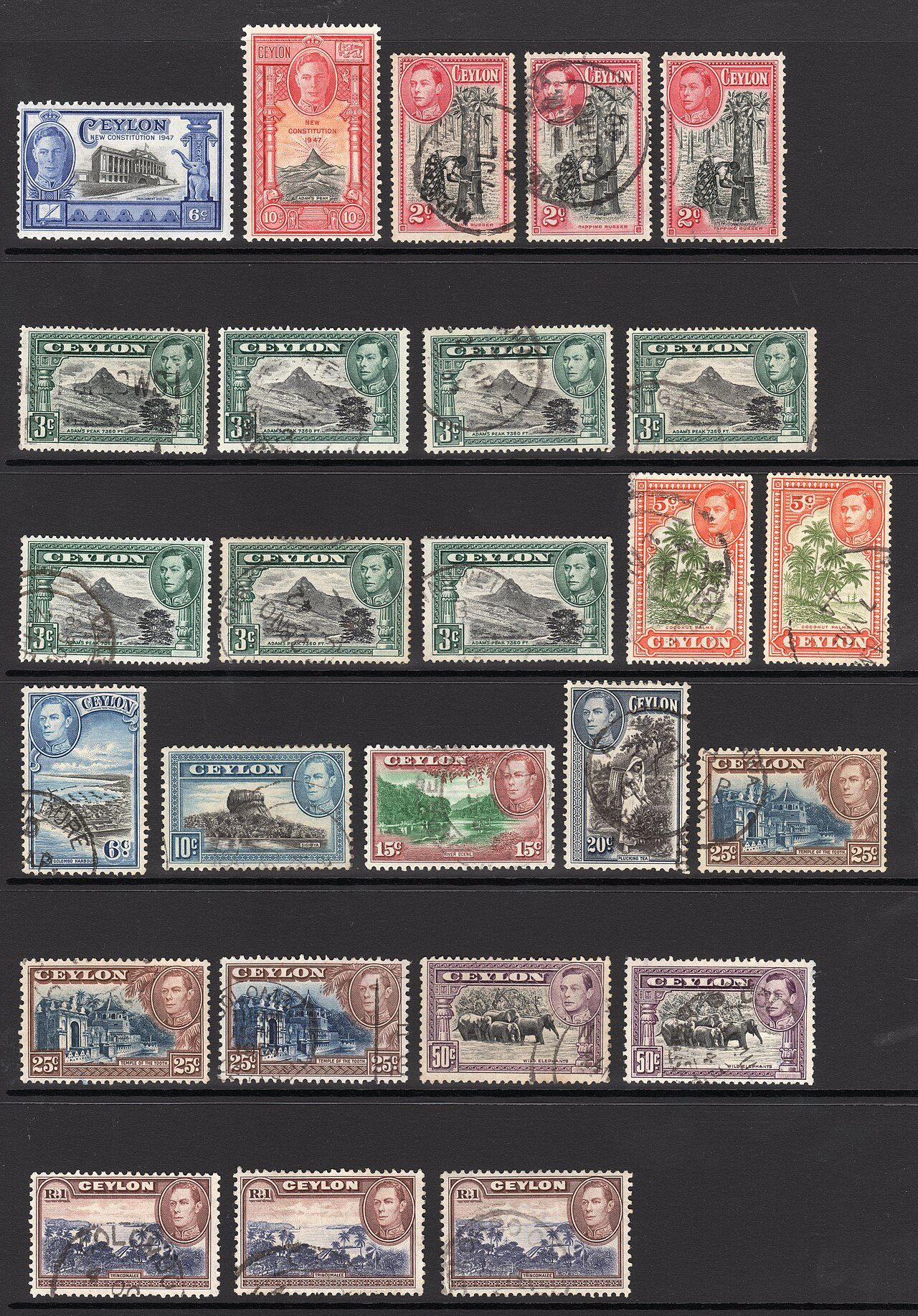
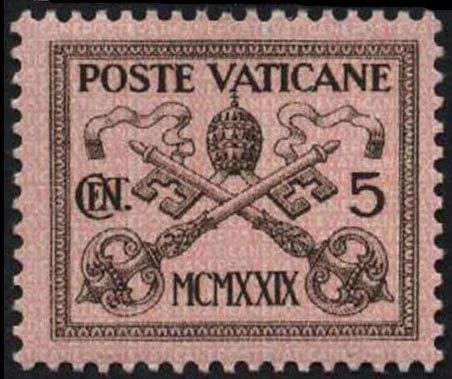
Stamp collecting rewards precision. Two stamps with the same design can differ by paper, watermark, perforation, plate, gum, cancellation or reprint status, so care and value research both begin with careful identification.
Evidence to record · limits to respect
- Administration and purpose
- Record and compareRecord denomination, currency, inscriptions and any official, postage-due, local-post or revenue wording.
- Limits of the evidenceAdhesive format alone does not establish postage use; seals and revenue stamps require separate classification.
- Design and separation
- Record and compareCompare frame details, lettering and corner marks. Gauge horizontal and vertical perforations separately per 20 mm.
- Limits of the evidenceA screen image has no reliable physical scale. Missing teeth or cut margins are not proof of an imperforate issue.
- Watermark and paper
- Record and compareRecord a watermark only when observed or explicitly documented for the museum specimen; distinguish orientation and partial devices.
- Limits of the evidenceA face scan usually cannot resolve watermarks, gum or paper thickness. Do not detach a stamp from its cover.
- Printing and overprints
- Record and compareCompare line structure, screen patterns, lettering position and overprint relationship with the underlying design.
- Limits of the evidenceColour varies with fading, lighting and scanning; dot patterns alone do not distinguish every printing process.
- Issue versus postal use
- Record and compareSeparate the source's issue date from a cancellation date; retain cover context, plate markings and museum identifier.
- Limits of the evidenceA postmark dates use, not printing. Authentication of an overprint, cancellation or altered perforation needs expert examination.
Browse related records
Filter the catalogue after identifying the exact type and documented field.
Stamp identification guide
Work through the identification checks before comparing condition or market context.
Care-first rule
Orbis records stamp issues and documented varieties. It does not certify individual stamps or publish stamp valuations.
Collect issues, not pictures
A useful stamp collection is organised by postal administration, issue, printing, plate, paper or postal use. The design is only the start: catalogue-level distinctions often sit in the watermark, perforation, gum or marginal evidence.
- Record country or postal administration, denomination, issue name and original date of issue.
- Measure perforation and note whether the stamp is imperforate, rouletted, coil, booklet or sheet format.
- Check watermark, paper, gum and printing method only from the object in front of you.
- Keep postmark evidence separate from issue evidence; a stamp can be used long after it was issued.
Research value through exact variety and condition
Stamp value research can change completely with one hidden detail: watermark orientation, reperforation, regumming, repair, plate number or forged overprint. Compare market evidence only after those details are settled or explicitly marked unresolved.
- Compare mint to mint and used to used; never mix condition classes casually.
- Check for thins, tears, creases, fading, toning, reperforation and regumming before comparing examples.
- For classic rarities and overprints, treat expert certificates as part of the research record.
- Do not infer a catalogue number from a look-alike image when watermark or perforation is unknown.
Handle with philatelic tools
Skin oils, pressure, hinges and poor albums can damage stamps. Safe collecting keeps the stamp supported, dry, removable and visible without changing gum, paper or perforations.
- Use stamp tongs rather than fingers, especially for mint stamps with gum.
- Store in archival mounts, stock books or albums made without harmful plasticisers.
- Avoid hinges on mint stamps unless the collecting scope accepts hinged examples.
- Use watermark fluid and drying procedures only when appropriate for the paper and ink; avoid experimentation on scarce material.
Common questions
- Can I identify a stamp from the picture alone?
- Often no. Watermark, perforation, paper and gum can separate visually similar stamps into different catalogue types.
- Are used stamps always less valuable than mint stamps?
- No. Some postal uses, cancellations and covers are historically important, but they must be compared within their own collecting category.
- What should I do with a suspected rarity?
- Handle it minimally, document both sides, record measurements and seek a recognised expert certificate before making claims.