Catalogue
Astrolabes, Dials and Instruments
Astrolabes, quadrants, astronomical compendia, portable dials and watchmakers' workshop tools used to find or keep time.
Published entries
445
Individual types and documented families
With photographs
100%
445 with a credited real-object photo
Dated span
800 BC – 2014
325 entries with their own date
Verified or well documented
0
Highest two confidence levels
Catalogue entries (445)
Filter by era, country, maker or material1–48 of 445 entries
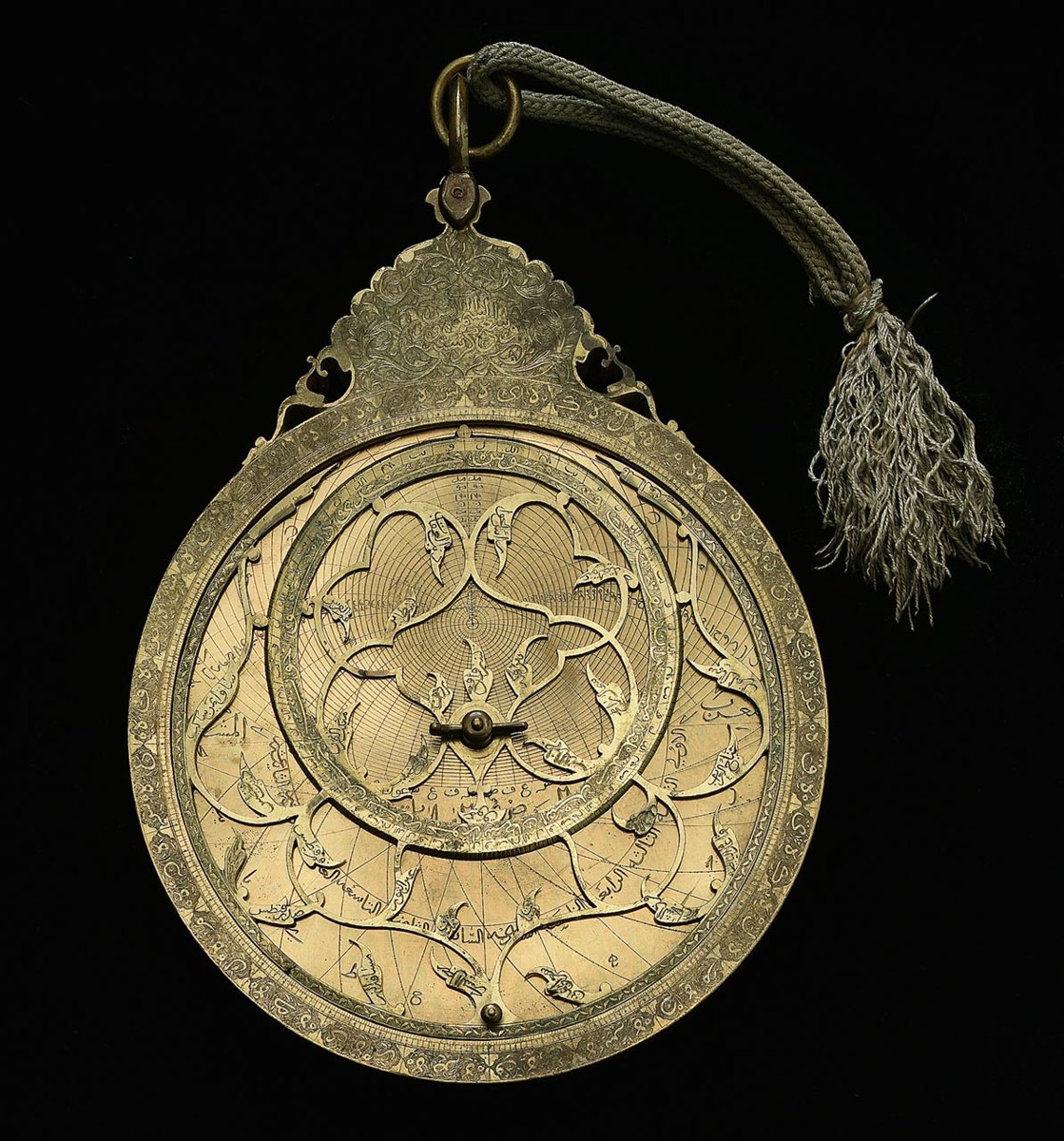
National Maritime Museum, Greenwich, London, Caird Collection
horological instruments
'Abd al-A'imma Gilt-Brass Astrolabe
1715-1716
This gilt-brass astrolabe, preserved in the Caird Collection at the National Maritime Museum under ID AST0545, was created by the prolific maker 'Abd al-A'imma. It bears a construction date inscription 'fi sanat 1128' (AH 1128 / approximately 1715–1716 AD) located above the central hole. Cast in one piece with the m…
Partial type record
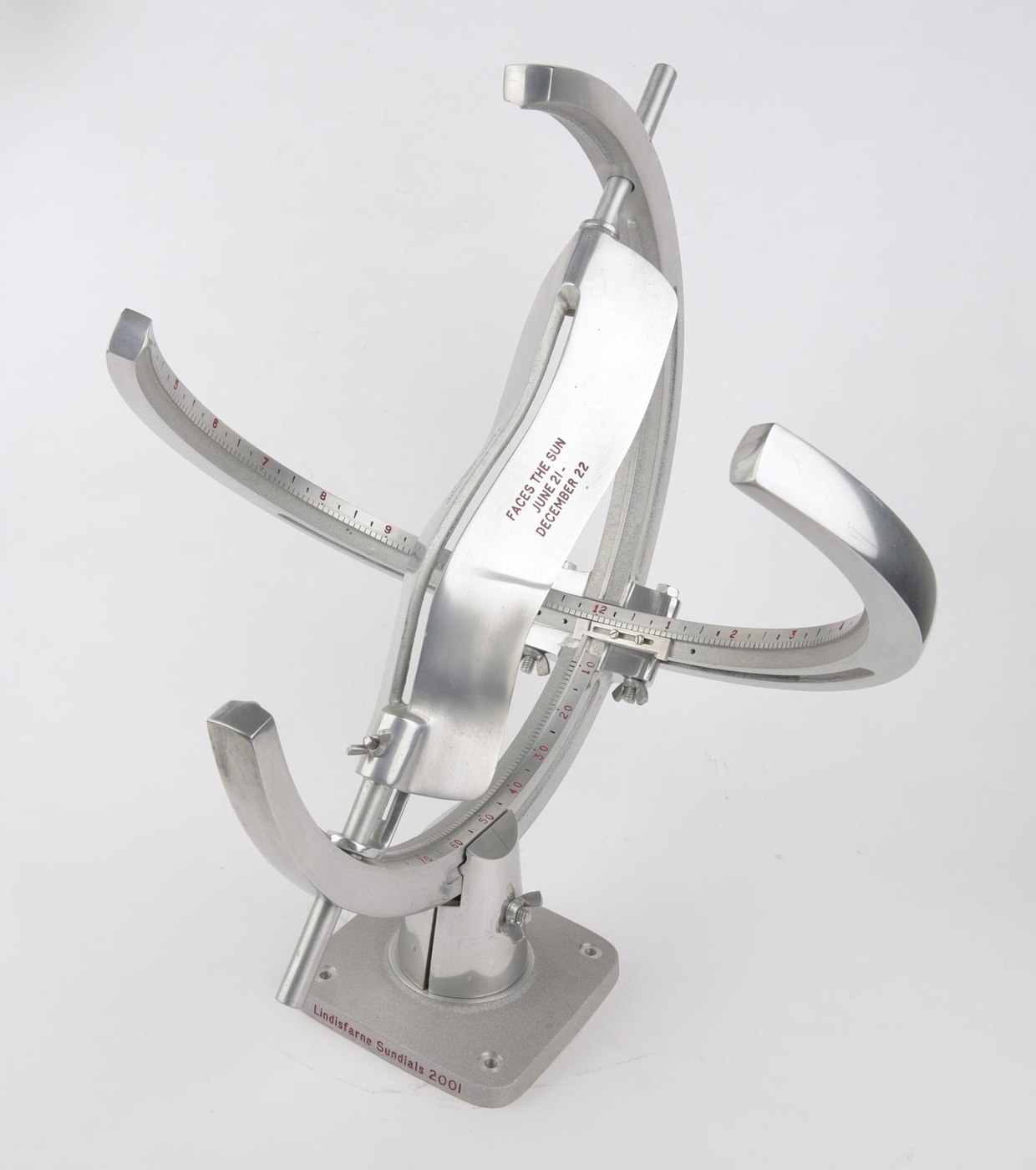
Tony Moss, Lindisfarne Sundials
horological instruments
'Sunquest' Mean-Time Sundial
2001
This 'Sunquest' mean-time sundial, or heliochronometer, was produced in 2001 by Tony Moss of Lindisfarne Sundials in Bedlington, Northumberland. The object was designed by R. L. Schmoyer, based on original pattern designs dating to 1959. Constructed of metal, the instrument functions by tracking solar movement to in…
Partial type record
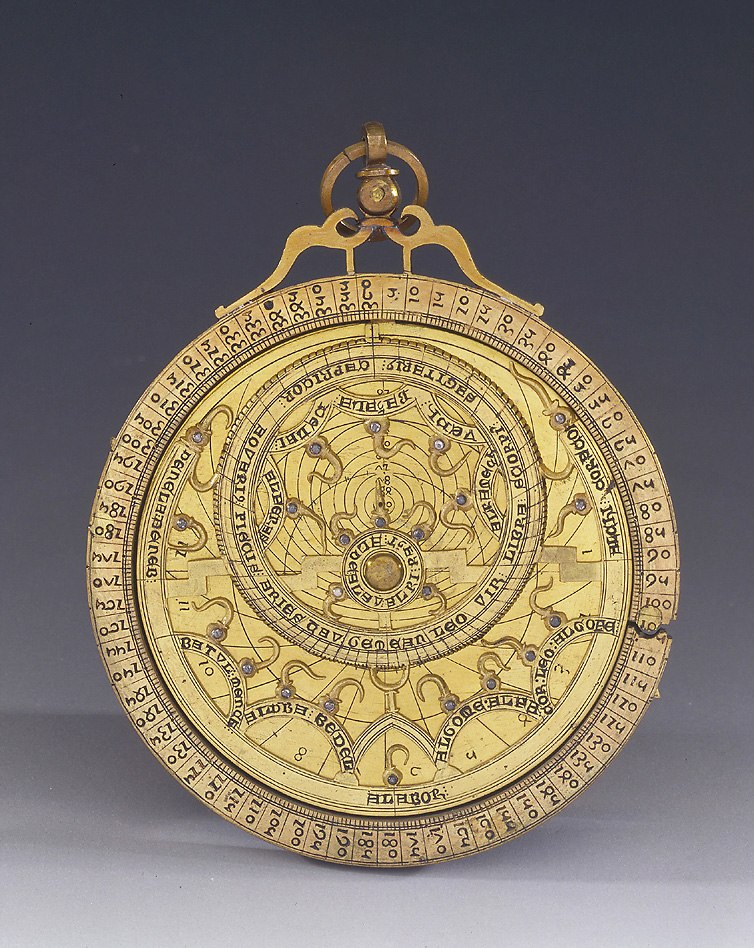
Istituto e Museo di Storia della Scienza, Firenze
horological instruments
13th Century Gilt Copper Astrolabe
13th century
This 13th-century astrolabe is a small instrument measuring 98 mm in diameter, constructed from gilt copper. It is unsigned and features a rete adorned with 23 star indicators formed by silver studs. The instrument includes a mater housing three latitude plates, two of which are calibrated for latitudes covering 41…
Partial type record
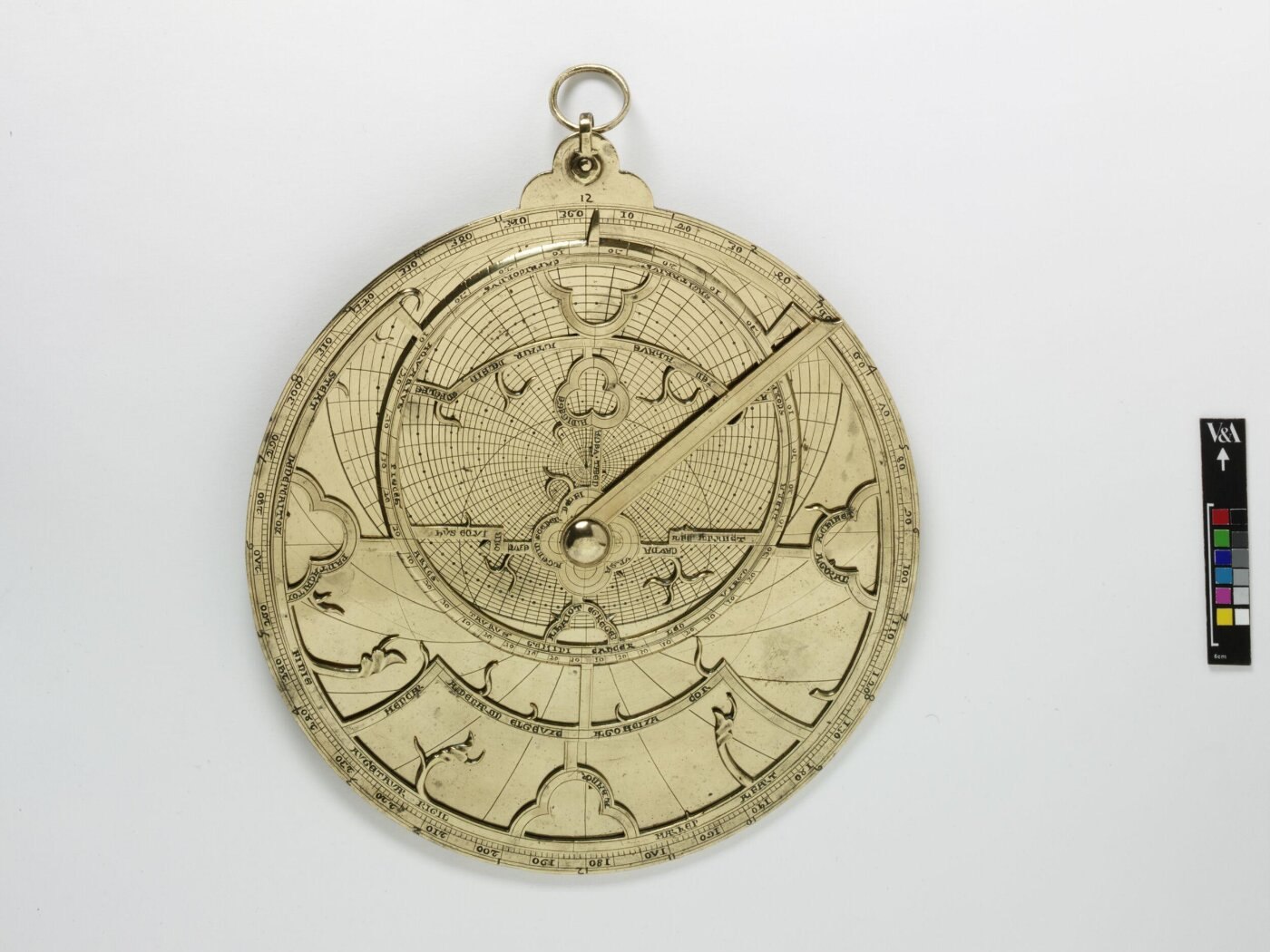
Victoria and Albert Museum, London
horological instruments
14th Century Engraved Brass Astrolabe
1300-1400
This object is a portable astronomical instrument, specifically an astrolabe, attributed to France and dated between 1300 and 1400. Constructed from cast sheet brass with additional cast elements, the instrument is decorated with engravings. The front face features a pierced plate inscribed with the names of 37 star…
Partial type record
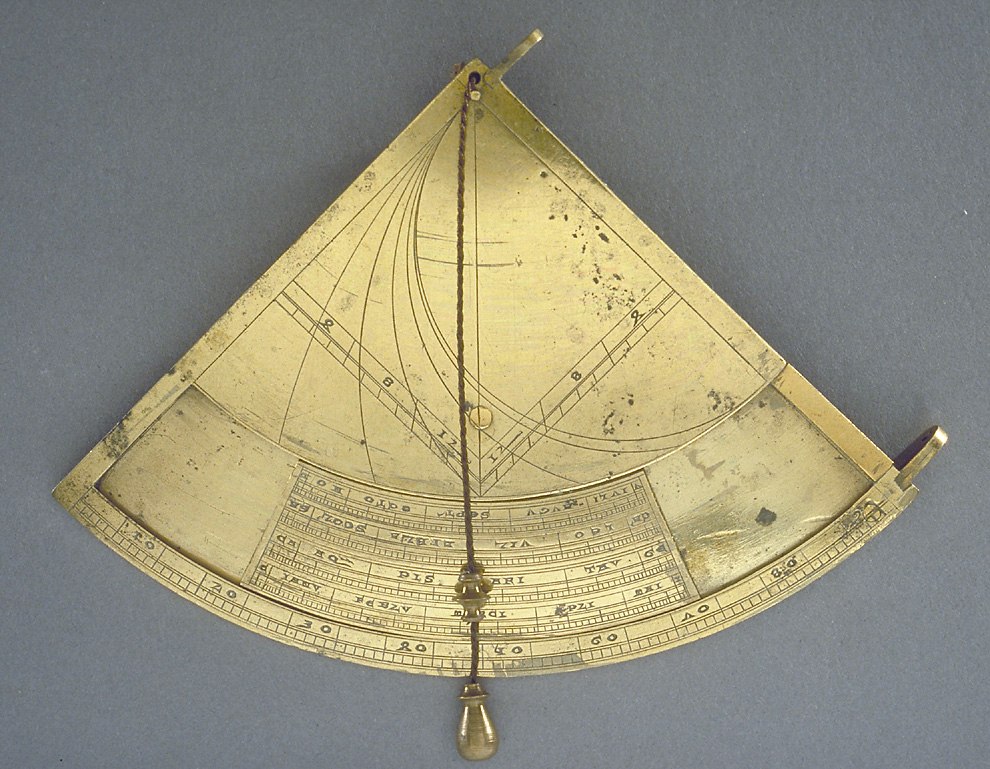
© British Museum, London
horological instruments
14th-Century English Brass Quadrant
14th century
This 14th-century brass quadrant, held by the British Museum, is an unsigned example of a 'quadrans vetus'. Measuring 160 mm in radius, the instrument features intricate astronomical markings, including lines for unequal hours and a shadow square on its front face. A notable design element is the sliding scale along…
Partial type record
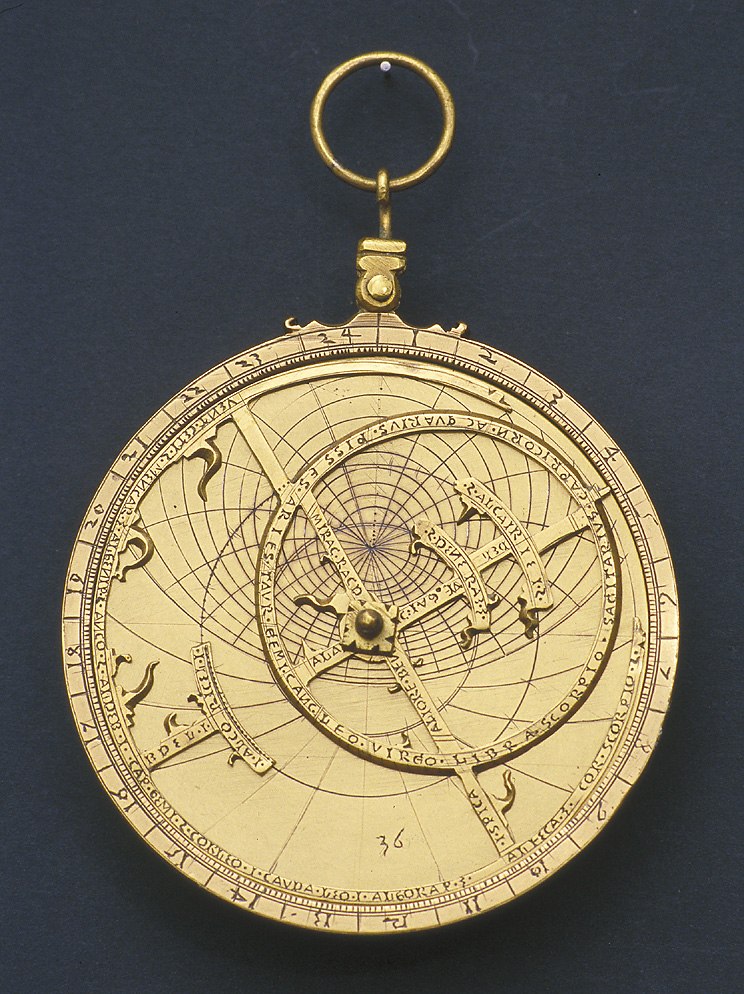
Istituto e Museo di Storia della Scienza, Firenze
horological instruments
16th-Century German Gilt Copper Astrolabe
16th century
This 16th-century German astrolabe is a gilt copper astronomical instrument measuring 88 mm in diameter. It is unsigned and preserved at the Istituto e Museo di Storia della Scienza in Florence, Italy. The device features a central mater with three plates, calibrated for different latitudes including 36, 40, 42, 45,…
Partial type record
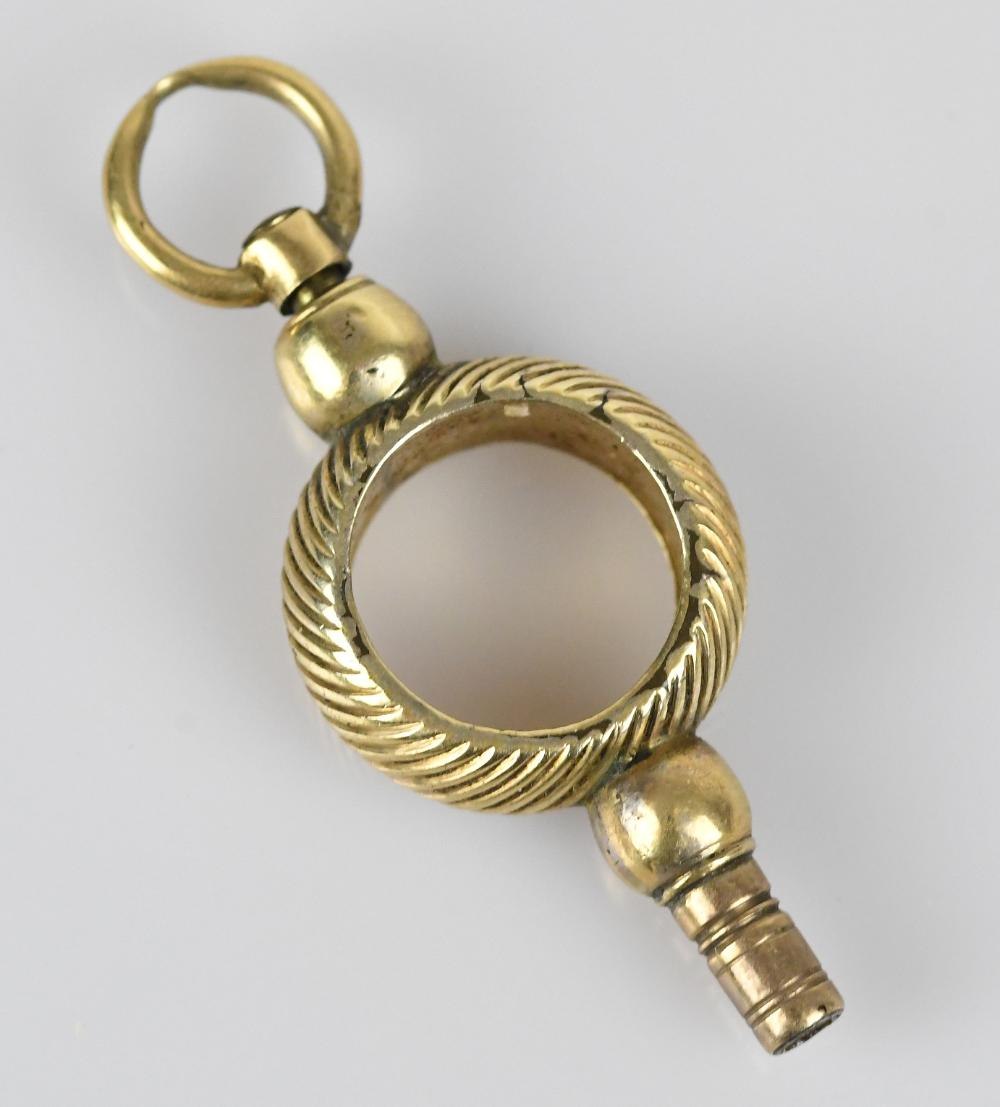
Adam Partridge Auctioneers
horological instruments
19th Century Yellow Metal Pocket Watch Key
19th century
This lot features a nineteenth-century pocket watch key fashioned from yellow metal. It lacks maker marks or official hallmarks; the auction house notes that it tests as 10kt gold on a Thermo Scientific machine. Measuring approximately 40 mm in length, the key has an approximate weight of 4.68 grams. Its design comp…
Partial type record
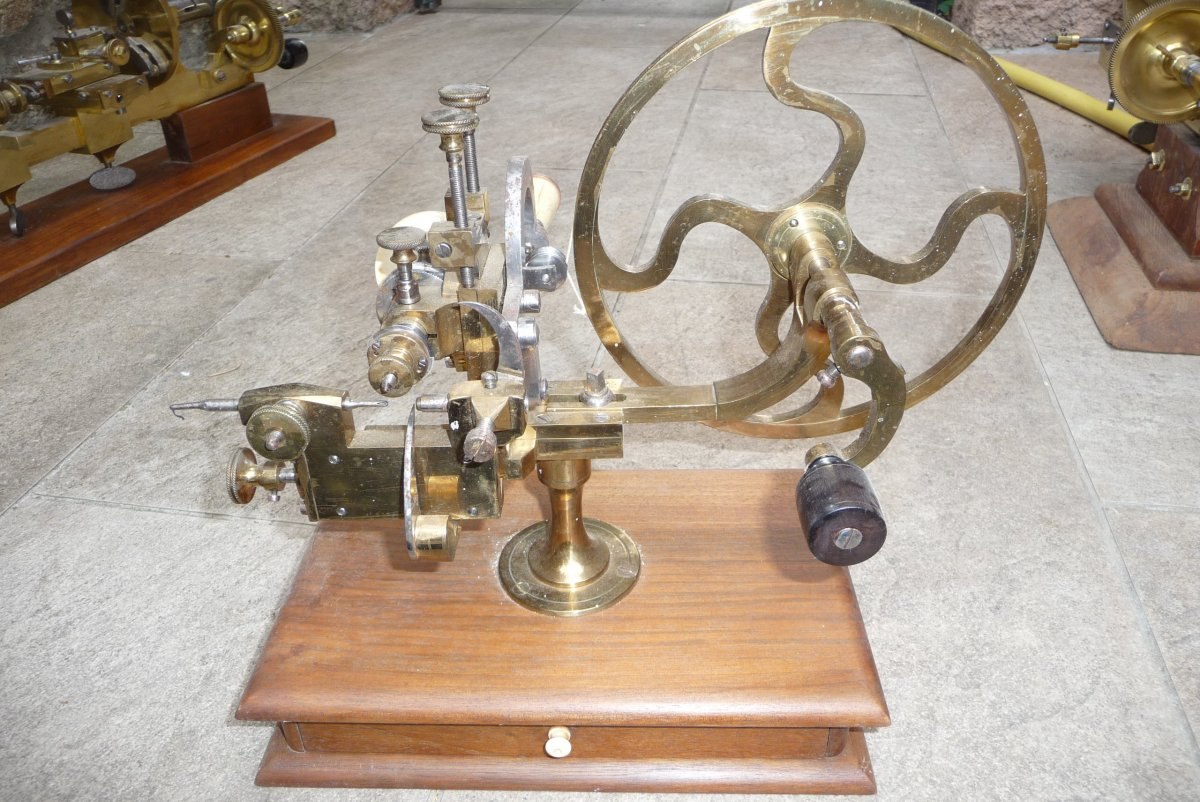
Luc Baudry / Proantic
horological instruments
19th-Century Watch and Clock Wheel Rounding Machine
19th century
This horological tool is a 19th-century rounding-up machine intended for rounding the teeth of watch and clock wheels after cutting. Constructed of brass and steel components, the apparatus is supported on a turned brass pedestal mounted atop a rectangular wooden base fitted with a lower drawer. It incorporates a la…
Partial type record
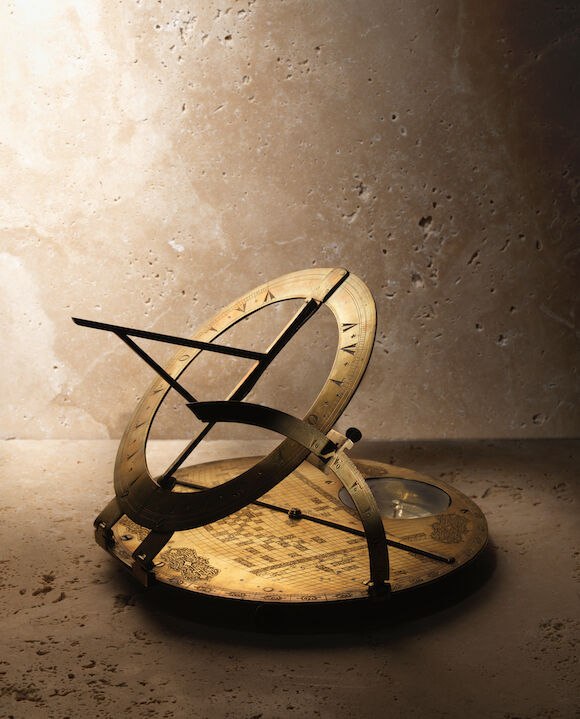
Bonhams
horological instruments
A Safavid Mecca-centred World Map
17th Century
Dating to 17th-century Safavid Persia, this scientific instrument is composed of an engraved brass base plate measuring 22.5 cm in diameter. The plate features a retroazimuthal cartographical grid centred on Mecca to ascertain qibla orientation and distance, accompanied by a centrally pivoted rotating brass diametri…
Partial type record
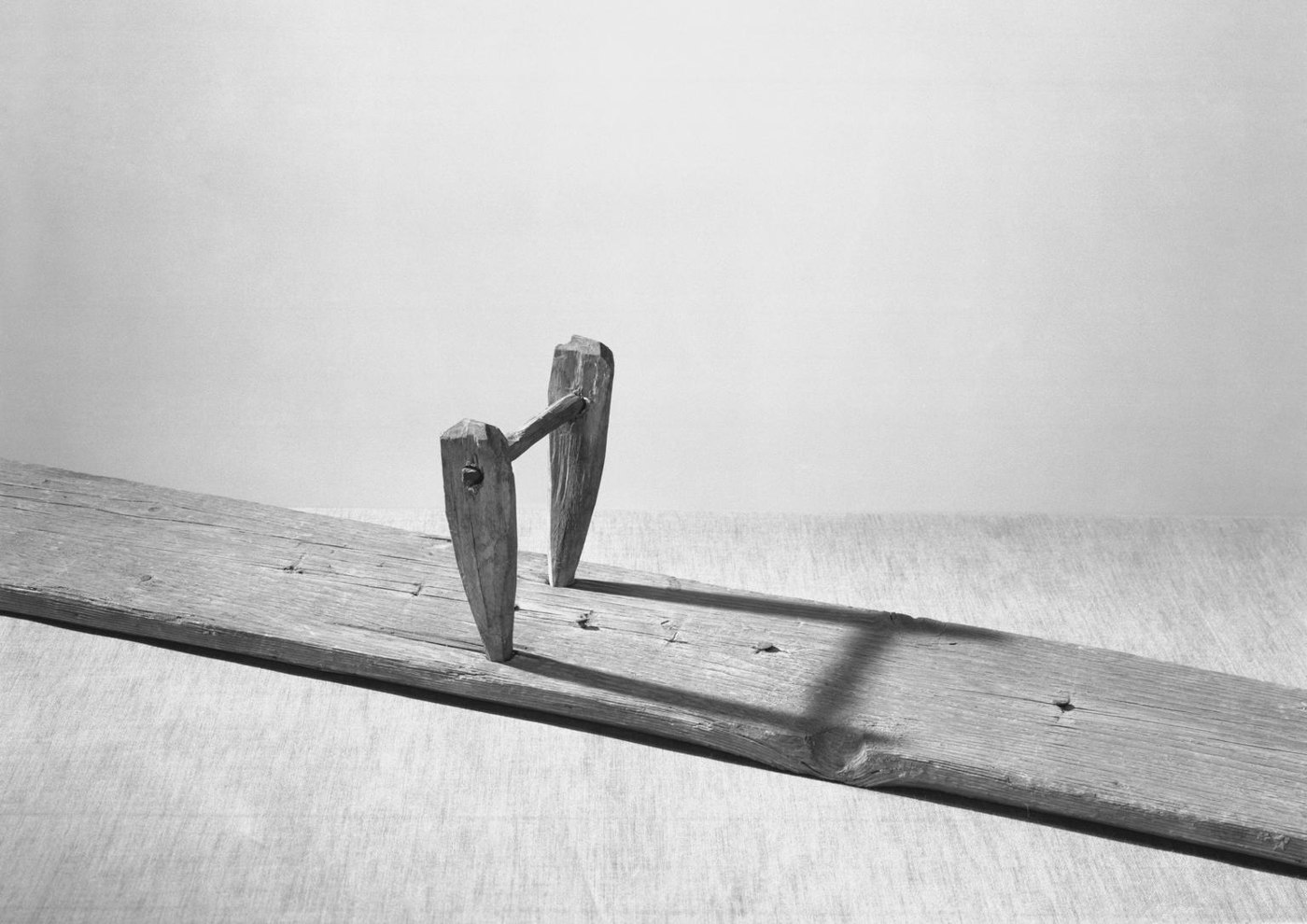
Science Museum Group
horological instruments
Ancient Egyptian Altitude Sundial
1000-800 BCE
This object is an ancient Egyptian altitude sundial, also known as a shadow clock, crafted from pine wood. It consists of a long horizontal wooden base board featuring surface markings intended to indicate units of time, and a raised horizontal gnomon supported by two uprights. The device functions by orienting the…
Partial type record
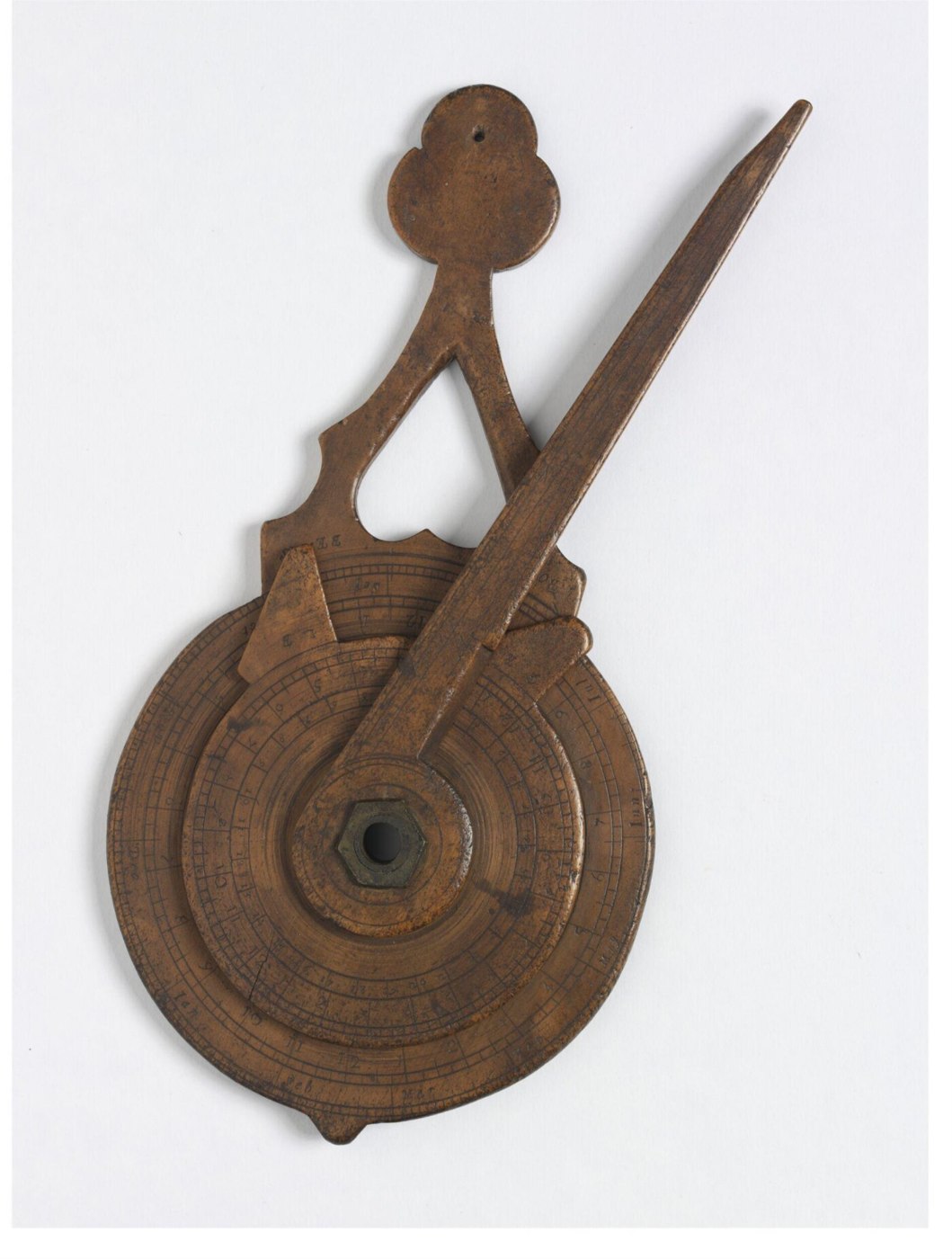
Victoria and Albert Museum, London
horological instruments
Applewood Nocturnal
1680-1720
This maritime device, known as a nocturnal or night-dial, dates to 1680-1720 and is crafted from applewood. It functions by measuring the position of stars relative to Polaris to determine time at night. The instrument comprises a circular body with an integrated handle, featuring a distinct openwork heart-shaped de…
Partial type record
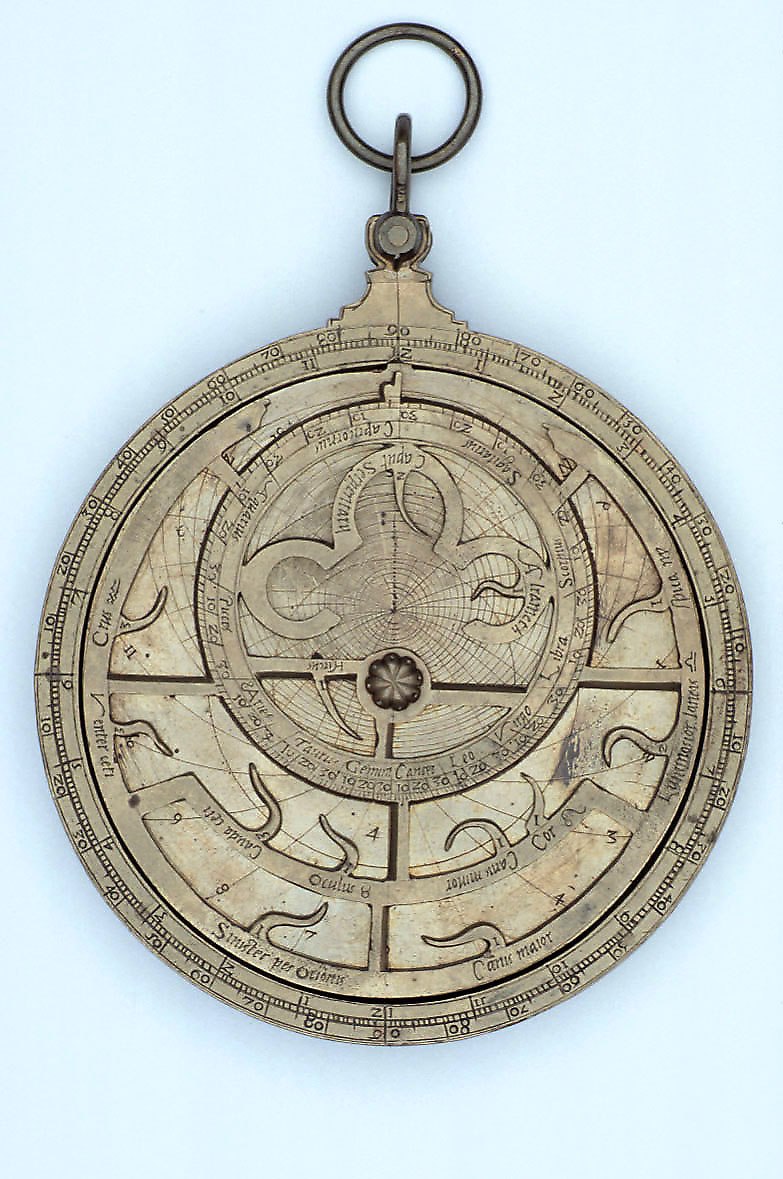
Museum of the History of Science, Oxford
horological instruments
Astrolabe
Early 16th century
This unsigned astrolabe is constructed of brass and measures 115 mm in diameter. It is held by the Museum of the History of Science, Oxford. The instrument features a limb soldered to the back plate of the mater, with a throne, shackle, and suspension ring. It includes a rete for 13 stars and three plates for variou…
Partial type record
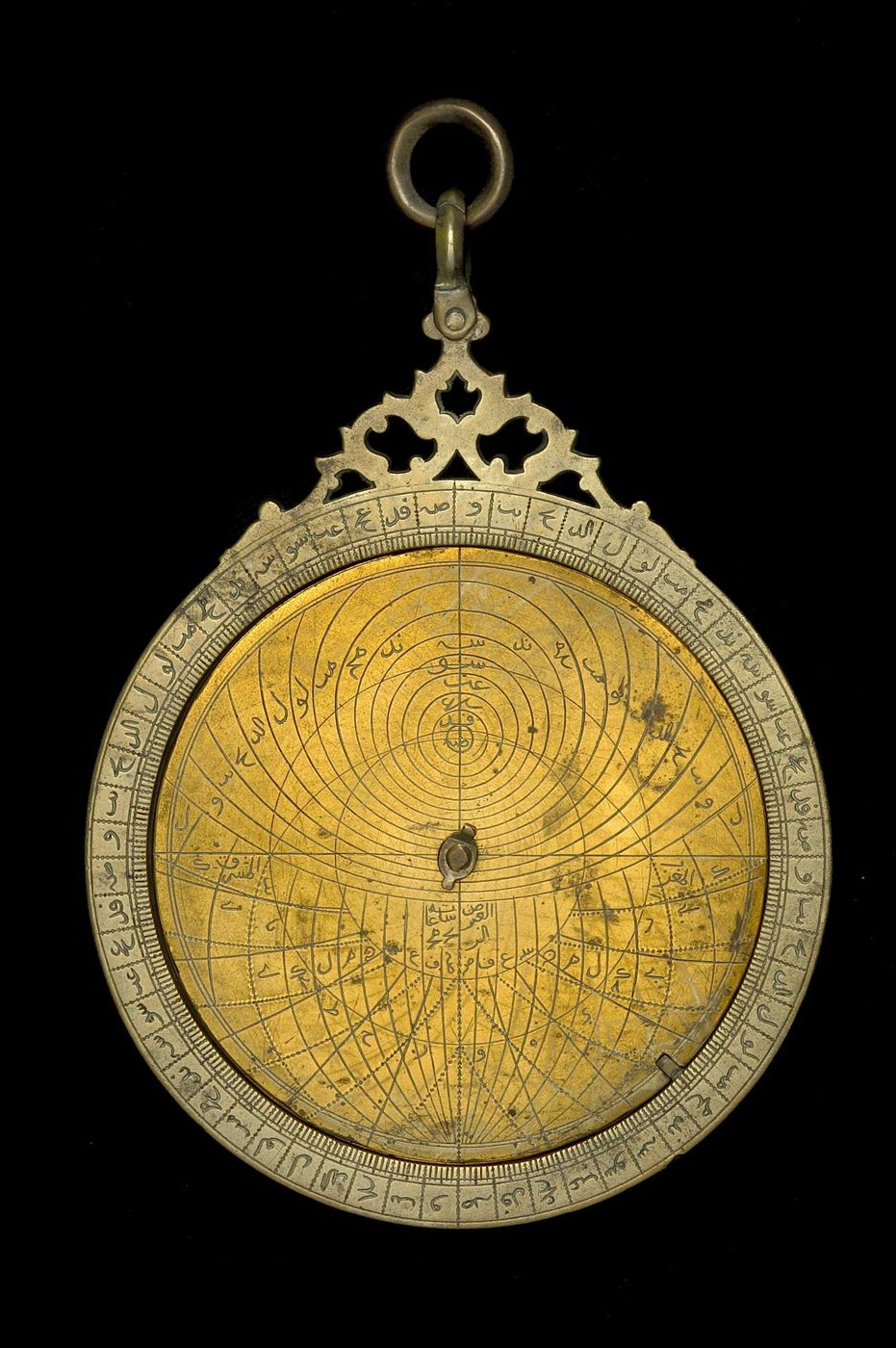
History of Science Museum, University of Oxford
horological instruments
Astrolabe (Inventory 54063)
ca. 1650
It features an Indo-Persian pierced throne with an integrated base and a trefoil-shaped shackle attached via a pivoting pin. The instrument consists of a one-piece mater and limb construction. The back is engraved with twelve distinct scales, including altitude, cotangent, shadow squares, sine/cosine, declination, p…
Partial type record
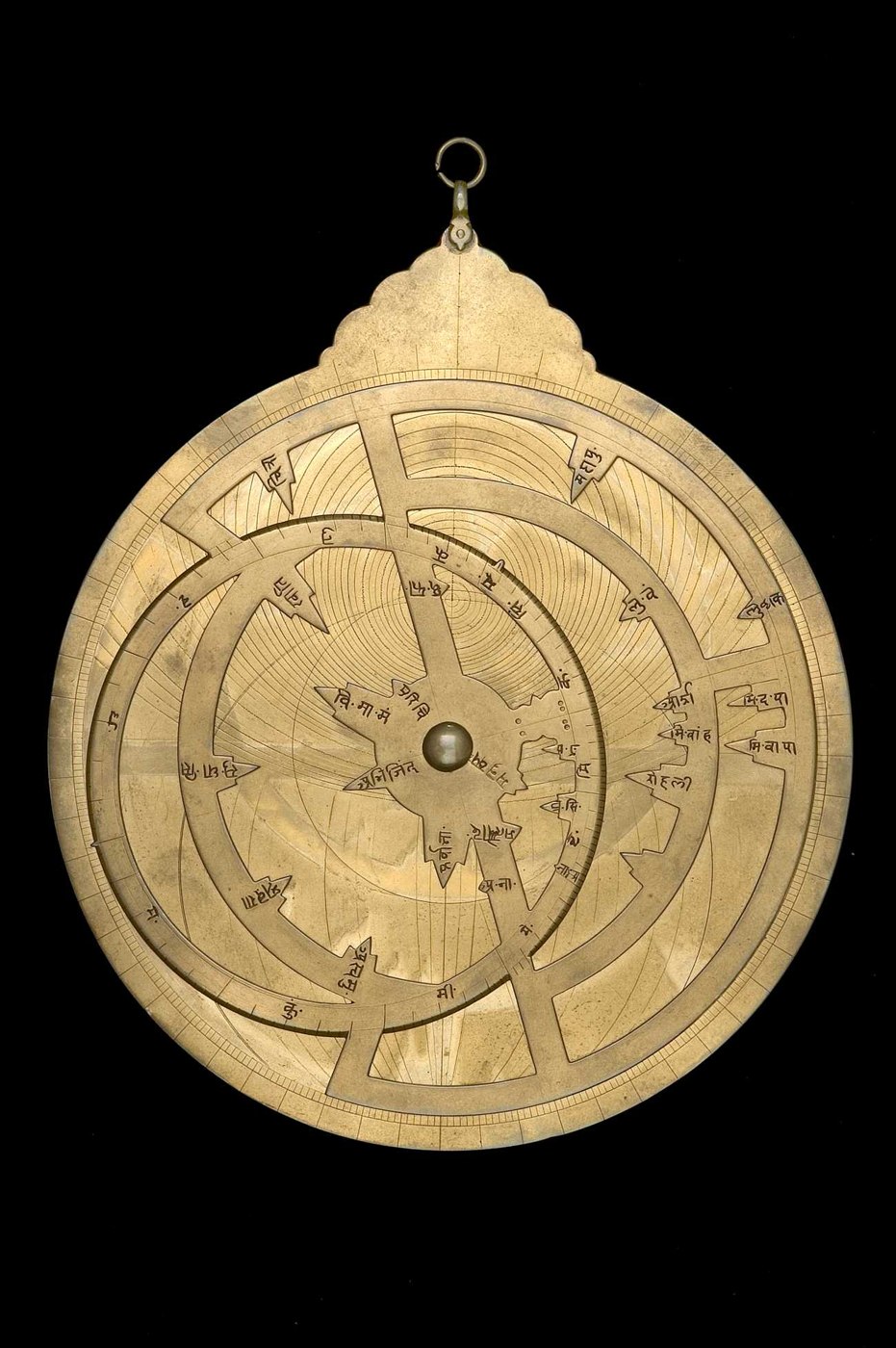
History of Science Museum, University of Oxford
horological instruments
Astrolabe (inventory no. 52478)
18th century
This 18th-century brass astrolabe (inventory no. 52478) is a scientific instrument attributed to manufacture in Jaipur, India. Presented to the History of Science Museum, Oxford, by J. A. Billmeir in 1957, the object is characterized by its one-piece mater and limb construction and a specific Indo-Persian type thron…
Partial type record
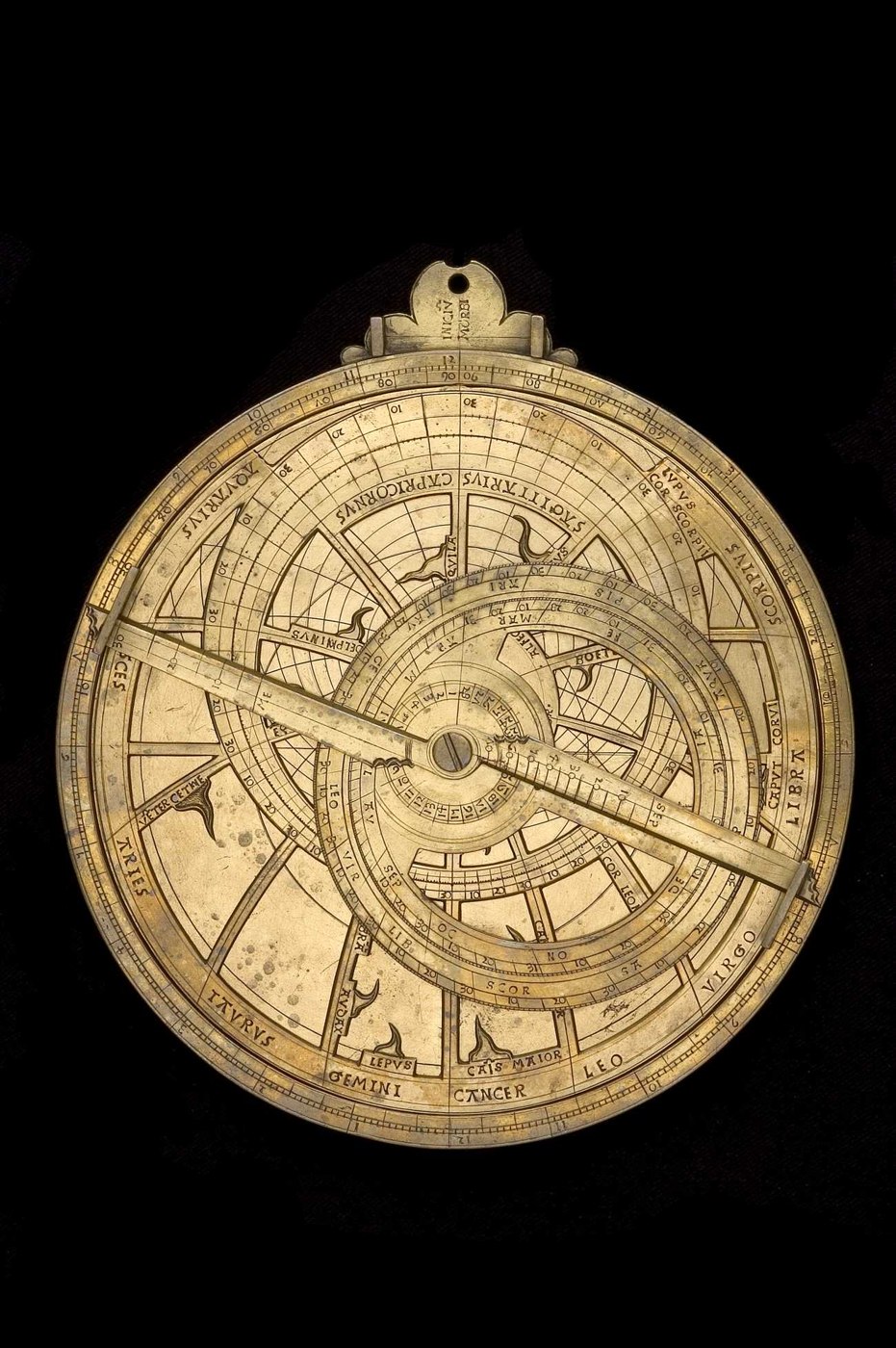
History of Science Museum, University of Oxford
horological instruments
Astrolabe and Equatorium
late 15th century
This brass astrolabe (inventory 49847) dates to the late 15th century and is attributed to France. It serves as both an astrolabe and an equatorium, featuring a three-piece construction with a mater and limbs for both functions. The instrument includes three plates with latitudes from 45° to 48°, a rete containing 2…
Partial type record
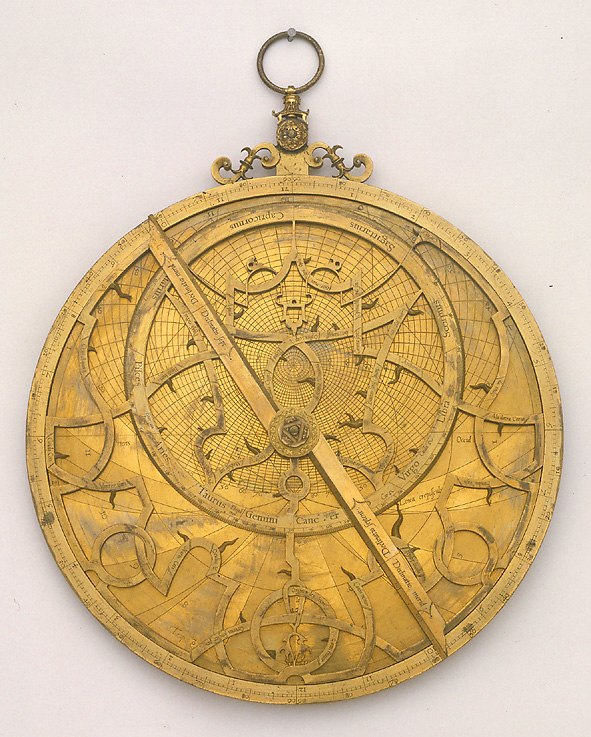
Istituto e Museo di Storia della Scienza, Firenze
horological instruments
Astrolabe attributed to Gerard Mercator
circa 1570
This gilt brass astrolabe, measuring 316 mm in diameter, is attributed to the workshop of Gerard Mercator and dated circa 1570. The instrument features a circular disc fixed to the limb with 16 rivets, surmounted by a throne with S-shaped brackets. The rete is engraved with 42 star names or groups and the zodiac cir…
Partial type record
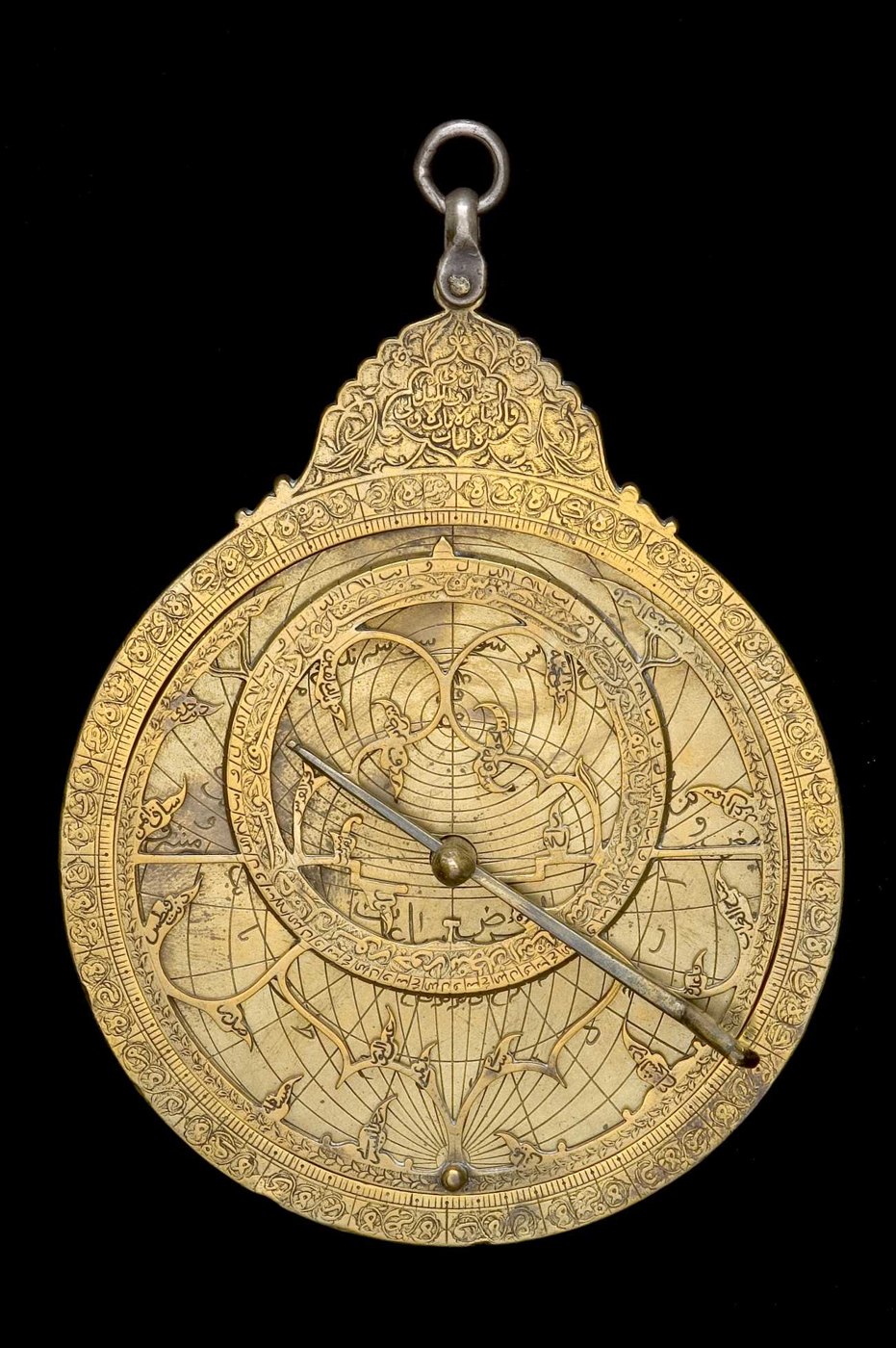
History of Science Museum, University of Oxford
horological instruments
Astrolabe by 'Abd al-'Alī
early 18th century
This brass astrolabe (inventory 36247) is an early 18th-century Persian instrument presented to the University of Oxford by J. A. Billmeir in 1957. Signed by the maker 'Abd al-'Alī, the instrument features an engraved Indo-Persian style throne with an integrated base and a circular, round cross-section ring with an…
Partial type record
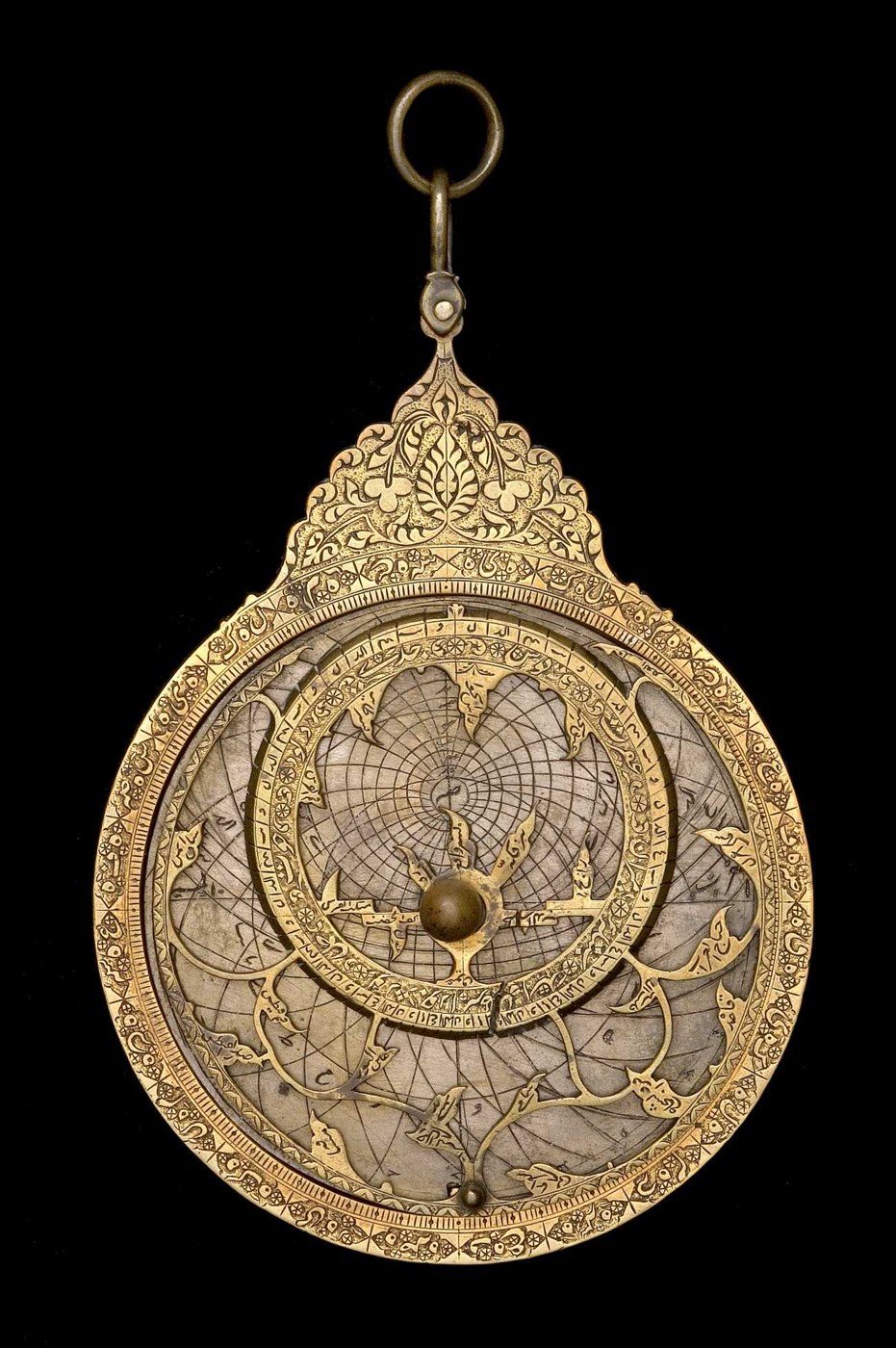
History of Science Museum, University of Oxford
horological instruments
Astrolabe by 'Abd al-A'imma
early 18th century
This early 18th-century brass astrolabe is attributed to the maker 'Abd al-A'imma of Iṣfahān. The instrument features a one-piece mater and limb construction with a degree scale on the limb. The throne is of the indo-persian engraved type, featuring an integrated base embossed with an ornate foliate design, a round…
Partial type record
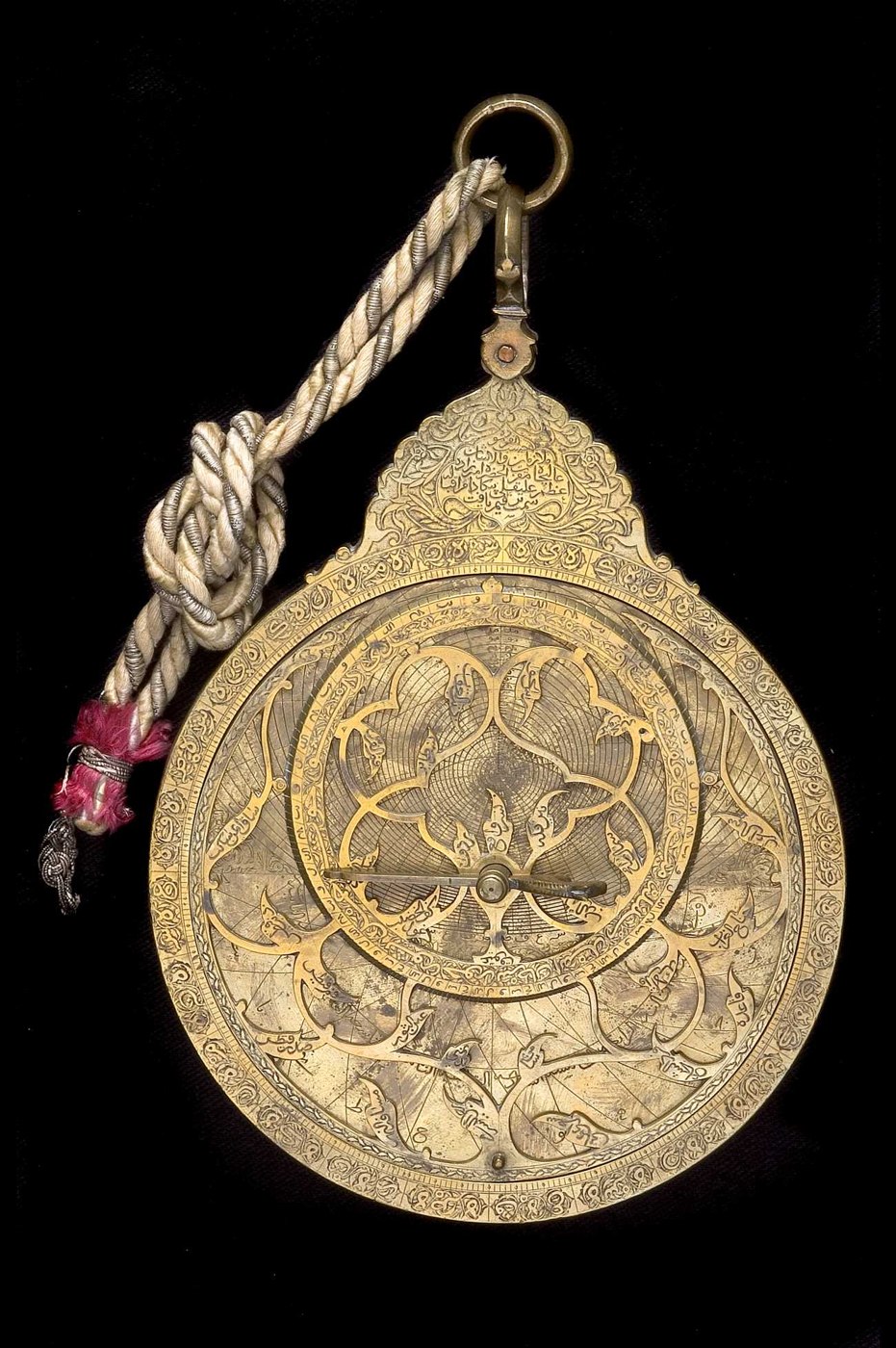
History of Science Museum, University of Oxford
horological instruments
Astrolabe by 'Abd al-A'imma, 1719/20 (A.H. 1132)
1719/20 (A.H. 1132)
This brass astrolabe, inventory number 46681, was produced in Iṣfahān and dated 1132 A.H. (1719/20). The instrument is signed by the maker It was commissioned for ‘Alīqulī, a prince of the royal Safavid family. The device features an indo-persian style throne with an integrated base, an omega-type shackle, and a pla…
Partial type record
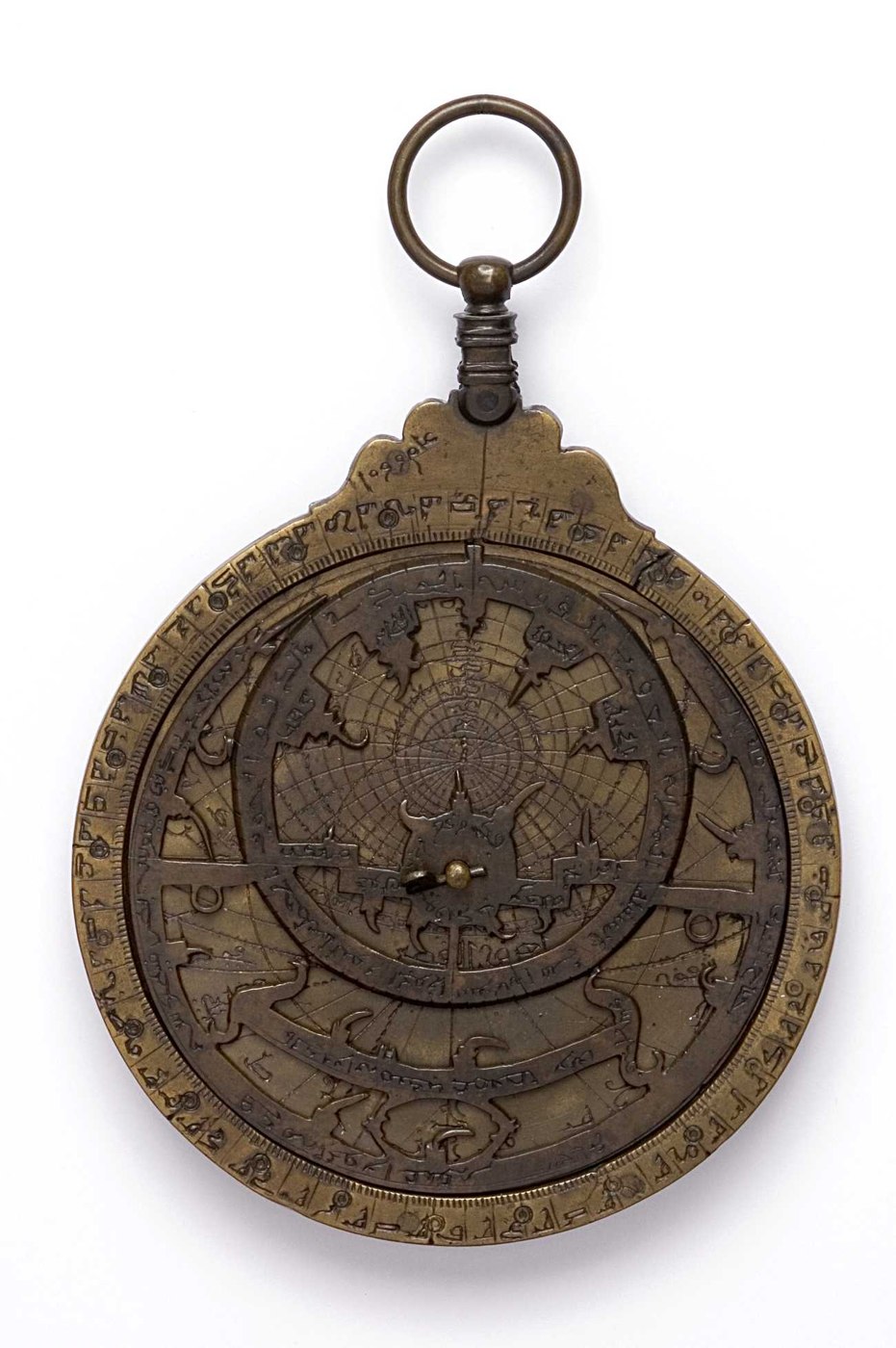
History of Science Museum, University of Oxford
horological instruments
Astrolabe by 'Abdullah ibn Sāsī
1687/8 (A.H. 1099)
This planispheric astrolabe, crafted from brass in Morocco during 1687/8 (A.H. 1099), is signed by the maker 'Abdullah ibn Sāsī. The instrument features a simple, engraved throne with an integrated base, supporting an eye-bolt type shackle and a round cross-section ring. The rete is of the maghribi type with two kno…
Partial type record
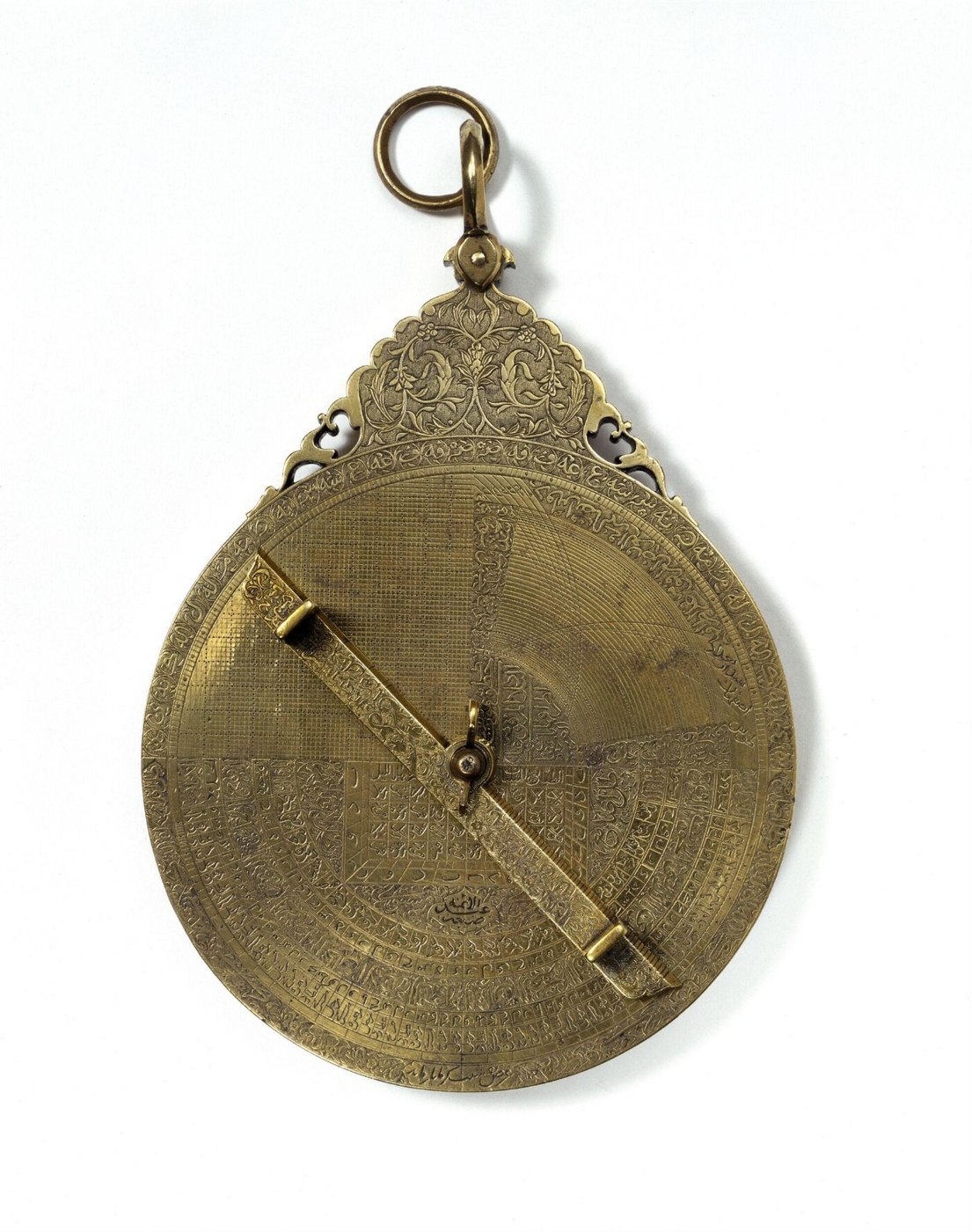
Victoria and Albert Museum, London
horological instruments
Astrolabe by Abd al-A'immah
1715
This brass astrolabe was produced in Isfahan, Iran, and is dated to 1715. It is signed by the maker, Abd al-A'immah, with the inscription located within a cartouche on the back of the instrument below the shadow square. The object measures 19.6 cm in height, 12.5 cm in width, and has a diameter of 11 cm. It is const…
Partial type record
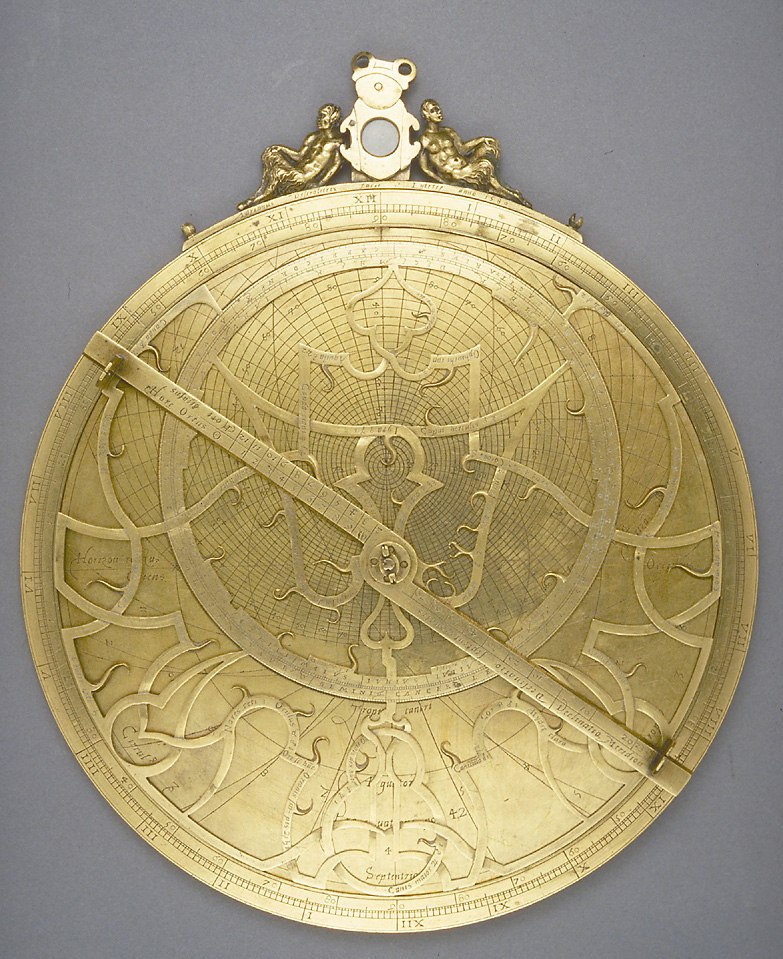
British Museum, London
horological instruments
Astrolabe by Adrianus Descrolieres
1580
This gilt brass astrolabe, measuring 271 mm in diameter, was made in Paris by Adrianus Descrolieres and dated 1580. The instrument features a rete with tulip-shaped elements, and a throne designed as two reclining satyrs flanking a central shield. The mater rim is marked with an equal 24-hour scale and an altitude s…
Partial type record
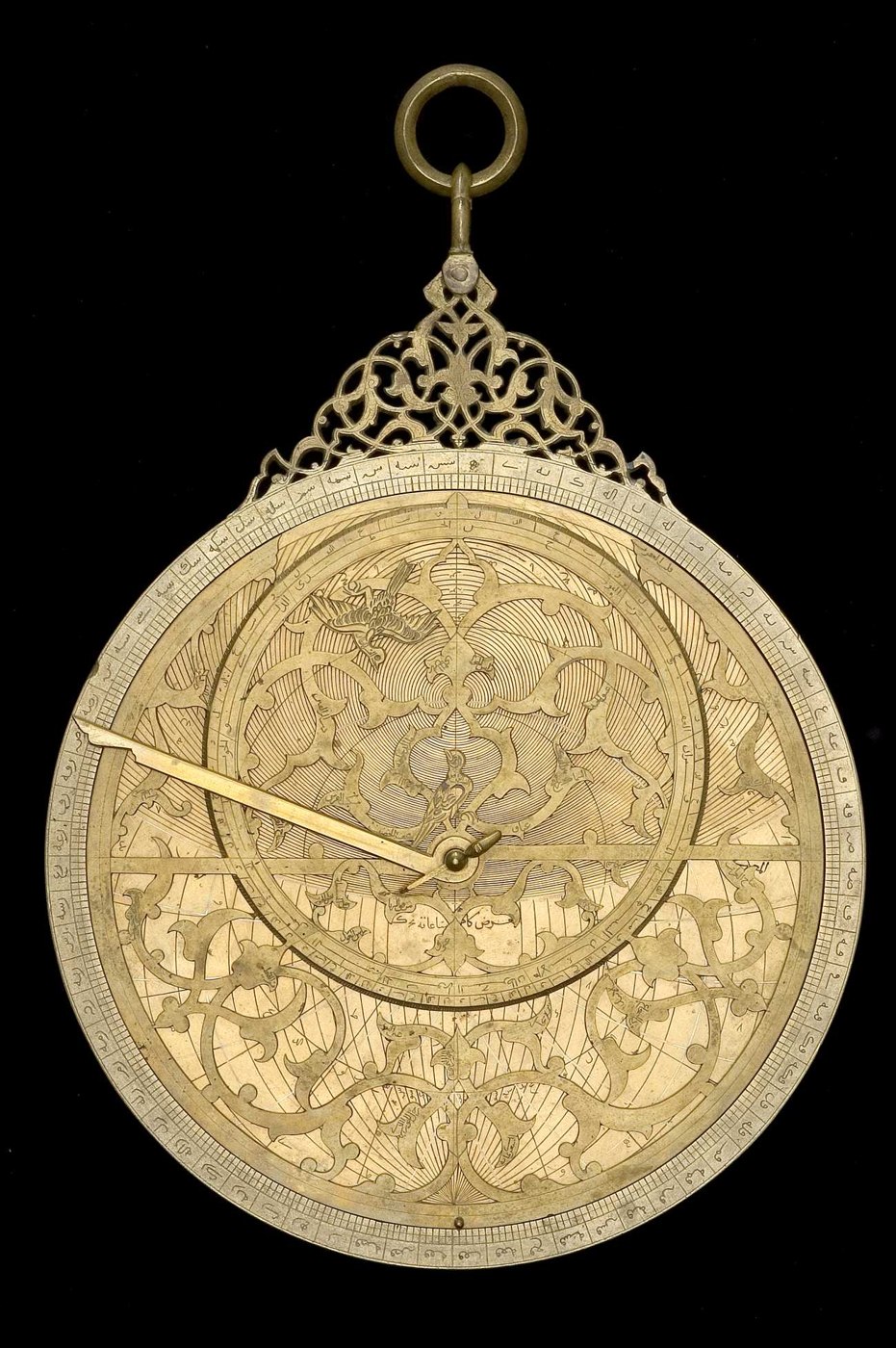
History of Science Museum, University of Oxford
horological instruments
Astrolabe by Allāh-Dād
ca. 1570
This brass astrolabe is attributed to the maker Allāh-Dād, produced in Lahore circa 1570. The instrument features an Indo-Persian pierced throne with an integrated base and a trefoil shackle. The rete, attached by a round-headed pin and an intricately engraved horse, is of the foliate type and incorporates bird-shap…
Partial type record
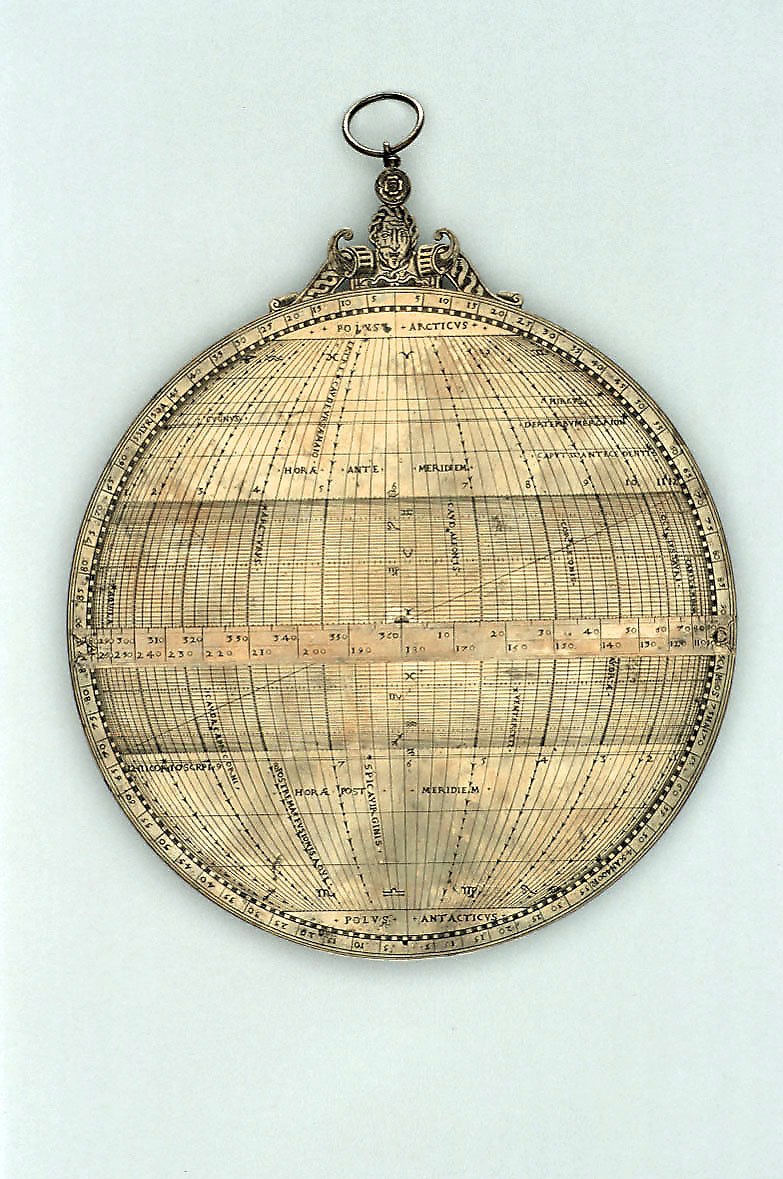
Museum of the History of Science, Oxford
horological instruments
Astrolabe by Anthoine Mestrel
1551
This gilt brass astrolabe, measuring 256 mm in diameter, was made by Anthoine Mestrel in Paris in 1551. It lacks traditional plates and instead utilizes a universal projection developed by the mathematician Juan de Rojas, designed to function at any latitude. The instrument is equipped with an elaborately pierced th…
Partial type record
© British Museum, London
horological instruments
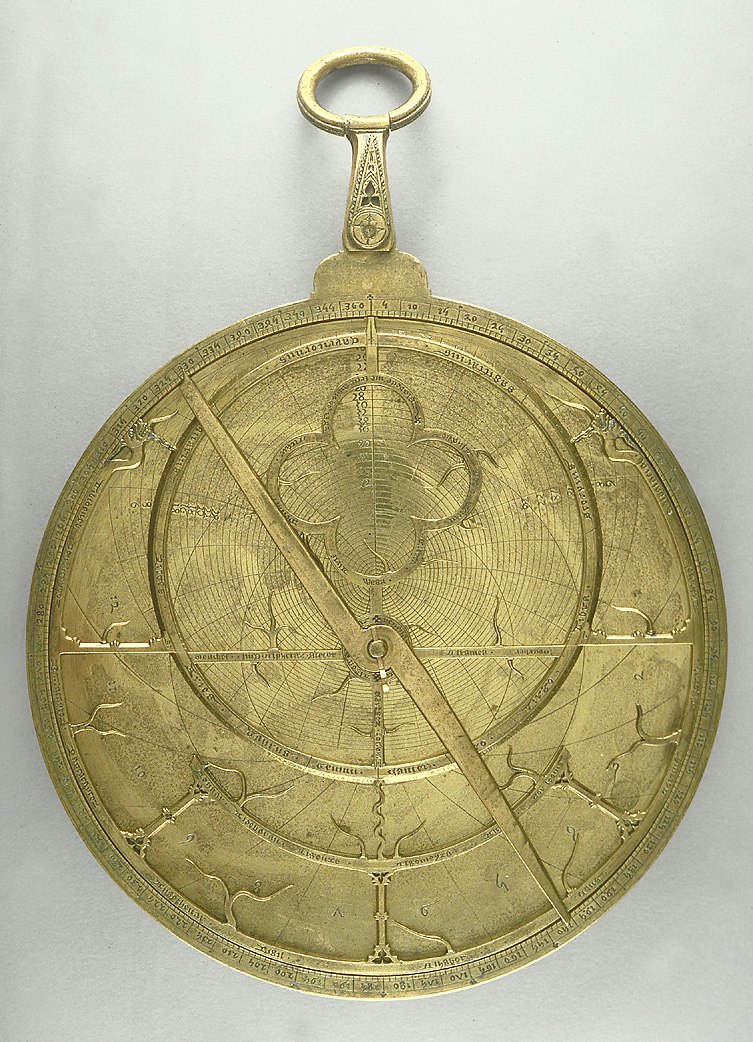
Astrolabe by Blakene
1342
This planispheric astrolabe, crafted from brass and measuring 218 mm in diameter, is signed by its maker, Blakene, and dated 1342. Recognized as the earliest signed and dated European instrument of its type, it features a tri-lobed throne, a long shackle, and a decorated ring. The rete includes a quatrefoil base for…
Partial type record
History of Science Museum, University of Oxford
horological instruments
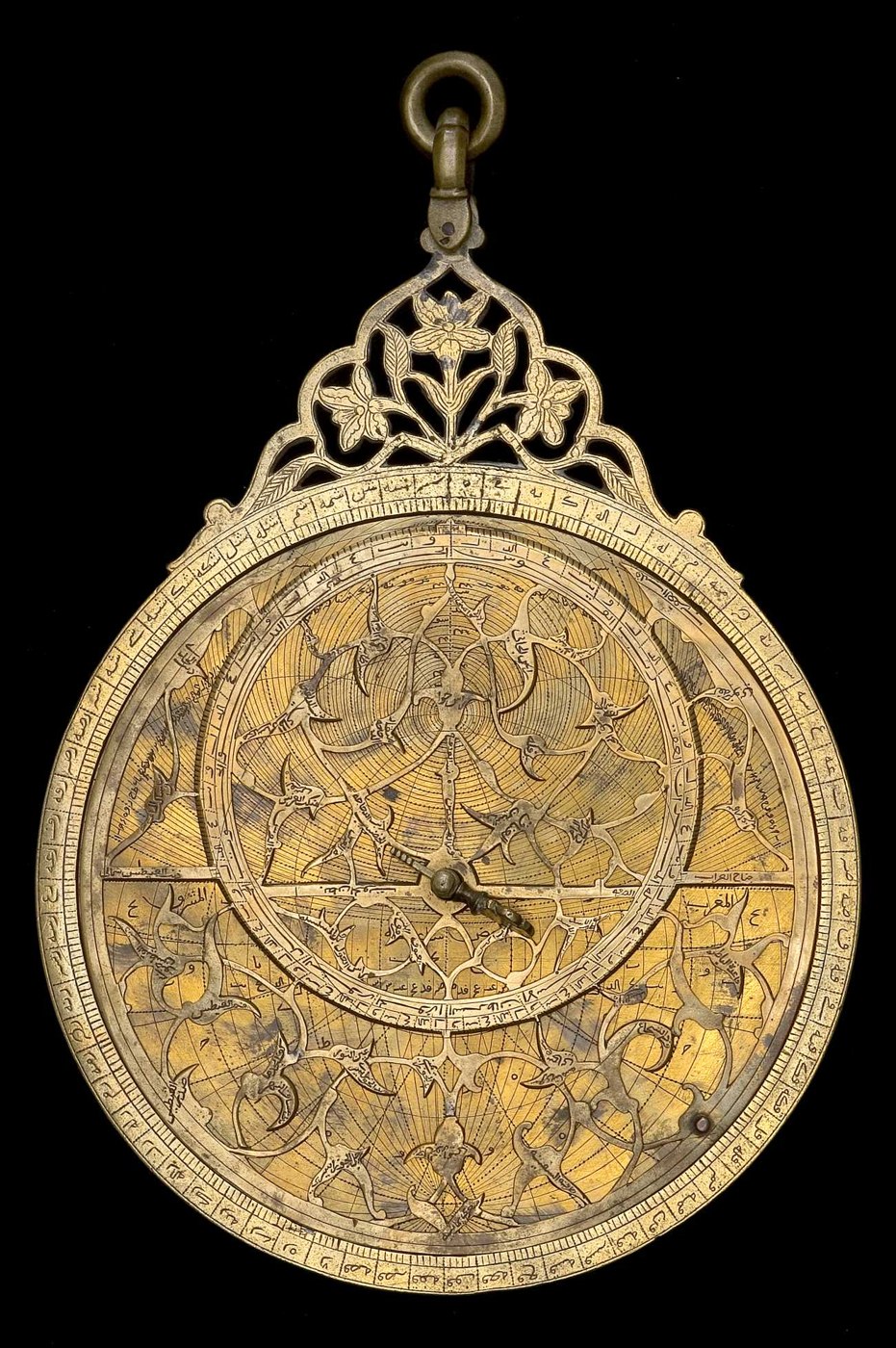
Astrolabe by Ḍiyā’ ad-Dīn Muḥammad
1658/9
This brass astrolabe (inventory number 53637) dates to 1658/9 and was produced in Lahore by the maker Ḍiyā’ ad-Dīn Muḥammad. The object is of one-piece construction, comprising a mater and limb, and features an Indo-Persian, pierced-type throne with an integrated base, a squared-section ring, and a trefoil shackle.…
Partial type record
History of Science Museum, University of Oxford
horological instruments
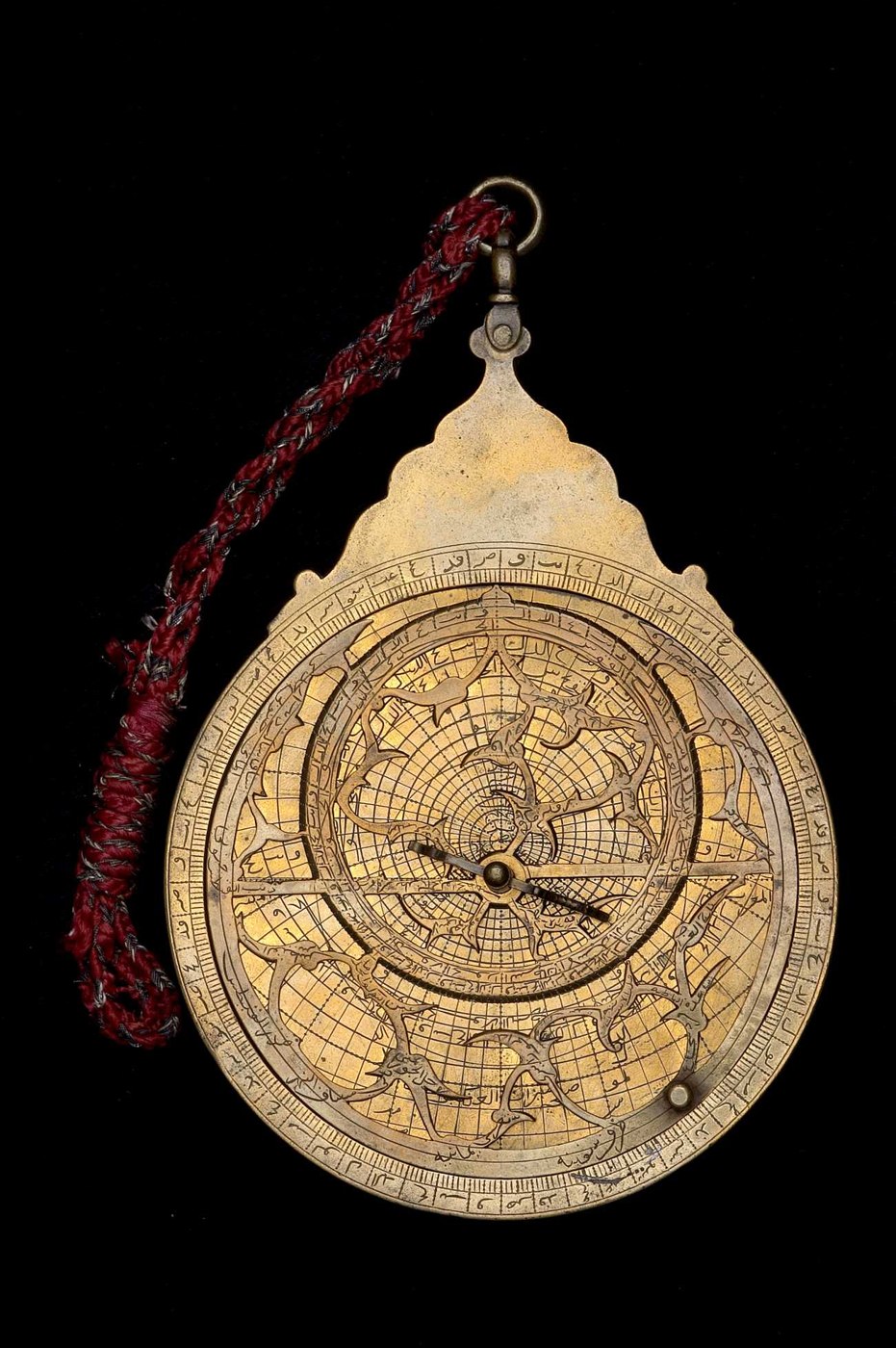
Astrolabe by Ḍiyā’ ad-Dīn Muḥammad, 1653/4 (A.H. 1064)
1653/4 (A.H. 1064)
This brass planispheric astrolabe was produced in Lahore in 1653/4 (A.H. 1064) by the maker Ḍiyā’ ad-Dīn Muḥammad. It features an Indo-Persian type throne with an integrated base and a trefoil shackle. The mater and limb are constructed from a single piece of brass, with the latter featuring a degree scale. The rete…
Partial type record
History of Science Museum, University of Oxford
horological instruments
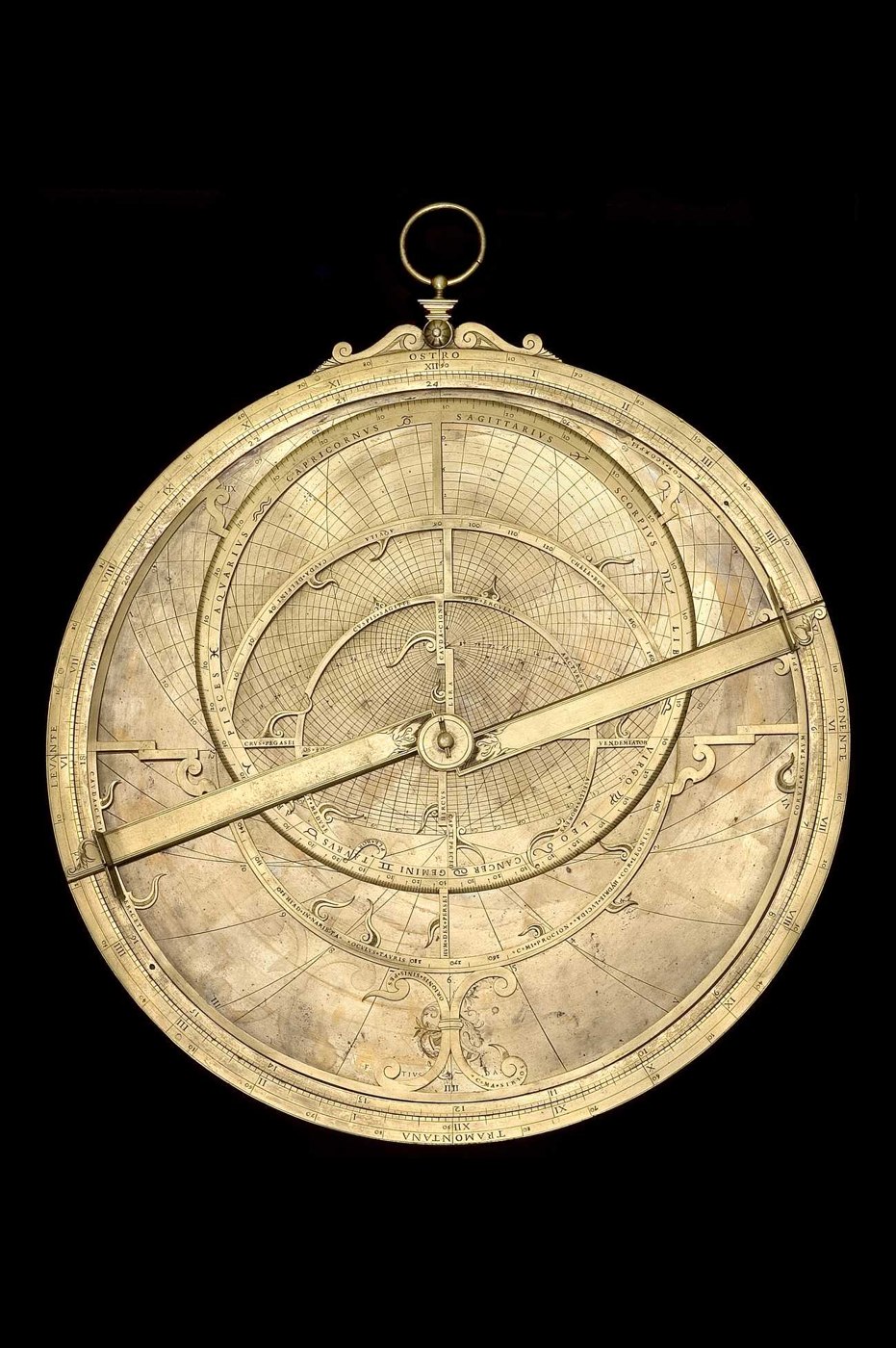
Astrolabe by Egnazio Danti
ca. 1570
This gilt brass astrolabe, inventory number 52209, dates to approximately 1570 and is associated with Egnazio Danti, who authored the first Italian-language book on the astrolabe. The instrument features a throne with s-shaped scroll work, a square ornate shackle, and a simple round-section brass ring. Acquired by t…
Partial type record
History of Science Museum, University of Oxford
horological instruments
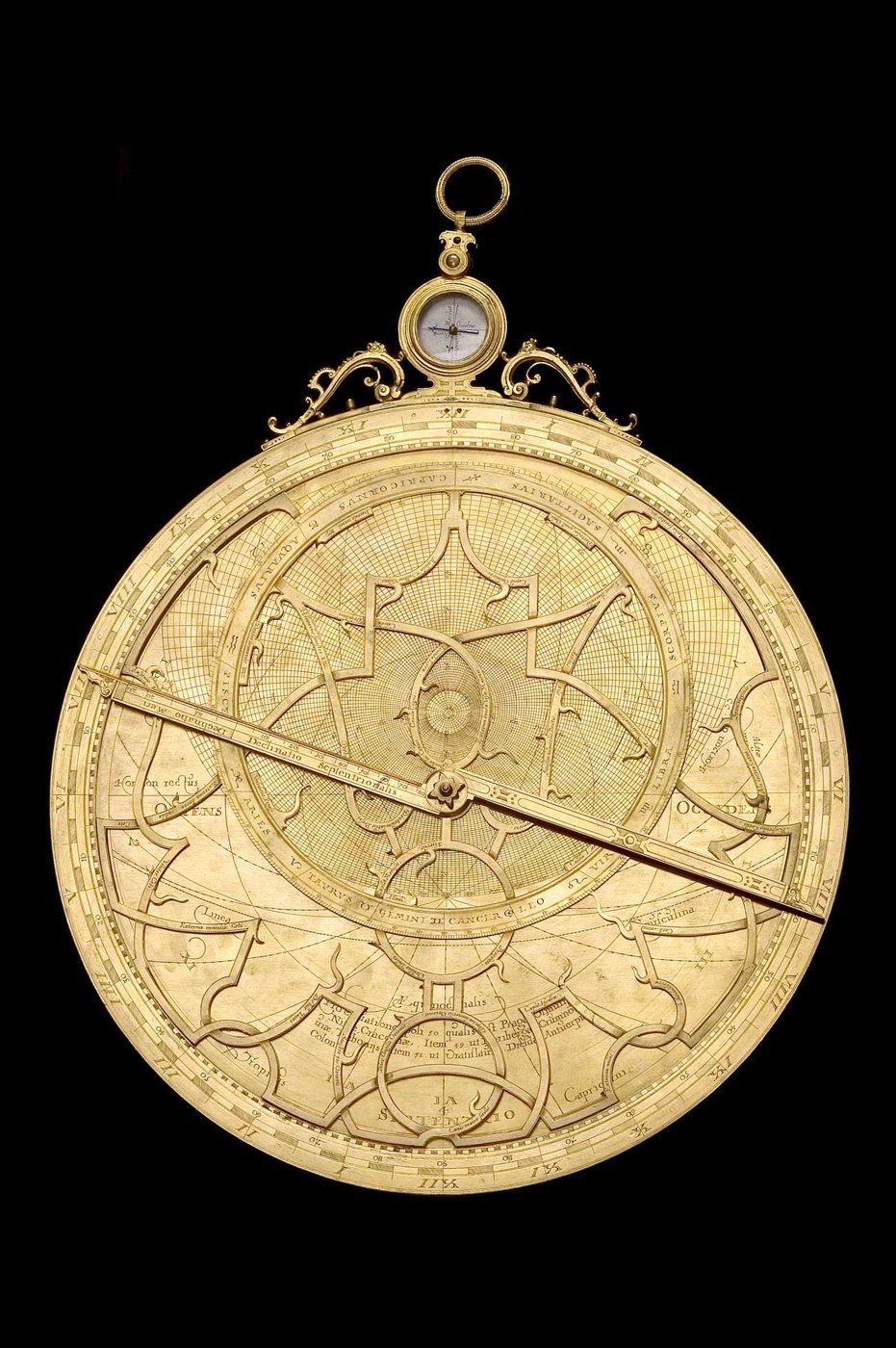
Astrolabe by Erasmus Habermel
ca. 1590
This astrolabe, inventory number 38097, is attributed to the maker Erasmus Habermel and dates to approximately 1590. Constructed from gilt copper and gilt brass, the instrument features a compass-bearing throne with s-shaped scrollwork, a square ornate shackle, and a rotating eye-pin. The limb includes equal hours a…
Partial type record
British Museum, London
horological instruments
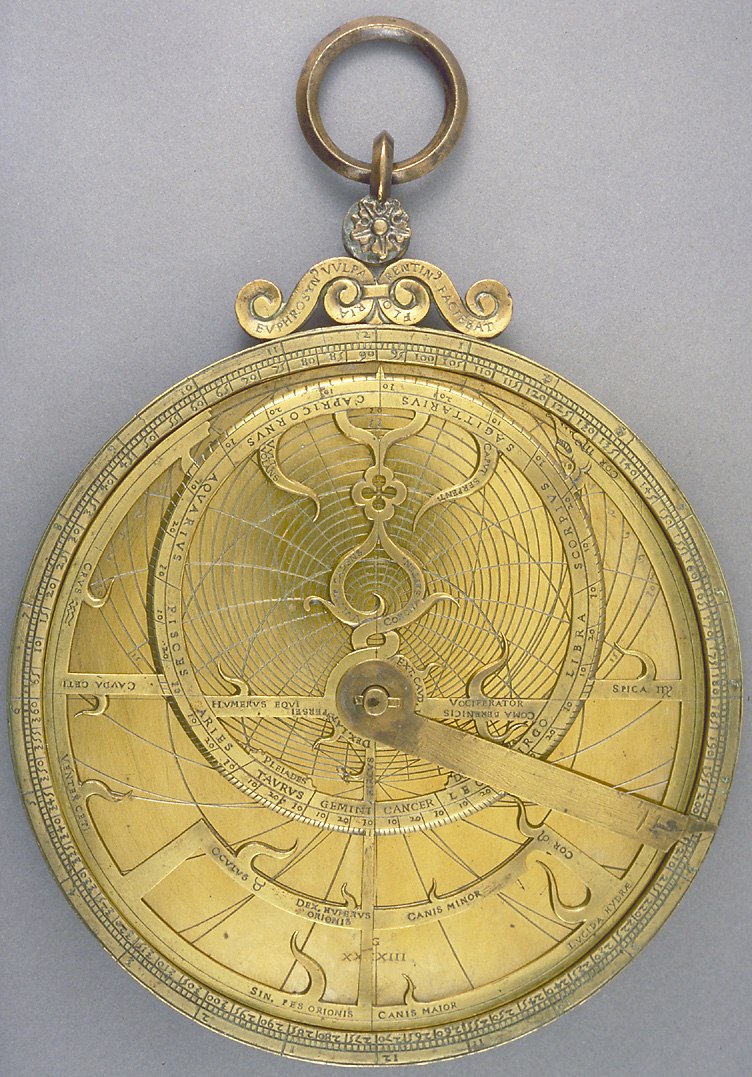
Astrolabe by Eufrosino della Volpaia
1525
This brass astrolabe, measuring 180 mm in diameter, was created in Florence in 1525 by Eufrosino della Volpaia. The instrument features a throne decorated with two foliate scrolls and a floral suspension apparatus. The front of the scrolls bears the maker's signature, while the reverse is dated. The mater features a…
Partial type record
History of Science Museum, University of Oxford
horological instruments
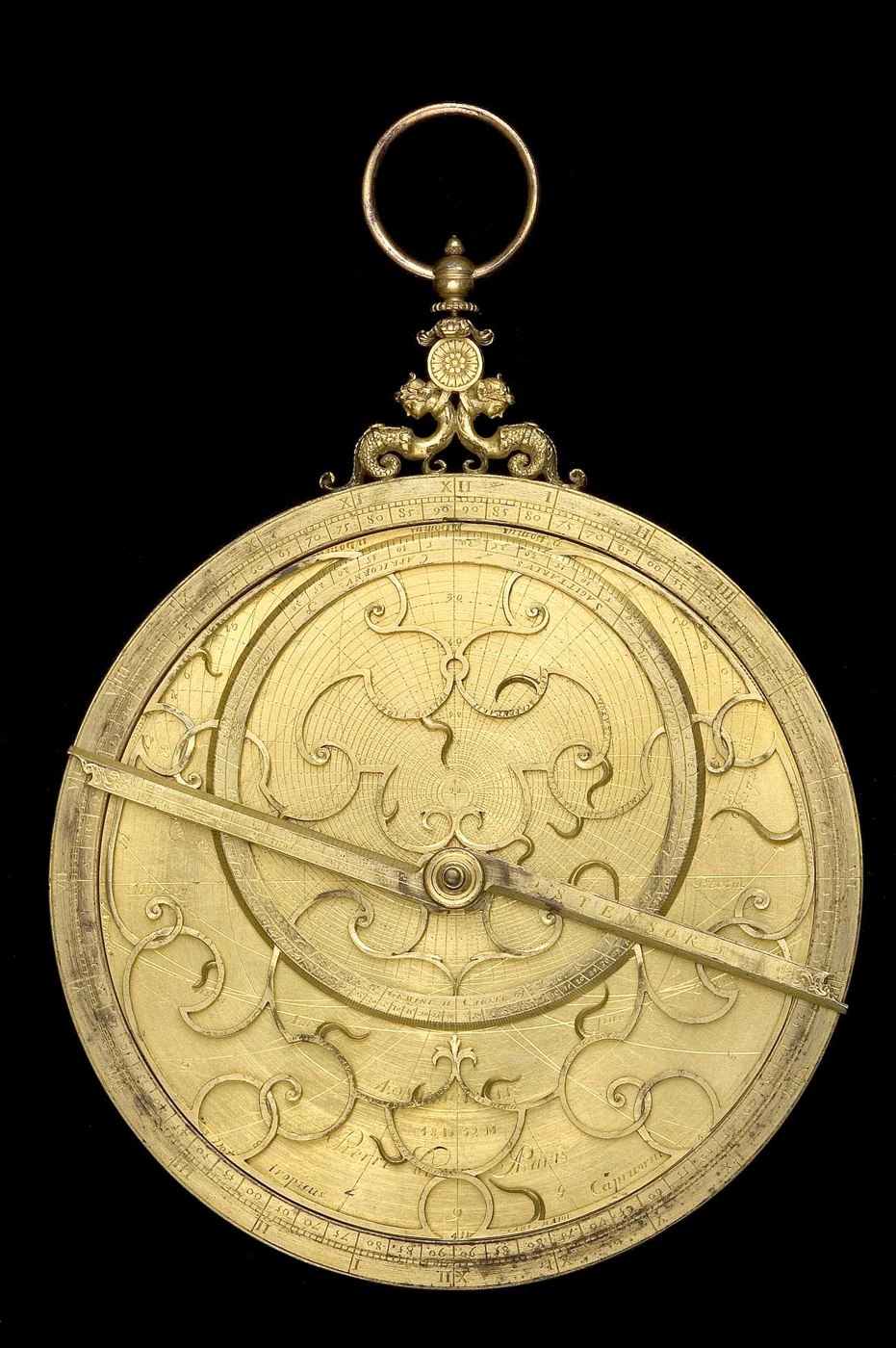
Astrolabe by François Morillard (inventory no. 53966)
1600
This gilt brass astrolabe was made by François Morillard in Narbonne in 1600. It features an ornate rete with seventeen stars and a mater of one-piece construction with a limb bearing wind directions. The back contains eleven diverse astronomical scales, including altitude, zodiacal, and calendar divisions, alongsid…
Partial type record
© Museum of the History of Science, Oxford
horological instruments
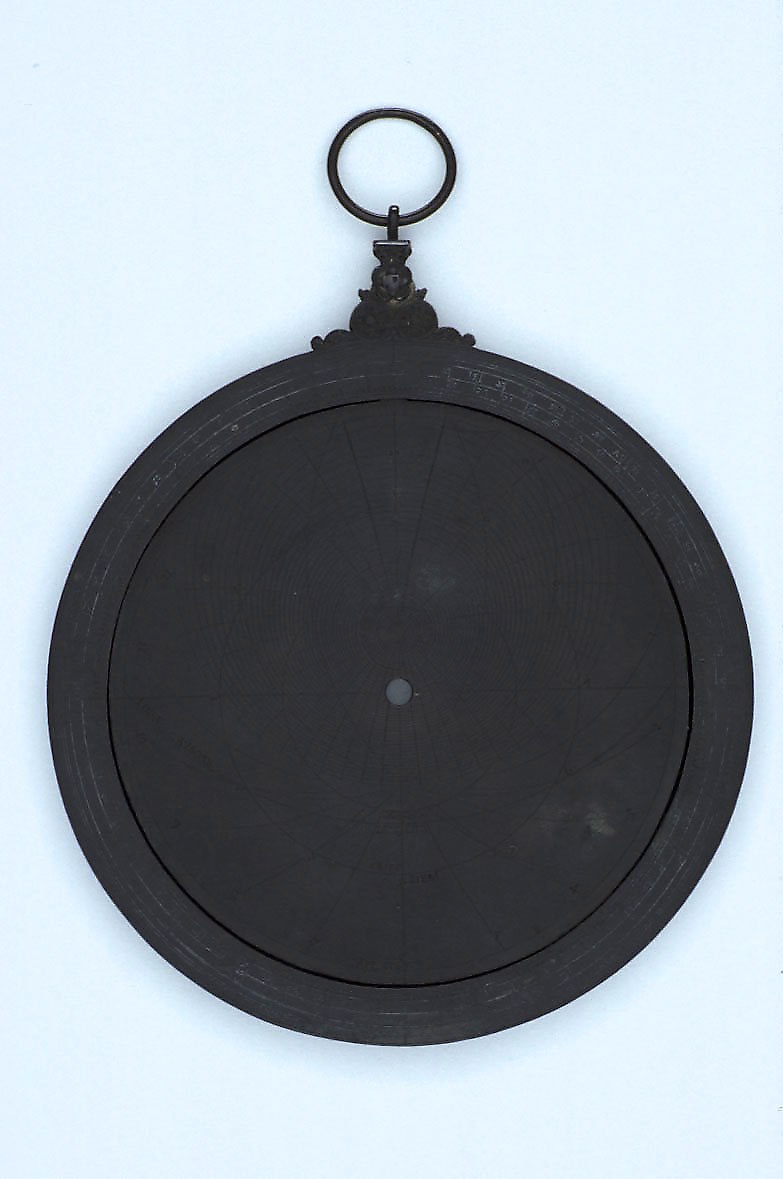
Astrolabe by Georg Hartmann
1527
This brass astrolabe, measuring 162 mm in diameter, was made by Georg Hartmann in 1527. The instrument features a mater constructed from two soldered layers of brass, comprising the plate and the combined limb and throne. The throne is decorated with scrollwork and flowers, while the suspension consists of a saddle-…
Partial type record
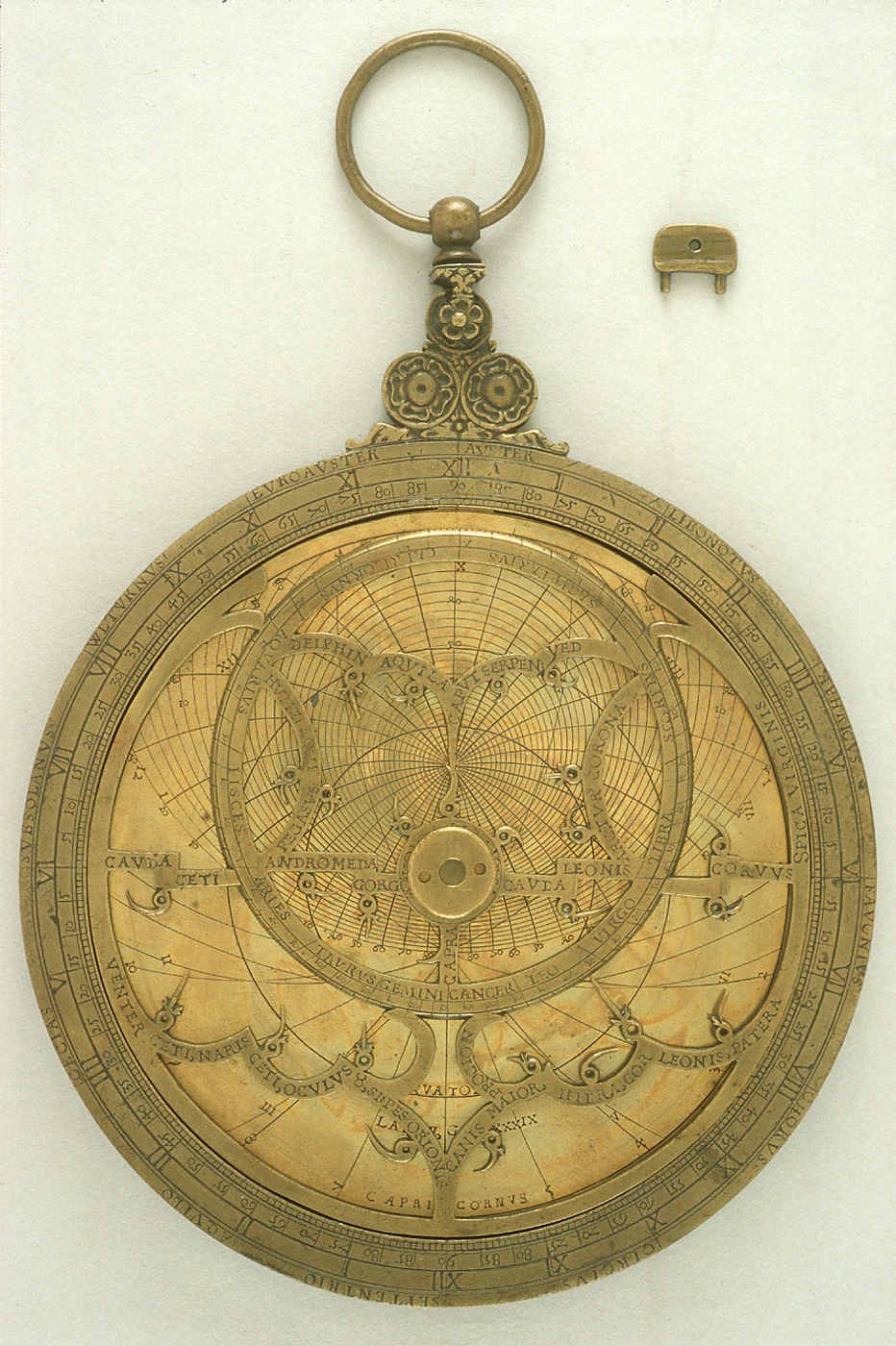
© British Museum, London
horological instruments
Astrolabe by Georg Hartmann, 1537
1537
This 160 mm diameter brass astrolabe is signed by the Nuremberg maker Georg Hartmann and dated 1537. The instrument features a mater with a signature and date, an alidade, and three plates for varying latitudes. The throne exhibits the Hartmann shape, featuring two roses, a rosette, and two fir cones in a triangular…
Partial type record
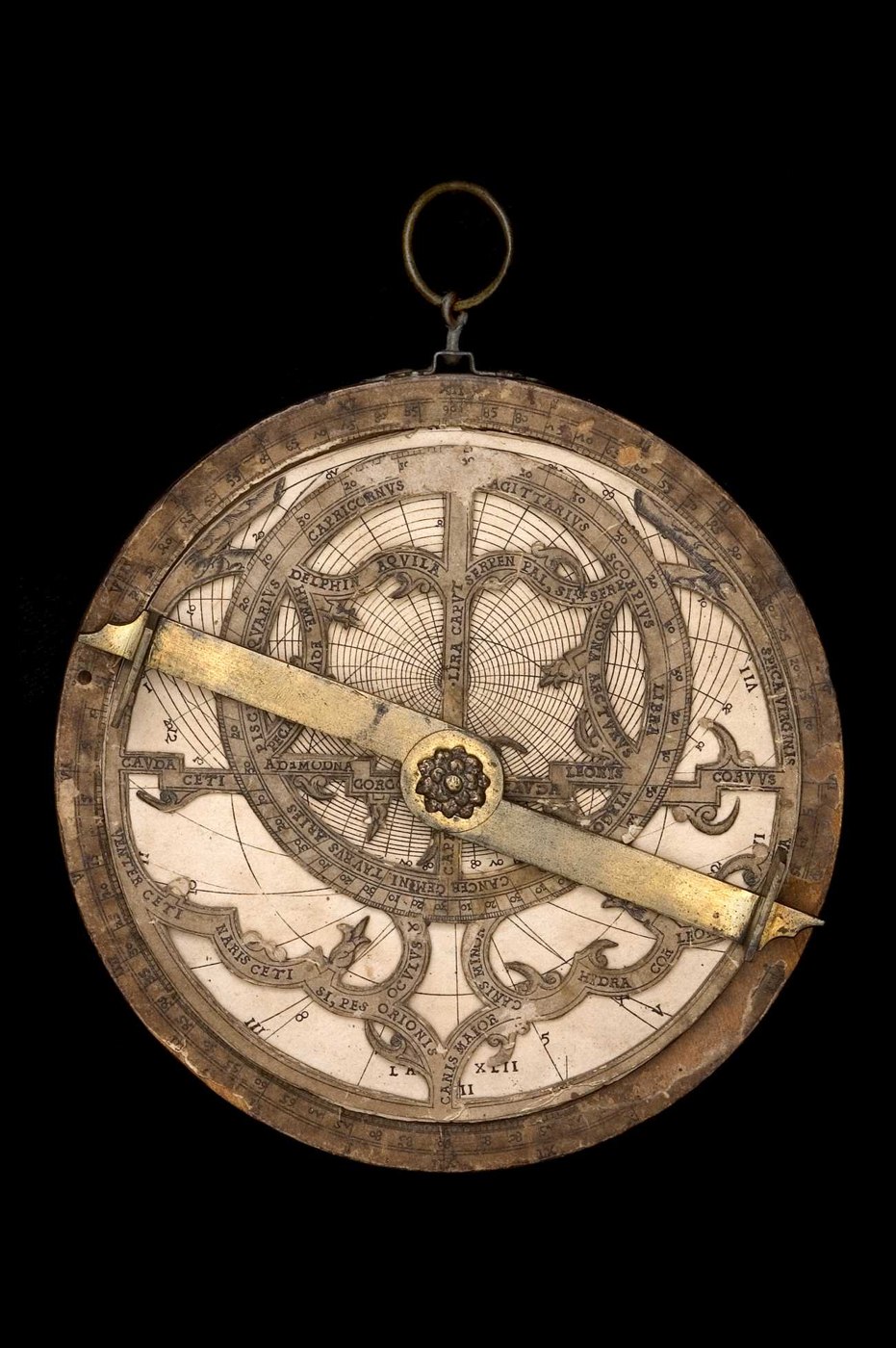
History of Science Museum, University of Oxford
horological instruments
Astrolabe by Georg Hartmann, 1542
1542
This astrolabe, inventory number 49296, was produced in Nuremberg by Georg Hartmann in 1542. The instrument is constructed primarily of wood, featuring turned mater and limb construction with applied paper elements. Its throne, ring, and shackle components are crafted from brass. The design includes a rete of the si…
Partial type record
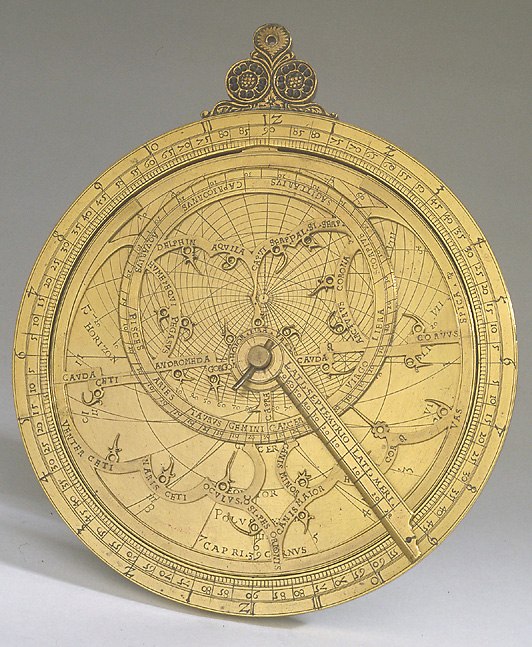
Istituto e Museo di Storia della Scienza, Firenze
horological instruments
Astrolabe by Georg Hartmann, 1545
1545
This planispheric astrolabe, crafted from gilt copper with a diameter of 145 mm, was signed by Georg Hartmann in Nuremberg in 1545. The instrument features an elaborately engraved throne decorated with floral motifs, although the suspension ring is no longer present. It includes a central mater, three climate plates…
Partial type record
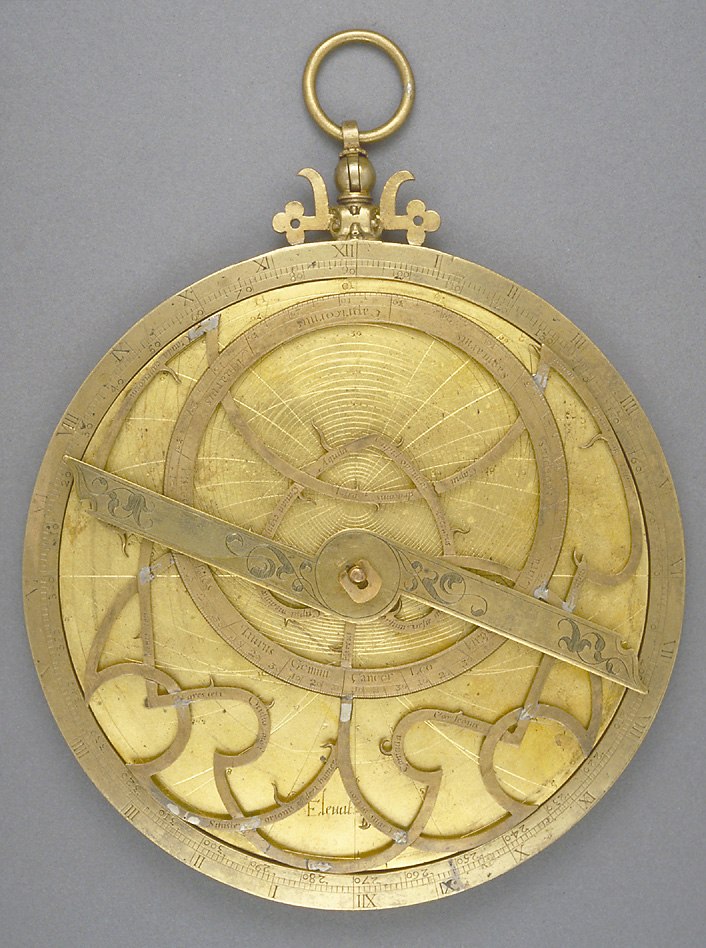
British Museum, London
horological instruments
Astrolabe by Gillis Coignet
circa 1575
This gilt brass astrolabe, 182 mm in diameter, is attributed to the maker Gillis Coignet and dates to approximately 1575. The object comprises a mater with a riveted rim, an unusual throne featuring two trefoils and stylized leaves, a rete designed with a heart-shaped feature inside the ecliptic, four interchangeabl…
Partial type record
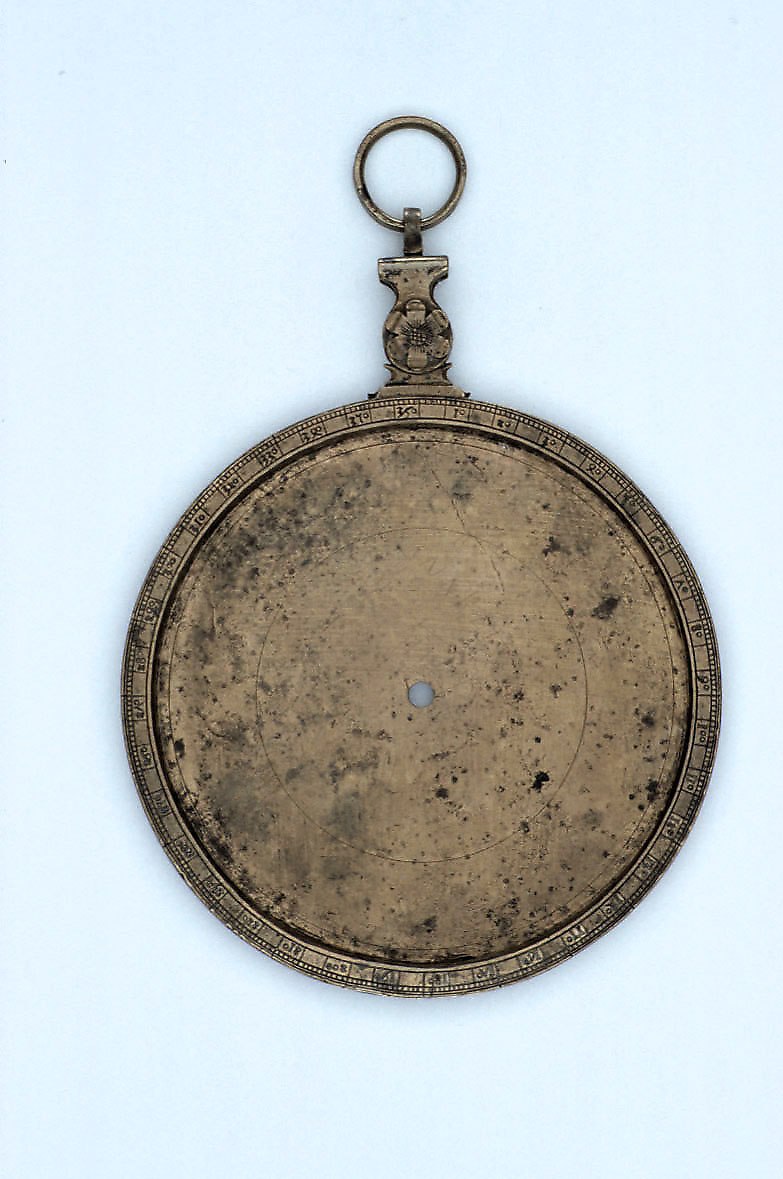
Museum of the History of Science, Oxford
horological instruments
Astrolabe by Hans Bamman
1490
This brass planispheric astrolabe, dating to 1490 and measuring 140 mm in diameter, is the work of maker Hans Bamman. Only the mater of this instrument currently survives. The piece features a throne with a shackle adorned by rose decoration on both sides and includes a suspension ring. The limb contains a degree sc…
Partial type record
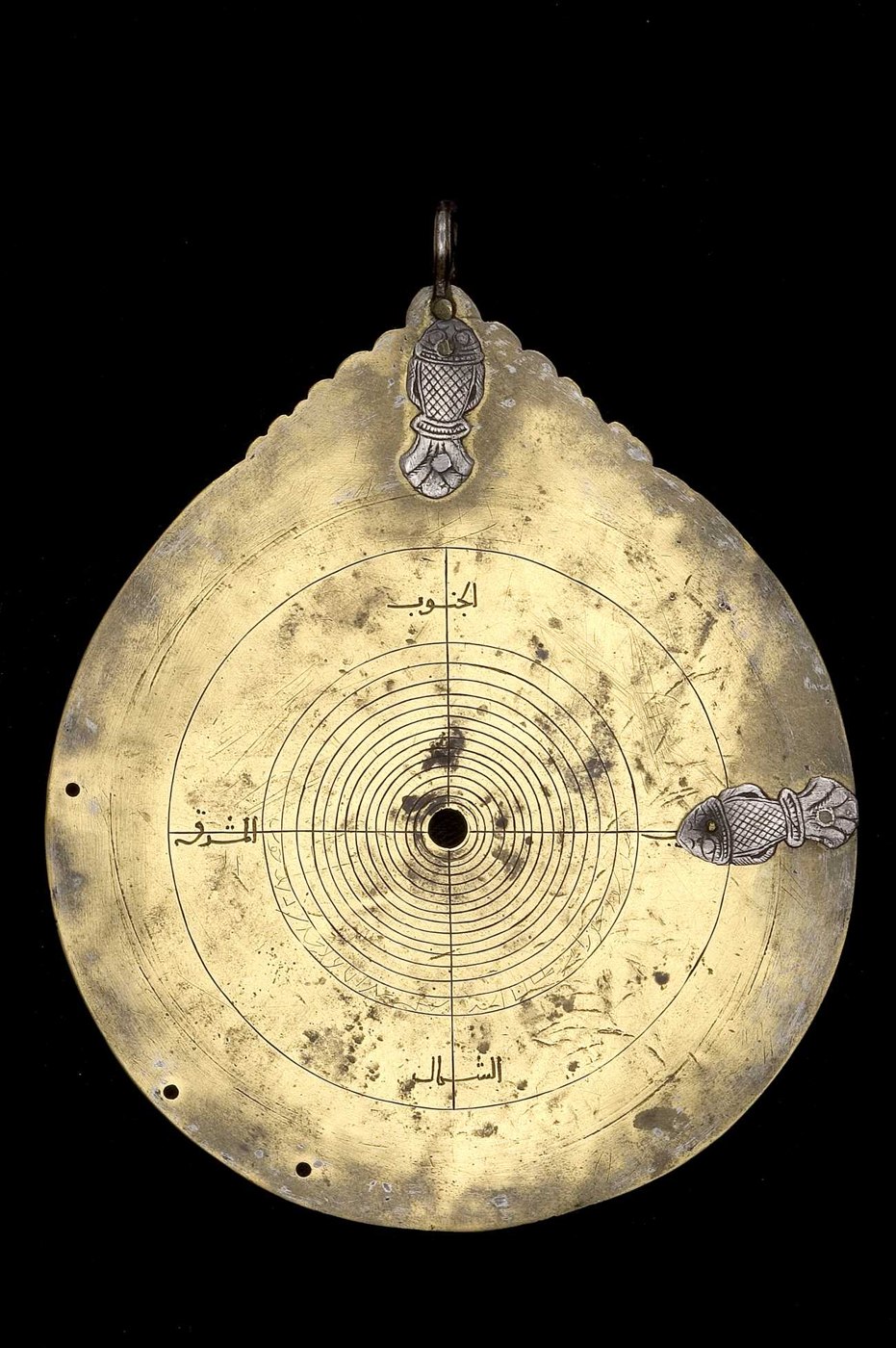
History of Science Museum, University of Oxford
horological instruments
Astrolabe by Ḥasan ibn ‘Alī
1282/3
This astrolabe, identified by inventory number 49861, is a brass instrument attributed to the maker Ḥasan ibn ‘Alī, dated 1282/3, and manufactured in Cairo. The object features a broad Indo-Persian type throne attached to an integrated base, with a silver omega-type shackle. The instrument is characterized by a sing…
Partial type record
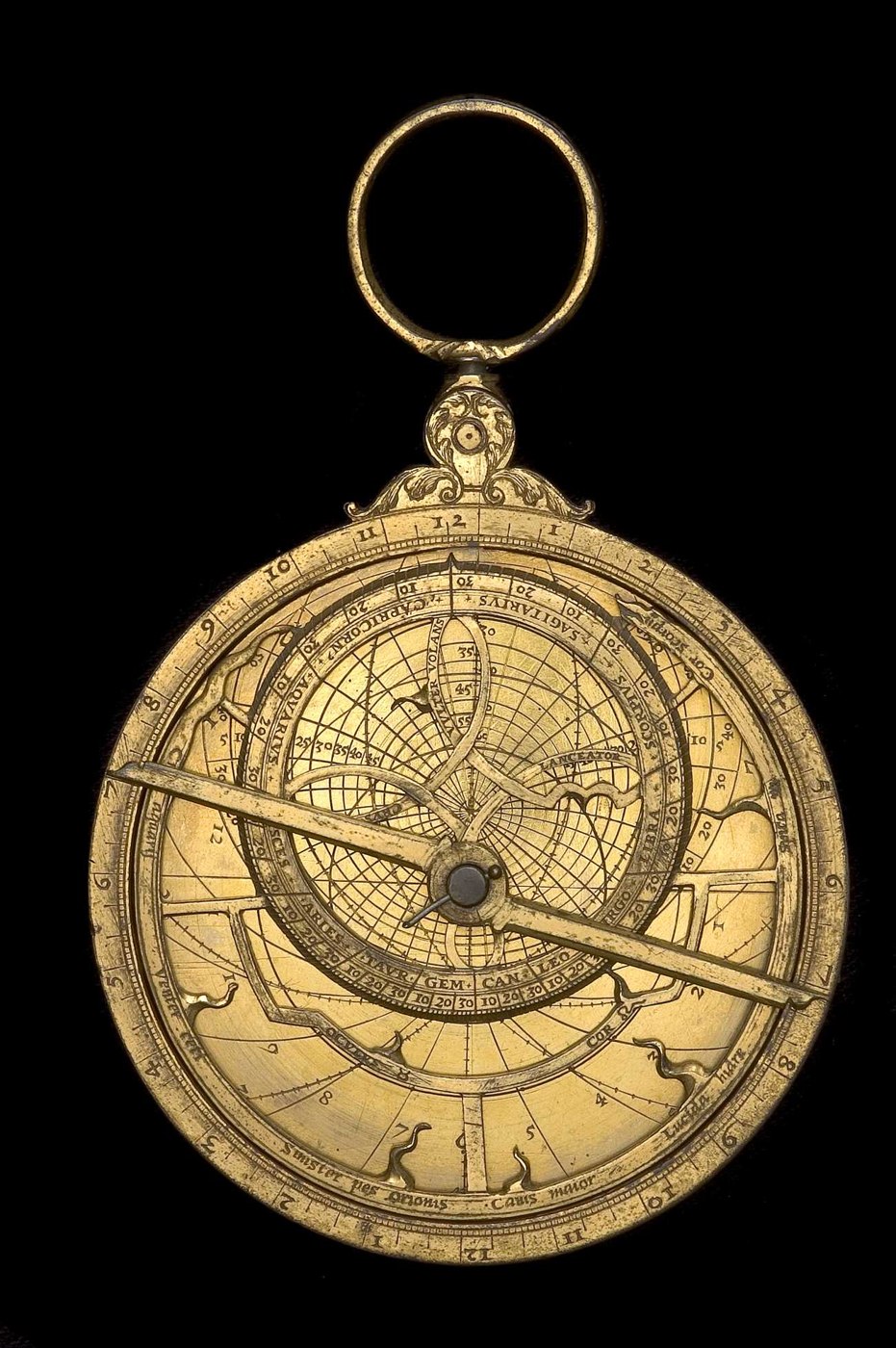
History of Science Museum, University of Oxford
horological instruments
Astrolabe by Humphry Cole
ca. 1575
This astrolabe, inventory number 43454, is a gilt brass instrument attributed to the English mathematical instrument maker Humphry Cole, dated circa 1575. The device comprises a mater and limb of one-piece construction, a rete featuring 13 star pointers, two latitude plates, and a double-ended, counter-changed alida…
Partial type record
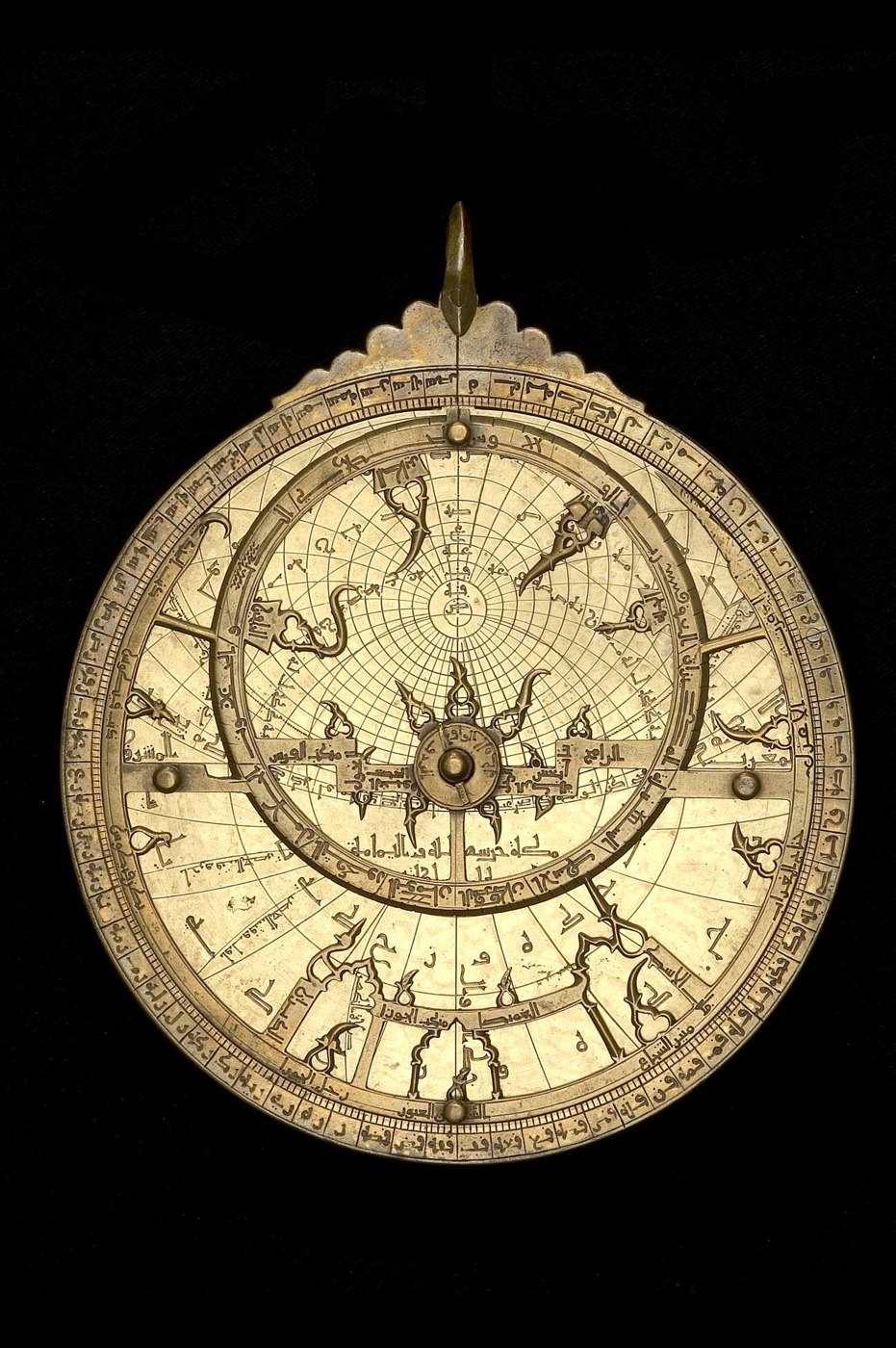
History of Science Museum, University of Oxford
horological instruments
Astrolabe by Ibrāhīm ibn Saʿīd as-Sahlī
1068 (A.H. 460)
This brass astrolabe, designated inventory number 55331, was crafted by Ibrāhīm ibn Saʿīd as-Sahlī in Toledo in 1068 (A.H. 460). The instrument features a one-piece mater and limb construction with a nine-lobed, simple-type throne and an omega-shaped shackle. The back of the device includes six distinct scales, cove…
Partial type record
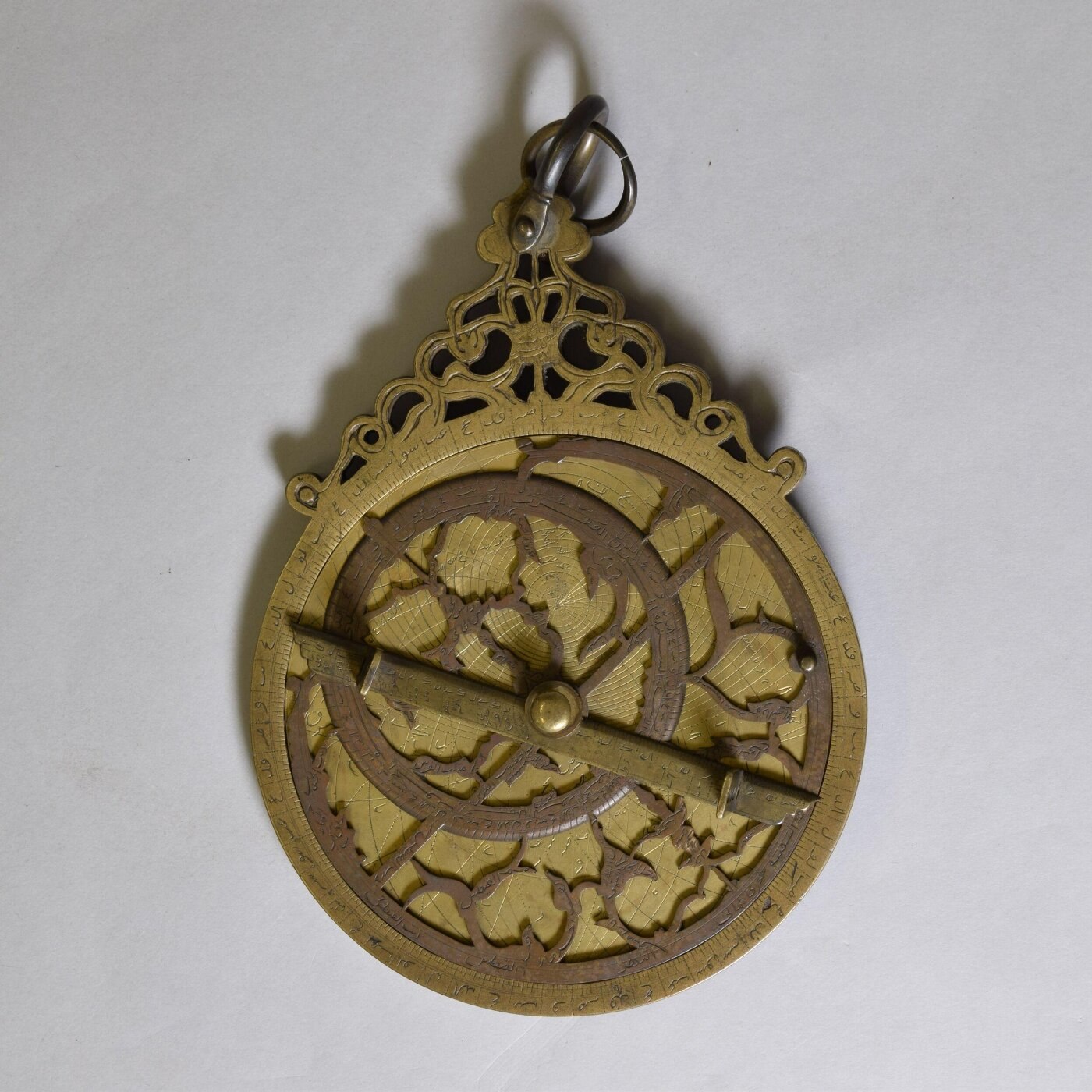
Victoria and Albert Museum
horological instruments
Astrolabe by Jamal-ud-din of Lahore
1681
This 17th-century astrolabe, designated by accession number IS.30-1882, is a brass instrument of Indian origin. The object is engraved with Arabic inscriptions and dates to A.D. 1681, corresponding to the Islamic year A.H. 1092. The astrolabe comprises a main body, a rotatable rete with complex cut-outs for stellar…
Partial type record
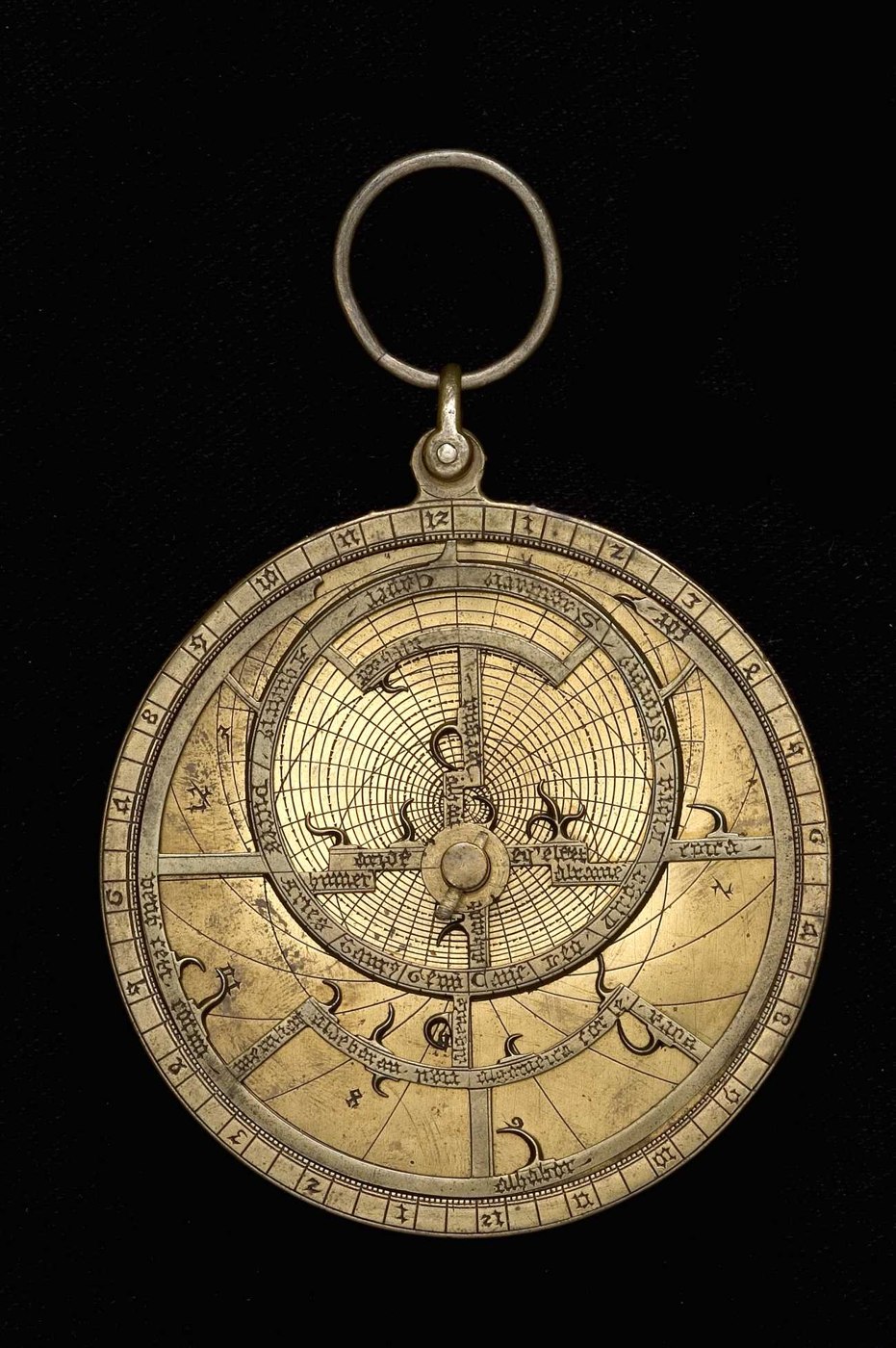
History of Science Museum, University of Oxford
horological instruments
Astrolabe by Jean Fusoris
ca. 1400
This brass astrolabe is attributed to the Paris workshop of Jean Fusoris (c.1365-1436), one of the earliest known European astrolabe makers. Its construction comprises a two-piece soldered mater and limb, the latter bearing scales for equal hours and later miscellaneous inscriptions. The rete is of the full indicato…
Partial type record
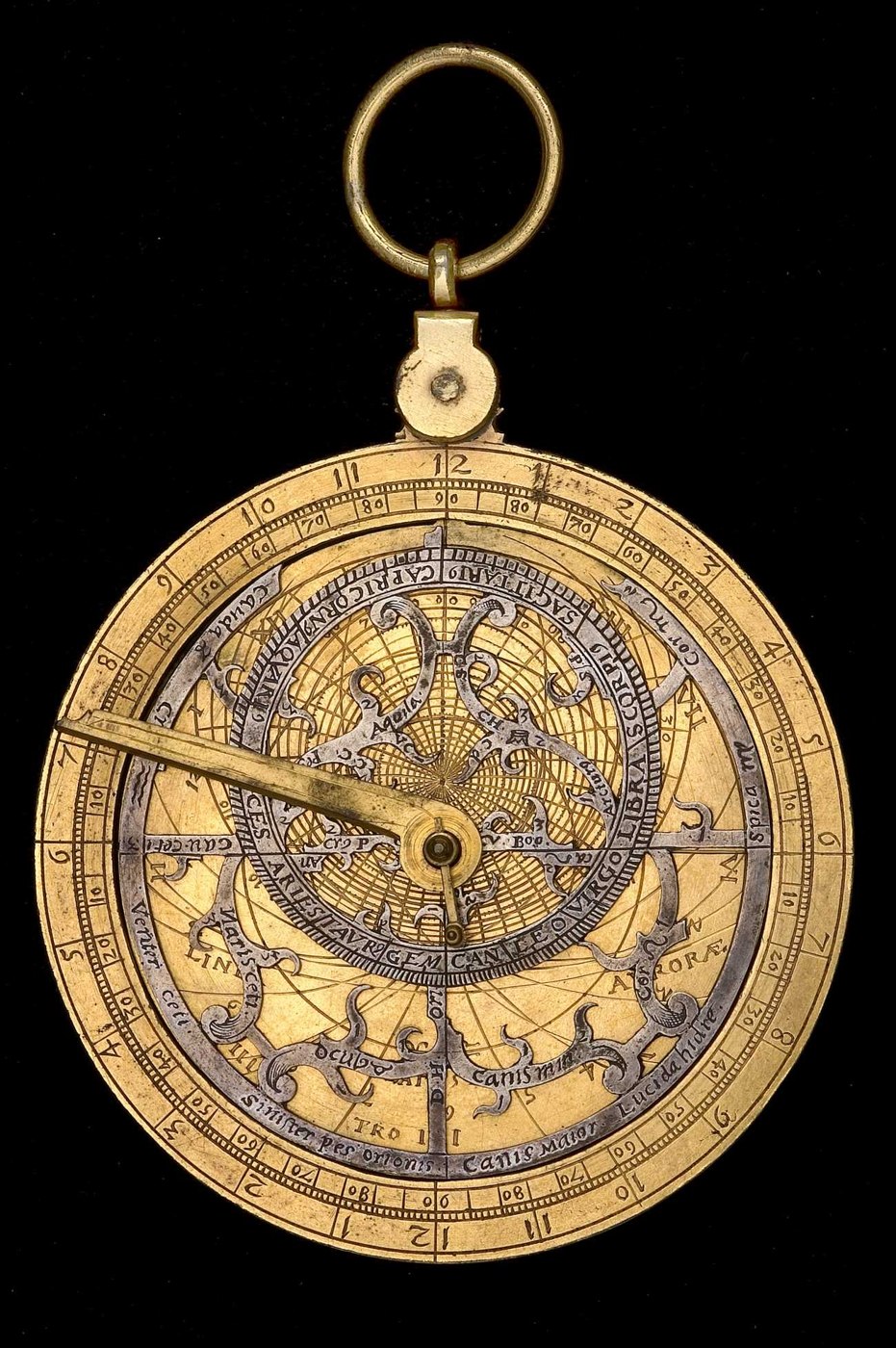
History of Science Museum, University of Oxford
horological instruments
Astrolabe by Johann Anton Linden
ca. 1590
This gilt brass astrolabe is catalogued as inventory number 48380 by the History of Science Museum, Oxford. It features a simple throne with an integrated base and a round-section suspension ring, connected by a rotating pin-type shackle. The mater and limb are constructed from a single piece of brass, with scales f…
Partial type record
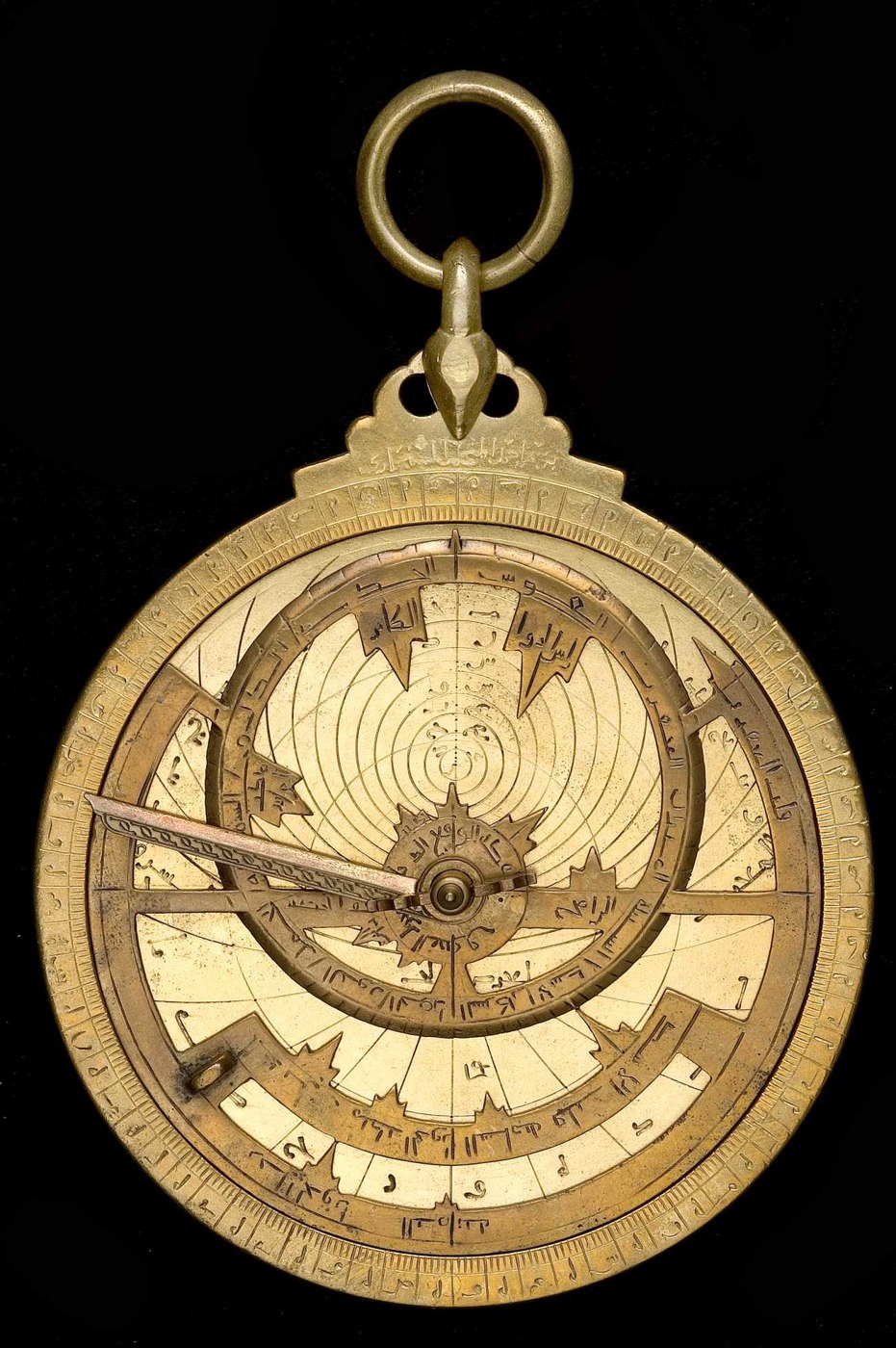
History of Science Museum, University of Oxford
horological instruments
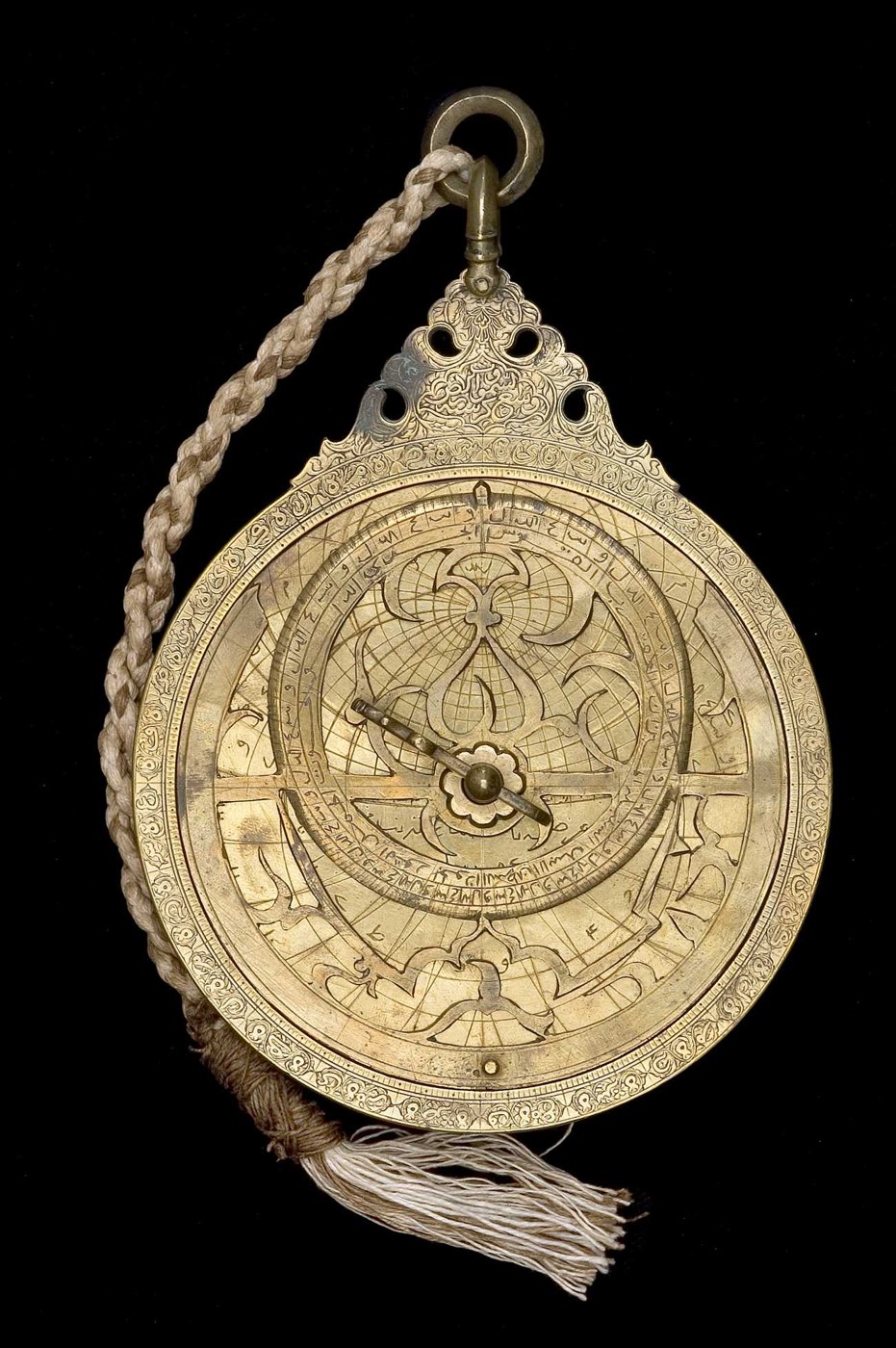
Astrolabe by Khafīf
late 9th century
This late 9th-century astrolabe, crafted from brass, is attributed to Khafīf, an apprentice of ‘Alī ibn ‘Īsā. It is held in the University of Oxford’s History of Science Museum collection under inventory number 47632. The instrument features a pierced, five-lobed throne with an integrated base and an omega-type shac…
Partial type record
History of Science Museum, University of Oxford
horological instruments
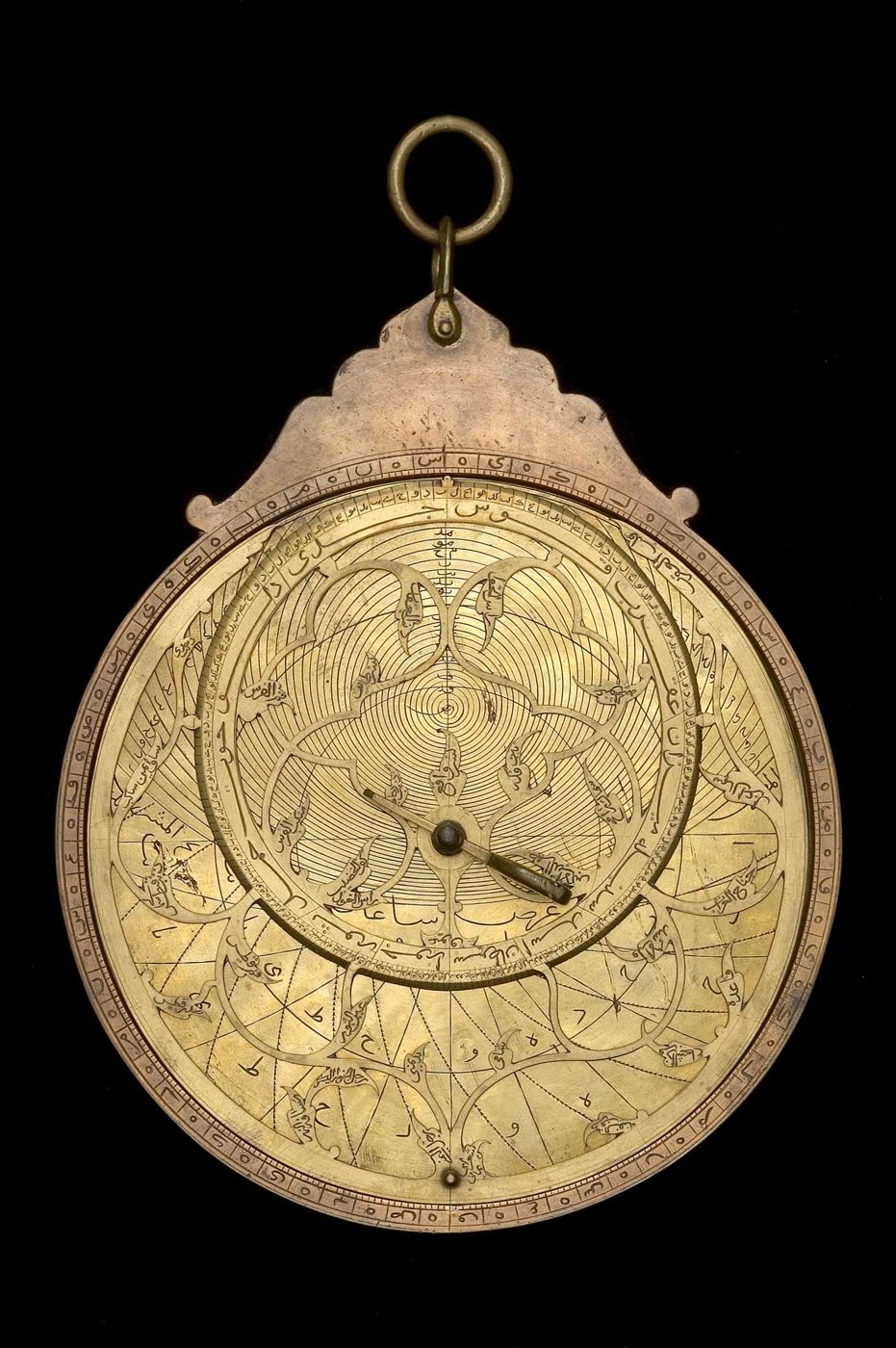
Astrolabe by Khalīl Muḥammad ibn Ḥasan ‘Alī
ca. 1700
This brass astrolabe, attributed to the maker Khalīl Muḥammad ibn Ḥasan ‘Alī, dates to circa 1700 and originates from Iṣfahān. The instrument features a pierced, Indo-Persian style throne with an integrated base and omega-type shackle. The mater and limb are constructed from a single piece of brass, with the limb fe…
Partial type record
History of Science Museum, University of Oxford
horological instruments
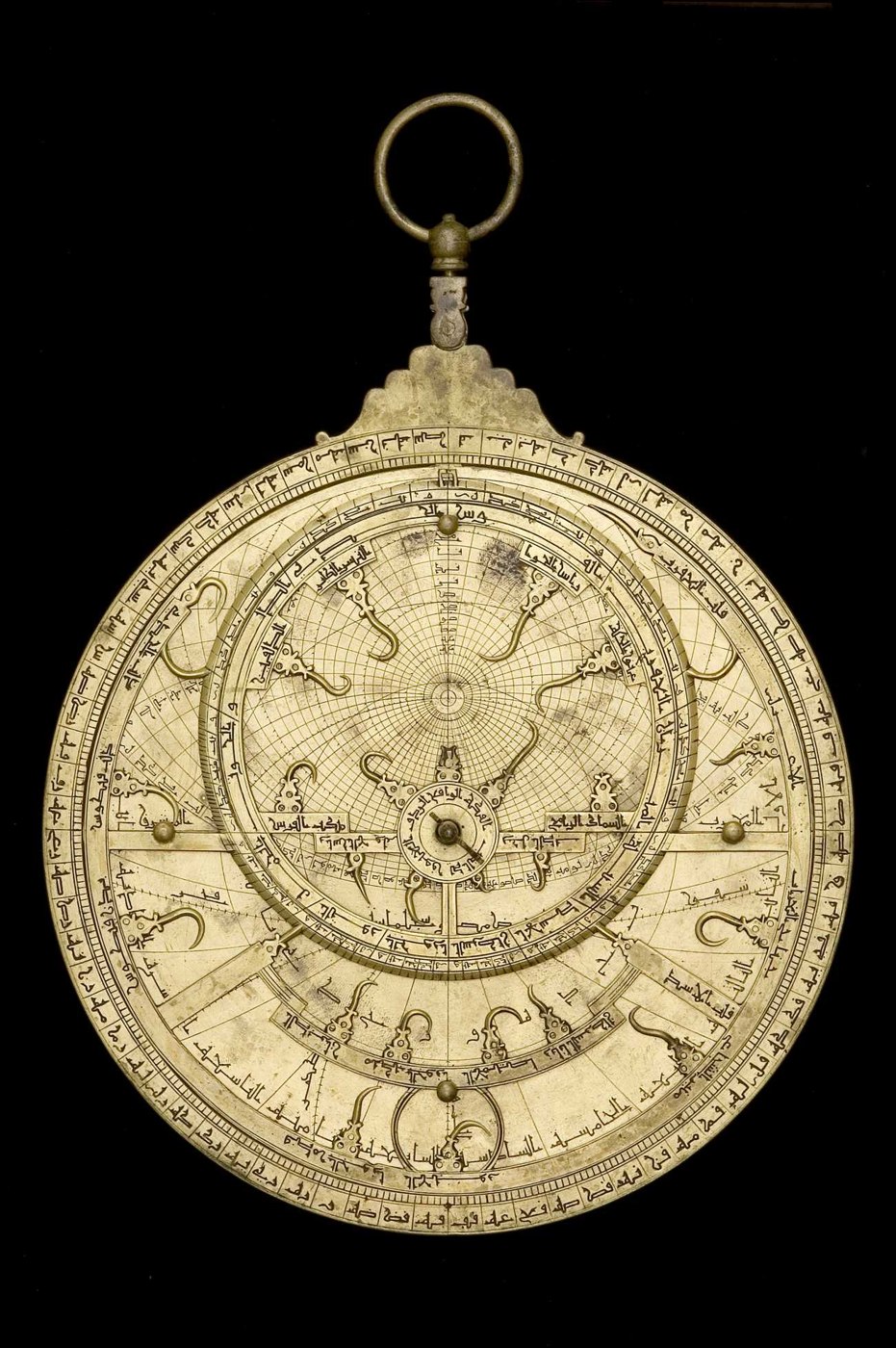
Astrolabe by Muḥammad Amīn ibn Amīrzā Khān
1587/8 (A.H. 996)
This brass astrolabe, bearing the inventory number 52399, is attributed to the maker Muḥammad Amīn ibn Amīrzā Khān and dates to 1587/8 (A.H. 996). The instrument features a broad, Indo-Persian type throne and an omega-shaped shackle, with a simple, round cross-section ring. It is constructed as a one-piece mater and…
Partial type record
History of Science Museum, University of Oxford
horological instruments
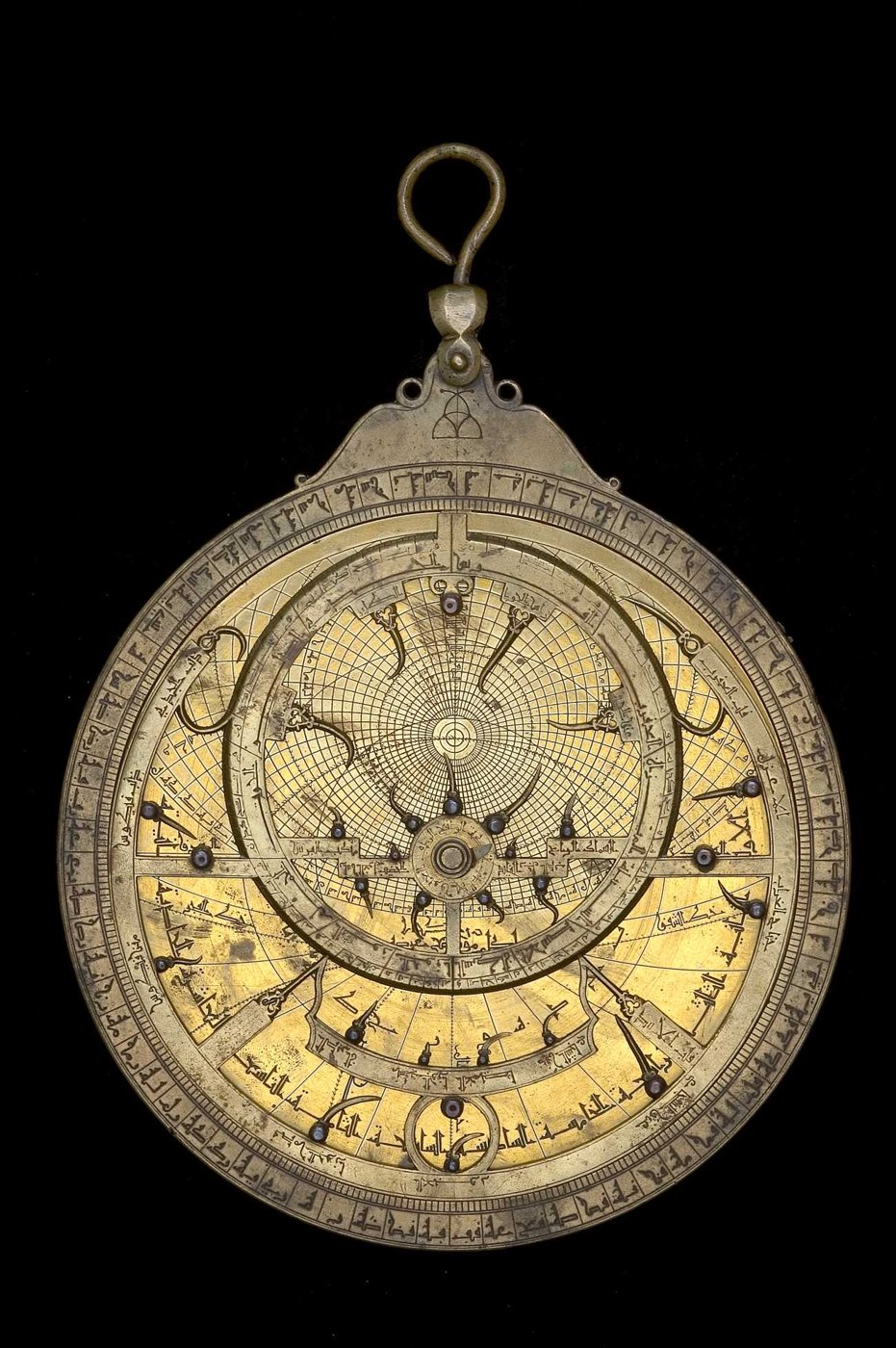
Astrolabe by Muḥammad ibn Aḥmad al-Baṭṭuṭī
1733/4 (A.H. 1146)
This brass astrolabe was made by Muḥammad ibn Aḥmad al-Baṭṭuṭī in 1733/4 (A.H. 1146). The instrument features a moorish arch type throne with an integrated base, a simple round-section ring, and a rotating pin shackle. The mater and limb are of two-piece soldered and riveted construction. The rete is of the indicato…
Partial type record
History of Science Museum, University of Oxford
horological instruments
Astrolabe by Muḥammad ibn Fattūḥ al-Khamā’irī
1224/5 (A.H. 621)
This brass astrolabe (inventory 50934) was produced by the maker Muḥammad ibn Fattūḥ al-Khamā’irī in Seville in A.H. 621 (1224/5). The instrument features a one-piece construction for the mater and limb, which includes a degree scale divided every 5 degrees. The back displays seven distinct scales, including altitud…
Partial type record
Dated entries by century
- 8th century BC1
- 6th century BC1
- 1st century BC1
- 4th century1
- 10th century1
- 11th century2
- 13th century12
- 14th century13
- 15th century9
- 16th century196
- 17th century38
- 18th century24
- 19th century12
- 20th century12
- 21st century2
Only the 325 entries carrying their own date to within about 150 years are counted, by the earliest year given. These are catalogue holdings, not production totals.
Confidence of the published entries
- Documented398
- Probable47
Confidence reflects how well the sources support each entry's identification, not the object's quality or importance.
Museum specimen and identification evidence
Common questions about astrolabes, dials and instruments
- How many astrolabes, dials and instruments entries are published, and do they have photographs?
- 445 entries are published in this section; 445 of them carry at least one credited photograph of a real object, with its source and stated rights.
- What period do the astrolabes, dials and instruments entries cover?
- 325 entries carry their own date to within about a century and a half; they range from 800 BC to 2014. Broader museum date ranges are kept exactly as recorded and are left out of this span.
- Does Orbis value or grade astrolabes, dials and instruments?
- No. Orbis documents and identifies object types with cited sources. It does not grade condition, estimate prices or sell objects.