Issuing authority
Kingdom of Persis
- Kind
- kingdom
- Region
- Iranian Plateau, Asia
Objects are filed under the historical authority that actually issued or made them. A recorded period comes from the issuer's own reference description and is left blank where no source states it.
Published entries
6
Individual types and documented families
With photographs
100%
6 with a credited real-object photo
Dated span
205 BC – AD 50
5 entries with their own date
Verified or well documented
0
Highest two confidence levels
Catalogue entries (6)
Filter these entries by era, material or confidenceSorted by date, earliest first.
The Metropolitan Museum of Art — Rogers Fund, 1936
ancient coins
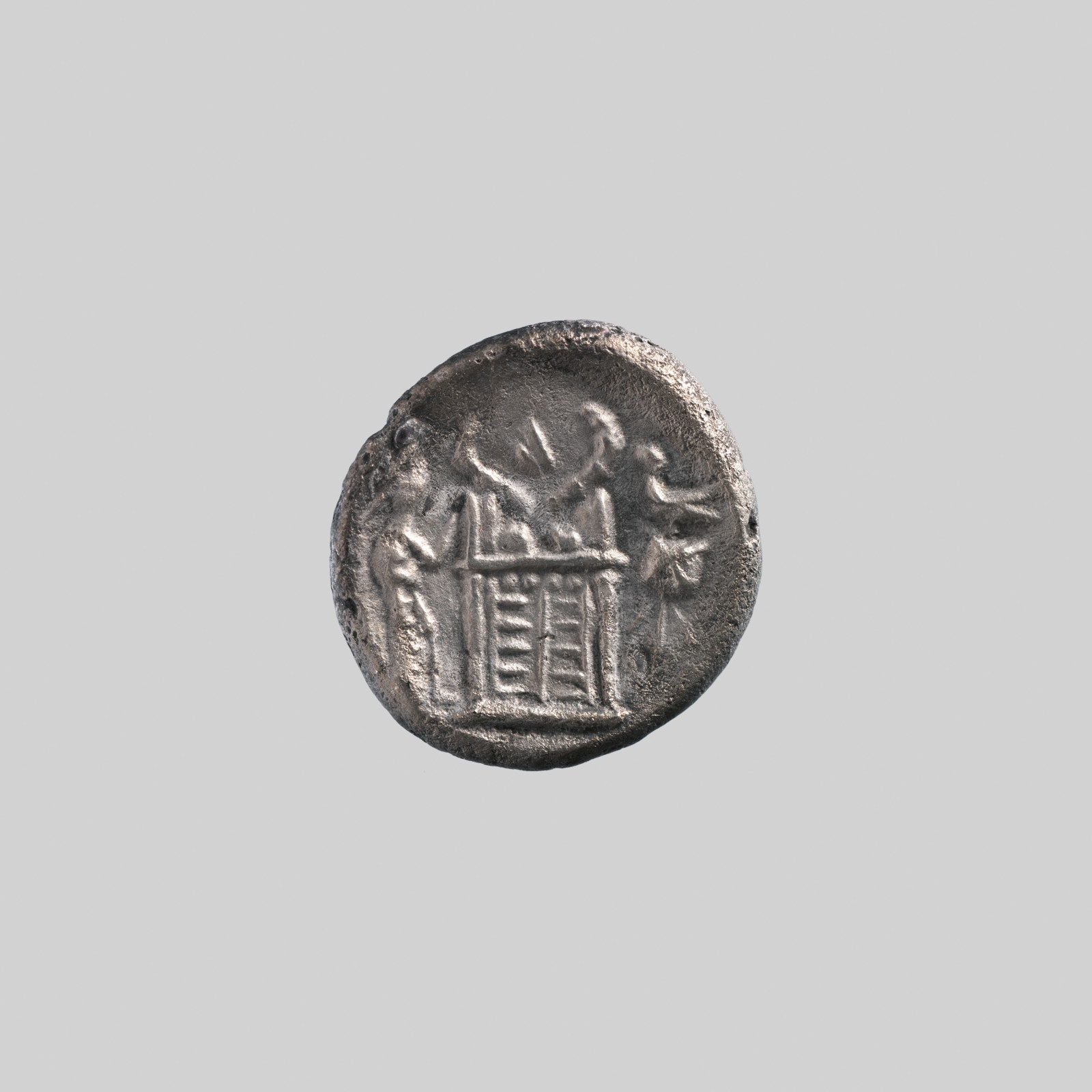
Drachm of Vadfradad II of Persis, ca. 200–150 BC
ca. 200–150 BC
This silver drachm was struck under King Vadfradad II of Persis, referred to as Autophradates in Greek, in the early to mid-second century B.C. Persis encompassed southwestern Iran, an area that had served as the heartland of the Achaemenid Empire before coming under local client kings. The obverse exhibits a right…
Partial type record
The Metropolitan Museum of Art — Rogers Fund, 1936
ancient coins
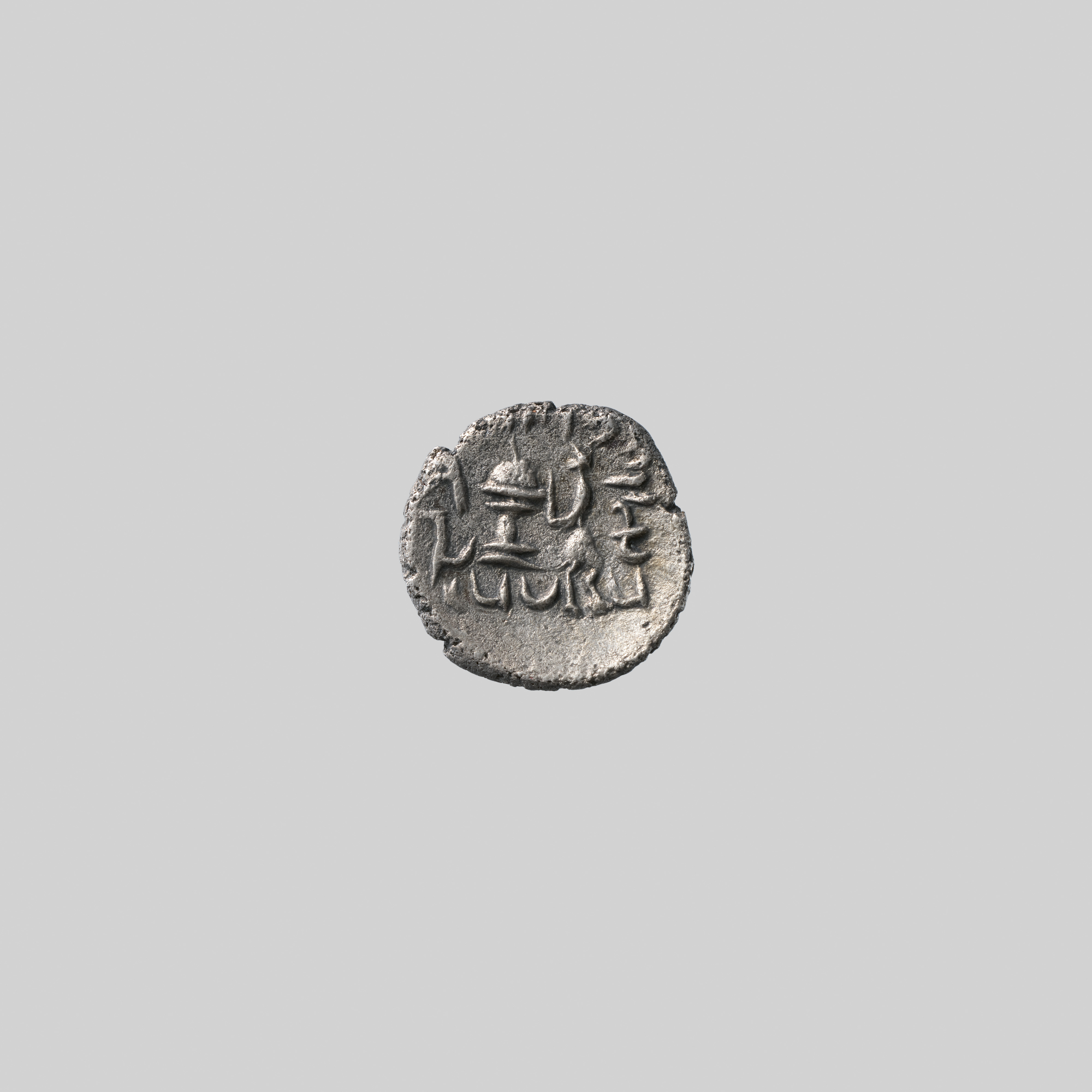
Drachm of Darev II of Persis, ca. 1st century BCE
ca. 1st century BCE
This silver drachm was struck during the first century B.C. by Darev II, a client king of Persis who was known in Greek as Darius. The obverse presents a left-facing portrait of the monarch, distinguished by a long beard, a large nose, and a torque or necklace. He is shown wearing a domed tiara with earflaps, adorne…
Partial type record
The Metropolitan Museum of Art — Rogers Fund, 1936
ancient coins
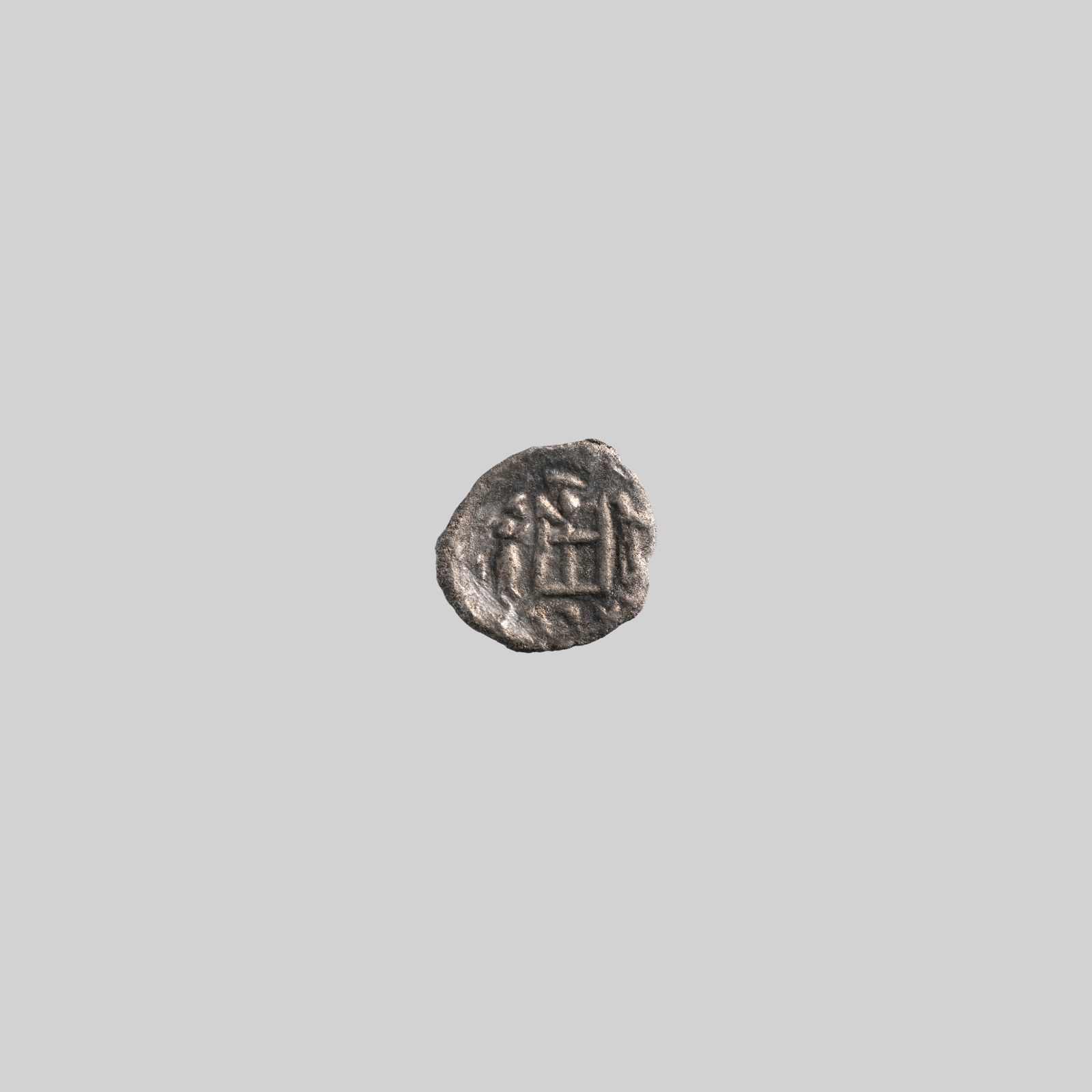
Persis obol of Vadfradad III, ca. 1st century BCE
ca. 1st century BCE
This small silver obol was issued by King Vadfradad III of Persis, who was also known in Greek as Autophradates, during the first century B.C. Persis was a southwestern Iranian territory that previously formed the center of the Achaemenid Empire. Under subsequent foreign hegemony, local client rulers minted currency…
Partial type record
The Metropolitan Museum of Art — Rogers Fund, 1936
ancient coins
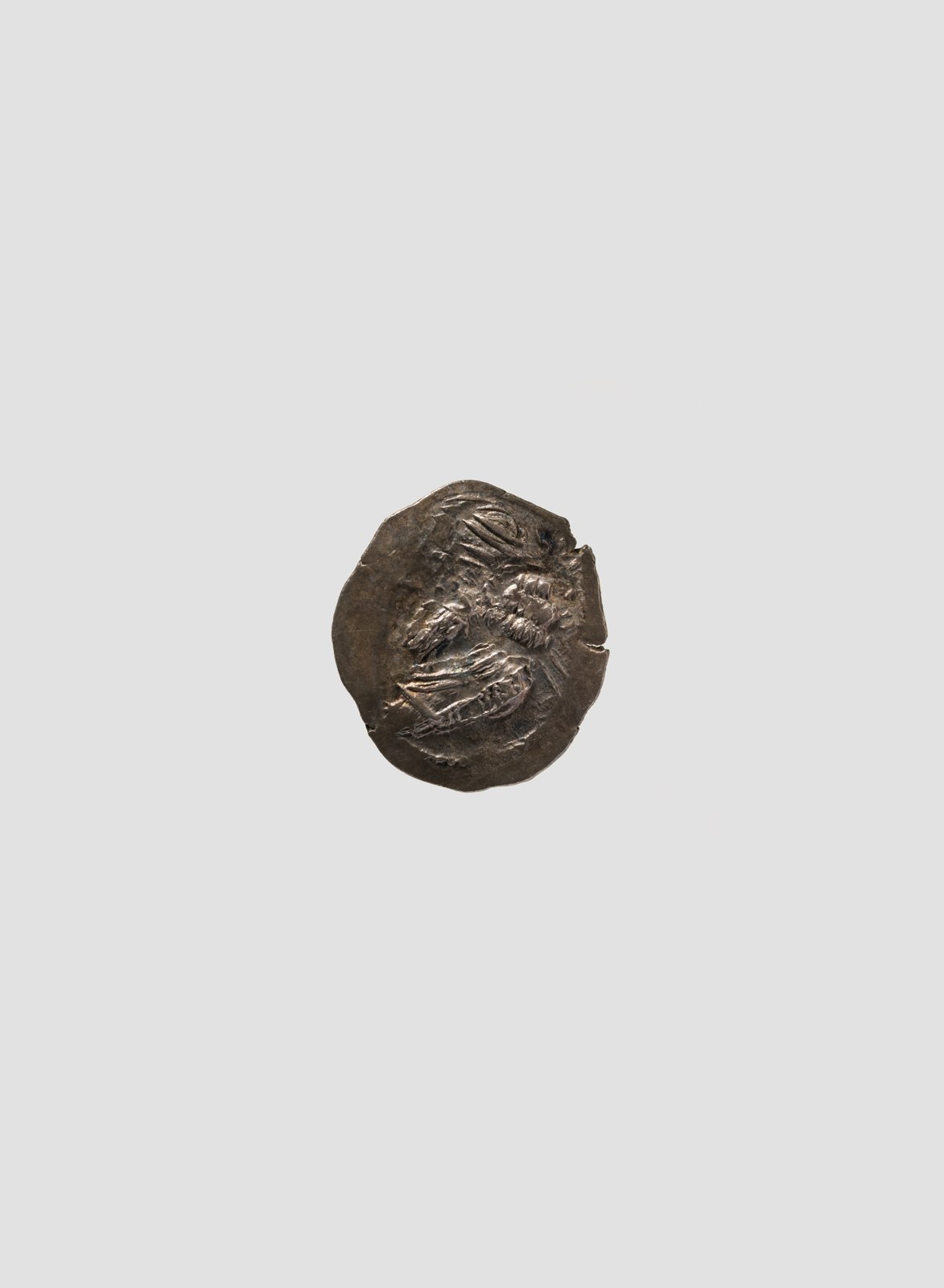
Obol of Pakor II of Persis, ca. 1st century CE
ca. 1st century CE
This small silver coin is an obol issued in the first century CE by King Pakor II of Persis. Situated in southwestern Iran, Persis was the ancient core of the Achaemenid Empire and was later ruled by client monarchs under Seleucid and Parthian authority. Coins issued by these regional kings blended iconographic moti…
Partial type record
The Metropolitan Museum of Art — Rogers Fund, 1936
ancient coins
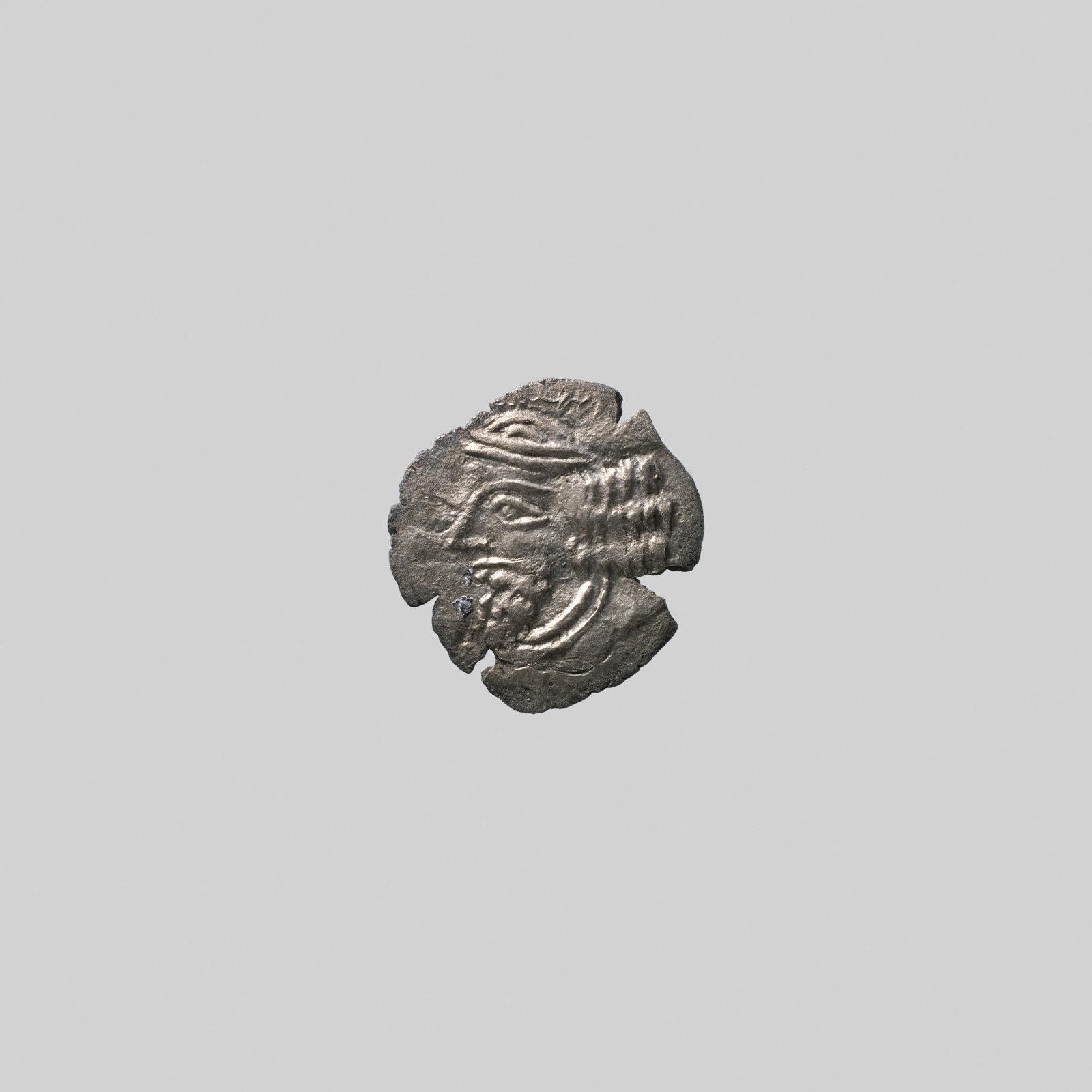
Hemidrachm of Pakor I of Persis, ca. 1st century CE
ca. 1st century CE
This small silver hemidrachm was issued during the first century CE by King Pakor I of Persis, a territory situated in southwestern Iran. Produced during the broader Parthian period, the coin measures approximately 1.4 centimeters in diameter. Persis was governed during this era by local client kings who asserted th…
Partial type record
The Metropolitan Museum of Art — Rogers Fund, 1936
ancient coins
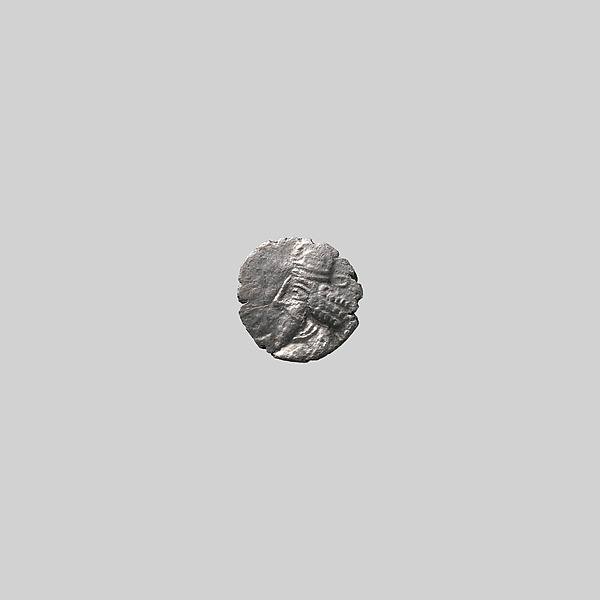
Hemidrachm of King Kapat II of Persis, ca. 50–100 CE
ca. 50–100 CE
This small silver coin is a hemidrachm issued under King Kapat II, who was also known as Napad, of Persis. The obverse depicts the left-facing bust of the monarch, rendered with a prominent nose, elongated hair, and a curly, lengthened beard. He is shown wearing a torc or necklace around his neck, and his head is cr…
Partial type record
Dated entries by century
- 3rd century BC1
- 1st century BC2
- 1st century2
Only the 5 entries carrying their own date to within about 150 years are counted, by the earliest year given. These are catalogue holdings, not production totals.
Browse other historical issuers and makers in the Atlas, or read how attributions are made in the editorial method.