Issuing authority
Tokugawa Shogunate
- Kind
- state
- Region
- East Asia, Asia
Objects are filed under the historical authority that actually issued or made them. A recorded period comes from the issuer's own reference description and is left blank where no source states it.
Published entries
20
Individual types and documented families
With photographs
100%
20 with a credited real-object photo
Dated span
1662 – 1860
18 entries with their own date
Verified or well documented
0
Highest two confidence levels
Catalogue entries (20)
Filter these entries by era, material or confidenceSorted by date, earliest first.
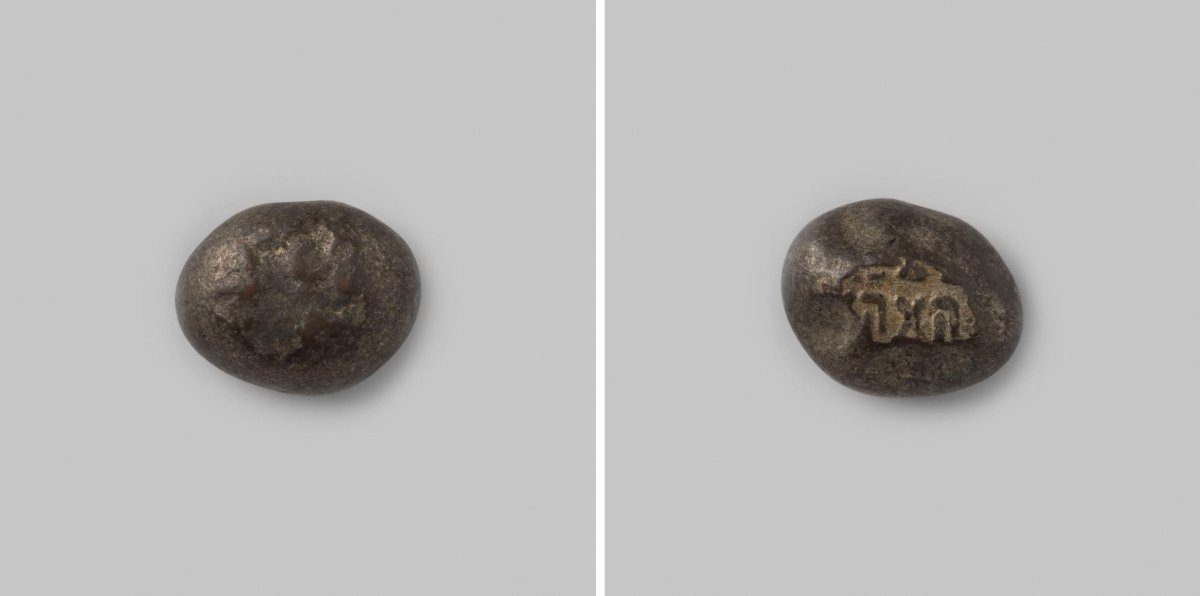
Rijksmuseum, Amsterdam
modern coins
Mameita-gin [= silver bean] of 1 bu of the Empire of Japan, from the 17th, 18th and 19th century up to 1865
1600 - 1836
Silver oblong coin. Obverse: part of a formal inscription with era designation: Or: "God of Abundance symbol with era designation on his belly. Reverse: smooth. The Rijksmuseum, Amsterdam, holds this object as KOG-MP-1-4327; its record gives material recorded as silver (metal); technique striking (metalworking); mea…
Partial type record
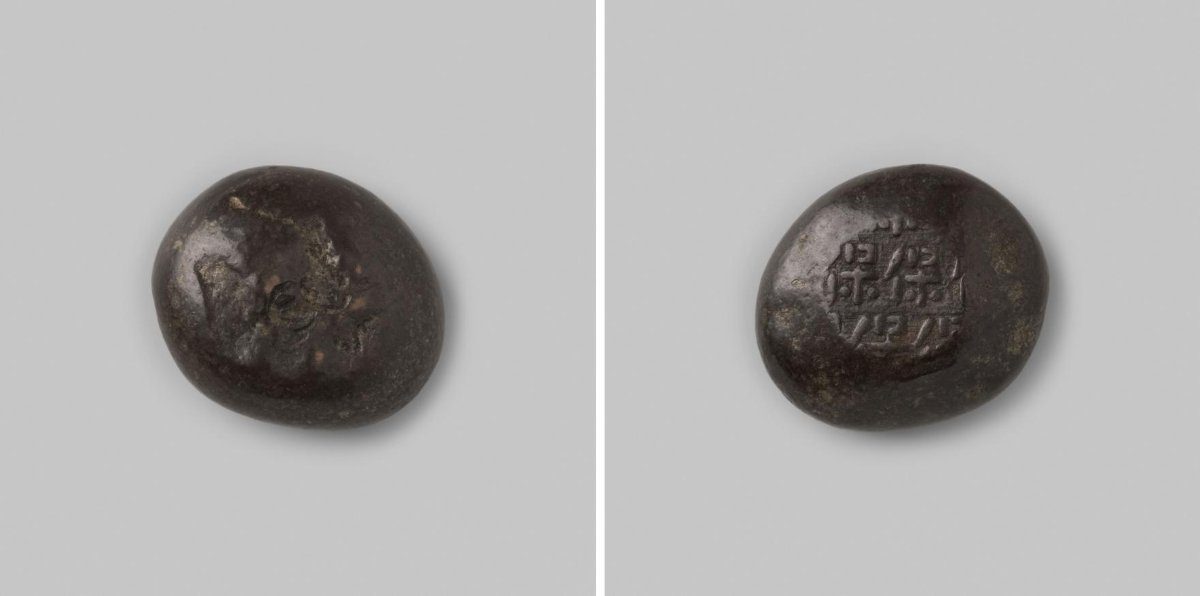
Rijksmuseum, Amsterdam
modern coins
Mametita-gin [=silver bean] of 2 bu of the Empire of Japan, from the 17th, 18th and 19th centuries until 1865
1600 - 1865
Silver oblong coin. Obverse: part of a formal inscription with era designation: Or: "God of Abundance" symbol with era designation on its belly. Reverse: Japanese characters. The Rijksmuseum, Amsterdam, holds this object as KOG-MP-1-4326; its record gives material recorded as silver (metal); technique striking (meta…
Partial type record
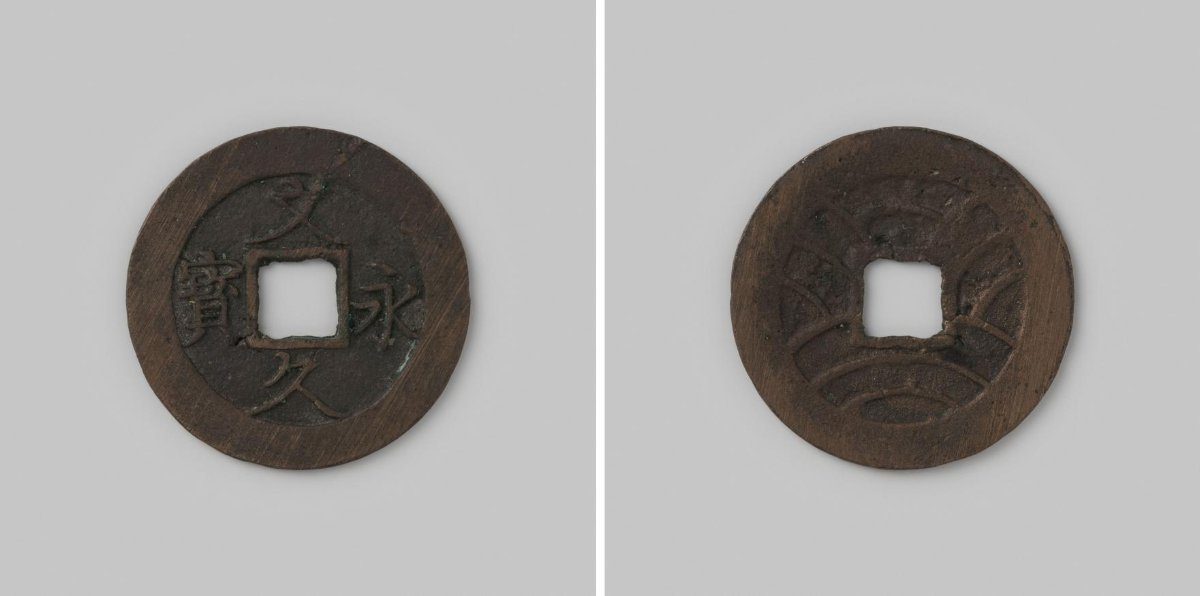
Rijksmuseum, Amsterdam
modern coins
Bun sen of 1 mon from the Empire of Japan
1662 - 1672
Copper coin. Obverse: within a wide smooth rim around a central square hole, four characters placed crosswise meaning: kanei tsuho [= Kanei period]. Reverse: within a wide smooth rim, character at the top. [ bun = cast from the Buddha statue that was partially destroyed in an earthquake in 1662]. The Rijksmuseum, Am…
Partial type record
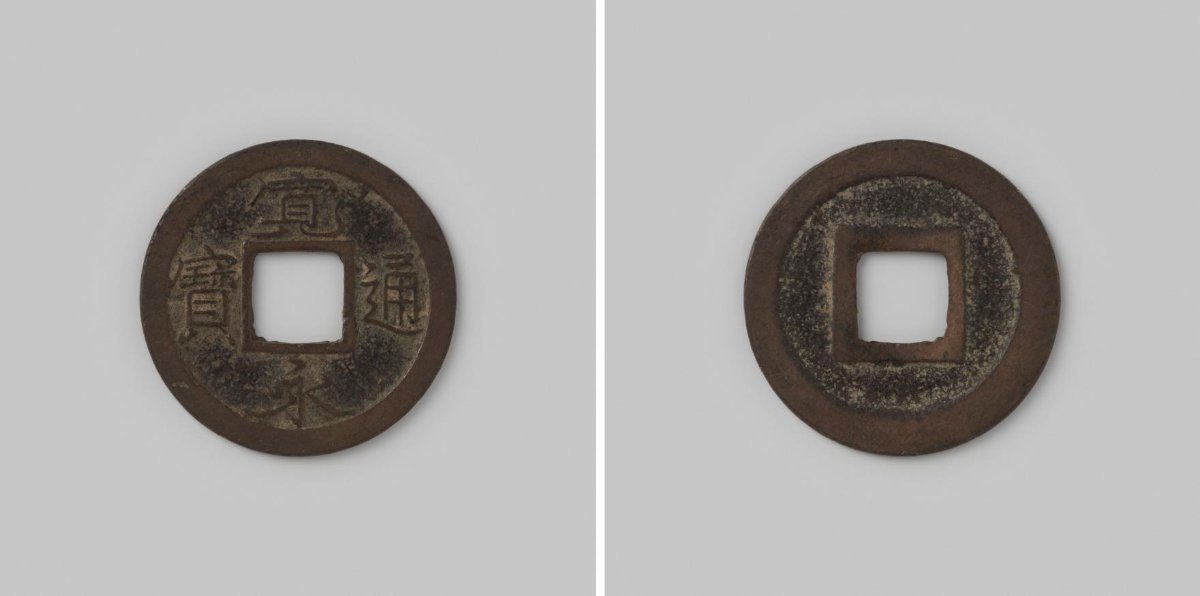
Rijksmuseum, Amsterdam
modern coins
Empire of Japan, bun sen of 1 mon
1662 - 1672
Copper coin. Obverse: within a wide smooth rim around a central square hole, four characters placed crosswise meaning: kanei tsuho [= Kanei period]. Reverse: within a wide smooth rim, character at the top. [ bun = cast from the Buddha statue that was partially destroyed in an earthquake in 1662]. The Rijksmuseum, Am…
Partial type record
Rijksmuseum, Amsterdam
modern coins
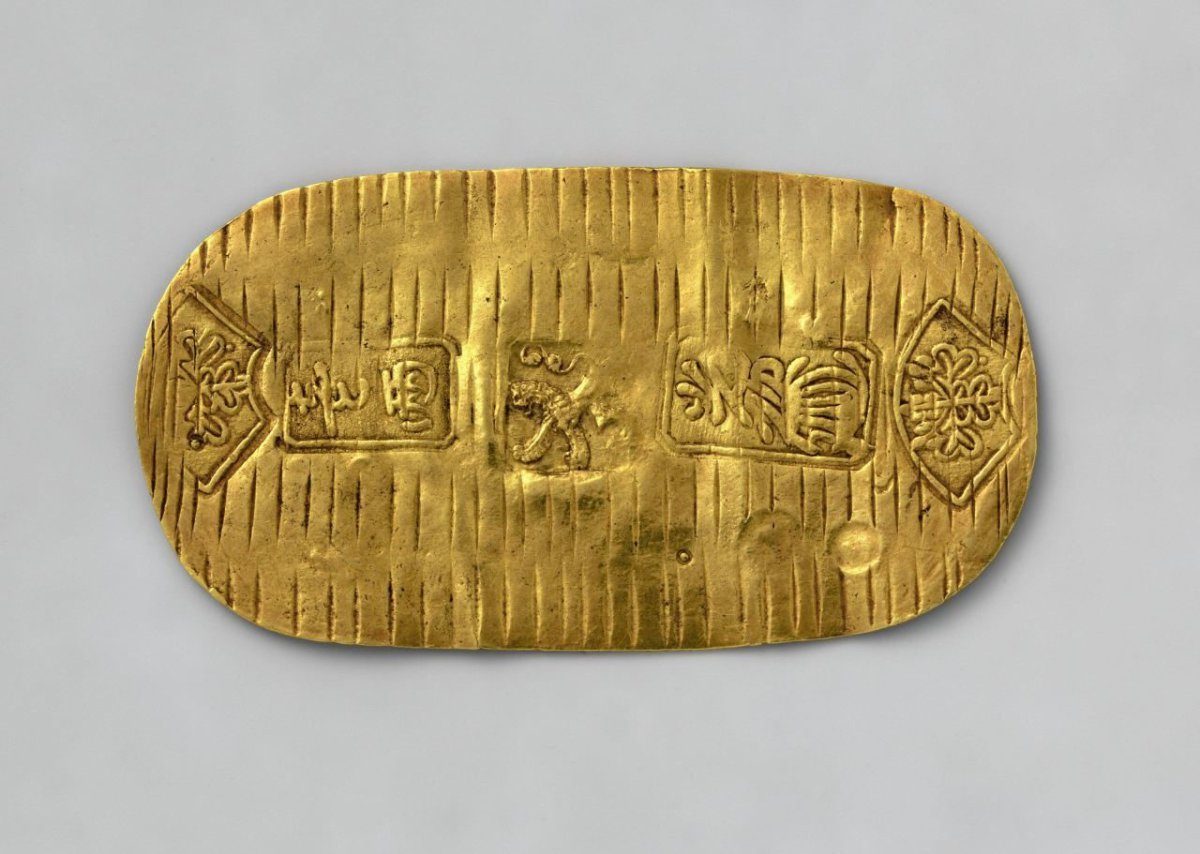
Gold Kobang (Koban) from the Empire of Japan with a Countermark Applied in or Shortly after 1690 by the VOC in Batavia in the Centre of the Obverse: Coat of Arms of Holland
1690
Gold Japanese coin in the shape of an oval plate. Obverse: four countermarks applied in Japan and in the centre a countermark applied in Batavia, a coat of arms of Holland (lion rampant facing left). Reverse: among others, round countermarks applied by merchants, in the centre a signature. Plain edge. The Rijksmuseu…
Partial type record
Rijksmuseum, Amsterdam
modern coins
Empire of Japan, sen of 1 mon
1739 - 1868
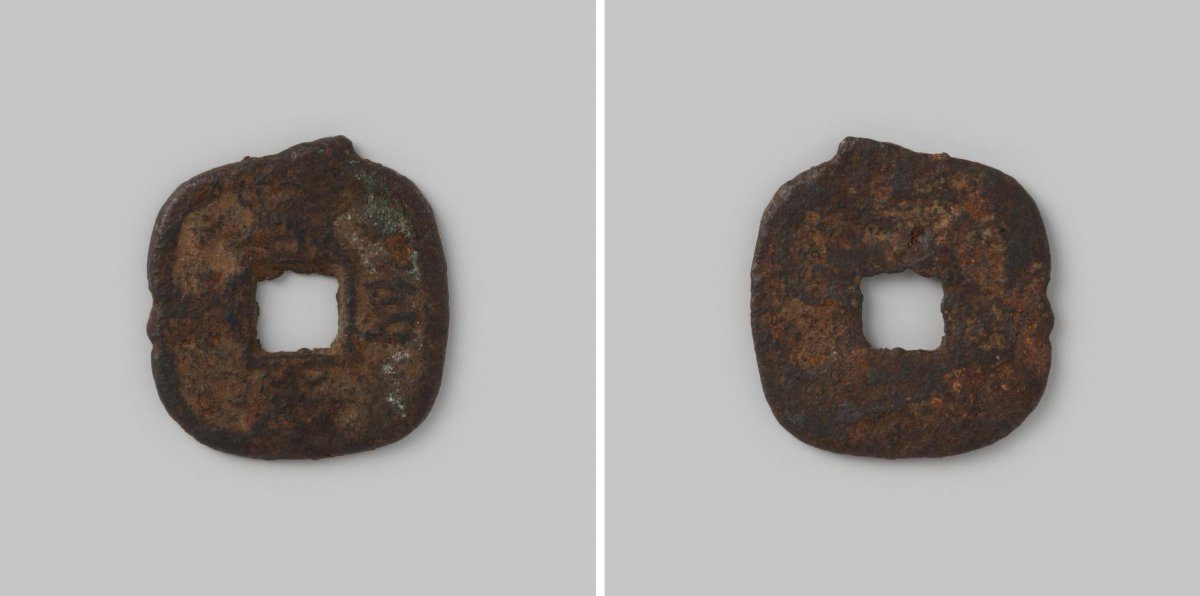
Iron rectangular coin. Obverse: within a wide smooth rim around a central square hole, four characters placed crosswise meaning: kanei tsuho [= Kanei period]. Reverse: within a wide smooth rim, smooth surface??. The Rijksmuseum, Amsterdam, holds this object as KOG-MP-1-4292; its record gives material recorded as iro…
Partial type record
Rijksmuseum, Amsterdam
modern coins
Sen of 1 mon from the Empire of Japan
1739 - 1868
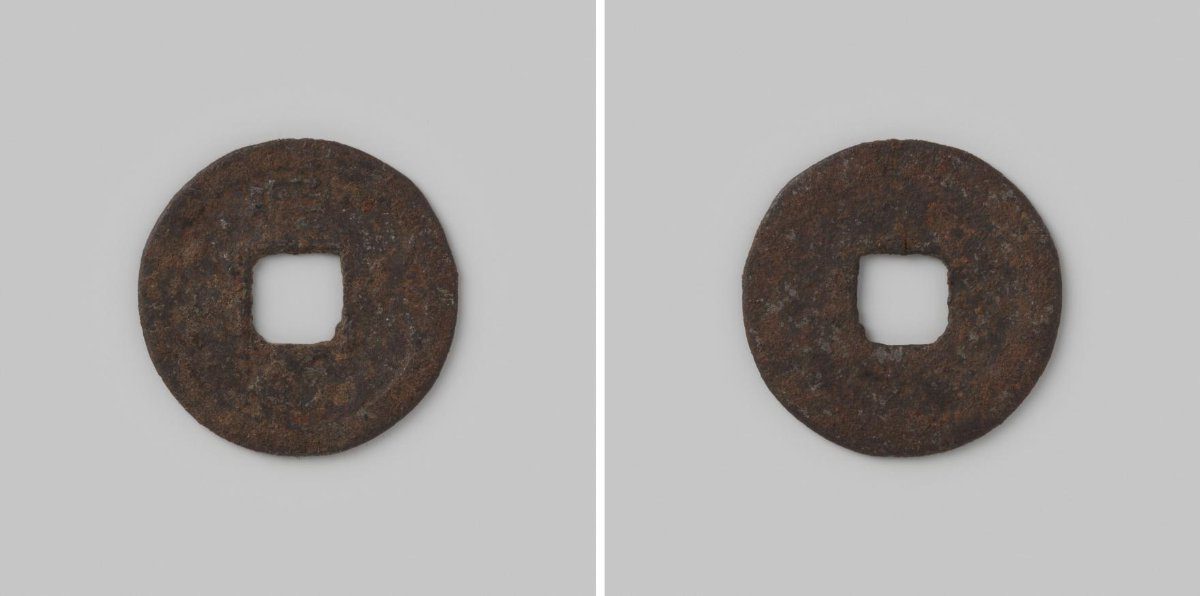
Iron coin. Obverse: within a wide smooth rim around a central square hole, four characters placed crosswise meaning: kanei tsuho [= Kanei period]. Reverse: within a wide smooth rim, smooth surface. The Rijksmuseum, Amsterdam, holds this object as KOG-MP-1-4294; its record gives material recorded as iron (metal); tec…
Partial type record
Rijksmuseum, Amsterdam
modern coins
Sen of 4 mon of the Empire of Japan, from the Meiwa era
1764 - 1771
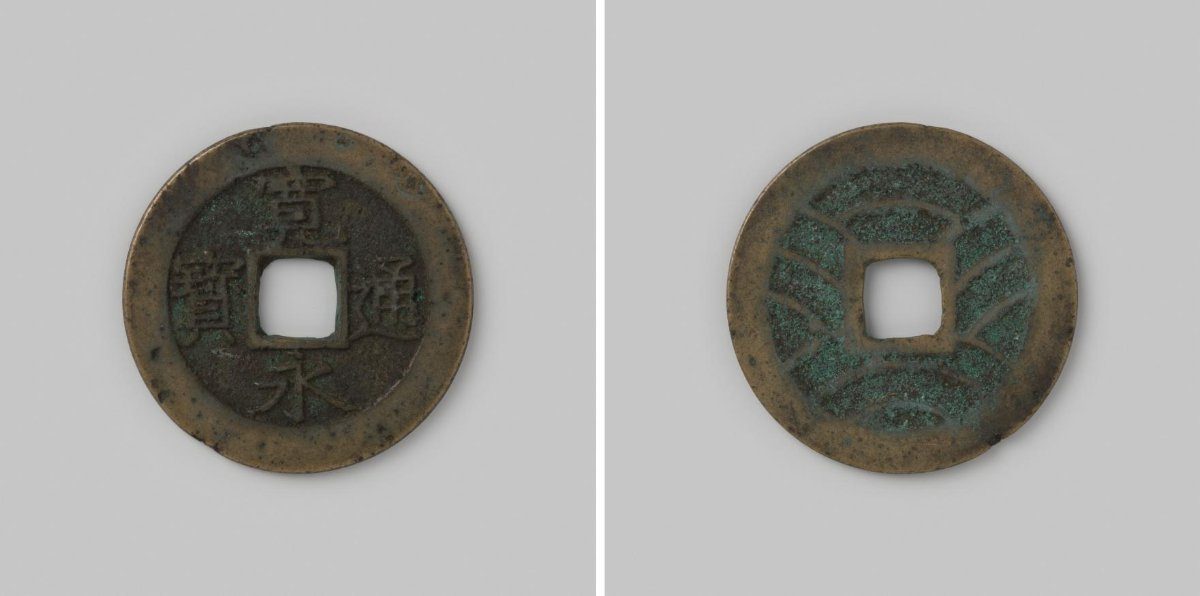
Copper coin. Obverse: within a wide smooth border around a square aperture in the centre, four characters arranged crosswise meaning: kanei tsuho [= Kanei era]. Reverse: within a wide smooth border eleven curved stripes, waves. The Rijksmuseum, Amsterdam, holds this object as KOG-MP-1-4297; its record gives material…
Partial type record
Cleveland Museum of Art
modern coins
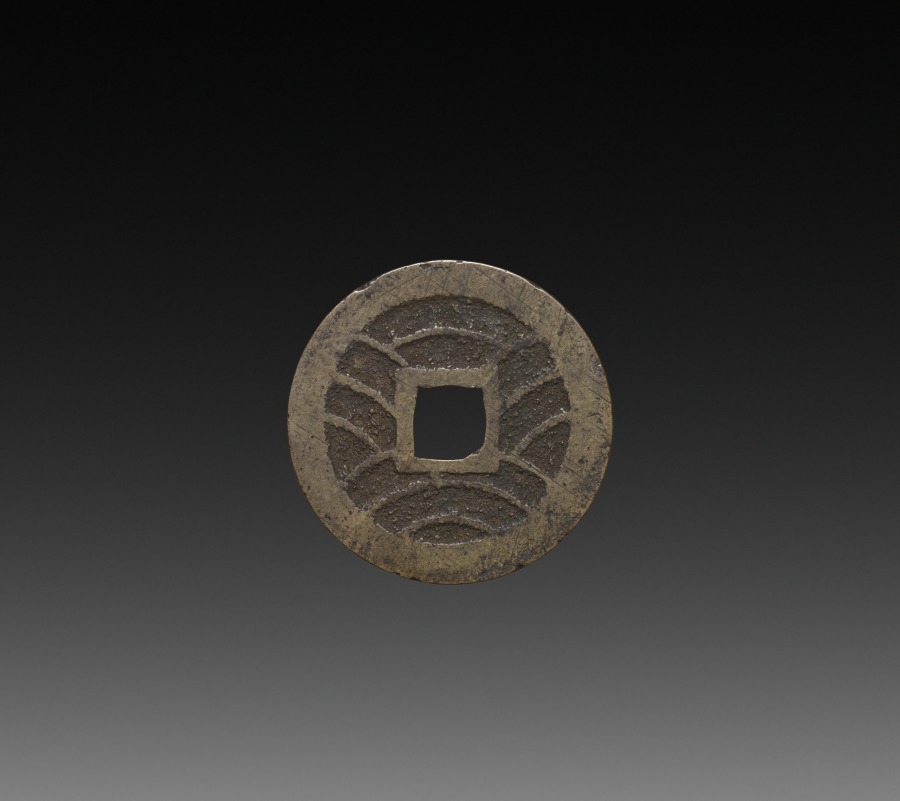
Four Mon Kan'ei Tsūhō Coin (Cleveland Museum of Art 1918.694)
1768–1868
Cleveland Museum of Art object 1918.694: Four Mon Kan'ei Tsūhō Coin, 1768–1868. Japan, Edo period (1615–1868). Copper; diameter: 4.8 cm (1 7/8 in.). Inscribed: 寛永通寳 (Kan'ei Tsūhō). It is catalogued in the museum's Japanese Art department under Coins. Credit line: General Income Fund. Recorded provenance: Charles S.…
Partial type record
Rijksmuseum, Amsterdam
modern coins
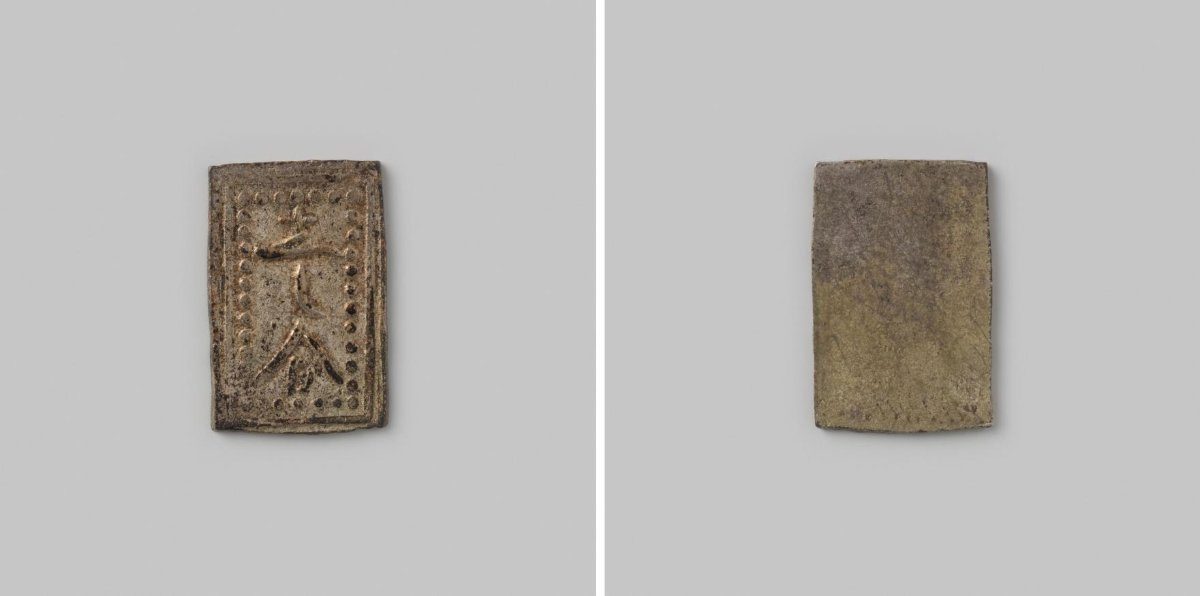
Nan rio gin from the Empire of Japan of Emperor Go-Momozono with the era name An-jeï
1772 - 1780
Silver rectangular coin. Obverse: within a rectangle, three characters placed one below the other. Above the rectangle, ornamentation. Reverse: smooth. The Rijksmuseum, Amsterdam, holds this object as KOG-MP-1-4298; its record gives material recorded as silver (metal); technique striking (metalworking); measurements…
Partial type record
Rijksmuseum, Amsterdam
modern coins
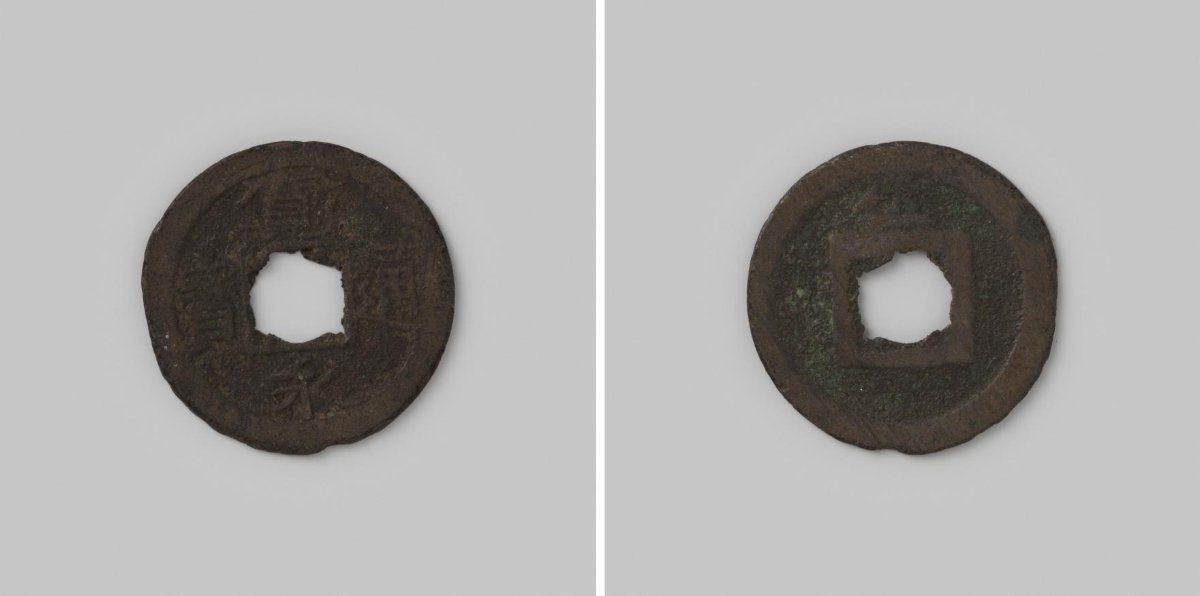
Japanese Empire, 1 mon sen from Sendai, capital of Rikuzen Province
1784
Iron, nearly square coin. Obverse: within a broad plain rim, four characters arranged in a cross around a square central hole. Reverse: smooth surface within a broad plain rim??. The Rijksmuseum, Amsterdam, holds this object as KOG-MP-1-4330; its record gives material recorded as iron (metal); technique casting; mea…
Partial type record
Rijksmuseum, Amsterdam
modern coins
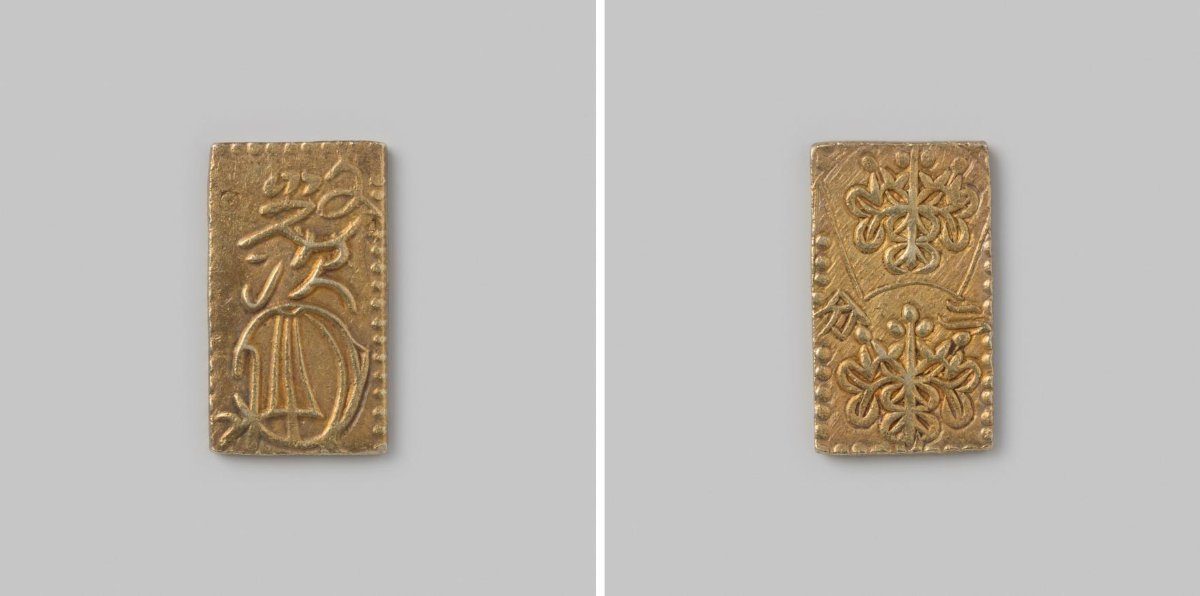
2 bu or ni bu ban = ½ koban of the Empire of Japan of Emperor Ninko from the Bunsei era
1818 - 1830
Gold rectangular coin. Obverse: two floral motifs facing each other, between which is the value designation: two, indicated by two horizontal lines. Reverse: within a rectangle, motifs placed one below the other. The Rijksmuseum, Amsterdam, holds this object as KOG-MP-1-4300; its record gives material recorded as go…
Partial type record
Rijksmuseum, Amsterdam
modern coins
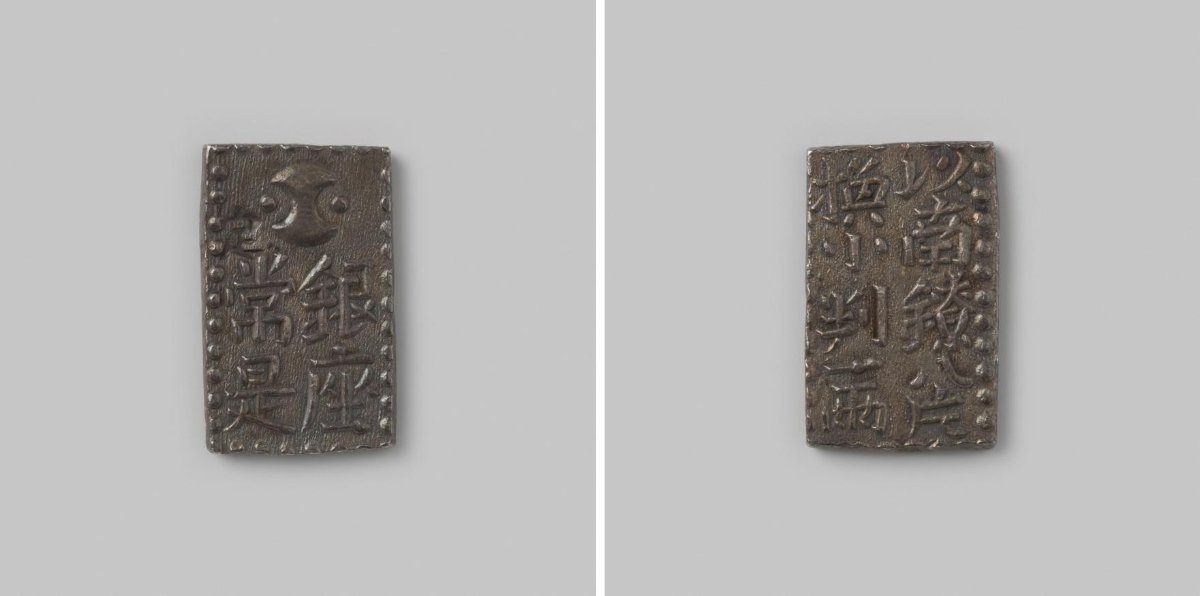
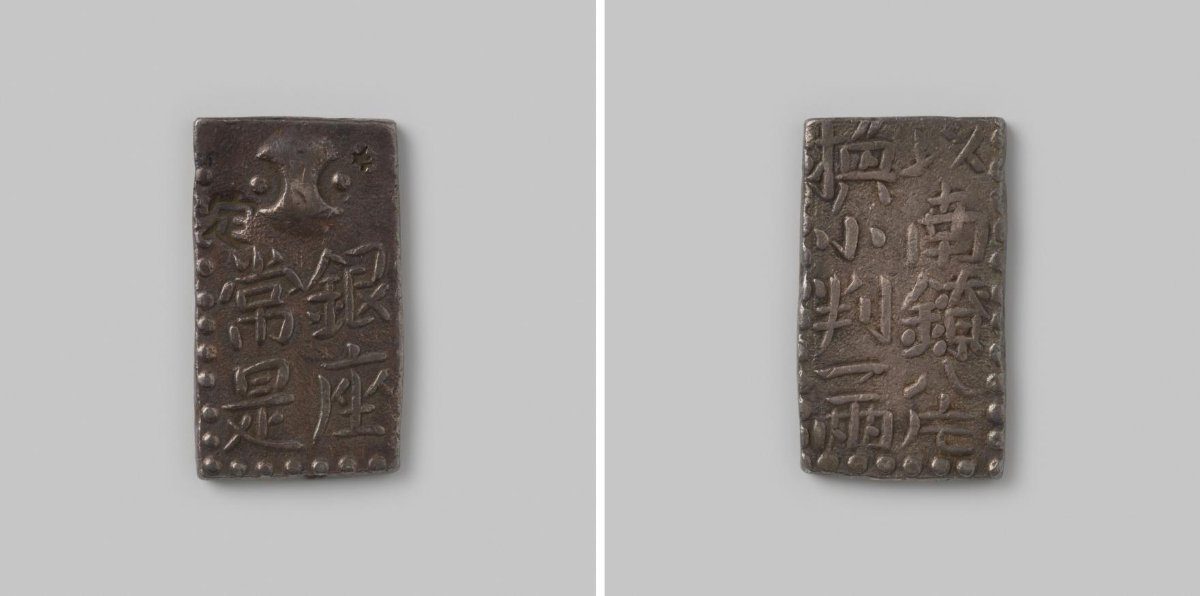
Nan-ryō gin from the Empire of Japan of Emperor Ninkō from the Bunsei era
1824
Silver rectangular coin. Obverse: within a rectangle, four characters arranged one below the other and side by side. Above them, ornamentation. Reverse: within a rectangle, eight characters arranged one below the other and side by side, including value designation. The Rijksmuseum, Amsterdam, holds this object as KO…
Partial type record
Rijksmuseum, Amsterdam
modern coins
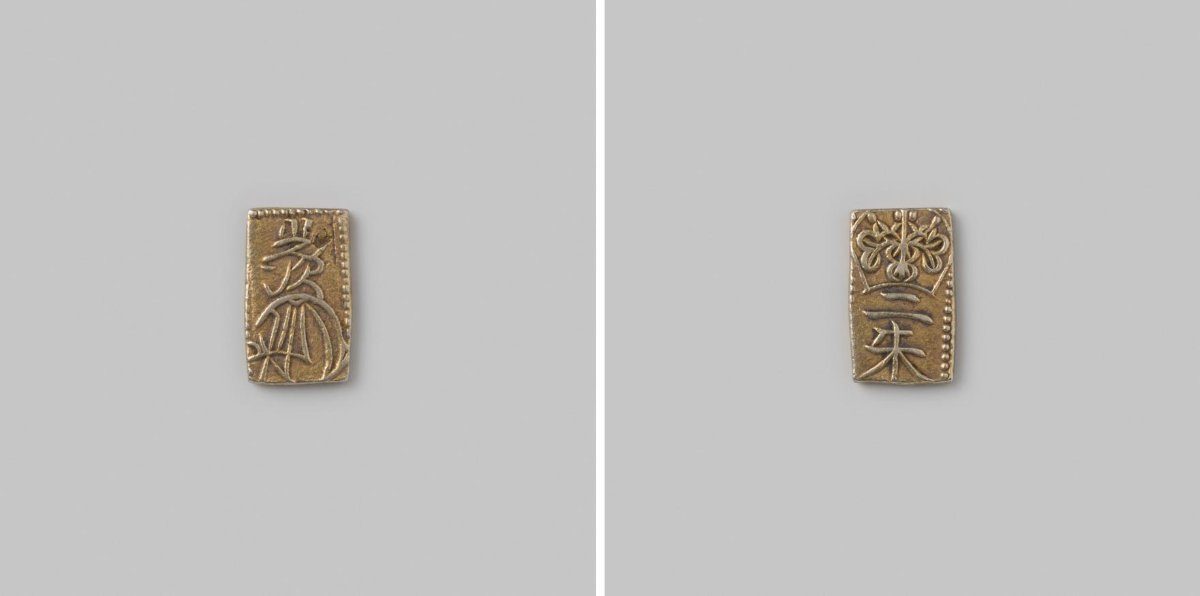
Ichi bu kin = gold ichi bu of the Empire of Japan of Emperor Nin kau from the Tenpo era
1830 - 1843
Gold rectangular coin. Obverse: two floral motifs facing each other, between which value indication: ichi = one, indicated by a horizontal line on the right, and on the left the character for bu. Reverse: characters placed one below the other within rectangle, with the character for the Tenpo era at upper right. The…
Partial type record
Rijksmuseum, Amsterdam
modern coins
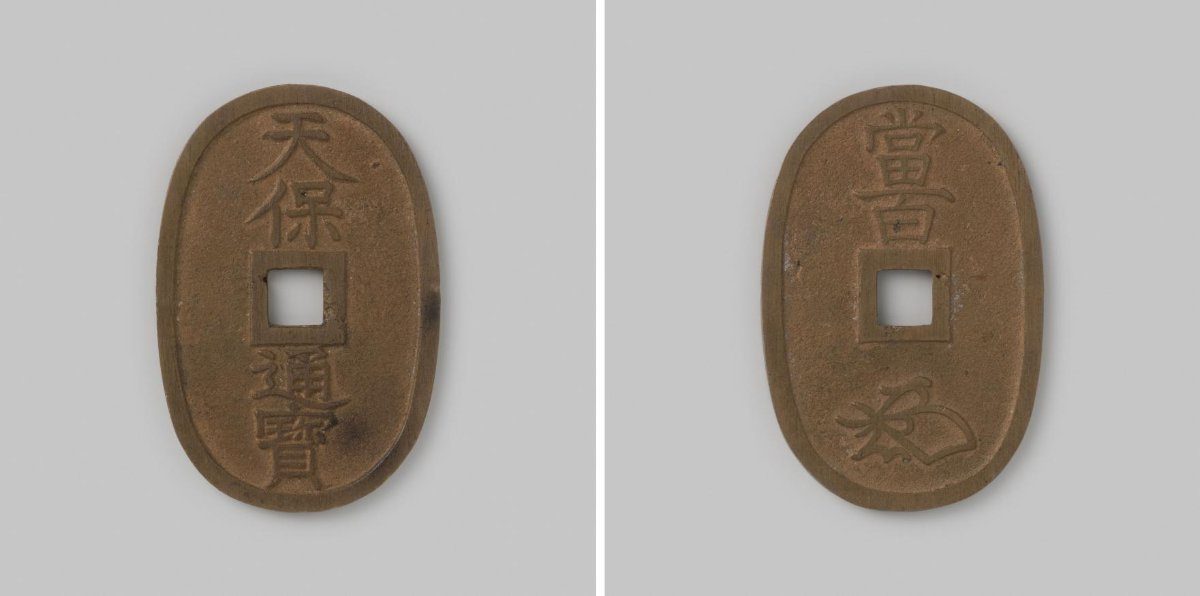
Sen of 100 mon from the Empire of Japan, from the Tenpō era
1830 - 1843
Copper elongated oval coin. Obverse: in the centre a square aperture, above which two characters together indicating the Tenpō era, and below which also two characters. Reverse: in the centre a square aperture, above which two characters and below which one character, together forming the denomination: 100 mon. The…
Partial type record
Cleveland Museum of Art, General Income Fund
modern coins
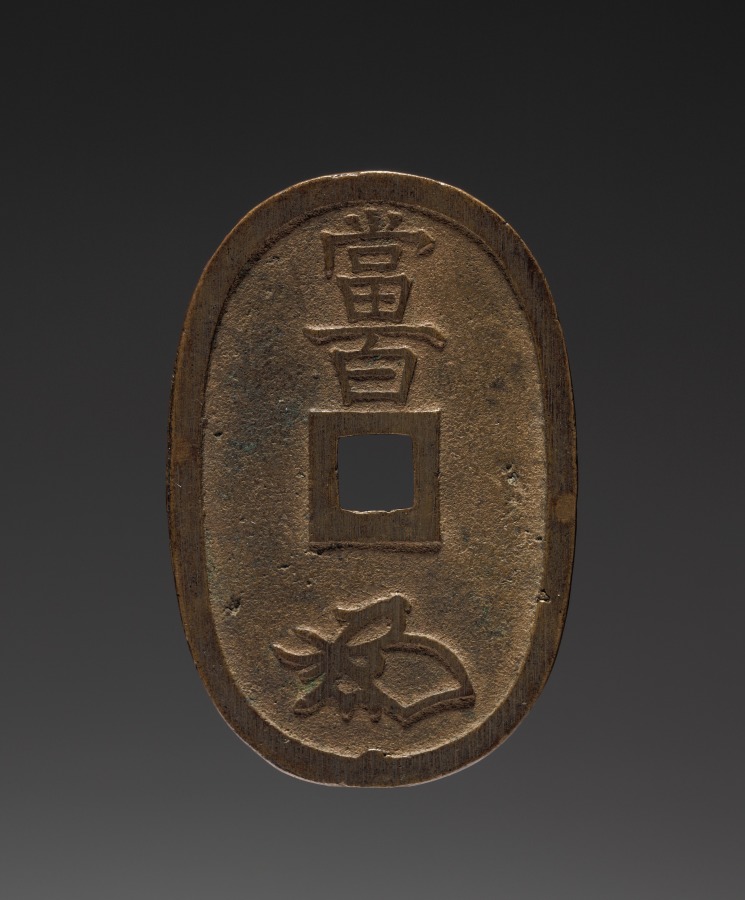
Tenpō Tsūhō Coin (Cleveland Museum of Art 1918.679)
1835–68
Cleveland Museum of Art object 1918.679: Tenpō Tsūhō Coin, 1835–68. Japan, Edo period (1615–1868). Copper; diameter: 3.2 x 4.8 cm (1 1/4 x 1 7/8 in.). Inscribed: 天保通寶. It is catalogued in the museum's Japanese Art department under Coins. Credit line: General Income Fund. Recorded provenance: Charles S. Hill, New Yo…
Partial type record
Rijksmuseum, Amsterdam
modern coins
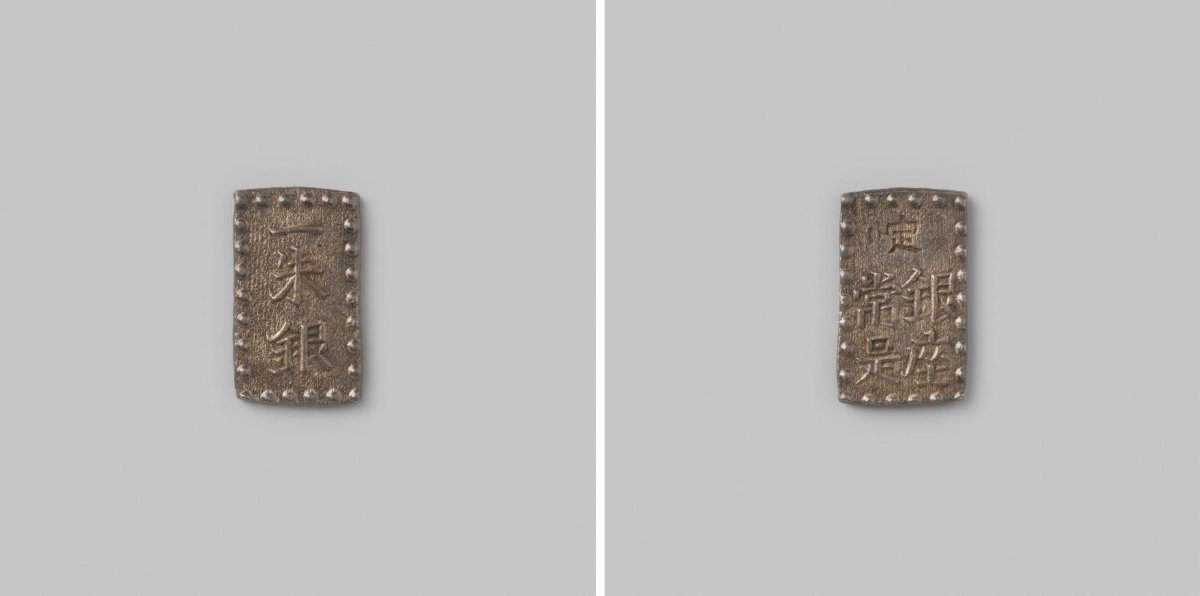
Ichi bu gin = silver ichi bu of the Empire of Japan, from the Tenpō era
1837
Silver rectangular coin. Obverse: within a rectangle four characters arranged above and next to each other. Decoration above. Reverse: within a rectangle eight characters arranged above and next to each other, including value designation, between which value designation: ichi = one, indicated by a horizontal stroke…
Partial type record
Rijksmuseum, Amsterdam
modern coins
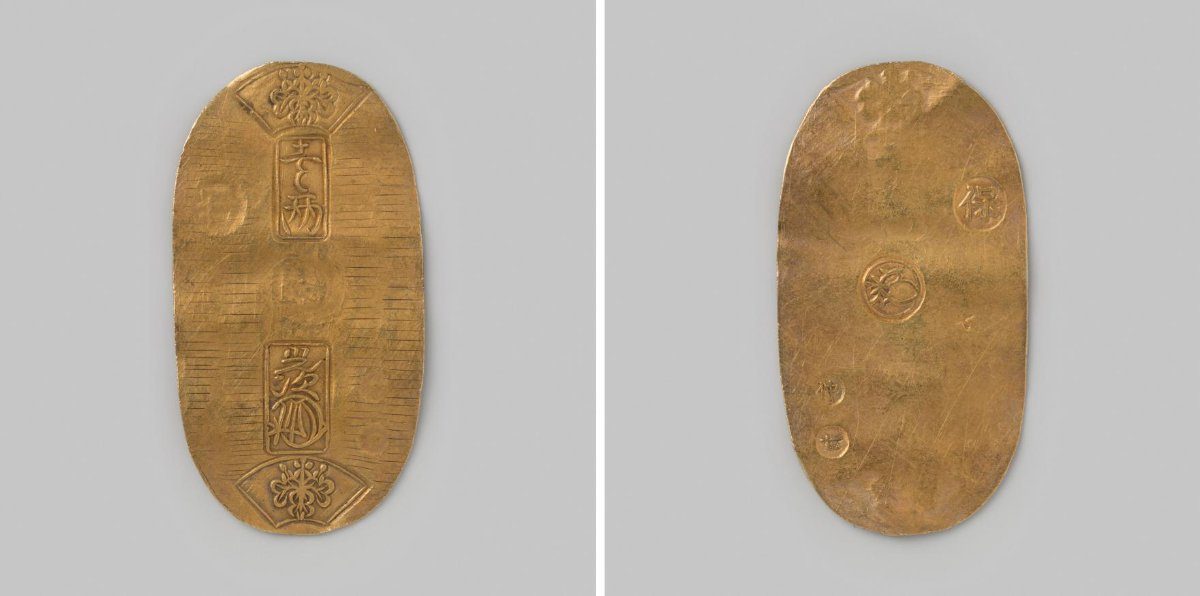
New gold koban of the Empire of Japan from Emperor Ninko from the Tenpo era
1837
Gold oblong coin with rounded corners. Obverse: at the ends top and bottom a floral motif, facing each other, between which are characters in two rectangles. Reverse: four characters, including an indication of the mint: Kyoto. The Rijksmuseum, Amsterdam, holds this object as KOG-MP-1-4303; its record gives material…
Partial type record
Rijksmuseum, Amsterdam
modern coins
Isshu gin = silver 1 shu of the Empire of Japan, from the Kaei era
1846 - 1853
Silver coin. Obverse: two facing floral motifs, between which value designation: 1, indicated by a horizontal stroke on the right, and on the left the character for bu. Reverse: within a rectangle characters arranged vertically with the mark for the Tenpō era in the upper right. The Rijksmuseum, Amsterdam, holds thi…
Partial type record
Rijksmuseum, Amsterdam
modern coins
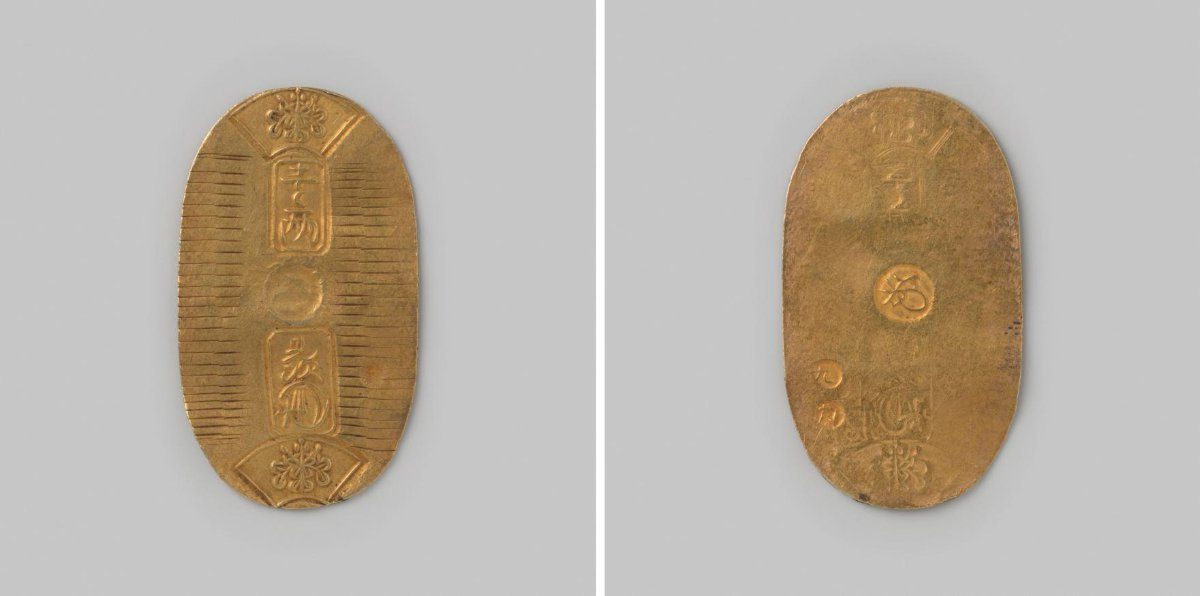
Koban of the Empire of Japan from Emperor Kōmei from the Man'en era
1860 - 1861
Gold elongated coin with rounded corners. Obverse: at the top and bottom ends a floral motif, facing each other, between which are characters in two rectangles. Reverse: in the center, a floral motif with authorization marks, without indication of the Man'en era. The Rijksmuseum, Amsterdam, holds this object as KOG-…
Partial type record
Dated entries by century
- 17th century3
- 18th century6
- 19th century9
Only the 18 entries carrying their own date to within about 150 years are counted, by the earliest year given. These are catalogue holdings, not production totals.
Materials recorded in the physical descriptions
- Copper6
- Silver6
- Gold5
- Steel3
An entry made of several materials is counted once under each. Materials are counted only where the description states them.
Browse other historical issuers and makers in the Atlas, or read how attributions are made in the editorial method.