Search
Search the catalogue
Search by name, period, entity or technical detail, then narrow by discipline, era, country, maker, material and confidence. Facets are built only from what each record documents — an entry with no documented date or material is not guessed into one.
9 records
Cleveland Museum of Art
ancient coins
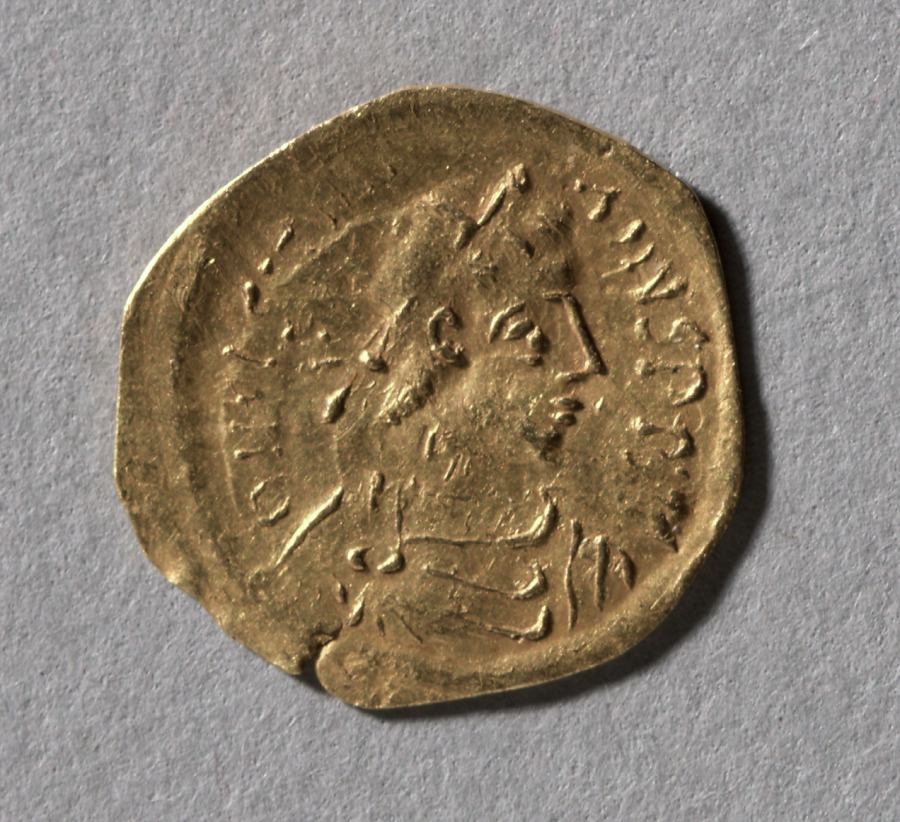
Half Tremissis of Justinian I (Cleveland Museum of Art 2004.149)
527–565
This solidus was issued during the reign of Emperor Justin II, successor of Justinian the Great. Cleveland Museum of Art object 2004.149: Half Tremissis of Justinian I, 527–565. Byzantinium, Constantinople, Byzantine period, 6th century. Gold; diameter: 1.5 cm (9/16 in.). Inscribed: (Avers): DNIVSTINI ANVSPPA[VC] (R…
Partial type record
The Metropolitan Museum of Art, Bequest of Nanette B. Kelekian, 2020
ancient coins
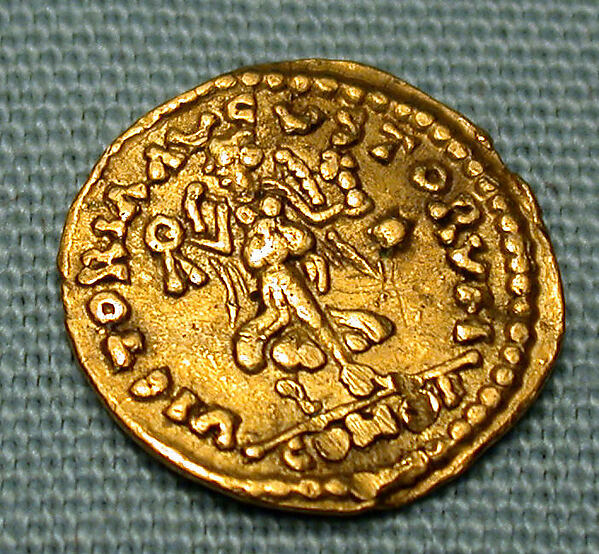
Semissis of Anastasius I — 2021.37.22
491–518
The Metropolitan Museum of Art describes this specimen as Coin, dated 491–518, in Gold. Museum accession: 2021.37.22. Research required: broader type and specialist references remain unconfirmed. Museum note (The Met): Anastasius, who was a respected emperor, is shown in profile upon the coin. The reverse of the co…
Partial type record
Cleveland Museum of Art
ancient coins
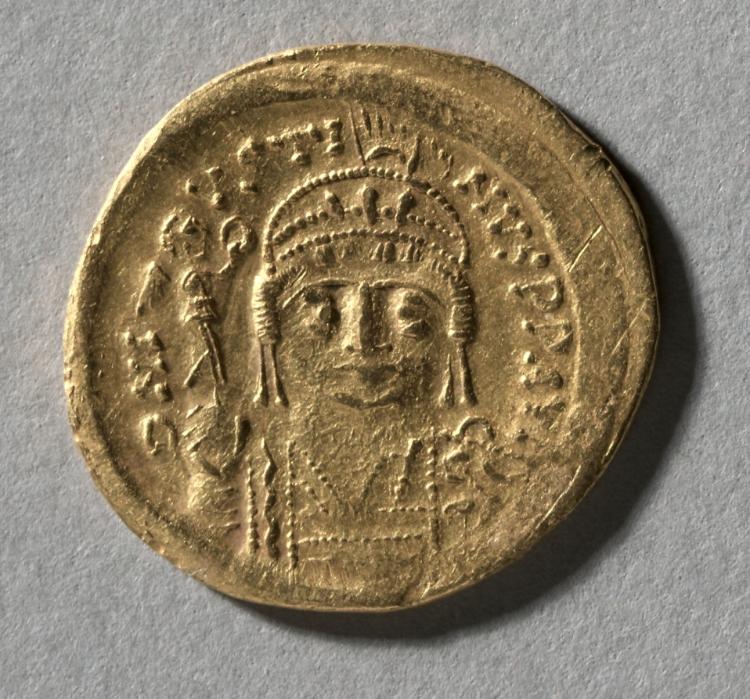
Solidus (Cleveland Museum of Art 2004.151)
565–578
Cleveland Museum of Art object 2004.151: Solidus, 565–578. Byzantine, 6th century. Gold; diameter: 2 cm (13/16 in.). Inscribed: (Avers): DNI VST NVSPPAVI (Revers): VICTORI AAVCCCH and CONOB. It is catalogued in the museum's Medieval Art department under Coins. Credit line: Gift of Dr. Thomas S. and Marion Korllos.…
Partial type record
Cleveland Museum of Art
ancient coins
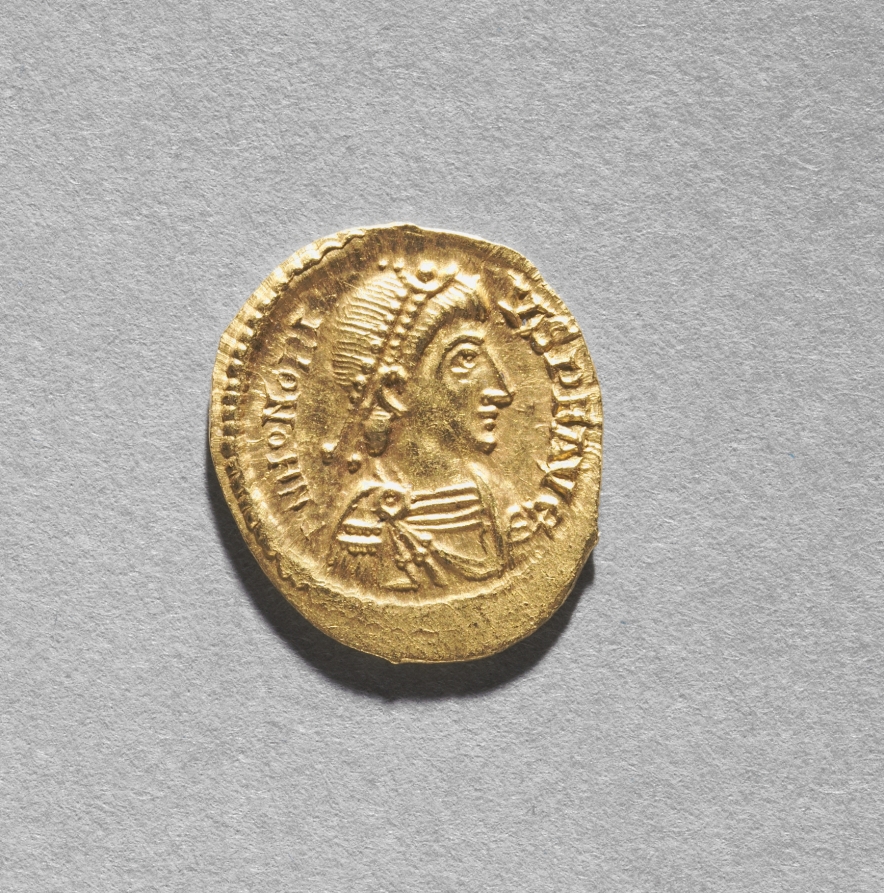
Solidus of Arkadios (Cleveland Museum of Art 1968.53)
395–408 CE
The coins shown here include the solidus, the basic gold coin of 24 karats; the tremissis, a gold coin of one-third the weight and value of the solidus; and the nomisma, which in the 10th century replaced the solidus as the standard gold coin. Cleveland Museum of Art object 1968.53: Solidus of Arkadios, 395–408 CE.…
Partial type record
Cleveland Museum of Art
ancient coins
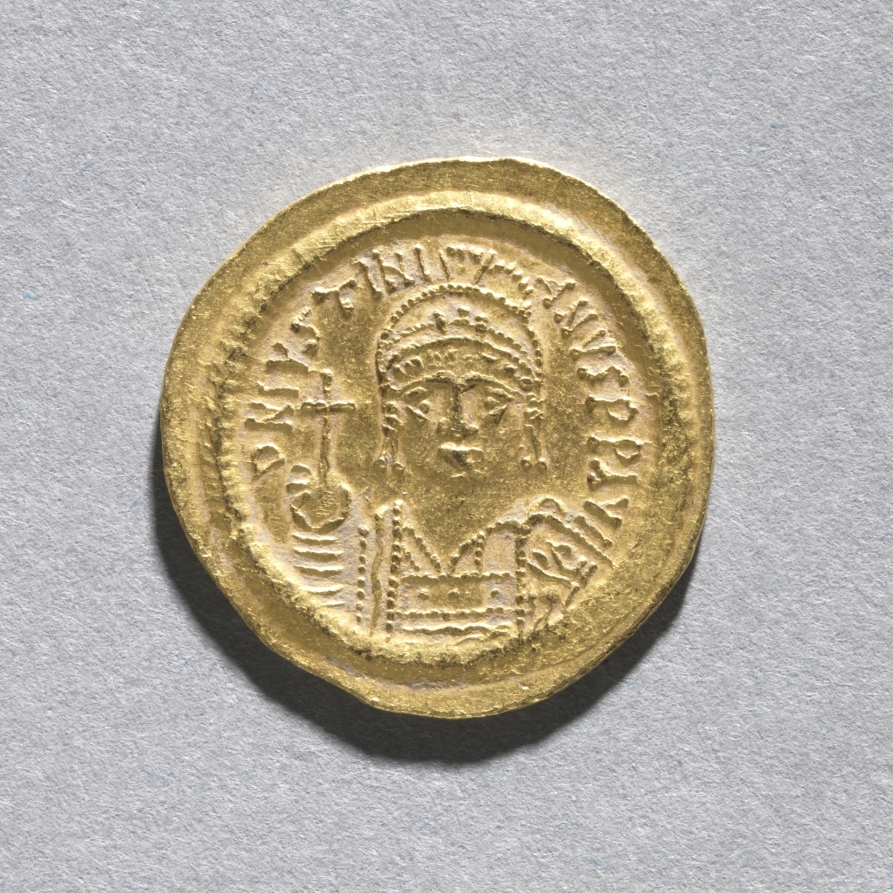
Solidus of Justinian I (Cleveland Museum of Art 1968.55)
c. 545–65
The solidus is the basic gold coin of 24 karats; the tremissis, a gold coin of one-third the weight and value of the solidus; and the nomisma, which replaced the solidus as the standard gold coin in the 900s. Cleveland Museum of Art object 1968.55: Solidus of Justinian I, c. 545–65. Byzantium, Constantinople, Byzant…
Partial type record
The Metropolitan Museum of Art, New York
ancient coins
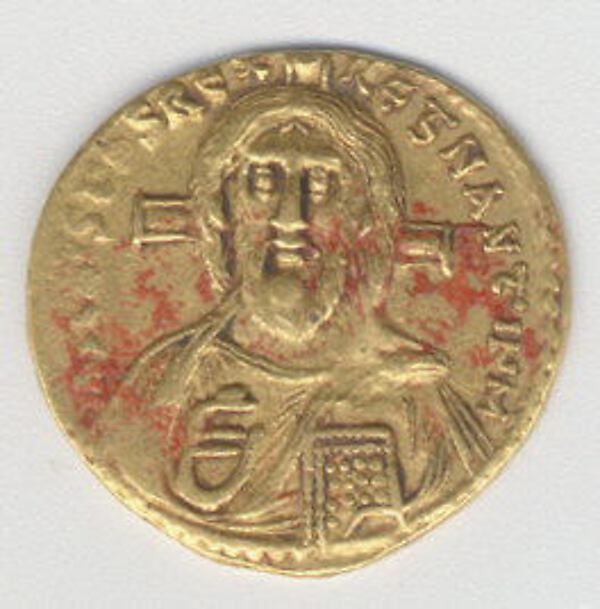
Solidus of Justinian II (685-95), Byzantine, 692–695
692–695
Solidus in The Metropolitan Museum of Art, New York (accession 10.130.1495), catalogued by the museum's Medieval Art department under the title “Solidus of Justinian II (685-95)”. The museum dates it 692–695 and records its origin as Byzantine; Constantinople. The museum records the medium as Gold and the dimensions…
Partial type record
Cleveland Museum of Art
ancient coins
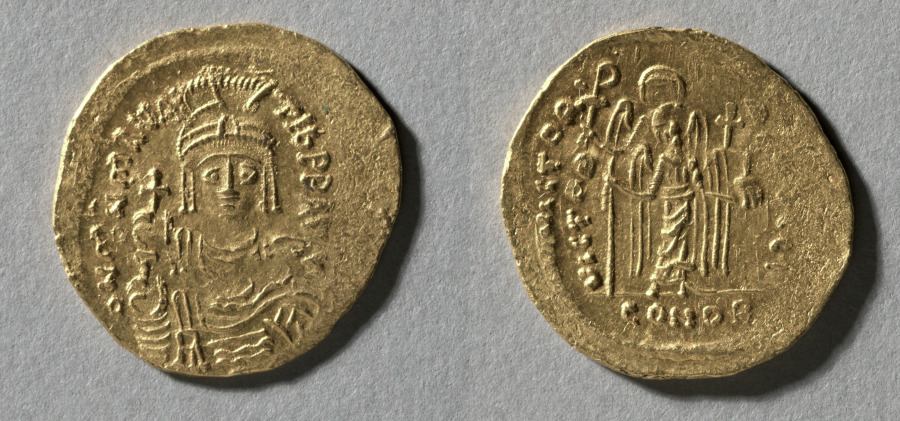
Solidus of Maurice Tiberius (Cleveland Museum of Art 2004.150)
583–602
This coin was minted by Maurice Tiberius, an emperor best known for his military prowess and his successes in the war against the Persians. Cleveland Museum of Art object 2004.150: Solidus of Maurice Tiberius, 583–602. Byzantine, 6th-7th century. Gold; diameter: 2.2 cm (7/8 in.). Inscribed: (Avers): DN MAVRC TIbPPAV…
Partial type record
Cleveland Museum of Art
ancient coins
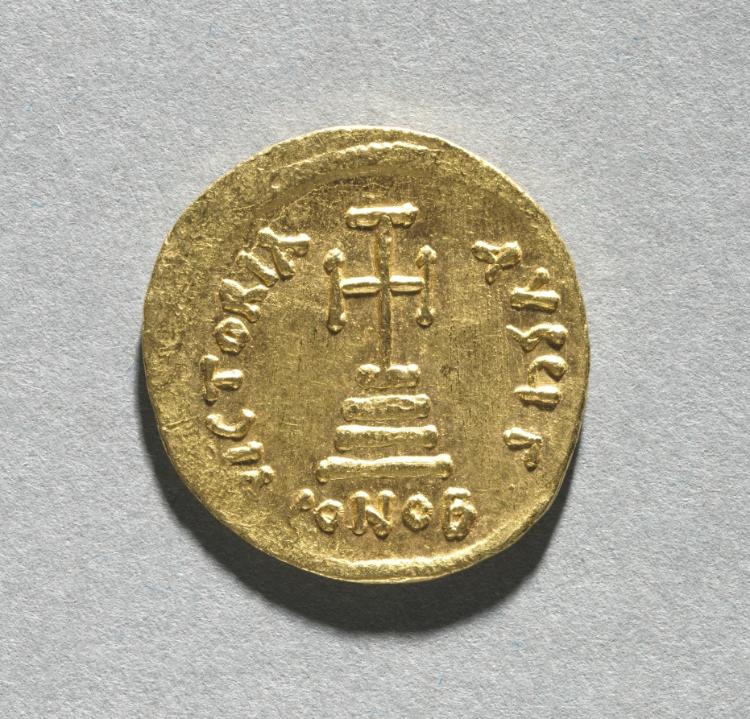
Solidus with Heraclius and his Son Heraclius Constantine (Cleveland Museum of Art 1968.56)
c. 616–625
The solidus is the basic gold coin of 24 karats; the tremissis, a gold coin of one-third the weight and value of the solidus; and the nomisma, which in the 10th century replaced the solidus as the standard gold coin. Cleveland Museum of Art object 1968.56: Solidus with Heraclius and his Son Heraclius Constantine, c.…
Partial type record
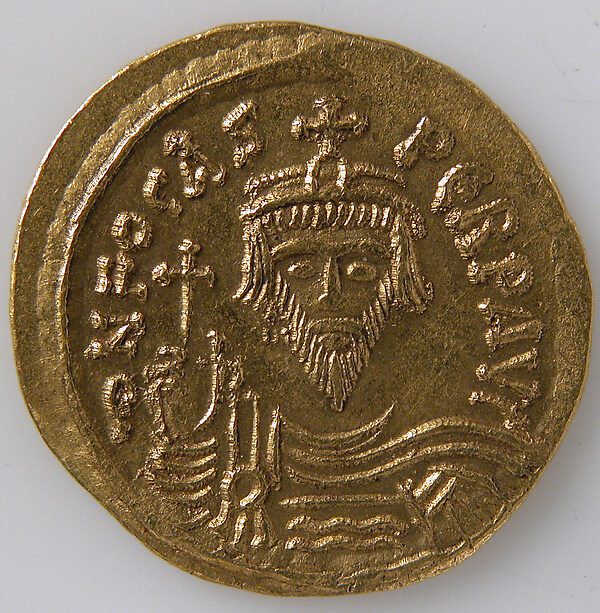
The Metropolitan Museum of Art, New York
ancient coins
Solidus, Early Byzantine, 602–610
602–610
Solidus in The Metropolitan Museum of Art, New York (accession 04.35.3356), catalogued by the museum's Medieval Art department. The museum dates it 602–610 and records its origin as Early Byzantine. The museum records the medium as Gold and the dimensions as Overall: 13/16 x 1/16 in. (2.1 x 0.1 cm). Subject tags ass…
Partial type record