Search
Search the catalogue
Search by name, period, entity or technical detail, then narrow by discipline, era, country, maker, material and confidence. Facets are built only from what each record documents — an entry with no documented date or material is not guessed into one.
3 records
Cleveland Museum of Art
ancient coins
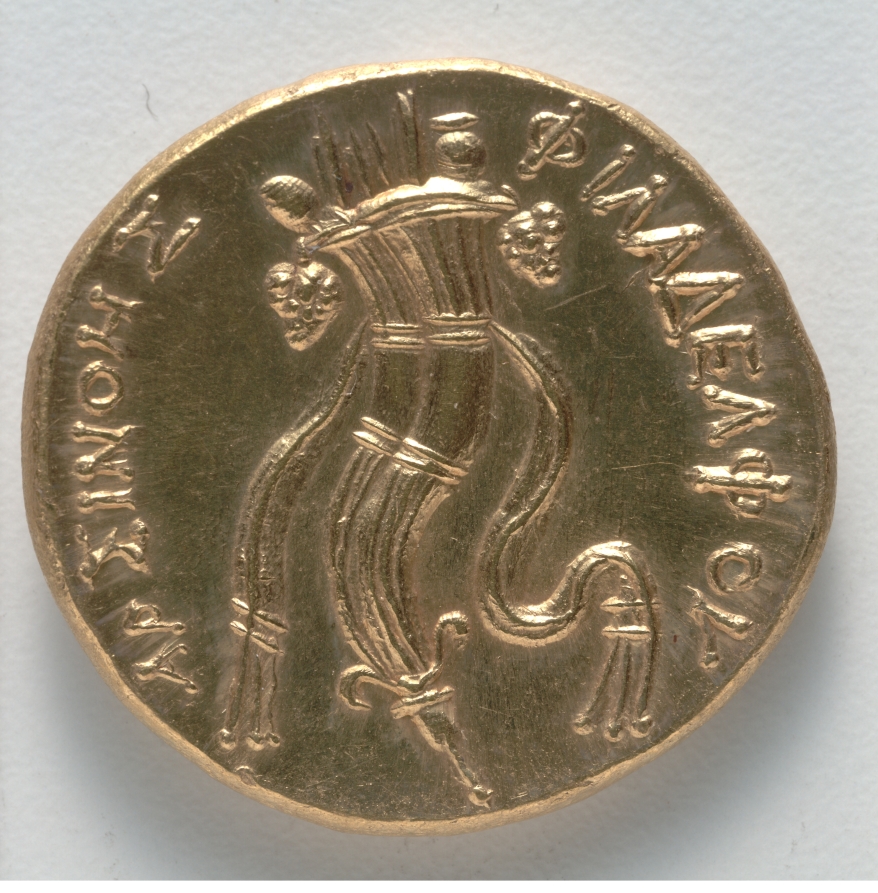
Octodrachm: Head of Arsinoe II (obverse); Double Cornucopia (Cleveland Museum of Art 1965.552)
205–145 BCE
On this long-lived series of coinage, Arsinoe II, a divinized Hellenistic queen, wears the crown and veil associated with Hera; a scepter may be just visible beside her neck. The daughter of Ptolemy I, founder of the Hellenistic Greek dynasty that ruled Egypt for nearly three centuries, Arsinoe married Lysimachos, k…
Partial type record
The Metropolitan Museum of Art, New York
ancient coins
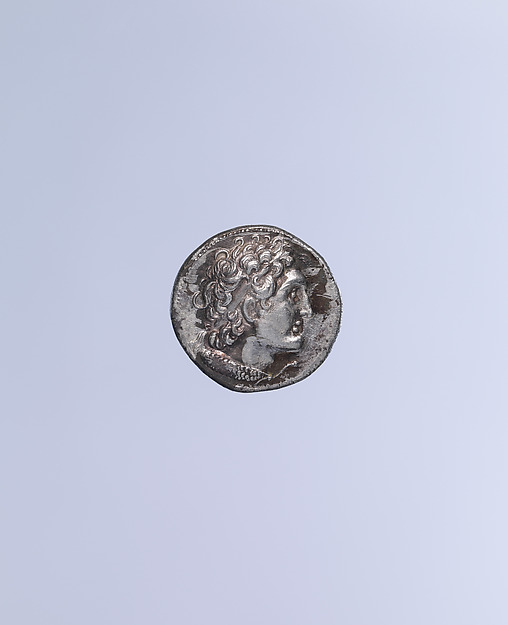
Silver tetradrachm of Ptolemy VIII Euergetes, Ptolemaic, 164–145 BCE
164–145 BCE
Tetradrachm in The Metropolitan Museum of Art, New York (accession 05.44.884), catalogued by the museum's Greek and Roman Art department under the title “Silver tetradrachm of Ptolemy VIII Euergetes”. The museum dates it 164–145 BCE and records its origin as Ptolemaic; Hellenistic. The museum records the medium as S…
Partial type record
Cleveland Museum of Art
ancient coins
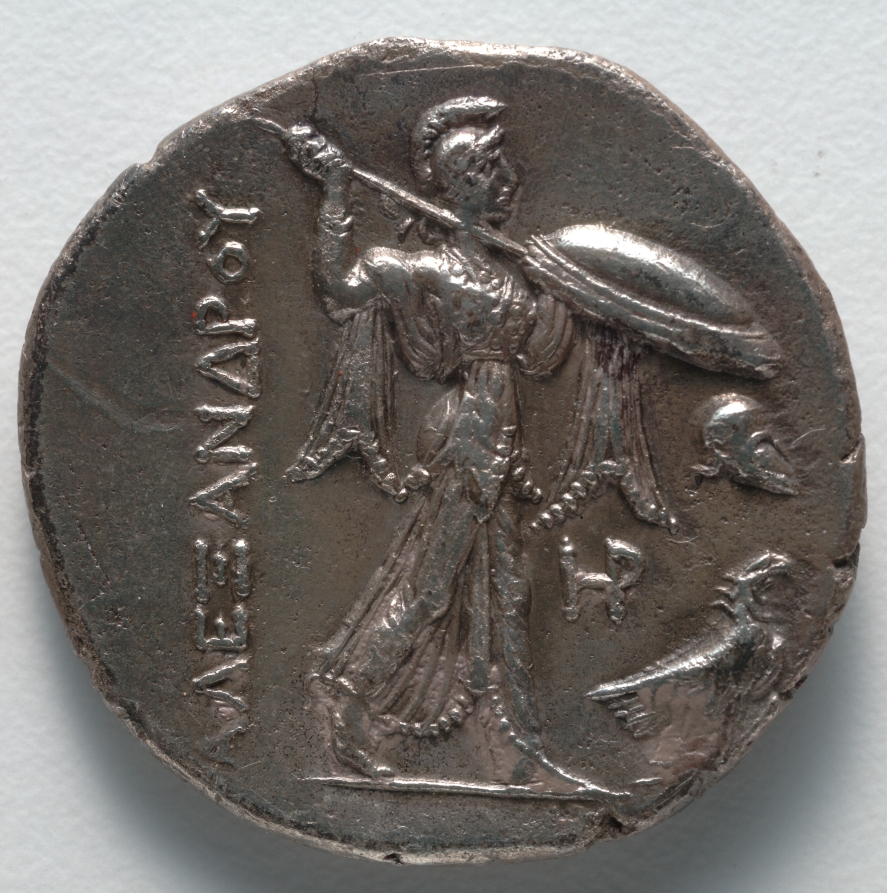
Tetradrachm: Head of Alexander III [The Great] (obverse); Athena (Cleveland Museum of Art 1916.994)
306 BCE
Much like his former commander Alexander III (the Great) showed connections to Herakles and Zeus, Ptolemy I Soter (the Savior) used coins to validate his succession to power. Thus, in place of Herakles with lion-skin, this coin shows Alexander in an elephant headdress, referring to their shared Eastern triumphs. On…
Partial type record