Search
Search the catalogue
Search by name, period, entity or technical detail, then narrow by discipline, era, country, maker, material and confidence. Facets are built only from what each record documents — an entry with no documented date or material is not guessed into one.
3 records
Cleveland Museum of Art
ancient coins
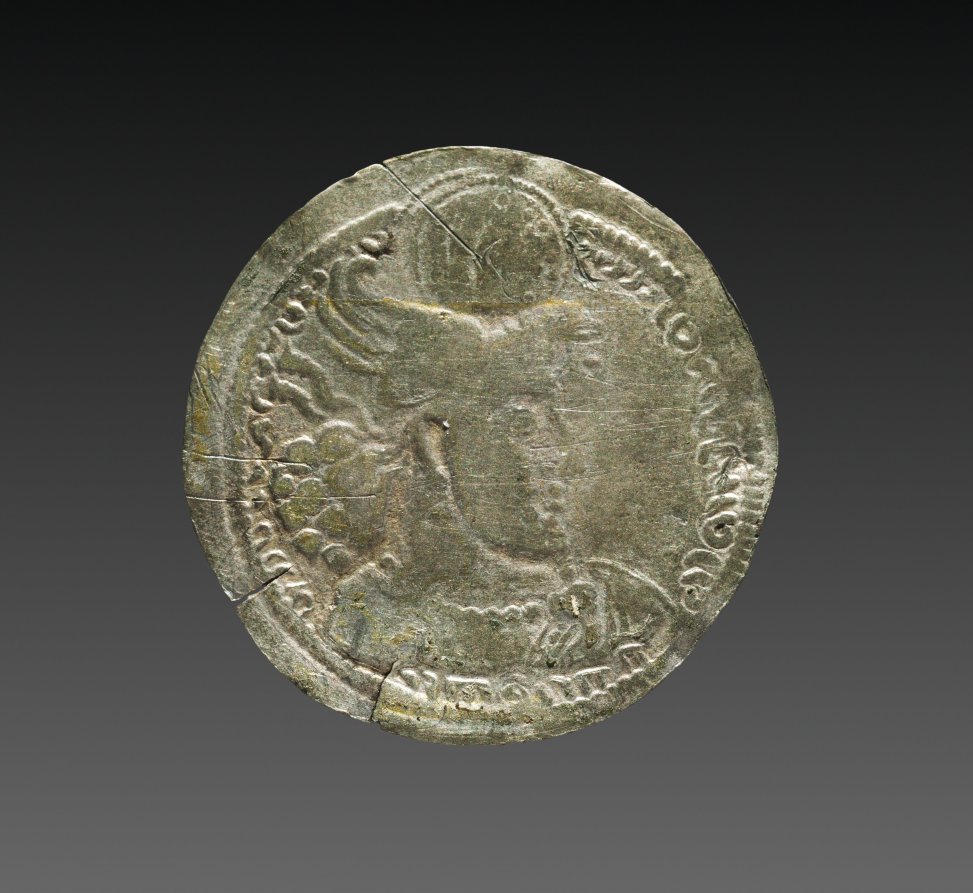
Drachm: Bust of Hormizd II (obverse); Fire altar with Bust (Cleveland Museum of Art 1965.316)
302–9 CE
Cleveland Museum of Art object 1965.316: Drachm: Bust of Hormizd II (obverse); Fire altar with Bust (reverse), 302–9 CE. Iran, (minted), Sasanian Empire (224–651 CE), reign of Hormizd II (303–309). Silver; diameter: 2.8 cm (1 1/8 in.). Inscribed: 𐭬𐭦𐭪𐭠𐭠𐭭𐭬𐭫𐭪𐭠𐭠𐭩𐭫𐭠𐭭𐭬𐭭𐭪𐭲𐭥𐭬𐭭𐭩𐭦𐭣𐭠𐭭 𐭬𐭦𐭣𐭩𐭮𐭭𐭡�…
Partial type record
Cleveland Museum of Art
ancient coins
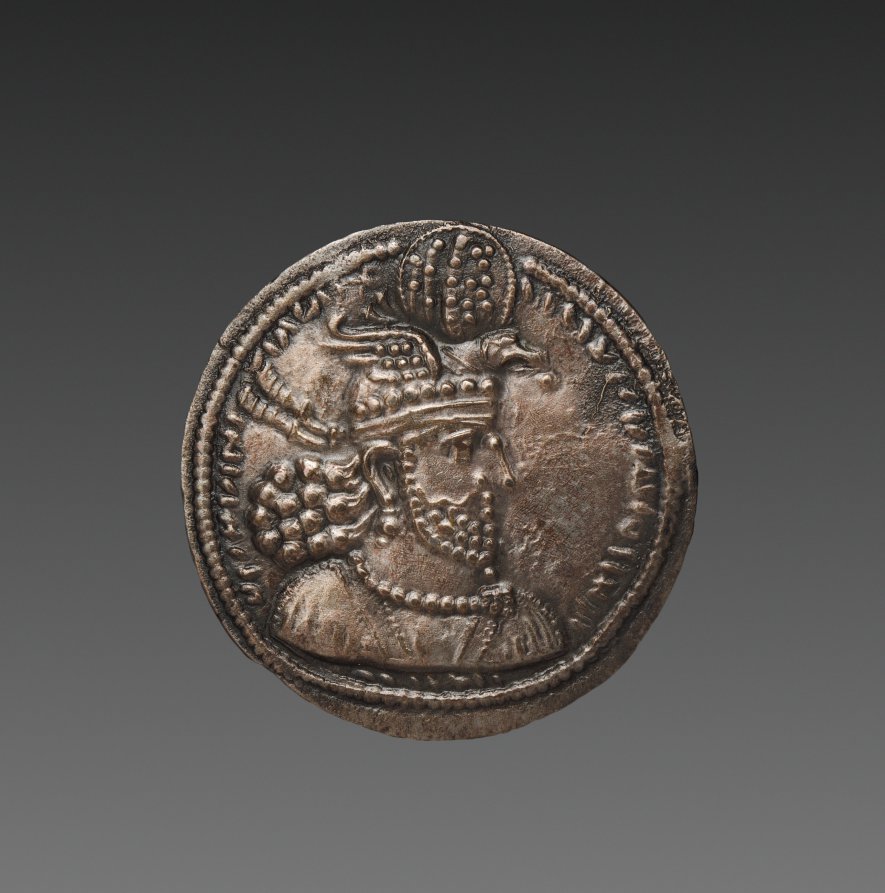
Drachm: Bust of Hormizd II (obverse); Fire altar with bust (Cleveland Museum of Art 1966.738)
303–9 CE
Cleveland Museum of Art object 1966.738: Drachm: Bust of Hormizd II (obverse); Fire altar with bust (reverse), 303–9 CE. Iran, (minted), Sasanian Empire (224–651 CE), reign of Hormizd II (303–309). Silver; diameter: 2.6 x 0.1 cm (1 x 1/16 in.). Inscribed: 𐭬𐭦𐭪𐭠𐭠𐭭𐭬𐭫𐭪𐭠𐭠𐭩𐭫𐭠𐭭𐭬𐭭𐭪𐭲𐭥𐭬𐭭𐭩𐭦𐭣𐭠𐭭 𐭬𐭦𐭣…
Partial type record
The Metropolitan Museum of Art, Bequest of Joseph H. Durkee, 1898
ancient coins
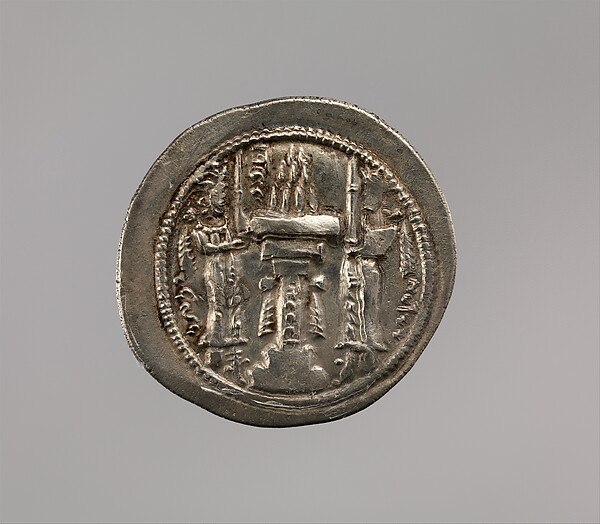
Sasanian drachm of Bahram IV, ca. 388–99 CE
ca. 388–99 CE
This silver drachm from Iran was struck during the Sasanian period under the reign of King Bahram IV, dating to approximately 388–99 CE. It has a diameter of 2.45 centimeters and a thickness of 0.15 centimeters. The coin represents an official monetary issue struck within the centralized mint system that was regulat…
Partial type record