Collector article · Numismatics
Collecting, researching value and caring for coins
A coin collection becomes useful when every piece is identified, documented and preserved before any market question is asked. Start with evidence on the coin, then use source-backed comparison to understand context and condition.
Evidence to record · limits to respect
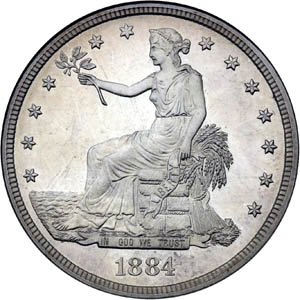
- Both faces and legend
- Record and compareTranscribe each face separately; mark illegible letters and compare portrait direction, reverse attributes and legend breaks.
- Limits of the evidenceA similar portrait or reverse alone is not a type match. Wear can hide the decisive letter.
- Issuer, mint and date
- Record and compareKeep the historical authority, original calendar, mint symbol and its exact position together in the comparison.
- Limits of the evidenceAn event date or ruler's name is not proof of a striking date; mint abbreviations need a dated reference.
- Mass and dimensions
- Record and compareRecord measured mass, maximum diameter and measuring equipment; compare with the source's stated range, if any.
- Limits of the evidenceWear, corrosion and clipping change measurements. Neither a matching weight nor a photograph authenticates a coin.
- Edge and die alignment
- Record and compareRecord lettering, reeds, seams and orientation of the reverse relative to the upright obverse.
- Limits of the evidenceFront photographs cannot establish the edge or die axis. Do not infer either from a catalogue description.
- Type versus variety
- Record and compareRequire agreement on denomination, designs, legend, date and mint before considering die or privy-mark varieties.
- Limits of the evidenceA museum accession is not a standard type number. Catalogue edition and exact locator must be supplied independently.
Browse related records
Filter the catalogue after identifying the exact type and documented field.
Coin identification guide
Work through the identification checks before comparing condition or market context.
Care-first rule
Orbis records coin types and source evidence. It does not appraise individual coins, certify authenticity or publish market prices.
Build around a documented scope
A strong coin collection has a boundary: one issuing authority, denomination, ruler, mint, metal, period, design family or reference corpus. The boundary keeps purchases comparable and prevents unrelated curiosities from becoming a catalogue problem.
- Record the issuing authority as it appears historically, not as a modern successor state.
- Keep measured diameter, mass, die axis and edge description separate from catalogue identifications.
- Photograph obverse, reverse and edge before the coin is placed in long-term storage.
- Attach the exact museum, mint, auction archive, reference book or researcher source used for each attribution.
Research value without turning the catalogue into a price list
Value research starts only after the type, condition, authenticity questions and provenance are understood. Asking prices are not evidence of value; completed sales, institutional comparanda and specialist opinions are useful only when the comparison matches type, variety, grade, surface and legal status.
- Compare like with like: same type, mint, date range, variety, metal and preservation state.
- Separate rarity of the type from scarcity of an unusually preserved specimen.
- Record the venue, date, fees and condition statement when using a past sale as market context.
- Treat cleaning, tooling, casting seams, modern replicas and uncertain provenance as value-research flags, not details to ignore.
Preserve surfaces before appearance
The surface is evidence. Patina, toning, deposits, scratches and edge marks help identify manufacture and history. Cleaning may make a coin look brighter, but it can remove the very evidence needed for attribution and authentication.
- Handle by the edge over a padded surface and avoid rubbing the fields.
- Use inert holders, archival trays or paper envelopes made for coins; avoid soft PVC flips.
- Keep written labels outside the holder or in archival sleeves so inks do not contact the coin.
- Ask a trained conservator before treating bronze disease, active corrosion, soil or salt deposits.
Common questions
- Should I clean a coin before identifying it?
- No. Cleaning can remove surface evidence, create scratches and reduce the usefulness of the object for attribution.
- What is the first value question for a coin?
- Whether the coin has been correctly attributed. Value comparisons made before exact attribution and condition assessment are unreliable.
- What records should I keep with a coin?
- Keep photographs, measurements, attribution notes, source citations, purchase provenance and any expert opinion together with the object.