Collector article · Decorative arts
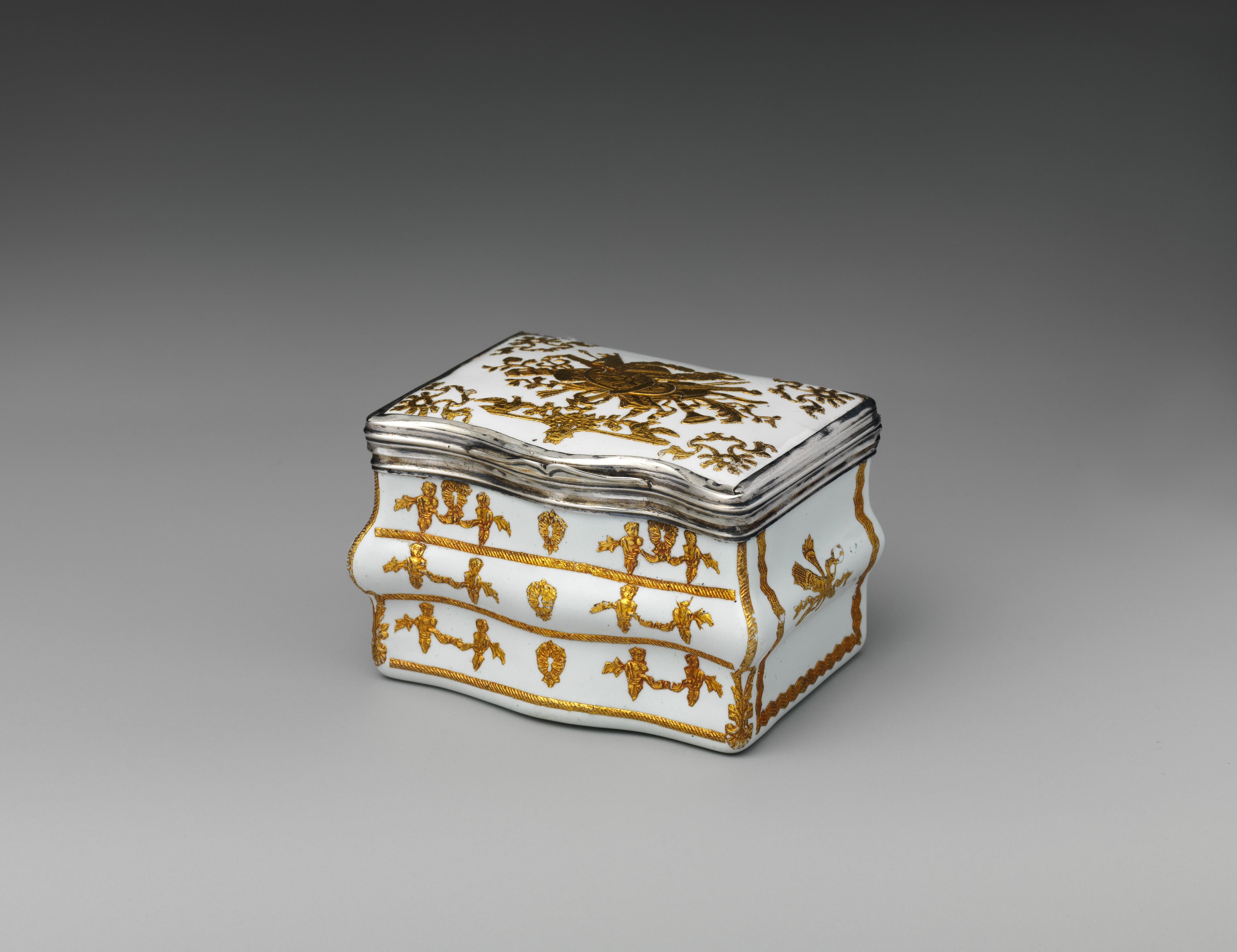
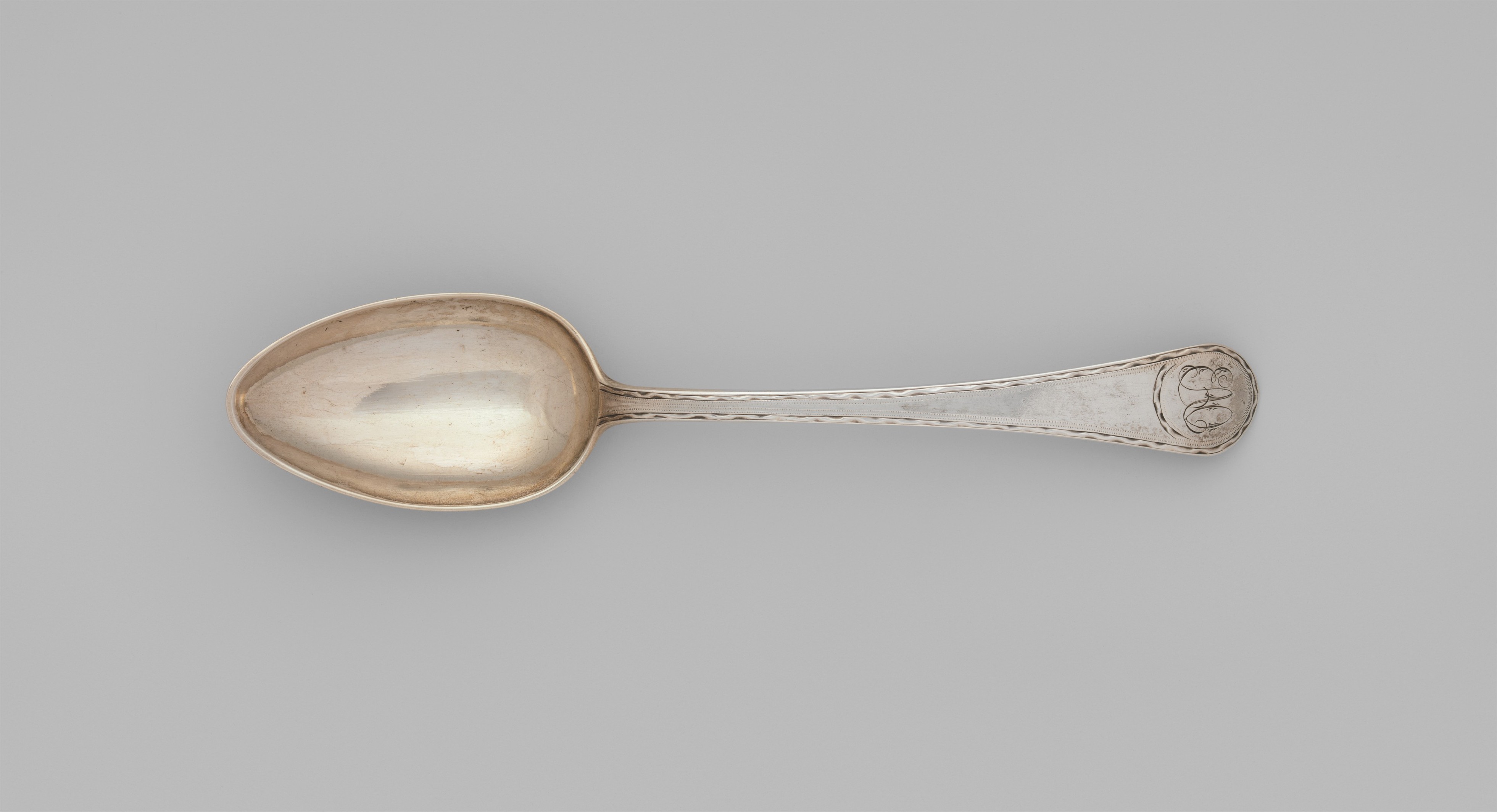
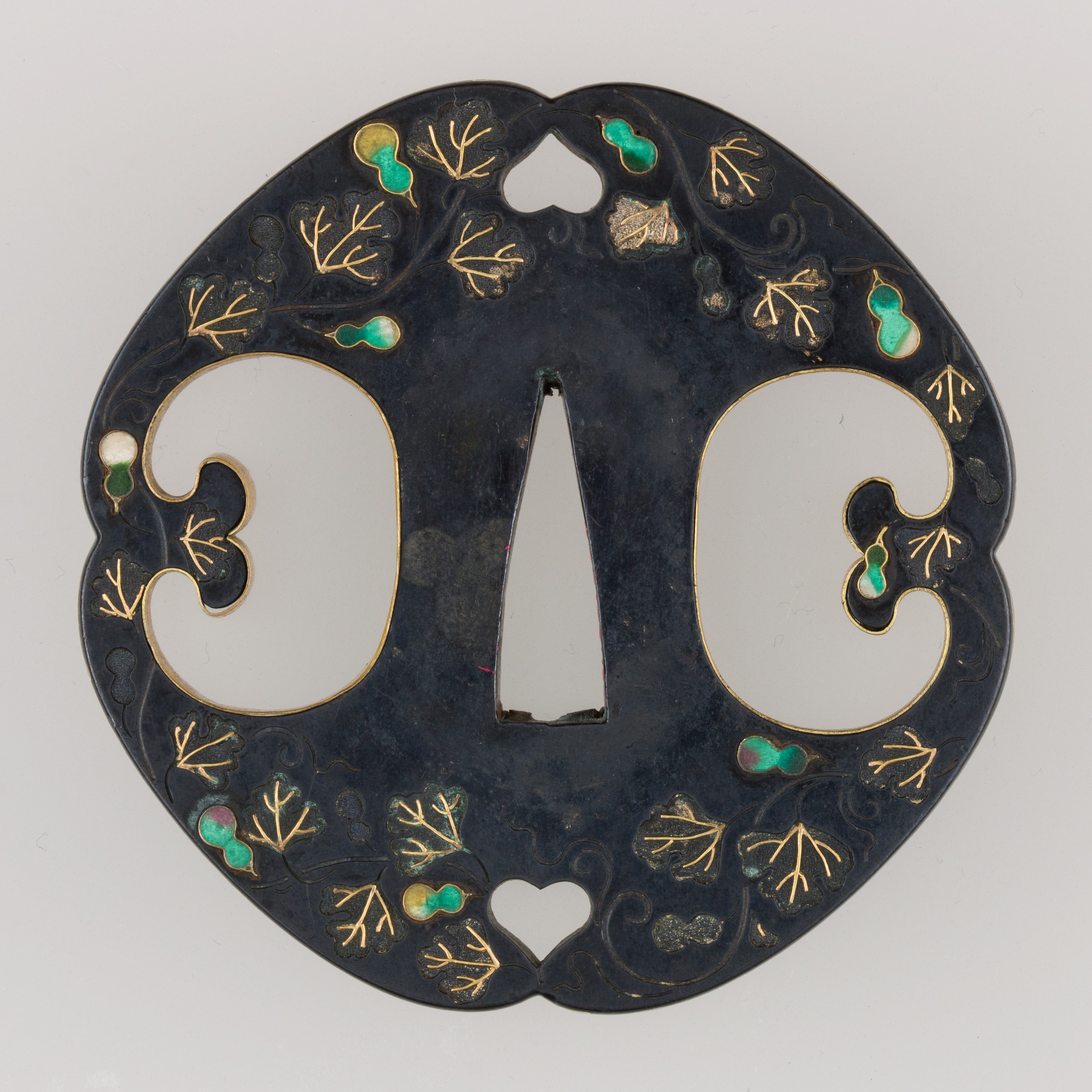
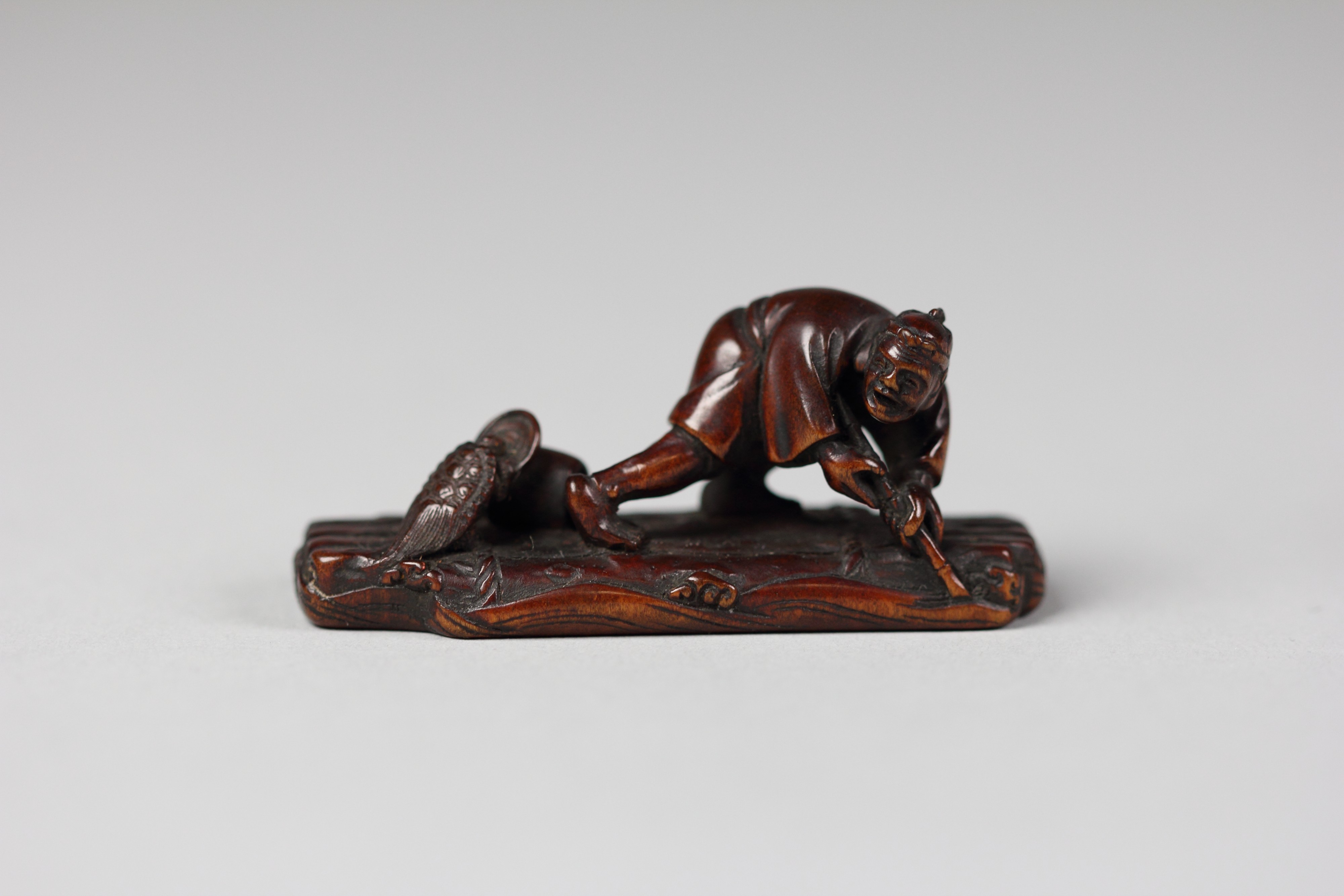
Collecting and caring for snuff boxes, spoons, fans, netsuke and sword fittings
Small decorative objects are often identified by their materials and marks rather than by a printed name. Hallmarks, signatures, construction and surface are the evidence, so documentation and gentle care matter more than cleaning or restoration.
Browse related records
Filter the catalogue after identifying the exact type and documented field.
Care-first rule
Orbis documents decorative object types from museum and collection records. It does not appraise objects, confirm materials or advise on buying or selling restricted materials.
Define a field by object, material or maker
Decorative-art collections work best when they follow one object type, such as snuff boxes, spoons, fans, netsuke or tsuba, or one material, workshop or period. The same object can be recorded very differently by different museums, so the record should keep the holding institution's wording and measurements exactly as given.
- Record every mark: hallmarks, maker's marks, signatures, inscriptions, inventory labels and stamps.
- Note each material separately, for example a gold mount on a hardstone box or lacquer over wood.
- Measure height, width, depth and weight where possible, and photograph all sides and any base or interior.
- Quote the maker or school only as recorded by the source; attributed and workshop names stay labelled as such.
Read marks and construction as evidence
Silver and gold marks can record the maker, the assay office or town, the date and the standard of the metal, depending on the country and period. Signatures on netsuke, inro and tsuba are evidence too, but signatures were also copied, so they are compared with documented examples rather than taken on trust.
- Compare marks with published mark registers or museum records for the same town and period.
- Check that mounts, hinges and lids belong together; later replacements and repairs are common.
- Record wear patterns, old repairs and losses as part of the object's history.
- Keep the source of every attribution: museum record, mark register, catalogue or specialist opinion.
Restricted materials and legal limits
Many historical decorative objects contain materials now protected by law, such as ivory, tortoiseshell or some exotic woods. Trade, export and import of such objects may be restricted or prohibited, and rules differ between countries. Orbis records these objects only as historical types and does not advise on buying or selling them.
- Record suspected restricted materials as suspected until a specialist has examined them.
- Keep any documentation of an object's age and history; it may be needed under current rules.
- Do not attempt to test materials by burning, scraping or drilling.
- Check current national and international rules before moving such objects across borders.
Care starts with stable conditions
Organic materials such as wood, lacquer, ivory, bone, horn, paper, silk and feathers react to changes in humidity and to light; metals tarnish and corrode. Stable, moderate conditions, clean hands or suitable gloves, and padded storage prevent most damage. Treatments should be left to a trained conservator.
- Avoid abrasive polishes and dips on silver and gold; they remove metal, marks and decoration.
- Keep lacquer, fans and textiles out of direct sunlight and away from heaters or damp walls.
- Do not force a stiff hinge, lid or fan; ask a conservator before opening or flexing fragile objects.
- Store iron sword fittings dry and do not remove their surface patina, which is part of the object.
Common questions
- Can I identify a silver spoon or snuff box from its marks alone?
- Marks are strong evidence, but they must be read with the right mark register for the country and period, and checked against the object's style and construction.
- Is a signature on a netsuke or tsuba proof of its maker?
- No. Signatures were copied, so they are compared with documented signed examples and the object's style before an attribution is accepted.
- Should I clean tarnish or rust from a decorative object?
- Not without advice. Polishing and rust removal can destroy decoration, marks and original surfaces; a conservator can advise on stabilising it.
- Does Orbis value decorative objects?
- No. Orbis records documented types with cited sources. It does not appraise objects or publish prices.
What the catalogue holds
Browse all 4,509 entriesLive figures for the published entries in the Other Collectibles (cameras, pens, decorative arts and ephemera together) section of the catalogue. They describe Orbis's documented holdings, not production totals, survival rates or market supply.
Published entries
4,509
Individual types and documented families
With photographs
100%
4,509 with a credited real-object photo
Dated span
1550 BC – 2023
3,446 entries with their own date
Verified or well documented
0
Highest two confidence levels
Dated entries by century
- 16th century BC1
- 6th century BC1
- 5th century BC4
- 4th century BC4
- 2nd century BC1
- 1st century BC2
- 1st century3
- 2nd century1
- 3rd century3
- 4th century1
- 5th century2
- 6th century1
- 7th century4
- 8th century1
- 9th century5
- 10th century4
- 11th century3
- 12th century3
- 13th century37
- 14th century32
- 15th century64
- 16th century197
- 17th century392
- 18th century814
- 19th century862
- 20th century900
- 21st century104
Only the 3,446 entries carrying their own date to within about 150 years are counted, by the earliest year given. These are catalogue holdings, not production totals.
Materials recorded in the physical descriptions
- Silver756
- Paper437
- Gold426
- Zinc344
- Steel318
- Copper212
- Porcelain169
- Brass116
- Bronze87
- Polymer60
An entry made of several materials is counted once under each. Materials are counted only where the description states them.
Confidence of the published entries
- Documented3,354
- Probable1,145
- Unverified10
Confidence reflects how well the sources support each entry's identification, not the object's quality or importance.
Most represented issuing authorities
Filed under the historical authority that issued them, not a modern successor.
Most represented makers
Makers are linked only where the source record names them.