Collector article · Horology
Collecting, researching and caring for wristwatches
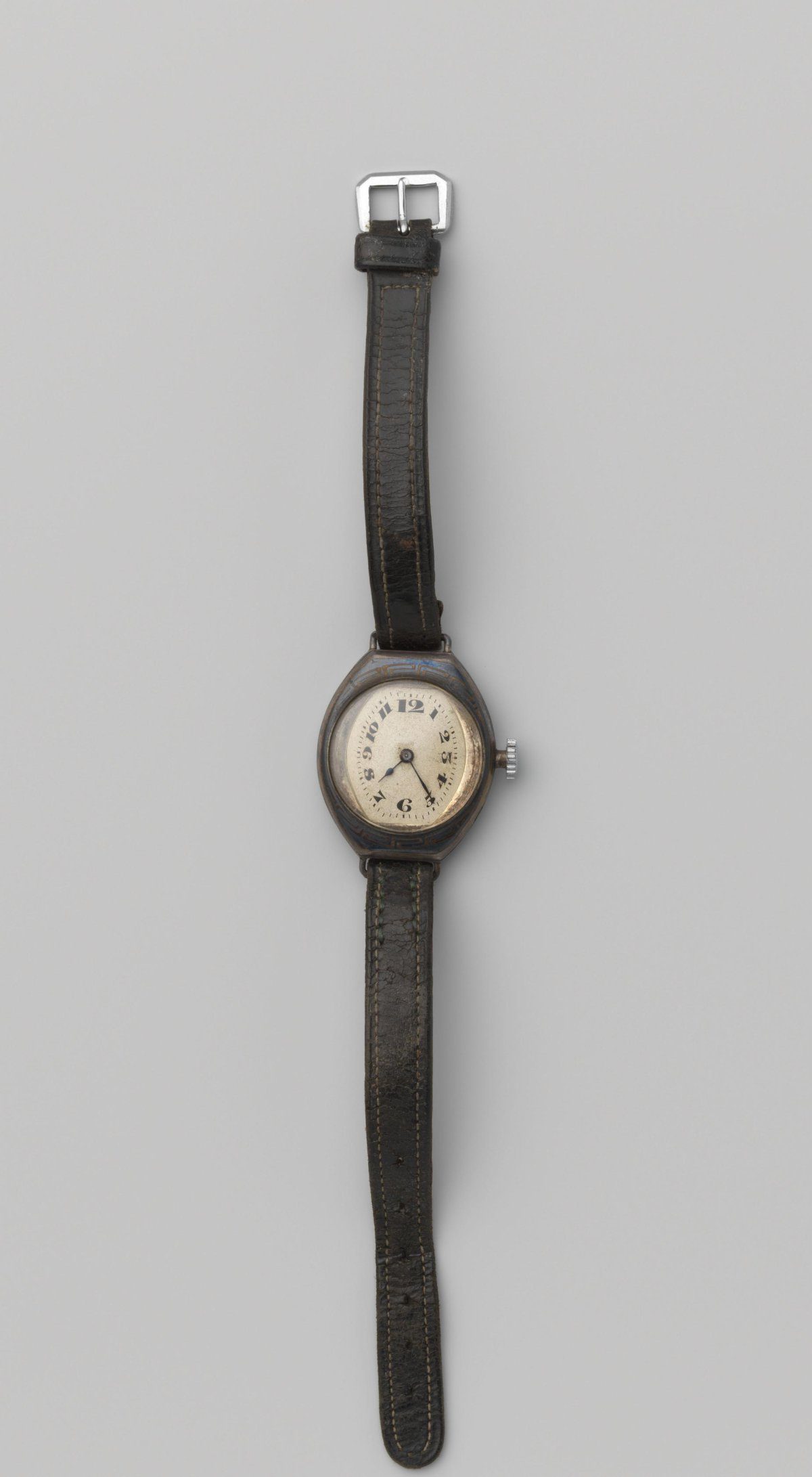
A wristwatch is several separately made parts: case, dial, hands, crown, crystal, bracelet and movement. Collecting is strongest when each part is photographed and documented, so the watch can be compared with sourced references rather than judged by the name on the dial.
Evidence to record · limits to respect
- Case and hallmarks
- Record and compareRecord form, lug shape, dimensions, mark positions and case number separately from movement markings.
- Limits of the evidenceA hallmark may date the case only. Gold colour and a dial brand do not establish metal or maker.
- Dial and display
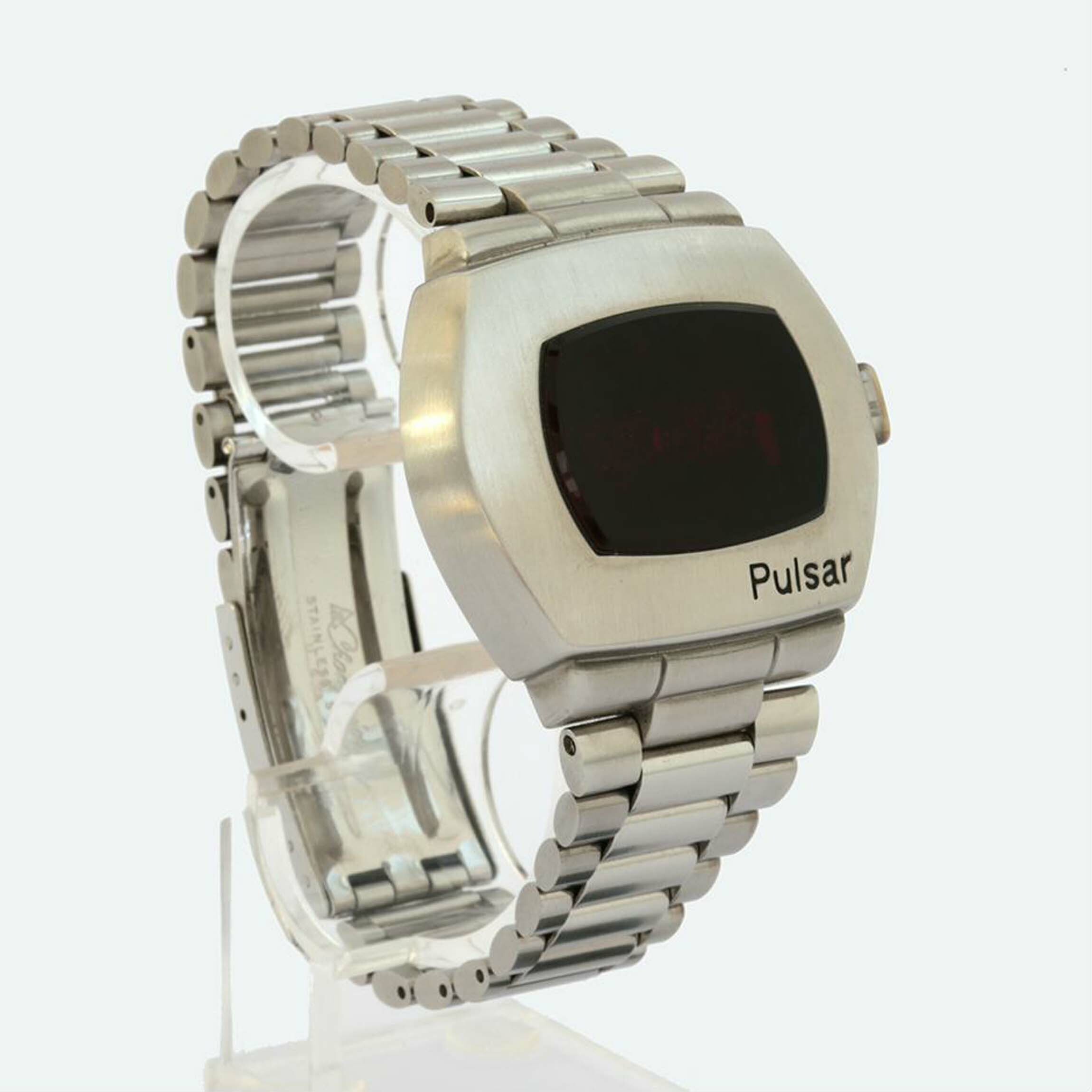
- Record and compareCompare numeral layout, subsidiary displays, signatures, hand forms and their relationship to documented versions.
- Limits of the evidenceRestored dials and replacement hands can look period-correct; a front photograph cannot establish originality.
- Movement and calibre
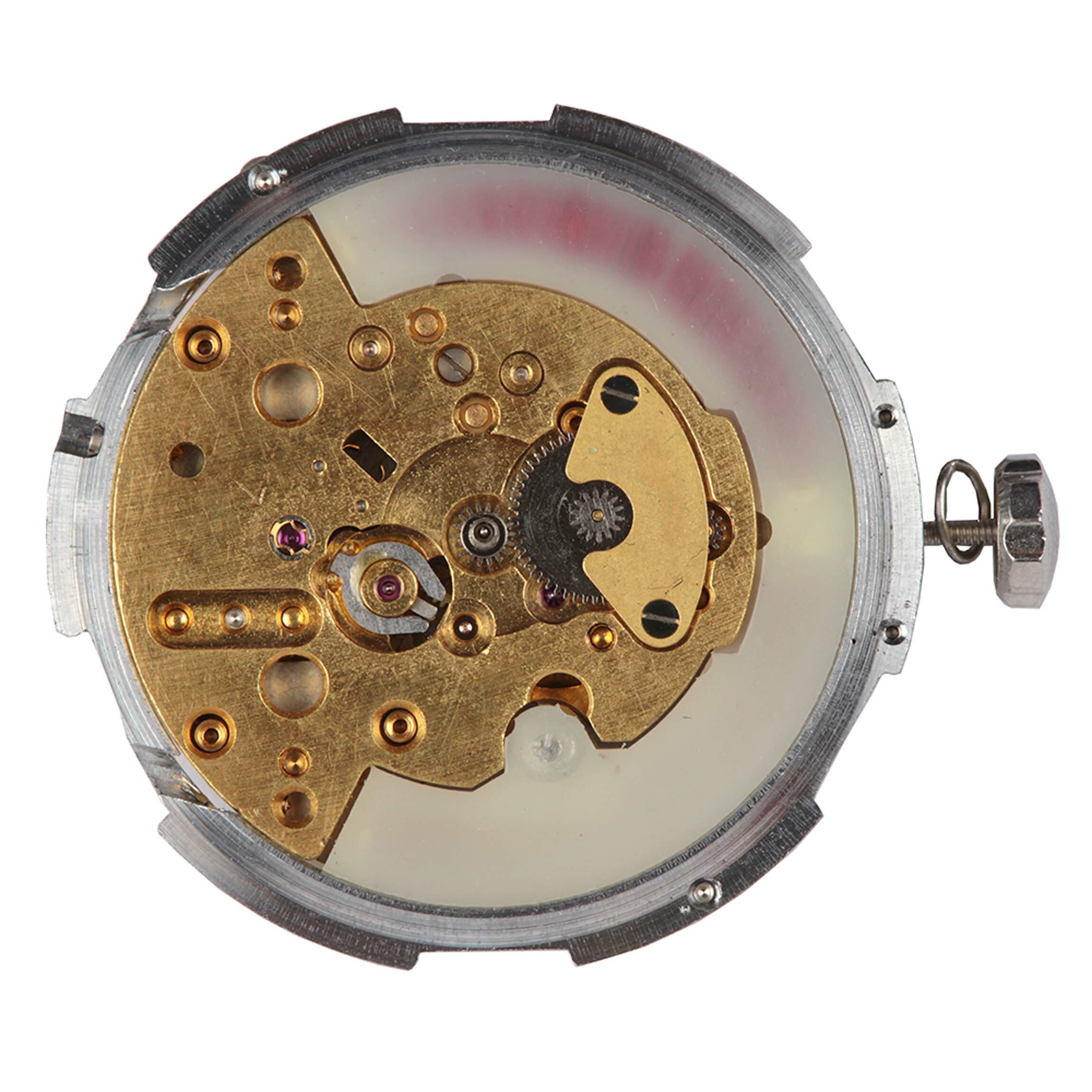
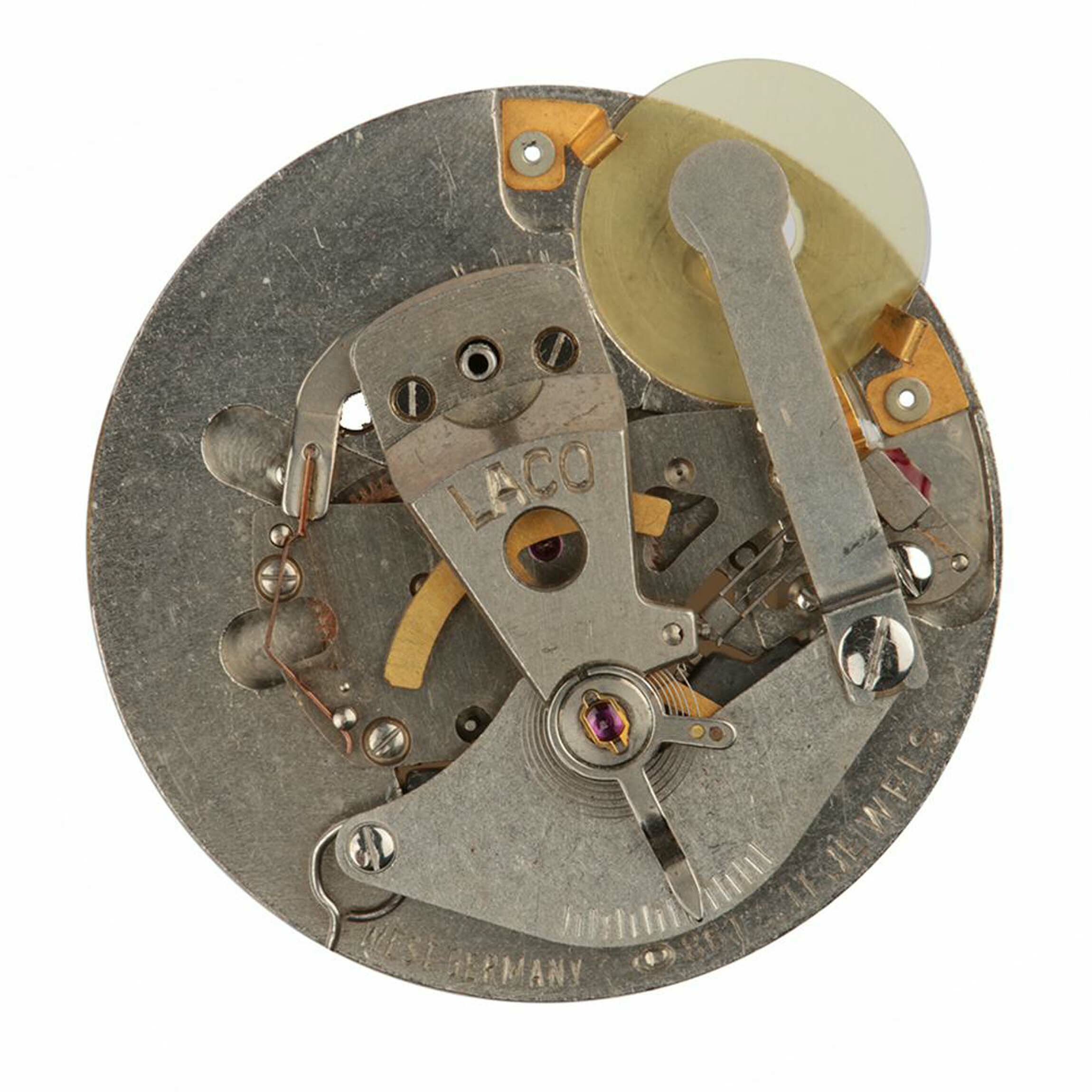
- Record and compareUse a safely obtained movement image to record bridge layout, maker signature, engraved calibre and stated jewel count.
- Limits of the evidenceDo not open a watch without suitable expertise. A case reference is not a movement calibre.
- Winding and escapement
- Record and compareKeep observed winding and setting controls separate from the source's documented escapement and complications.
- Limits of the evidenceA crown does not establish automatic winding. Escapement and hidden mechanisms cannot be read from the dial.
- Serial evidence and marriages
- Record and compareCompare case and movement serials with a named archive or published list; document spacers, unused holes and mismatched parts.
- Limits of the evidenceDo not extend one maker's serial chronology to another. Identification is not authentication or a working-condition test.
Browse related records
Filter the catalogue after identifying the exact type and documented field.
Watch identification guide
Work through the identification checks before comparing condition or market context.
Care-first rule
Orbis documents wristwatch types, makers and movement evidence. It does not appraise individual watches, authenticate them or give mechanical service advice.
Choose a scope you can document
Wristwatch collections are usually built around a maker, a movement family, a period, a function such as chronographs or divers' watches, a military or service issue, or a design idiom. A narrow scope makes like-for-like comparison possible and keeps the documentation manageable.
- Record the maker, retailer and any co-signature on the dial separately from the movement maker.
- Write down the case reference and case serial exactly as stamped, without correcting or completing them.
- Note the movement calibre, jewel count and serial where they are visible or recorded by a watchmaker.
- Keep a dated photograph set: dial, case sides, case back inside and out, crown, movement and bracelet clasp.
Originality comes before rarity
Dials, hands, crowns, crystals and bezels were routinely replaced during servicing, and cases were often polished. Those changes are part of a watch's history, but they must be described, because a watch assembled from parts of different watches cannot be compared with documented examples of its reference.
- Check that the dial printing, hands and luminous material appear consistent with one another.
- Look for sharp case edges, crisp hallmarks and clear case-back stamping as signs of limited polishing.
- Compare reference, serial and movement evidence with published or museum examples of the same model.
- Describe service replacement parts as such; replaced is not the same as fake, but it must be recorded.
Research value as a separate file
Market context belongs in a separate research file, never in the identification record. Asking prices are not evidence. Completed sales are only comparable when the reference, condition, originality, completeness and provenance match, and the sale's date, venue and condition statement are recorded with it.
- Compare the same reference and dial variant, in the same condition and completeness.
- Record whether box, papers, service records or a bracelet belong with the watch, and how that is evidenced.
- Treat unexplained serial ranges or mismatched parts as research questions, not selling points.
- Keep expert opinions with their author, date and the photographs they were based on.
Care is mostly restraint
Mechanical watches rely on fine oils that dry out over time, and on seals that age. The safest default is to document the watch, store it dry and away from magnets, and leave opening, oiling, regulation and water-resistance testing to a qualified watchmaker.
- Do not assume an older watch is water resistant; gaskets degrade even if the case is marked for it.
- Wind a manual watch gently and stop at resistance; never force a crown or pusher that will not move.
- Keep watches away from speakers, phone cases, bag clasps and other magnets, which can affect timekeeping.
- Remove the battery from a quartz watch that will be stored, because old batteries can leak and corrode the movement.
Common questions
- Where do I find a wristwatch's reference and serial number?
- Usually on the case: inside or outside the case back, or between the lugs, depending on the maker and period. Record exactly what is stamped and where; the movement has its own separate markings.
- Is a replaced or refinished dial a problem?
- It is a fact to record. Service dials and refinished dials change how the watch compares with documented examples, so the dial's history should be described rather than hidden.
- Should I wear a vintage watch in water?
- Not unless a watchmaker has recently replaced its seals and pressure-tested it. Markings on the dial or case back do not guarantee that an older watch is still water resistant.
- Does Orbis value or authenticate watches?
- No. Orbis records documented types with cited sources. It does not appraise, authenticate or publish prices for individual watches.
What the catalogue holds
Browse all 893 entriesLive figures for the published entries in the Wristwatches section of the catalogue. They describe Orbis's documented holdings, not production totals, survival rates or market supply.
Published entries
893
Individual types and documented families
With photographs
100%
893 with a credited real-object photo
Dated span
1875 – 2026
655 entries with their own date
Verified or well documented
0
Highest two confidence levels
Dated entries by century
- 19th century1
- 20th century156
- 21st century498
Only the 655 entries carrying their own date to within about 150 years are counted, by the earliest year given. These are catalogue holdings, not production totals.
Materials recorded in the physical descriptions
- Steel591
- Gold260
- Zinc52
- Platinum50
- Porcelain11
- Bronze4
- Silver3
- Aluminium1
- Brass1
- Copper1
An entry made of several materials is counted once under each. Materials are counted only where the description states them.
Confidence of the published entries
- Documented779
- Probable114
Confidence reflects how well the sources support each entry's identification, not the object's quality or importance.
Most represented issuing authorities
Filed under the historical authority that issued them, not a modern successor.
Most represented makers
Makers are linked only where the source record names them.