Catalogue
Modern World Coins
Machine-struck national coinage from the nineteenth century onwards.
Catalogue entries (1,985)
Filter by era, country, maker or material1,825–1,872 of 1,985 entries
Rijksmuseum, Amsterdam
modern coins
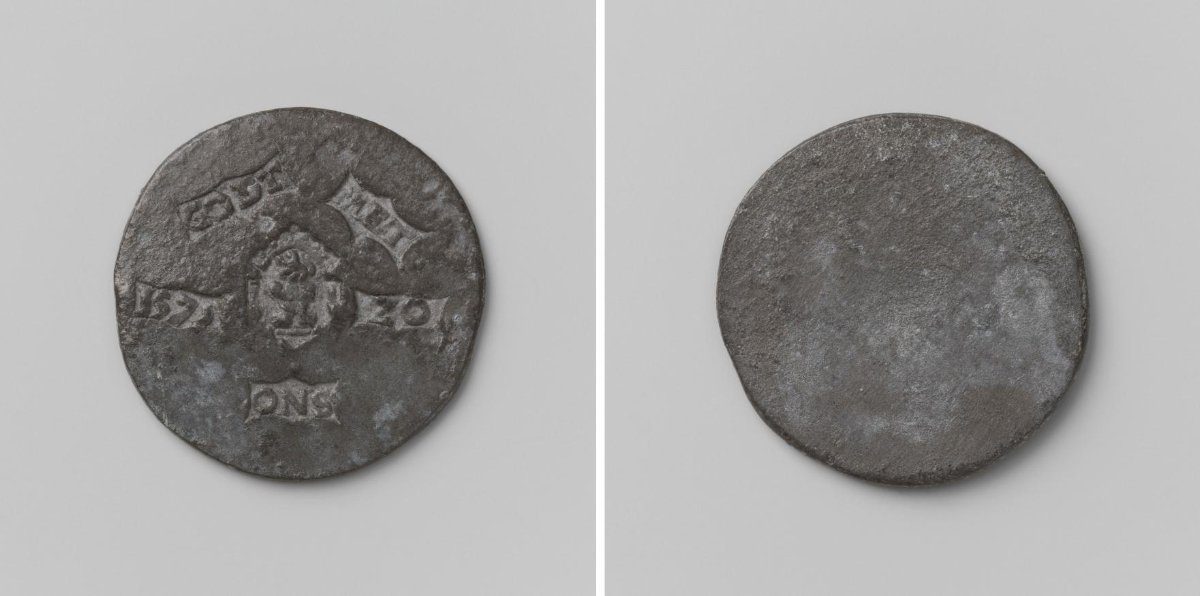
Twenty stuiver, emergency coin from Oudewater, for payment of the garrison defending the town during the siege
1575-07-19 - 1575-08-08
Uniface emergency coin. Obverse: six stamps: around a coat of arms an inscription consisting of three different stamps; date and numeral 20. Reverse: blank. The Rijksmuseum, Amsterdam, holds this object as NG-VG-4-94; its record gives material recorded as tin (metal); technique striking (metalworking); measurements…
Partial type record
Rijksmuseum, Amsterdam
modern coins
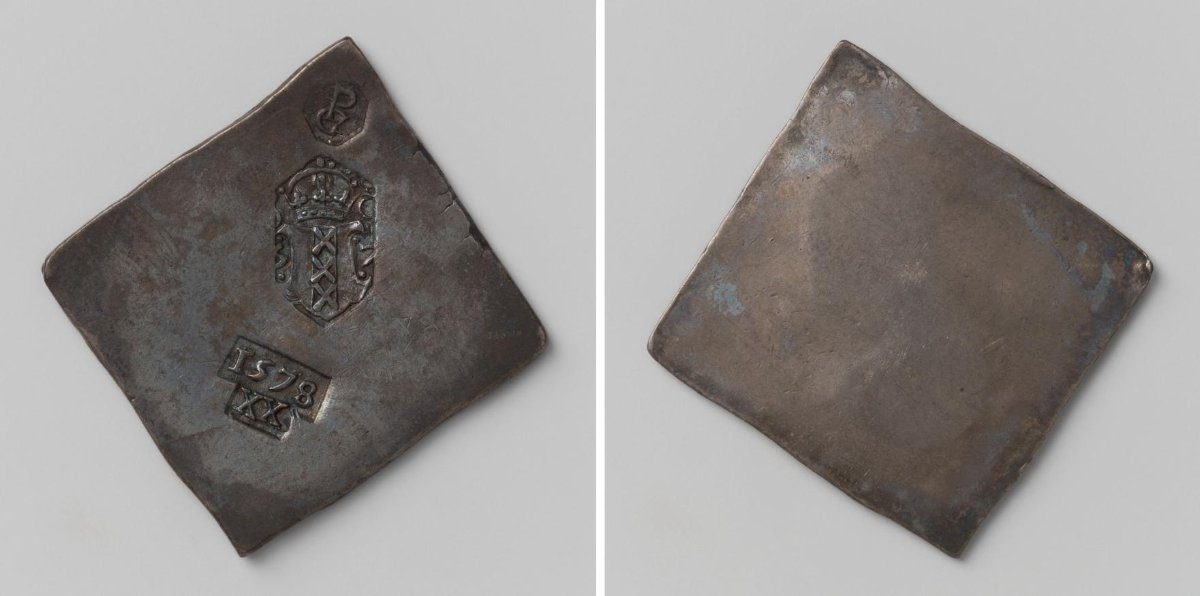
Twenty stuivers, emergency coin from Amsterdam, struck after the siege
1578 - 1631
Uniface, diamond-shaped emergency coin. Obverse: three stamps one above the other; from bottom to top: mintmaster's mark: letters P and G; city coat of arms: crowned coat of arms, to the left part of numeral 5 still visible, to the right of 7 visible, to the right of crown: numeral 0 visible; year above two letters…
Partial type record
Rijksmuseum, Amsterdam
modern coins
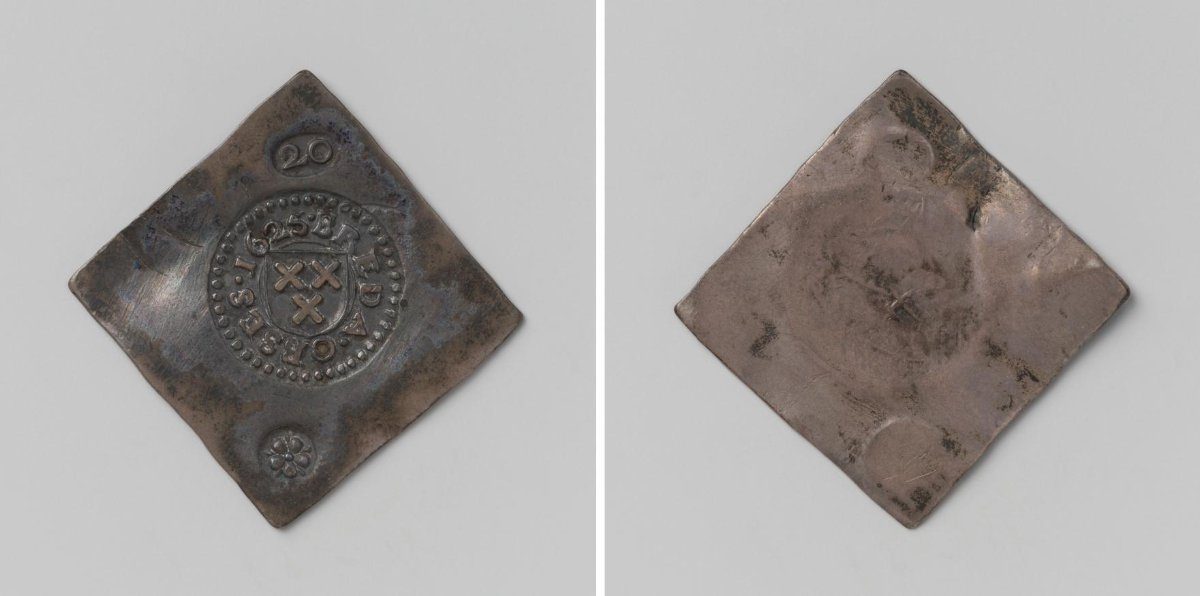
Twenty stuivers, emergency coin from Breda, struck during the siege by Spinola
1625-01
Single-sided, diamond-shaped emergency coin of Breda. Obverse: three stamps: a large one within a round beaded border, a countermark above and below; middle stamp: coat of arms within a legend; above: numeral 40, below: rose. Reverse: blank. The Rijksmuseum, Amsterdam, holds this object as NG-VG-4-270; its record gi…
Partial type record
Rijksmuseum, Amsterdam
modern coins
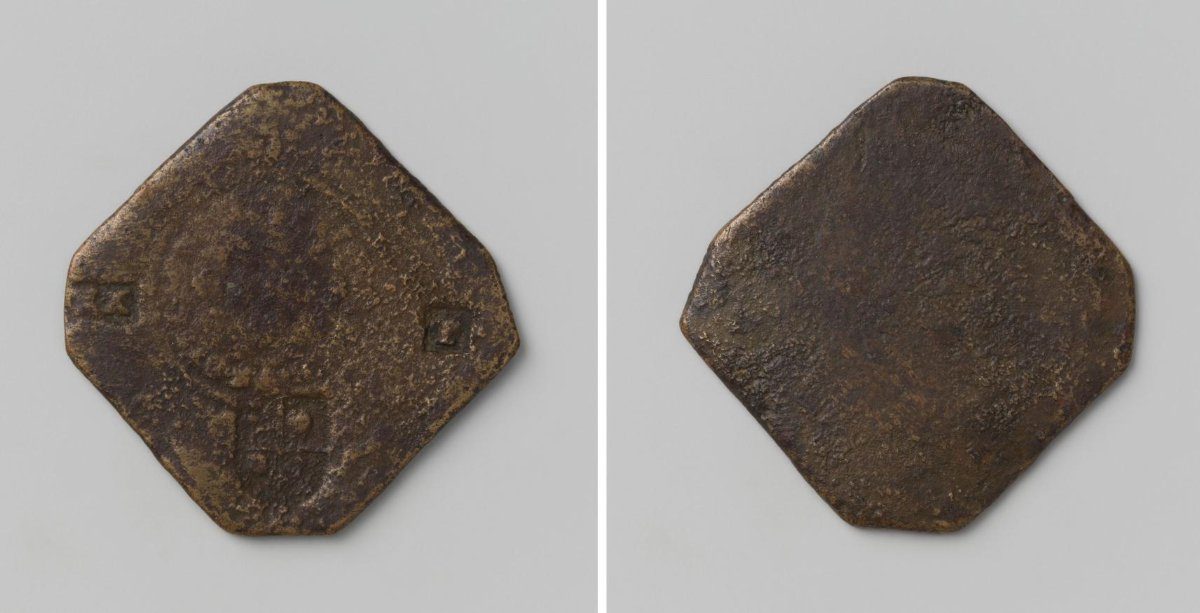
Twenty stuivers, emergency coin from Cambrai, struck during the siege by the French defenders of the city
1589 - 1595
Uniface, diamond-shaped emergency coin of Cambrai, with chamfered corners. Obverse: four stamps: in the center a large round stamp: coat of arms between the numerals 9 and 5 within a legend; left and right: stamps with denomination; at the bottom: coat of arms of the city governor. Reverse: blank. The Rijksmuseum, A…
Partial type record
Rijksmuseum, Amsterdam
modern coins
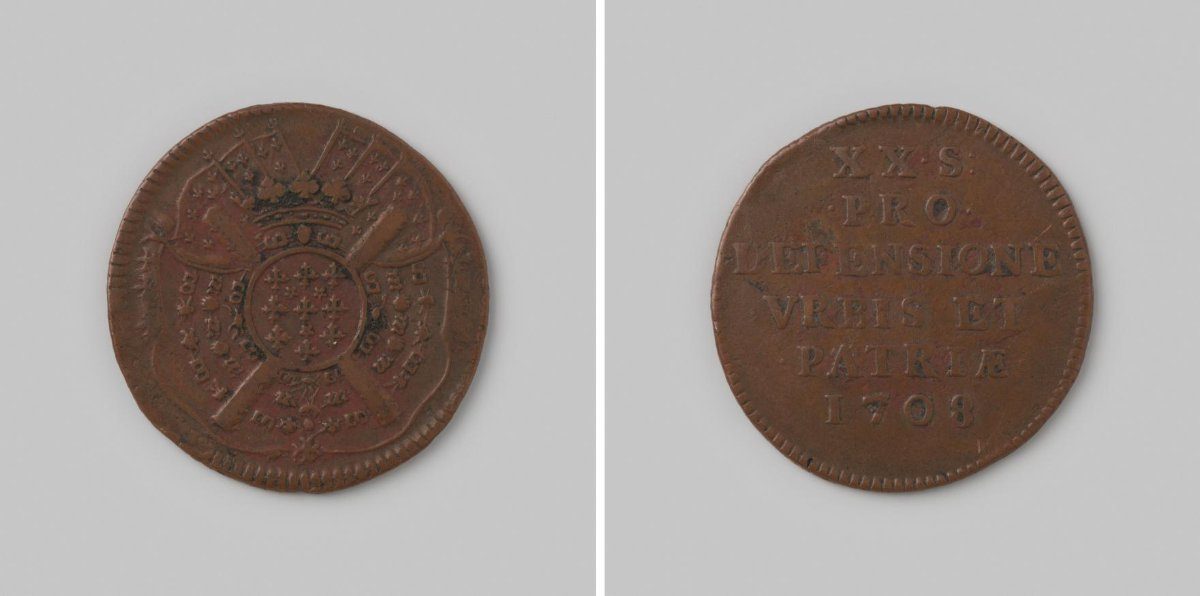
Twenty stuivers, emergency coin from Lille, 1708
1708
Copper emergency coin. Obverse: richly ornamented crowned coat of arms of Marshal De Boufflers, defender of the city, on a cross of ragged staffs. Reverse: on one line, value indication XX S. Below, four-line inscription, below which is the year. Milled edge. The Rijksmuseum, Amsterdam, holds this object as KOG-MP-1…
Partial type record
Rijksmuseum, Amsterdam
modern coins
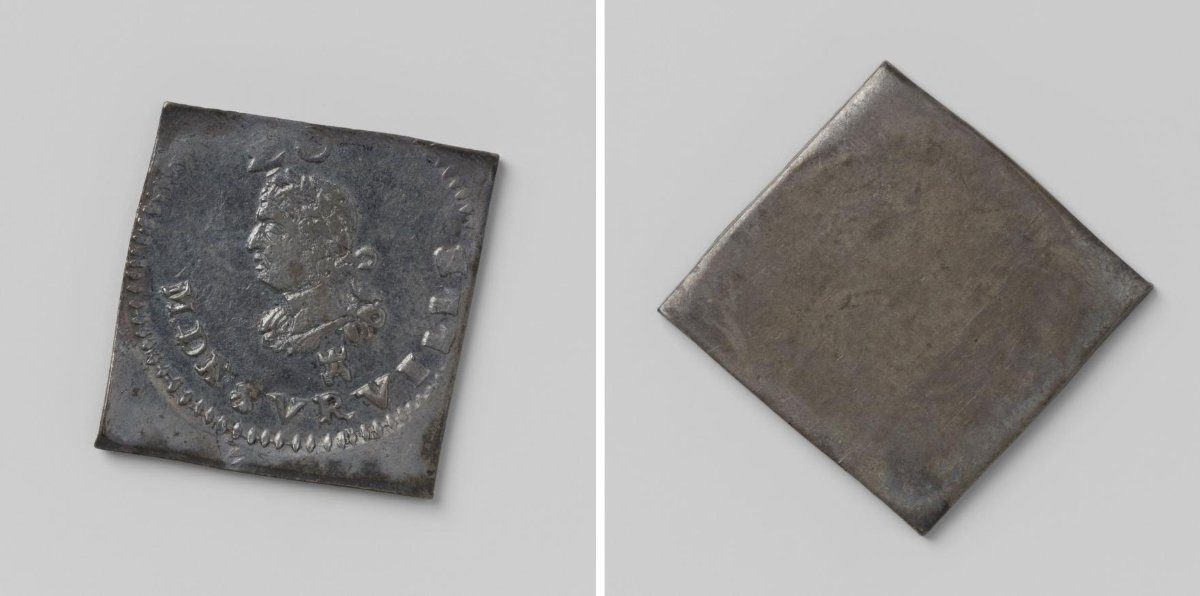
Twenty stuivers, emergency coin from Tournai captured by the Allies, struck by order of Marshal de Surville
1709-07-13
Single-sided, more or less square emergency coin. Obverse: bust of a man with laurel wreath beneath number 20, above small tower within circumscription and beaded rim. Reverse: blank. The Rijksmuseum, Amsterdam, holds this object as NG-VG-4-450; its record gives material recorded as silver (metal); technique strikin…
Partial type record
Rijksmuseum, Amsterdam
modern coins
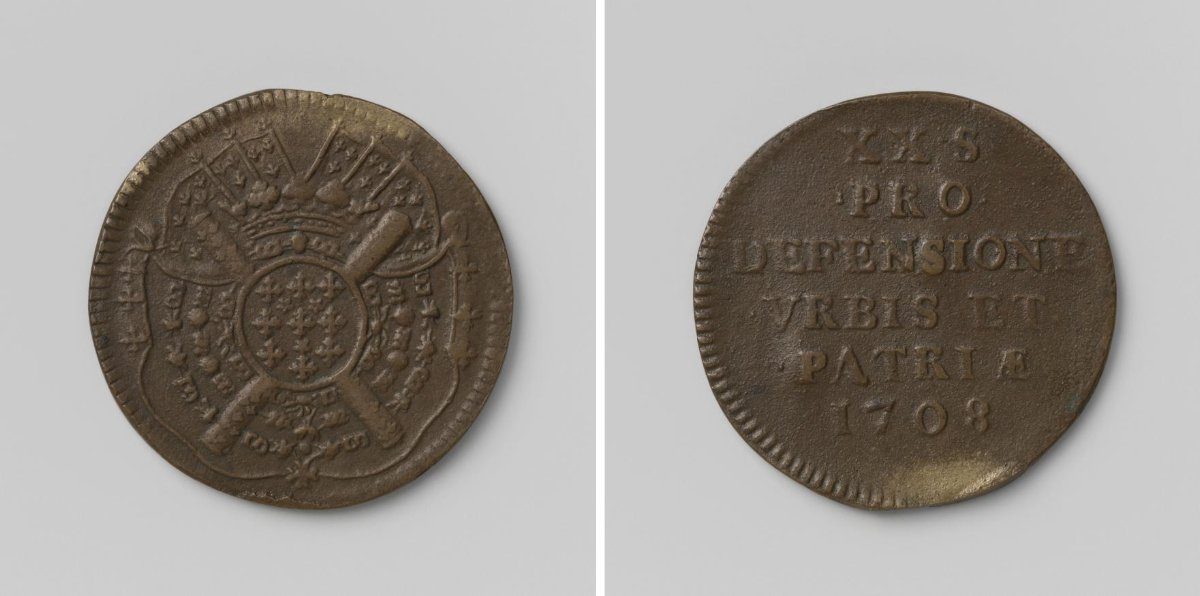
Twenty stuivers, emergency coin of Lille, captured by the Allies
1708
Obverse: crowned coat of arms on two crossed marshal's batons and ducal mantle, surrounded by the Orders of St. Louis, St. Michael, and the Holy Spirit; protruding above it: six banners. Reverse: inscription. The Rijksmuseum, Amsterdam, holds this object as NG-VG-4-446; its record gives material recorded as copper (…
Partial type record
Rijksmuseum, Amsterdam
modern coins
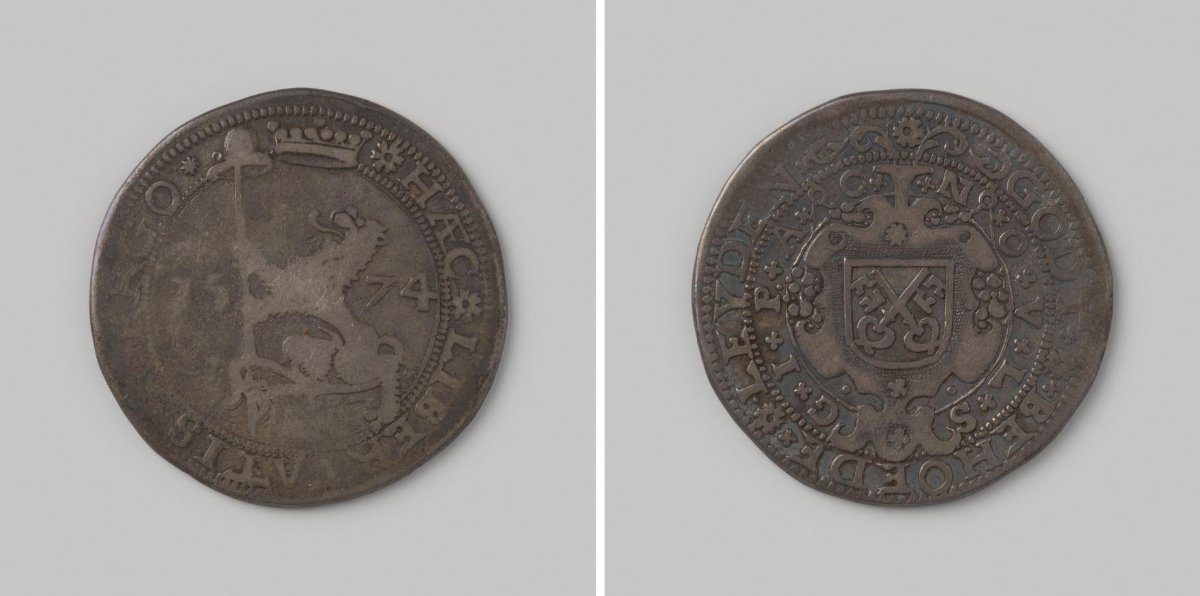
Twenty-eight stuiver, emergency coin from Leiden, struck during the siege
1574
Silver emergency coin. Obverse: between date: 15 74 a rampant Dutch lion standing on a patch of ground, in its paws a lance with a cap upon it. Above the lion in the legend, a crown. Above the numeral 15 a countermark: a Dutch lion in a shield (to guarantee authenticity). Reverse: in a cartouche the coat of arms of…
Partial type record
Rijksmuseum, Amsterdam
modern coins
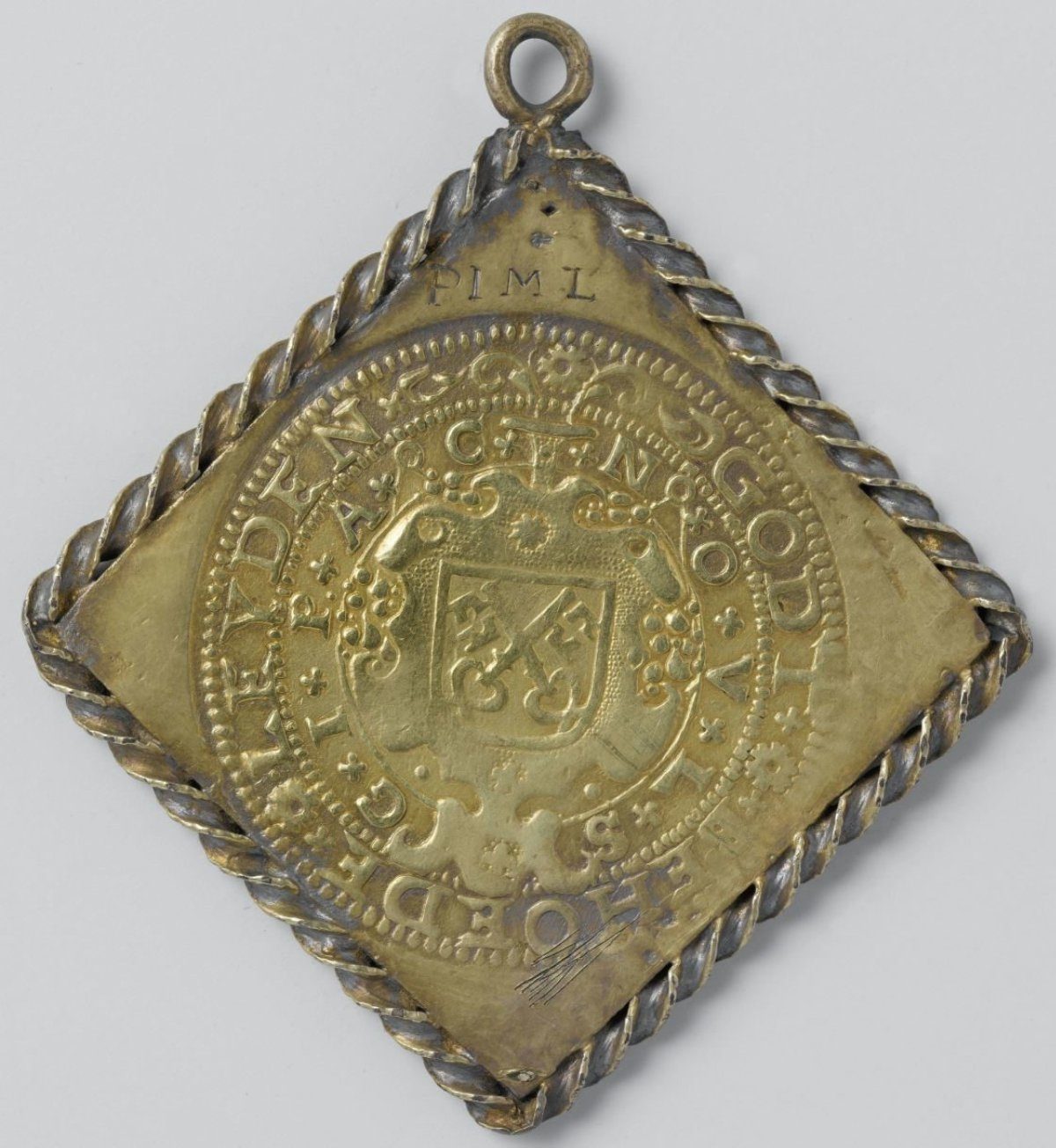
Twenty-eight stuivers, gilded emergency coin from Leiden, struck during the siege and made from silver originating from churches and monasteries
1574-07-10
Rectangular emergency coin in cabled border with suspension loop. Obverse: coat of arms in cartouche within two-line legend. Reverse: lion with cap of liberty on a spear held in both claws between the year within legend; in the upper corner: letters PIML. The Rijksmuseum, Amsterdam, holds this object as NG-VG-4-80;…
Partial type record
Rijksmuseum, Amsterdam
modern coins
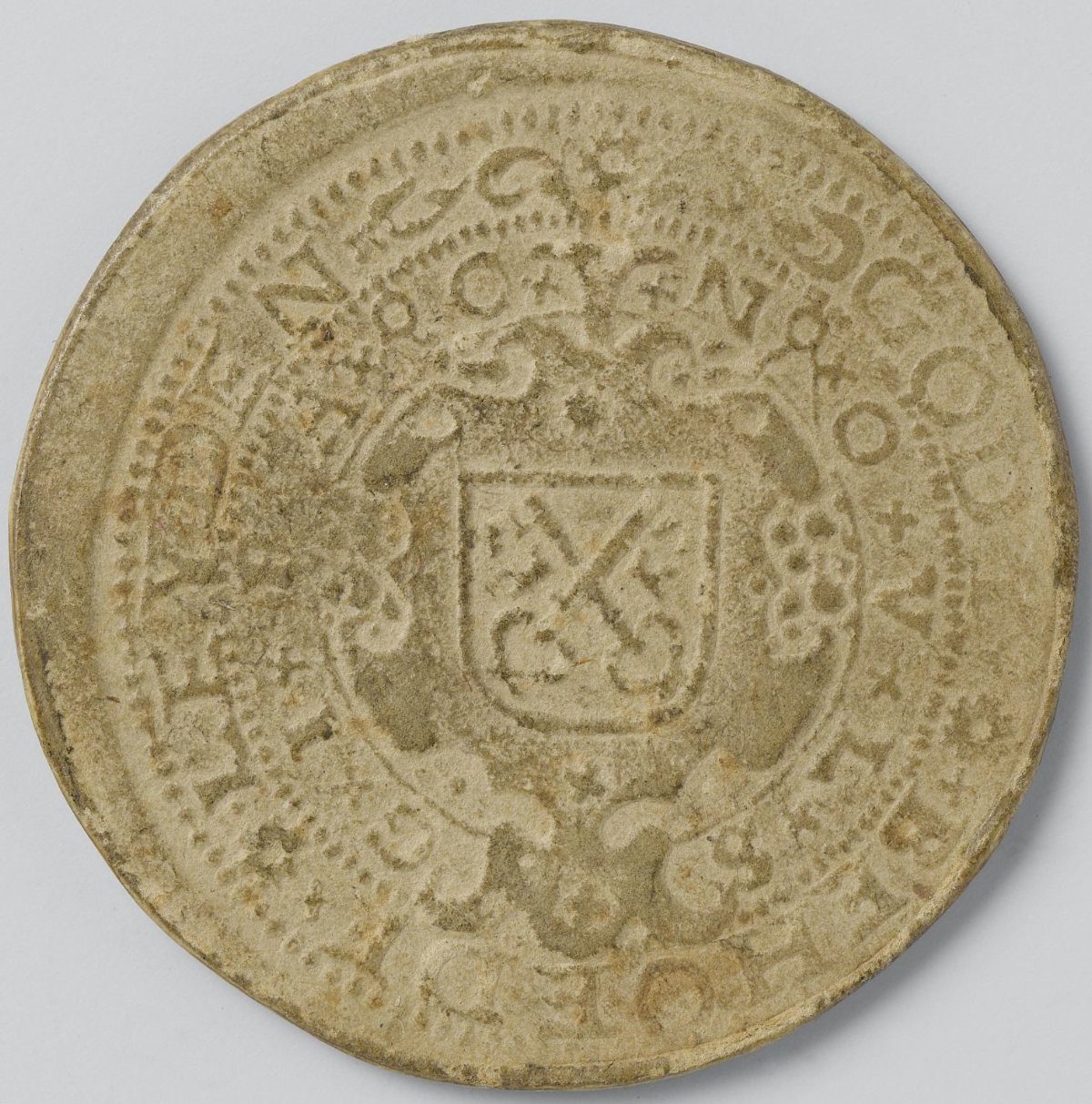
Twenty-eight stuivers; paper strike of an emergency coin from Leiden, struck during the siege
1574-07-10
Paper emergency coin from the siege of Leiden. Obverse: coat of arms in cartouche within two-line legend. Reverse: lion with cap of liberty on spear in both paws between year within legend. The Rijksmuseum, Amsterdam, holds this object as NG-VG-4-83; its record gives material recorded as paper; technique striking (m…
Partial type record
Rijksmuseum, Amsterdam
modern coins
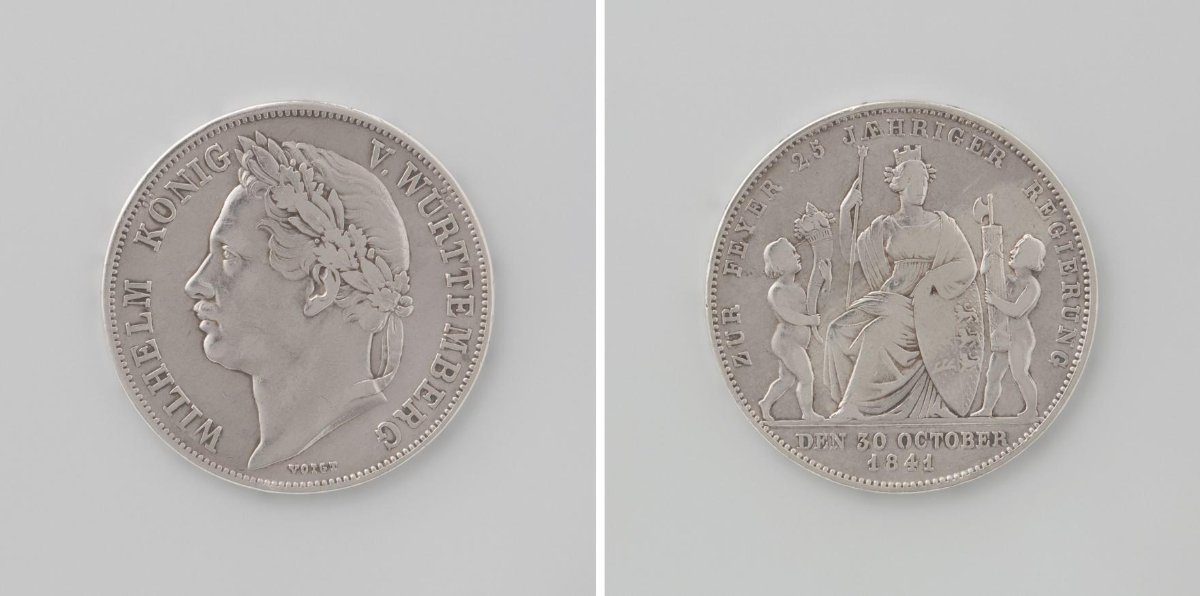
Twenty-fifth jubilee of the reign of William, King of Württemberg
1841
Obverse: bust of a man with leaf wreath within circumscription. Reverse: crowned woman with spear and coat of arms, seated between two naked boys, of whom the one on the left carries a filled cornucopia, and the one on the right carries fasces with an axe, within circumscription; exergue: date. The Rijksmuseum, Amst…
Partial type record
Rijksmuseum, Amsterdam
modern coins
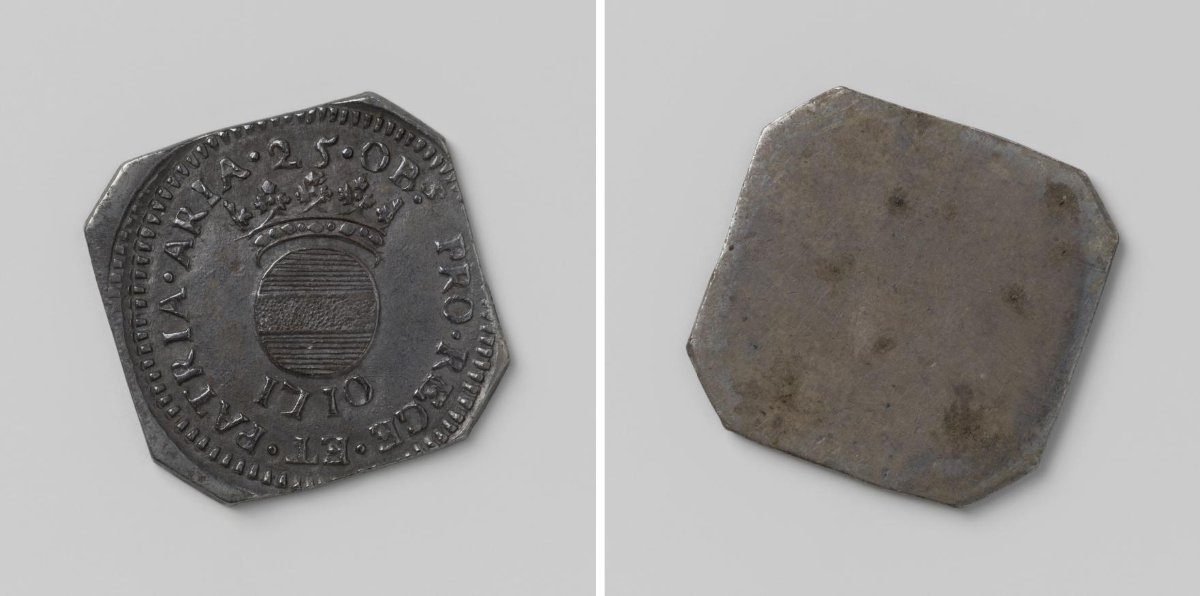
Twenty-five stuivers, emergency coin from Aire, captured by the allies, struck by order of Margrave Guébriant
1709 - 1710
Single-sided, square silver emergency coin with bevelled corners. Obverse: crowned coat of arms between year within circumscription and beaded border. Reverse: blank. The Rijksmuseum, Amsterdam, holds this object as NG-VG-4-461; its record gives material recorded as silver (metal); technique striking (metalworking);…
Partial type record
Rijksmuseum, Amsterdam
modern coins
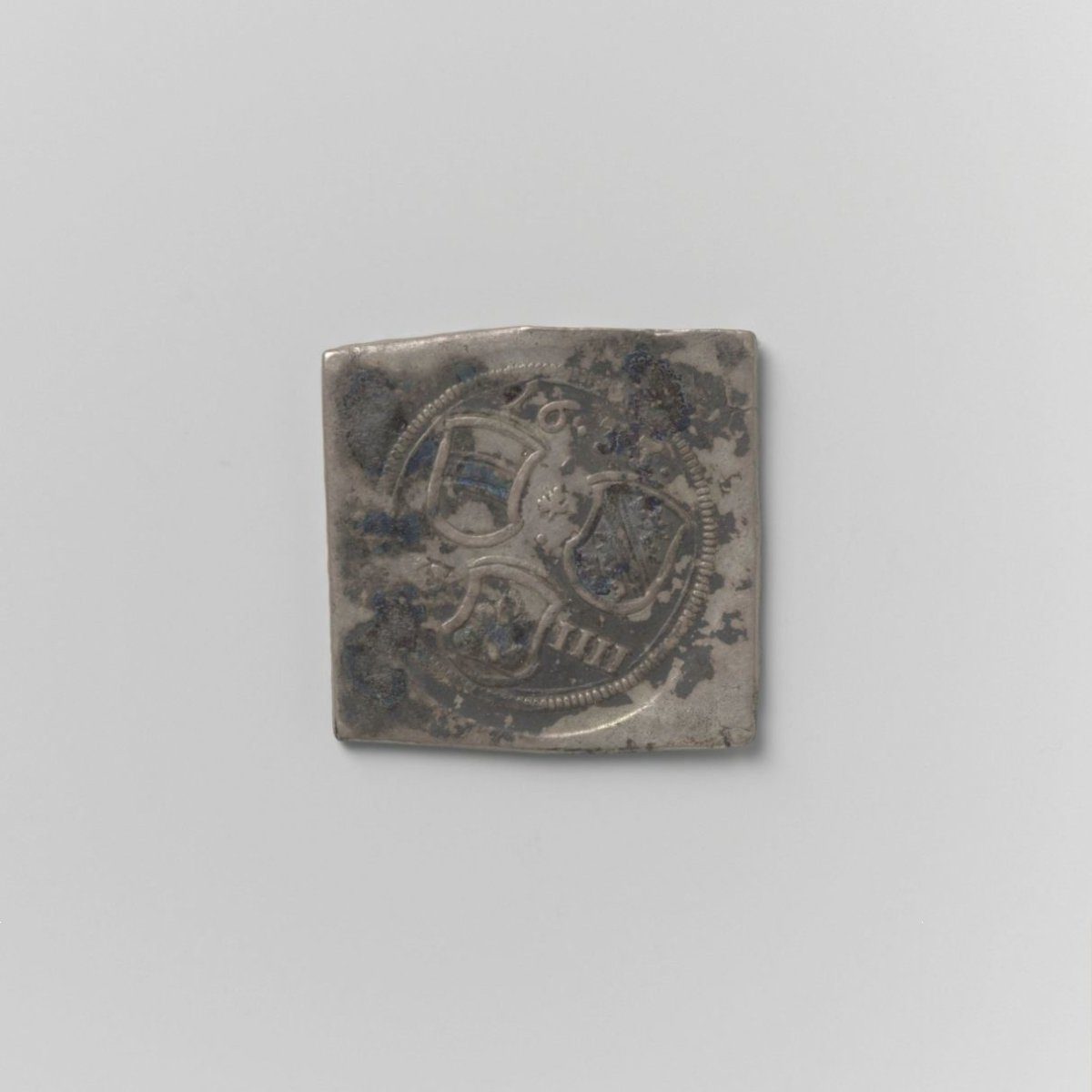
Twenty-four batz, emergency coin from Breisach, struck during the siege by the Swedes
1633
Lozenge-shaped silver emergency coin. Obverse: in circular stamp: year above two coats of arms, separated by a trefoil above a dot; beneath: coat of arms between Roman numeral XXIIII. Reverse: in circular stamp: inscription. The Rijksmuseum, Amsterdam, holds this object as NG-VG-4-286; its record gives material reco…
Partial type record
Cleveland Museum of Art
modern coins
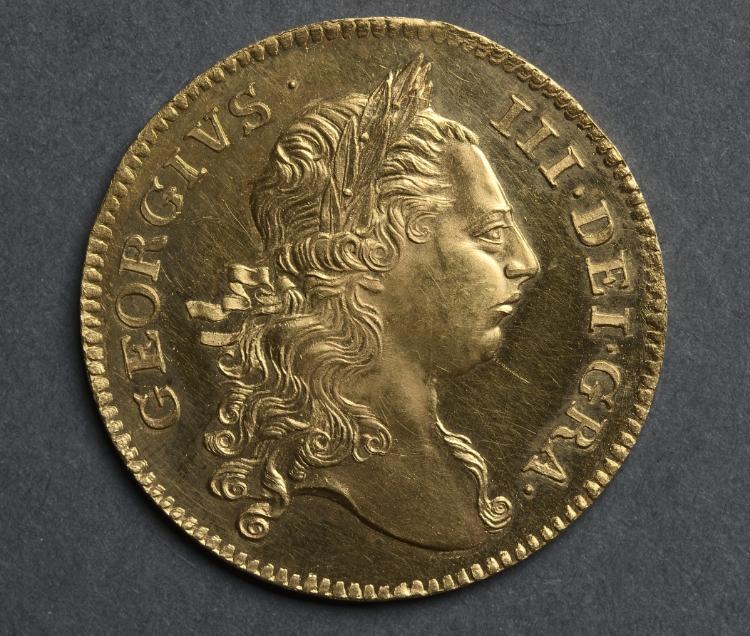
Two Guinea Piece: George III (obverse); Shield of Arms (Cleveland Museum of Art 1969.210)
1773
This piece is another example of the fine patterns being produced at this period. With the coming reform of the coinage, the five- and two-guinea pieces do not appear again for general circulation. John Sigismund Tanner came to England in 1728, was appointed chief engraver in 1741 and died in 1775. He was responsibl…
Partial type record
Cleveland Museum of Art
modern coins
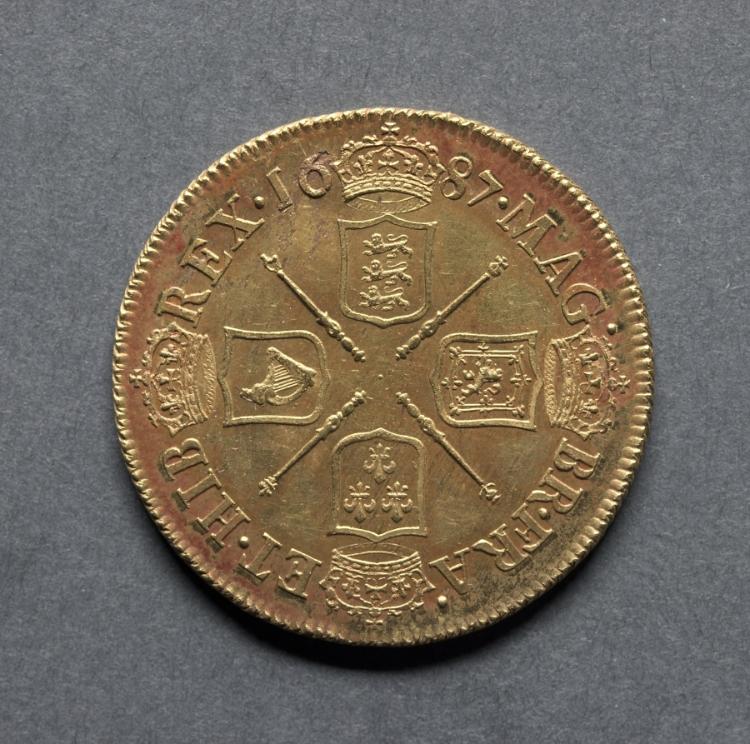
Two Guineas: James II (obverse); Four Shields of Arms (Cleveland Museum of Art 1969.200)
1687
The coin type of James II was a continuation of that of the reign of his brother, Charles II. This denomination was only issued in 1687 and 1688. The four gold denominations established under the reformed coinage of the previous reign were five guineas, two guineas, guinea, and half guinea. Cleveland Museum of Art o…
Partial type record
Cleveland Museum of Art
modern coins
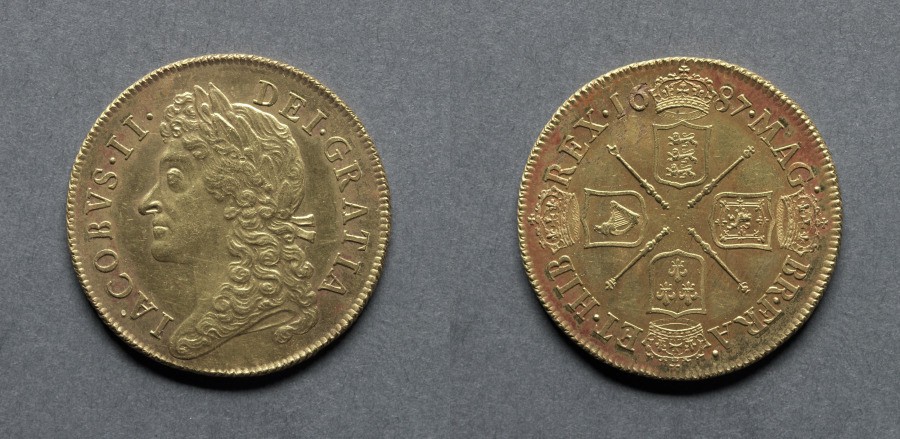
Two Guineas: James II (obverse); Four Shields of Arms (reverse)
1687
Two Guineas: James II (obverse); Four Shields of Arms (reverse) — Coins, by John Roettier (British, 1631–1703), made in England, James II, 1685-1688, dated 1687. The coin type of James II was a continuation of that of the reign of his brother, Charles II. This denomination was only issued in 1687 and 1688. The four…
Partial type record
Cleveland Museum of Art
modern coins
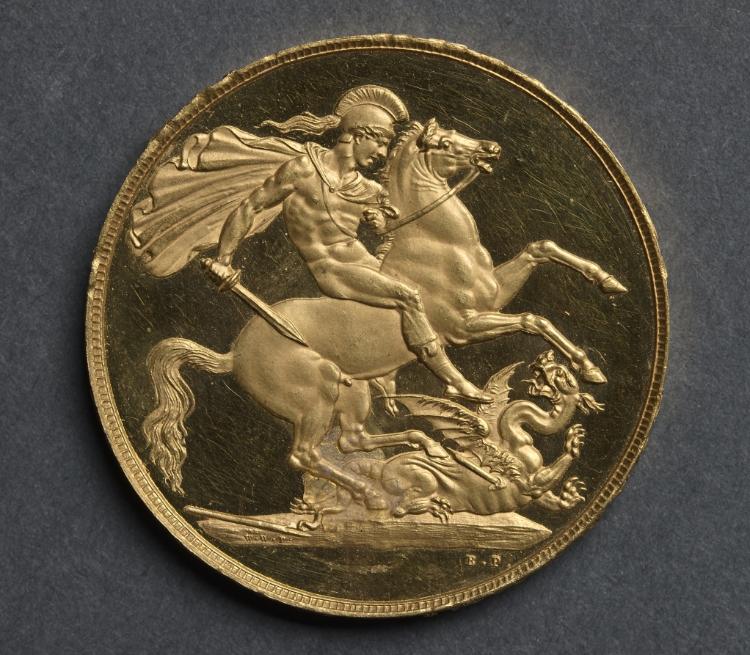
Two Pound Piece: George III (obverse); St. George and the Dragon (Cleveland Museum of Art 1969.213)
1820
The five- and two-pound pieces struck for George III were only struck as patterns in this, the last year of the his reign. No pieces of either denomination were put into circulation. This piece shows Pistrucci's Saint George as modified by Wyon. In the original the lance is broken; here the lance a been converted by…
Partial type record
Cleveland Museum of Art
modern coins
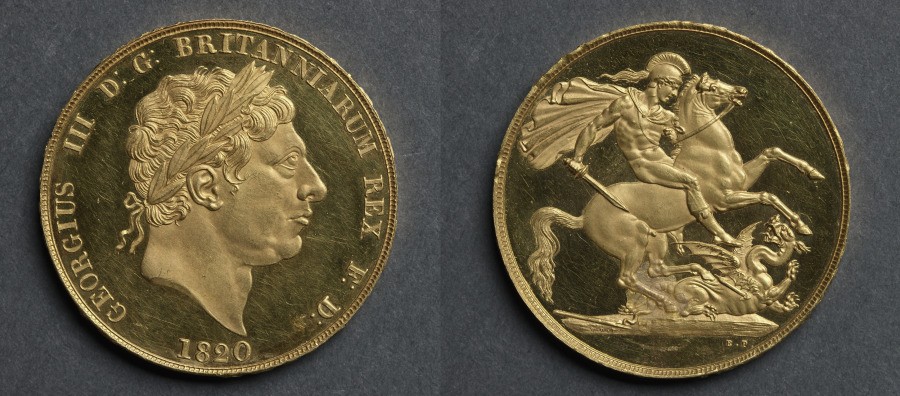
Two Pound Piece: George III (obverse); St. George and the Dragon (reverse)
1820
Two Pound Piece: George III (obverse); St. George and the Dragon (reverse) — Coins, by Benedetto Pistrucci (Italian, 1784–1855), made in England, George III, 1760-1820, dated 1820. The five- and two-pound pieces struck for George III were only struck as patterns in this, the last year of the his reign. No pieces of…
Partial type record
Cleveland Museum of Art
modern coins
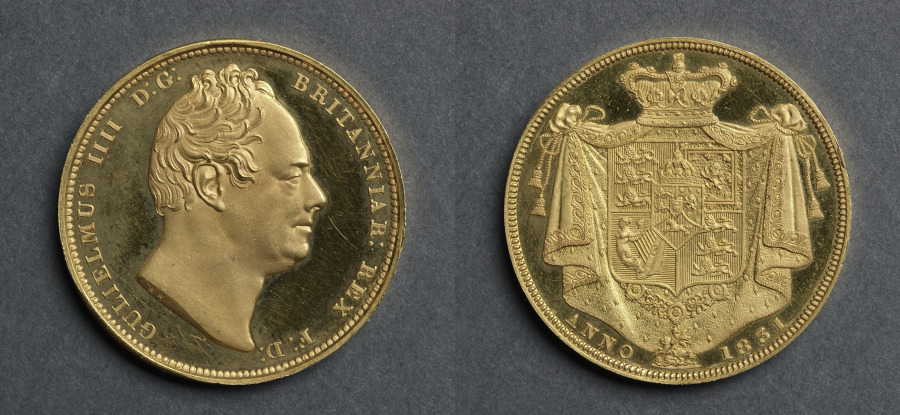
Two Pound Piece: George IV (obverse); Shield of Arms (Cleveland Museum of Art 1969.216)
1831
The two-pound piece in this reign was only struck as a pater in 1831. Again, as in the last reign, a limited number of proof sets were struck, and this coin was included in the sets. Since it never went into circulation it is properly called a pattern. Cleveland Museum of Art object 1969.216: Two Pound Piece: George…
Partial type record
Cleveland Museum of Art
modern coins
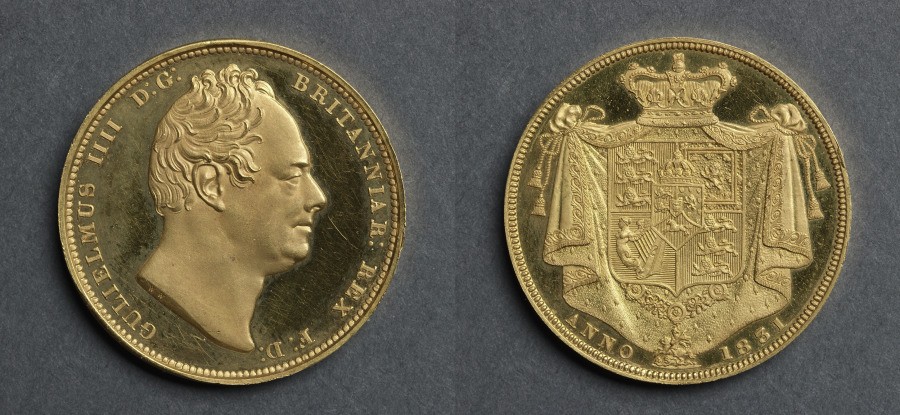
Two Pound Piece: George IV (obverse); Shield of Arms (reverse)
1831
Two Pound Piece: George IV (obverse); Shield of Arms (reverse) — Coins, by Jean Baptiste Merlen (French, 1769–1850); William Wyon (British, 1795–1851), made in England, William IV, 1830-1837, dated 1831. The two-pound piece in this reign was only struck as a pater in 1831. Again, as in the last reign, a limited numb…
Partial type record
Cleveland Museum of Art
modern coins
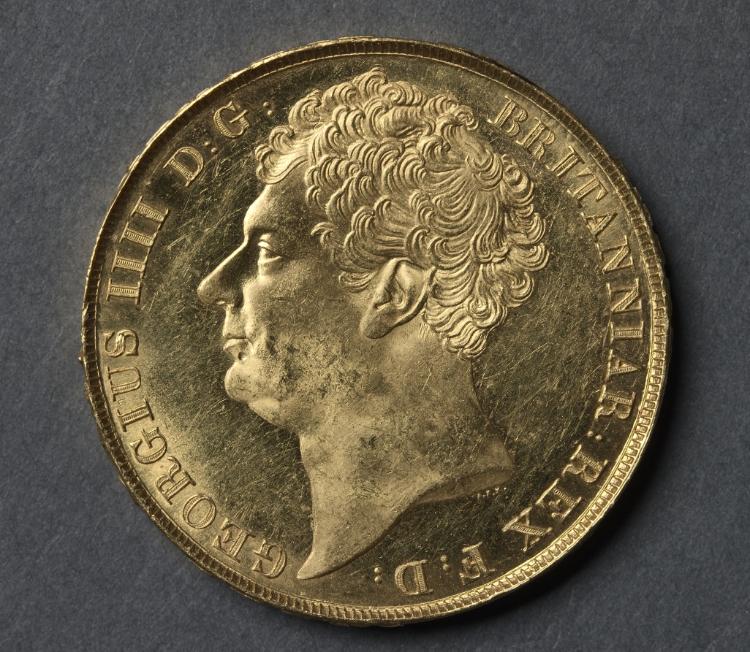
Two Pound Piece: George IV (obverse); St. George and the Dragon (Cleveland Museum of Art 1969.214)
1823
During the reign of King George IV, two-pound pieces were struck for circulation in 1823 only. Pattern pieces appeared in 1824, 1825, and 1826. The king was so disgusted with the caricature of a portrait that Pistrucci placed on the first coins of the reign that the artist was ordered to model a new obverse from a b…
Partial type record
Cleveland Museum of Art
modern coins
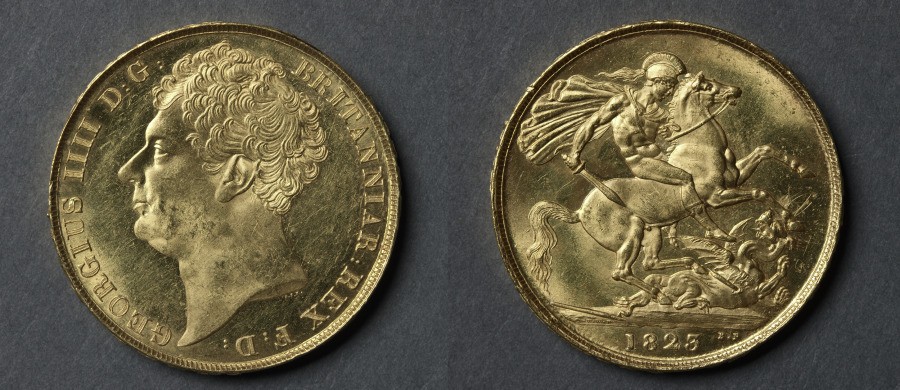
Two Pound Piece: George IV (obverse); St. George and the Dragon (reverse)
1823
Two Pound Piece: George IV (obverse); St. George and the Dragon (reverse) — Coins, by Benedetto Pistrucci (Italian, 1784–1855); Francis Legatt Chantrey (British, 1781–1841), made in England, George IV, 1820-1830, dated 1823. During the reign of King George IV, two-pound pieces were struck for circulation in 1823 onl…
Partial type record
Cleveland Museum of Art
modern coins
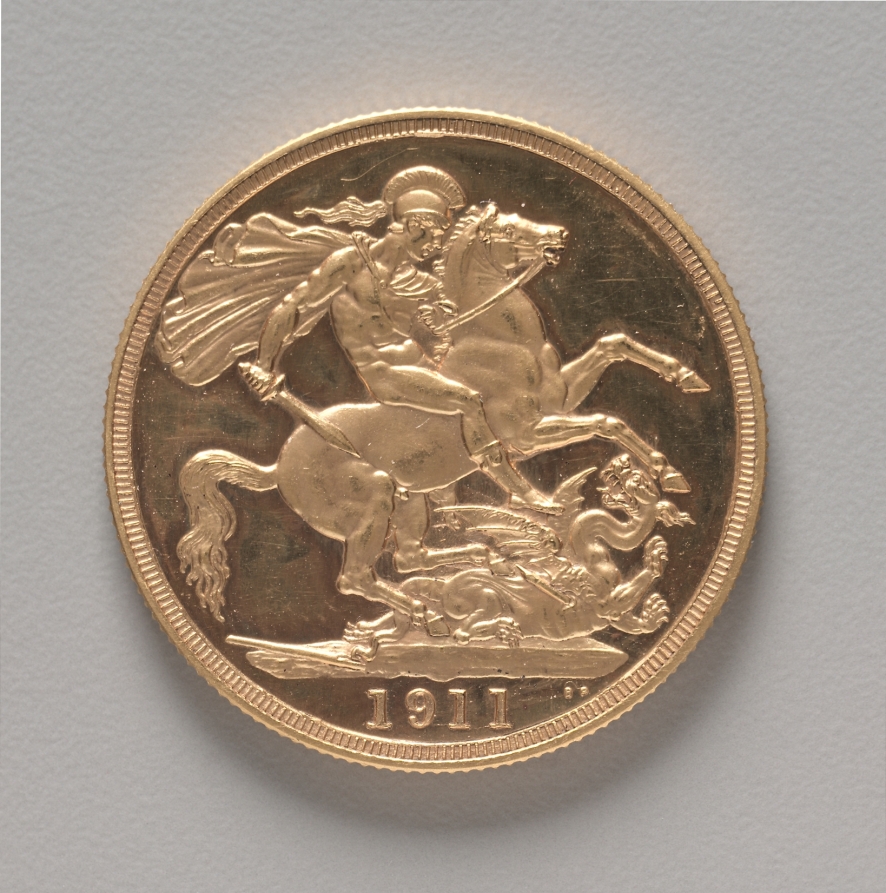
Two Pound Piece: George V (obverse); St. George and the Dragon (Cleveland Museum of Art 1969.222)
1911
Benedetto Pistrucci, an Italian gem and coin engraver, is best known for his image of St. George and the Dragon, which is still used on coinage today. Bertram Mackennal, an Australian sculptor and medallist, was reported to be one of the few artists King George V liked and is most famous for designing the king's lik…
Partial type record
Cleveland Museum of Art
modern coins
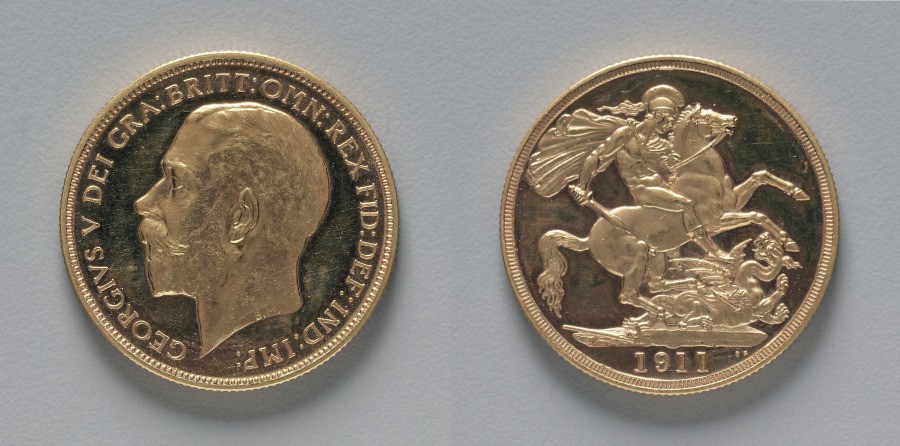
Two Pound Piece: George V (obverse); St. George and the Dragon (reverse)
1911
Two Pound Piece: George V (obverse); St. George and the Dragon (reverse) — Coins, by Bertram Mackennal (Australian, 1863–1931); Benedetto Pistrucci (Italian, 1784–1855), made in England, George V, 1910-1936, dated 1911. Benedetto Pistrucci, an Italian gem and coin engraver, is best known for his image of St. George…
Partial type record
Rijksmuseum, Amsterdam
modern coins
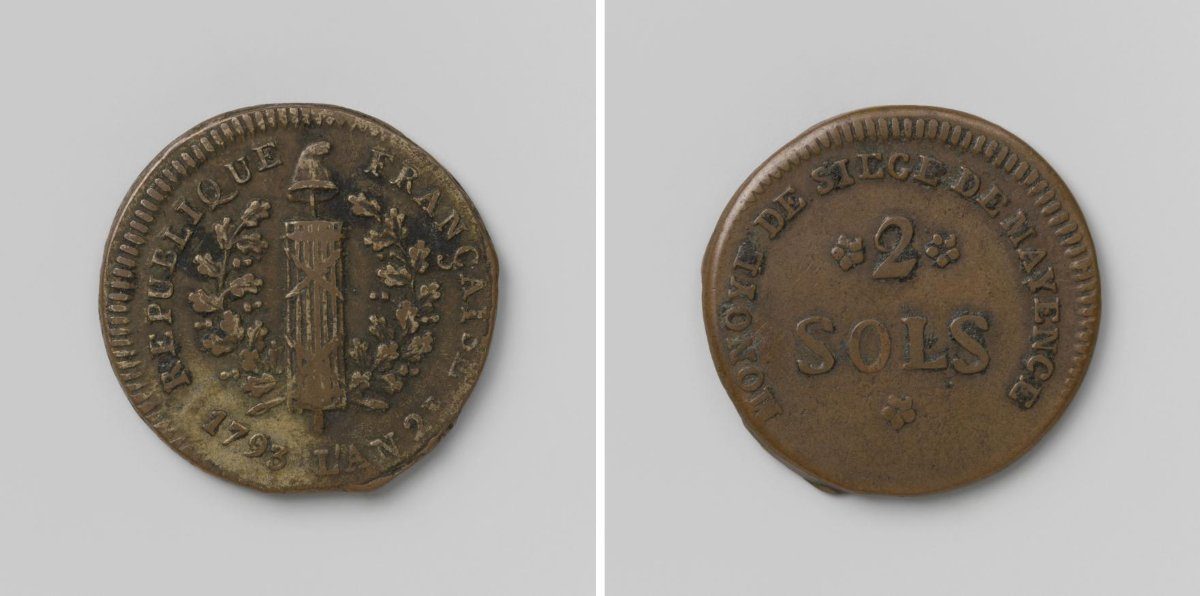
Two stuivers (sols), emergency coin from Mainz, struck during the siege by the Allies
1793
Obverse: bundle of rods with axe, surmounted by a liberty cap within oak wreath and legend. Reverse: indication of value within legend. The Rijksmuseum, Amsterdam, holds this object as NG-VG-4-501; its record gives material recorded as copper (metal); technique striking (metalworking); measurements diameter 2.4 cm x…
Partial type record
Rijksmuseum, Amsterdam
modern coins
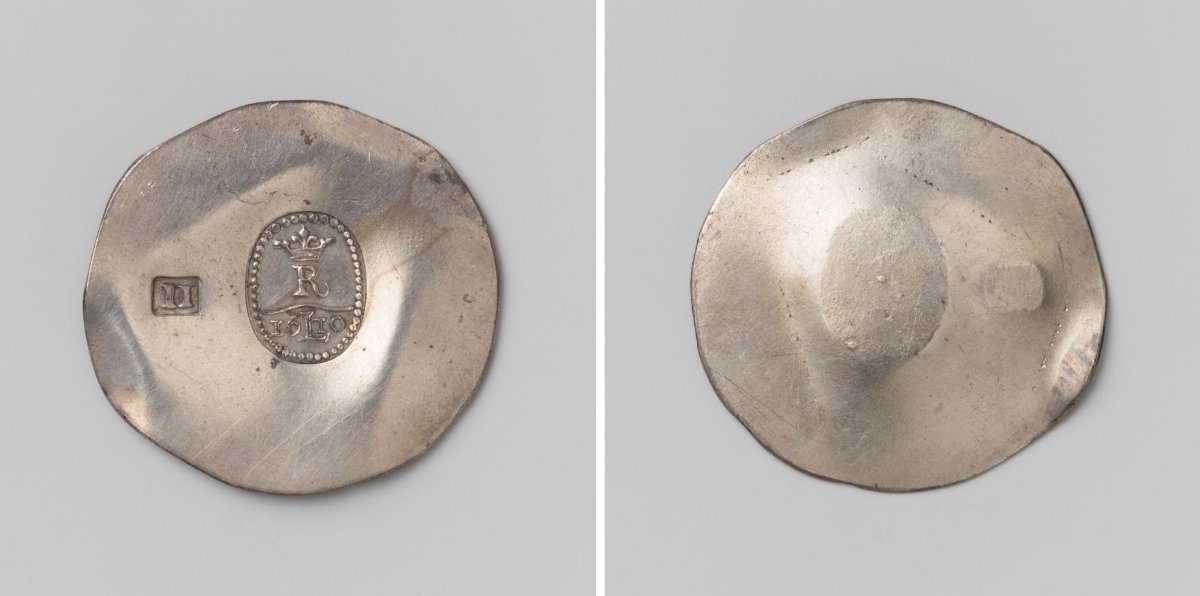
Two units, emergency coin from Jülich, struck during the siege by Maurice, Prince of Orange-Nassau, manufactured by clipping pieces from tableware and stamped with the monogram of Rudolf II, Holy Roman Emperor
1610-07-29 - 1610-09-02
Irregular, more or less oval, single-sided silver emergency coin of Jülich. Obverse: two stamps: left: value indication Roman numeral II in a rectangle; right: crowned letter R; below that date, interrupted by the letter L within an oval beaded border. Reverse: blank. The Rijksmuseum, Amsterdam, holds this object as…
Partial type record
Rijksmuseum, Amsterdam
modern coins
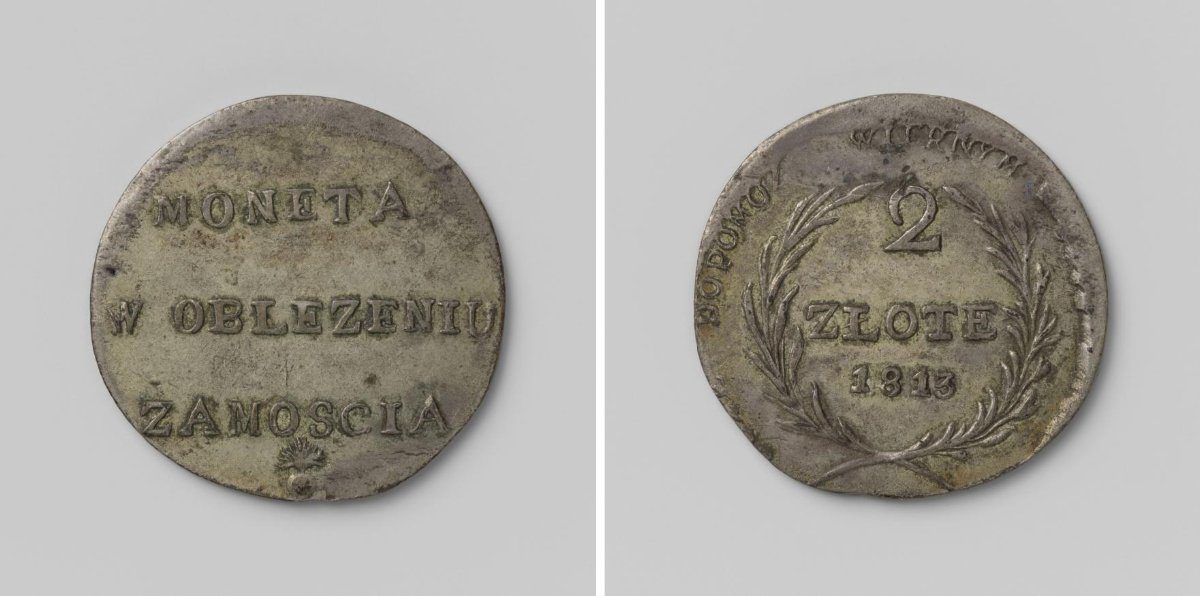
Two zlote, emergency coin of Zamosc, struck during the siege by the Austrians
1813
Obverse: inscription above exploding grenade. Reverse: value indication and year within circumscription. The Rijksmuseum, Amsterdam, holds this object as NG-VG-4-542; its record gives material recorded as silver (metal); technique striking (metalworking); measurements diameter 2.8 cm x weight 7.36 g.
Partial type record
Rijksmuseum, Amsterdam
modern coins
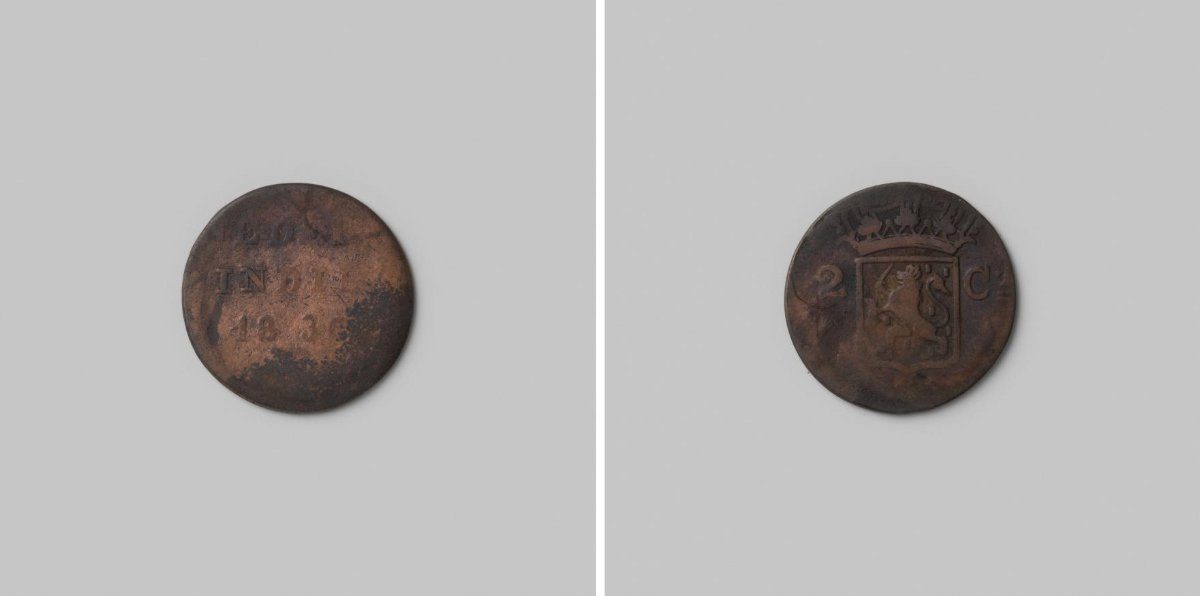
Two-cent coin from the Dutch East Indies
1836
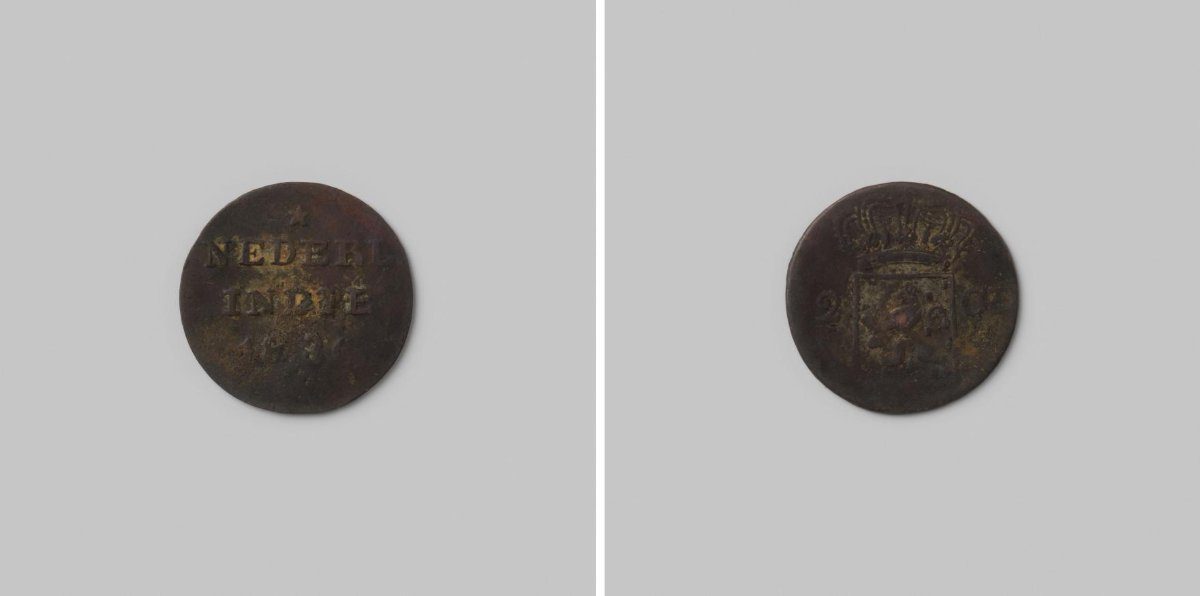
Small copper 2 cent coin from the Dutch East Indies. Obverse: inscription. Reverse: crowned coat of arms containing a lion. To the left of the coat of arms a 2 and to the right of the coat of arms a Ct. The small coin is contained in an envelope with an inscription. The Rijksmuseum, Amsterdam, holds this object as N…
Partial type record
Rijksmuseum, Amsterdam
modern coins
Two-cent coin of the VOC
c. 1836
Small copper VOC 2 cent coin from the Dutch East Indies. Obverse: inscription, date illegible, probably 1836. Reverse: coat of arms containing a lion, to the left of it a 2 and to the right of it Ct. The small coin is contained in a square envelope with an inscription. The Rijksmuseum, Amsterdam, holds this object a…
Partial type record
Rijksmuseum, Amsterdam
modern coins
Two-cent coin of the VOC from 1823
c. 1823
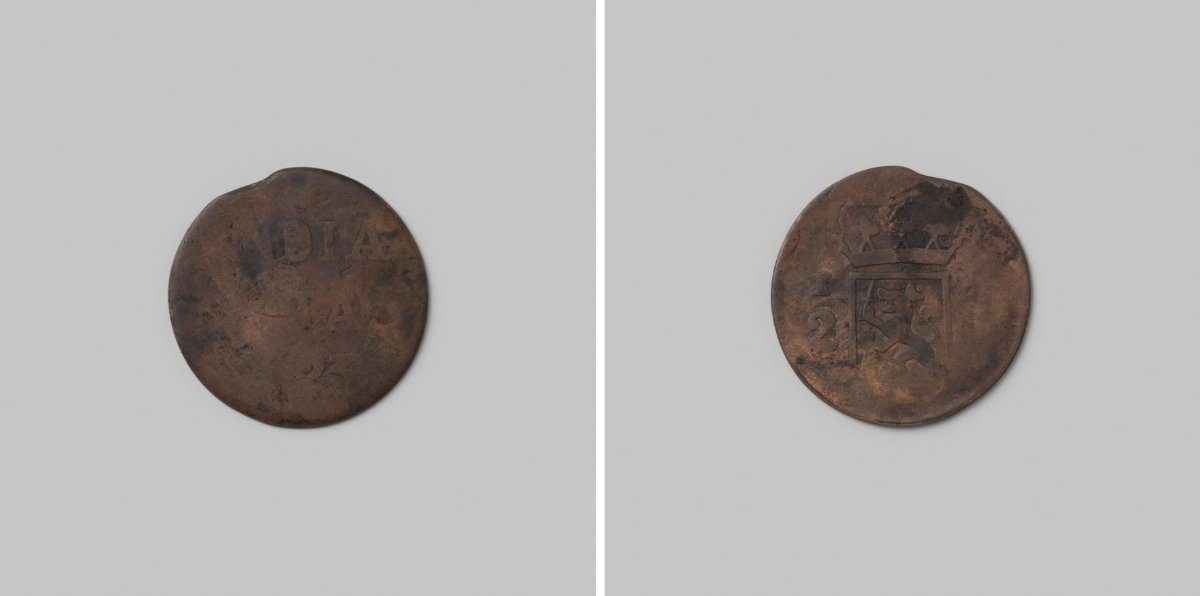
Small copper 2 cent VOC coin from the Dutch East Indies from 1823. Obverse: inscription. Reverse: coat of arms containing a lion, difficult to read/see. The small coin is contained in a square envelope with an inscription. The Rijksmuseum, Amsterdam, holds this object as NG-460-21; its record gives material recorded…
Partial type record
Rijksmuseum, Amsterdam
modern coins
Two-Guilder Piece, Emergency Coin from Haarlem, Struck During the Siege
1573-06-14
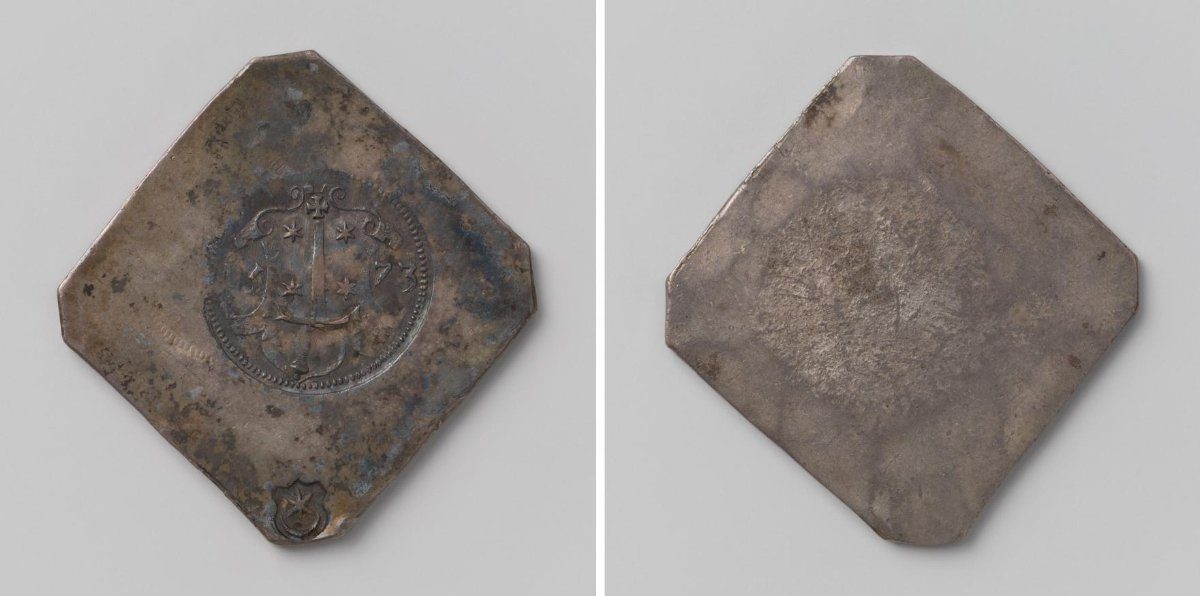
Single-sided, lozenge-shaped emergency coin with bevelled corners. Obverse: two stamps one above the other; from bottom to top: city coat of arms: inverted sword flanked by two stars, on the tip of the sword a cross in a cartouche between date within beaded rim; mint master mark: star and crescent moon. Reverse: bla…
Partial type record
Rijksmuseum, Amsterdam
modern coins
Two-thirds taler from Brunswick-Lüneburg-Calenberg-Hannover of Georg I Ludwig, 1722
1722
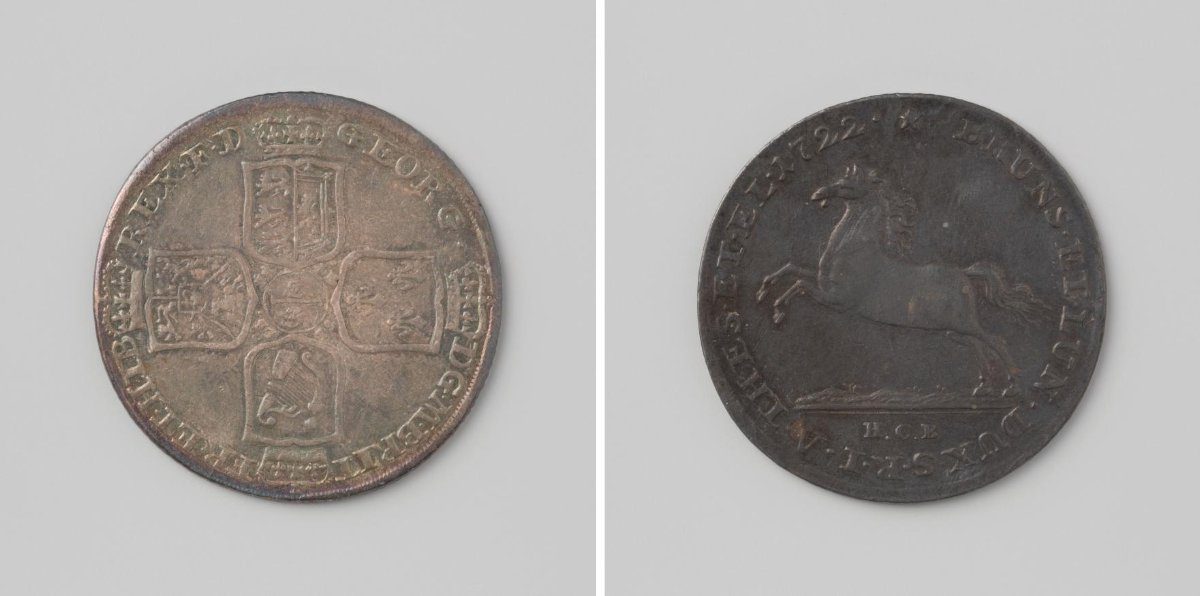
Silver coin. Obverse: four crowned coats of arms arranged in a cross. Value indication in the centre, around which a legend. Reverse: prancing horse facing left on ground. Below it letters H, C and B. Year at the end of the legend at the top. Plain edge. The Rijksmuseum, Amsterdam, holds this object as KOG-MP-1-0567…
Partial type record
Rijksmuseum, Amsterdam
modern coins
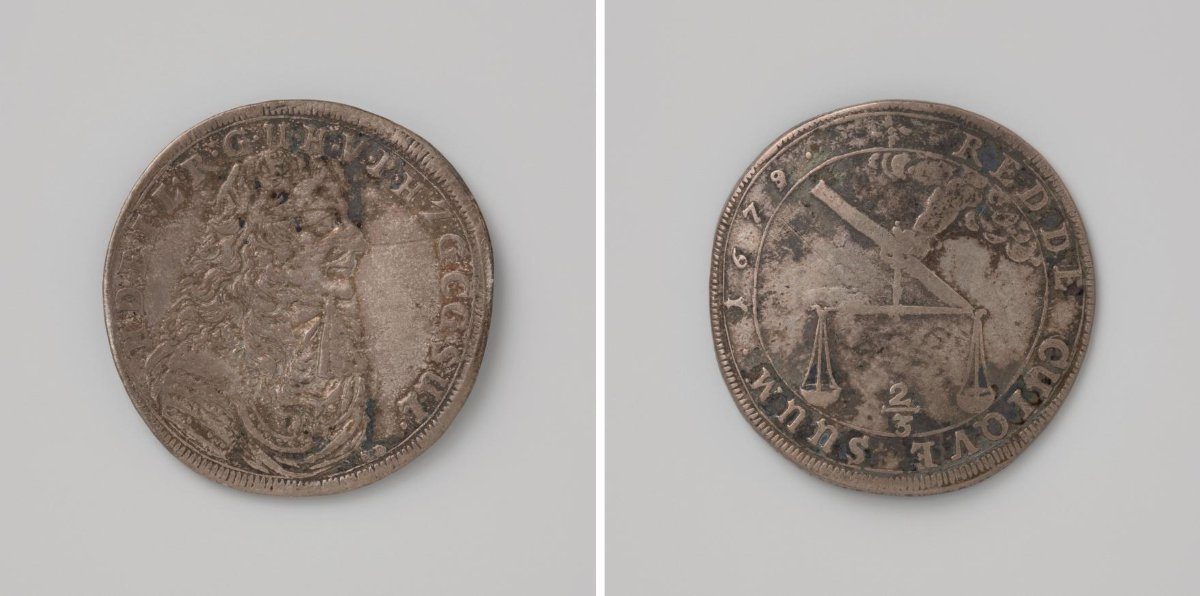
Two-thirds thaler of Henry I of Reuss-Schleiz, commemorating the Peace of Nijmegen
1679
Obverse: bust of a man within an inscription. Reverse: hand from clouds holding scales within an inscription. The Rijksmuseum, Amsterdam, holds this object as NG-VG-1-1272; its record gives material recorded as silver (metal); technique striking (metalworking); measurements diameter 3.9 cm x weight 17.88 g.
Partial type record
Rijksmuseum, Amsterdam
modern coins
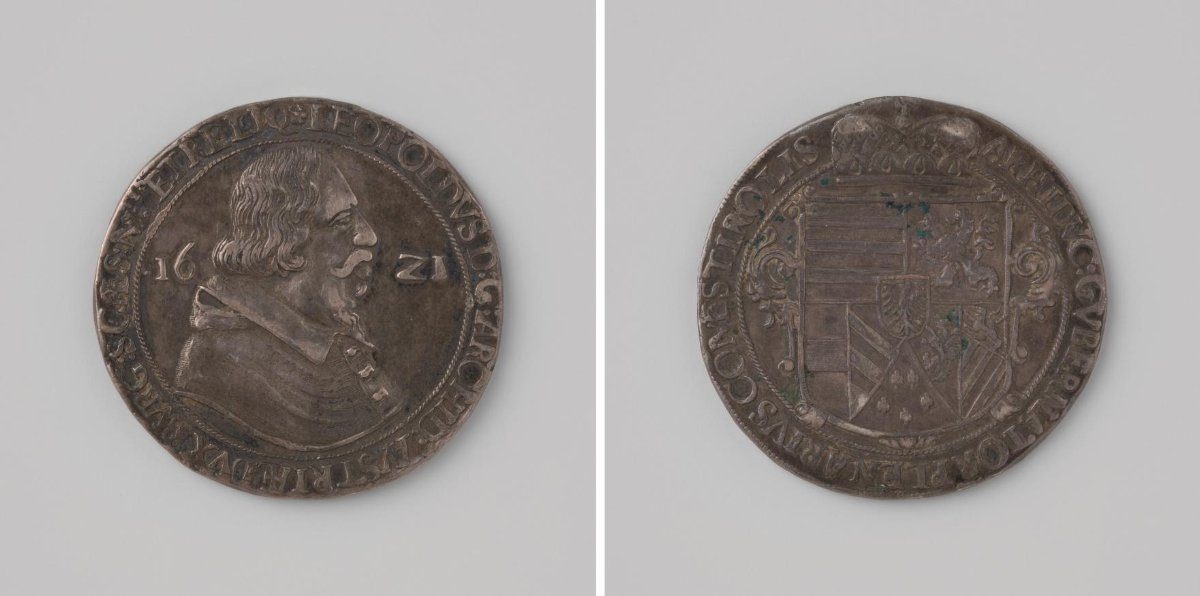
Tyrol, Archduke Leopold I, thaler, 1621
1621
Silver coin. Obverse: between date, bust of the Archduke facing right. Reverse: ornate composite coat of arms surmounted by a crown. The Rijksmuseum, Amsterdam, holds this object as NG-VG-1-644; its record gives material recorded as silver (metal); technique striking (metalworking); measurements diameter 3.9 cm x we…
Partial type record
Rijksmuseum, Amsterdam
modern coins
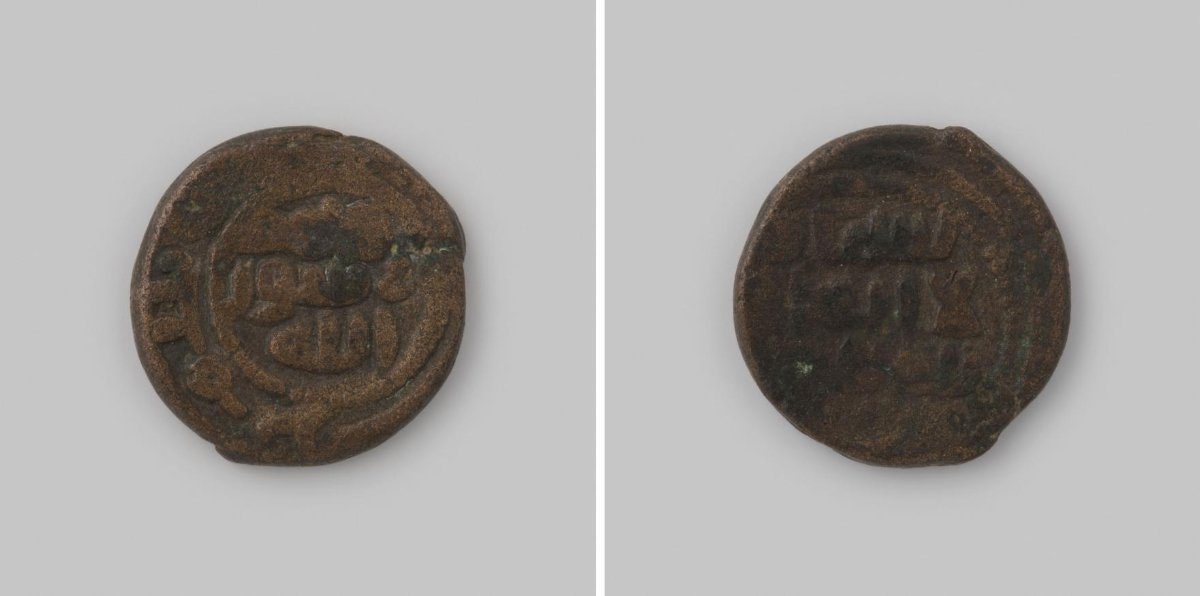
Umayyads, Caliph Abd al-Malik, 65-86 AH [=685-705], fals
685 - 705
Copper coin. Obverse: within a circle, inscription in Arabic characters in three lines. Reverse: within a circle, inscription in Arabic characters in three lines. The Rijksmuseum, Amsterdam, holds this object as KOG-MP-1-3764; its record gives material recorded as copper (metal); technique striking (metalworking); m…
Partial type record
Cleveland Museum of Art
modern coins
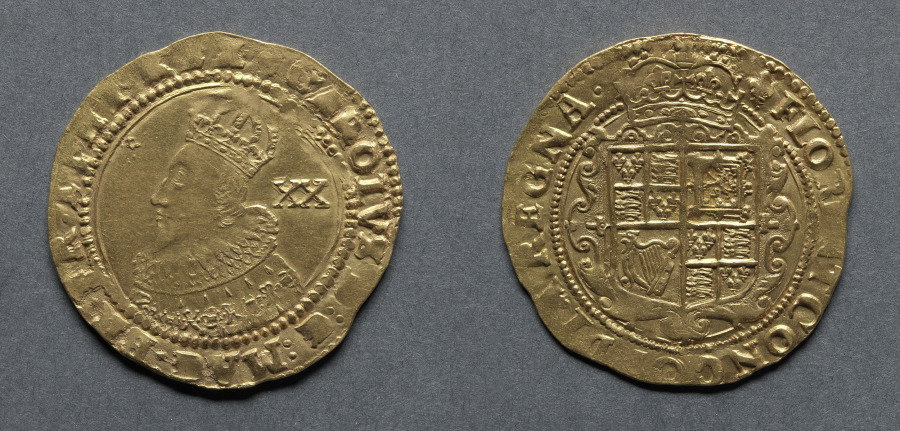
Unite: Charles I (obverse); Crowned Shield (Cleveland Museum of Art 1969.192)
1625
After ascending to the throne, Charles I ordered that the coinage should remain the same types and denominations as that of James I. Throughout all the troubles of his reign he did not alter the value of the gold coinage. Until the English Civil War started in 1642, the king's authority continued to rule the Tower m…
Partial type record
Cleveland Museum of Art
modern coins
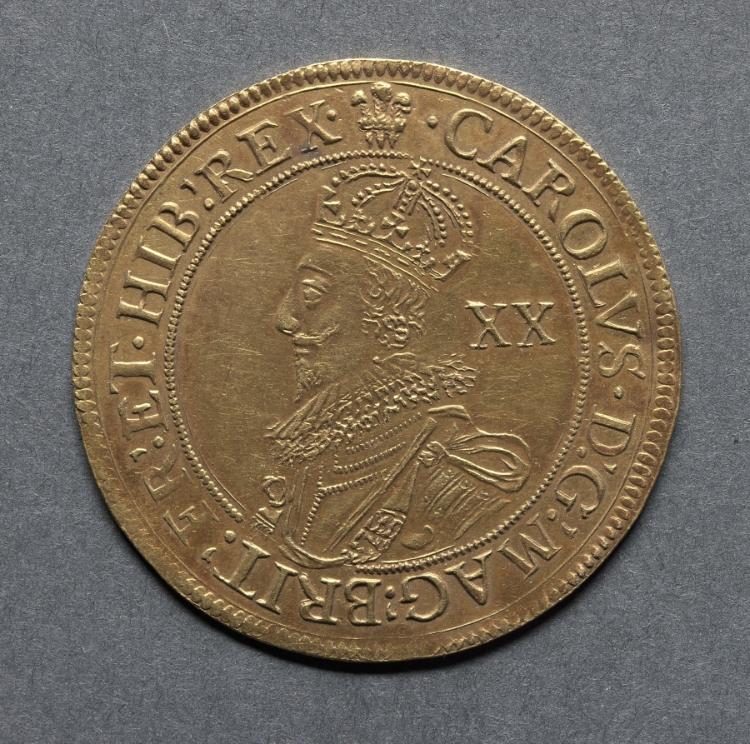
Unite: Charles I (obverse); Crowned Shield (Cleveland Museum of Art 1969.193)
1630–1631
When compared with the Charles I Unite struck in 1625 ( 1969.192 ), the finer work and clarity of detail in this work is remarkable. This coin and others of the same period were likely struck by the same form of mechanical process, although this was probably struck as a proof and not meant for circulation. Cleveland…
Partial type record
Cleveland Museum of Art
modern coins
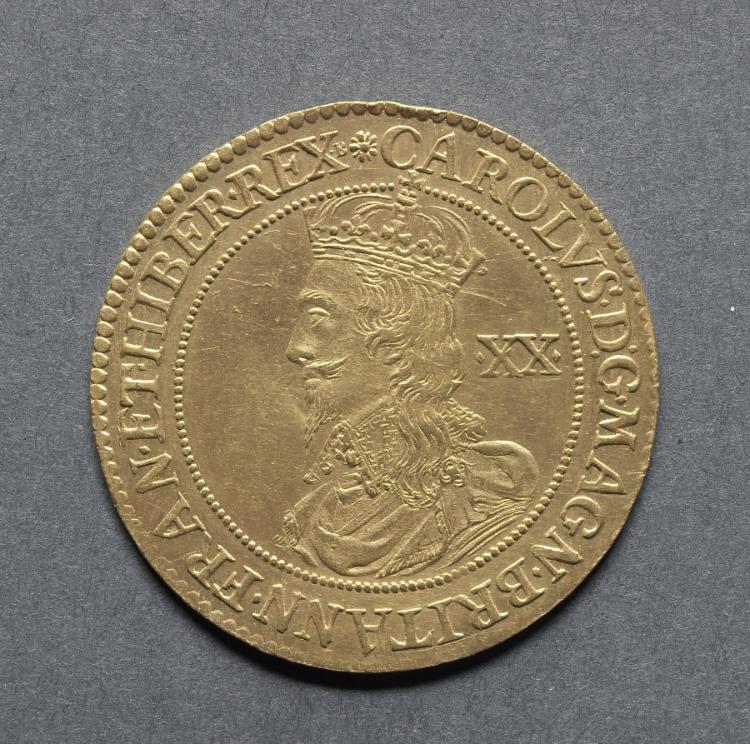
Unite: Charles I (obverse); Crowned Shield (Cleveland Museum of Art 1969.194)
1631–32
In 1625 Nicholas Briot traveled from Paris and obtained employment in England. In 1628 he was commissioned to design portraits and in 1631 records show that he was working at the Tower Mint. On his first appointment he was authorized to install machines for striking medals. He was formally empowered on February 11,…
Partial type record
Cleveland Museum of Art
modern coins
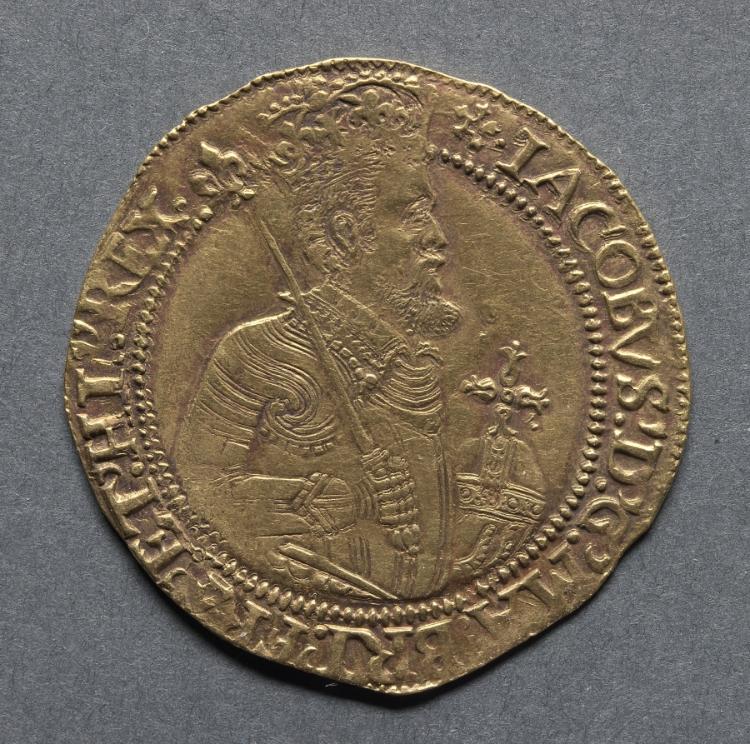
Unite: James I (obverse); Shield of Arms (Cleveland Museum of Art 1969.189)
1613–15
The unite was one of the new denominations introduced after the coinage had been down-rated by ten percent and then restored in 1611. It was so named because the accession of James I brought about the union of the thrones of England and Scotland. On the obverse the king's titles now read James by the grace of God Ki…
Partial type record
Rijksmuseum, Amsterdam
modern coins
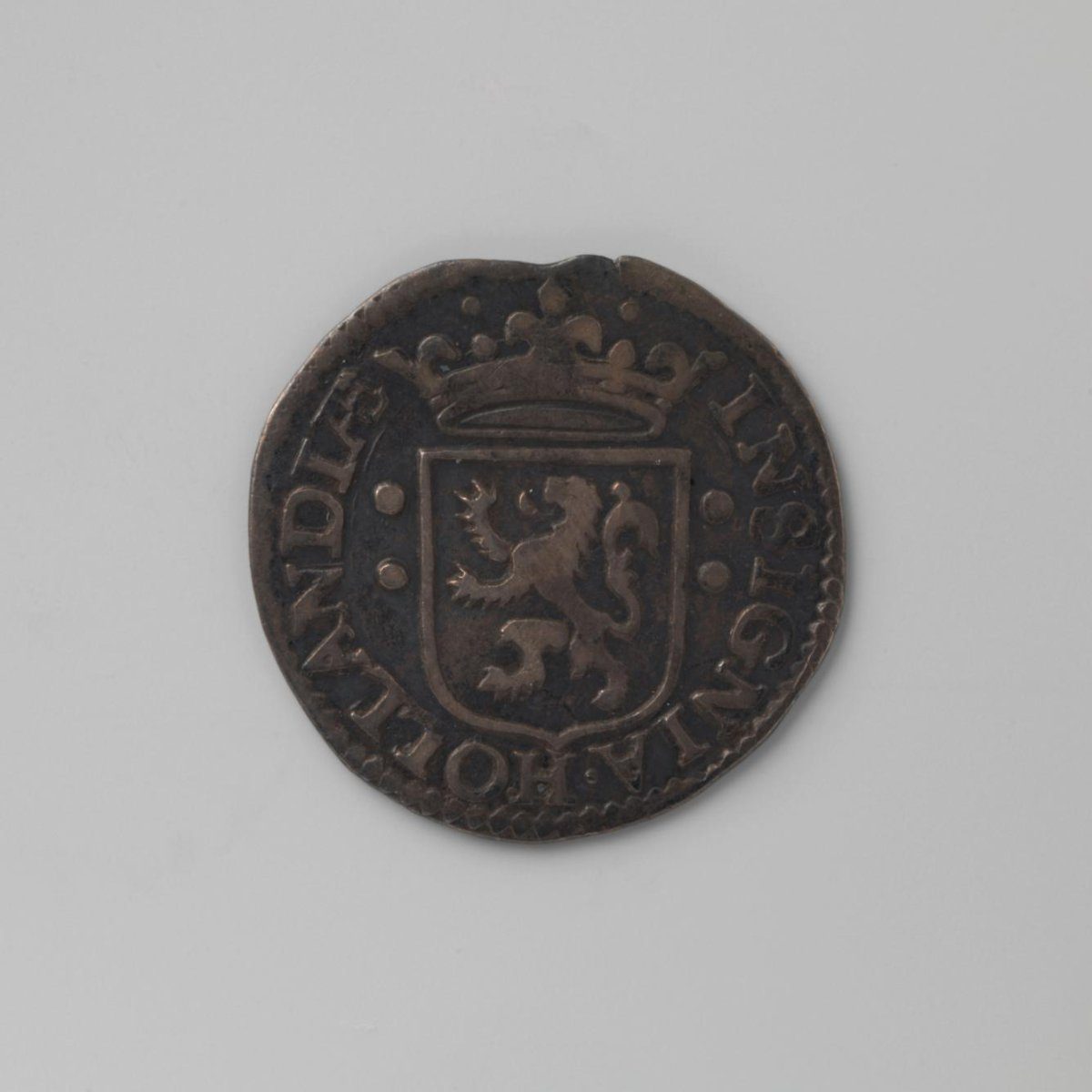
United Amsterdam Company, ½ real
1601
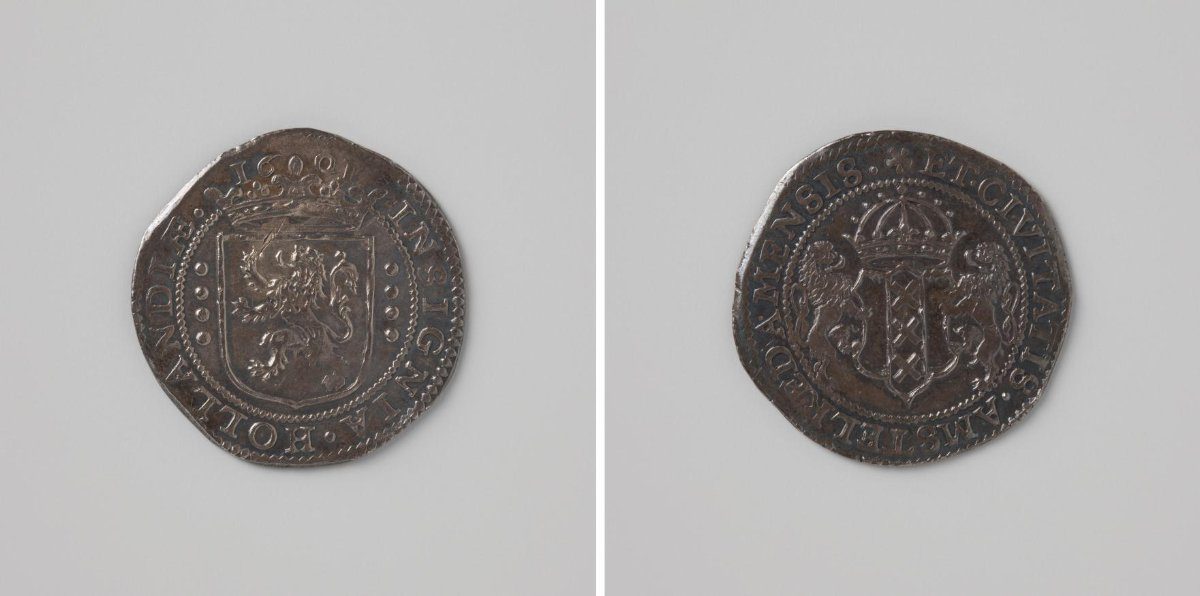
Silver coin. Obverse: crowned coat of arms of Holland between value indication. Reverse: coat of arms of Amsterdam held by two lions, no legend. The Rijksmuseum, Amsterdam, holds this object as KOG-MP-1-4392; its record gives material recorded as silver (metal); technique striking (metalworking); measurements diamet…
Partial type record
Rijksmuseum, Amsterdam
modern coins
United Amsterdam Company, coin to replace the Spanish real
1601
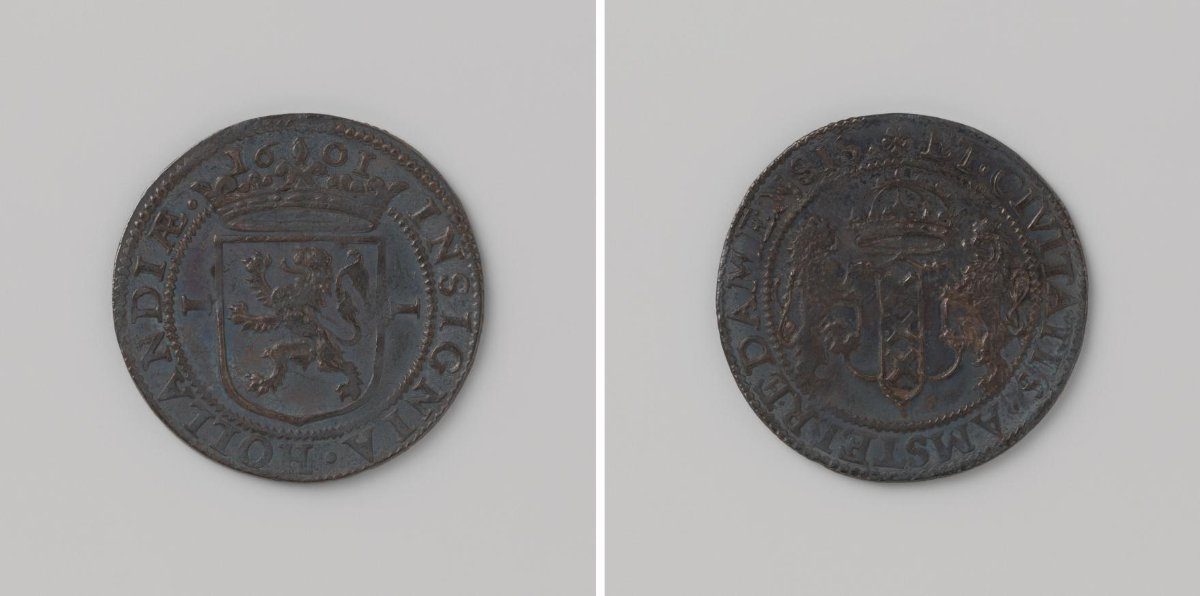
Silver coin. Obverse: crowned coat of arms of Holland within legend. Reverse: crowned coat of arms of Amsterdam within legend. The Rijksmuseum, Amsterdam, holds this object as NG-VG-1-546; its record gives material recorded as silver (metal); technique striking (metalworking); measurements diameter 2.2 cm x weight 3…
Partial type record
Rijksmuseum, Amsterdam
modern coins
United Amsterdam Company, silver coin replacing the Spanish double real
1601
Coin replacing the Spanish 2 reales. Due to a shortage of sufficient minted metal in the form of Spanish reales, the company received permission from the States of Holland in 1600 to have substitute coins struck. On the condition that the coins were not put into circulation in the Netherlands. The Rijksmuseum, Amste…
Partial type record
Rijksmuseum, Amsterdam
modern coins
United Belgian States
1790
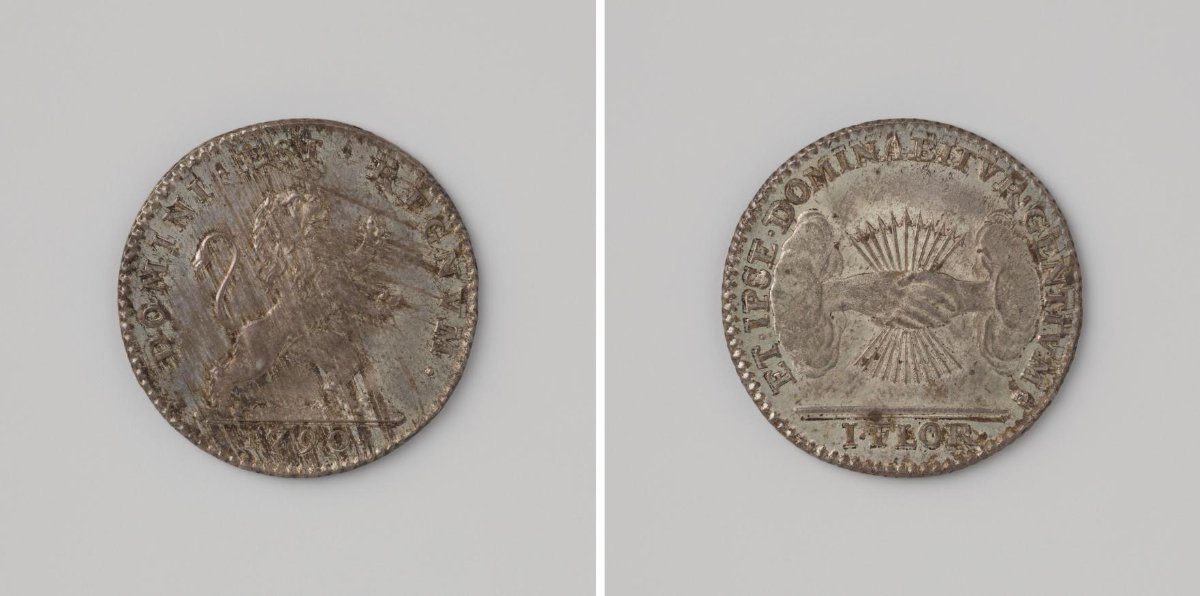
Obverse: standing lion within an inscription; exergue: date. Reverse: two clasped hands emerging from clouds jointly hold a bundle of eleven arrows within an inscription; exergue: indication of value. The Rijksmuseum, Amsterdam, holds this object as NG-VG-1-2973; its record gives material recorded as silver (metal);…
Partial type record
Rijksmuseum, Amsterdam
modern coins
United Belgian States, 10 stuiver, 1790
1790
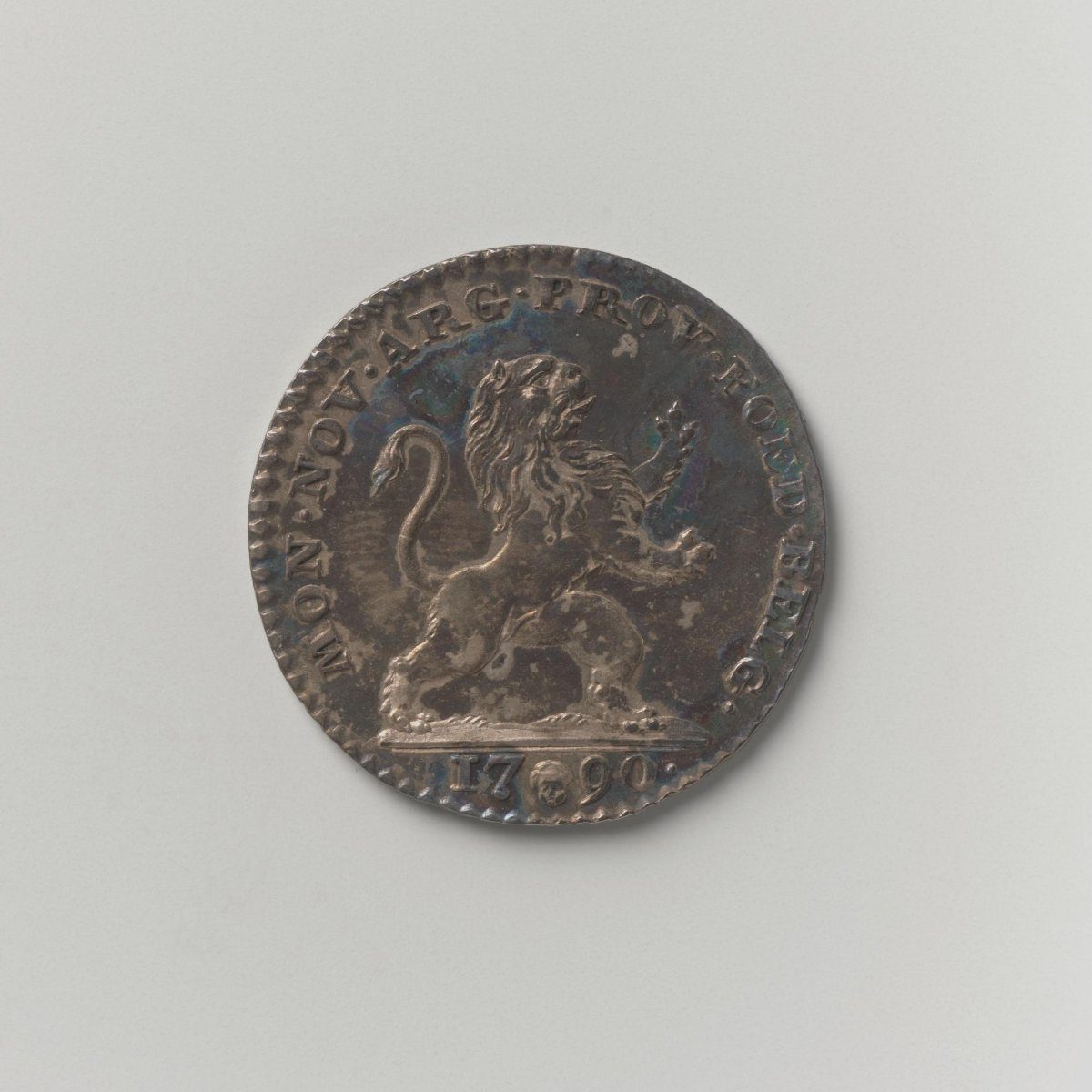
Silver coin. Obverse: standing lion to the right. Date, between which is an angel's head, in the exergue. Reverse: two clasped hands emerging from clouds, holding a bundle of arrows. Value designation in the exergue. Legend: IN VNIONE SALVS. Cable rim. The Rijksmuseum, Amsterdam, holds this object as KOG-MP-1-2646;…
Partial type record
Rijksmuseum, Amsterdam
modern coins
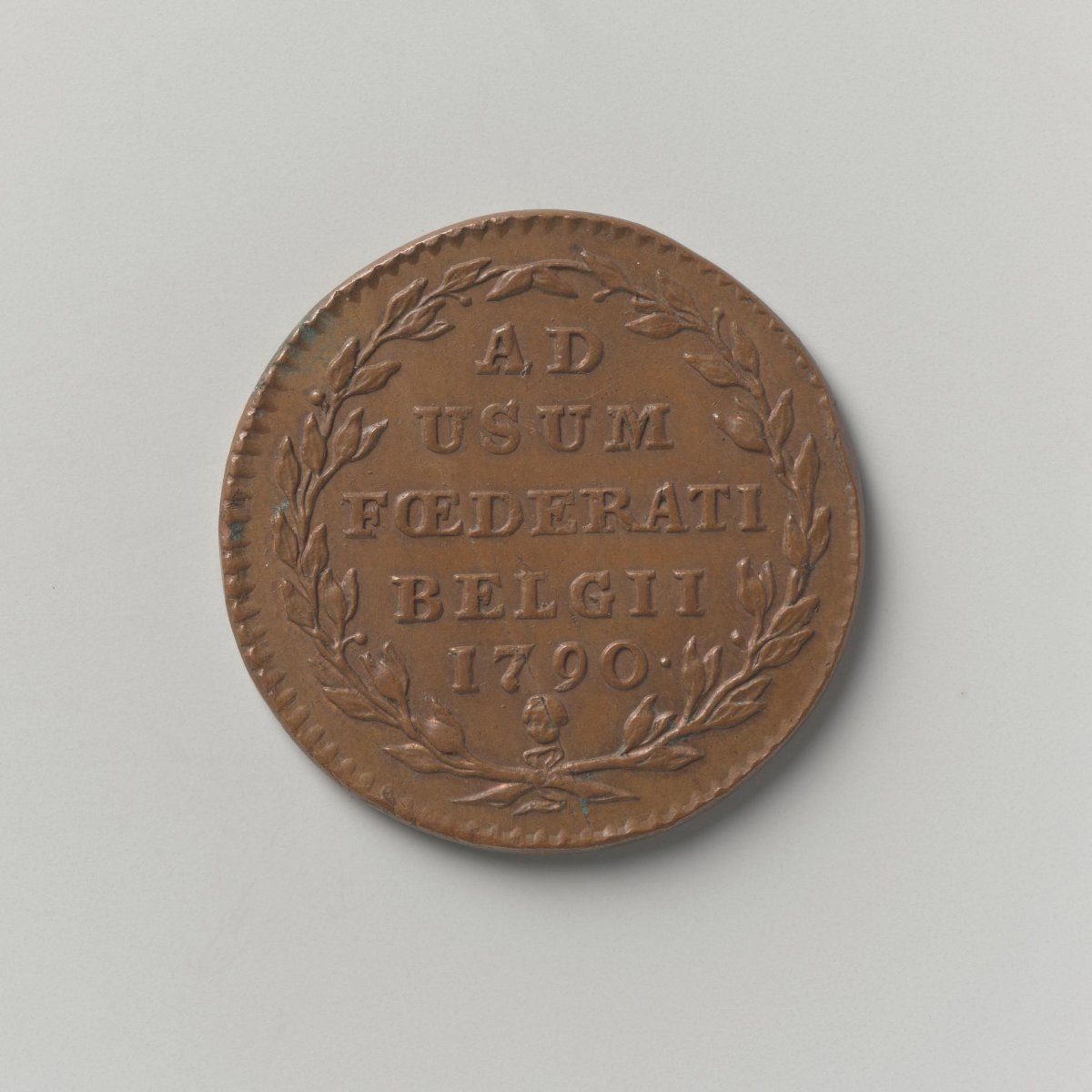
United Belgian States, double oord, 1790
1790
Copper coin. Obverse: standing lion to the right holding in its paws a spear surmounted by a cap of liberty. Reverse: within two laurel branches tied with a bow, a four-line inscription, below which is the date. Below that an angel's head. The Rijksmuseum, Amsterdam, holds this object as KOG-MP-1-2649; its record gi…
Partial type record
Rijksmuseum, Amsterdam
modern coins
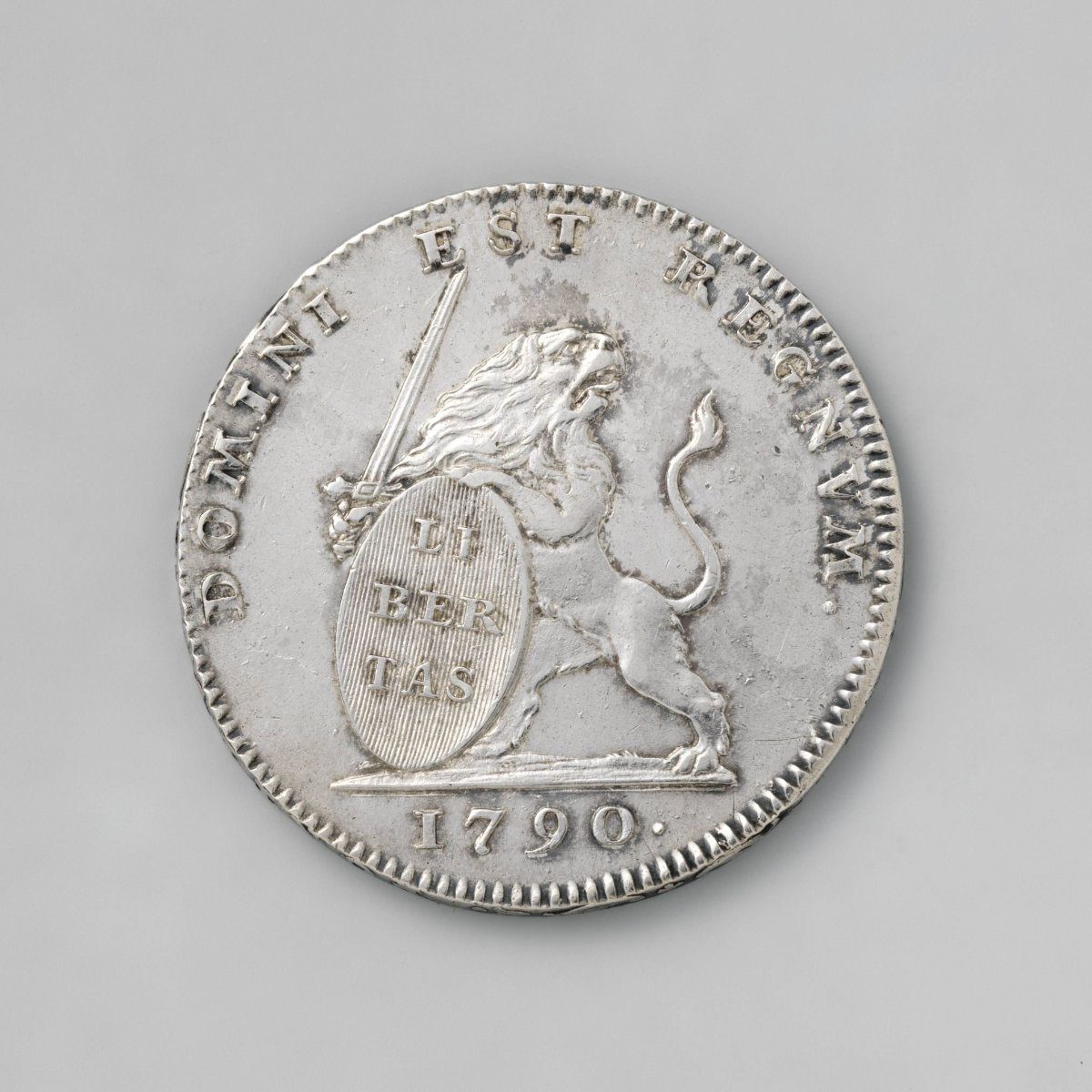
United Belgian States, silver lion, 1790
1790
Silver coin. Obverse: lion standing on ground with shield in front of it and sword in its right claw. Year in exergue. Reverse: around a radiant sun in the centre 11 coats of arms arranged radially. In circumscription angel's head [=mint mark of Brussels]. Raised edge lettering with decoration. The Rijksmuseum, Amst…
Partial type record
Welkinridge; derivative by Retroplum
modern coins
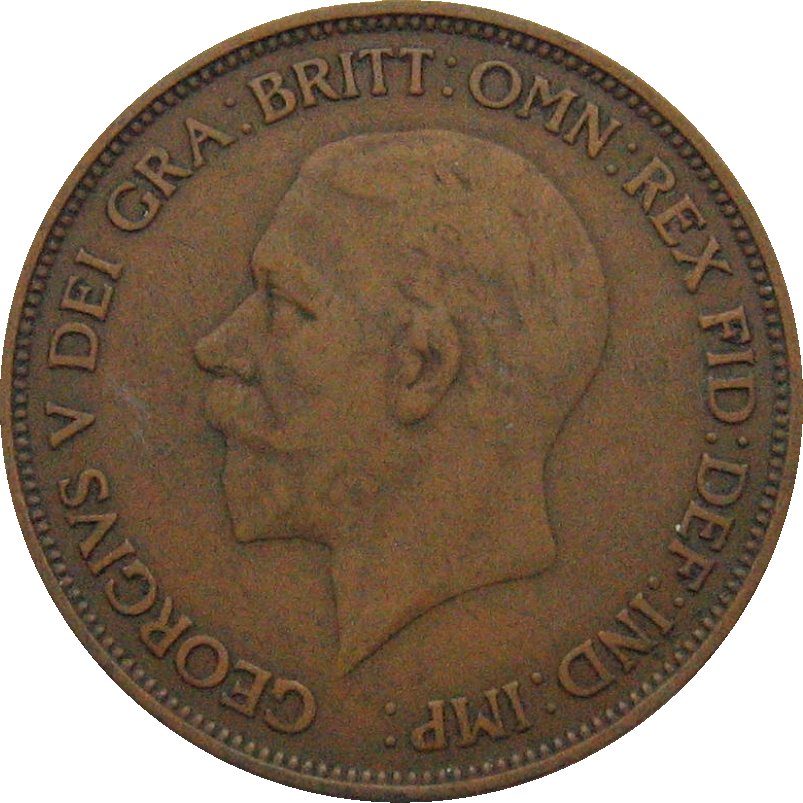
United Kingdom — George V — Bronze Penny
1911–1936
The United Kingdom George V bronze penny is a machine-struck pre-decimal coin representing one-twelfth of a shilling, or one two-hundred-and-fortieth of a pound sterling. Issued during the reign of King George V, the denomination continued the standard British bronze penny series that had originally been established…
Partial type record
Colonial Acres Coins Ltd. Fall 2026 Premier Auction (25-27 Sep 2026)
modern coins
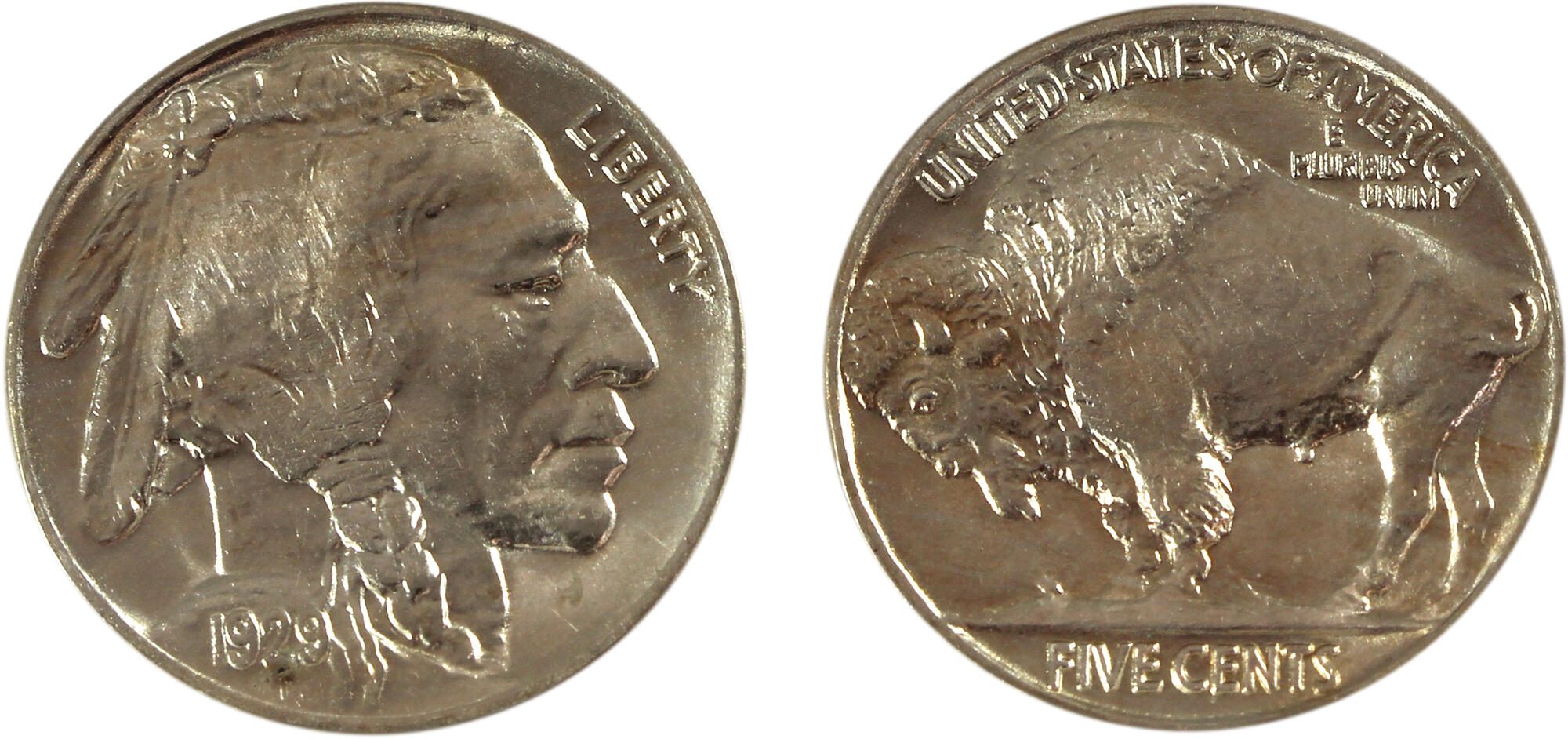
United States Buffalo Nickel
1913–1938
The United States Buffalo nickel, also referred to as the Indian Head nickel, is a five-cent piece struck in copper-nickel by the United States Mint from 1913 to 1938. The coin was introduced following a broader drive to enhance the aesthetic quality of United States coinage. Sculptor James Earle Fraser was commissi…
Partial type record