1. Start with prevention, not a cleaning recipe
Preventive care reduces the risks surrounding an object; treatment changes the object itself. A storage review, a supportive enclosure and a dated condition photograph are preventive measures. Polishing, removing corrosion, adding oil or replacing a component are interventions that can alter evidence. A bright finish is not a universal sign of good preservation. Original surfaces, inscriptions, coatings and traces of manufacture can be lost through a well-intended attempt to make a collectible look newer.
Begin by documenting the object as found and describing any concern without diagnosing it. A discoloured patch, a powdery deposit and a loose component are observations; their cause may need specialist examination. Do not test an unfamiliar cleaner on a hidden area and assume the result makes it safe. Significant, unstable or mixed-material objects deserve advice from an appropriately qualified conservator. This guide concerns planning and documentation, not conservation treatment, mechanical servicing, authentication or a commercial assessment of condition.
Reference: Museums Galleries Scotland: Caring for Metal Collections
2. Treat an object as more than its visible metal
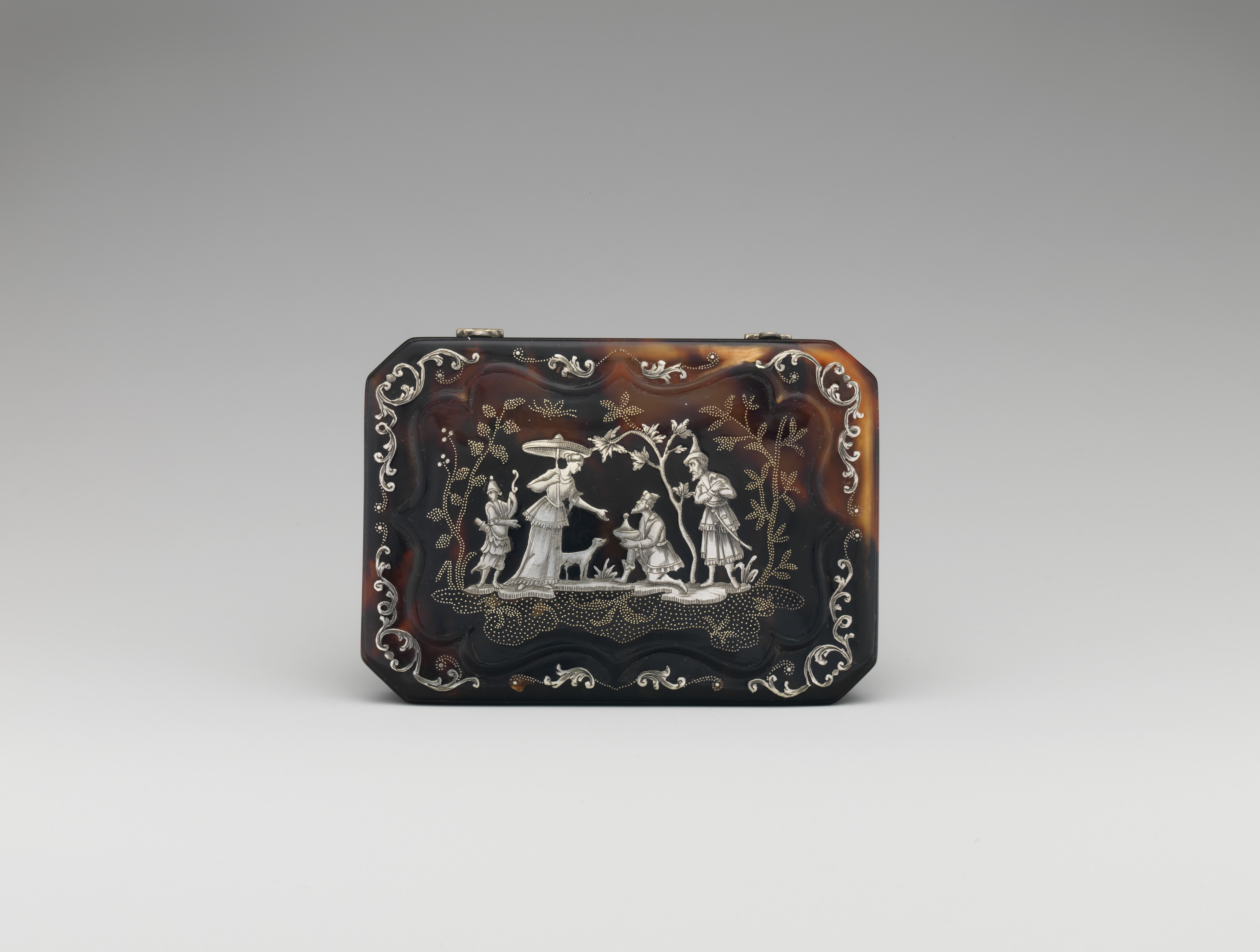
A medal may combine metal with a ribbon or enamel. A watch may include glass, a painted dial, seals and a leather strap. A camera can combine metal with wood, leather, optics, adhesives and coatings. The apparent metal on the outside does not establish the composition of every component or the storage needs of the complete object. Record the materials stated by a reliable source and keep visual guesses separate. Do not use colour alone to identify an alloy.
Mixed materials can respond differently to environmental conditions and handling. A very dry microclimate intended for an unstable metal may not be appropriate for every attached organic component. A method suitable for a plain metal coin cannot simply be transferred to an enamelled decoration or leather-covered camera. Where material information is incomplete, preserve that uncertainty and ask for advice before making a major environmental change. A storage plan should describe the whole object, its condition and its supports rather than rely on a single material label.
Reference: Canadian Conservation Institute: Storage of Metals
3. Prepare handling before lifting the object
Work over a clear, stable surface with enough space to set the object down safely. Remove food, drink and equipment that might fall onto it. Decide how the whole object will be supported before lifting it. For stable coins and medals, the Canadian Conservation Institute recommends handling by the edges and using suitable clean, well-fitting gloves. Glove choice must suit the surface, the condition and the user's grip; avoid treating one glove material as appropriate for every metal or fragile object.
Do not lift a watch by its crown, a medal by an insecure ribbon or a camera by a weakened strap. Projections and attachments may not support the object's weight. Use a tray or appropriate support when transferring something small or awkward, and keep movements deliberate. If gloves catch on fragile components or compromise control, stop and seek a safer handling plan rather than improvising. Photographs and written location records can reduce repeated handling, but they do not replace an assessment when the object is actively deteriorating.
Reference: Canadian Conservation Institute: Care of Coins, Medals and Medallic Art
4. Evaluate the storage location before buying a box
Look first at the room or cupboard: leaks, condensation, direct sunlight, dust and large environmental changes can defeat an otherwise good enclosure. Storage near a radiator, on a damp external wall or beneath plumbing can introduce avoidable risks. Keep objects away from floors where possible and plan for how they could be moved safely if water enters the space. A box is useful protection from handling and dust; it is not a cure for persistent dampness.
The Canadian Conservation Institute distinguishes stable metals, actively corroding metals and mixed collections when discussing humidity. Do not translate that guidance into one universal target for every household collectible. The condition, metal, attached materials and ability to monitor an enclosure matter. Record the actual environment where you can, rather than guessing from how dry the room feels. Seek professional advice for active corrosion or a proposed sealed microclimate. Adding a desiccant without a maintenance and monitoring plan is not a complete preservation strategy.
Reference: Canadian Conservation Institute: Storage of Metals
5. Choose known materials and supportive fit
Enclosures should protect against movement and abrasion without pressing on delicate surfaces. Keep information about the materials used in sleeves, trays, foams, tissue and boxes; the word archival is not a detailed specification. Storage materials can release substances that affect metals, and the Canadian Conservation Institute discusses risks from pollutants such as organic acids. An attractive wooden cabinet or unknown flexible plastic should not be assumed suitable simply because collectors have used it traditionally.
Consider how the object will be removed as well as how it fits inside. A tight cavity can scrape an edge, while a loose compartment may allow impact during movement. Support the weight-bearing parts rather than a dial, protruding control or delicate decoration. Keep associated cases and packaging documented, but do not assume an original case provides a safe long-term environment. If historic packaging is deteriorating, preserve its association and obtain advice about separating or supporting the object without discarding evidence of its history.
Reference: Canadian Conservation Institute: Storage of Metals
6. Make a condition map with dated photographs
Describe features in neutral, locatable language: a dent on the lower case rim, a crack crossing the dial, a powdery deposit beside lettering or a loose hinge. Include an overall view and a safely obtainable detail so the location can be understood. Record whether you examined the physical object or only photographs. A photograph can document visible appearance but may conceal looseness, concealed corrosion or a fragile coating. Do not turn what is not visible into a claim of absence.
Use comparable lighting and orientation for later observations, while retaining the original files. Reflections can make a mark appear or disappear, so a different-looking image does not automatically prove change. Where a change is suspected, record the dates and the relevant views, keep handling to a minimum and ask for advice. A condition record does not need a numerical grade to be useful. Its value lies in showing what was observed, where it was observed and how confidently another person can compare it.
Reference: National Park Service: Museum Handbook
7. Keep surface appearance separate from diagnosis
Patina and corrosion are not interchangeable labels for every dark or coloured surface. Museums Galleries Scotland distinguishes acceptable surface change from harmful ongoing deterioration in its metal-care guidance. An old appearance does not prove age or authenticity, and a bright appearance does not prove the absence of treatment. Record colour, texture and location as observations. Do not rub a deposit, scratch a surface or apply a reagent to decide which label feels most convincing.
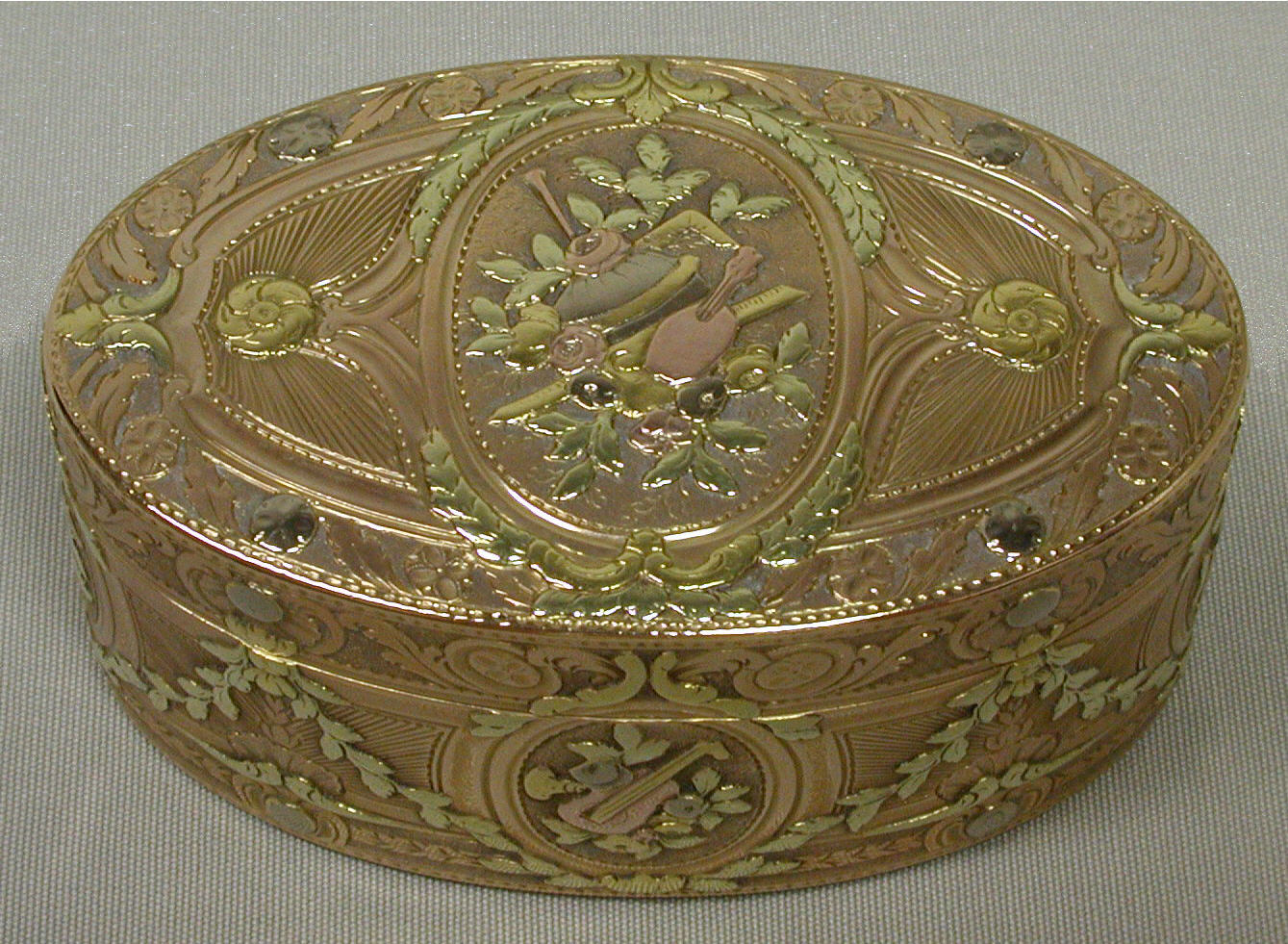
Loose powder, flaking, dampness or a noticeable change between dated observations warrants caution and qualified assessment. Do not remove a deposit merely because it looks unsightly: it may contain information or its removal may expose a vulnerable surface. Separate a suspected problem from neighbouring objects only when this can be done safely and with appropriate advice. Preserve the condition notes and any associated packaging information. General museum photographs illustrate objects, not a set of diagnostic standards for assessing your specimen's surface remotely.
Reference: Museums Galleries Scotland: Caring for Metal Collections
8. Do not operate a mechanism to complete a checklist
A watch, clock or camera may appear intact while its moving parts, lubricants or supports are unstable. Do not wind, fire, crank or force a control merely to record that it works. A lack of movement does not identify the cause of the problem, and an operating mechanism is not automatically safe to keep operating. Keep a note of the last documented use if known, attributed to its source. Treat undocumented operating claims as claims rather than a servicing history.
Photograph only safely accessible parts and state which remain concealed. Opening a case, removing a lens or dismantling a mechanism can create risks beyond ordinary documentation. Mechanical servicing and conservation may have different goals; discuss the significance of original parts, coatings and evidence before agreeing to intervention. Preserve any documented repair history separately from the visible condition. A replacement component can change identification clues, but a suspected replacement must not be stated as fact merely because it differs from one reference photograph.
Reference: National Park Service: Museum Handbook
9. Make display a managed period, not permanent exposure
Display introduces risks from supports, dust, light, handling and accidental contact. Stable metal may not share the light sensitivity of an attached ribbon, painted dial, leather or paper label. Plan for the most vulnerable components rather than assuming that a metal object can remain in sunlight indefinitely. An enclosed display also needs suitable materials and environmental assessment. Glazing does not remove every risk, and an improvised mount can impose stress on small parts.
Record when an object enters and leaves display and inspect it using a safe procedure. Consider a clearly labelled photograph for prolonged display or comparison, keeping the original in suitable storage. A reproduction should not be described as a new specimen. Keep the public caption tied to its source and rights record, particularly if it uses someone else's photograph. Display planning should make retrieval, condition checking and emergency movement straightforward without requiring the object to be handled repeatedly just to discover what is inside a case.
Reference: National Park Service: Museum Handbook
10. Plan routine review and a cautious emergency response
Maintain a location list and a schedule for checking the storage environment, supports and signs of change. Record the condition of the enclosure separately from the object. A stained lining may indicate a problem but does not establish its cause; keep the evidence rather than silently replacing it. Review whether a tray still supports the object adequately and whether associated parts remain identifiable. Store copies of documentation separately so a local incident does not remove both objects and their research history.
For water damage, suspected mould, active corrosion or unstable components, obtain professional advice instead of improvising treatment from a short online recipe. Identify a suitable contact before an emergency and know which objects or records need priority attention. Do not polish, oil, bake, soak or dismantle a collectible as a precautionary home remedy. A good preventive-care plan is deliberately modest: it reduces foreseeable risks, preserves evidence of condition and change, and recognizes when the next step requires expertise rather than another product.
Reference: National Park Service: Museum Handbook