Library · working reference
Collector research desk
A structured investigation starts with visible evidence, a precise question and a source another researcher can find.
A documented writing instrument
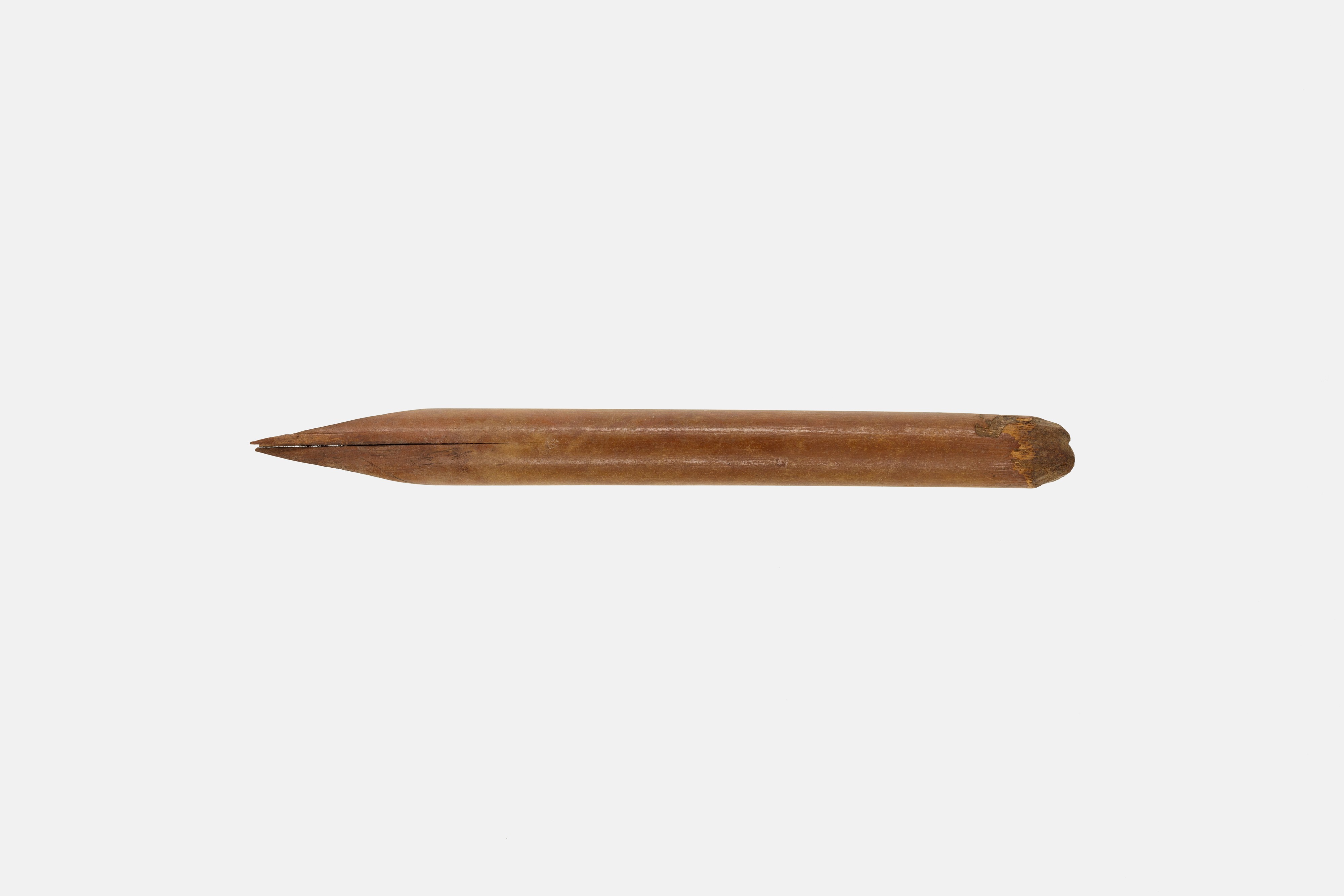
Pen — 97.4.101
30 BCE–364 CE · Reed
The Metropolitan Museum of Art — Gift of Egypt Exploration Fund, 1897 · Public domain / CC0 — The Met Open Access
Museum specimen and sourceHosted image ID: 58428fe8-b108-4386-bb36-9121c53b054a
These photographs document individual museum specimens, not authentication, legal ownership or a conservation diagnosis of another object. Wider type attribution remains under editorial review.
Keep the specimen and the type separate
The museum describes this object as a reed pen from Egypt, dated 30 BCE–364 CE. Its accession number identifies one specimen, not every reed pen of that period. The original wording, photograph and source remain together; a broader type definition still requires appropriate references. Do not recategorize it as a fountain pen or infer a maker from a broad historical period.
Use the same distinction when investigating a coin, stamp, watch or decorative object. A photograph establishes visible features in that view. A museum record supplies an attributed description. A specialist publication may define a type or variety. A legal document may concern possession or movement. Each answers a different question, and none should silently replace the others.
An evidence worksheet
- Object identity
- Record and compareLocal identifier; overall photographs; visible serials or inscriptions; examination date.
- Limits of the evidenceA generic name or one similar photograph does not identify an individual specimen.
- Proposed type
- Record and compareNamed reference, edition, exact identifier and the distinguishing features compared.
- Limits of the evidenceA museum accession number is not automatically a type reference.
- Ownership event
- Record and compareDated document, party as named and evidence linking it to this specimen.
- Limits of the evidenceAn attributed recollection or listing claim is not an established complete chain.
- Condition
- Record and compareLocated observations, dated photographs and concealed or unexamined areas.
- Limits of the evidenceA description is not a grade, diagnosis or treatment recommendation.
- Image permission
- Record and compareHosted image ID, original page, credit, stated licence and permission correspondence.
- Limits of the evidencePublic availability and attribution are not permission.
Before adding another catalogue entry
- 1.Search the exact museum or source object number, keeping its punctuation.
- 2.Compare direct source pages and identifiers before comparing generic titles.
- 3.Check whether a photograph is another view of a specimen already recorded.
- 4.Compare type references and documented distinctions; do not merge by title alone.
- 5.Fetch and inspect the photograph before saving a candidate record.
- 6.Keep the candidate in editorial review until the wider attribution is supported.
A useful stopping point
End with the evidence actually available: what is documented, what is proposed, what conflicts and what remains Research required. Specify the next source or safely obtainable observation that could resolve the question. Do not complete an empty field with a guessed date, catalogue number, material or maker.