1. Why production marks matter
Two coins of the same reign and denomination can come from different mints; two notes of the same design can come from different printers. Those differences are part of the object's documented identity, and specialist catalogues often organise their numbering around them. A record that captures only the ruler or the denomination is incomplete: the production mark is frequently the detail that distinguishes one catalogue entry from the next.
Production marks are also easy to misread. A letter on a coin may be a mint mark, an engraver's initial, a control mark or part of the design. A name printed small on a banknote may be the printer, not the issuing bank. Before assigning a meaning to any mark, establish its role from a reference that covers that specific issue, and record the mark's exact position and form so another researcher can check the reading.
Reference: Editorial methodology
2. Mint marks and mint cities on coins
A mint mark identifies where a coin was struck: a letter, monogram, symbol or abbreviation placed in a defined position, often in the exergue or within the design. Roman imperial coins used mint-city abbreviations in the exergue; later European and colonial coinages used letters or privy marks. The same issuing authority could operate many mints, and the mark, not the modern map, is the evidence for which one struck a given coin.
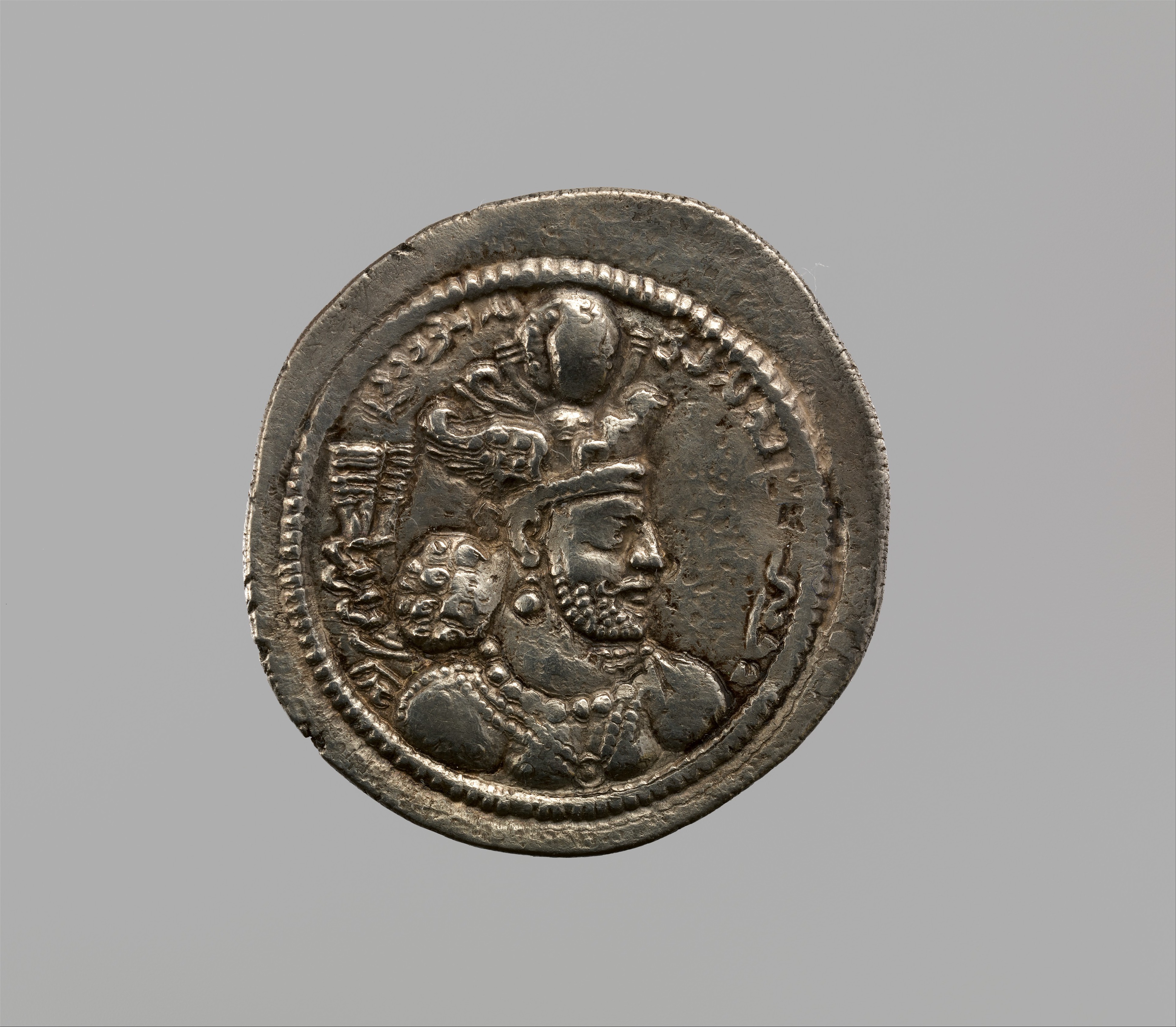
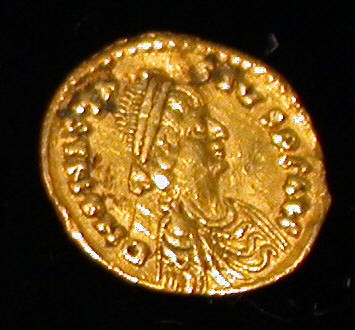
Record the mark exactly as it appears, including its position on the face. Where the mark is worn or partly off the flan, say so rather than completing it from a reference. Attribute the reading of any abbreviation to a named catalogue, because the same letters can denote different mints in different periods. The Sasanian drachm and Byzantine semissis illustrated in this guide are museum specimens whose mint attributions come from the museum's own records, not from the photograph alone.
Reference: Wikipedia: Mint mark
3. Printer imprints on banknotes and stamps
Banknotes and stamps were frequently printed by specialist security printers working under contract, sometimes in a different country from the issuer. The printer's imprint, often in small type in a margin or below the design, documents that production relationship. It is not the issuing authority, and recording it as such misfiles the object. Keep the issuer and the printer in separate fields, each with its own evidence.
Printings by different printers, or successive printings by one printer, can differ in paper, watermark, colour or perforation. Those differences are exactly what specialised catalogues use to separate printings, so a record that notes the imprint but not the observable printing characteristics is only half finished. Where the imprint is absent or illegible, record that fact instead of assuming the best-known printer for the issue.
Reference: Editorial methodology
4. Maker, assay and standard marks on metalwork
Silver and gold objects may carry a cluster of small stamped marks: a maker's mark identifying the producer, an assay or standard mark recording the tested fineness, and sometimes a town or date letter. Each mark has a distinct role, and a hallmark is a system of such marks, not a single stamp. Transcribe each mark's shape and symbols separately; a photograph of the whole cluster at readable resolution is usually the most reliable record.
Reading these marks requires reference tables specific to the country and period, because the same symbol was reused in different systems. A leopard's head, for example, means different things in different assay traditions. Attribute every identification of a mark to the table used, and keep the reading provisional where the mark is struck unclearly or only partially present. Never file an object under a maker because one mark vaguely resembles that maker's documented punch.
Reference: Wikipedia: Hallmark
5. Marks on watches, cameras and instruments
Watches carry serial numbers, calibre designations, case-maker marks and sometimes assay marks on precious-metal cases; cameras and scientific instruments carry maker names, model designations and serials. Each identifies a different thing: the movement, the case, the assembler or the retailer. A name on a dial may be the retailer rather than the manufacturer, and a case serial does not date the movement it currently houses.
Record every visible mark in its own field with its location: dial, movement, case interior, case exterior, lens barrel, nib. Note which components could not be examined without dismantling. Marriages of components are common in old watches and cameras, so the marks on one component must not be used to describe another. Where a mark conflicts with the apparent type of the object, record the conflict rather than resolving it silently.
Reference: Editorial methodology
6. A practical recording template for marks
For each mark, record: its exact form as seen, with a photograph where handling permits; its position on the object; its proposed role, such as mint mark, printer's imprint, maker's mark or serial; the reference used to read it; and a confidence note. Keep uncertain readings visible with a question mark rather than silently correcting them to match a familiar example.
Revisit mark readings when better evidence appears. A sharper photograph, a newly published die study or a museum's revised entry can change a reading, and the record should keep the earlier version with the reason for the change. The goal is a record where every production claim can be traced to a visible mark and a named reference, and where the absence of a mark is recorded as plainly as its presence.
Reference: Editorial methodology