Care begins with reducing handling
Paper collectibles combine a support with inks, coatings, gum, adhesives or other media. Two objects that look similar may respond differently to moisture, pressure or enclosure materials. A generic cleaning recipe is therefore not a safe starting point. Begin by limiting handling and recording the present condition. A clear photograph and a good location record often answer a research question without requiring the object to be taken out again.
Banknotes, stamps and postcards can carry evidence on both faces, including printer marks, postal use and later ownership notes. Do not remove a mount or separate attached papers simply to expose that evidence. Record the obstruction and seek advice if further examination is important. Removing a hinge, tape or backing is a treatment decision, not routine documentation. This guide concerns preventive care and description rather than restoration.
Reference: Library of Congress: Care, Handling, and Storage of Works on Paper
Choose a clean, stable storage location
The Library of Congress recommends a cool, relatively dry, clean and stable environment for works on paper, avoiding locations prone to leaks and extremes. For a household collection, this means thinking about the cupboard or room before buying more sleeves. Attics, basements, exterior-wall condensation and storage directly beside radiators can introduce avoidable risks. A box does not protect a collection from a persistent damp environment.
Environmental recommendations must be interpreted in context. Do not treat one humidity value as a universal prescription for every mixed-media object or every climate. Rapid fluctuations, condensation and persistent dampness are important warnings. Monitor the storage area when possible and keep records of problems. If paper appears damp, smells musty or shows suspected mould, avoid disturbing it and ask a qualified conservation professional about safe handling and isolation.
Reference: Library of Congress: Care, Handling, and Storage of Works on Paper
Limit light, especially during display
Light exposure can cause irreversible changes in paper and colourants. Storing an object out of light when it is not being viewed reduces cumulative exposure. Keep displays away from direct sun and intense light, and do not assume that glazing makes prolonged display harmless. Even an object protected from ultraviolet radiation can remain vulnerable to visible light. A fade is not something that can be reversed by returning an object to darkness.
For research or enjoyment, consider displaying a clearly labelled reproduction while keeping the original in protective storage. A digital comparison or a photograph can reduce repeated exposure and handling. If you do display an original, consider the medium, its condition and the duration, and seek advice for sensitive or significant objects. A display plan should record when the object was placed and removed rather than relying on memory.
Reference: Library of Congress: Care, Handling, and Storage of Works on Paper
Use enclosures appropriate to the object
Supportive folders and boxes help reduce abrasion, dust and handling damage. Select materials with clear specifications instead of relying only on the word archival. Acid-free and lignin-free paper or board is commonly used for protective storage, but buffering and enclosure choice must suit the particular object and media. A vendor’s label is not a conservation assessment. Keep product information so the material can be identified later.
Plastic sleeves also need a known composition and suitable construction. An unidentified flexible sleeve should not be assumed safe because it looks clear. Avoid sticky, deteriorating or strongly odorous packaging. An enclosure that fits too tightly can abrade or crease the paper; an oversized enclosure without support can allow movement. Fragile surfaces and friable media require specialist advice, since an ordinary sleeve may not be an appropriate choice.
Reference: Library of Congress: Care, Handling, and Storage of Works on Paper
Support the whole sheet while moving it
Work with clean hands and a clean, dry surface, keep food and drink away and handle only as much as necessary. Use a suitable support for fragile sheets rather than lifting them by one corner. Do not place a ruler, phone or magnifier directly on a vulnerable surface. A paper object should not have to support the weight of the documentation equipment.
Do not flatten a curled or folded item by force. The Library of Congress discusses flat or rolled storage for oversized works, but changing an existing fold or roll may require assessment of condition first. A brittle fold can tear when opened. Keep related components together through their record identifiers, and avoid paper clips, rubber bands, self-adhesive tape or glue as an organising shortcut. Secure organisation belongs in the enclosure and catalogue, not on the object.
Reference: Library of Congress: Care, Handling, and Storage of Works on Paper
Describe condition without inventing a grade
Use observable terms with locations: a horizontal fold, a tear entering from the lower margin, a stain near the denomination, abrasion at a corner or losses along a perforated edge. Photograph details with the same care as the overall image. Distinguish a visible stain from a proposed cause. A brown spot does not by itself establish a particular biological or chemical explanation.
Write down whether the description comes from direct examination or photographs. Images may conceal thinning, repairs, surface texture or alterations. Do not assign a commercial grade or claim originality from a screen comparison. A condition note can remain useful without a grade: it should let a reader locate the feature and understand what was examined. Date the note so future observations can be compared with it.
Reference: National Park Service: Museum Handbook
Keep treatment history separate from appearance
A bright-looking note or clean-looking stamp is not proof that it is untreated. If washing, pressing, trimming, repair or adhesive removal is documented, record the source and date of that information. If treatment is merely suspected, say why and retain the uncertainty. Do not convert a visual impression into a factual treatment history. Museum records, acquisition files and photographs may provide evidence, but their silences are not proof of absence.
Do not bleach, wash, iron, laminate or tape a paper collectible as a home remedy. These actions can permanently change the support or media and may obscure evidence. The Library of Congress advises against self-adhesive tape and glue in handling works on paper. When a tear, unstable mount or adhesive problem needs intervention, consult a qualified conservator and preserve the condition record made before treatment.
Reference: Library of Congress: Care, Handling, and Storage of Works on Paper
Plan for access, review and emergencies
Keep a location record so an object can be retrieved without searching through every folder. Periodically inspect storage for leaks, pests, enclosure deterioration and changes, using safe handling. Separate the condition of a storage material from the condition of the object: a stained sleeve does not necessarily mean the paper is stained, but it may require investigation. Record what you find and avoid silently replacing evidence of a problem.
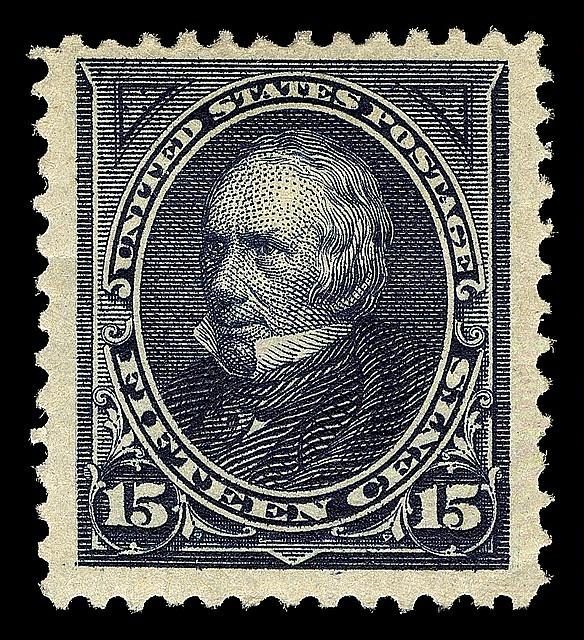
Have a simple response plan for water or other damage: identify who can advise, where records are backed up and how affected objects can be located. Do not improvise treatment from a general website during an emergency. The museum specimens below illustrate source-linked paper objects, not approved storage arrangements or condition benchmarks. Their photographs help identify visible features; they cannot establish which enclosure or treatment is suitable for your own object.
Reference: National Park Service: Museum Handbook