A definitive series is a family, not one stamp
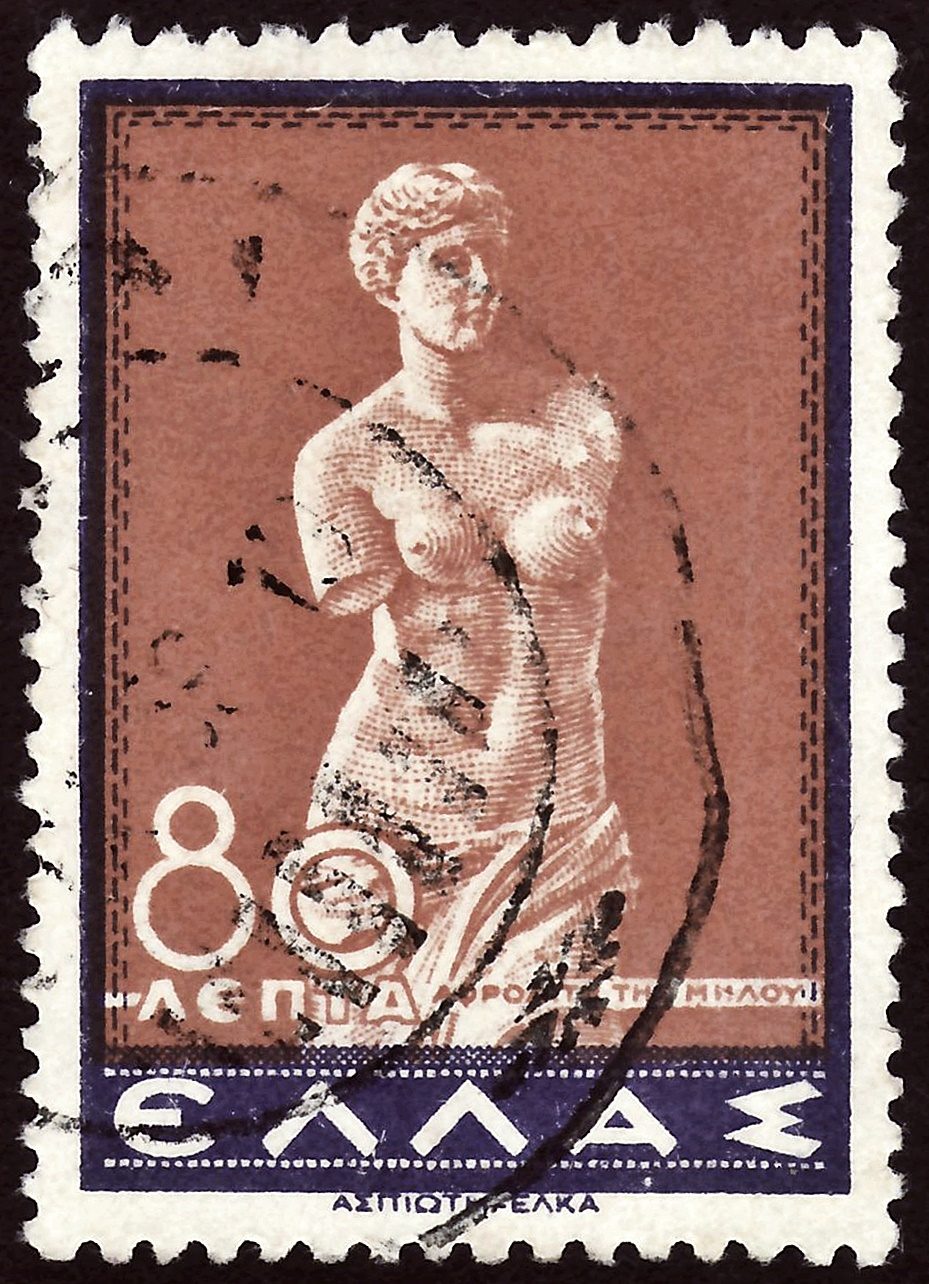
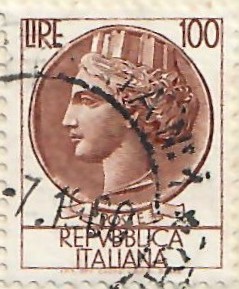
Definitive stamps were issued for everyday postage and often stayed in use across many years, values and printings. A series name such as a recurring allegorical design identifies a family of issues, not a single object. Begin a record by stating which design you can see, which value is printed and which issuing postal administration appears in the inscription. Keep the historical issuing entity as written on the stamp rather than replacing it with a modern successor state.
Treat the series entry as context and your stamp as a specimen. Two stamps with the same picture and value can belong to different printings, papers or perforation measurements, and specialist catalogues may separate them. Record what is visible and leave the finer distinctions as open questions until a named reference with its edition has been compared line by line.
Reference: Editorial methodology
Describe the face before consulting a catalogue
Transcribe the inscription and value exactly, including currency words, abbreviations and any overprint. Note the colour in plain words and say under what light you looked; colour names in catalogues are conventions, and photographs shift hue. An overprint is a separate layer of evidence: record its wording, position and colour separately from the underlying design, and do not assume it is genuine because it resembles a published illustration.
Write down the design elements you can see — portrait, allegory, numeral, frame — without inferring the designer or printer unless the stamp carries an imprint or a cited source names them. A clean description lets another researcher check your proposed match instead of trusting it.
Reference: Editorial methodology
Perforation, paper and watermark are measured, not guessed
Perforation gauge counts the holes along a fixed length and is measured with a gauge, on each side where possible. Record the figure and the side; a stamp can gauge differently horizontally and vertically. Imperforate margins, rouletting and trimmed edges are different features and should not be confused. A trimmed perforated stamp can look imperforate in a photograph.
Paper type and watermark can matter for identification but are easy to get wrong. Do not soak, heat or apply fluids to reveal a watermark unless you know the stamp and its inks tolerate it; some inks are fugitive by design. If a watermark could not be examined safely, record it as unexamined rather than absent. Handle stamps with tongs and keep them in inert mounts or stock pages away from light and humidity swings.
Reference: Library of Congress: Care of works on paper
Postal markings are evidence of use, not decoration
A cancellation records that a stamp passed through the post, or that it was cancelled to order. Transcribe any legible town name, date and office number, and note whether the mark ties the stamp to an envelope. A stamp on its original cover carries more evidence than a loose stamp: routing marks, receiving marks, rates and addresses can all be recorded, but each should be read rather than assumed.
Do not remove a stamp from a cover to make it easier to file. The combination is the evidence. When a postmark date and a printed issue date differ, keep both; they answer different questions — when the stamp was issued and when this example was used.
Reference: Smithsonian National Postal Museum
Catalogue numbers belong to named catalogues
Stamp catalogues use their own numbering systems, and the same stamp has different numbers in different works and editions. Record the catalogue title, edition year and number together. Never write a bare number, and never invent one from a resemblance. If two catalogues group a printing differently, keep both references and explain the disagreement rather than choosing the more familiar one silently.
Orbis records do not carry prices or rarity statements. Catalogue valuations change, depend on condition and are outside the purpose of this reference. Where a catalogue entry has been consulted, record which identification features it uses.
Reference: Editorial methodology
Build a dossier that survives later revision
Scan or photograph the face and back at a known scale with a ruler in the frame, plus any cover. Keep the original files, the gauge readings and the catalogue comparison together. Mark which statements are observations, which come from a source and which are your proposal.
The live figures below show how many stamp entries Orbis currently publishes and how they spread by period and confidence. They are a snapshot of this catalogue, not a measure of how many stamps were printed or survive.
Reference: National Park Service: Museum Handbook