Give each identifier its own role
A model name, case reference, movement calibre and serial number identify different things. Begin by copying exactly what is visible on the dial, case and any safely accessible component. Store a photograph beside each transcription. A brand on the dial does not establish the maker of every component. A movement calibre can appear in several watch references, while a model family can contain several movements and case configurations.
Use a local identifier for your physical watch so it remains the same object if its attribution changes. Keep a museum object number separate from manufacturer references. A dealer’s model name may be a useful search phrase without being a confirmed identification. Do not decode a serial into a year unless the numbering system and the relevant production series are documented. Preserve leading zeros and the location of the mark.
Reference: Editorial methodology
Compare case and dial as separate evidence
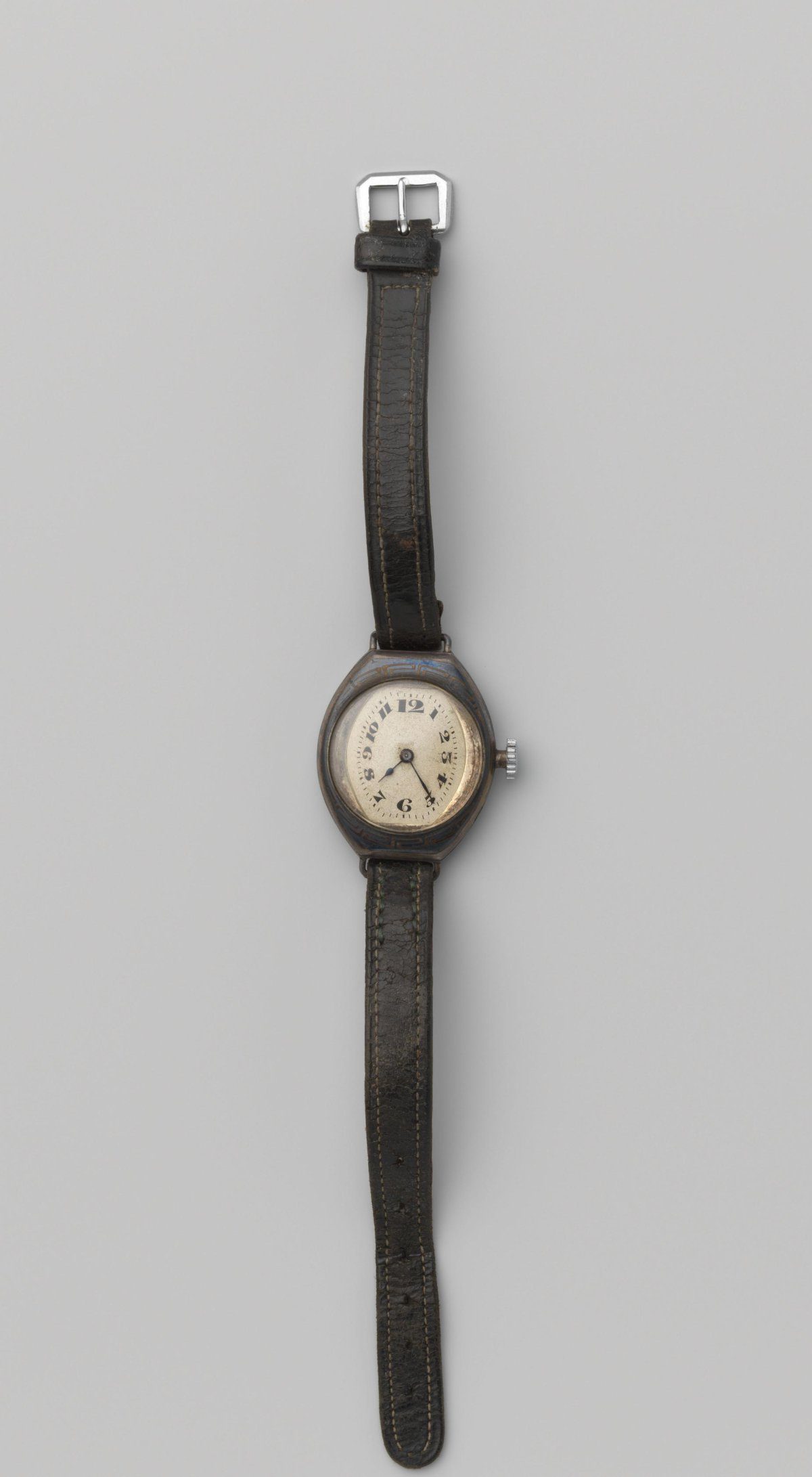
Describe the case shape, material as sourced, dimensions when measured and the positions of visible marks. Record a dial’s wording, layout and hands without assuming they are original to the case. A maker’s archive or a reliable reference can define a configuration, but a similar photographed watch may have replacement parts. Surface colour alone cannot identify an alloy or demonstrate that a finish is original.
Build a comparison matrix with case reference, dial layout, movement and any documented production range. Record which features match and which have not been examined. Photographs can hide refinishing, printing details or marks beneath a strap. Do not remove a fragile strap or open an unfamiliar case merely to complete a form. The research question should determine whether specialist examination is worth the risk.
Reference: Editorial methodology
Use movement information only when safely available
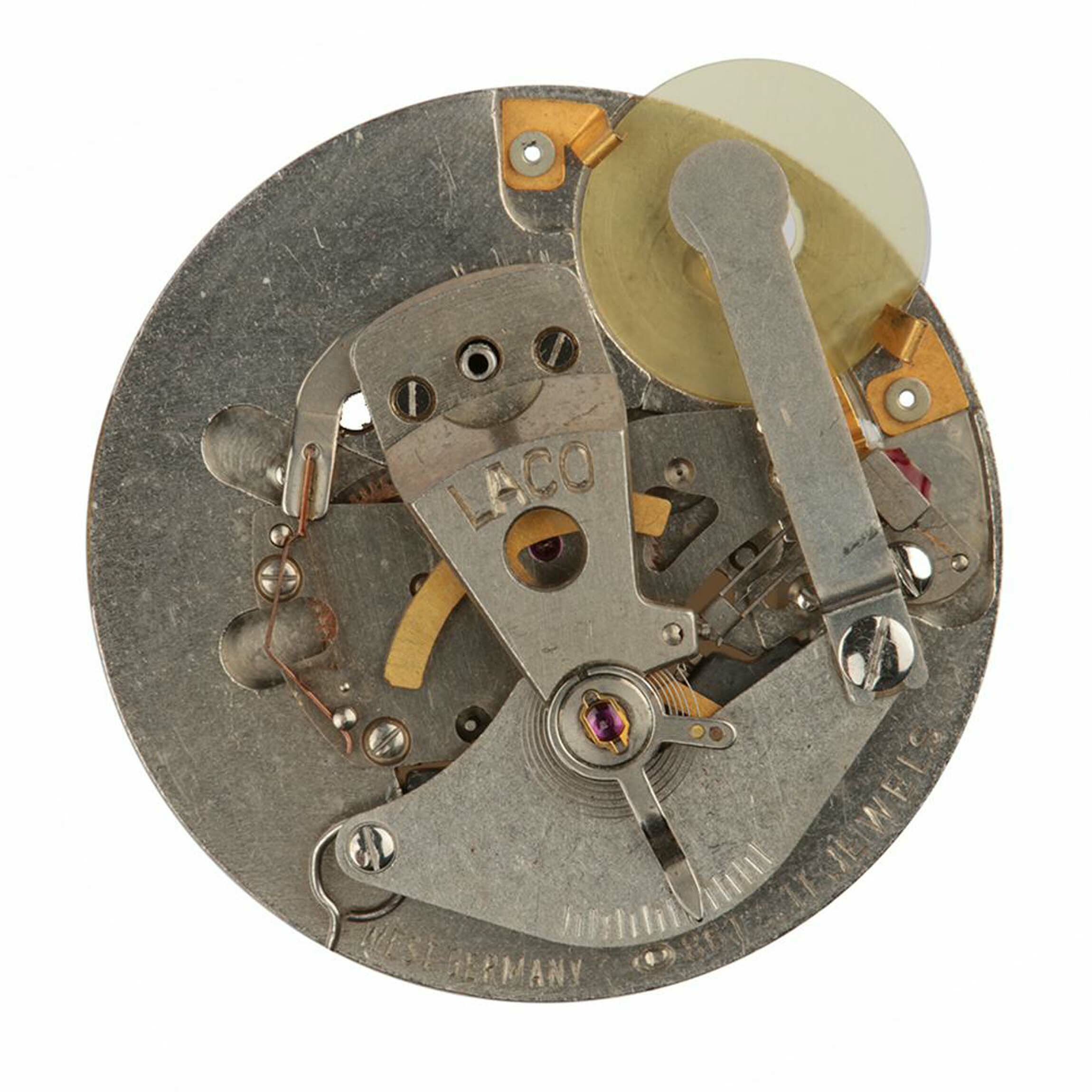
If an existing source provides a movement view, identify which visible markings and construction features it actually supports. A photograph of a complete case does not establish the escapement or a hidden calibre. Ask a qualified watchmaker about opening or examining a watch when required; do not improvise tools or force a case back. Store the movement photograph with its source and specimen identifier.
Distinguish a movement number from a case number and an escapement design from the whole movement calibre. An escapement diagram can explain a mechanism, but it is not a photograph proving that mechanism is fitted to your watch. A source may document a type through an educational model; label that example as a model of the mechanism. Keep uncertain or modified construction explicit rather than assigning a familiar calibre by silhouette.
Reference: Editorial methodology
Record replacements without turning them into conclusions
Keep visible discrepancies as observations: dial wording differs from the reference, hands differ from an illustrated example, or a case mark cannot be read. Their explanation may involve variants, repairs, replacement parts or a wrong attribution. Do not select one explanation solely because it is common. A documented service invoice can support the work it records if it is connected to the exact watch.
Retain dated service records, photographs before and after documented work and the words the technician used. Separate an owner’s recollection from a workshop record. A receipt that says only watch repair may not identify which watch was serviced. Replacement parts do not supply a new manufacture date for the entire watch. When a source’s reference or date conflicts with another, keep both claims and the evidence behind each.
Reference: Editorial methodology
Treat operation and condition as different observations
Record what was observed during a particular examination without promising reliable operation. A statement that a watch ran at one moment is not a service history or a guarantee of accuracy. Do not wind, shake or operate an unfamiliar or unstable mechanism just to demonstrate it for a photograph. Leave lubrication, dismantling and mechanical treatment to a qualified specialist.
Document scratches, corrosion, loose parts and damaged attachments neutrally. Avoid grading or diagnosing from a web image. Water resistance is not established by a historical model specification or an intact-looking case; an individual watch may have aged or altered seals. Keep condition, identification and conservation questions separate so research notes do not become unintended assurances.
Reference: Editorial methodology
Build a dossier that another researcher can revisit
Retain case, dial and movement references with their source, edition and relevant passage. Keep full-resolution originals, dated condition notes and service documents securely associated with the local object identifier. Personal collection information stays private; published catalogue examples are comparanda rather than an authentication of your watch. A public photograph also needs its own source credit and stated reuse rights.
Conclude with the narrowest supported identification: model family, reference or movement attribution as appropriate, together with what remains unseen or disputed. Do not invent a production span to fill a gap. Live catalogue figures below describe the currently published wristwatch branch and its recorded evidence. They are not manufacturer production totals, survival estimates or an assessment of your collection.
Reference: National Park Service: Museum Handbook