coins · Orbis Magazine · English
How to Identify Old Coins for Free: A Practical Guide
You can identify many old coins for free by recording their designs, inscriptions and measurements, then comparing both sides with reliable references. This guide explains how to build a defensible identification without cleaning the coin or confusing a visual match with authentication.
30 September 202615 min readSearch topic: “how to identify old coins for free”
Key takeaways
- Photograph both faces and the edge before searching, and never clean a coin just to make it easier to identify.
- Search with exact readable lettering, dates and design details rather than broad phrases such as old coin.
- Compare the complete object: issuer, denomination, both designs, inscriptions, date and available measurements.
- Use museum records as documented comparisons, but do not treat a similar photograph as proof of authenticity.
- Keep identification, authentication, condition assessment and value research separate.
- When the evidence does not support an exact attribution, record the uncertainty as research required.
How can you identify old coins for free?
To identify old coins for free, photograph both sides and the edge, copy every readable inscription, note the diameter and weight if you already have suitable tools, and compare those details with museum collection records and reference books available through a library. Search first for a distinctive word, date or combination of design elements. If you remain unsure, ask a coin-collecting community or local club to review your evidence. Do not clean the coin, and treat an image-search result as a lead rather than a final identification.
The aim is to establish what type of object you have, who issued it, its denomination and its approximate or recorded date. A more detailed attribution may distinguish a particular inscription or design variety. You do not need to resolve everything at once: a reliable identification at the level of issuer and denomination is more useful than an unsupported claim about an exact variety.
Keep four questions separate: What is it? Is it genuine? What condition is it in? How should its market history be researched? A reference match mainly addresses the first question. Commercial services may offer attribution, authentication, grading and encapsulation, but these are distinct activities, and a beginner can undertake useful identification research without commissioning them. [4]
- Start with the coin as found: photograph it before any intervention.
- Record visible evidence before reading suggested identifications.
- Find several possible matches, then eliminate those with conflicting details.
- Save the reference and the reasons for your preferred identification.
- Label unresolved details research required rather than filling gaps by guesswork.
Begin with the strongest clue
A clear word or unusual inscription fragment usually makes a better first search than an impression such as ancient-looking or silver-colored. Combine the clue with coin and a second visible feature.
How should you handle and photograph an unidentified coin?
Handle the coin by its edges over a clean, soft surface, using clean, dry hands and avoiding contact with the faces. If it is fragile, flaking or heavily encrusted, minimize handling rather than trying to expose more detail. Cleaning, polishing, rubbing and scraping can remove evidence or alter the surface. Dirt that obscures a letter is a reason to record uncertainty, not a reason to use an abrasive or chemical treatment.
Take one straight-on photograph of each face and several edge photographs if the edge carries lettering, a seam or another feature worth documenting. Use a plain background, steady the camera and keep the whole coin in focus. Diffuse light is a useful starting point; a second photograph with light from the side may make shallow lettering easier to read. Retain the original images rather than relying solely on sharpened or heavily edited versions.
Coins commonly carry images, numerals and text. Their two faces are called the obverse and reverse; the obverse often has a prominent person's head, but that convention is not enough to orient every unfamiliar object. [2] If you cannot tell which face is which, label your photographs Side A and Side B. An accurate pair of photographs matters more than assigning the correct terminology at the outset.
- Photograph the whole coin before taking close-ups of difficult details.
- Include a ruler in one separate image without covering the edge.
- Use the same background and image scale for both faces where practical.
- Avoid filters, artificial recoloring and edits that might change the apparent lettering.
- Give each coin an individual label so photographs of different objects do not become mixed.
Do not clean to improve identification
Avoid metal polish, household cleaners, scraping and rubbing. Photograph the surface as it is. If important details remain hidden beneath corrosion or deposits, record research required and seek conservation advice before intervening.
Live counts from the Orbis catalogue search at the time of writing.
What details should you record before searching?
Create a short identification sheet for each object. Begin with observations that another person could check: visible lettering, design elements, shape, edge appearance and measurements. Separate those observations from interpretations. For example, write a standing figure holding a long object rather than naming a deity before a reference supports that identification. Likewise, record a yellow or gray appearance rather than declaring a particular metal from color alone.
If you already have suitable equipment, measure diameter in millimeters and weight in grams, noting the precision your tools actually provide. Do not buy equipment merely to begin a free search: photographs and inscriptions can provide a useful first attribution. If a measurement is estimated from a ruler photograph, say so. Never compare a rough estimate as though it were a precise specification, and do not infer authenticity from a measurement alone.
Document what is known about the coin's history, such as an inherited label, an old envelope or a previous owner's note. Treat such information as evidence to investigate rather than proof. Preserve original wording and distinguish it from your own conclusions. A label saying Roman, for instance, is a starting hypothesis; the object still needs to be compared with relevant references.
| Detail | What to record | How it helps |
|---|---|---|
| Both faces | Main image, small symbols and their positions | Checks whether a candidate matches the complete design |
| Inscriptions | Exact visible letters, with question marks for uncertain characters | Provides searchable words and distinguishes similar issues |
| Date | Visible numerals exactly as written | Creates a search clue without assuming the calendar |
| Diameter and weight | Measured figures, units and any measurement limitations | Allows comparison when a trustworthy reference supplies specifications |
| Edge | Plain, patterned, lettered or unclear; include photographs | Adds evidence that face photographs may miss |
| Surface and condition | Wear, scratches, deposits and missing areas | Explains why particular details cannot be read reliably |
| Associated records | Envelope wording, labels and documented ownership information | Preserves research leads without treating them as established facts |
How do you read inscriptions, dates and unfamiliar scripts?
Read the inscription in short segments, rotating the photograph rather than repeatedly handling the coin. Copy the letters as they appear, including spaces, punctuation and obvious gaps where possible. Use a question mark for an uncertain character and a note for an unreadable stretch. Keep this literal transcription beside any expanded reading. Otherwise, a suggested ruler's name can influence what you think you see in worn lettering.
Search a distinctive readable fragment together with coin, then refine with a visible date, denomination or design. Try sensible spelling variants or a longer fragment only when the image supports them. A portrait by itself is usually a weaker starting point than a portrait combined with a readable name and a matching reverse. Do not force an unclear character to fit the first attractive result.
For an unfamiliar script, seek help transcribing the inscription before trying to translate or date it. Copy visible numerals exactly and do not assume they use the calendar or dating system familiar to you. If a date conversion or interpretation cannot be checked against a suitable reference, write research required. A museum's date range can also describe an attribution rather than reproduce a date visibly written on the coin.
Keep the search focused on physical currency. The word COIN has unrelated meanings, including a band, a board-game series and a stock-market symbol. [3] Adding terms such as inscription, denomination, museum collection or the suspected issuer helps filter irrelevant results. If your search produces only vague visual similarities, return to the transcription rather than adding unsupported historical guesses.
- Search an exact, clearly readable phrase in quotation marks.
- Combine an inscription fragment with a visible numeral or symbol.
- Try the suspected denomination only as a hypothesis until the design agrees.
- Keep literal transcription, translation and interpretation in separate notes.
- For an unreadable inscription, request help with the letters before requesting an exact attribution.
Which free references are most useful?
Start with documented collection records and reference books you can consult without buying them. Museum records provide named objects and stable collection identifiers, making it easier to explain exactly what you compared. The Rijksmuseum records listed below are useful examples of documented coin attributions. [1] For a wider search, ask a public library about relevant catalogues and borrowing options; availability and access arrangements need to be checked locally.
Use general reference articles to learn vocabulary, not to settle an exact variety. Coin collecting concerns coins and other minted legal tender, while numismatics is the broader study of currency. [4] That wider field includes tokens, medals, paper money and related objects. [5] This distinction matters when your supposed coin has no obvious denomination or when searches among circulating coin types fail to produce a convincing match.
Compare sources at the level they actually document. A record naming a ruler and denomination may support a broad attribution without settling a mint, exact issue or inscription variety. Never borrow specifications or rarity descriptions from a neighboring entry. If an image or measurement is unavailable, mark that part of the comparison incomplete. Save the title, institution, identifier and the details you used so you can revisit the reasoning.
Image search, automated recognition and collector posts can help generate candidates, but the candidate must lead back to checkable evidence. A repeated caption is not necessarily independent confirmation: several pages may repeat the same mistaken identification. Prefer a documented comparison and an explanation of matching features over a large number of visually similar results.
A reference object is not an authentication certificate
A documented museum coin can establish that a type exists and show how that object is catalogued. It does not establish that a similar object in your possession is genuine, has the same metal composition or belongs to the same exact variety.
How can museum examples help narrow an identification?
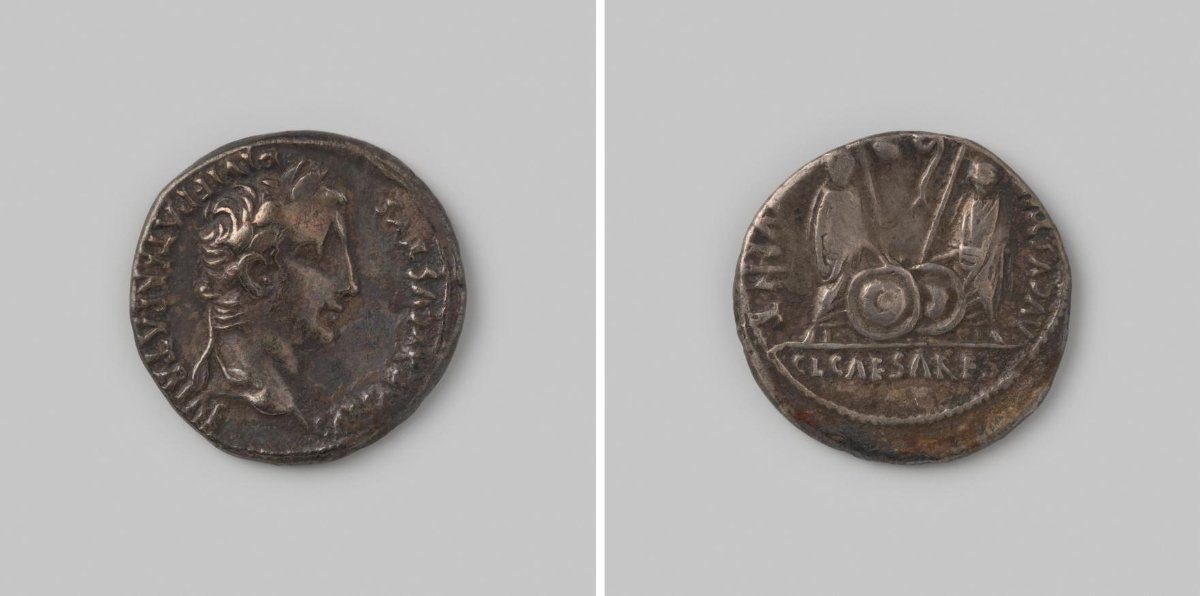
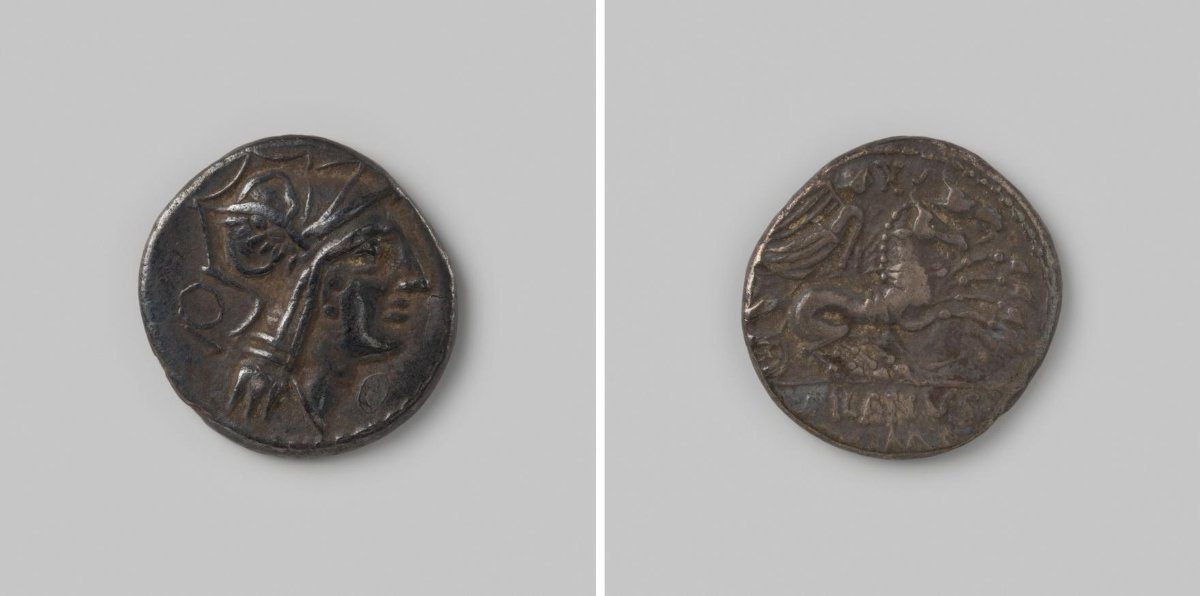
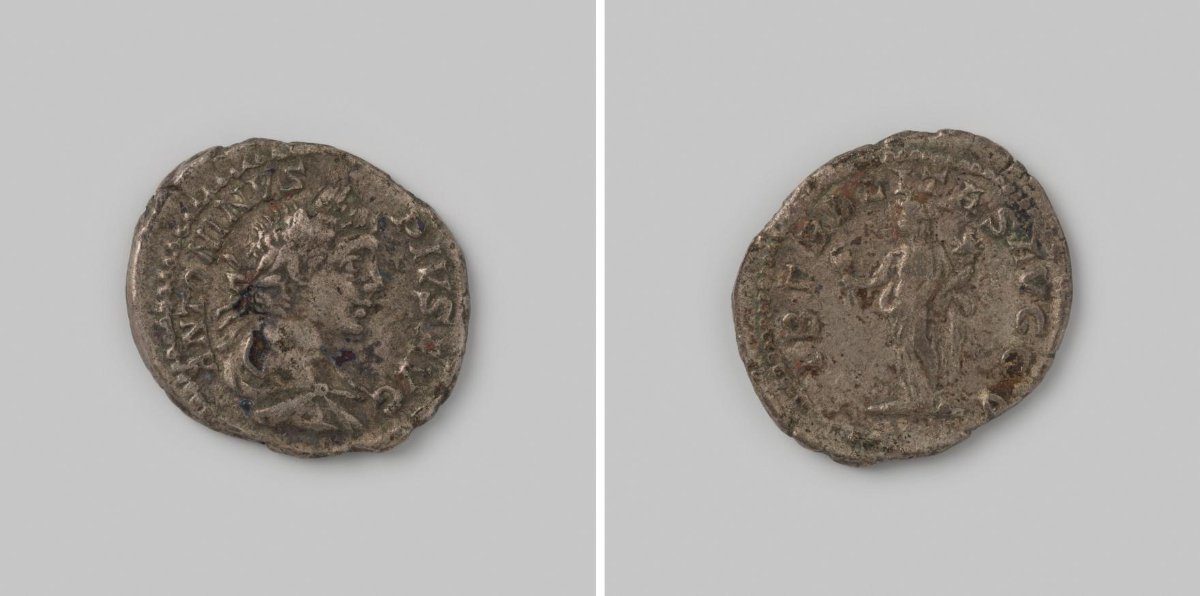
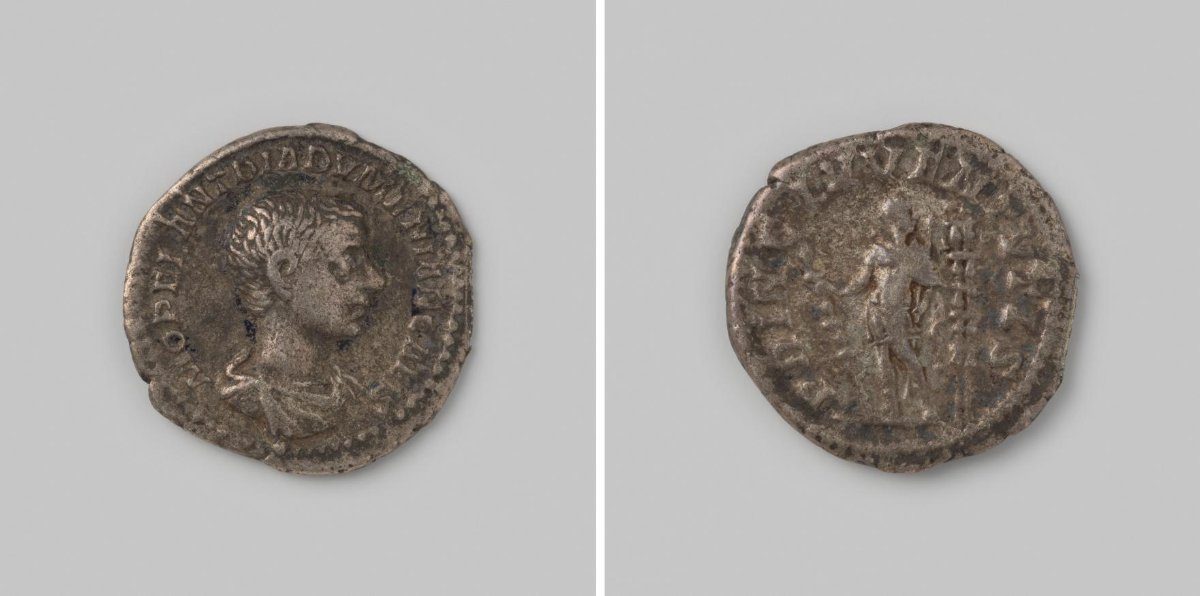
Use catalogue entries as comparison anchors, not as a list from which you must choose. The Rijksmuseum records include Republican and Imperial Roman denarii as well as later halfpenny-related objects. [1] Begin with a plausible family, then check the issuer, wording and both designs. The table summarizes only what the supplied records establish; it does not add metal specifications, measurements, mint attributions or rarity claims.
The Roman examples demonstrate why a denomination alone is insufficient. The museum records a denarius associated with the Republican moneyer Decimus Junius Silanus dated 91 BCE, an Augustus denarius dated across 27 BCE–14 CE, and a Pertinax denarius dated 193. [1] (see: Denarius uit de Romeinse Republiek van monetarius Decimus Junius Silanus, -91) (see: Denarius uit het Romeinse Keizerrijk van Augustus, 27 v. Chr. - 14 n. Chr) (see: Denarius uit het Romeinse Keizerrijk van Pertinax, 193) Those entries share a denomination but not an issuer or date. A search for denarius is therefore a beginning, not an identification.
The later examples show why even a familiar denomination needs geographic and issuing-authority checks. The records include an Ionian Islands halfpenny or obol under British rule, dated 1819, alongside halfpennies catalogued under George III, George IV and George V. [1] (see: ½ penny of obool uit de Ionische eilanden onder heerschappij van Groot-Brittannië, 1819) (see: ½ penny uit Engeland van George III, 1806) (see: ½ penny uit Engeland van George IV, 1826) (see: ½ penny uit Engeland van George V, 1923) Do not select an English attribution solely because halfpenny seems plausible; compare the complete record with the object.
Preserve discrepancies in the evidence. The Diadumenianus entry has 218 in its title but a museum dating field of 217–218. [1] (see: Denarius uit het Romeinse Keizerrijk van Diadumenianus, 218) Those statements should not be silently flattened into one precise date. If you need to know why the fields differ, research required. Similarly, a broad museum date range should not be presented as a visible date on your coin.
| Catalogue attribution | Museum dating | Identification lesson | Record |
|---|---|---|---|
| Republican denarius, Decimus Junius Silanus | 91 BCE | A named moneyer can be central to the attribution | (see: Denarius uit de Romeinse Republiek van monetarius Decimus Junius Silanus, -91) |
| Imperial denarius, Augustus | 27 BCE–14 CE | Preserve a documented range rather than inventing an exact year | (see: Denarius uit het Romeinse Keizerrijk van Augustus, 27 v. Chr. - 14 n. Chr) |
| Imperial denarius, Caracalla | 198–217 | Confirm the ruler with inscription and design evidence | (see: Denarius uit het Romeinse Keizerrijk van Caracalla, 198-217) |
| Imperial denarius, Diadumenianus | 217–218; title states 218 | Retain the difference between title and dating field | (see: Denarius uit het Romeinse Keizerrijk van Diadumenianus, 218) |
| Denarius under Elagabalus, in the name of Julia Maesa | 222–223 | Read the full attribution, including in whose name it was issued | (see: Denarius uit het Romeinse Keizerrijk van Elagabalus, op naam van Julia Maesa, 222-223) |
| Imperial denarius, Pertinax | 193 | A matching denomination does not establish the issuer | (see: Denarius uit het Romeinse Keizerrijk van Pertinax, 193) |
| Ionian Islands halfpenny or obol under British rule | 1819 | Check geography and alternative denomination wording | (see: ½ penny of obool uit de Ionische eilanden onder heerschappij van Groot-Brittannië, 1819) |
| English halfpenny, George III | 1806 | Compare the ruler and date together | (see: ½ penny uit Engeland van George III, 1806) |
| English halfpenny, George IV | 1826 | Do not group different rulers under one attribution | (see: ½ penny uit Engeland van George IV, 1826) |
| English halfpenny, George V | 1923 | Check the complete record rather than denomination alone | (see: ½ penny uit Engeland van George V, 1923) |
How do you ask other collectors for a reliable identification?
When asking a coin club, discussion group or knowledgeable collector for help, make the evidence easy to inspect. Post clear photographs of both faces together, add an edge image if useful, and include your literal inscription transcription. State whether weight and diameter were measured or estimated. Explain what you have already compared, but distinguish a suspected identification from facts visible on the object.
Ask for reasons and references, not just a name. A useful reply should explain which letters, symbols or design arrangement support the attribution and what remains unresolved. If someone supplies a catalogue number, ask which catalogue and edition it comes from before copying it into your records. Never add a number simply because it appears beside an online image that looks broadly similar.
Conflicting answers are a prompt to compare evidence, not to count votes. One suggestion may identify the general ruler while another claims a specific variety that the photographs cannot support. Request a close comparison of the disputed feature. If no one can explain the difference, retain the broader identification and mark the precise attribution research required. Avoid sharing addresses, storage locations or unnecessary personal information in public posts.
- Suggested opening: Can anyone help identify this object and explain the matching features?
- Attach Side A, Side B and any useful edge photographs.
- Provide diameter, weight and measurement limitations, or state not measured.
- Transcribe visible text without silently expanding uncertain letters.
- List candidate references and describe any feature that does not match.
- Ask explicitly which parts of the identification remain uncertain.
How can you tell whether a proposed identification is convincing?
Test a proposed match against the whole object. Compare the inscription's wording and position, the direction and arrangement of the portrait or central design, the reverse scene, smaller symbols and any visible date. Where a reliable reference provides measurements or edge information, compare those as well. A matching portrait cannot compensate for an unexplained reverse, and a shared date cannot compensate for a different issuer.
Make a short evidence statement rather than declaring certainty without explanation. You might record that the issuer and denomination are supported by readable lettering and both designs, while the exact variety remains unresolved because the relevant area is worn. This creates a defensible identification that can be revised later. Distinguish a missing detail, which may be unobservable, from a conflicting detail, which may rule out the candidate.
Identification is not authentication. A modern reproduction, imitation or altered object can resemble a documented type, so photographs and a catalogue match alone may not settle whether the object is genuine. Do not scratch, bend, file or chemically test it to seek an answer. If authenticity matters for a proposed sale, purchase or insurance decision, seek an appropriate in-person assessment and establish any fees beforehand. Commercial organizations offer authentication and grading services, but a free identification discussion should not be mistaken for that service. [4]
- Strong match: readable inscriptions and both designs agree with a documented type.
- Provisional match: the broad type fits, but a necessary detail cannot be read.
- Conflicting match: a visible feature disagrees and the difference has not been explained.
- Insufficient evidence: photographs or surviving details do not support a responsible attribution.
What should you do after identifying the coin?
Save an identification record containing photographs, measurements, the exact reference title and identifier, the date you checked it, and your remaining questions. Keep the original label or envelope with the associated documentation, even if its attribution was wrong. Store the coin in a suitable inert holder or coin-safe enclosure, separately from other objects, and avoid adhesive directly on its surface. Clear labeling prevents a good identification from being lost when a collection is rearranged.
If you want to research value, first confirm the type and assess whether authenticity remains unresolved. Grade, rarity and popularity are among the factors affecting coin value. [4] Age alone is not a sufficient basis for a conclusion. Use completed sales of genuinely comparable objects rather than unsold asking prices, and check the identity, condition, authentication status and any stated alteration or damage before treating a result as relevant.
Keep a comparison log that records the sale source, date, description and reasons each object is or is not comparable. Notice whether the source distinguishes the sale result from fees and other transaction costs, but do not reduce the research to the highest result you find. If condition, attribution or authenticity cannot be matched responsibly, state research required. A careful identification is a foundation for further work, not a promise of rarity or financial importance.
Catalogue entries mentioned
Denarius uit de Romeinse Republiek van monetarius Decimus Junius Silanus, -91
-0091
Photo: Rijksmuseum, Amsterdam
Denarius uit het Romeinse Keizerrijk van Augustus, 27 v. Chr. - 14 n. Chr
-0027 - 14
Photo: Rijksmuseum, Amsterdam
Denarius uit het Romeinse Keizerrijk van Caracalla, 198-217
198 - 217
Photo: Rijksmuseum, Amsterdam
Denarius uit het Romeinse Keizerrijk van Diadumenianus, 218
217 - 218
Photo: Rijksmuseum, Amsterdam
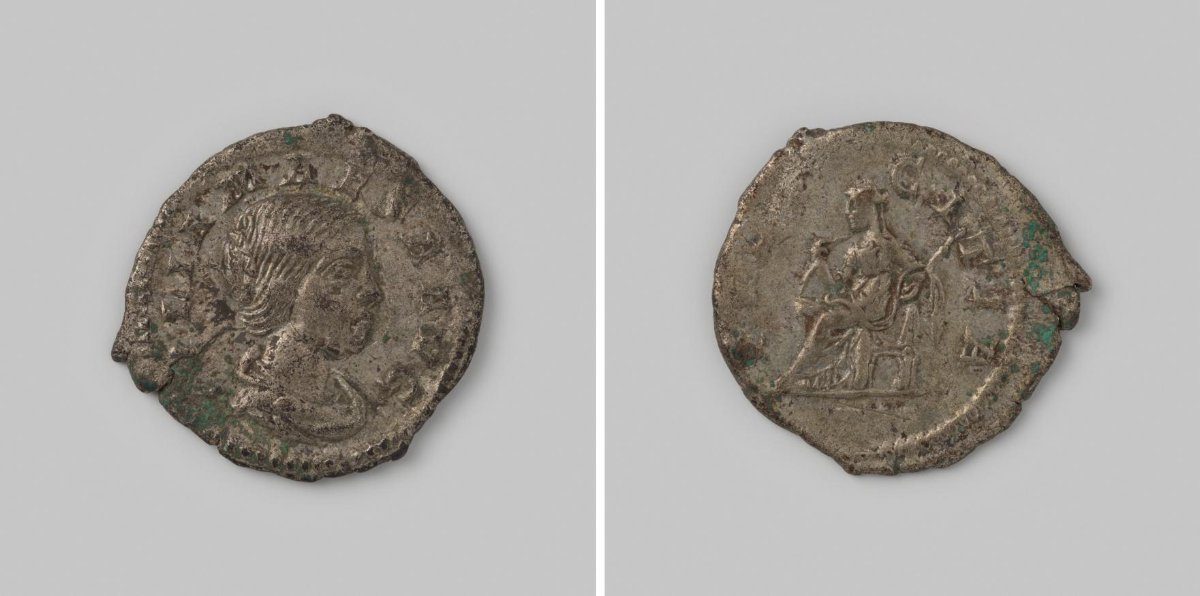
Denarius uit het Romeinse Keizerrijk van Elagabalus, op naam van Julia Maesa, 222-223
222 - 223
Photo: Rijksmuseum, Amsterdam
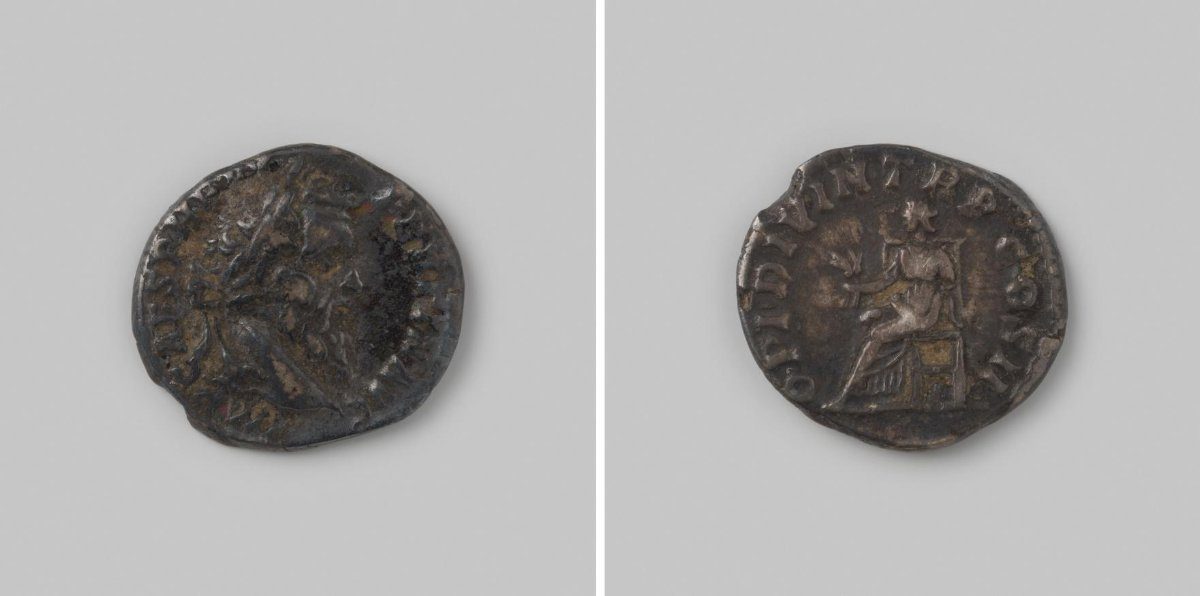
Denarius uit het Romeinse Keizerrijk van Pertinax, 193
193
Photo: Rijksmuseum, Amsterdam
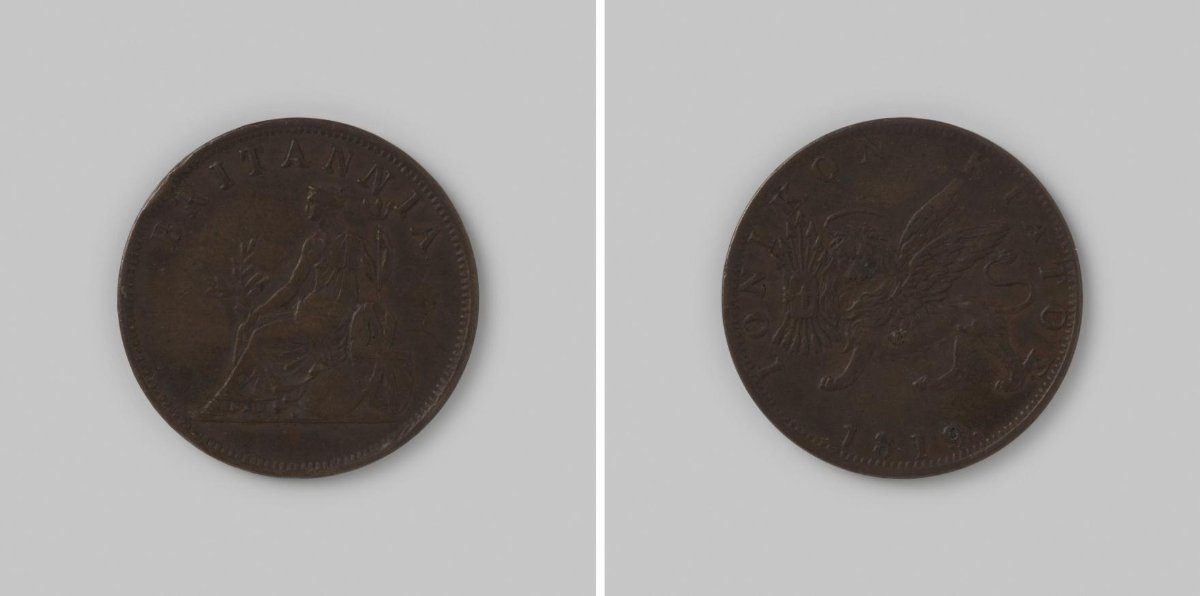
½ penny of obool uit de Ionische eilanden onder heerschappij van Groot-Brittannië, 1819
1819
Photo: Rijksmuseum, Amsterdam
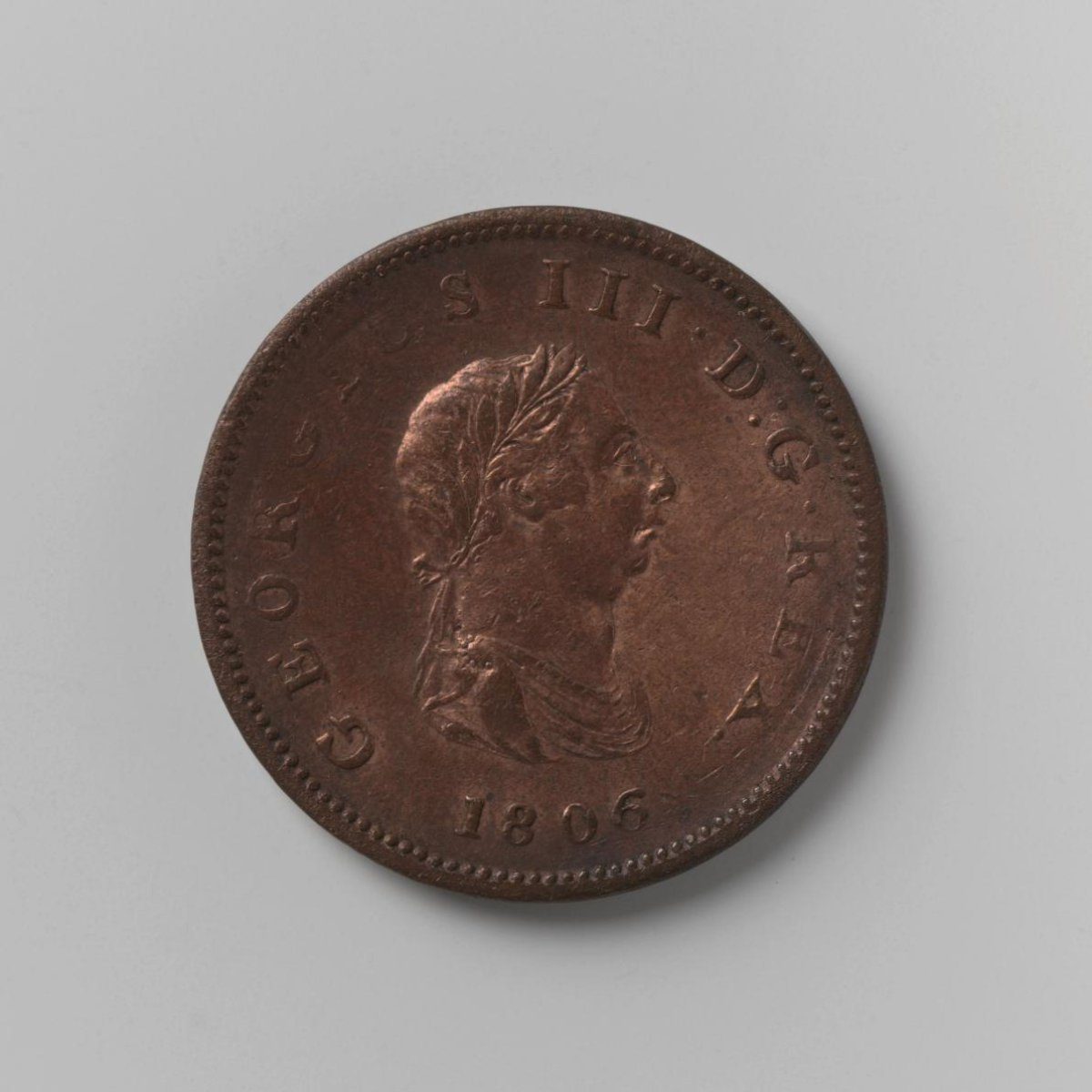
½ penny uit Engeland van George III, 1806
1806
Photo: Rijksmuseum, Amsterdam
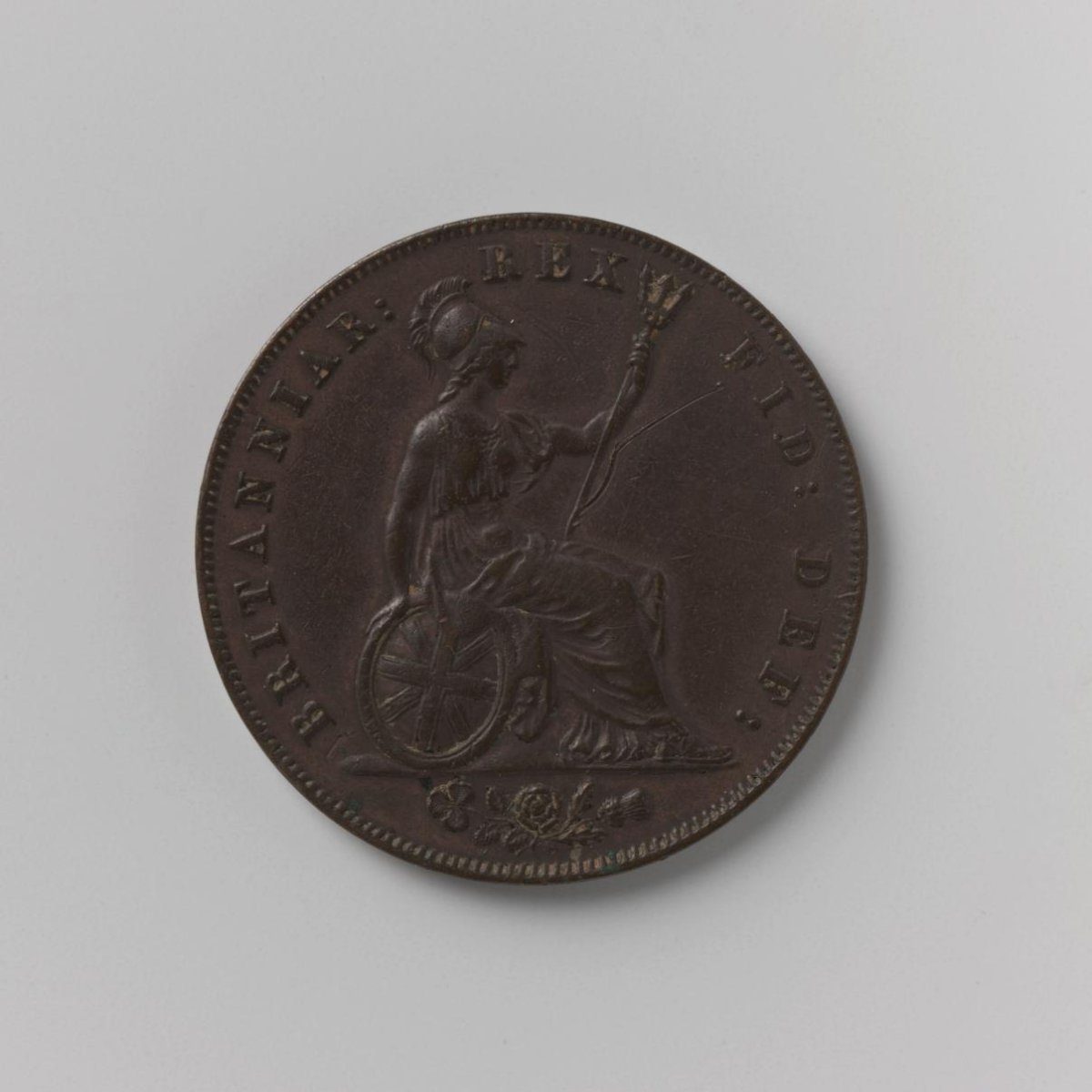
½ penny uit Engeland van George IV, 1826
1826
Photo: Rijksmuseum, Amsterdam
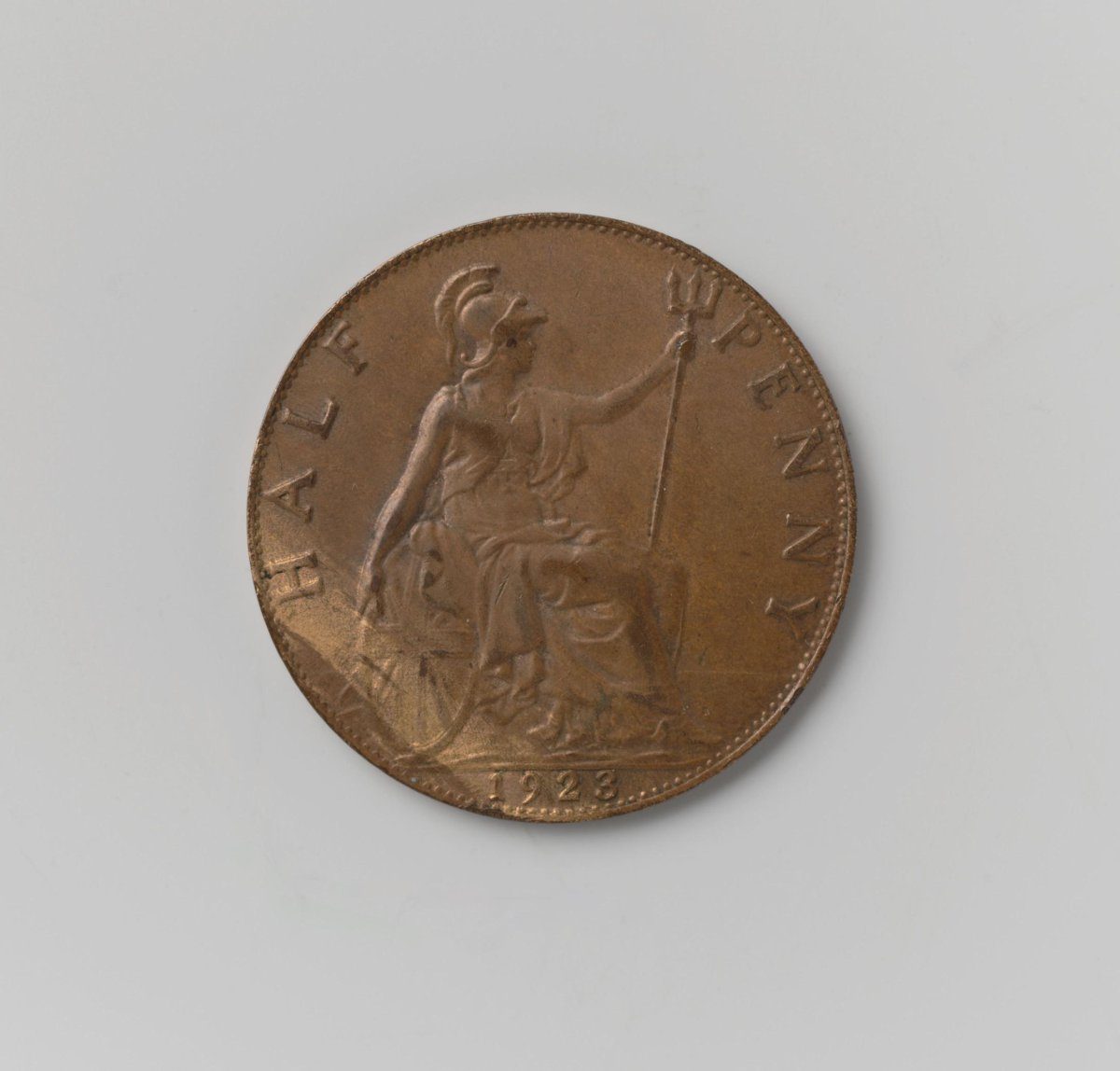
½ penny uit Engeland van George V, 1923
1923
Photo: Rijksmuseum, Amsterdam
Frequently asked questions
Sources
- [1] Rijksmuseum Collection (Amsterdam) — Rijksmuseum · Tier 1
- [2] Coin (Wikipedia) — Wikipedia
- [3] COIN (Wikipedia) — Wikipedia
- [4] Coin collecting (Wikipedia) — Wikipedia
- [5] Numismatics (Wikipedia) — Wikipedia
See also: identification guides · how we rank sources · methodology