other · Orbis Magazine · English
How to Find a Medallion Notary: Complete Guide
Finding a 'medallion notary' requires understanding that standard notaries cannot provide medallion guarantees. Discover where to locate authorized financial guarantors and how to navigate the transfer process.
5 October 202611 min readSearch topic: “how to find a medallion notary”
Key takeaways
- A 'medallion notary' is a common misnomer; standard notaries public cannot execute a medallion signature guarantee [S7, S9].
- Medallion guarantees are issued exclusively by participating financial institutions—such as commercial banks, credit unions, and broker-dealers [7].
- The guarantee acts as a binding commercial warranty assuming full financial liability for forgery, identity, and legal authority [7].
- Each medallion stamp carries a coded prefix that dictates the maximum monetary value transaction it can legally cover [7].
- Institutions typically require the requesting individual to be an established account holder with verified documentation before applying the stamp [7].
Why is 'Medallion Notary' a Misnomer?
To find a 'medallion notary,' you must look to a commercial bank, credit union, or brokerage firm rather than a traditional notary public, because a 'medallion notary' does not exist as a legal office [S7, S9]. The common phrase combines two separate legal and financial concepts: the standard notarial act and the medallion signature guarantee [S7, S9]. Individuals often use the term when attempting to sell, transfer, or probate corporate securities, physical stock certificates, or inherited mutual fund holdings [7].
A traditional notary public is an official commissioned by a state or governing jurisdiction to serve the public in non-contentious legal and estate matters [9]. The notary's responsibilities include verifying identity, witnessing signatures, administering oaths and affirmations, and taking formal acknowledgments on legal conveyances or powers of attorney [9]. However, a common-law notary public possesses no statutory authority to guarantee financial securities or indemnify transfer agents against fiscal loss [S7, S9].
In contrast, a medallion signature guarantee is an institutional warranty created specifically within the United States financial markets to protect shareholders and transfer agents during securities transactions [7]. When an institution stamps a document with a medallion, it warrants that the signature is genuine, that the signer is an appropriate person legally entitled to sign, and that the signer holds full legal capacity [7]. If fraud occurs, the financial institution itself bears monetary liability [7]. Consequently, an ordinary notarial seal cannot substitute for a medallion stamp on securities transfer forms [S7, S9].
| Characteristic | Standard Notary Public | Medallion Signature Guarantee |
|---|---|---|
| Authorized Official | State-commissioned public officer [9] | Designated officer at a participating financial institution [7] |
| Primary Purpose | Deter fraud by verifying identity and witnessing oaths [9] | Warrant signature validity and assume liability for securities transfers [7] |
| Financial Liability | Limited official liability; covered by surety bond or errors/omissions [9] | Institution accepts direct financial liability for forgery [7] |
| Acceptance for Securities | Generally rejected by registered transfer agents [7] | Mandatory for physical and book-entry securities transfers [7] |
| Value Limits | No monetary transaction caps attached to the seal [9] | Restricted by a strict coded prefix determining maximum dollar coverage [7] |
Notarial Acknowledgment Invalidation
Transfer agents handling United States equities, bonds, or mutual funds will routinely reject standard notarial stamps. The Medallion Signature Guarantee is an independent warranty system governed by financial programs, not state notarial commissions [S7, S9].
Where Can You Locate an Authorized Medallion Guarantor?
Because medallion guarantees can only be provided by recognized financial entities, individuals must seek out a participating institution where they maintain an active account [7]. The vast majority of major retail banks, regional commercial lenders, national credit unions, and registered broker-dealers participate in recognized signature guarantee programs [7]. However, guarantee stamps are not distributed to every customer-service desk or retail branch, making advance inquiries essential.
When planning where to locate an authorized officer, your primary checking, savings, or brokerage firm is the most practical starting point. Financial institutions assume substantial liability when issuing a guarantee; thus, virtually all guarantors decline requests from non-customers or require documented account history spanning several months before executing a stamp [7]. Even within an eligible bank, only specific branch managers, compliance officers, or licensed platform representatives hold authorization to apply the stamp.
Online brokerage houses and digital banks present unique logistical challenges. While many digital institutions maintain membership in medallion guarantee programs, they operate without walk-in retail facilities. In such scenarios, clients must typically mail their original certificates, affidavits of domicile, or stock powers to a central processing office via secure courier, where compliance staff review documentation and apply the medallion guarantee program stamp before forwarding the materials to the transfer agent.
- National and regional commercial banks with physical branch locations [7]
- Federally insured credit unions where the signer holds primary membership [7]
- Full-service securities brokerages and investment advisory desks [7]
- Clearing houses and designated trust corporations handling estate fiduciary transfers [7]
Live counts from the Orbis catalogue search at the time of writing.
How Do Coded Prefixes and Value Limits Work?
A defining structural feature of the medallion signature guarantee framework is the coded prefix system [7]. Unlike a notary public seal—which authenticates a signature regardless of the dollar amount referenced in the underlying contract—a medallion stamp contains a designated character code that sets a hard ceiling on the monetary exposure the guarantor can absorb [7].
Each stamp is assigned a specific coded prefix that corresponds to a fixed financial liability limit [7]. For example, an institution executing a transaction involving $400,000 worth of stock must use a stamp whose prefix is authorized for that amount or greater [7]. If a branch officer utilizes a stamp coded for a lower coverage tier, the transfer agent’s compliance department will reject the paperwork, forcing the investor or estate executor to restart the process [7].
The tiered system reflects risk management within financial institutions. Junior branch officers may be entrusted with stamps bearing prefixes suitable for modest consumer transfers, whereas transactions involving large trust portfolios, business liquidations, or substantial block trades require executive approval and access to high-tier prefixes. Inquiring about the specific dollar threshold of your securities prior to visiting a local branch prevents delays caused by insufficient stamp authorizations.
| Structural Element | Operational Mechanism | Institutional Purpose |
|---|---|---|
| Coded Prefix | Alphabetic identifier engraved or embedded in the stamp [7] | Establishes the maximum dollar value the guarantor can certify [7] |
| Surety Coverage | Backed by private financial program insurance [7] | Indemnifies the transfer agent against losses resulting from forged signatures [7] |
| Institution Identifier | Incorporates routing, clearing, or member number [7] | Traces the originating bank branch or brokerage firm [7] |
| Officer Endorsement | Requires a physical countersignature beside the stamp impression [7] | Identifies the specific authorized employee who reviewed legal capacity [7] |
Calculate Value Before Calling
Before scheduling an appointment, calculate the total current market value of the securities being transferred. Communicate this exact figure to your bank so they can confirm that the branch officer's medallion stamp prefix covers that monetary tier [7].
What Documents and Preparation Are Required?
Obtaining a medallion signature guarantee requires far more documentation than a conventional notarial acknowledgment [S7, S9]. Because the guarantor is issuing a binding legal warranty regarding the signer's genuine identity, legal capacity, and authorization to endorse, the verifying officer must assemble a comprehensive evidentiary file [7]. Incomplete files result in immediate denial.
Signers must present unexpired, government-issued photo identification—such as a passport or driver's license—alongside proof of ownership for the assets [S7, S9]. For physical share certificates, the original paper certificate must be produced. For book-entry securities, a recent account statement from the transfer agent or custodial broker displaying the exact account registration, shareholder names, and share quantities is mandatory.
Transactions involving estates, trusts, powers of attorney, or corporate entities require extensive supplementary records. If you are acting as an estate administrator or executor, you must provide certified letters testamentary issued by the probate court, a certified death certificate, and often an affidavit of domicile. Corporate transfers demand corporate resolutions with seal, articles of incorporation, and incumbency certificates demonstrating that the individual signing holds current signing authority.
- Original physical stock certificates or recent statement of book-entry holdings [7]
- Primary government-issued photographic identification for all required signers [9]
- Certified probate documentation (Letters of Administration or Letters Testamentary) for estate transfers [9]
- Trust agreement and current certificate of trust if securities reside within a trust entity
- Official stock power or securities transfer form with all transfer fields completed accurately
Do Not Sign Forms in Advance
Never sign the stock power or certificate endorsement before your appointment. The guarantor officer must witness the physical signing firsthand to establish signature authenticity and legal capacity [7].
How well documented the linked entries are.
How Does a Medallion Guarantee Relate to Collectible Objects and Numismatics?
In collectible spheres, confusion often deepens because the word 'medallion' possesses dual meanings: it denotes both an institutional financial stamp and a substantial, medal-like collectible metallic object [8]. While modern investors seek medallion guarantees to transfer equity shares, numismatists and art historians study physical medallions struck across antiquity and the early modern era [R1, S8].
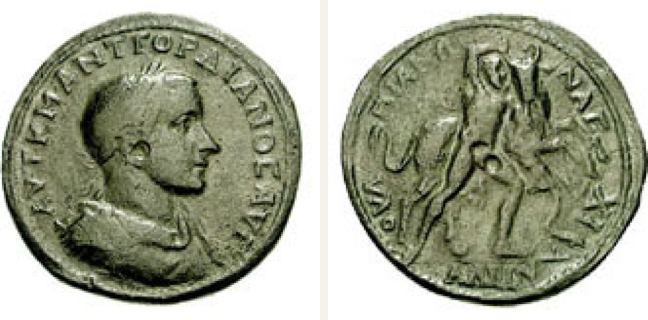
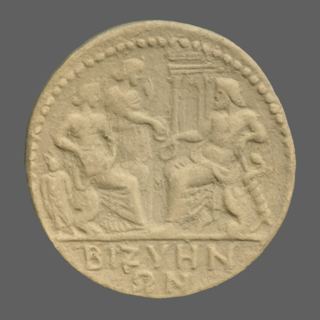
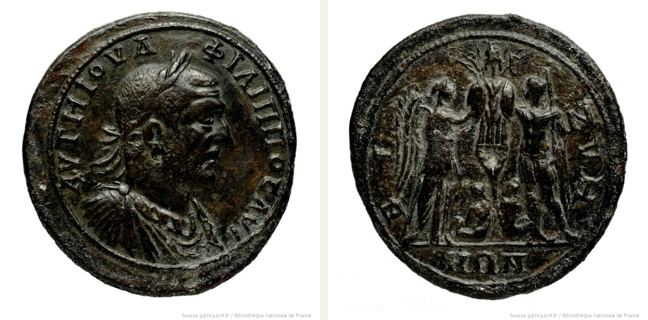
In classical numismatics, medallions were struck as commemorative, military, or diplomatic presentations rather than standard circulating coinage [8]. For example, Roman provincial medallions struck in bronze at mints such as Anchialos in Thrace under Gordian III depict elaborate classical scenes, such as Heracles subduing the Cretan bull (see: Anchialos, Gordian III., Medallion (CN type 1014)). Similar monumental bronze medallions were issued at Bizye under emperors Antoninus Pius (see: Bizye, Antoninus Pius, Medallion (CN type 1393)), Caracalla (see: Bizye, Caracalla, Medallion (CN type 1454)), and Philippus Arabs [R4, R5, R6], featuring detailed reverse iconography of Dionysus (see: Bizye, Antoninus Pius, Medallion (CN type 1393)), equestrian imperial portraits (see: Bizye, Caracalla, Medallion (CN type 1454)), or complex compositions of Apollo, Asclepius, and Hygieia [R4, R5].
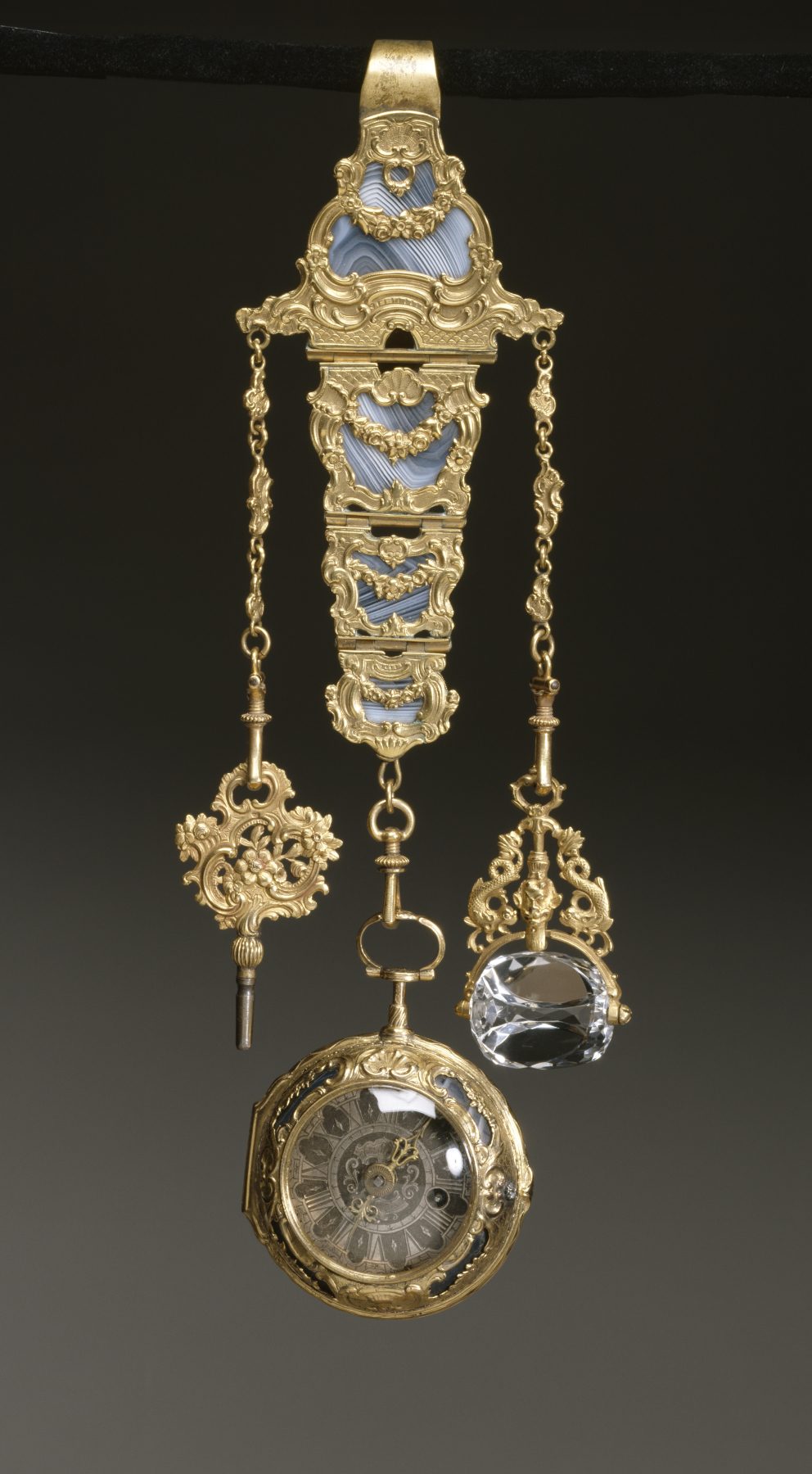
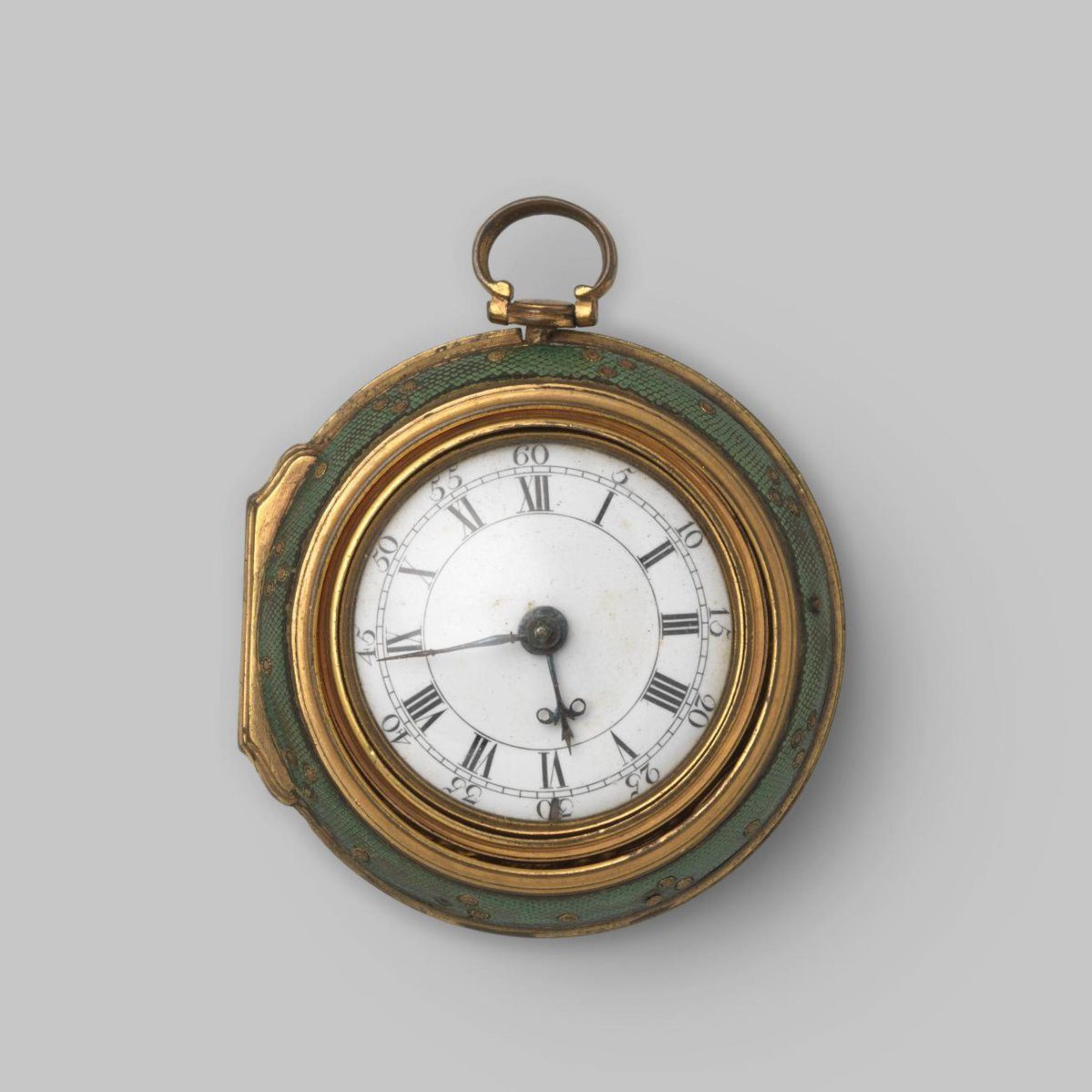
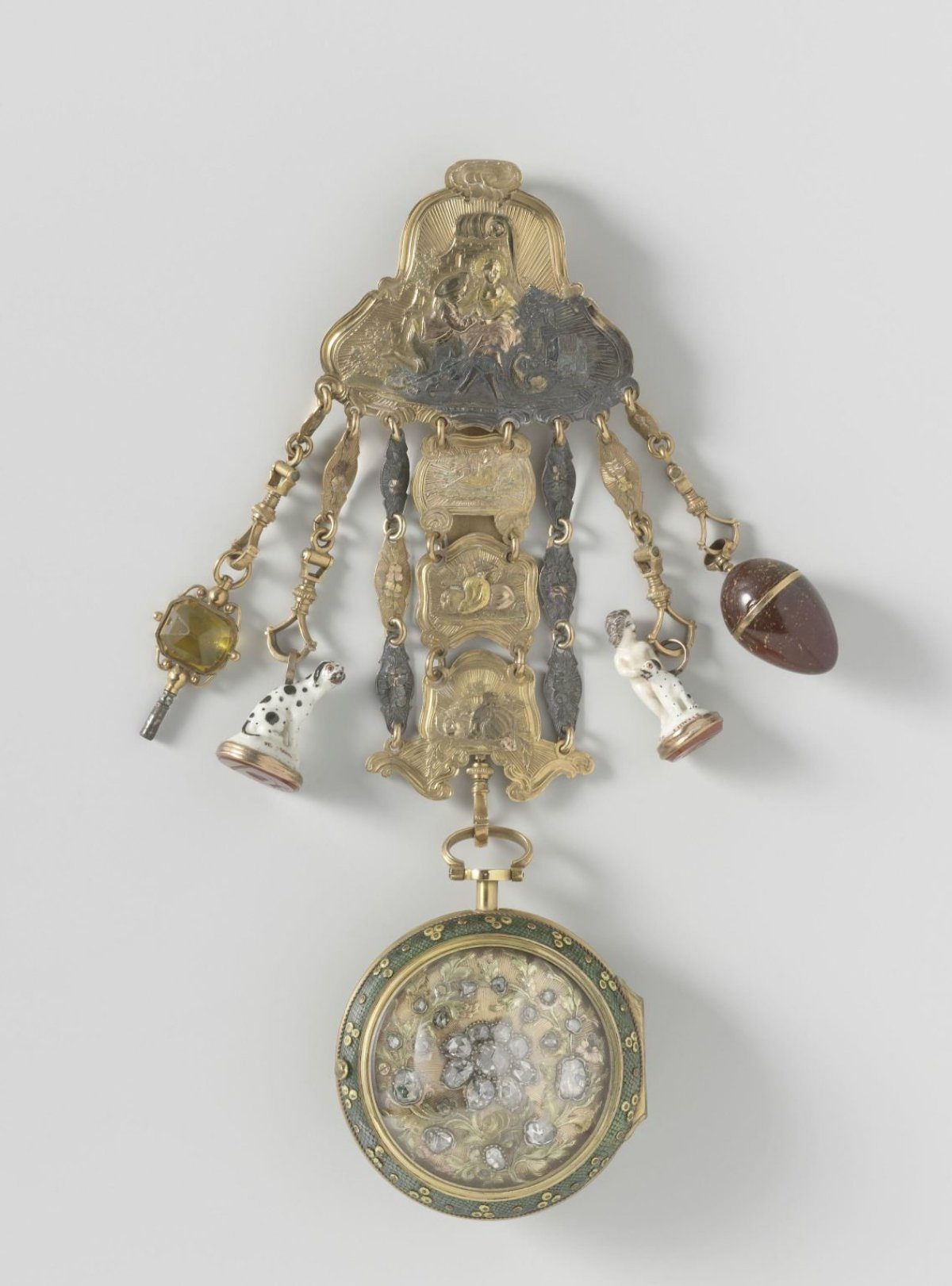
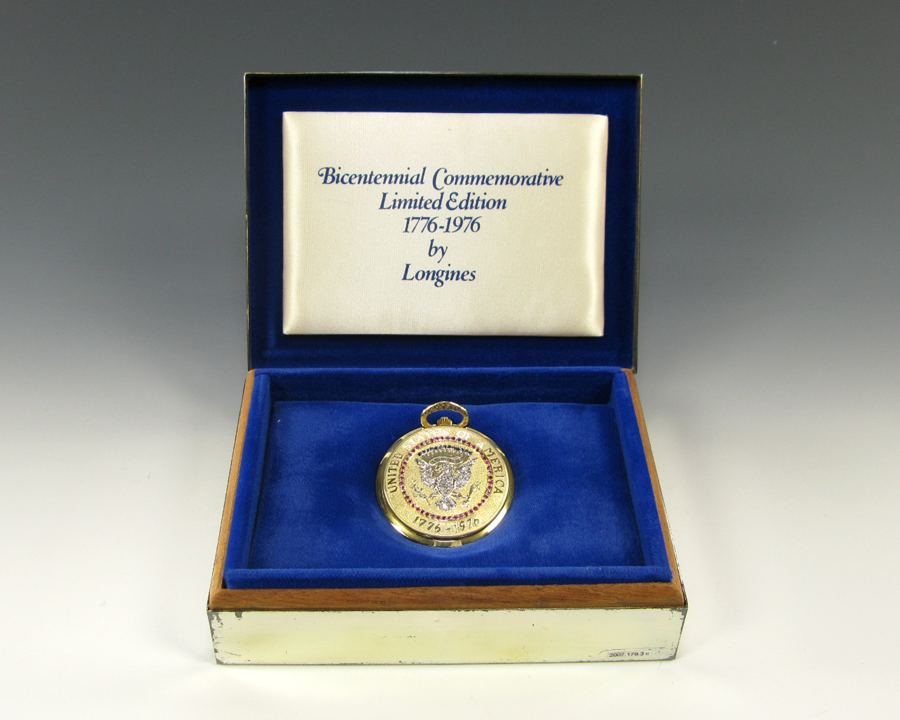
The conceptual bridge between antique numismatics, personal seals, and legal authentication is centuries old. Historically, individuals authenticated conveyances and legal documents using personal signet seals, which were frequently suspended from personal dress accessories such as chatelaines (see: Chatelaine watch pocket watch). A surviving decorative chatelaine watch, for instance, pairs striated agate scrollwork with a revolving rock crystal seal utilized to stamp hot wax impressions onto correspondence and legal contracts (see: Chatelaine watch pocket watch). Other historic timepieces feature engraved official seals, such as an American silver pocket watch decorated with the Seal of the President and gifted by Betty Ford (see: Pocket watch), illustrating the enduring role of metallic seals and medallions as emblems of authority [8].
What is the Step-by-Step Procedure to Secure the Stamp?
Securing a medallion signature guarantee proceeds systematically through verification, scheduling, physical execution, and dispatch [7]. Following an organized procedure prevents repetitive visits to financial institutions and eliminates common documentation errors.
First, determine the exact requirements of the receiving transfer agent or custodial broker. Obtain their specific securities transfer form, irrevocable stock power, or corporate resolution form. Ensure all fields—including the recipient's name, taxpayer identification number, share count, and committee instructions—are filled out precisely, but leave the signature lines blank [7].
Second, contact your financial institution to confirm that an authorized officer will be on-site, that your account meets their internal relationship criteria, and that their stamp prefix accommodates the total dollar amount [7]. Bring all supporting identification, legal documents, and original certificates to the appointment [S7, S9]. The officer will examine your credentials, verify that your signature matches bank records, witness your execution of the document, apply the ink impression of the medallion stamp, and add their handwritten endorsement [7].
Finally, retain copies of all stamped documents for your personal files before transmitting the originals to the transfer agent. It is strongly advised to dispatch original stamped securities documents via tracked, insured courier service, as physical stock certificates and stamped transfer powers represent negotiable instruments once completed.
- Step 1: Contact the transfer agent to request official transfer instruction packages [7].
- Step 2: Calculate the aggregate monetary value of the holding to verify prefix tiers [7].
- Step 3: Call your bank or brokerage branch to verify officer availability and stamp threshold [7].
- Step 4: Assemble photo identification, certificates, account statements, and probate or trust records [S7, S9].
- Step 5: Sign the documentation in the physical presence of the authorized guarantor [7].
- Step 6: Confirm the stamp impression is crisp, legible, and accompanied by the officer's signature [7].
- Step 7: Mail the originals via insured, signature-required courier to the destination agent.
How Should You Research and Authenticate Historic Seals and Medallions?
When collectors and estate trustees encounter historic physical medallions or personal seals rather than modern financial transfer forms, authentication shifts from commercial signature guarantees to scholarly numismatic and glyptic research [S1, S8]. Identifying genuine antique medallions requires consulting established regional corpora and academic typologies [S1, S2, S3, S4, S5, S6].
Scholarly identification of Roman provincial medallions relies on specialized catalogues. The Corpus Nummorum (CN) project [1], alongside classic references like Strack and Münzer for Northern Greece [4], Jurukova for Bizye [2], Tachev for Anchialos [5], and Roman Provincial Coinage (RPC) [3], allows researchers to cross-reference obverse imperial portraits and reverse mythological scenes [R1, R2, R4]. For instance, a bronze medallion of Philippus Arabs struck at Bizye showing Apollo, Asclepius, and Hygieia can be precisely identified by comparing die varieties and recorded museum examples catalogued under CN type 1553 (see: Bizye, Philippus Arabs, Medallion (CN type 1553)) or type 1554 (see: Bizye, Philippus Arabs, Medallion (CN type 1554)).
When valuing or cataloguing such items within an estate, collectors must never guess at financial worth or rely on unverified online assertions. Responsible valuation involves analyzing verified institutional collections, reviewing published museum holdings like the Rijksmuseum's documented horological and decorative metalwork [R8, R9], and consulting accredited numismatic organizations or professional auction archives [1]. Documenting physical condition, metal composition, provenance history, and diameter provides the scholarly foundation required for genuine appraisal.
Catalogue entries mentioned
Anchialos, Gordian III., Medallion (CN type 1014)
238-244 n. Chr.
Photo: Photograph: Classical Numismatic Group; Corpus Nummorum (Berlin-Brandenburg Academy of Sciences and Humanities)
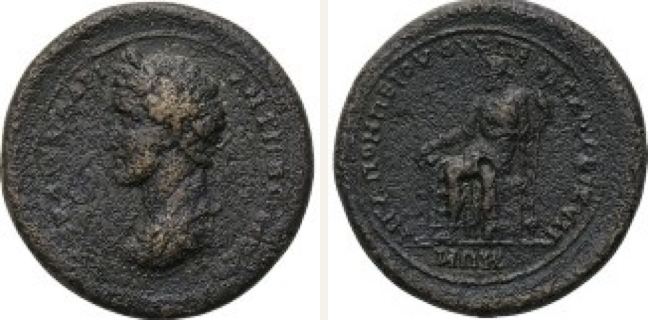
Bizye, Antoninus Pius, Medallion (CN type 1393)
155-158 n. Chr.
Photo: Photograph: BBAW; Corpus Nummorum (Berlin-Brandenburg Academy of Sciences and Humanities)
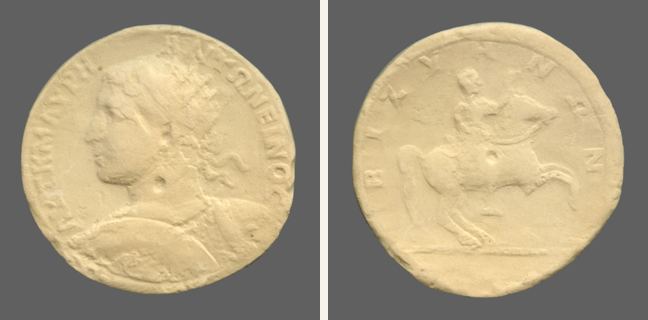
Bizye, Caracalla, Medallion (CN type 1454)
197-217 n. Chr.
Photo: Photograph: BBAW; Corpus Nummorum (Berlin-Brandenburg Academy of Sciences and Humanities)
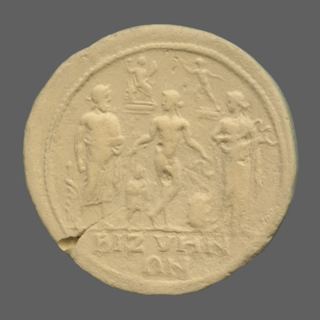
Bizye, Philippus Arabs, Medallion (CN type 1553)
244-249 n. Chr.
Photo: Photograph: BBAW; Corpus Nummorum (Berlin-Brandenburg Academy of Sciences and Humanities)
Bizye, Philippus Arabs, Medallion (CN type 1554)
244-249 n. Chr.
Photo: Photograph: BBAW; Corpus Nummorum (Berlin-Brandenburg Academy of Sciences and Humanities)
Bizye, Philippus Arabs, Medallion (CN type 1555)
244-249 n. Chr.
Photo: Photograph: Corpus Nummorum; Corpus Nummorum (Berlin-Brandenburg Academy of Sciences and Humanities); specimen held by gallica.bnf.fr
Chatelaine watch pocket watch
Photo: Anonymous (France)Unknown author
Horloge
1700 - 1715
Photo: Rijksmuseum, Amsterdam
Pocket watch
c. 1755
Photo: Rijksmuseum, Amsterdam
Pocket watch
Photo: Pocket Watch
Frequently asked questions
Sources
- [1] Corpus Nummorum — online coin type catalogue — Berlin-Brandenburg Academy of Sciences and Humanities (TELOTA) · Tier 1
- [2] Jurukova, Die Münzprägung von Bizye, Berlin 1981 · Tier 1
- [3] Mairat and Spoerri Butcher, RPC VII 2: Roman provincial coinage. Vol. VII 2: From Gordian I to Gordian III (AD 238–244): all provinces except Asia. print and online, London 2022 · Tier 1
- [4] Strack and Münzer, Die antiken Münzen Nord-Griechenlands. 2. Die Münzen der Thraker und der Städte Abdera, Ainos, Anchialos 1. Halbbd., Berlin 1912 · Tier 1
- [5] Tachev, Monetosecheneto na Anchialos (Coinage of Anchialos), Sofia 2018 · Tier 1
- [6] Varbanov, Greek Imperial Coins and their Values II 2. Thrace (from Abdera to Pautalia), Bourgas 2005 · Tier 1
- [7] Medallion signature guarantee (Wikipedia) — Wikipedia
- [8] Medallion (disambiguation) (Wikipedia) — Wikipedia
- [9] Notary public (Wikipedia) — Wikipedia
See also: identification guides · how we rank sources · methodology