Search
Search the catalogue
Search by name, period, entity or technical detail, then narrow by discipline, era, country, maker, material and confidence. Facets are built only from what each record documents — an entry with no documented date or material is not guessed into one.
59 records — page 1
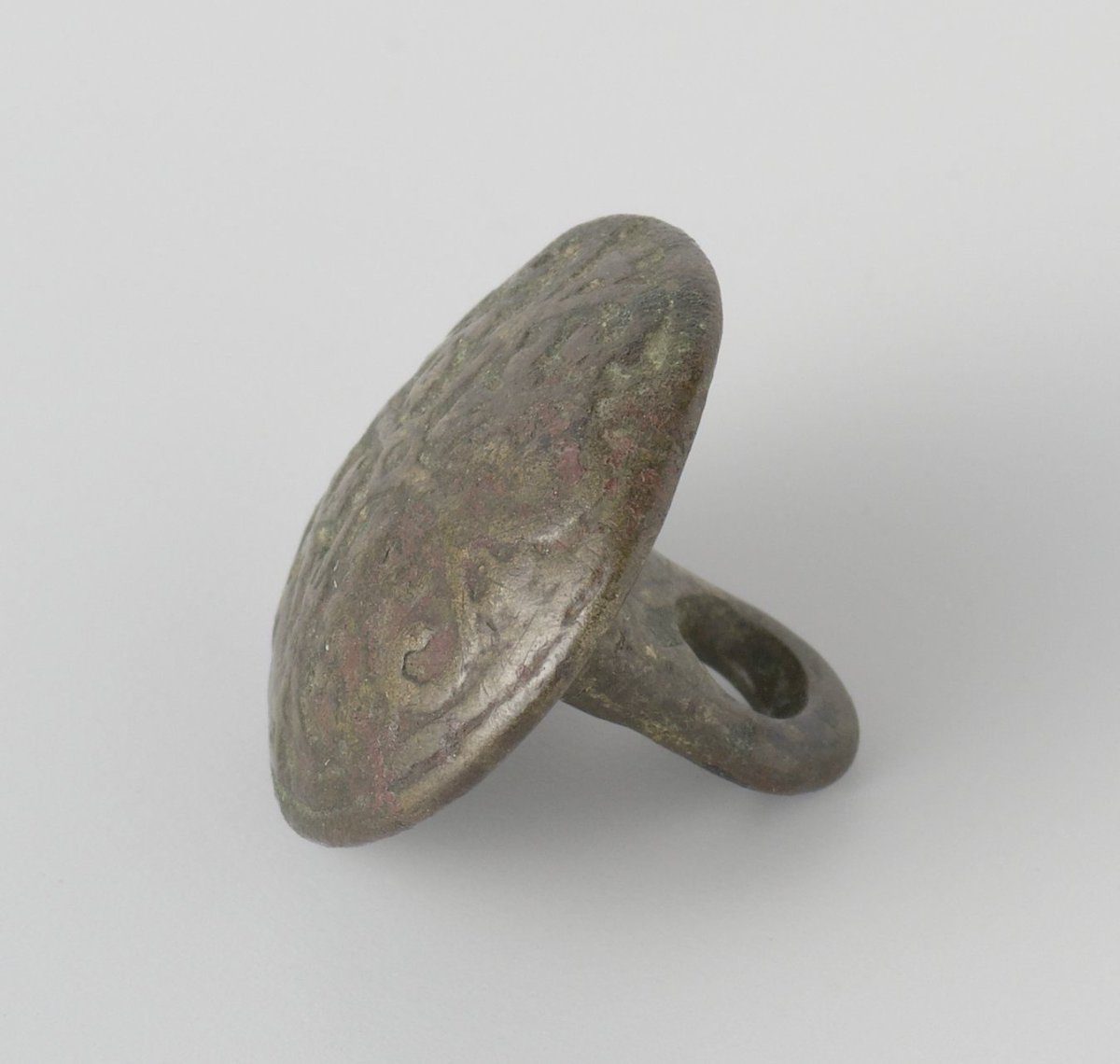
buttons
Brass button with four fleurs-de-lis
c. 1590 - c. 1596
Brass button decorated with four fleurs-de-lis. The buttons NG-NM-7723-7, NG-NM-7723-8, and NG-NM-7723-10 are not identical. The Rijksmuseum, Amsterdam, holds this object as NG-NM-7723-8; its record gives material recorded as brass (alloy); technique casting; measurements height 1.3 cm x diameter 1.6 cm. Description…
Partial type record
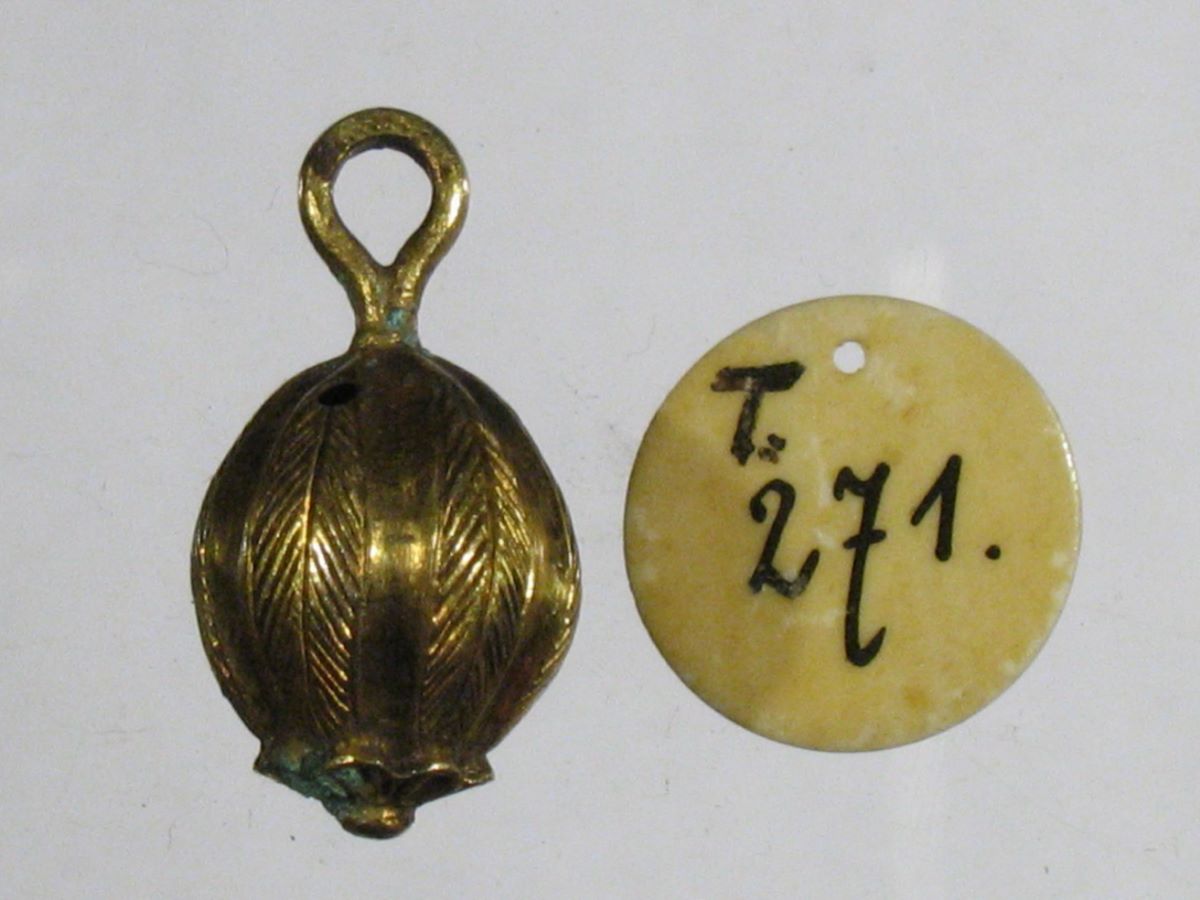
buttons
button
button is held by Brukenthal National Museum. The museum record gives measurements mass: 4.3 g; metal fineness: 750 ‰; diameter along length: 2.8 cm; diameter across width: 1.4 cm. These details come from the holding museum's own record; how far this object represents a wider collectible type has not yet been indepe…
Partial type record
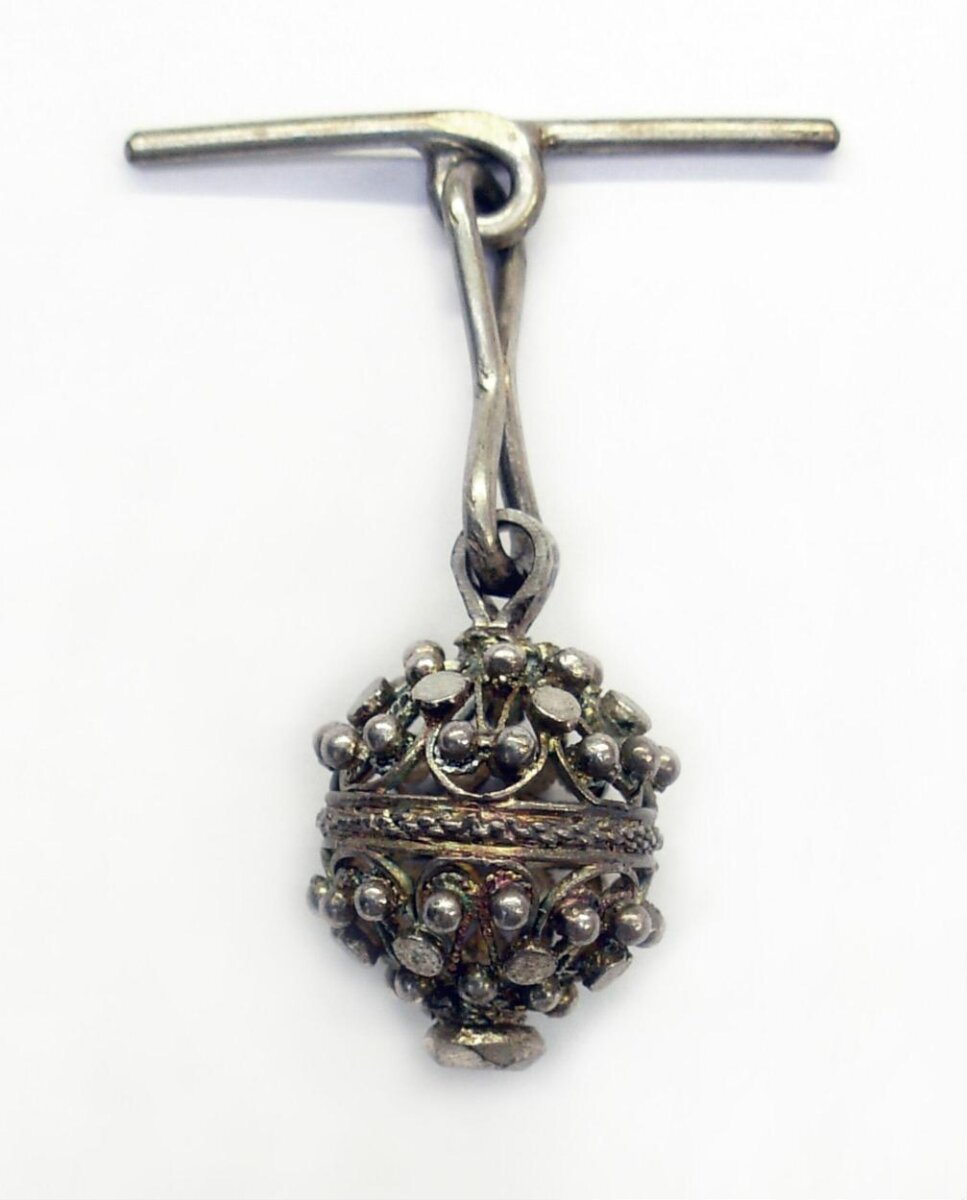
buttons
Button — Buttons, Dalmatia, 1850-1899
1850-1899
Button in the Victoria and Albert Museum, London (museum number CIRC.22&A-1951), made in Dalmatia, dated 1850-1899. The museum's brief description reads: Pair of silver filigree toggle buttons, Dalmatia, 1850-1899.. Museum description: Silver, possibly silver-plated, filigree toggle button with crossover bar and ova…
Partial type record
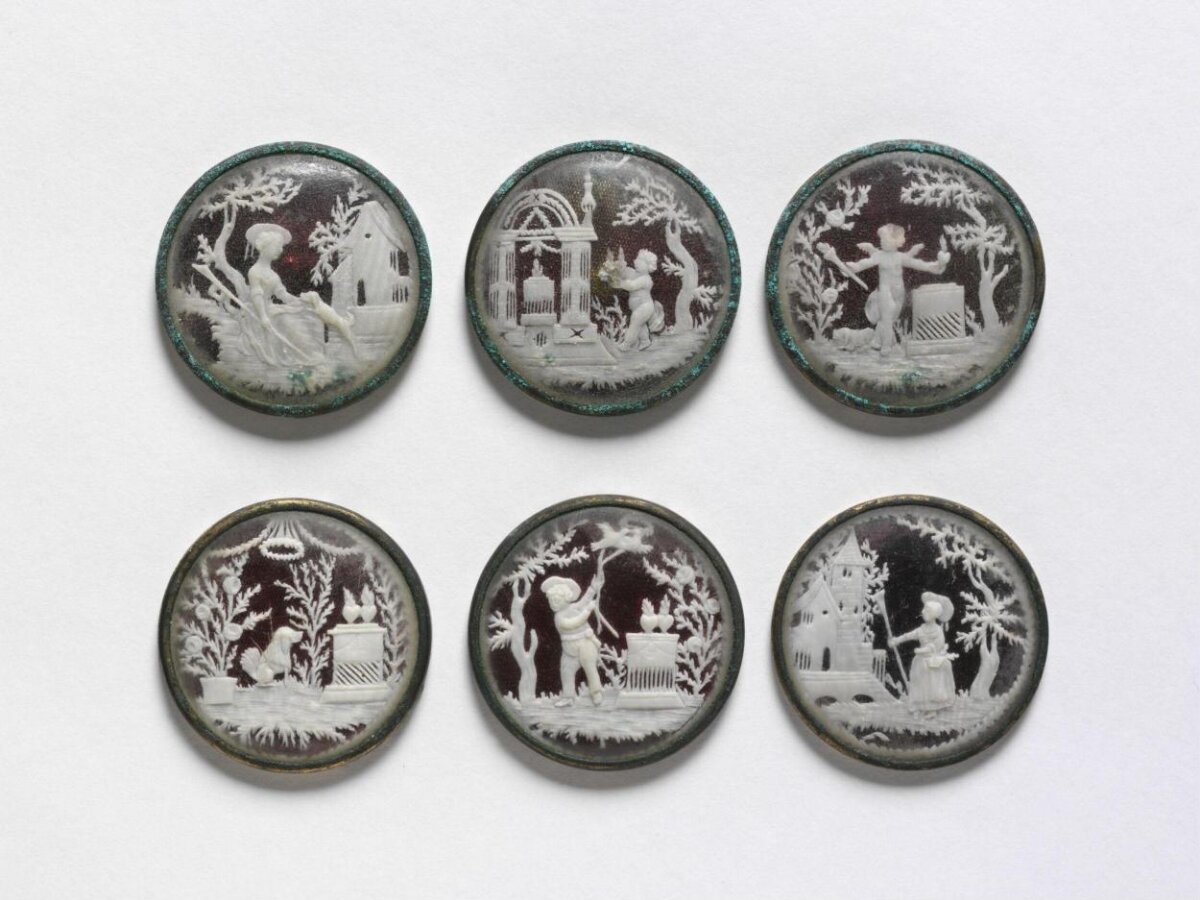
buttons
Button — Six buttons with pastoral scenes, Dieppe, ca. 1780 - ca. 1800
ca. 1780 - ca. 1800
Button in the Victoria and Albert Museum, London (museum number 860 to E-1870), made in Dieppe, dated ca. 1780 - ca. 1800. The museum's brief description reads: Set of six buttons, carved ivory on tinsel with glass and metal mounts, depicting amorini and shepherdesses in landscapes, French (Dieppe), ca. 1780-1800. M…
Partial type record
buttons
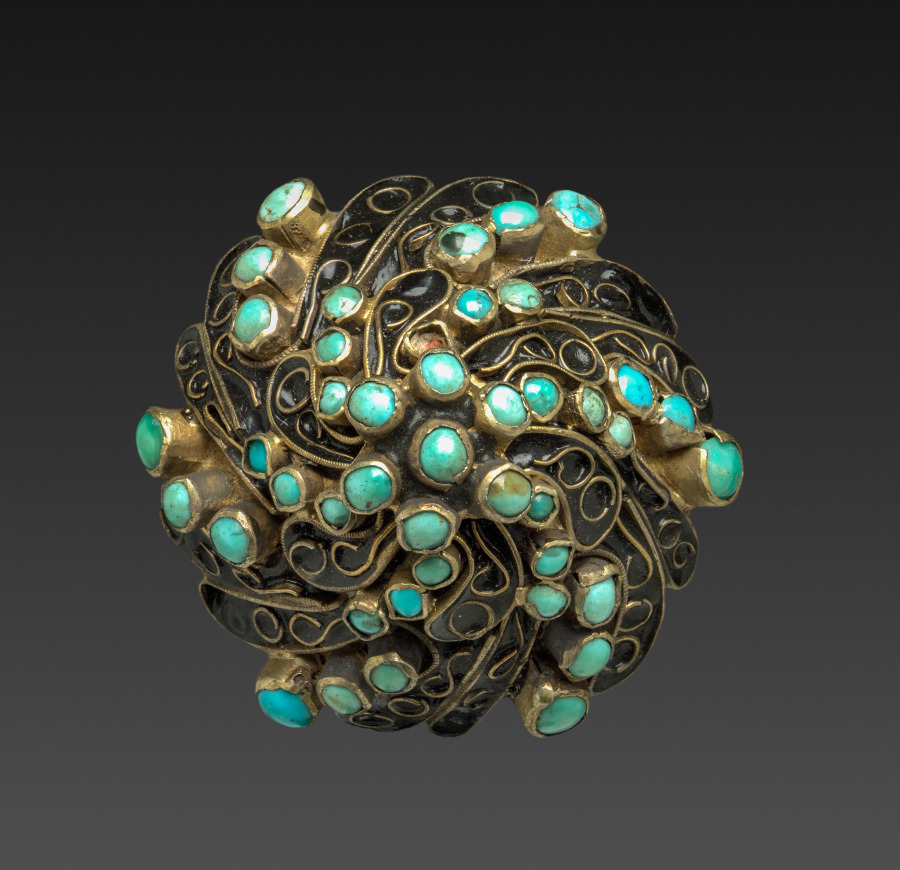
Button (5 of 5), Hungary, 1811–1916
1811–1916
Button (5 of 5), Hungary, 1811–1916 is an object recorded by Cleveland Museum of Art, dated 1811–1916. The museum record gives material recorded as metal and enamel; measurements Diameter: 3.2 cm (1 1/4 in.); place associated: Hungary. These details come from the holding museum's own record; how far this object repr…
Partial type record
buttons
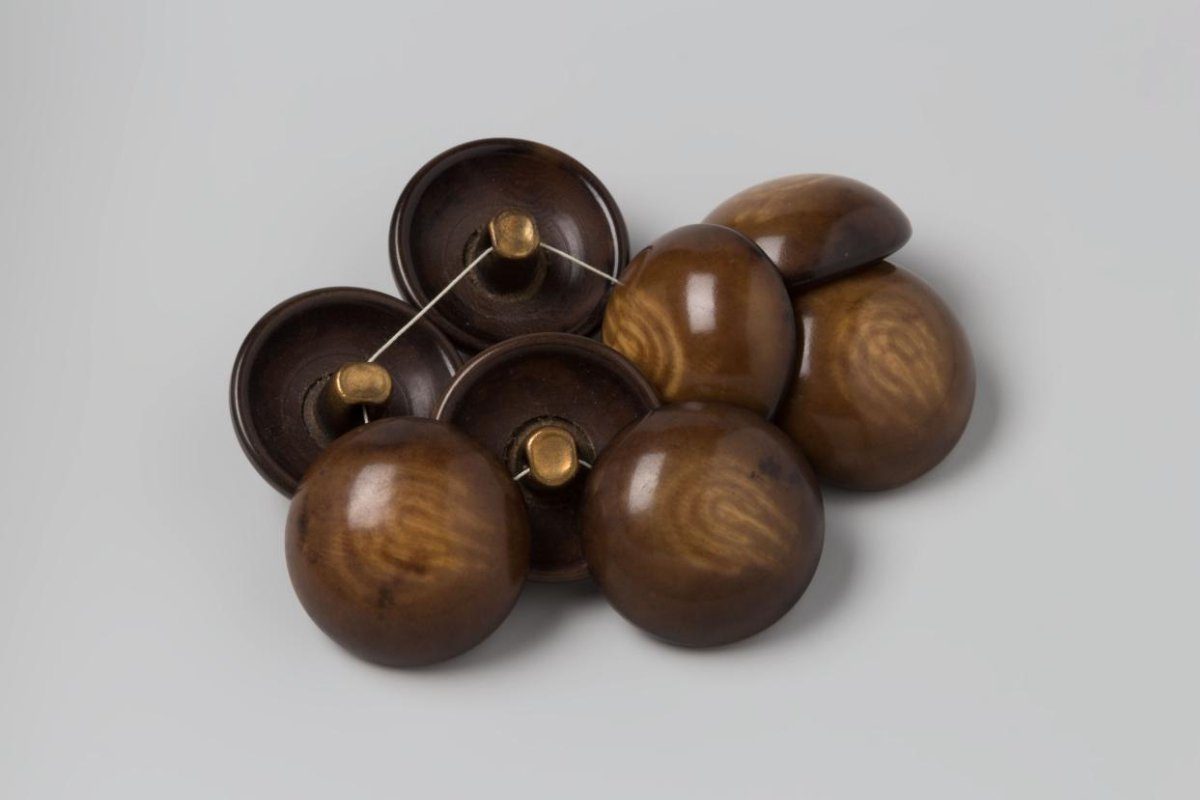
Button (8 items), domed, of brown and beige plastic (celluloid?) with copper eye
c. 1905 - c. 1915
Eight large domed buttons of brown and beige plastic (celluloid). The Netherlands, c. 1910(?). The Rijksmuseum, Amsterdam, holds this object as BK-1994-16-A; its record gives material recorded as celluloid (cellulosic), copper (metal); technique casting; measurements height 1.8 cm x diameter 3 cm. Description transl…
Partial type record
buttons
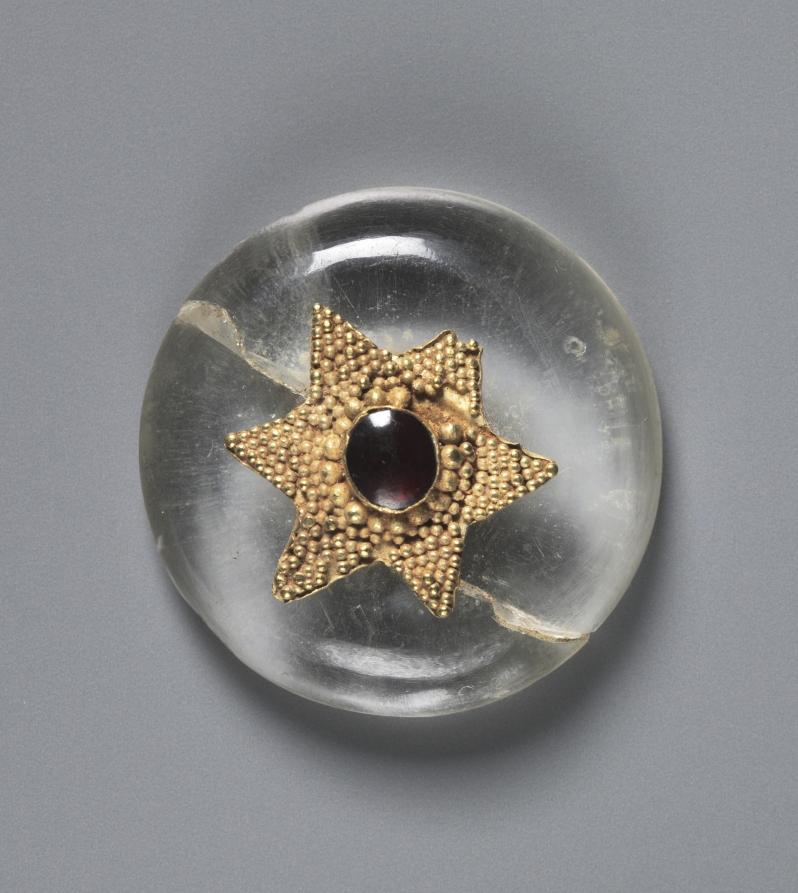
Button (Cleveland Museum of Art 1946.259)
500s
The decorative technique known as granulation had been used in Etruscan, Greek, and Roman jewelry well before this Byzantine piece was made. Granulation is when tiny spheres or “granules” are attached to a piece. It can be seen here in in a rock crystal button decorated with a six-pointed star, with a simply set gar…
Partial type record
buttons
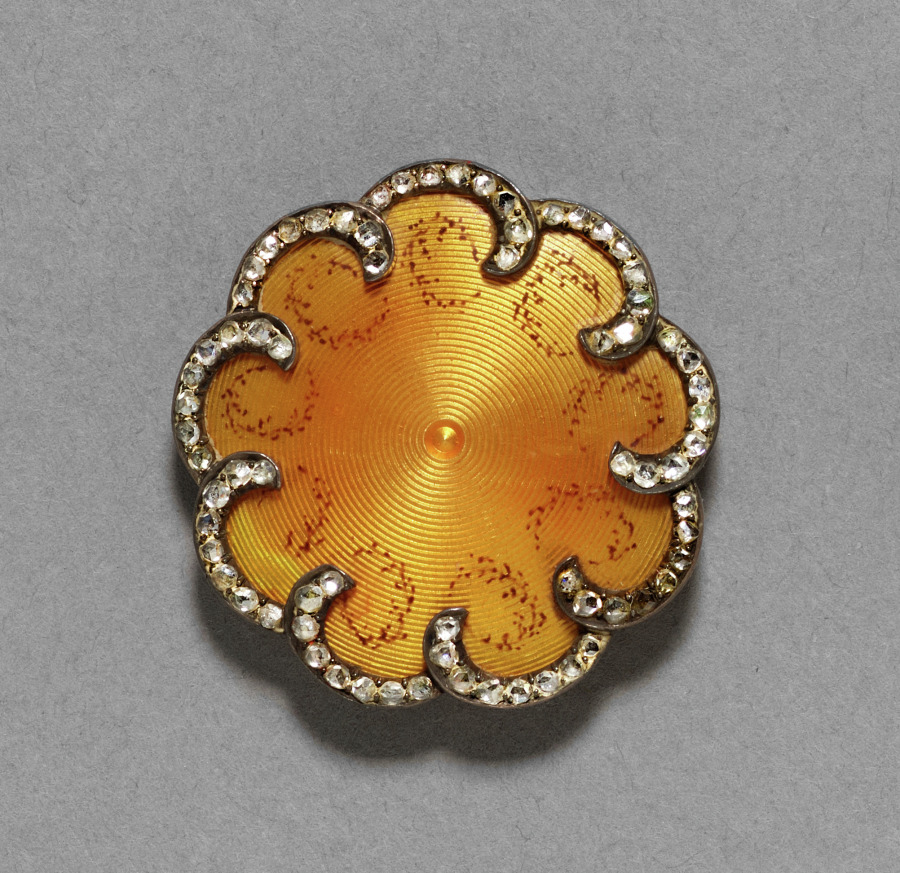
Button (Cleveland Museum of Art 1966.490.1)
after 1896
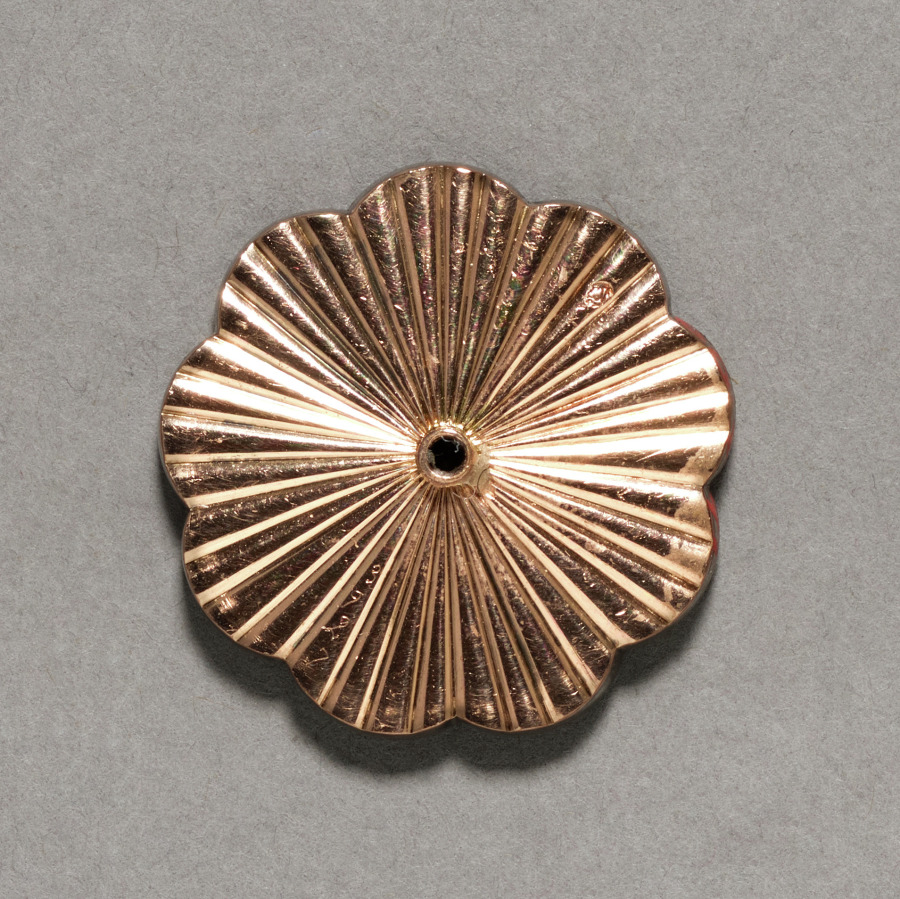
Cleveland Museum of Art object 1966.490.1: Button, after 1896. Firm of Peter Carl Fabergé (Russian, 1846–1920), August Wilhelm Holmström (Russian, 1929–1903). Gold, enamel, diamonds; diameter: 3.5 cm (1 3/8 in.). Inscribed: inscribed: double-headed eagle; Fabergé; St. Petersburg, Moscow (all in Cyrillic; inside lid…
Partial type record
buttons
Button (Cleveland Museum of Art 1966.490.2)
after 1896
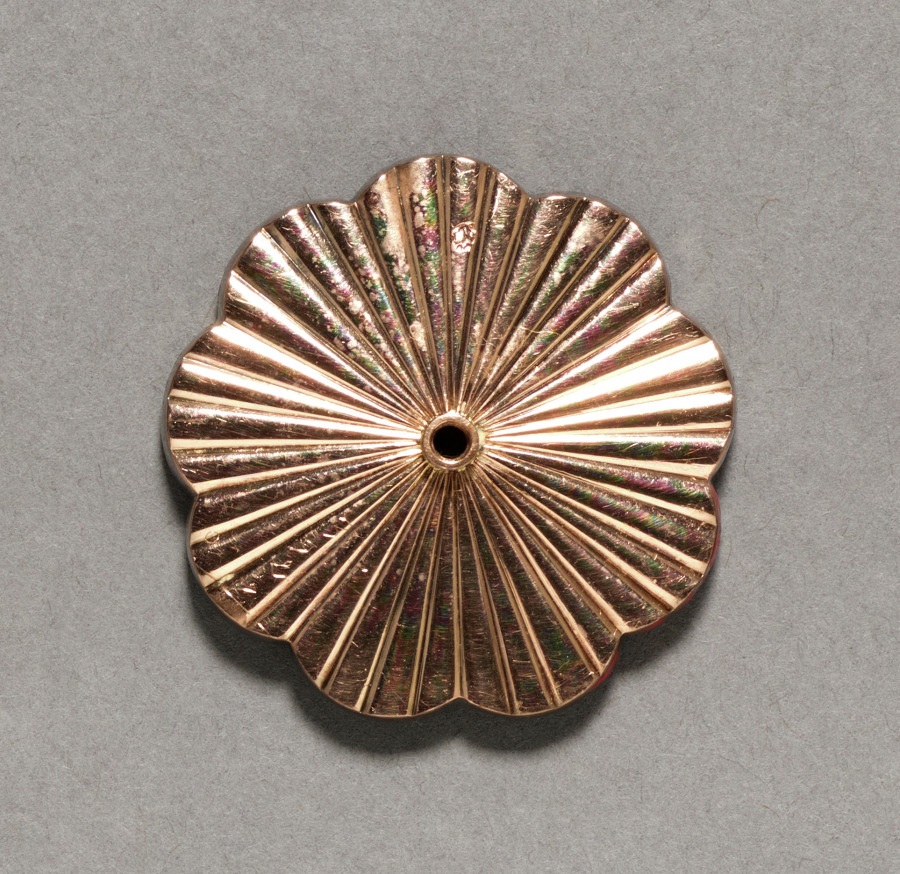
Cleveland Museum of Art object 1966.490.2: Button, after 1896. Firm of Peter Carl Fabergé (Russian, 1846–1920), August Wilhelm Holmström (Russian, 1929–1903). Gold, enamel, diamonds; diameter: 3.5 cm (1 3/8 in.). Inscribed: inscribed: double-headed eagle; Fabergé; St. Petersburg, Moscow (all in Cyrillic; inside lid…
Partial type record
buttons
Button (Cleveland Museum of Art 1966.490.3)
after 1896
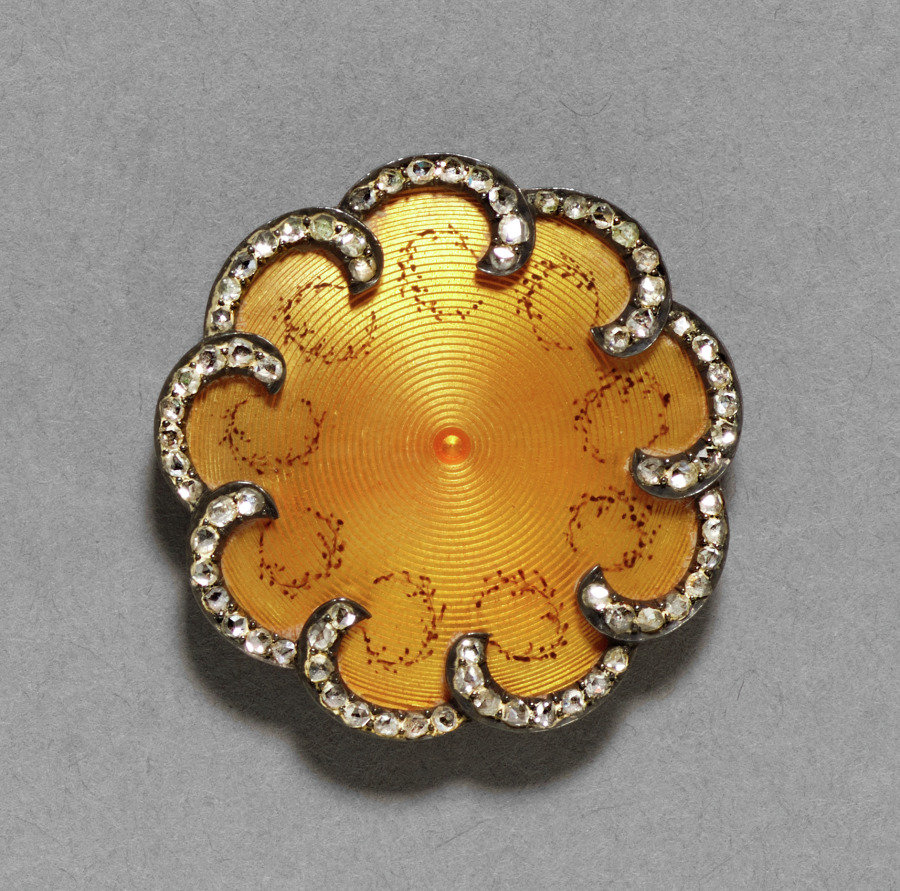
Cleveland Museum of Art object 1966.490.3: Button, after 1896. Firm of Peter Carl Fabergé (Russian, 1846–1920), August Wilhelm Holmström (Russian, 1929–1903). Gold, enamel, diamonds; diameter: 3.5 cm (1 3/8 in.). Inscribed: inscribed: double-headed eagle; Fabergé; St. Petersburg, Moscow (all in Cyrillic; inside lid…
Partial type record
buttons
Button (Cleveland Museum of Art 1966.490.4)
after 1896
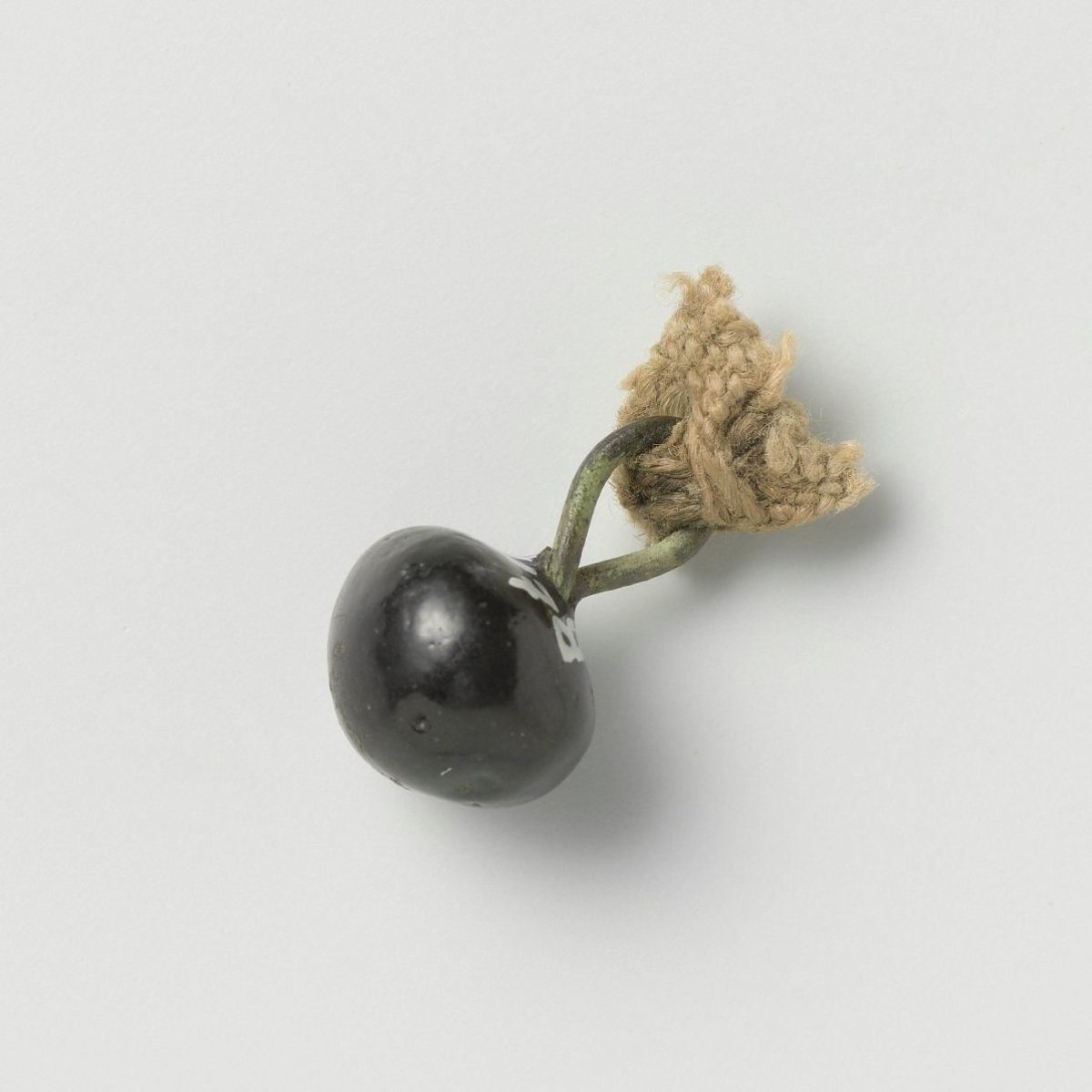
Cleveland Museum of Art object 1966.490.4: Button, after 1896. Firm of Peter Carl Fabergé (Russian, 1846–1920), August Wilhelm Holmström (Russian, 1929–1903). Gold, enamel, diamonds; diameter: 3.5 cm (1 3/8 in.). Inscribed: double-headed eagle; Fabergé; St. Petersburg, Moscow (all in Cyrillic; inside lid of box).. D…
Partial type record
buttons
Button consisting of a round sphere with a copper wire eye
c. 1590 - c. 1596
Button consisting of a round sphere with a copper wire eye. Textile remnants are attached to the button. The Rijksmuseum, Amsterdam, holds this object as NG-NM-7838-1; its record gives material recorded as copper (metal), yarn, glass; technique casting; measurements height 0.9 cm x diameter 1.8 cm. Description trans…
Partial type record
buttons
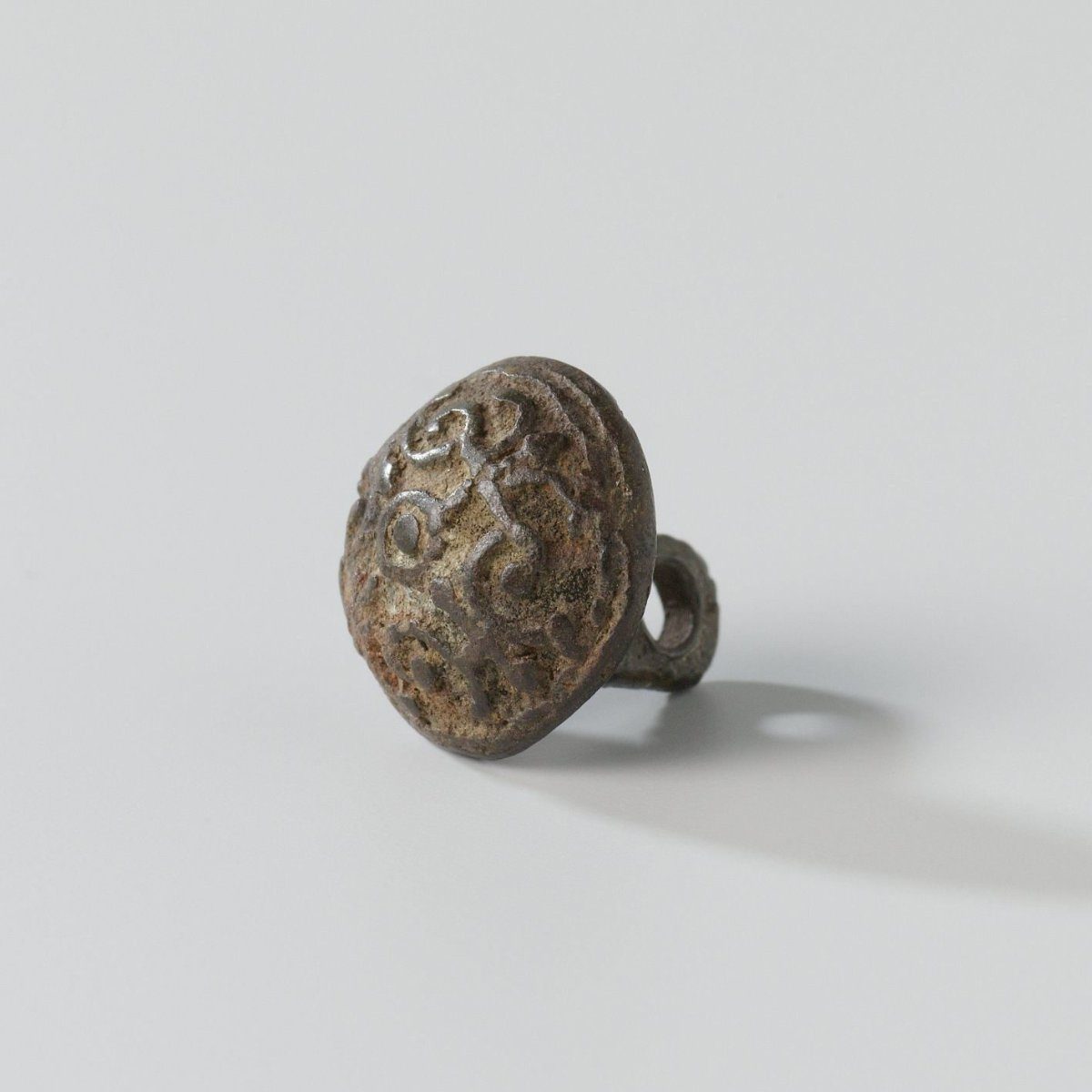
Button decorated with fleurs-de-lis
c. 1590 - c. 1596
Button, decorated with fleurs-de-lis. The buttons NG-NM-7723-7, NG-NM-7723-8 and NG-NM-7723-10 are not identical. The Rijksmuseum, Amsterdam, holds this object as NG-NM-7723-7; its record gives material recorded as brass (alloy); measurements height 1.4 cm x diameter 1.2 cm. Description translated from the museum's…
Partial type record
buttons
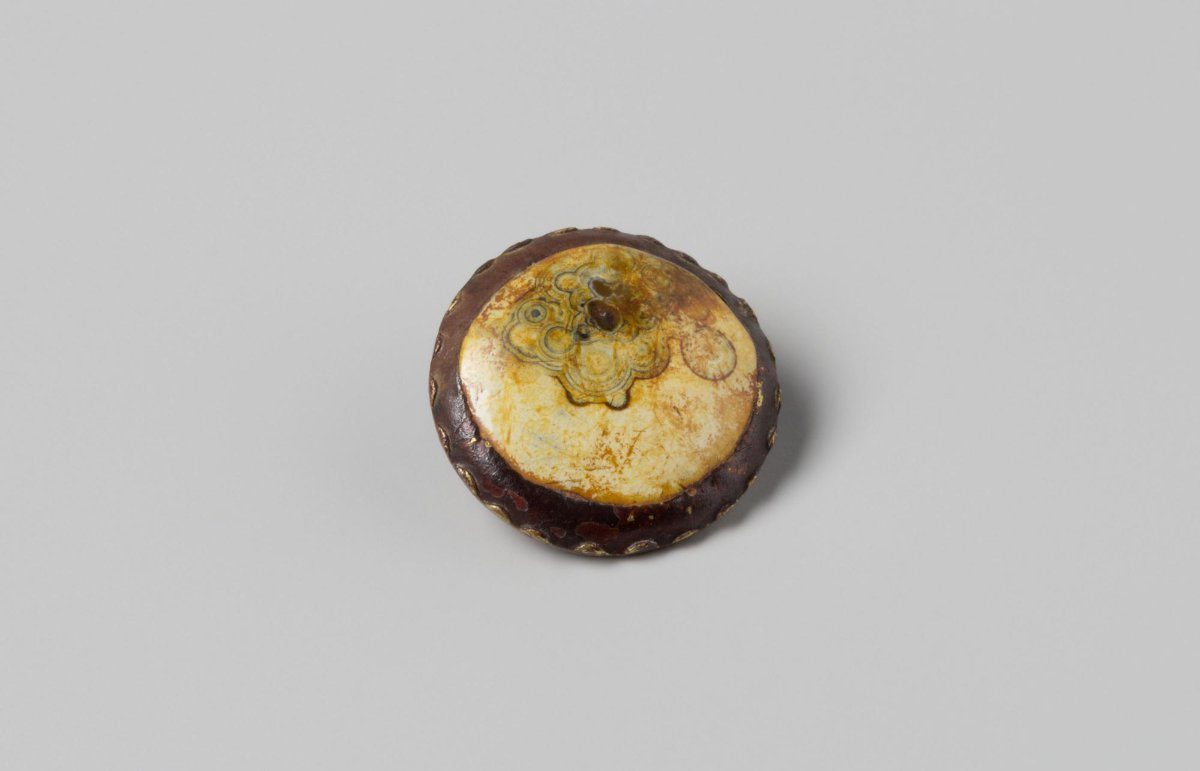
Button from the wreck of the East Indiaman Hollandia
1700 - in or before 1743-08-13
Button. Button; (1) flat base with moulded rim (1.7d), loop-shank, domed stone setting. The Rijksmuseum, Amsterdam, holds this object as NG-1980-27-H-3179; its record gives material recorded as gold (metal); measurements height 0.8 cm x diameter 1.7 cm. Description translated from the museum's Dutch catalogue text;…
Partial type record
buttons
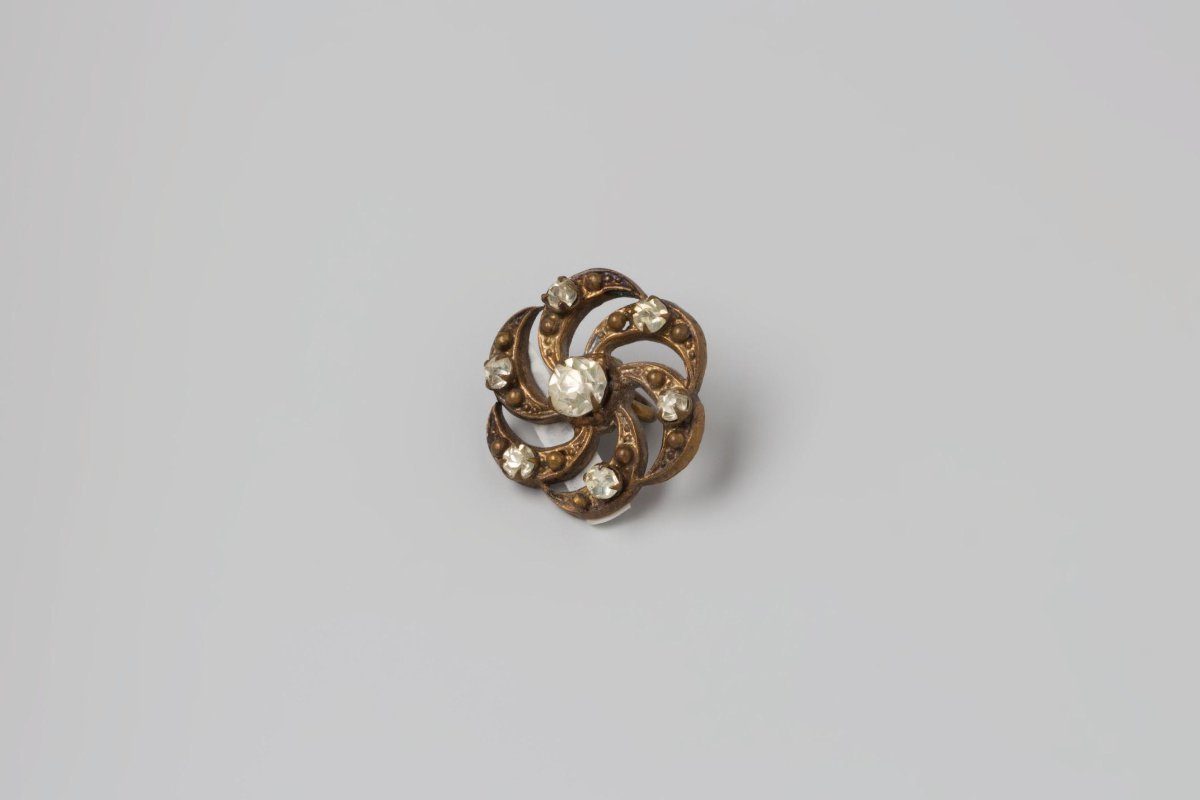
Button made of silver-coloured metal and paste
c. 1800 - c. 1900
Button of silver-coloured metal and paste. Six rotating, openwork metal spokes with three paste stones surround a large central stone. Copy of an eighteenth-century button. The Rijksmuseum, Amsterdam, holds this object as BK-1967-70-B; its record gives material recorded as metal, paste (glass); technique grinding, f…
Partial type record
buttons
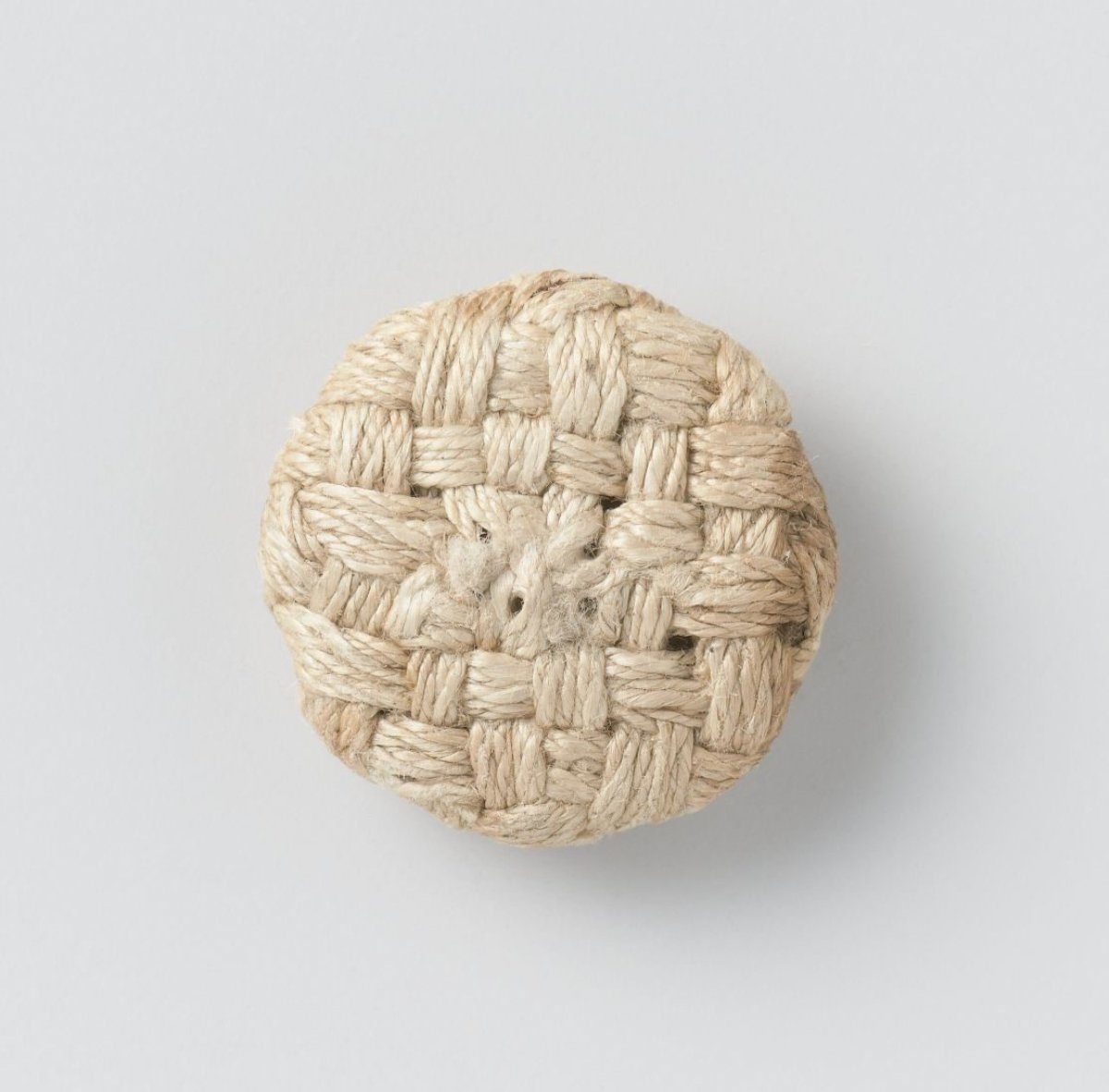
Button of braided fabric
c. 1590 - c. 1596
Button of braided fabric, presumably made of white/yellow cotton. The button is slightly convex on top. The Rijksmuseum, Amsterdam, holds this object as NG-NM-7837; its record gives material recorded as textile materials; measurements height 0.9 cm x diameter 1.8 cm. Description translated from the museum's Dutch ca…
Partial type record
buttons
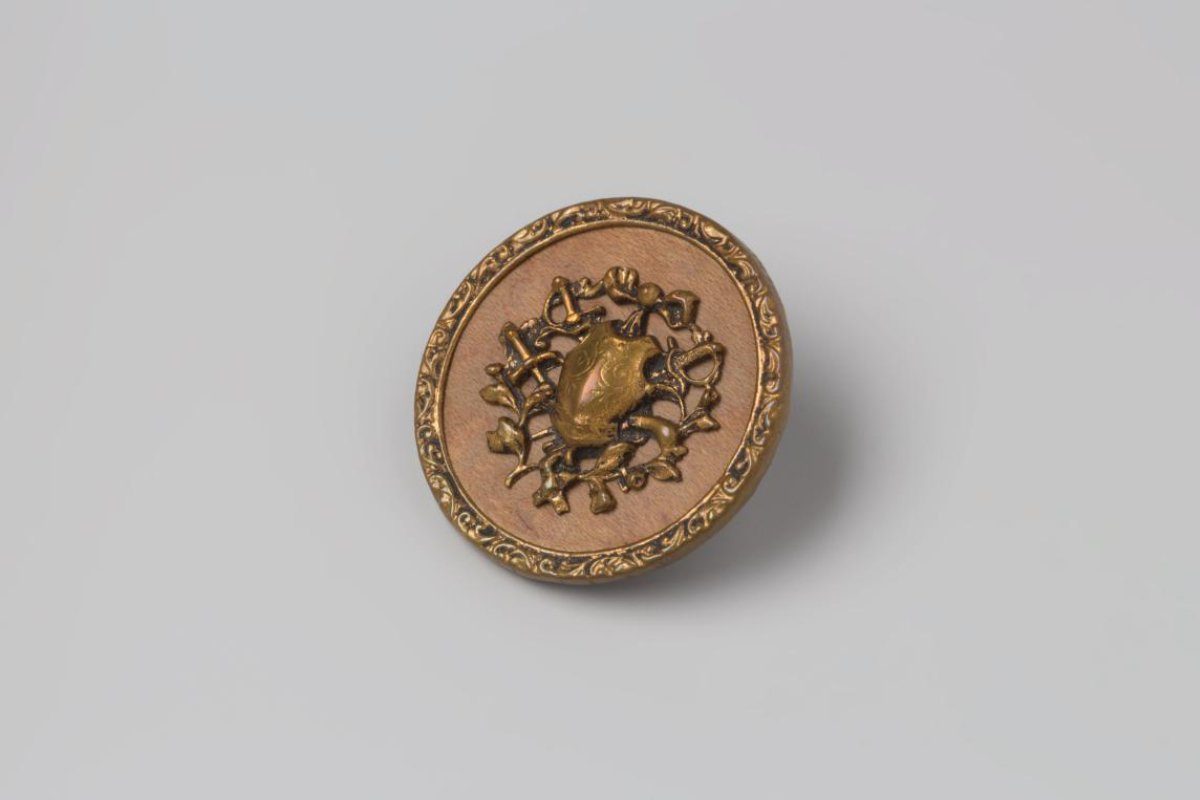
Button of copper and wood, as a fret-sawn, applied copper trophy, with a cuirass
c. 1900
Button of copper and wood. Fret-sawn, applied trophy of copper, consisting of a breast cuirass suspended from a ribbon, over crossed sabre, sword, poniard, and revolver. On a smooth, grained brown wooden ground, with a raised copper rim. Fancy button. The Rijksmuseum, Amsterdam, holds this object as BK-1967-74; its…
Partial type record
buttons
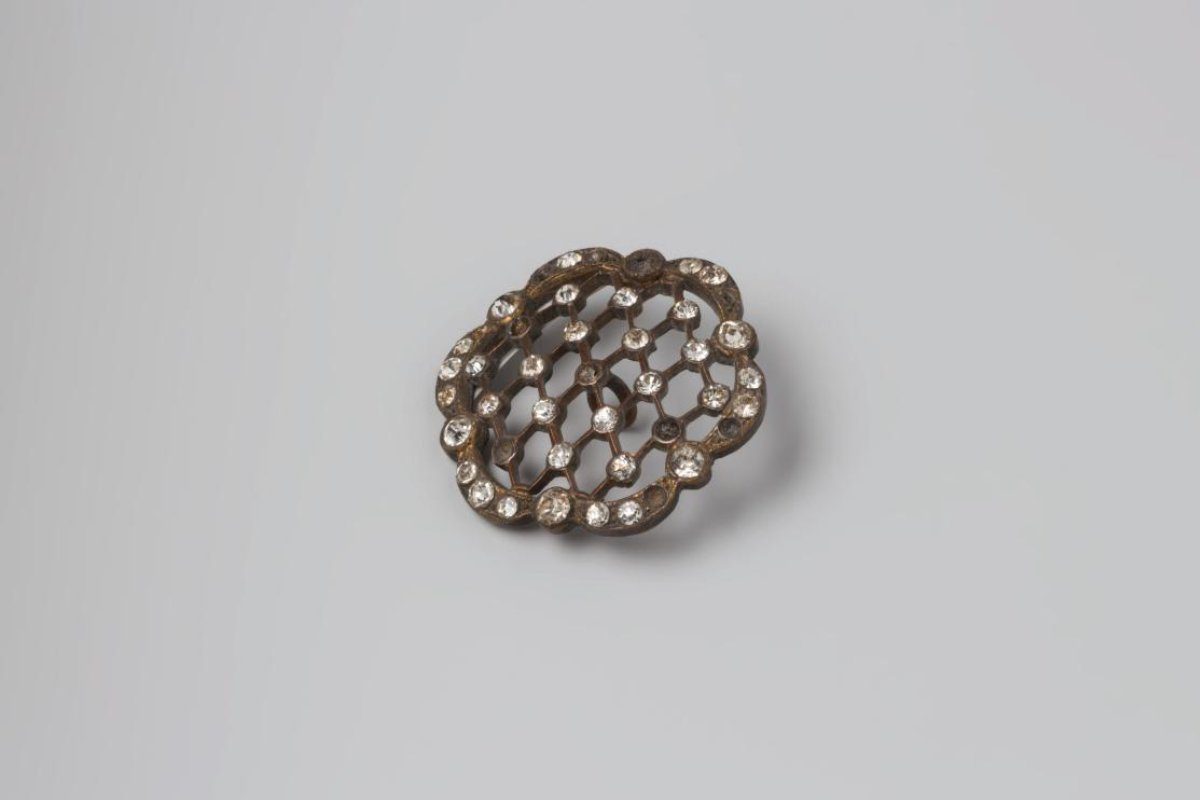
Button of copper with paste
c. 1910
Button of copper with paste. Set within a six-lobed border is an openwork grid filling, each intersection set with a brilliant-cut paste stone. The Rijksmuseum, Amsterdam, holds this object as BK-1967-68; its record gives material recorded as copper (metal), paste (glass); technique grinding, forging; measurements d…
Partial type record
buttons
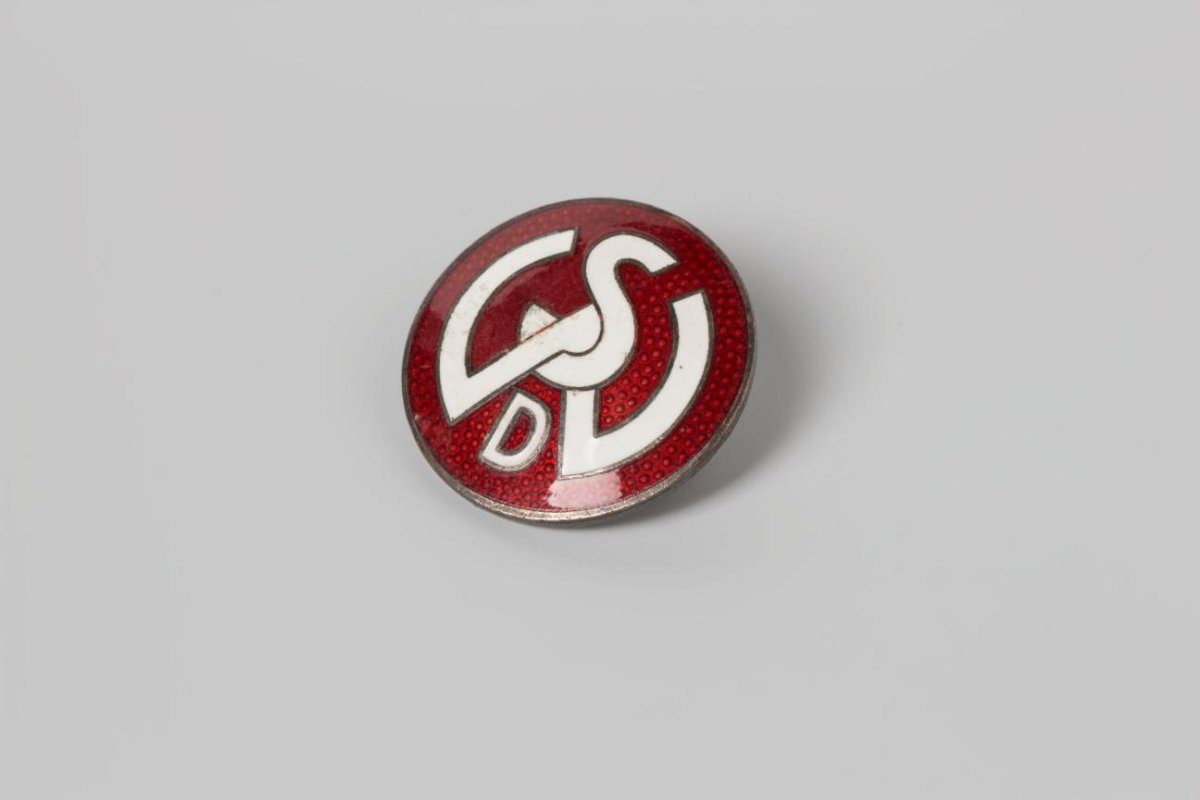
Button of enamel on copper 'Simon de Witt'
c. 1970
Round button of enamel on copper 'Simon de Witt'. The letters are white on a red ground. On the reverse are two round eyes. The Rijksmuseum, Amsterdam, holds this object as BK-2010-2-353; its record gives material recorded as copper (metal); measurements diameter 2.4 cm x height 0.8 cm. Description translated from t…
Partial type record
buttons
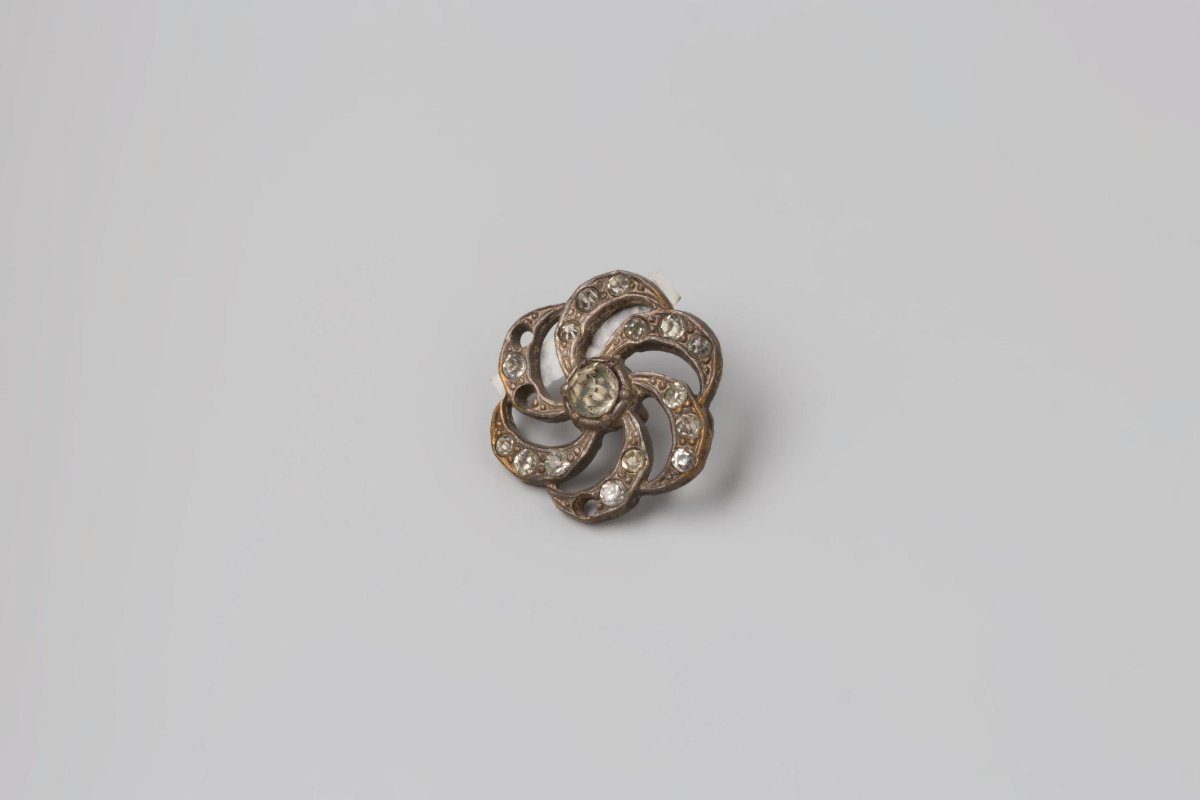
Button of silver-coloured metal and paste
c. 1700 - c. 1800
Button of silver-coloured metal and paste. Six swirling, openwork metal spokes set with three paste stones surround a large central stone. The Rijksmuseum, Amsterdam, holds this object as BK-1967-70-A; its record gives material recorded as metal, paste (glass); technique grinding, forging; measurements diameter 2 cm…
Partial type record
buttons
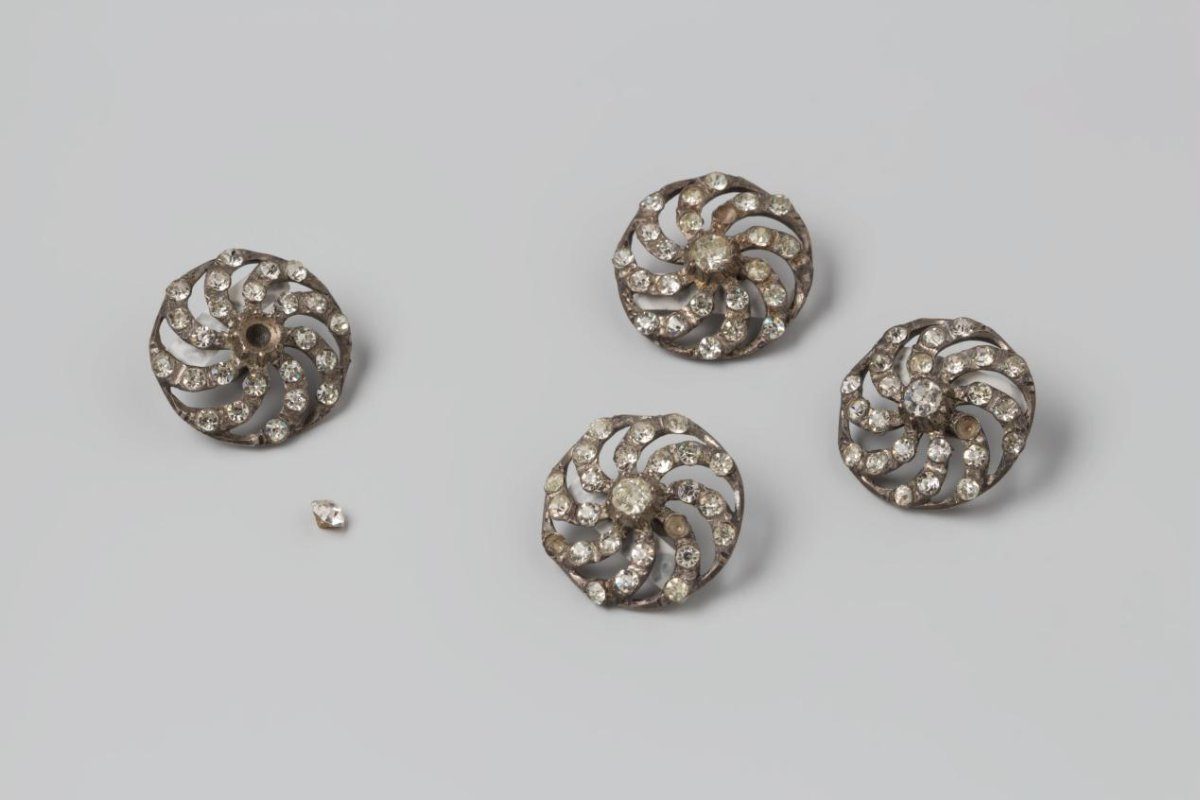
Button with a large stone in the centre around which are eight small ones on curved spokes
c. 1800
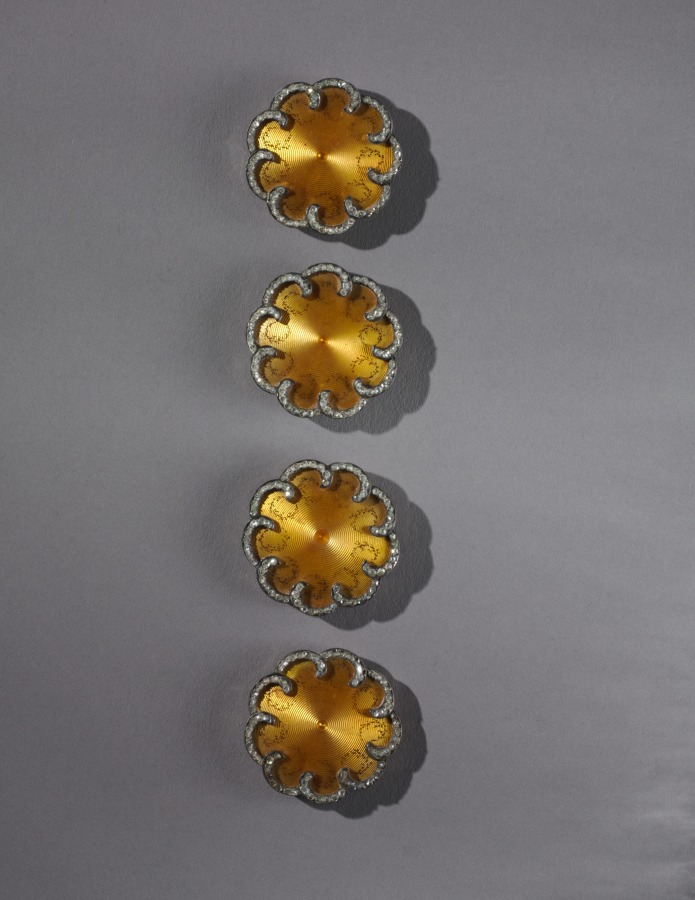
Four buttons of silver and paste. Decorated with eight curved spokes with small paste stones, radiating from 1 large stone in the centre. The Rijksmuseum, Amsterdam, holds this object as BK-1967-69; its record gives material recorded as silver (metal), paste (glass); technique grinding, forging; measurements diamete…
Partial type record
buttons
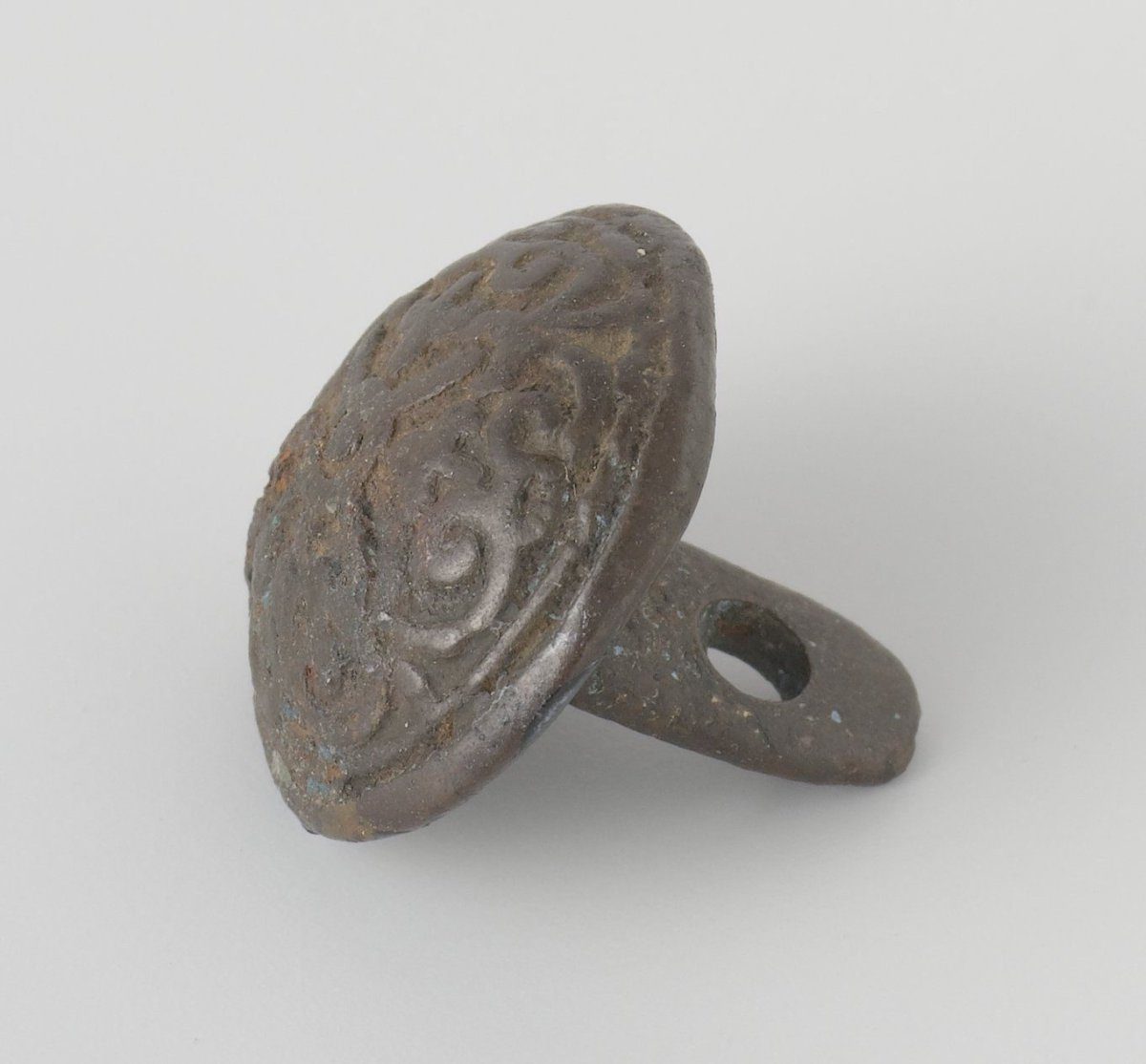
Button with four fleurs-de-lis
c. 1590 - c. 1596
Button, decorated with four fleurs-de-lis. The buttons NG-NM-7723-7, NG-NM-7723-8, and NG-NM-7723-10 are not identical. The Rijksmuseum, Amsterdam, holds this object as NG-NM-7723-10; its record gives material recorded as brass (alloy); measurements height 2 cm x diameter 1.6 cm. Description translated from the muse…
Partial type record
buttons
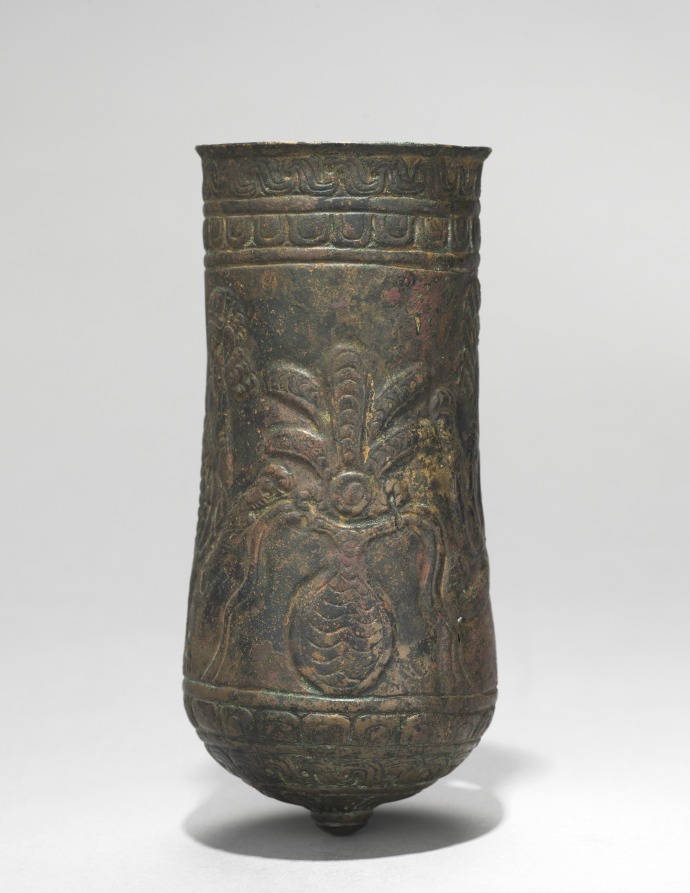
Button-Based Situla (Cleveland Museum of Art 1960.35.1)
900–700 BCE
The metalworkers of Luristan provided the Assyrian empire with elaborate bronze ornaments and vessels. These two situla are decorated symmetrically---one with ibexes drinking from an overflowing water jar; the other, with sphinxes. Cleveland Museum of Art object 1960.35.1: Button-Based Situla, 900–700 BCE. Iran, Lur…
Partial type record
buttons
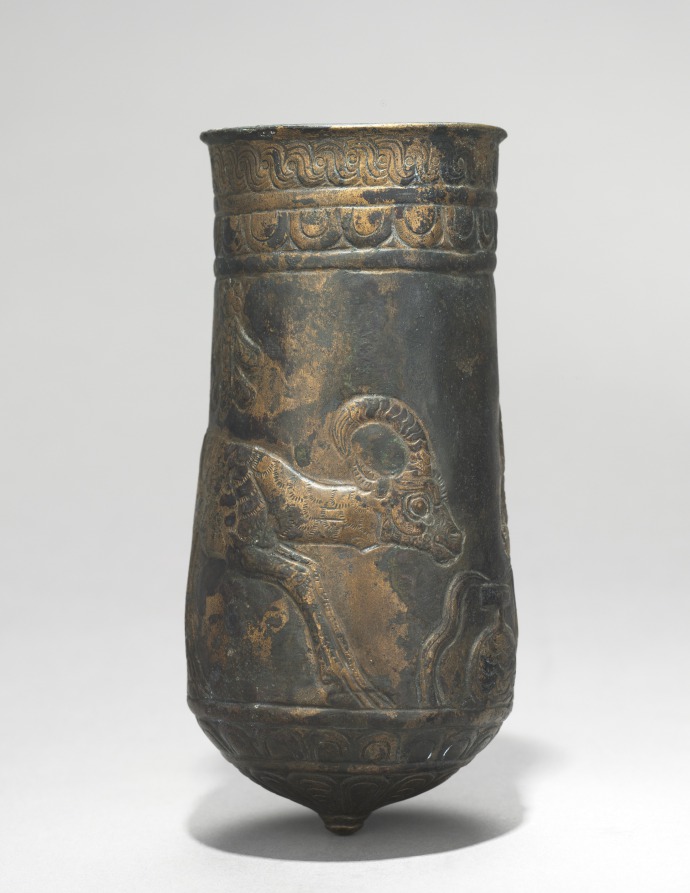
Button-Based Situla (Cleveland Museum of Art 1960.35.2)
900–700 BCE
The metalworkers of Luristan provided the Assyrian empire with elaborate bronze ornaments and vessels. These two situla are decorated symmetrically---one with ibexes drinking from an overflowing water jar; the other, with sphinxes. Cleveland Museum of Art object 1960.35.2: Button-Based Situla, 900–700 BCE. Iran, Lur…
Partial type record
buttons
Button-Based Situlas (Cleveland Museum of Art 1960.35)
900–700 BCE
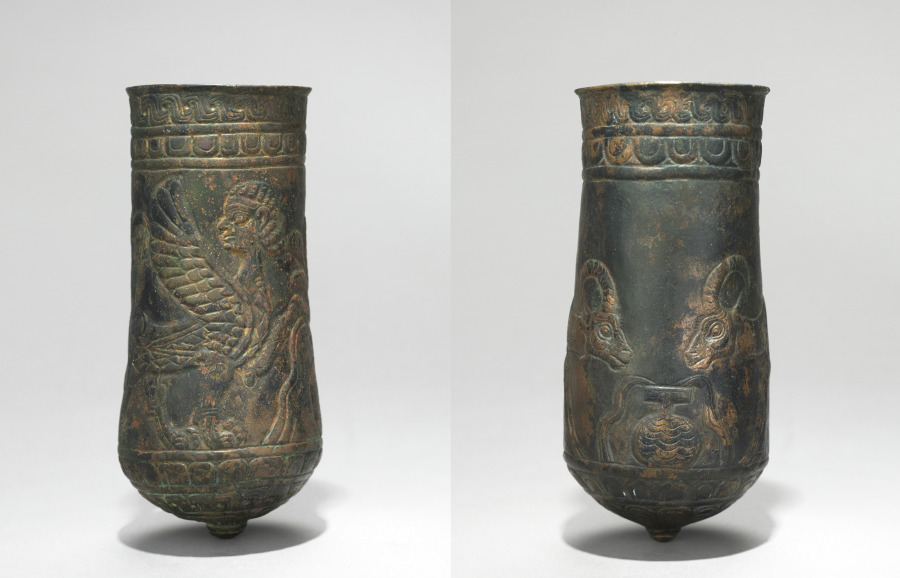
The metalworkers of Luristan provided the Assyrian empire with elaborate bronze ornaments and vessels. These two situla have symmetrical decoration—one with ibexes drinking from an overflowing water jar; the other, with sphinxes. Cleveland Museum of Art object 1960.35: Button-Based Situlas, 900–700 BCE. Iran, Lurist…
Partial type record
buttons
Button, 1868 - 1912
1868 - 1912
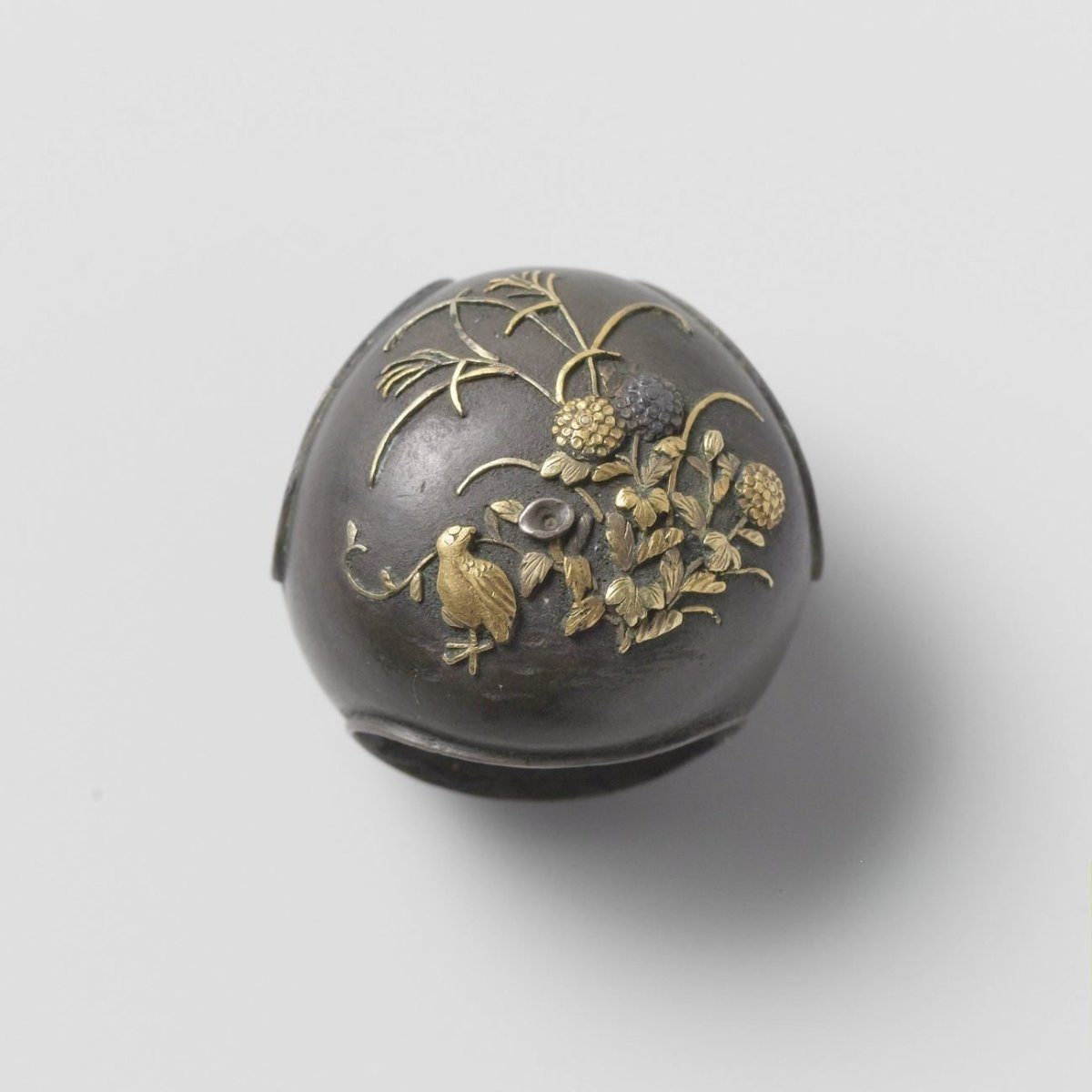
Spherical button, hollow and thin-walled, flattened at the top and bottom; several openings; in relief on the top. The Rijksmuseum, Amsterdam, holds this object as AK-MAK-1421; its record gives material recorded as bronze (metal), copper (metal), gilding (material); technique gild; measurements height 1.5 cm x diame…
Partial type record
buttons
Button, conical with ribs and a leaf-shaped eye
c. 1590 - c. 1596
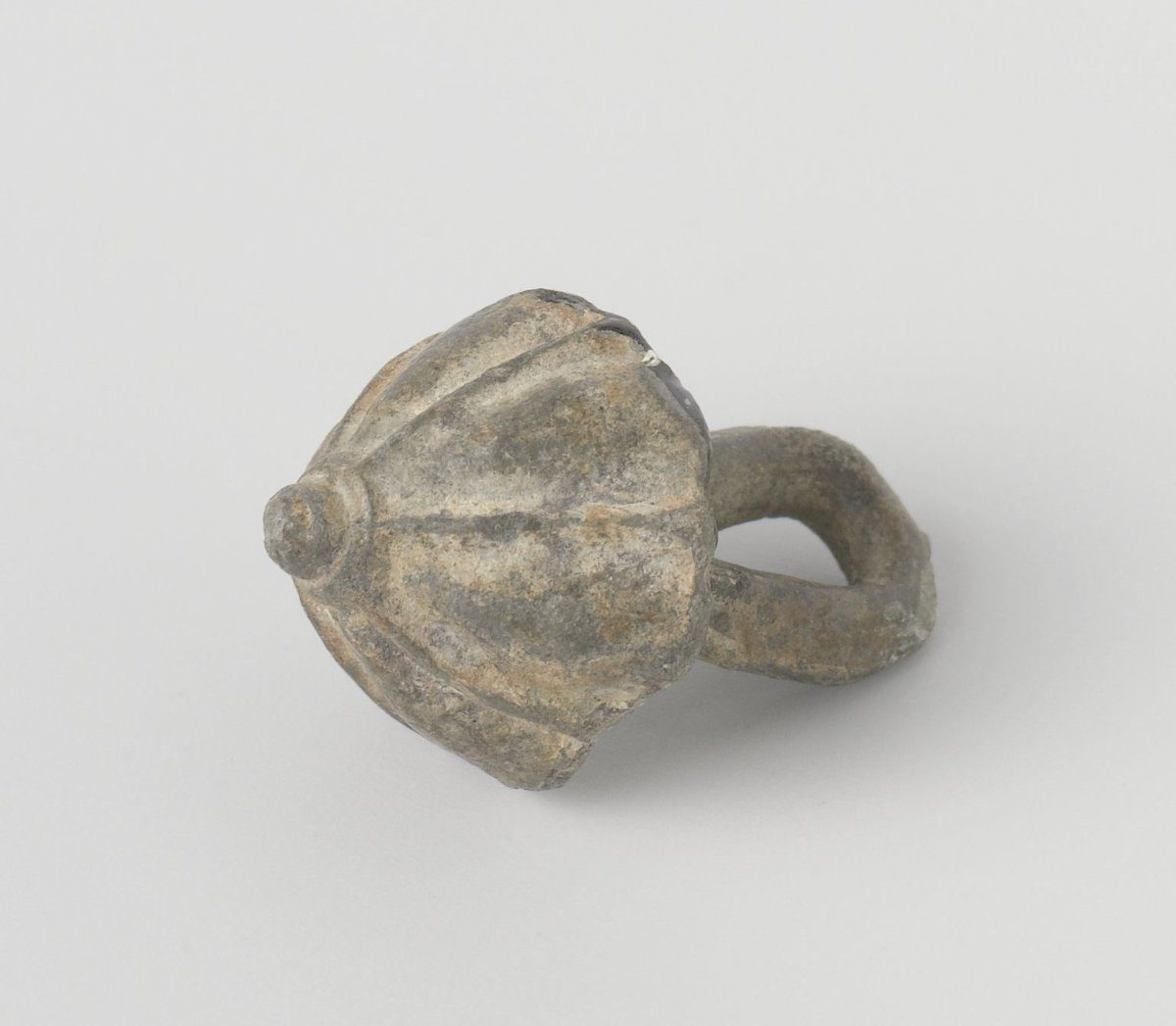
Button, conical in shape with six ribs meeting at a point and a leaf-shaped eye. The Rijksmuseum, Amsterdam, holds this object as NG-NM-7723-2; its record gives material recorded as tin (metal); technique casting; measurements height 1.8 cm x diameter 1 cm. Description translated from the museum's Dutch catalogue te…
Partial type record
buttons
Button, conical with ribs and leaf-shaped eye
c. 1590 - c. 1596
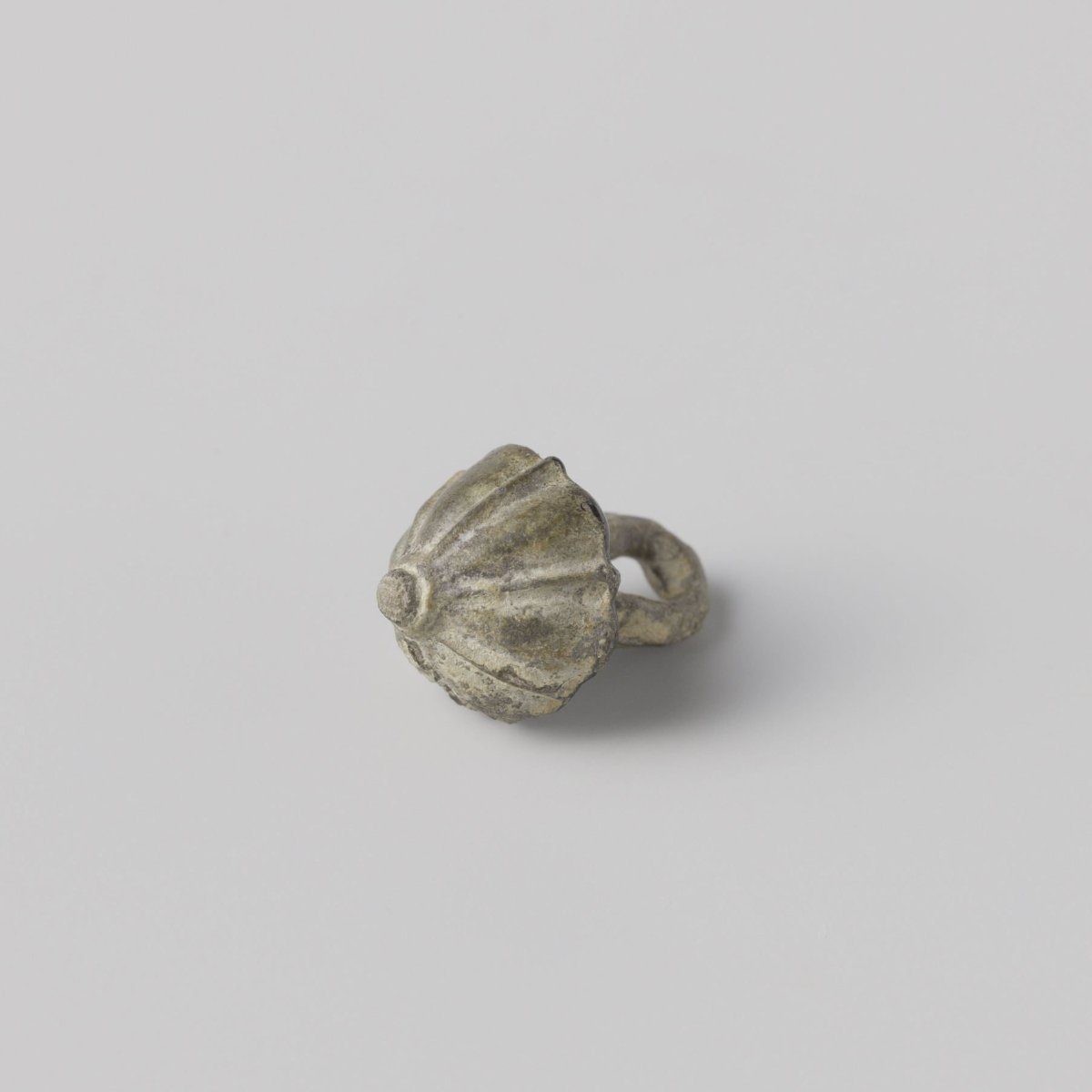
Button, conical in shape with six ribs meeting at a point and a leaf-shaped eye. The Rijksmuseum, Amsterdam, holds this object as NG-NM-7723-1; its record gives material recorded as tin (metal); technique casting; measurements height 1.9 cm x diameter 1.2 cm. Description translated from the museum's Dutch catalogue…
Partial type record
buttons
Button, Czech Republic, Slovakia, 1900-1949
1900-1949
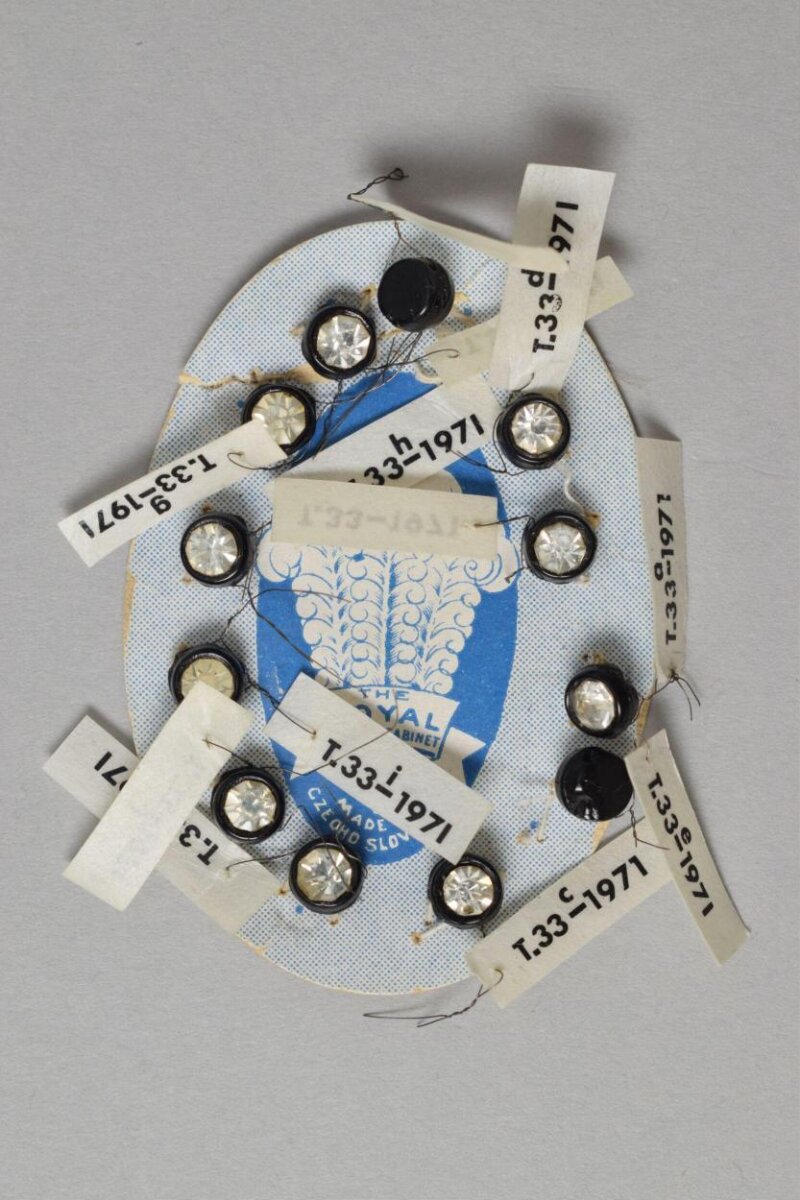
Button in the Victoria and Albert Museum, London (museum number T.33-1971), made in Czech Republic, Slovakia, dated 1900-1949. The museum's brief description reads: Composition button mounted on card, set with paste diamond, made in Czech Republic or Slovakia, 1900-1949. Museum description: Circular flat topped butt…
Partial type record
buttons
Button, Czech Republic, Slovakia, ca. 1920
ca. 1920
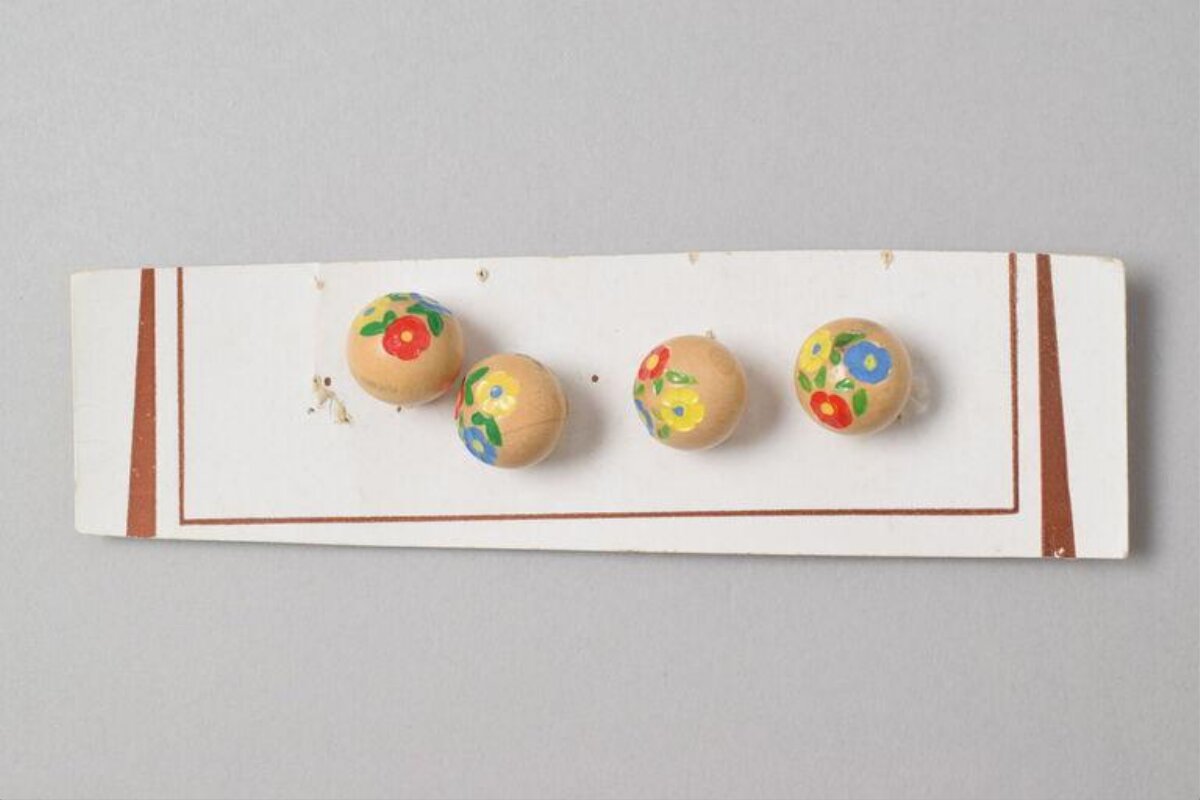
Button in the Victoria and Albert Museum, London (museum number T.44-1971), made in Czech Republic, Slovakia, dated ca. 1920. The museum's brief description reads: Four wooden ball buttons, made in Czech Republic or Slovakia, ca. 1920, mounted on card. Museum description: Four wooden ball buttons decorated with pain…
Partial type record
buttons
Button, France, 1789-1790
1789-1790
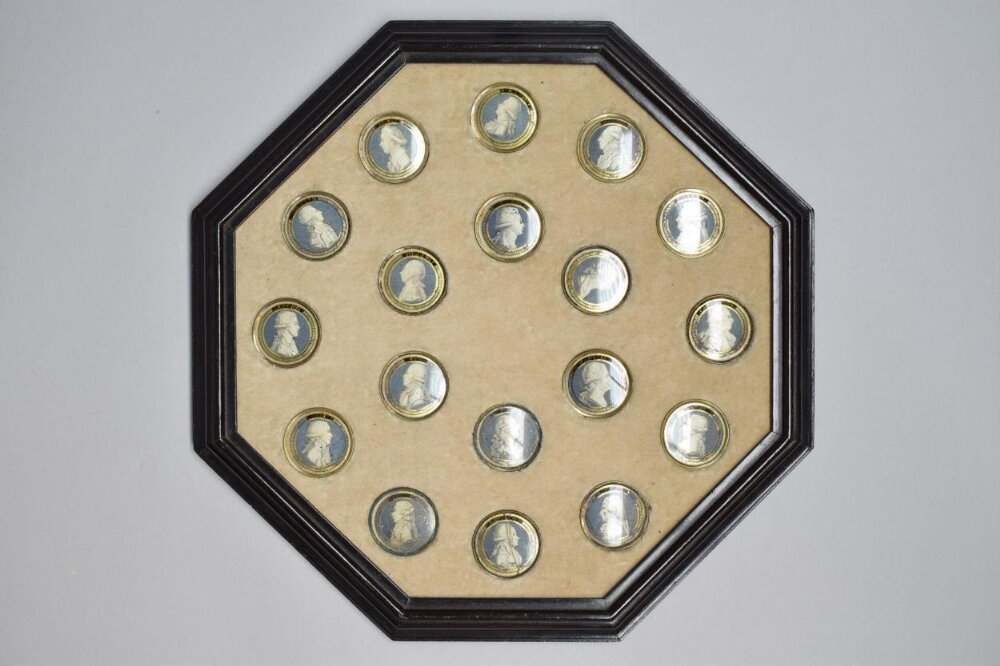
Button, France, 1789-1790 is an object recorded by Victoria and Albert Museum, dated 1789-1790. The museum's brief description reads: Silk satin, copperplate-printed portrait of a political figure from the French Revolution; France, about 1790. Museum description: This is one button of a set of eighteen (nos. T.39 t…
Partial type record
buttons
Button, France, 1789-1790
1789-1790
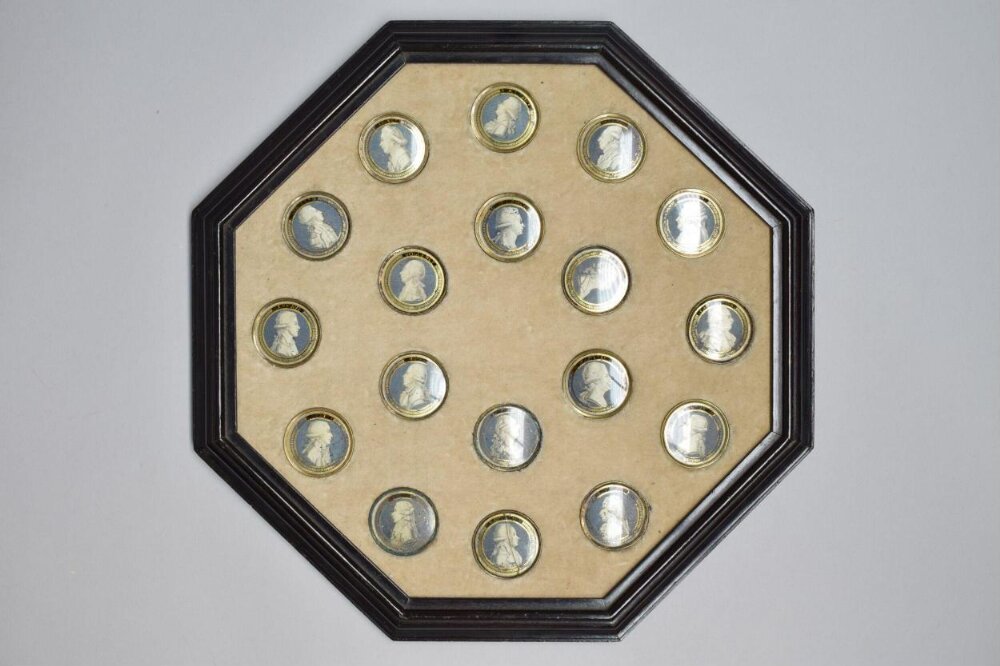
Button, France, 1789-1790 is an object recorded by Victoria and Albert Museum, dated 1789-1790. The museum's brief description reads: Silk satin, copperplate-printed portrait of a political figure from the French Revolution; France, about 1790. Museum description: This is one button of a set of eighteen (nos. T.39 t…
Partial type record
buttons
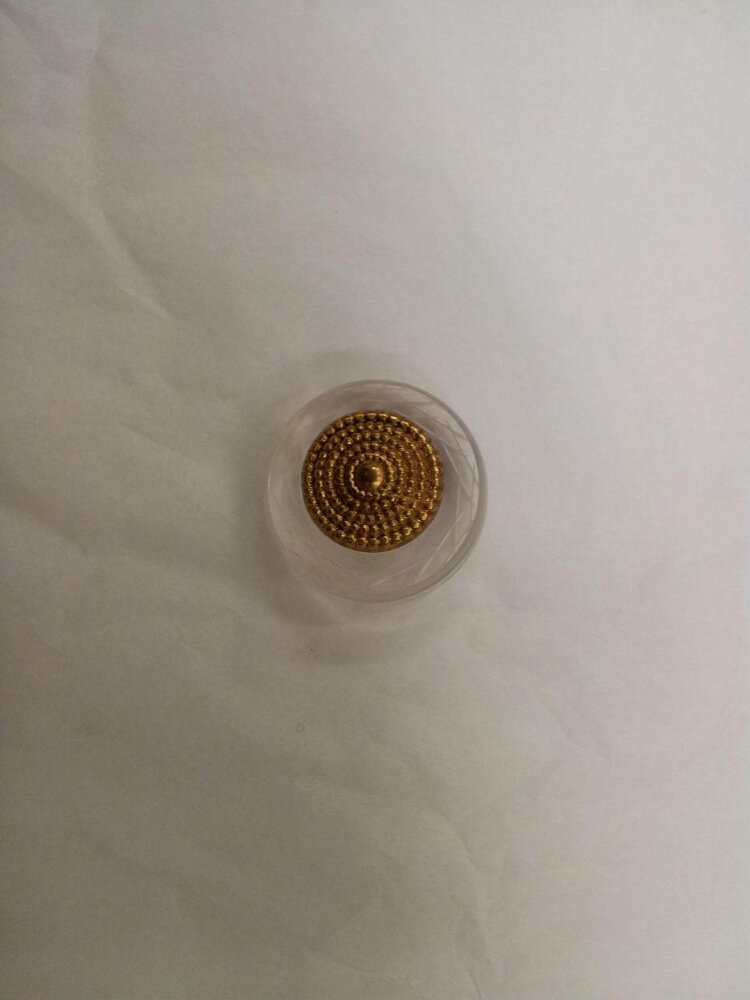
Button, Froner Plastics Ltd, London, ca. 1949
ca. 1949
Button, Froner Plastics Ltd, London, ca. 1949 is an object recorded by Victoria and Albert Museum, dated ca. 1949. The museum's brief description reads: Plastic button, transparent with central brass raised disc, 1940s, British. Museum description: Transparent plastic, probably cellulose acetate, circular button wit…
Partial type record
buttons
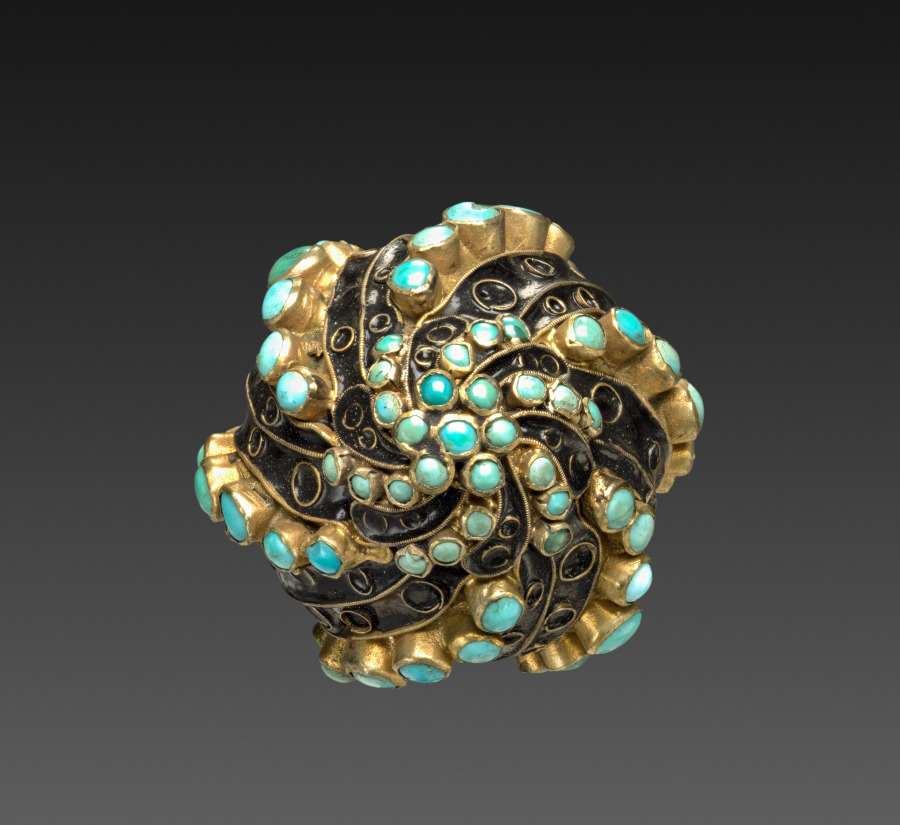
Button, Hungary, 1811–1916
1811–1916
Button, Hungary, 1811–1916 is an object recorded by Cleveland Museum of Art, dated 1811–1916. The museum record gives material recorded as metal and enamel; measurements Diameter: 4.5 cm (1 3/4 in.); place associated: Hungary. These details come from the holding museum's own record; how far this object represents a…
Partial type record
buttons
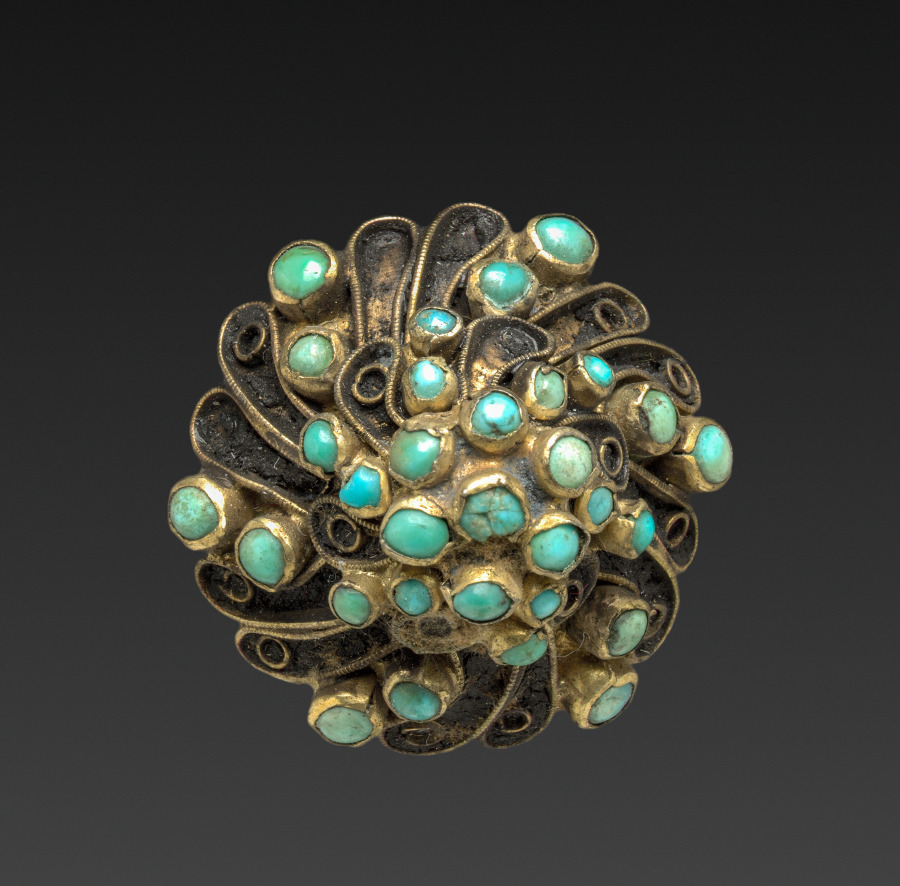
Button, Hungary, 1811–1916
1811–1916
Button, Hungary, 1811–1916 is an object recorded by Cleveland Museum of Art, dated 1811–1916. The museum record gives material recorded as metal and enamel; measurements Diameter: 2 cm (13/16 in.); place associated: Hungary. These details come from the holding museum's own record; how far this object represents a wi…
Partial type record
buttons
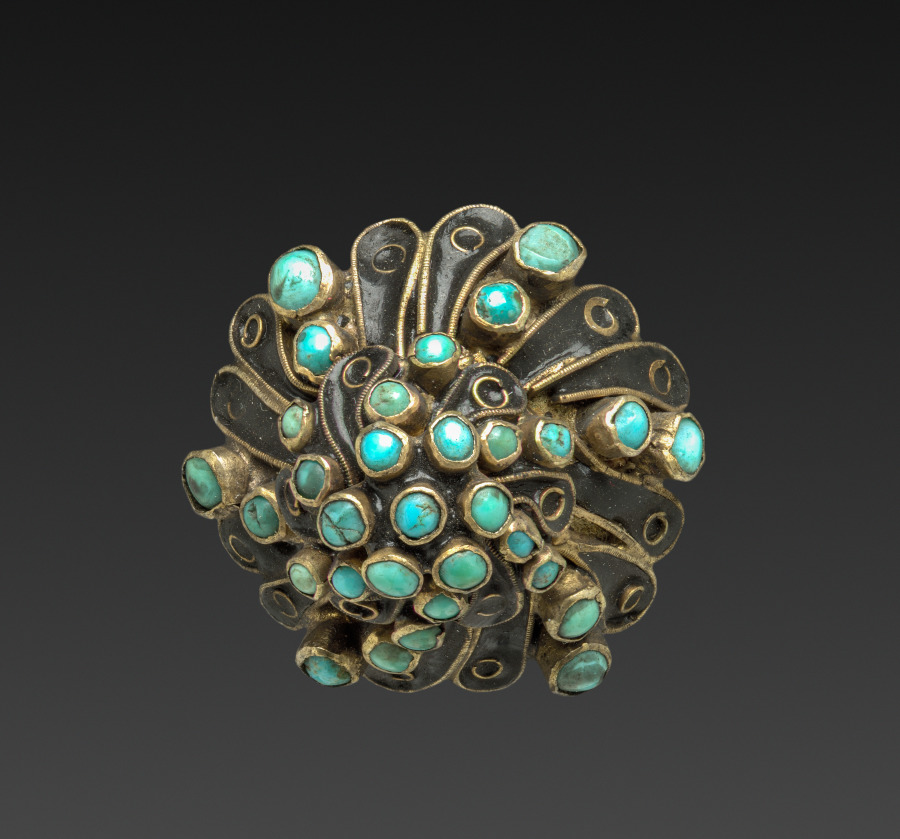
Button, Hungary, 1811–1916 (1916.629.4)
1811–1916
Button in The Cleveland Museum of Art (accession 1916.629.4), classified by the museum as Jewelry, from Hungary, dated 1811–1916. The museum records the material and technique as metal and enamel. Measurements: Diameter: 2 cm (13/16 in.). These details are transcribed from the museum's open-access record; how far th…
Partial type record
buttons
Button, London, 1940-1945
1940-1945
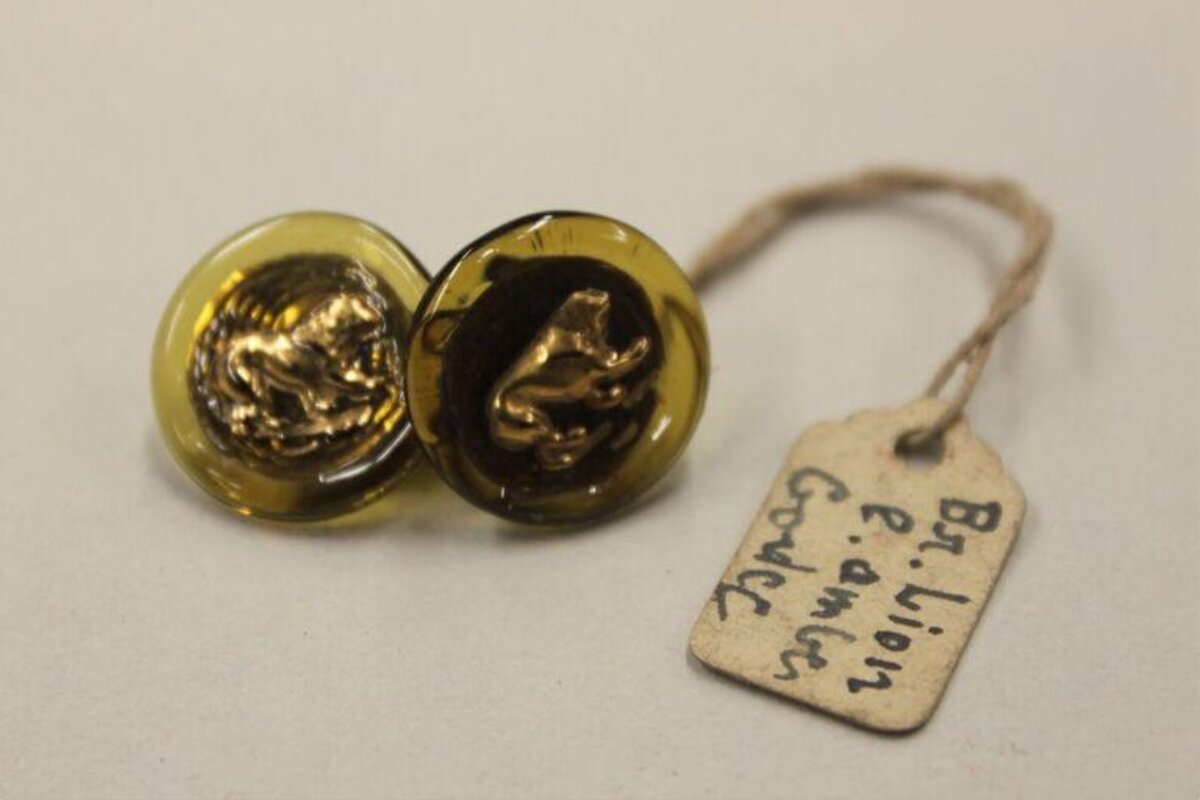
Button in the Victoria and Albert Museum, London (museum number C.281:1-2017), made in London, dated 1940-1945, attributed to Lucie Rie. The museum's brief description reads: Glass Button by Orplid Glassworks, green glass with impressed decoration of a bear in gold, London, 1940-1945.. Museum description: Glass butt…
Partial type record
buttons
Button, Lucie Rie, Great Britain, 1945-1948
1945-1948
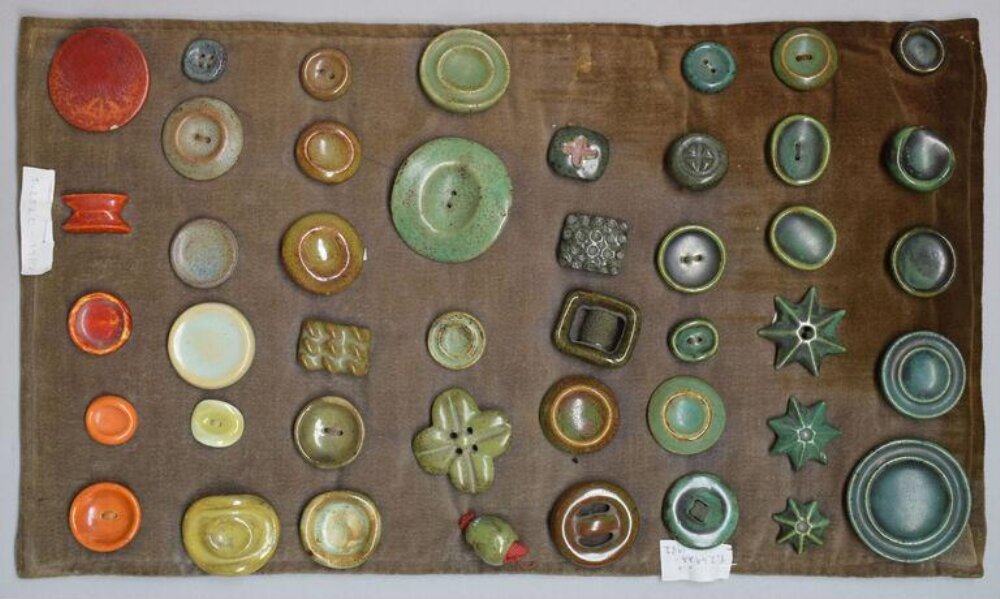
Button, Lucie Rie, Great Britain, 1945-1948 is an object recorded by Victoria and Albert Museum, dated 1945-1948. The museum's brief description reads: Ceramic button, designed and made by Lucie Rie, Great Britain, 1945-1948. Museum description: Ceramic button in green. The museum record gives material recorded as c…
Partial type record
buttons
Button, Lucie Rie, London, 1940-1945
1940-1945
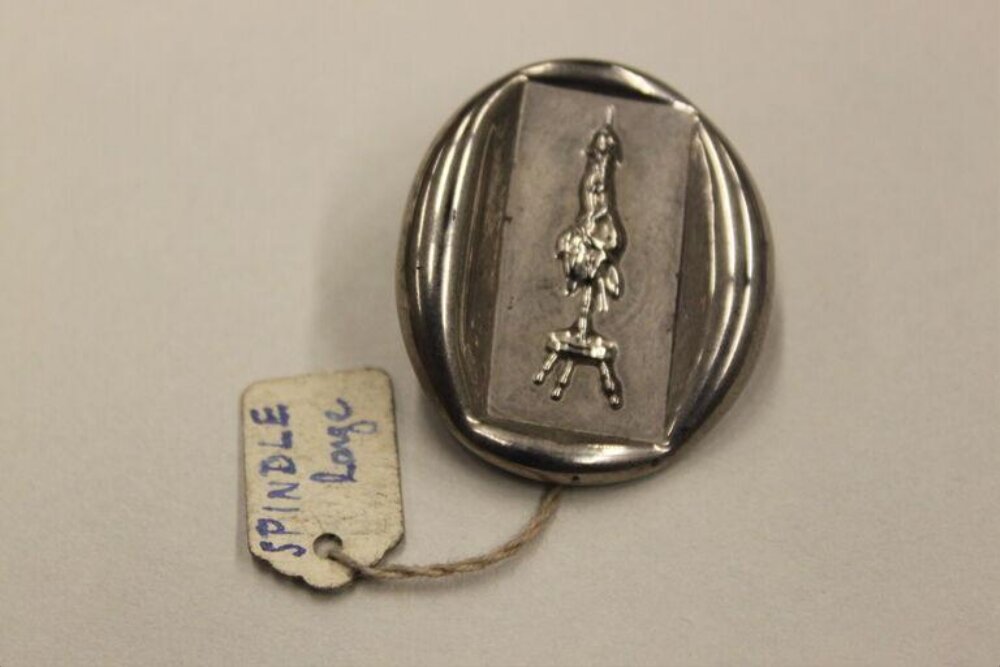
Button, Lucie Rie, London, 1940-1945 is an object recorded by Victoria and Albert Museum, dated 1940-1945. The museum's brief description reads: Glass Button by Orplid Glassworks, silver with an impressed depiction possibly of a spindle, London, 1940-1945.. Museum description: Glass button, silver with impressed dep…
Partial type record
buttons
Button, Lucie Rie, London, 1940-1945
1940-1945
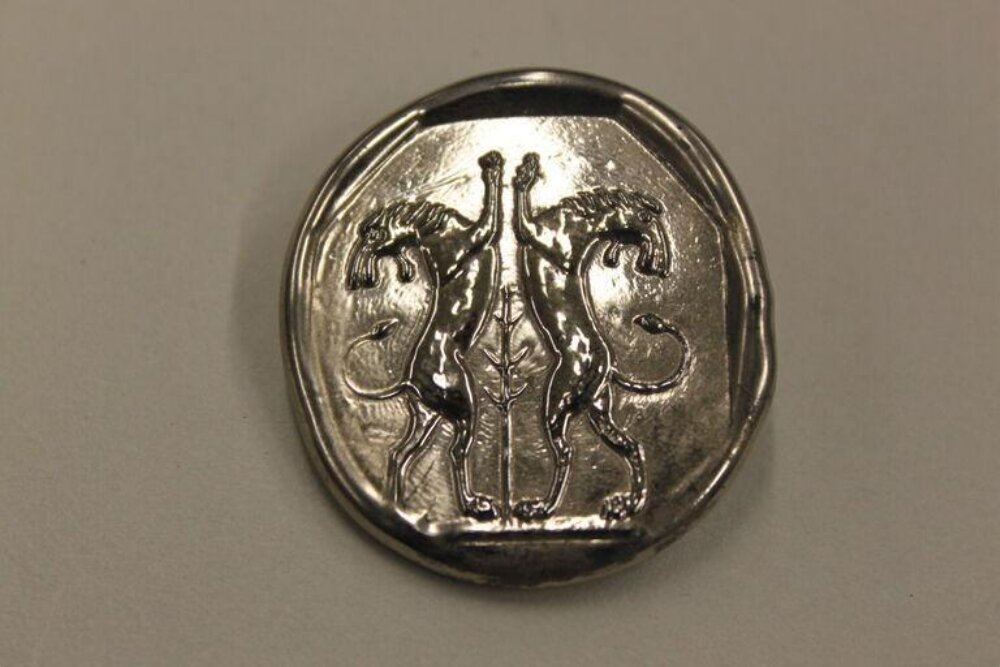
Button, Lucie Rie, London, 1940-1945 is an object recorded by Victoria and Albert Museum, dated 1940-1945. The museum's brief description reads: Glass Button by Orplid Glassworks, silver with impressed depiction of two rearing horses, London, 1940-1945.. Museum description: Glass button, silver with impressed depict…
Partial type record
buttons
Button, Lucie Rie, London, 1940-1945
1940-1945
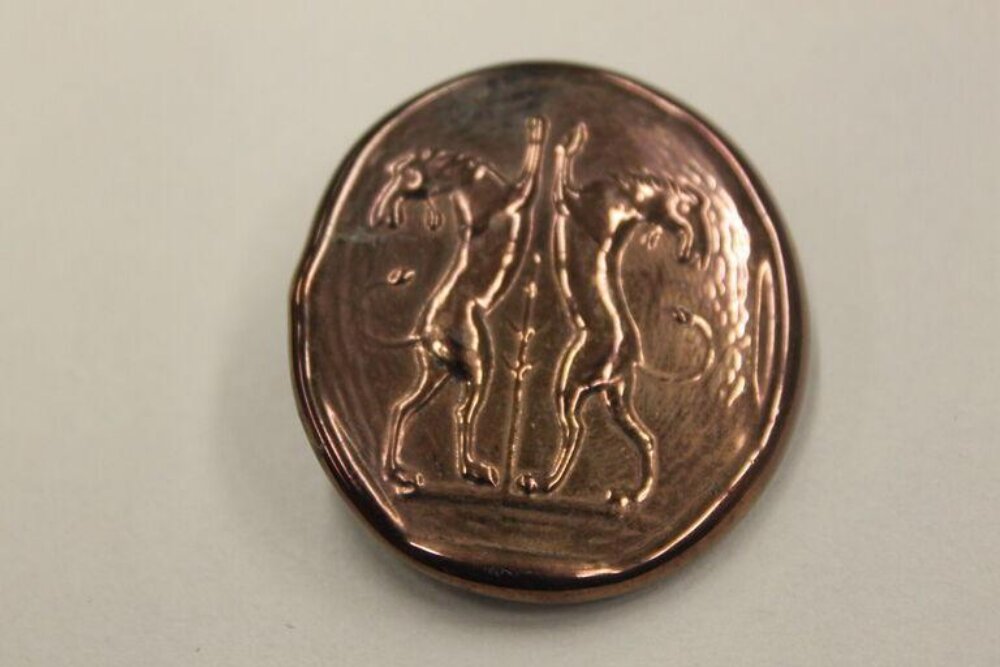
Button, Lucie Rie, London, 1940-1945 is an object recorded by Victoria and Albert Museum, dated 1940-1945. The museum's brief description reads: Glass Button by Orplid Glassworks, bronze with impressed depiction of two rearing horses, London, 1940-1945.. Museum description: Glass button, bronze with impressed depict…
Partial type record
buttons
Button, Malta, 1775-1798
1775-1798
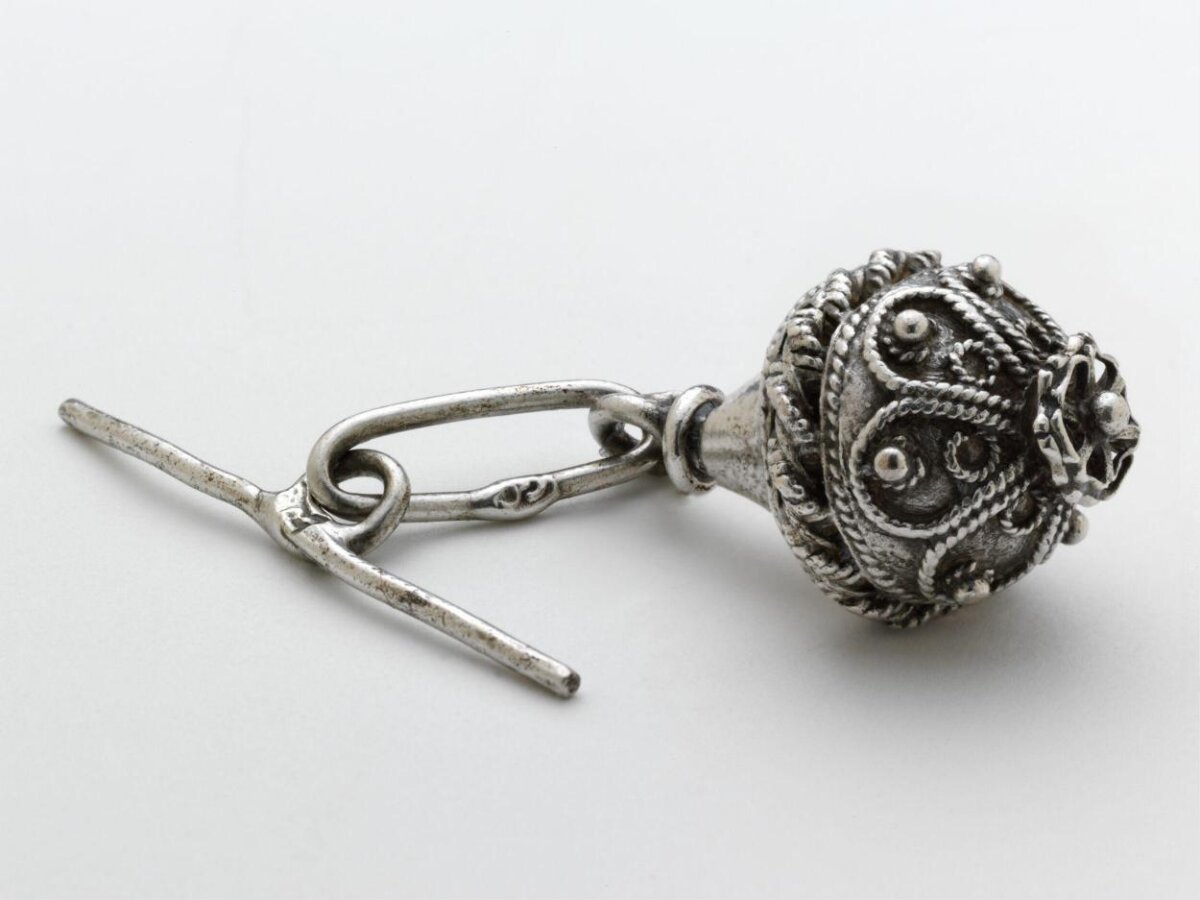
Button in the Victoria and Albert Museum, London (museum number 1467A-1873), made in Malta, dated 1775-1798. The museum's brief description reads: Man's conical silver toggle button, Malta, 1775-1798.. Museum description: Conical silver toggle button, with oval link, and wire bar crossed over in the centre to form t…
Partial type record
buttons
Button, round flattened with decorative pattern
c. 1590 - c. 1596
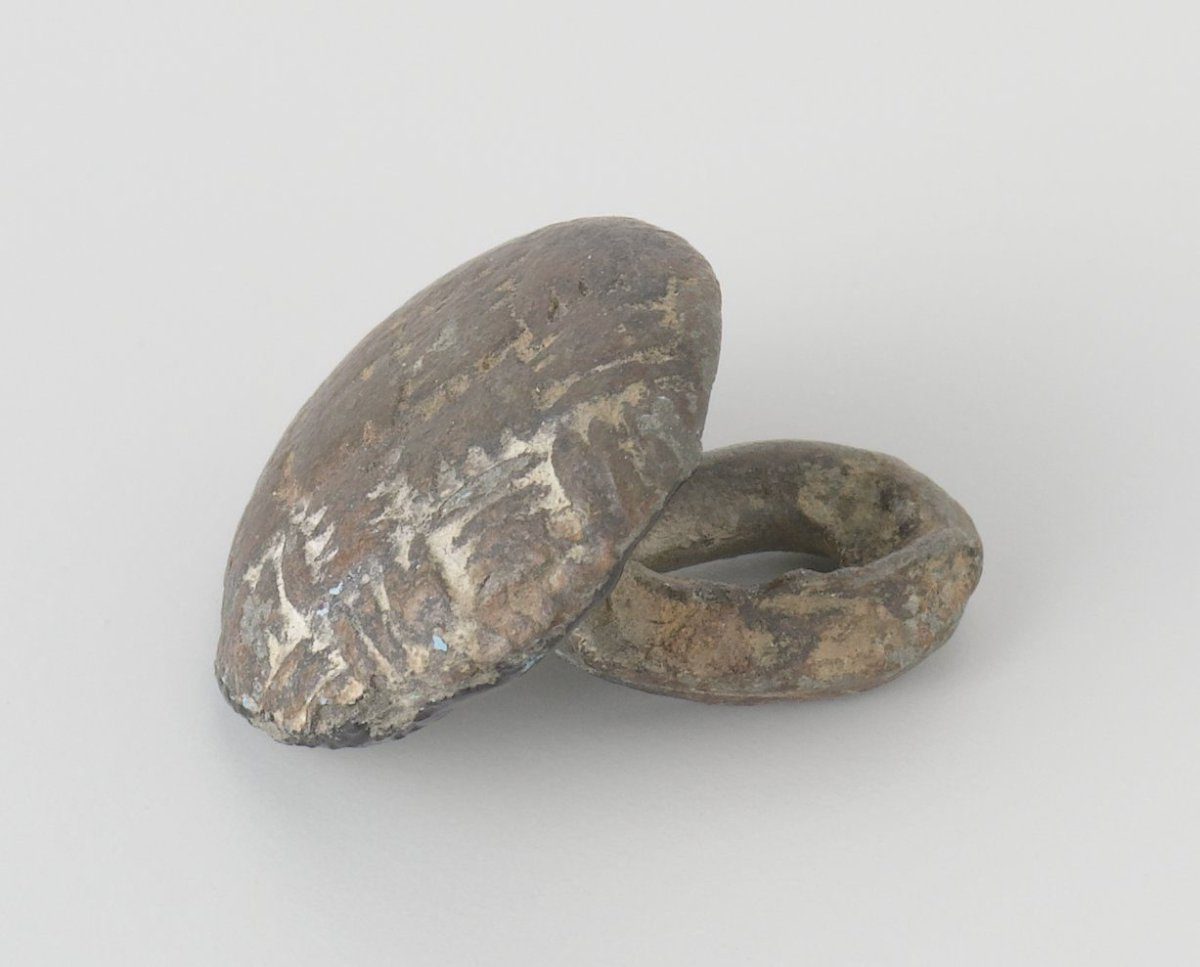
Button, round flattened in shape with decorative pattern. Imitation of a thread-woven button. The Rijksmuseum, Amsterdam, holds this object as NG-NM-7723-5; its record gives material recorded as tin (metal); technique casting; measurements height 1.2 cm x diameter 1.2 cm. Description translated from the museum's Dut…
Partial type record
buttons
Buttons (Cleveland Museum of Art 1966.490)
after 1896
Cleveland Museum of Art object 1966.490: Buttons, after 1896. Firm of Peter Carl Fabergé (Russian, 1846–1920), August Wilhelm Holmström (Russian, 1929–1903). Gold, enamel, diamonds; diameter: 3.5 cm (1 3/8 in.). Inscribed: inscribed: double-headed eagle; Fabergé; St. Petersburg, Moscow (all in Cyrillic; inside lid o…
Partial type record
buttons
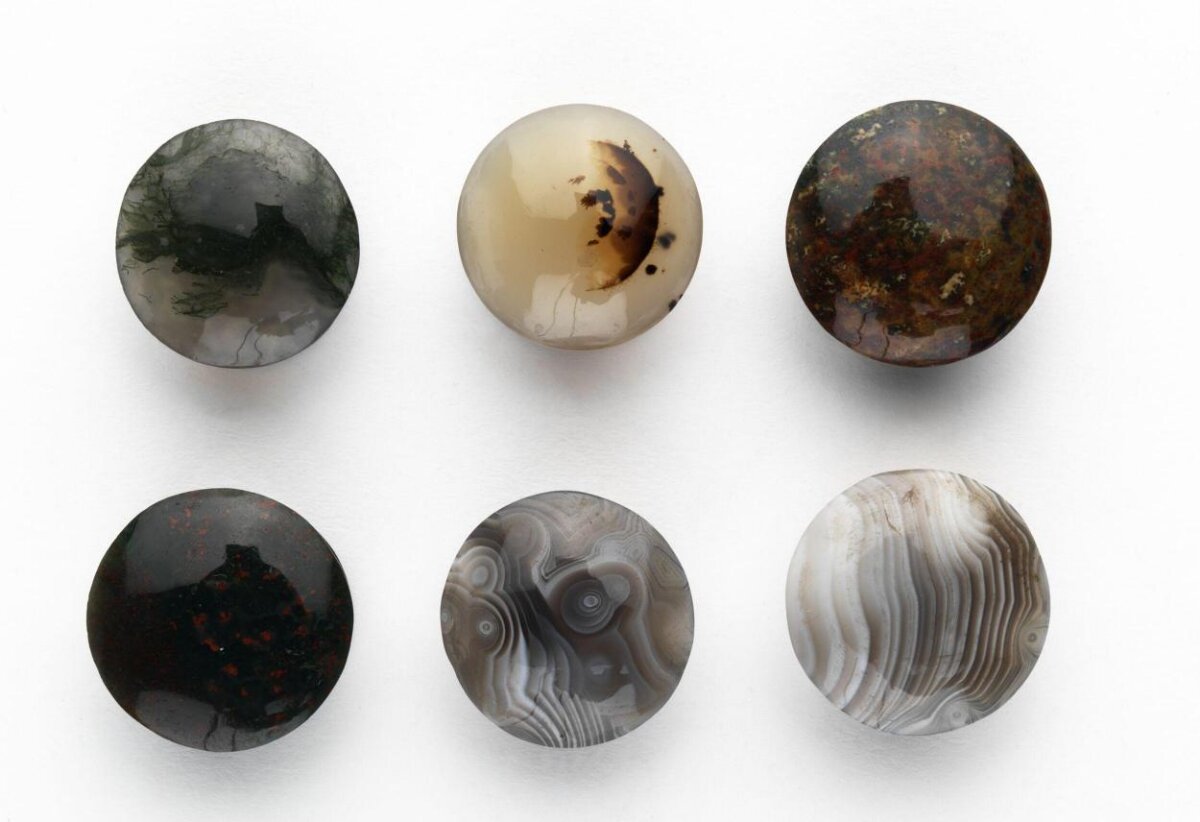
Cuff link, India, c. 1850
c. 1850
Cuff link in the Victoria and Albert Museum, London (museum number 08573:1/(IS) to 08573:6/(IS)), made in India, dated c. 1850. The museum's brief description reads: Sleeve links, six in a bag, various agates and jaspers, cut and polished, one damaged with fragment missing; India, c. 1850.. Museum description: Circu…
Partial type record
buttons
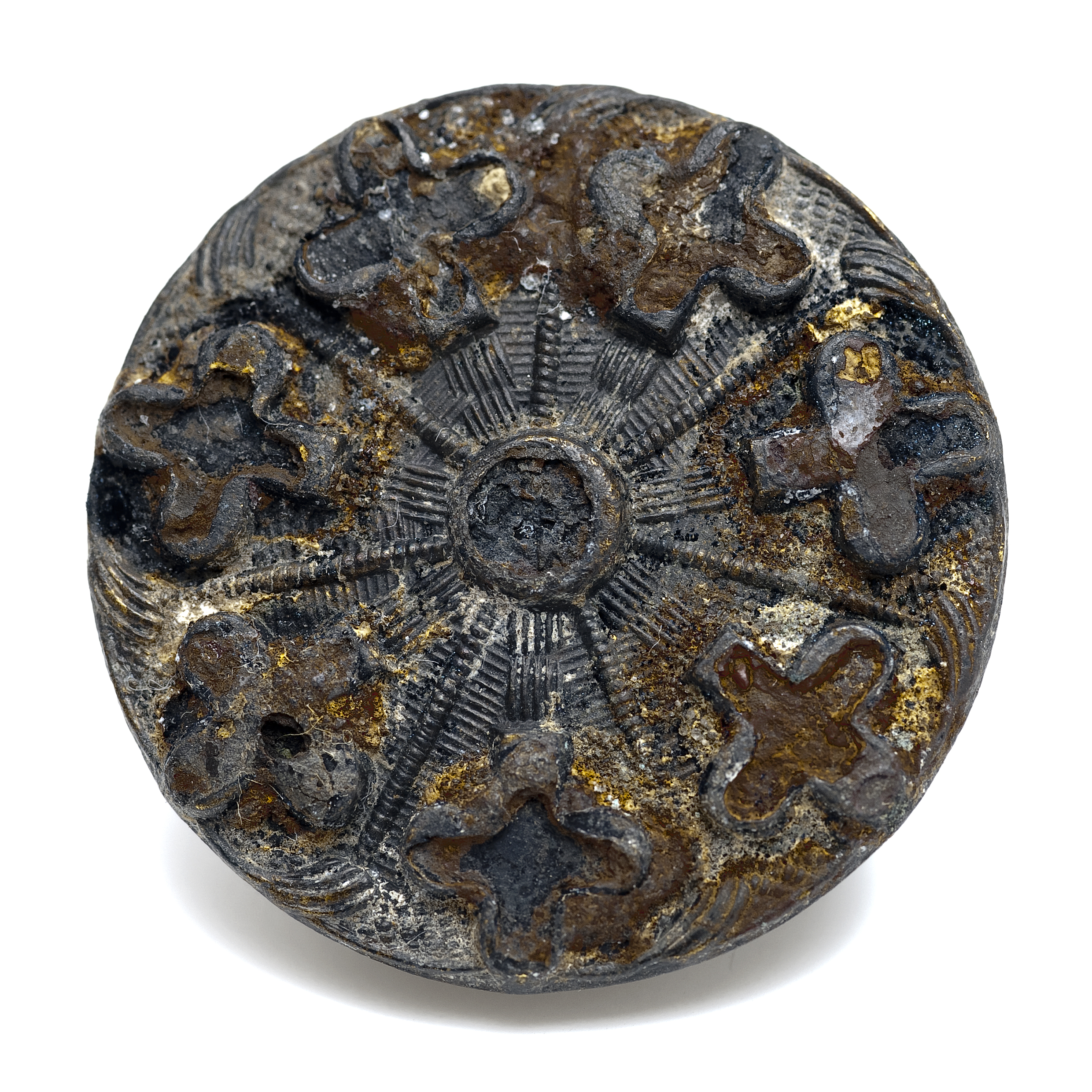
Flat button with radial pattern, enameled (?), 1600
1600
Flat button with radial pattern, enameled (?) is held by Museum Rotterdam (Netherlands), dated 1600. Description supplied by the holding institution: Round, flat button, back with a pierced shank. Front in relief: seven radially oriented triangles, within each triangle a quatrefoil. Background cross-hatched. Probabl…
Partial type record
buttons
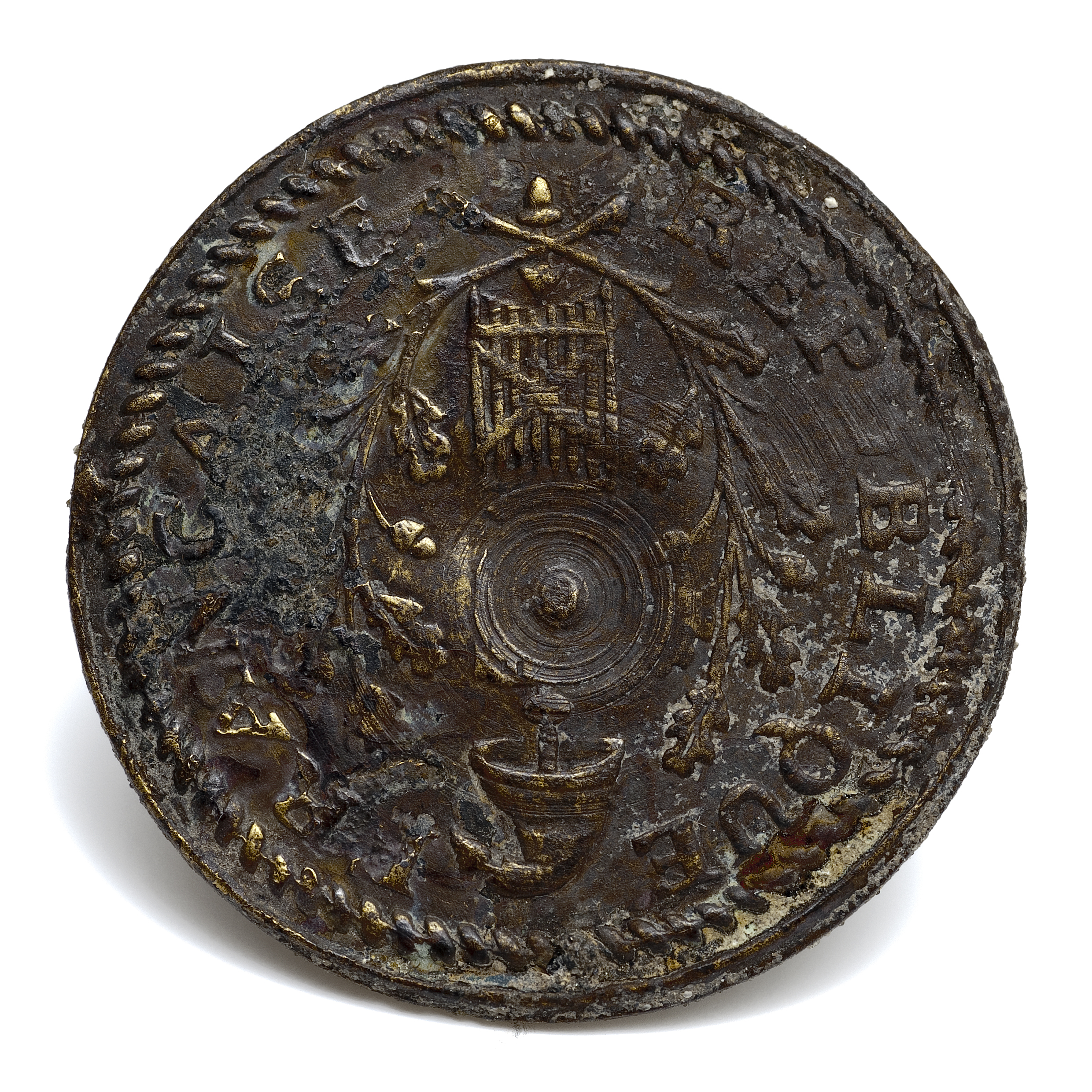
Medal button, button with inscription "Republique Francaise", 1795
1795
Medal button, button with inscription "Republique Francaise" is held by Museum Rotterdam (Netherlands), dated 1795. Description supplied by the holding institution: Round flat button with a fastening loop on the reverse. Obverse in low relief: within a corded border circle two oak branches and a fence, surmounted by…
Partial type record
buttons
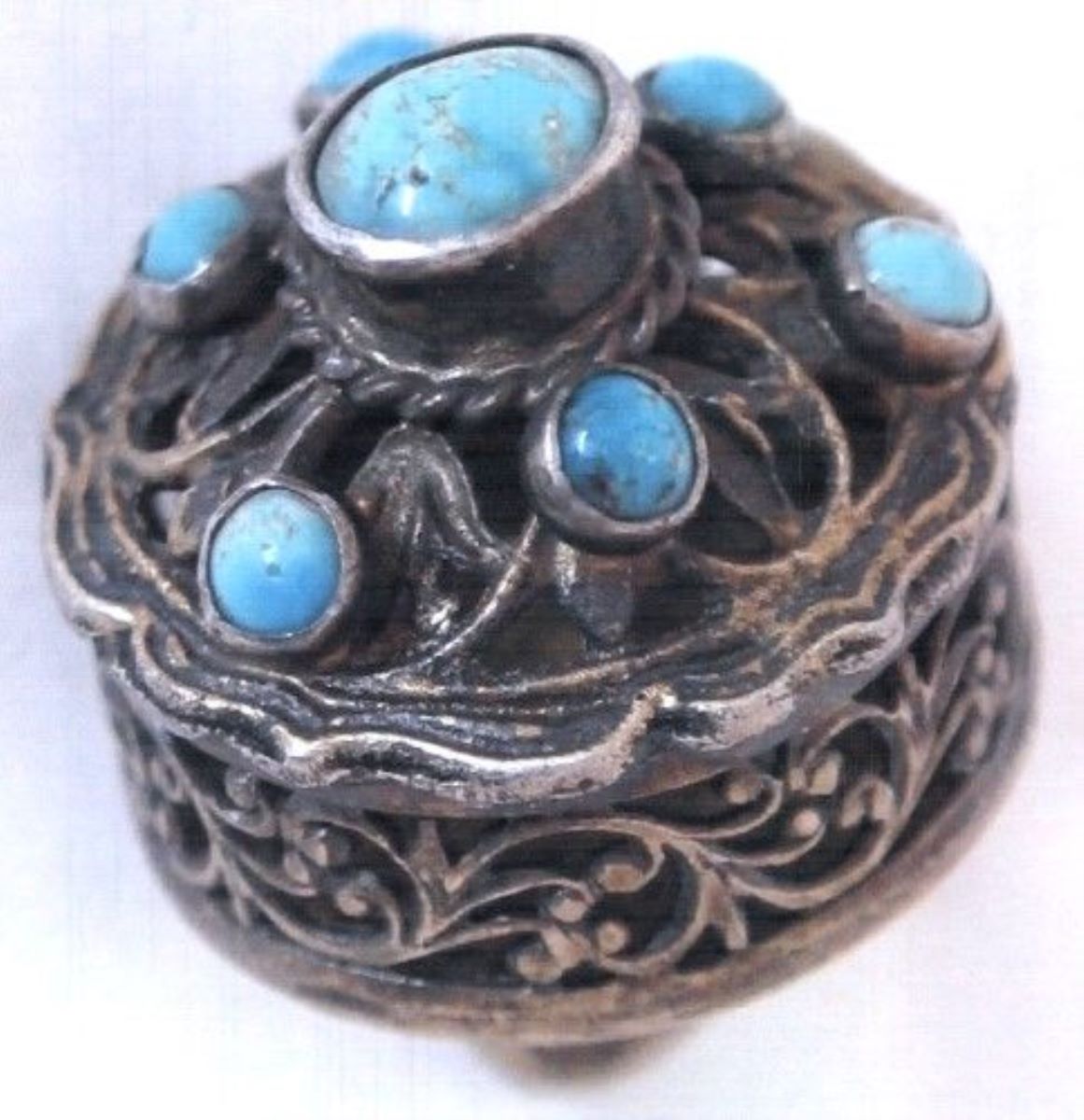
Medium button
Medium button is held by National Museum of Romanian History. Museum description: Medium button, cylindrical, with hemispherical cap, chased and openworked with vegetal motifs and seven turquoises, one larger in the center and six smaller around it. In the area of the base, a metal sheet was soldered with an attachm…
Partial type record