Catalogue
Ancient Coins
Greek, Roman, Byzantine, Celtic, Persian, Indian, Chinese and other pre-medieval coinages.
Catalogue entries (3,128)
Filter by era, country, maker or material3,121–3,128 of 3,128 entries
Photograph: Bernhard Weisser; Corpus Nummorum (Berlin-Brandenburg Academy of Sciences and Humanities); specimen held by ikmk.smb.museum
ancient coins
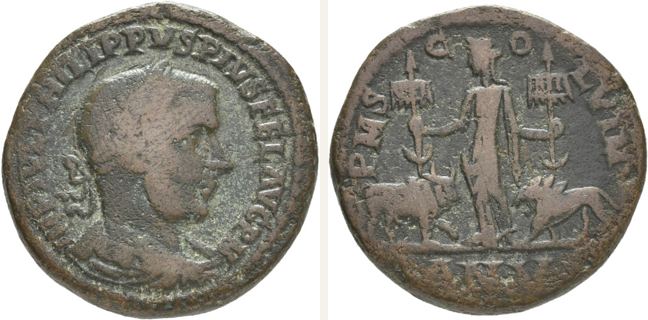
Viminacium, Philippus Arabs, bronze coin — Moesia standing left (CN type 16377)
AD 244
Coin in bronze struck at Viminacium under Philippus Arabs, dated AD 244. Corpus Nummorum, the online type corpus of the Berlin-Brandenburg Academy of Sciences and Humanities, records it as CN type 16377 (period: Roman Imperial Period; issuing authority type: city). Obverse: Laureate bust of Philip the Arab, right,…
Research required
Photograph: RPC; Corpus Nummorum (Berlin-Brandenburg Academy of Sciences and Humanities); specimen held by rpc.ashmus.ox.ac.uk
ancient coins
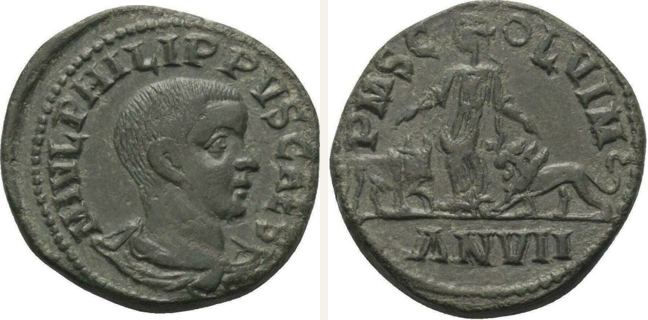
Viminacium, Philippus Arabs, bronze coin — Moesia standing left (CN type 16390)
AD 245–246
Coin in bronze struck at Viminacium under Philippus Arabs, dated AD 245–246. Corpus Nummorum, the online type corpus of the Berlin-Brandenburg Academy of Sciences and Humanities, records it as CN type 16390 (period: Roman Imperial Period; issuing authority type: city). Obverse: Bare-headed bust of Philippus iunior…
Research required
Photograph: RPC; Corpus Nummorum (Berlin-Brandenburg Academy of Sciences and Humanities); specimen held by www.ikmk.at
ancient coins
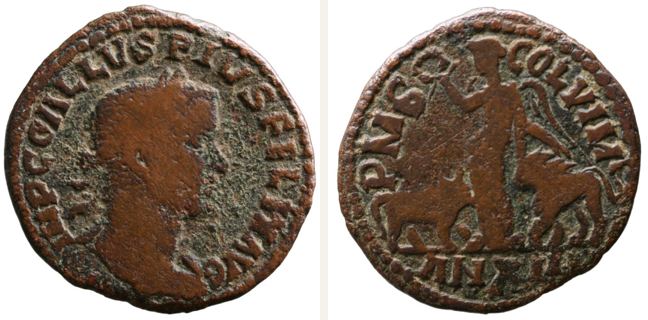
Viminacium, Trebonianus Gallus, bronze coin — Victory standing left (CN type 16601)
AD 251–252
Coin in bronze struck at Viminacium under Trebonianus Gallus, dated AD 251–252. Corpus Nummorum, the online type corpus of the Berlin-Brandenburg Academy of Sciences and Humanities, records it as CN type 16601 (issuing authority type: city). Obverse: Laureate bust of Trebonianus Gallus, right, wearing cuirass and p…
Research required
Cleveland Museum of Art
ancient coins
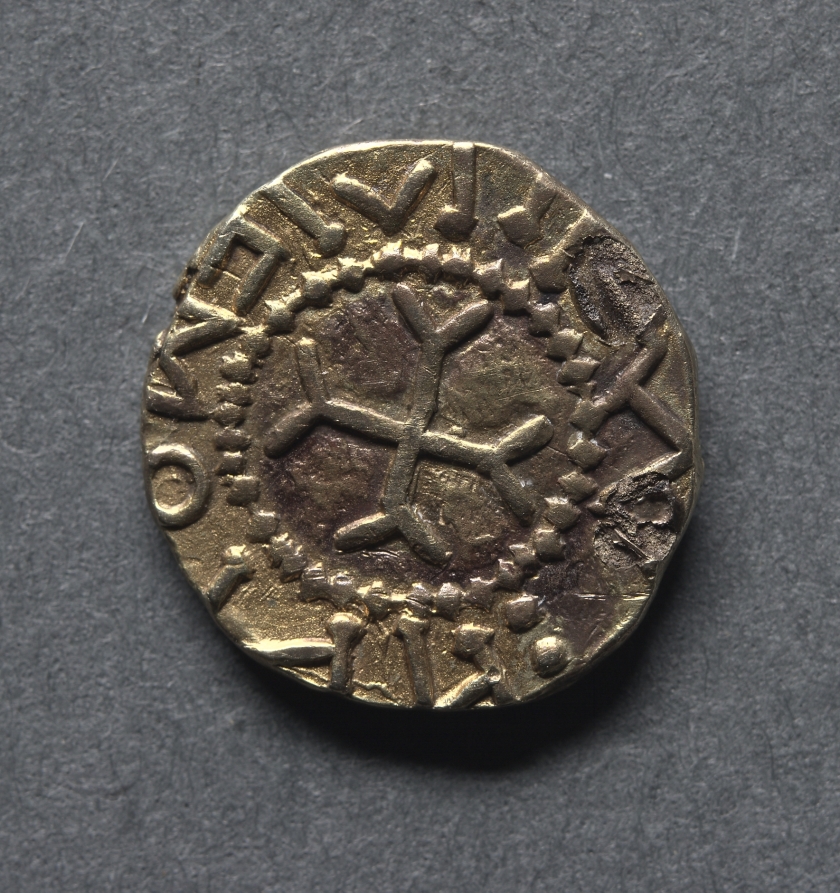
Witmen Tremissis: Bust and Trident (obverse); Cross Fourchée (Cleveland Museum of Art 1969.159)
early 600s
The Crondall Hoard is a hoard of coins that was found in 1828 in the village of Crondall in the English county of Hampshire. It is believed to date to the seventh century and was studied by Dr. Carol Humphrey Vivian Sutherland (1908-1986), an English numismatist. He characterized this coin as being a close copy of t…
Partial type record
Photograph: Corpus Nummorum; Corpus Nummorum (Berlin-Brandenburg Academy of Sciences and Humanities)
ancient coins
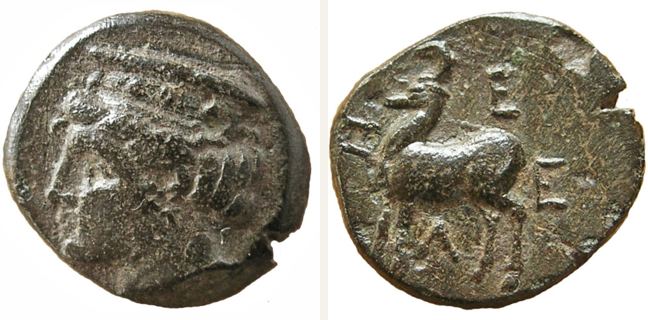
Zeleia, bronze coin — Stag standing left (CN type 20309)
c. 350–300 BC
Coin in bronze struck at Zeleia in Troas, dated c. 350–300 BC. Corpus Nummorum, the online type corpus of the Berlin-Brandenburg Academy of Sciences and Humanities, records it as CN type 20309 (period: Classical/Hellenistic Period; issuing authority type: city). Obverse: Head of Artemis, left, wearing stephane. Rev…
Research required
Photograph: Vladimir F. Stolba; Corpus Nummorum (Berlin-Brandenburg Academy of Sciences and Humanities)
ancient coins
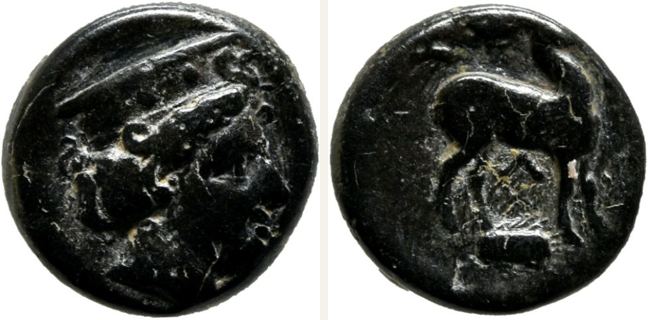
Zeleia, bronze coin — Stag standing right (CN type 24137)
c. 350–300 BC
Coin in bronze struck at Zeleia in Troas, dated c. 350–300 BC. Corpus Nummorum, the online type corpus of the Berlin-Brandenburg Academy of Sciences and Humanities, records it as CN type 24137 (period: Classical/Hellenistic Period; issuing authority type: city). Obverse: Head of Artemis, right, wearing stephane. Re…
Research required
Cleveland Museum of Art
ancient coins
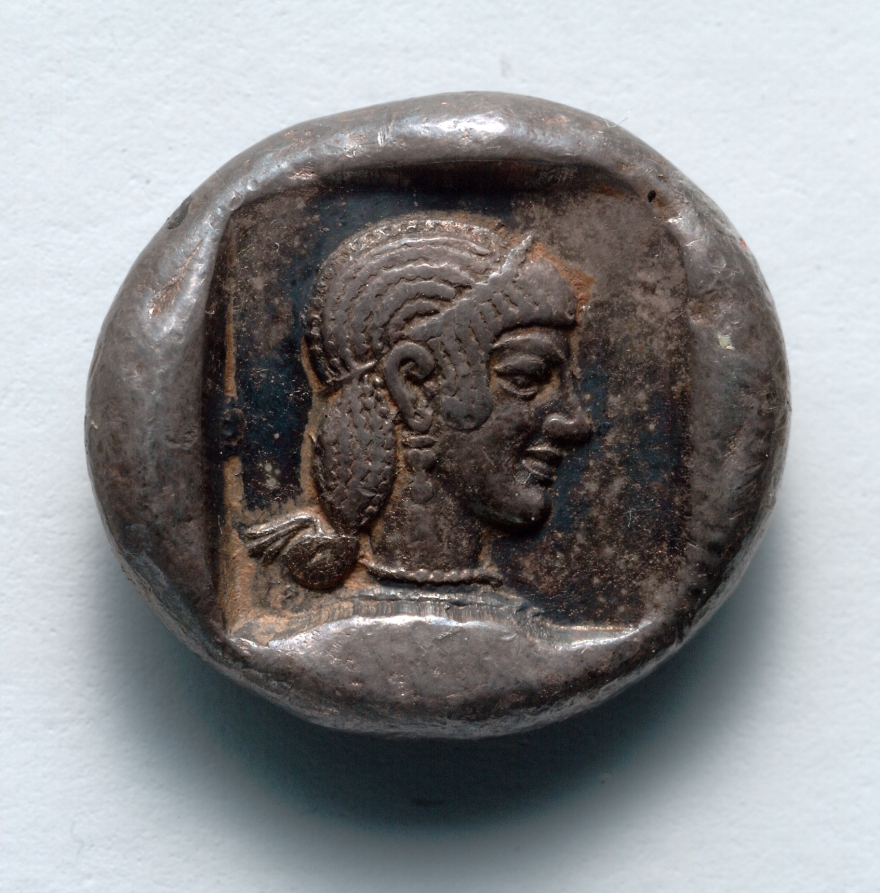
Drachm: Forepart of Lion (obverse); Head of Aphrodite (Cleveland Museum of Art, 2 objects)
465–449 BCE
Cleveland Museum of Art object 1917.994: Drachm: Forepart of Lion (obverse); Head of Aphrodite (reverse), 465–449 BCE. Greek, minted at Knidos (Karia). Silver; diameter: 1.6 cm (5/8 in.). This entry groups 2 objects of the same form in the Cleveland Museum of Art, recorded together because the museum describes them…
Partial type record
Cleveland Museum of Art
ancient coins
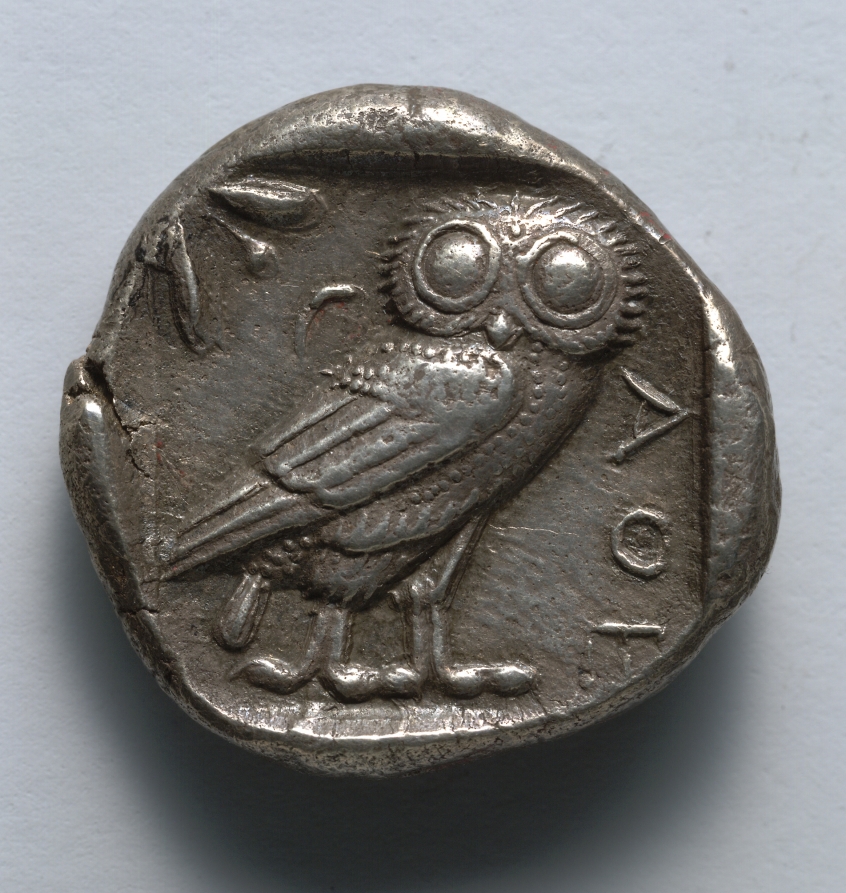
Tetradrachm: Head of Athena (obverse); Owl (Cleveland Museum of Art, 3 objects)
449–407 BCE
Incorporating the first three letters of the city name—ΑΘΕ—with then-iconic images of the patron goddess Athena and her owl, the Athenian tetradrachm was among the most widely traded and most recognizable coins of the ancient world. The olive leaves on Athena’s helmet and the small crescent moon behind the owl date…
Partial type record