Section
Paper money — banknotes and emergency issues
Notes issued by central banks, governments, colonial administrations and private issuers, together with Notgeld, hyperinflation and locally authorised substitutes for currency.
How to research an object in this section
Step 1
Observe
Record every visible mark, inscription, measurement and material before forming an opinion.
Step 2
Classify
Choose the sub-field below and narrow by issuer or maker, era and type.
Step 3
Compare
Match against photographed records and the evidence checks further down this page.
Step 4
Cite
Keep the source behind each fact; mark anything unconfirmed as research required.
Sub-fields
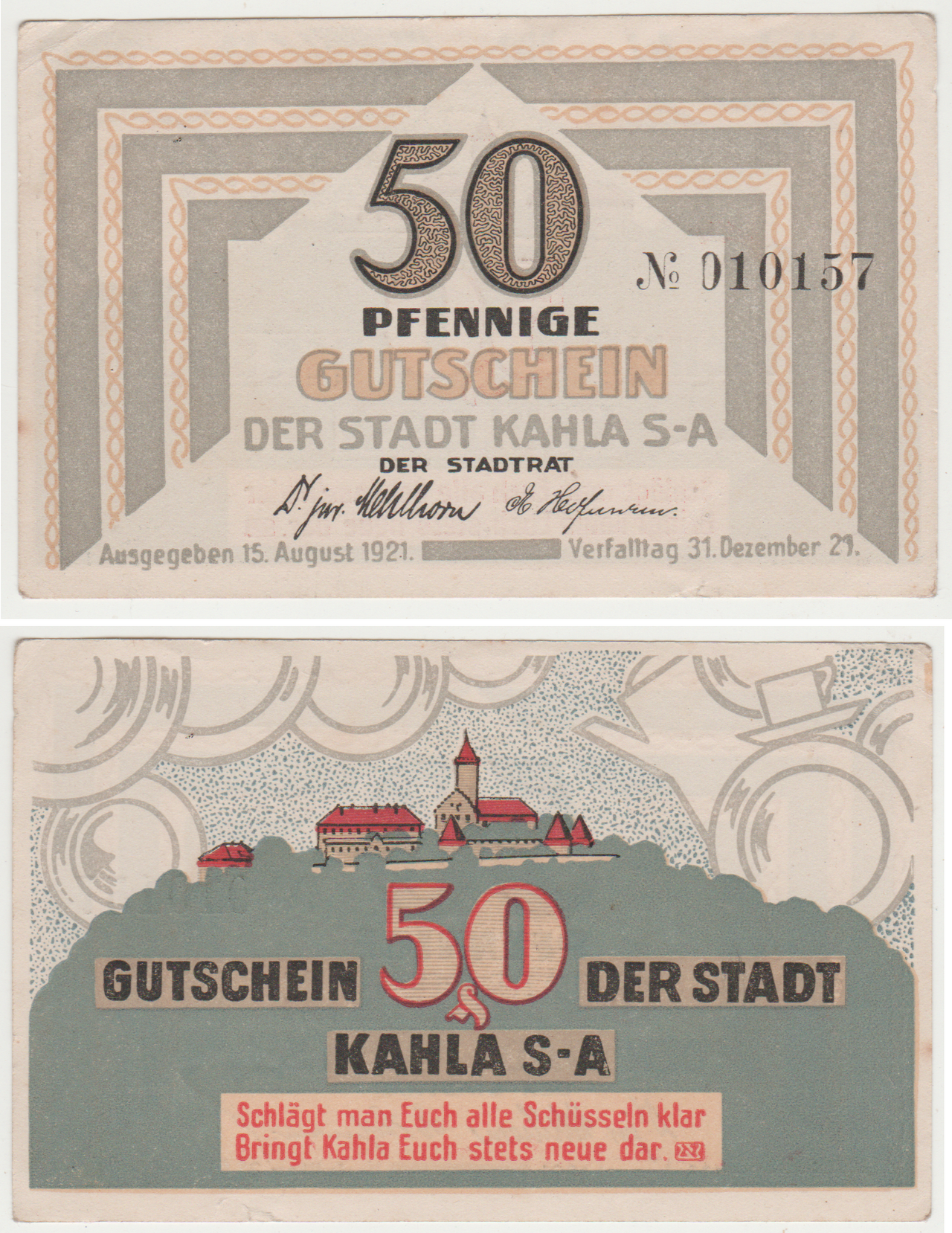
Notgeld, hyperinflation issues and locally authorised substitutes for currency.
29 records
Photographed records
Entries in this section with a real-object photograph held on this site. The record lists its credit, source and stated rights status.
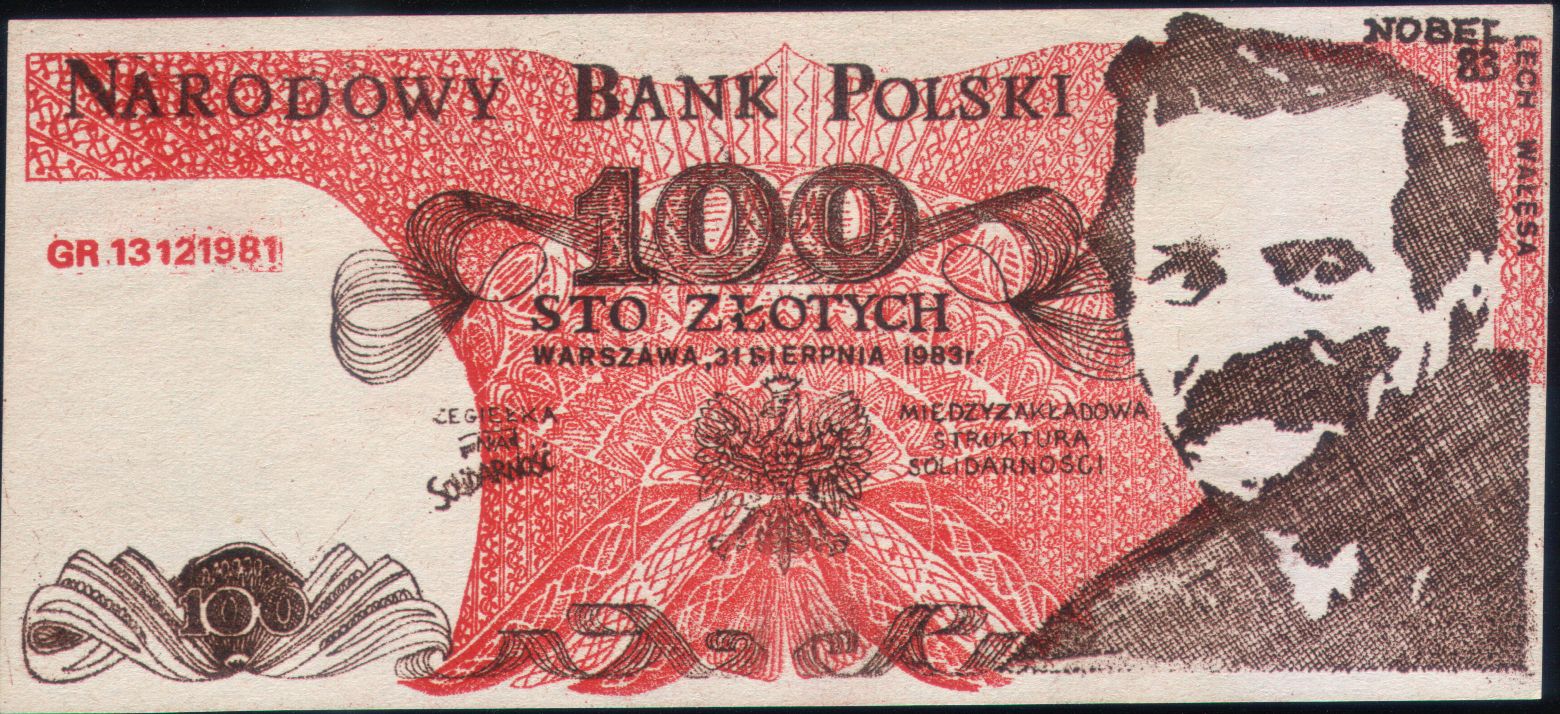
Open Society Archives at Central European University via Europeana
banknotes
[Underground banknote with Lech Wałęsa], Niezależny Bank Polski., 1983
1983
[Underground banknote with Lech Wałęsa], Niezależny Bank Polski., 1983 is held by Open Society Archives at Central European University, dated 1983. Museum description: col. print; The museum record gives place associated: Poland; maker recorded: Niezależny Bank Polski.
Partial type record
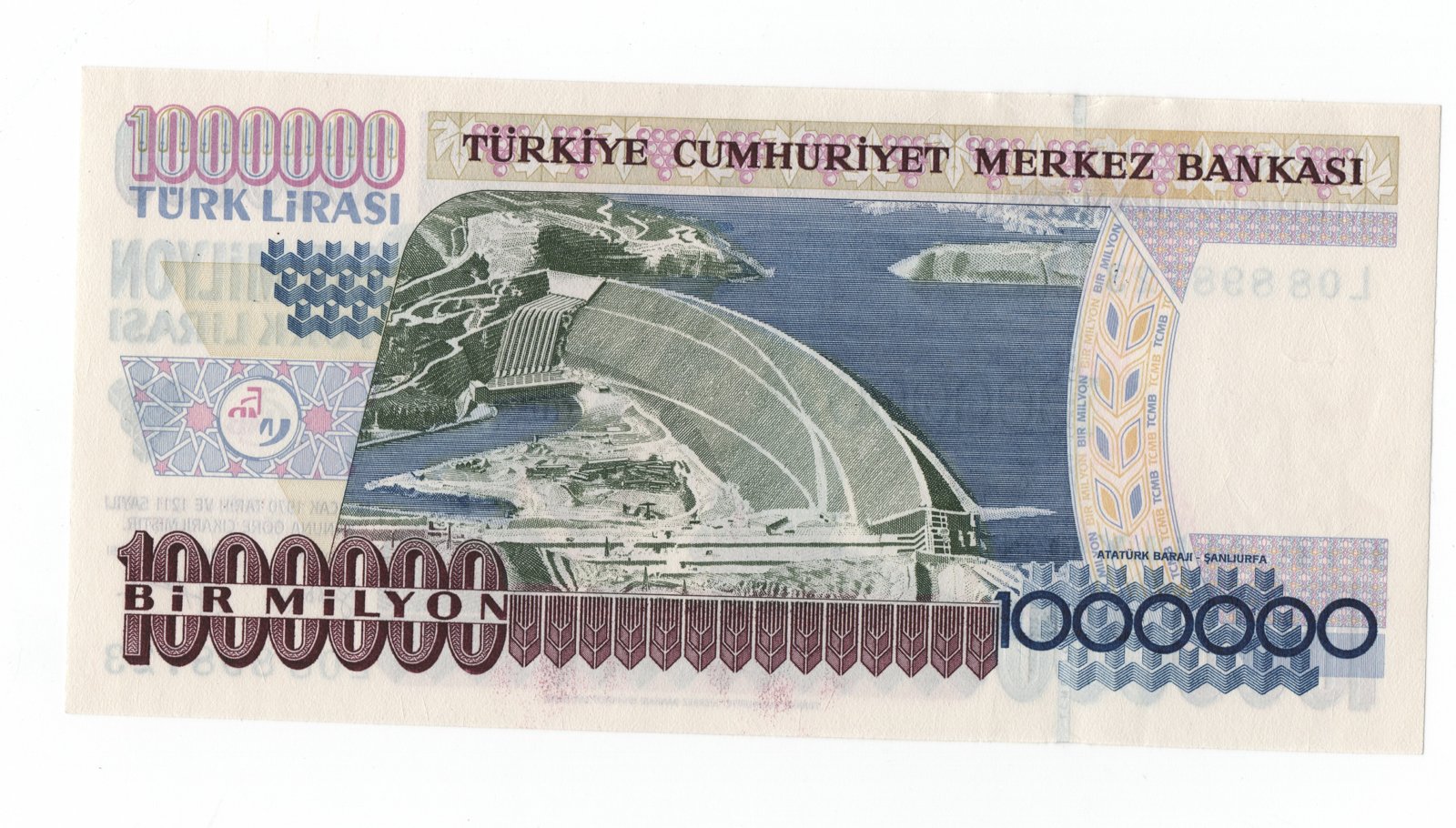
indy47 via Numista
banknotes
1 000 000 Lira, Central Bank of Turkey, Turkey, 1995–1996 (Pick 209)
1995-1996
This 1 000 000 Lira note was issued in Turkey by the Central Bank of Turkey, with dates recorded from 1995–1996. It belongs to the Old lira (1923-2005) currency system. Issuing authority and period recorded in the catalogue: Republic (1923-date). It measures 160 × 76 mm and is printed on paper. The Standard Catalog of World Paper Money lists the type as Pick 209. Obverse: A portrait of President Mustafa Kemal Atatürk. Its lettering reads “TÜRKİYE CUMHURİYET / MERKEZ BANKASI / 1000000 / BİR MİLYON / TÜRK LİRASI / 14 OCAK 1970 TARİH VE 1211 SAYILI / KANUNA GÖRE ÇIKARILMIŞTIR”. Translation given in the catalogue: “Central Bank of the Republic of Turkey, One Million Turkish Lira, Issued according to the law number 1211 of 14 January 1970”. Reverse: A panoramic view of Atatürk Dam in Şanlıurfa-Adıyaman. Its lettering reads “TÜRKİYE CUMHURİYET MERKEZ BANKASI / BİR MİLYON 1000000”. Translation given in the catalogue: “Central Bank of the Republic of Turkey, One Million Turkish Lira”. The note was printed by Türkiye Cumhuriyet Merkez Bankası Banknot Matbaası, Ankara, Turkey (1955-date). Design is credited to Hüseyin Şaşmaz. Engraving is credited to Şükrü Ertürk, Mustafa Çakırcalı. Watermark: Kemal Atatürk. Signatures recorded for the type: Şakir Yaman Törüner (ŞYT) (Governor); Osman Cavit Ertan (OCE) (Vice-Governor); Süleyman Gazi Erçel (SGE) (Governor); Selçuk Abaç (SA) (Vice-Governor). Issue date recorded in the catalogue: 16 January 1995. Demonetized: 31 December 2015.
Partial type record
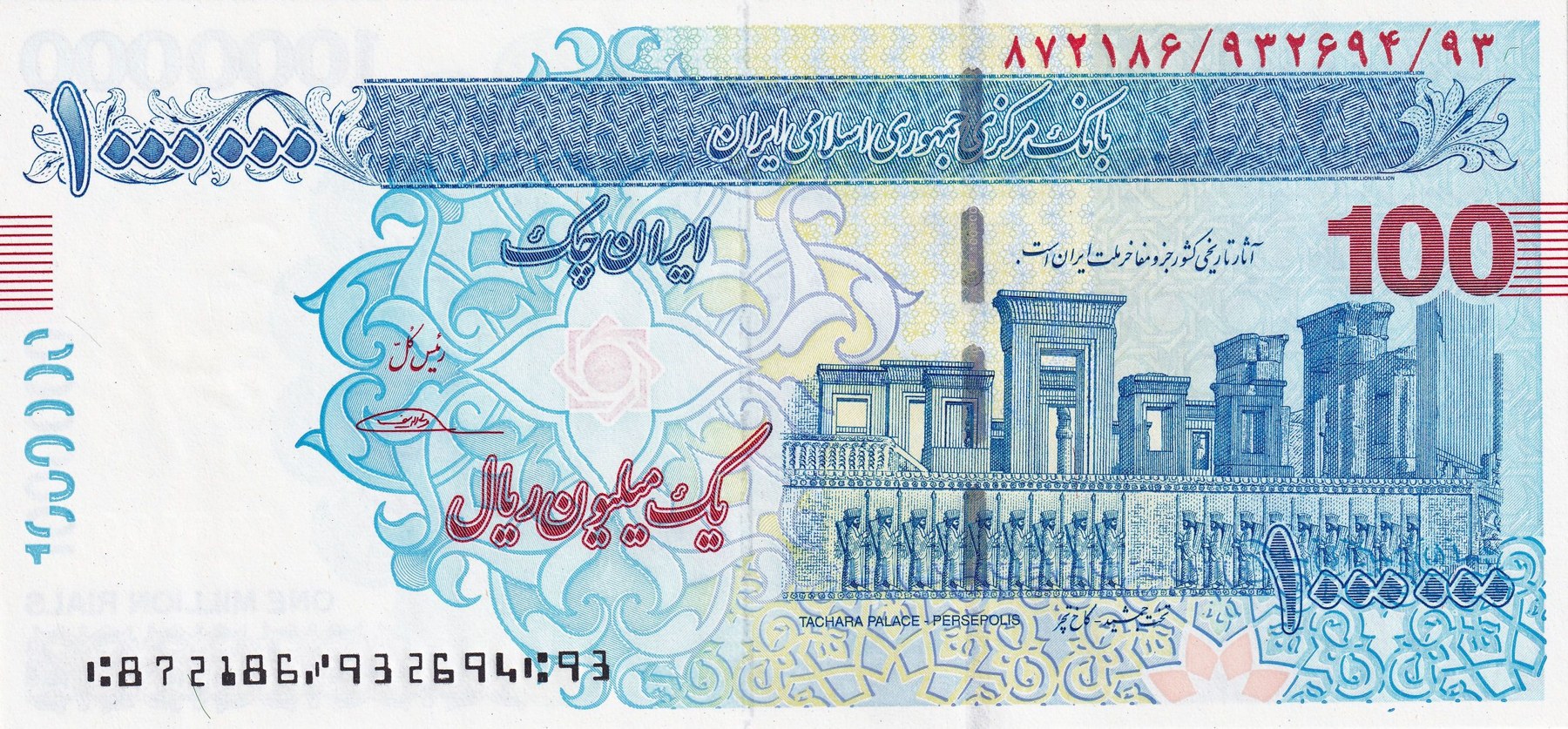
hex7ech via Numista
banknotes
1 000 000 Rials, Central Bank of the Islamic Republic of Iran, Iran, 2010–2015 (Pick 154B)
2010-2015
This 1 000 000 Rials note was issued in Iran by the Central Bank of the Islamic Republic of Iran, with dates recorded from 2010–2015. It belongs to the Second Rial (1932-date) currency system. Issuing authority and period recorded in the catalogue: Islamic Republic (1979-date). It measures 160 × 75 mm and is printed on paper. The Standard Catalog of World Paper Money lists the type as Pick 154B. Signatures recorded for the type: Mahmoud Bahmani (MB) (President); Valiollah Seif (VS) (President).
Partial type record
hex7ech via Numista
banknotes
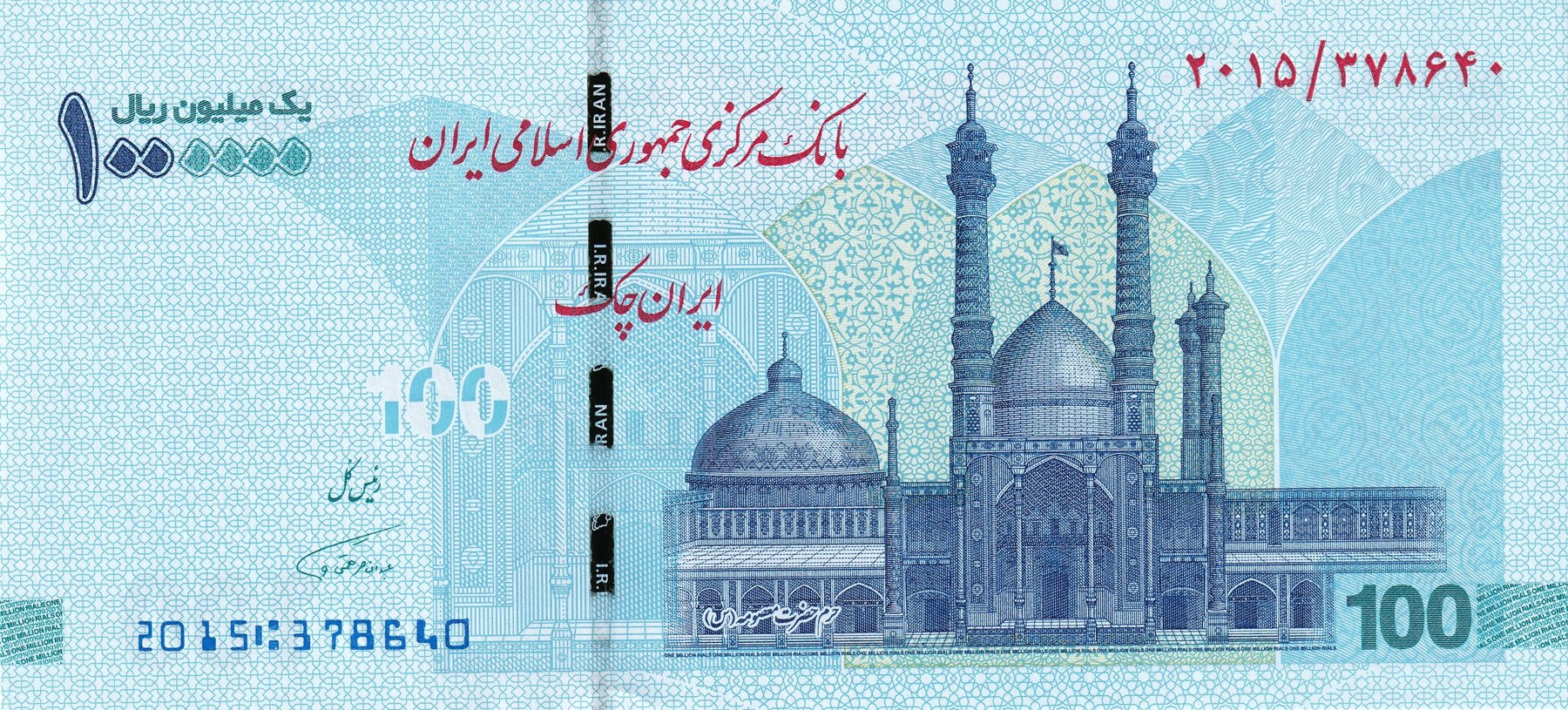
1 000 000 Rials, Central Bank of the Islamic Republic of Iran, Iran, 2026
2026
This 1 000 000 Rials note was issued in Iran by the Central Bank of the Islamic Republic of Iran, dated 2026. It belongs to the Second Rial (1932-date) currency system. Issuing authority and period recorded in the catalogue: Islamic Republic (1979-date). It measures 156 × 71 mm and is printed on paper. Numista identifies the design as “/ 1 000 000 Rials”. Obverse: Shrine of Fatima Masumeh in Qom. Reverse: Map of the Persian Gulf and Strait of Hormuz; doves flying in Shajareh Tayyibeh Elementary School classroom with empty desks and chalkboard. The note was printed by Security Paper Mill (کارخانه تولید کاغذ اسناد بهادار, TAKAB), Āmol, Iran (2002-date). Watermark: Archway and electrotype "100". Signature recorded: Abdolnaser Hemmati (AH), President.
Partial type record
nordboutik59 via Numista
banknotes
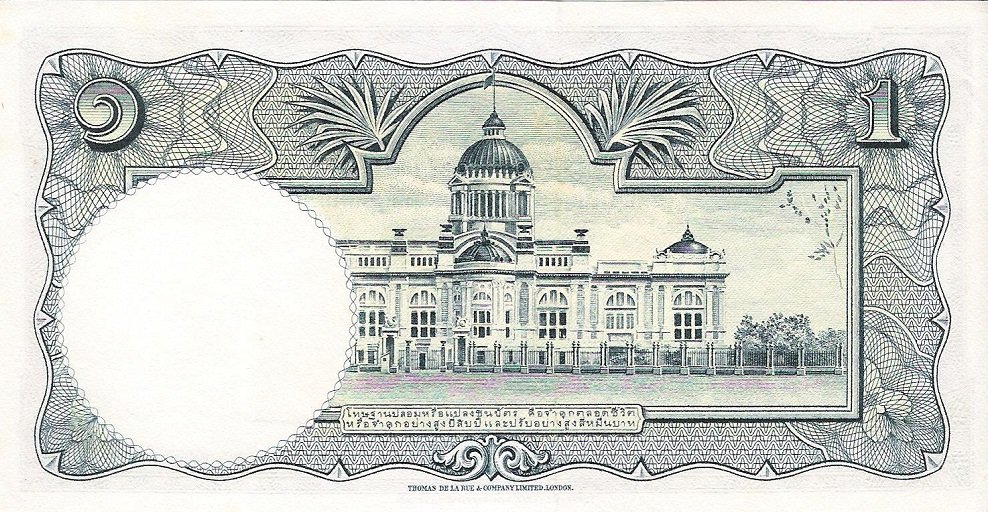
1 Baht (1 บาท), Bank of Thailand, Thailand, 1954–1969 (Pick 74)
1954-1969
This 1 Baht note was issued in Thailand by the Bank of Thailand, with dates recorded from 1954–1969. It belongs to the Baht (1897-date) currency system. Issuing authority and period recorded in the catalogue: Bhumibol Adulyadej (Rama IX) (1946-2016). It measures 126 × 66 mm and is printed on paper. The Standard Catalog of World Paper Money lists the type as Pick 74. Obverse: King Bhumibol Adulyadej in the uniform of the Supreme Commander on left side of the note. Wat Pho as seen from the Chao Praya River. Its lettering reads “รัฐบาลไทย / ธนบัตรเป็นเงินที่ชำระหนี้ได้ตามกฎหมาย / หนังบาท”. Translation given in the catalogue: “Thai Government Banknotes are legal tender, One Baht”. Reverse: Anandasamakom Throne Hall. Its lettering reads “โทษฐานปลอมหรือแปลงธนบัตร คือจำคุกตลอดเวท หรือ าคุกอย่างสูงยี่สิบปีและปรับอย่างสูงสี่หมื่นบาท / THOMAS DE LA RUE & COMPANY LIMITED LONDON.”. Translation given in the catalogue: “Penalty for counterfeiting or altering banknotes is imprisonment for life or imprisonment for a maximum of twenty years and a fine of up to forty thousand baht THOMAS DE LA RUE & COMPANY LIMITED LONDON.”. The note was printed by De La Rue (Thomas de la Rue; Thomas De La Rue & Co.; TDLR), London, United Kingdom (1821-date). Watermark: 74a, b - Constitution 74c, d - Side profile of King Bhumibol Adulyadej. Signatures recorded for the type: Pao Pienlert Boripanyuthakit (PPB) (Minister of Finance); Serm Vinicchayakul (SV₁) (Governor); Kasem Sriphayaka (KS) (Governor); Boonkert Sutantanon (BS) (Minister of Finance); Serm Vinicchayakul (SV₂) (Minister of Finance); Jote Guna-Kasem (JGK₁) (Governor); Jote Guna-Kasem (JGK₂) (Minister of Finance); Sunthorn Hongladarom (SH) (Minister of Finance) and further combinations. Demonetized: 1975.
Partial type record
CGB via Numista
banknotes
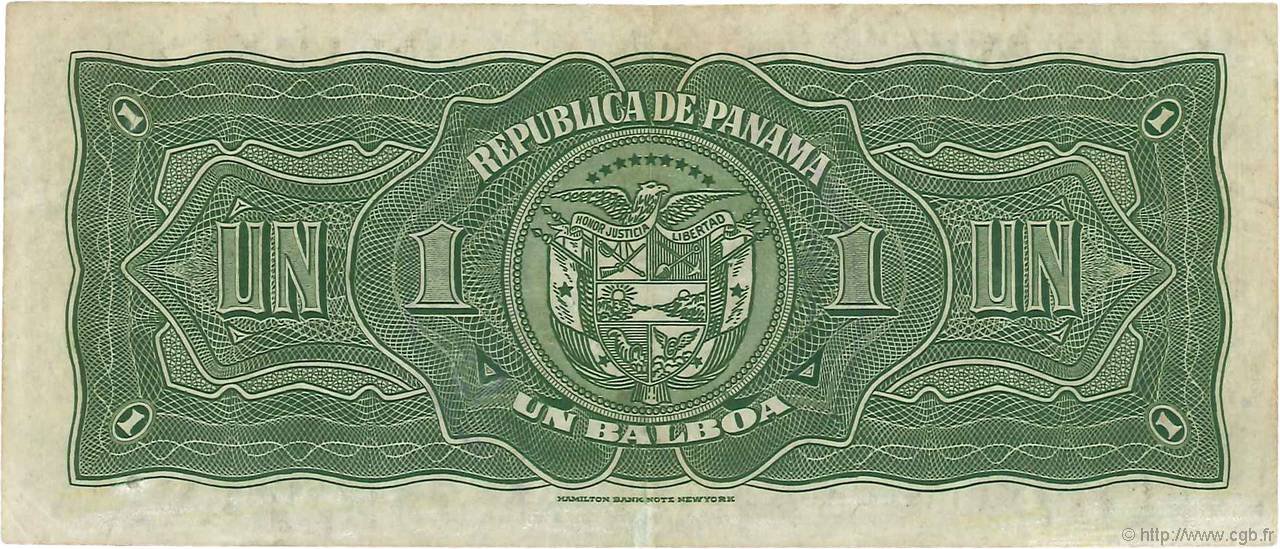
1 Balboa, Central Bank of Issue of the Republic of Panama, Panama, 1941 (Pick 22)
1941
This 1 Balboa note was issued in Panama by the Central Bank of Issue of the Republic of Panama, dated 1941. It belongs to the Balboa (1904-date) currency system. Issuing authority and period recorded in the catalogue: Republic (1903-date). It measures 158 × 67 mm and is printed on paper. The Standard Catalog of World Paper Money lists the type as Pick 22. Obverse: Portrait of Vasco Nuñez de Balboa. Vasco Nuñez de Balboa (c. 1475 – around January 12–21, 1519) was a Spanish explorer, governor, and conquistador. He is best known for having crossed the Isthmus of Panama to the Pacific Ocean in 1513, becoming the first European to lead an expedition to have seen or reached the Pacific from the New World. Its lettering reads “UN UN / MONEDA FIDUCIARIA DE CURSO LEGAL / CONSTE POR ESTE BILETTE QUE HAY DEPOSITADO EN / EL BANCO CENTRAL DE EMISIÓN DE LA / REPÚBLICA DE PANAMÁ / UN BALBOA / PAGADERO AL PORTADOR A SOLICITUD”. Reverse: In the center we see the coat of arms of Panama. Its lettering reads “REPUBLICA DE PANAMA / UN BALBOA”. The note was printed by Hamilton Bank Note Company (HBNC), New York City, United States. Demonetized: 9 October 1941.
Partial type record
Published records by sub-field
- Banknotes895
- Emergency & Inflation Issues29
Counts reflect the catalogue's current classification, not the number of types that exist worldwide. Nested fields may overlap.
Identification evidence at a glance
- Issuer and obligation
- Record and compareCopy the bank or treasury name, payment clause, denomination and branch wording on both sides.
- Limits of the evidenceCurrency and language alone do not distinguish a state issue from a private, occupation or emergency issue.
- Dates and signatures
- Record and compareSeparate issue, law and series dates; note printed office titles and signature positions before comparing combinations.
- Limits of the evidenceA printed date can remain unchanged across later printings. Do not identify an unreadable signature by resemblance.
- Serials and overprints
- Record and compareCopy prefixes, suffixes, leading zeros, punctuation and the location of each number or later overprint.
- Limits of the evidenceReplacement status and serial-block dates require issuer or catalogue documentation; a star has no universal meaning.
- Paper and printing
- Record and compareMeasure the complete note without flattening it; inspect printer imprints, transmitted-light features and visible print texture.
- Limits of the evidenceOrdinary museum scans do not prove watermarks, fluorescence, raised ink or paper composition.
- Circulation or specimen
- Record and compareRecord specimen wording, cancellation holes, unprinted areas and annotations exactly as seen.
- Limits of the evidenceMissing serials alone do not establish a proof. A museum note demonstrates that specimen, not every series variety.
Collecting, value research and care
Issuing authorities and makers
Objects stay filed under the historical entity that issued or made them, not its modern successor.
What this section covers
- Central bank and government note issues, by issuing authority and series.
- Colonial, occupation and private issuer paper.
- Notgeld, hyperinflation and emergency substitutes for currency.
- Printer, watermark, signature and serial format recorded only where documented.
Common questions
- How is a banknote type distinguished from a variety?
- A type is the issued design and denomination; signature combinations, printers, dates and serial prefixes are recorded as documented varieties beneath it when a reference establishes them.
- Do you list values for banknotes?
- No. The catalogue identifies and documents note types. It carries no prices, auction results or valuations.
- Why are some notes filed under states that no longer exist?
- Issues stay under the historical issuing entity — the Austro-Hungarian Empire, the Weimar Republic — rather than a modern successor state, because that is how the issue is identified.
Where a date, weight, catalogue number or photograph has not been verified against a documented source, the record says so rather than estimating. See the editorial method and the coverage audit.