Start with the issuing authority and printed value
Record the institution and denomination exactly as printed, including the language and script. A country name on a later source page is not always the historical issuing authority. Distinguish a central bank, treasury, private issuer and occupying administration only when a reliable reference supports that relationship. The note’s design and language help direct a search, but neither provides an issuer attribution by itself.
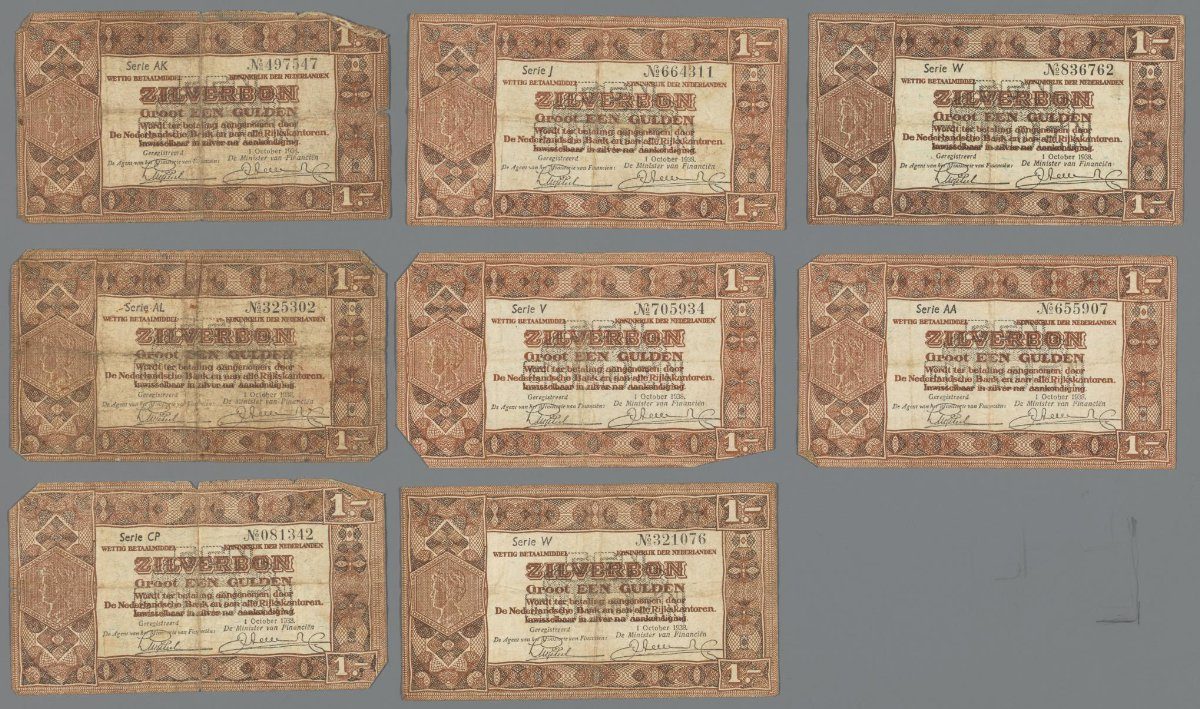
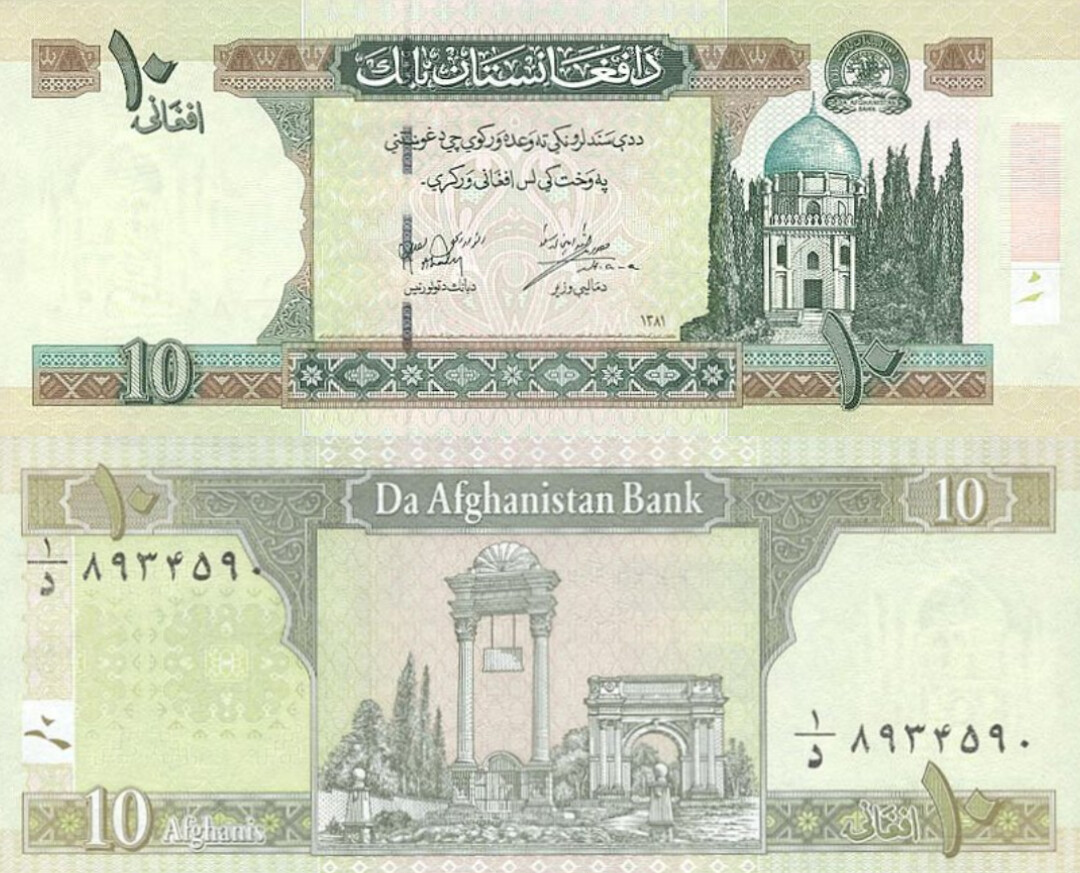
Give the physical note a local identifier and photograph each face before assigning an issue. Record the visible wording, ornaments and portraits without guessing who an unlabelled portrait represents. A museum accession identifies an example; a Pick or other reference belongs to a named type catalogue. Keep those two roles separate. If the source describes a family covering several signatures, do not assume its illustrated specimen represents every configuration.
Reference: Editorial methodology
Keep issue dates and serial systems separate
Transcribe a printed date in its original form. An issue date, a design date, a signature period and the date when a specimen entered a collection can differ. Preserve ranges and qualifications as supplied. If a source converts a calendar date, cite that conversion and keep the original beside it. Never extract a production year from a serial number without documentation of the issuer’s numbering system.
Copy prefixes, suffixes, leading zeros and punctuation as observed. A cropped photograph may not show the whole serial. Do not complete it from a pattern. Catalogue distinctions can use a prefix or block rather than a full individual serial, but that relationship must come from the reference. When sharing a research example, avoid exposing unrelated personal data appearing on envelopes, invoices or collection paperwork.
Reference: Editorial methodology
Compare signatures and other issue distinctions
Record the number, position and legible wording of signatures. Keep the printed office title separate from a proposed reading of the person’s name. Facsimile signatures can be difficult to read; an uncertain name should remain uncertain until matched with a reliable source. Compare the whole configuration, including denomination, design and other marks, rather than identifying an issue solely from one signature.
Use a comparison table for the candidate issue, named reference, matching signatures, serial block and any unresolved feature. A different colour in a web photograph may reflect lighting or reproduction rather than a documented variety. Do not create another type from minor colour differences or another specimen serial. Where a reference recognises signature varieties within one issue family, record those varieties with their source instead of multiplying indistinguishable pages.
Reference: Editorial methodology
Document security features without experimental testing
Describe a watermark, thread, window or other feature only in a view where it can actually be observed, or attribute it to the cited issue reference. A feature recorded for the type is not proof that it is present on your specimen. A photograph in reflected light cannot establish every feature normally examined in transmitted light. Avoid unsupported statements about authenticity based on one familiar ornament or colour.
Do not fold, wet, rub, scratch or apply chemicals to investigate paper or print. Handle the note with appropriate support and obtain extra views only when safe. If professional examination is required, list the specific question rather than attempting a home test. A scanner, camera or screen can conceal texture and alter colour. Keep the capture method and its limitations in the record so later comparisons do not mistake imaging differences for printing differences.
Reference: Editorial methodology
Separate specimen markings from circulation issues
Transcribe overprints, cancellation marks, specimen wording and punch holes as seen. Their meaning needs reference support; a perforation may be part of a specimen treatment or a later alteration. Distinguish an issued note, a specimen, a proof and an unfinished design only where the source identifies it. A museum photograph of a design study is not a substitute for a photograph of an issued note.
If a source lists a conflicting catalogue number, retain both numbers and the definitions being compared. Record the named work and edition, not an unexplained abbreviation alone. Auction archives can preserve useful images and descriptions, but their attribution remains a source claim. The photograph’s reuse permission is also distinct from the authenticity of the note. Neither an accessible image nor a successful sale resolves the identification.
Reference: Editorial methodology
Store the note with its research record
Keep notes, literal transcriptions, full-face photographs and precise citations together, with original files separate from edited images. Use suitable supportive enclosures and avoid self-adhesive tape, glue, paper clips or forced flattening. Fragile folds, dampness, mould or unstable inks need qualified conservation advice. An apparently cleaner or flatter surface is not automatically better preservation.
Close each research session with the proposed issue, its supported distinctions and its unresolved questions. Preserve previous readings when they were changed, including why a signature or reference was revised. Live figures below count published catalogue entries, not all denominations ever issued or all banknotes surviving. Their scope helps a collector understand the reference currently available without pretending the catalogue is a complete census.
Reference: Library of Congress: Care of works on paper