A specimen record and a type record answer different questions
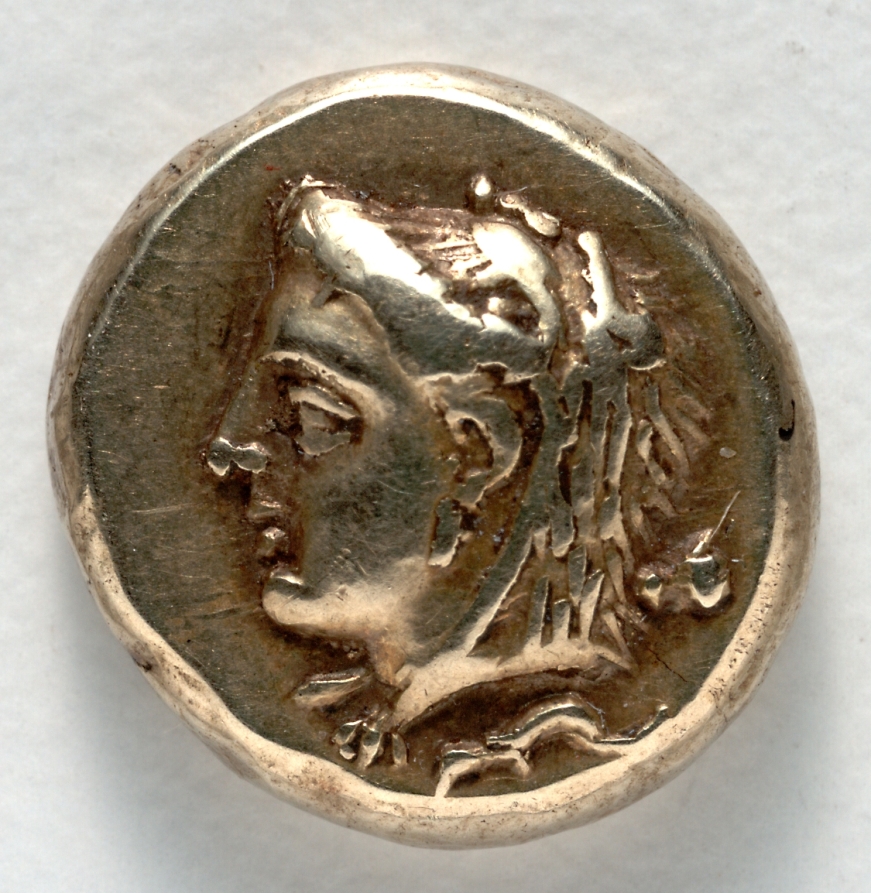
Begin with the coin itself, not a familiar catalogue name. A type record describes a defined issue or design; a specimen record describes a particular physical example. Keep a local object identifier beside your photographs so that a later attribution change does not disconnect your notes. An accession number identifies the museum object being compared. It is not automatically a reference for every coin with a similar portrait. A seller’s label is evidence of an attribution someone made, not an independent confirmation of that attribution.
Write down the intended research question: issuing authority, denomination, design, mint or a specific variety. Separate these decisions rather than treating identification as one all-or-nothing answer. A ruler can be plausible while the mint remains uncertain. If several specimens were grouped under one catalogue type, compare the defining features of that type before proposing another record. Minor wear, centring and surface colour describe the specimen and do not by themselves create a new type.
Reference: Editorial methodology
Transcribe legends before expanding abbreviations
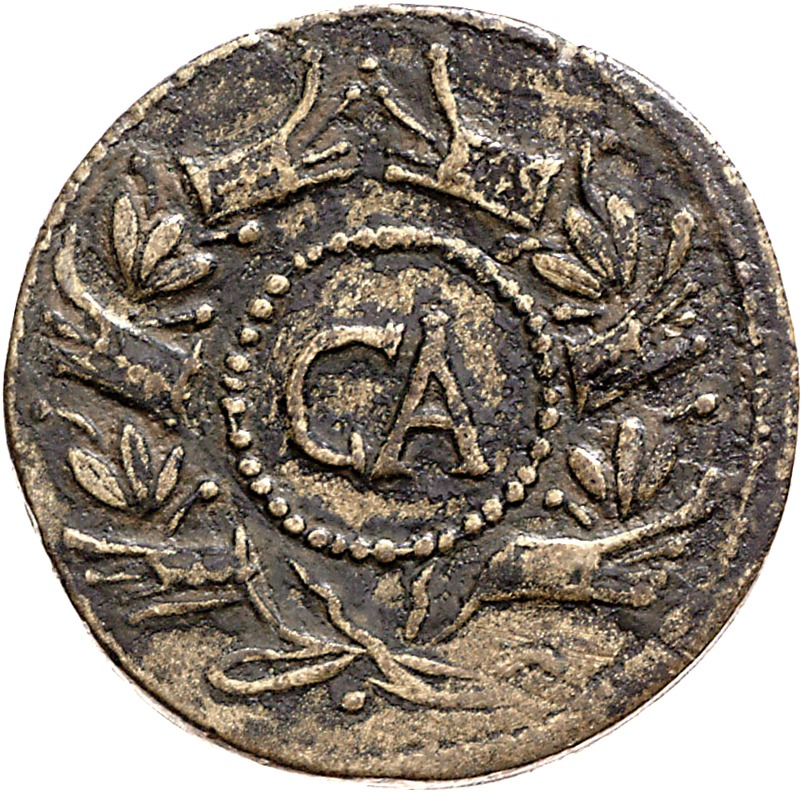
Copy visible letters in order on each face. Retain punctuation, uncertain characters and the position of breaks. An unreadable letter should remain unreadable; completing a familiar formula can accidentally select the wrong type. Store a photograph and a literal transcription separately from an expanded reading or translation. Mark whether a feature is worn, outside the photograph or absent in an examined area. These limitations are different and should not be collapsed into a blank field.
A portrait can help narrow a search but must be read with the legend, reverse design and other recorded details. Similar portraits and repeated reverses occur across issues. Search short, distinctive groups of legible letters, then compare full descriptions and references. Do not generate a RIC or other catalogue number from a visual resemblance. A number is useful only when its named work, volume or edition and the matching type definition are known.
Reference: Editorial methodology
Record the edge without altering it
Use only views that can be obtained safely. Describe lettering, milling, seams or a plain edge as observed, with the portion actually examined. Do not remove a coin from a fragile mount, clean deposits or rub the edge to reveal a mark. A photograph may conceal a joint or a section of lettering. Keep those hidden areas as research questions rather than asserting a complete edge description from one view.
Measurements belong to the specimen and need their units and method. Record mass and diameter only when safely measured or supplied by a cited source. A catalogue range is not the measured mass of your coin. Where a source lists a diameter for an illustrated example, say that it describes that example. Differences can have several causes; a mass discrepancy alone cannot authenticate a coin or diagnose an alteration. Keep the observation separate from a proposed explanation.
Reference: Editorial methodology
Compare a reference as a complete definition
Read the reference entry rather than its number alone. Match issuing authority, denomination, obverse and reverse legends, designs and the distinctions the reference actually uses. Mint marks, field symbols and bust details may matter in one corpus but not in another. A catalogue edition can regroup earlier entries. Preserve the edition and cited passage beside the proposed attribution so another researcher can reproduce the comparison.
Build a small comparison table with one row for each proposed reference and columns for matching features, mismatches and missing views. Do not discard a conflicting number merely because a second source repeats the preferred number. Trace whether the sources are independent or copied from one description. An institutional example is valuable evidence, but its attribution can also be qualified or revised. Retain the source’s uncertainty instead of converting it into a definitive label.
Reference: Editorial methodology
Separate issue dates from the history of the specimen
Keep a dated inscription, a proposed issue range, a discovery date and an acquisition date in distinct fields. A coin can commemorate an earlier event. Its presence in a collection at a particular date establishes a documented collection event, not necessarily a production year. Use historical issuing entities rather than assigning an older issue to a modern successor state for convenience. Preserve an original calendar date beside any sourced conversion.
An ownership story should be connected to the exact specimen through photographs, identifiers or other documentation. A record of another coin of the same type does not establish your specimen’s provenance. Preserve gaps in the chain and attribute recollections to their source. When a date or issuer remains disputed, finish the entry with the question that is unresolved and the specific evidence needed to settle it. A transparent partial identification is more useful than false precision.
Reference: Editorial methodology
Preserve the evidence for the next comparison
Photograph both faces and any safely accessible edge before placing the object in suitable storage. Keep original files, a dated condition description and source citations together. Avoid polishing, rubbing or home treatment intended to make a mark clearer; surfaces can carry information about manufacture and later history. Seek appropriate conservation advice for unstable or actively deteriorating material. Documentation should reduce handling, not become a reason to intervene.
Finish the dossier with a concise distinction between observations, source claims and your proposed type match. List which claims changed during research and why. Keep superseded catalogue numbers with the explanation for their replacement rather than erasing them. The live figures below describe what Orbis currently publishes in the relevant catalogue branch. They do not establish the completeness of a coinage corpus, the number struck, the survival of a type or any market conclusion.
Reference: Canadian Conservation Institute: Care of Coins, Medals and Medallic Art