Manufactured objects are assemblies
A fountain pen or a camera is made of parts — barrel, cap, nib and filling system; body, shutter, lens and finder — and parts were often replaced, swapped or upgraded during use. Identify the object one component at a time. A maker’s name on a cap establishes who made the cap. It does not prove the nib, lens or body came with it.
Start each record by listing the visible marks on every component, then propose a model only when the marks agree. When a lens maker differs from the body maker, record both; that may be original, an option offered at the time or a later substitution, and a source is needed to decide.
Reference: Editorial methodology
Read marks exactly as stamped or engraved
Transcribe imprints with line breaks, punctuation and any patent or registration wording. Note the position — barrel, clip, nib face, top plate, lens rim — and whether the mark is legible, worn or partly hidden. Nib imprints may include a size, a material mark or a maker’s logo; record what is present without converting it into a specification.
Model names on pens and cameras were reused and revised. A name alone can cover several decades of changes. Pair the name with the construction features you observe, such as the filling mechanism or the shutter type, before matching it to a reference or a museum record.
Reference: Editorial methodology
Serial numbers need a documented lookup
Serial numbers identify an individual body, lens or movement within a maker’s numbering system. Copy them exactly, including prefixes, suffixes and leading zeros. A serial can suggest a production period only through a cited maker list or specialist reference; never estimate a date by guessing the size of a production run.
Different components carry independent serials. A lens and a body with unrelated numbers are normal and do not by themselves indicate a problem or a later marriage. Record both and keep the question open.
Reference: Editorial methodology
Materials need different care in one object
Pens combine plastics, hard rubber, metal and sometimes ink residues; cameras combine metal, glass, leather or leatherette, cloth shutters and lubricants. A treatment suitable for one material can harm another. Avoid solvents, polishes and forcing stiff mechanisms. Do not fire a shutter or work a filling lever that resists; record that it was not tested.
Store objects away from heat, light and humidity swings, and keep pens empty and dry. Discolouration, crazing or a smell from some early plastics can indicate deterioration; record the observation and seek conservation advice rather than treating it at home.
Reference: Canadian Conservation Institute: Care of Coins, Medals and Medallic Art
Boxes, instructions and receipts are separate evidence
Original packaging, instruction booklets and receipts can support an identification but must be tied to the object. A box with a model name proves only that someone placed the object in that box. Where a box carries a serial number, compare it with the object and record whether they match.
Photograph accessories separately and list them as associated items. Keep the association question explicit, so a later researcher can see what was found together and what was assumed.
Reference: National Park Service: Museum Handbook
Use museum examples as comparison, not proof
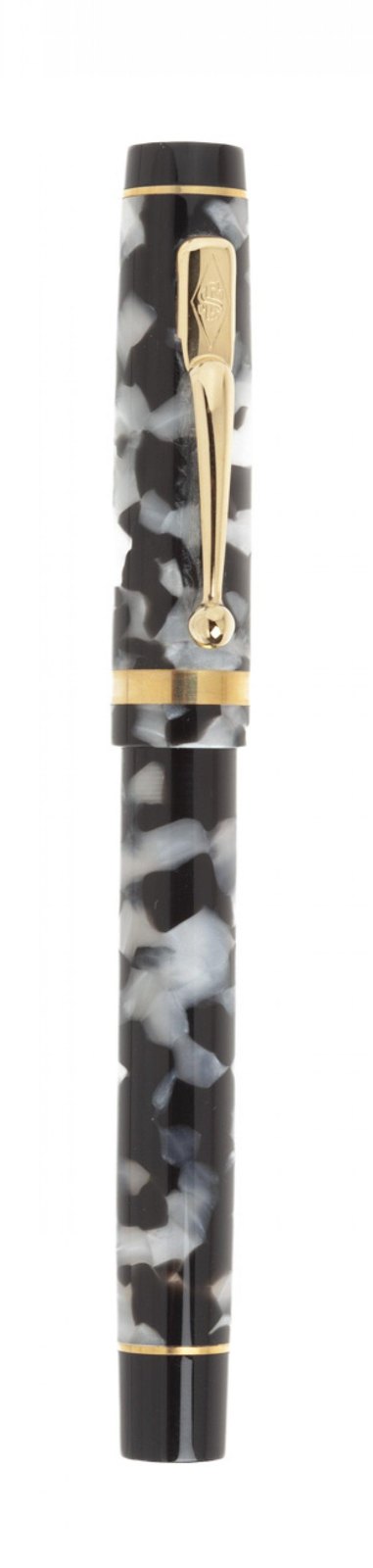
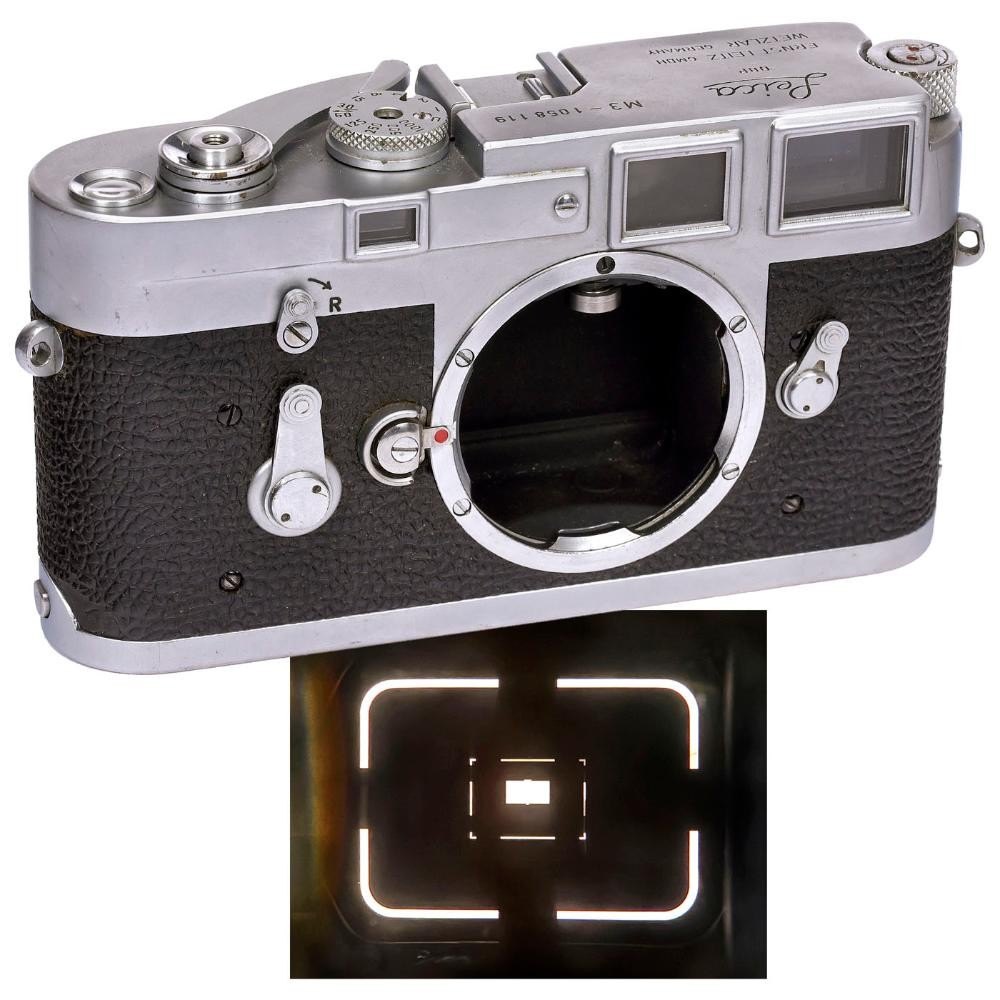
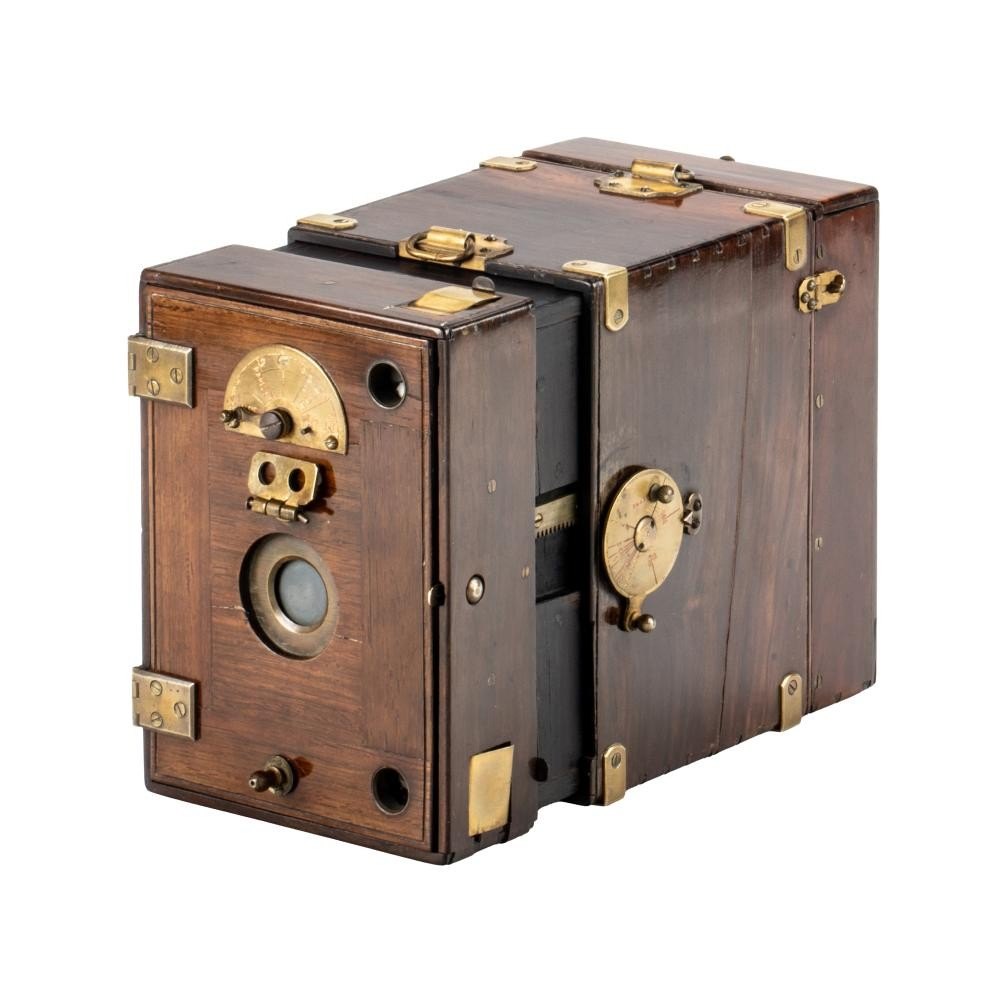
The photographed museum examples on this page show how a documented record describes maker, model, period and materials. Compare your object’s components with such records feature by feature. An institutional record can be qualified or revised; cite it with its object number and keep its stated uncertainty.
The live figures below count the fountain-pen entries Orbis currently publishes. Camera holdings are linked from the cameras section. Neither is a statement about production totals, survival or market interest.
Reference: Editorial methodology