Who issued it, and under what authority?
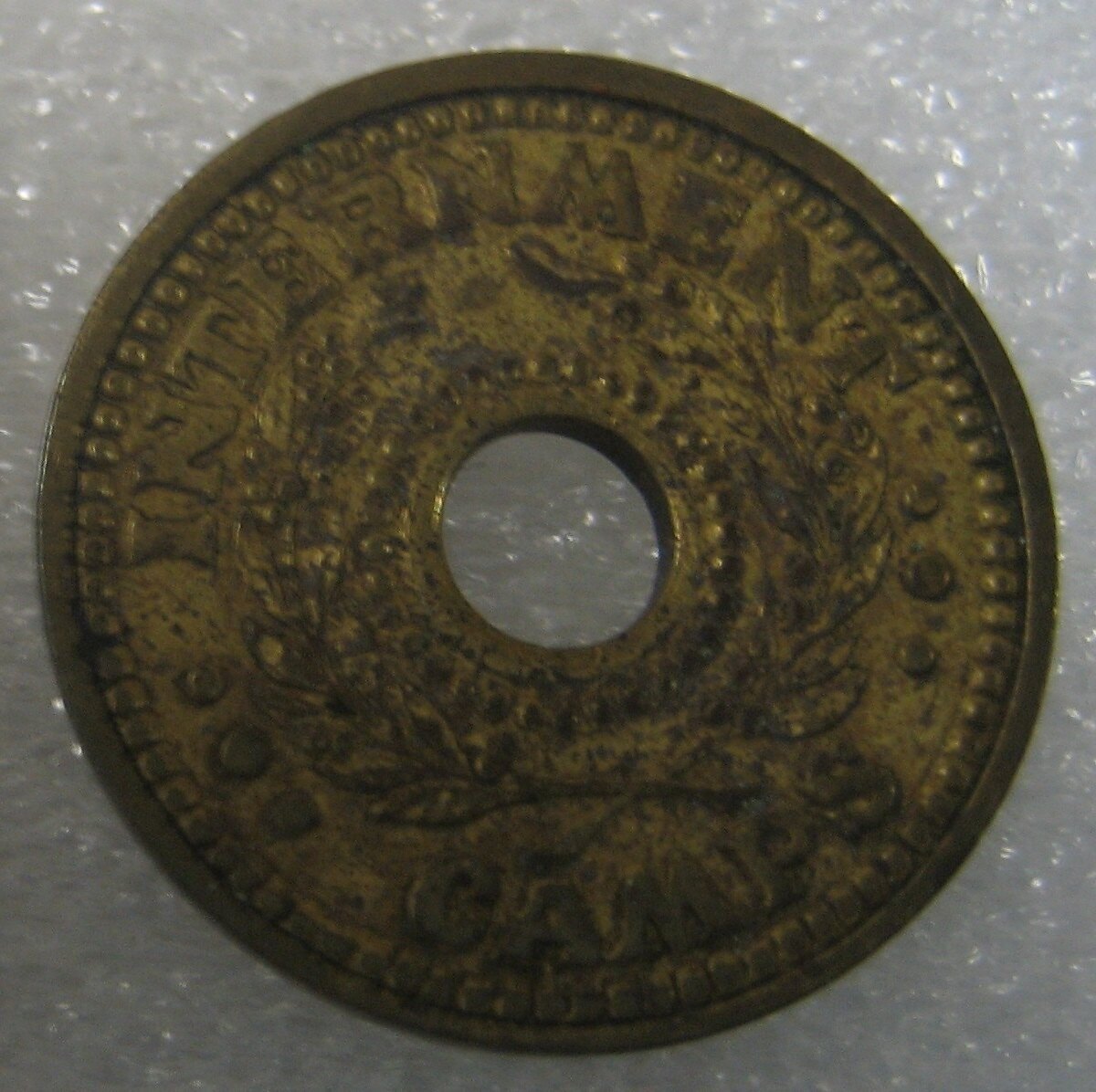
Tokens and emergency money were issued outside — or alongside — the regular state coinage: by merchants, towns, camps, theatres, employers or local authorities. The first identification question is the issuer named on the object. Record the issuer wording exactly and resist assigning the piece to a national currency it does not name.
Separate the issuer from the circumstances. A camp token, a municipal paper note and a shop token answer different historical questions, even when they look similar. Keep the circumstance as a sourced statement, not an inference from design.
Reference: Editorial methodology
Transcribe wording, values and conditions of use
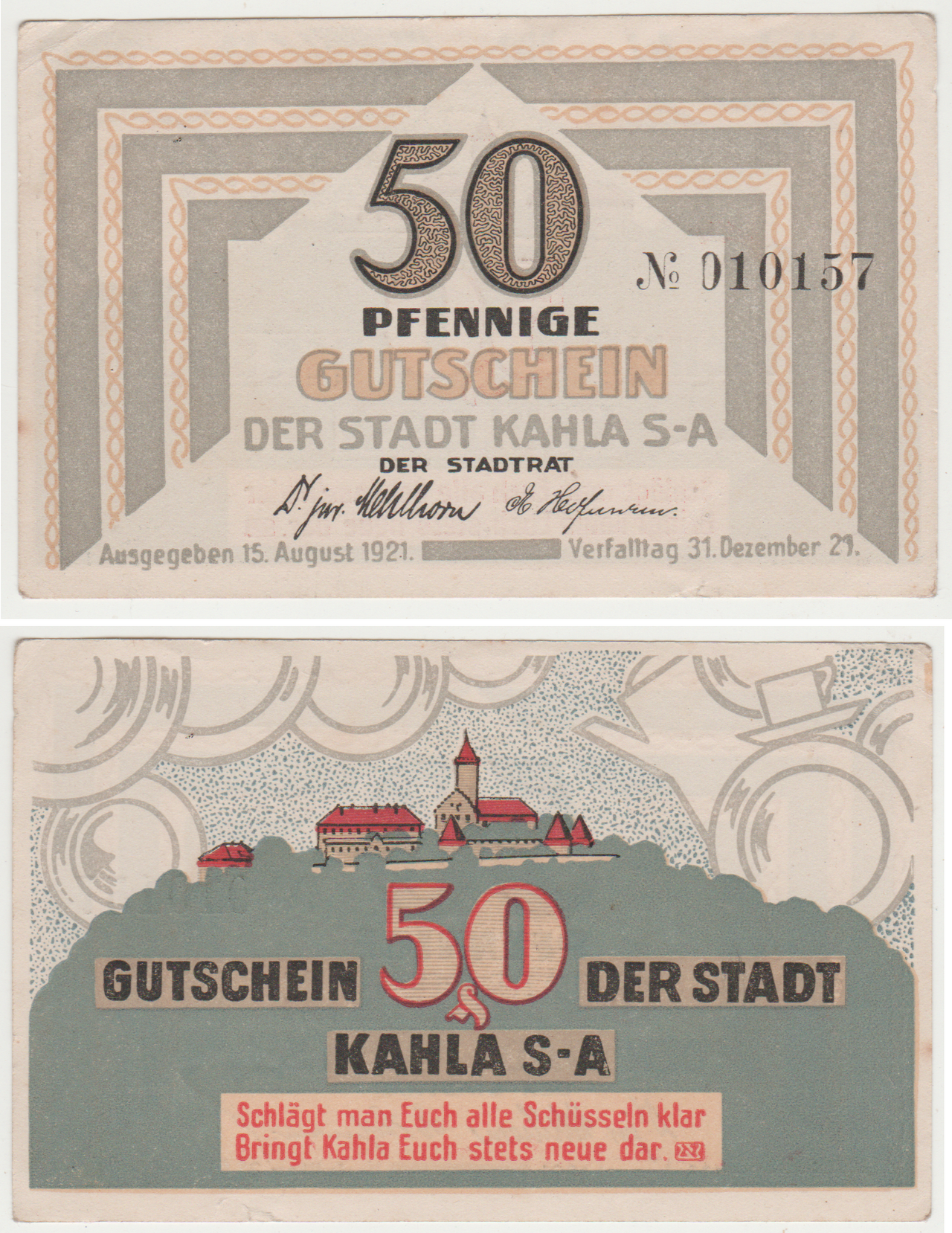
Many tokens and emergency notes state a value, a place, a validity period or a redemption condition. Copy all wording on both faces, including small print and signatures. Note whether the value is monetary or a promise of goods, services or admission. An expiry date printed on a note is evidence of intended circulation, not proof of use.
Love tokens are often worn coins re-engraved by hand. Record the underlying coin separately from the later engraving: they have different dates and different makers, and the engraving is usually undocumented. Do not invent a story for initials or dates on a love token.
Reference: Editorial methodology
Series, specimens and printing sheets
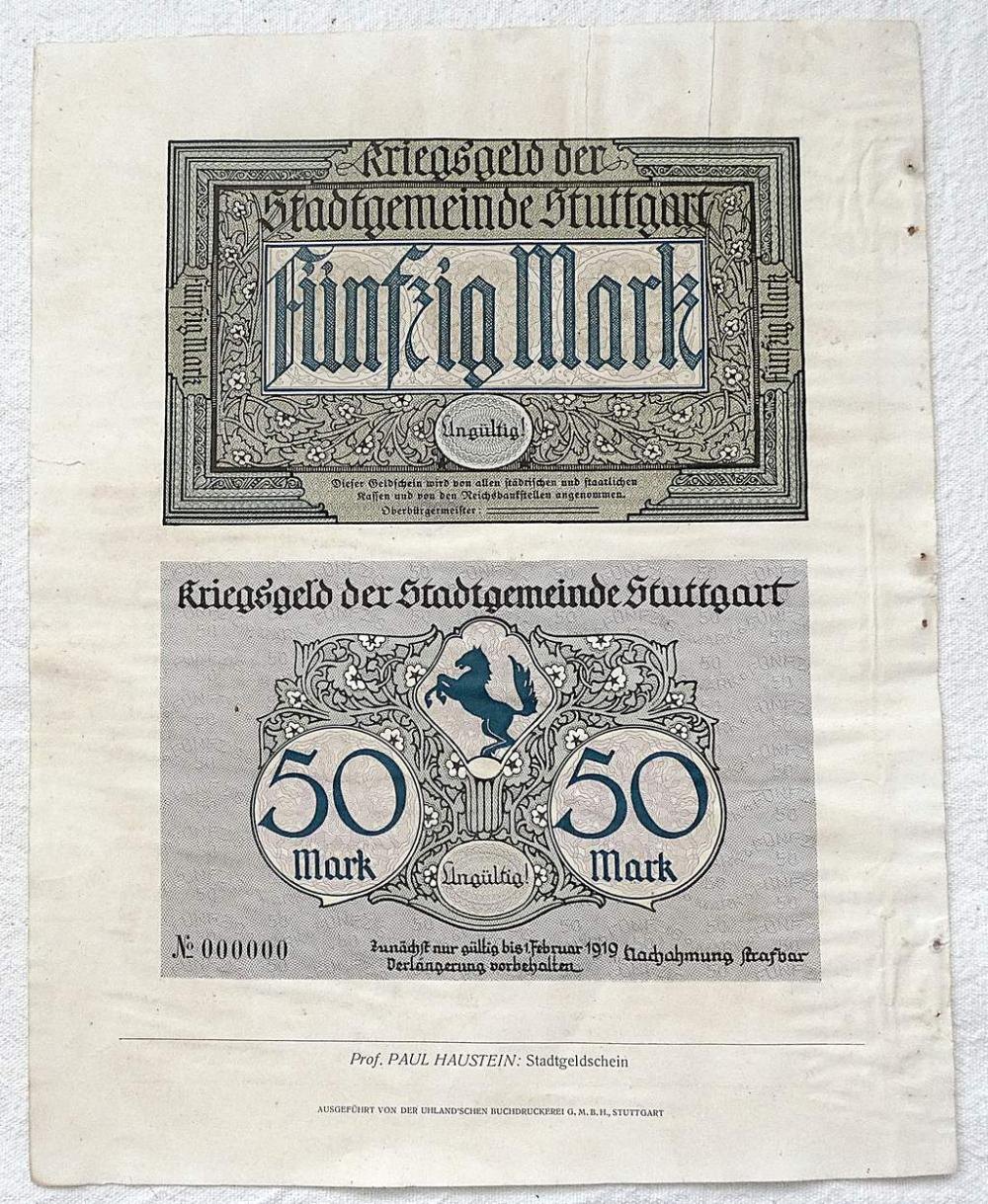
Emergency paper money was frequently issued in series, sometimes designed by named artists, and sometimes printed as specimen or uncut sheets. A specimen sheet documents the design and production; it was not necessarily circulated. Record any SPECIMEN marking, perforation or punch cancellation as part of the description.
A series entry provides context for individual notes. When cataloguing one note, describe that note and link it to the series rather than duplicating the series history.
Reference: Editorial methodology
Material and condition record a working life
Tokens were struck in brass, copper, aluminium, lead, card, fibre and other materials; emergency notes were printed on ordinary paper, silk, leather or card. Record the material only when confirmed by a source or obvious inspection, and note uncertainty otherwise. Lead and some alloys need particular care; avoid handling with bare hands and seek conservation advice for active corrosion.
Paper issues are vulnerable to light, acid and humidity. Store flat in inert enclosures and do not repair tears with tape. Do not clean metal tokens to make a legend clearer.
Reference: Canadian Conservation Institute: Care of Coins, Medals and Medallic Art
Avoid connecting objects to stories without evidence
Tokens from camps, wartime towns or disasters carry strong associations, and it is tempting to attach a family or event story. A story must be tied to the specific object through documentation. A record of a similar token elsewhere does not establish the provenance of yours.
Where the issuer, date or circumstances remain unclear, record the open question and the evidence needed to settle it. A partial identification stated honestly is more useful than a confident guess.
Reference: Editorial methodology
Keep emergency and trade issues comparable
Photograph both faces with a scale, record dimensions and mass where safely measured, and keep wording transcriptions with the images. Use the same fields for every piece so that issuers and periods can be compared later.
The live figures below count the emergency-money entries Orbis publishes. The separate Tokens section covers love tokens, trade tokens, passes and checks. These are catalogue counts only, not issue sizes or survival figures.
Reference: National Park Service: Museum Handbook