Search
Search the catalogue
Search by name, period, entity or technical detail, then narrow by discipline, era, country, maker, material and confidence. Facets are built only from what each record documents — an entry with no documented date or material is not guessed into one.
4 records
Cleveland Museum of Art
ancient coins
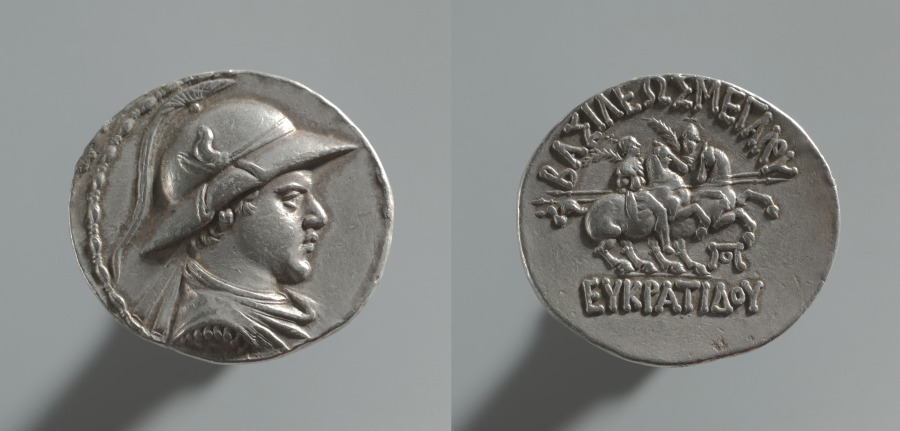
Coin of Eukratides I (Cleveland Museum of Art 1999.319)
170–145 BCE
After Alexander of Macedon succeeded in conquering Egypt and Persia in 331 BC, his ambition to rule the known world led him further east across Bactria in Afghanistan, through the Hindu Kush mountain pass, and into India. There he succeeded in defeating all the local kings of the region until his men, on the brink o…
Partial type record
The Cleveland Museum of Art — Gift of Dr. Norman Zaworski
ancient coins
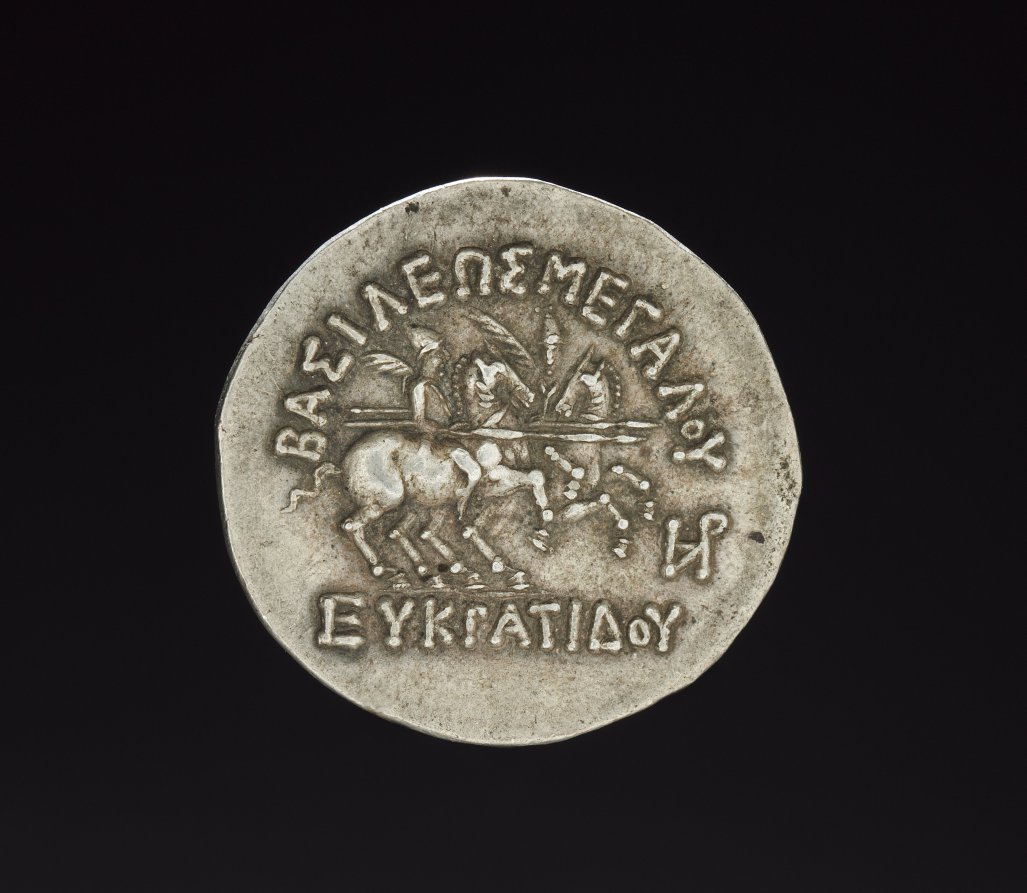
Coin of Eukratides I, Afghanistan, Bactria, 170–145 BCE (Cleveland Museum of Art, 2011.211.b)
170–145 BCE
Coin of Eukratides I, Afghanistan, Bactria, 170–145 BCE is an object recorded by Cleveland Museum of Art, dated 170–145 BCE. Museum description: The twins Castor and Pollux were known as the Diosuroi in Greek mythology, and they were the children of Zeus and Leda. Together they also form the constellation Gemini. Th…
Partial type record
The Cleveland Museum of Art — Gift of Dr. Norman Zaworski
ancient coins
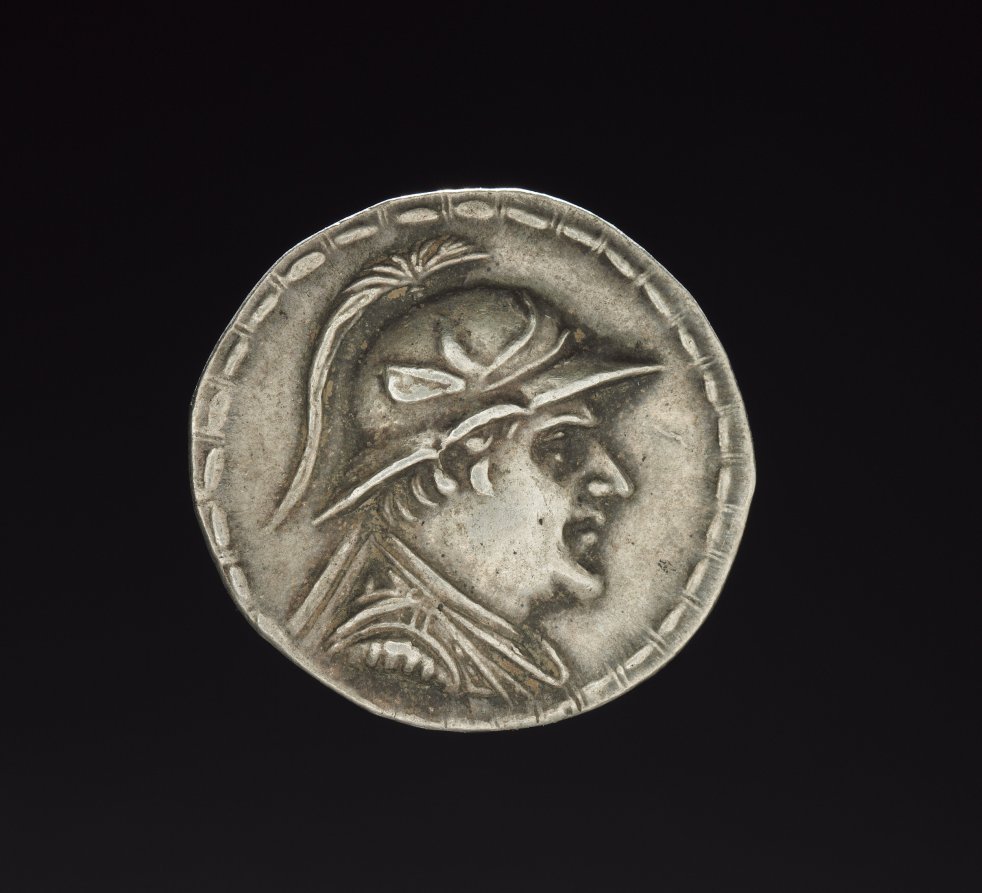
Coin of Eukratides I, Afghanistan, Bactria, 170–145 BCE (Cleveland Museum of Art, 2011.211)
170–145 BCE
Eukratides, a successor of Alexander in Bactria, wears a helmet with bull's ear and horn, like military leaders from Macedon, Alexander's homeland in the north of Greece. On the reverse Castor and Pollux, sons of Zeus, ride horseback. Because Alexander also was considered to be an offspring of Zeus, Eukratides refer…
Partial type record
Cleveland Museum of Art
ancient coins
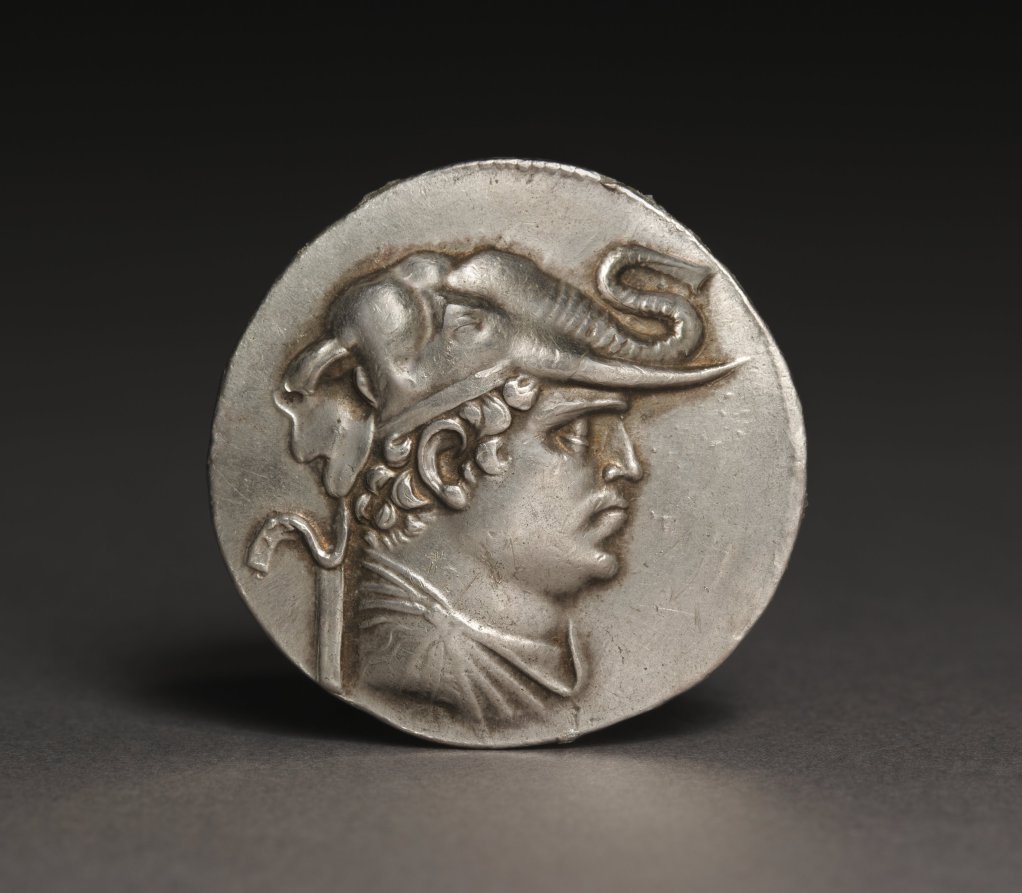
Tetradrachm Coin of Demetrios I (Cleveland Museum of Art 1999.318)
200–190 BCE
Demetrios I (222–180 BC) ruled the Indo-Greek kingdom of Bactria from 200 to 180 BC and minted this coin to commemorate his conquests over territories to the south, in present-day Pakistan. He linked his image on his coin to Alexander of Macedon (356–323 BC), who depicted himself with a lion scalp after his conquest…
Partial type record