Name the form before the origin
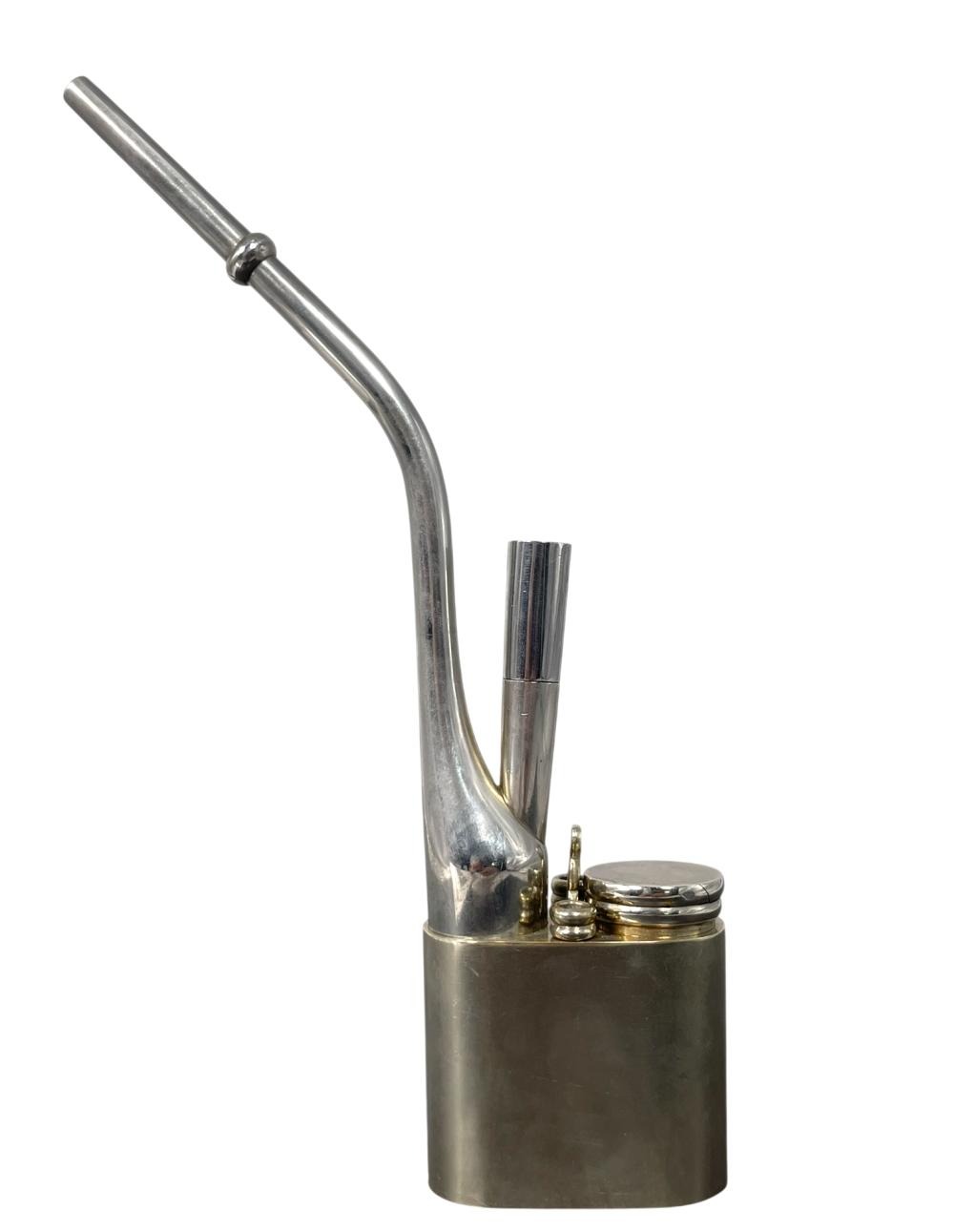
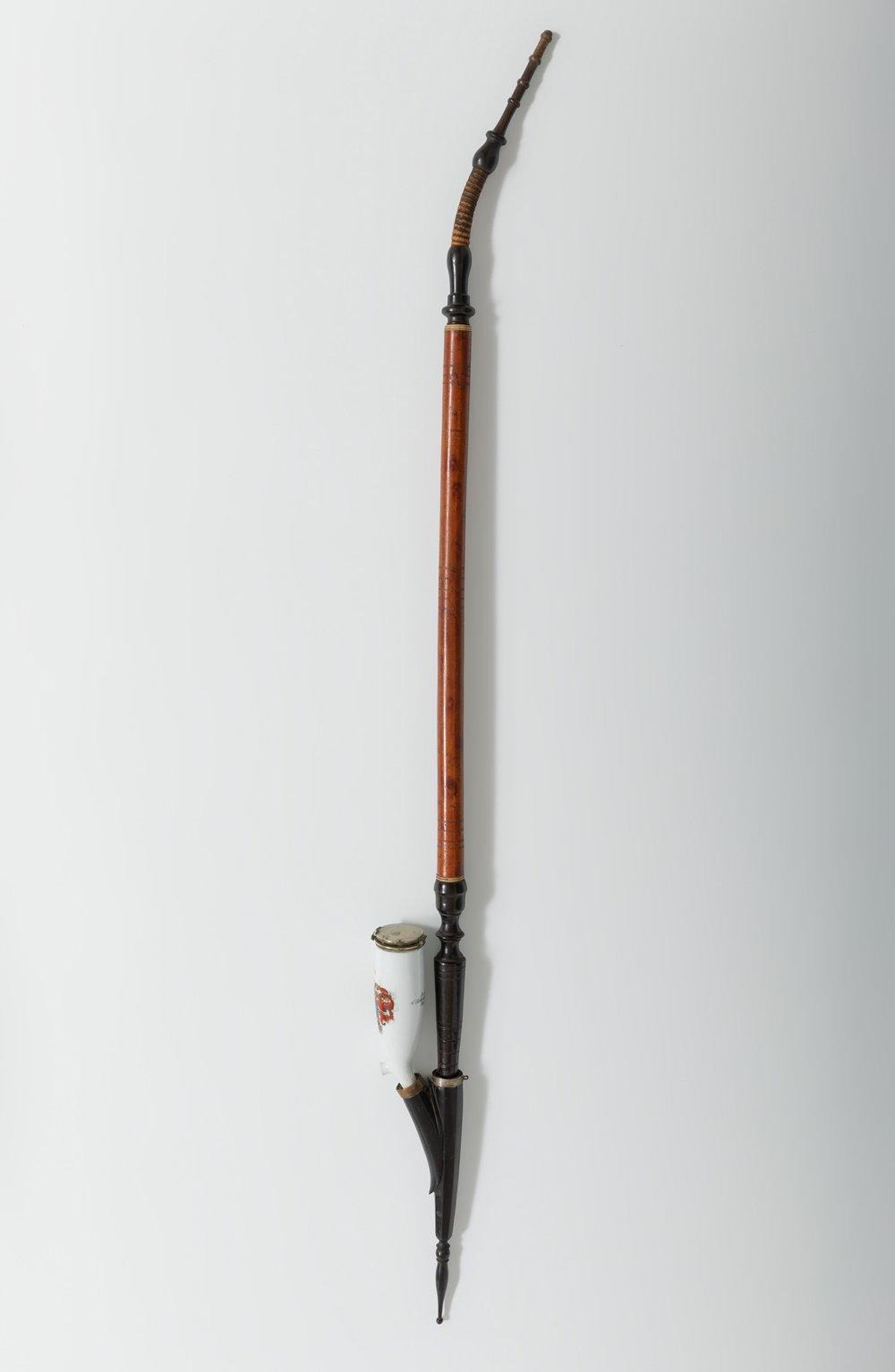
Pipes take many forms — single-piece clay pipes, water pipes, long-stemmed pipes with separate bowls, and pipes with a separate bowl (stummel) fitted to a stem. Describe the form you can see and list which parts survive. A bowl alone is a different record from a complete pipe, and a missing stem should be stated rather than assumed.
Form names can be shared across regions and periods. Use the form to narrow a search, then rely on marks, materials and cited records to propose an origin.
Reference: Editorial methodology
Identify materials carefully
Clay, porcelain, meerschaum, wood, horn, amber-like materials, silver and other metals all occur, often combined in one pipe. Record the material of each part and say whether it was confirmed by a source or is your visual impression. Some imitation materials closely resemble natural ones, so leave uncertain identifications open.
Avoid tests that scratch, heat or apply solvents. Different materials in one pipe need different care; keep the pipe stable, dry and away from heat and light.
Reference: National Park Service: Museum Handbook
Maker marks and decoration
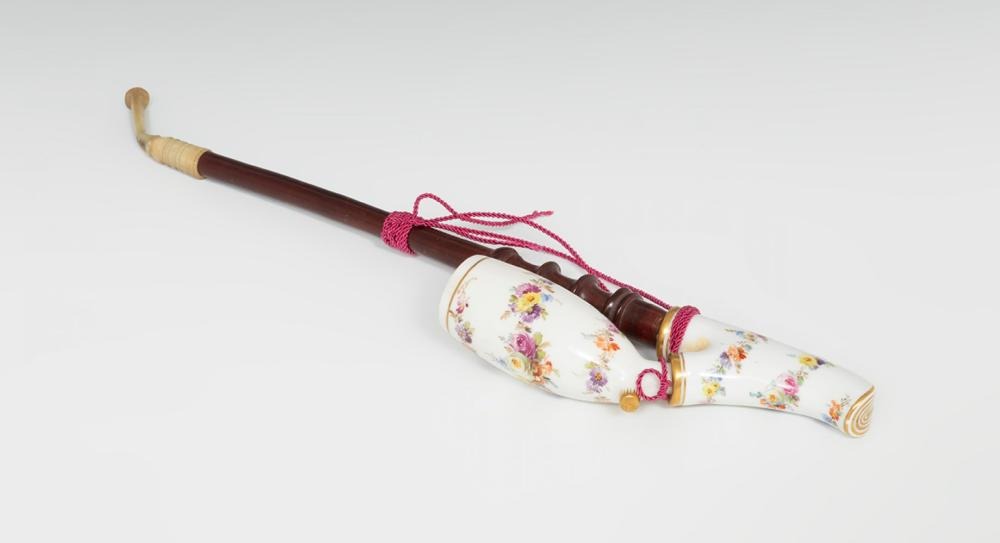
Maker marks may be moulded, stamped or painted on the bowl, heel or stem; porcelain pipes may carry factory marks and painted decoration. Transcribe and photograph each mark and its position. A factory mark identifies a factory; the painter and date of decoration may differ and need their own evidence.
Describe decoration in plain words — subject, technique and placement — before attempting attribution. A popular decorative subject was often produced by several workshops.
Reference: Editorial methodology
Residues and use-wear
Bowl residues, tooth marks and discolouration record use. Do not scrape or clean them out; they are part of the object’s history and can carry information. Record whether the pipe appears used, unused or impossible to judge from available views.
Archaeological clay pipe fragments are a separate field with its own typologies; cite a specialist typology rather than dating a fragment by resemblance.
Reference: National Park Service: Museum Handbook
Cases, mounts and associated items
Fitted cases, mounts and replacement stems are associated parts. Record whether a case fits the pipe and whether mounts carry marks of their own. A silver mount may have its own marks that date the mount, not the bowl.
Keep the associated items photographed and listed separately, with the association question stated.
Reference: Editorial methodology
Compare with documented records
The museum examples on this page show how a documented record states form, material, maker and date. Compare your pipe with such records feature by feature, citing object numbers.
The live figures below count the tobacco-pipe entries Orbis currently publishes. They describe this catalogue only, not production, survival or market interest.
Reference: Library of Congress: Care of works on paper