Catalogue
Coins
Struck and cast currency issued by states, rulers and other authorities.
Catalogue entries (5,113)
Filter by era, country, maker or material1,489–1,536 of 5,113 entries
Rijksmuseum, Amsterdam
modern coins
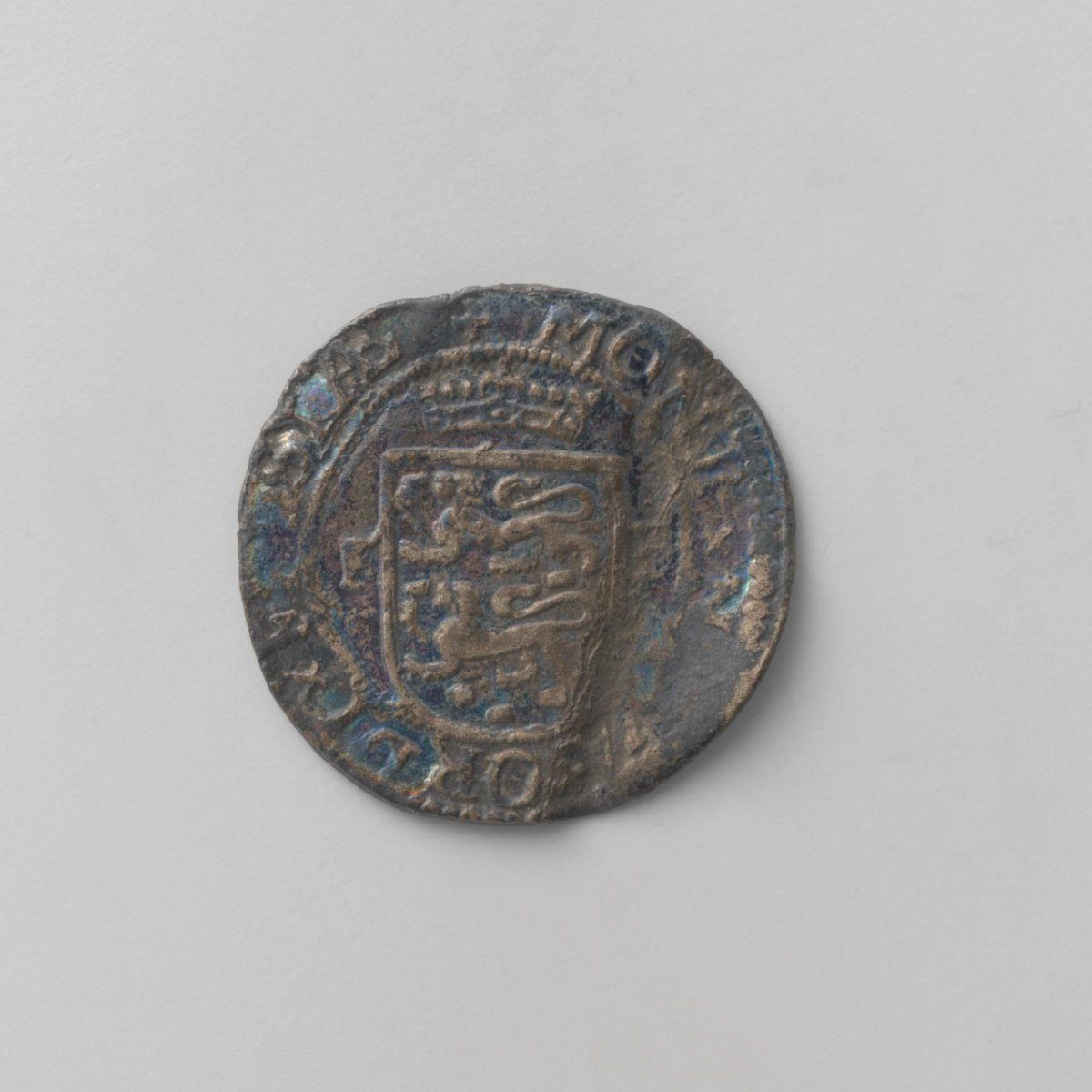
Half stuiver or Frisian butken of Friesland
1590 - 1610
Billon coin. Obverse: crowned coat of arms of Friesland between value indication F B. Reverse: long double-lined decorated cross with a small lion in the center and the letters B, F, B, and F in the angles. The Rijksmuseum, Amsterdam, holds this object as KOG-MP-1-2010; its record gives material recorded as silver (…
Partial type record
Rijksmuseum, Amsterdam
modern coins
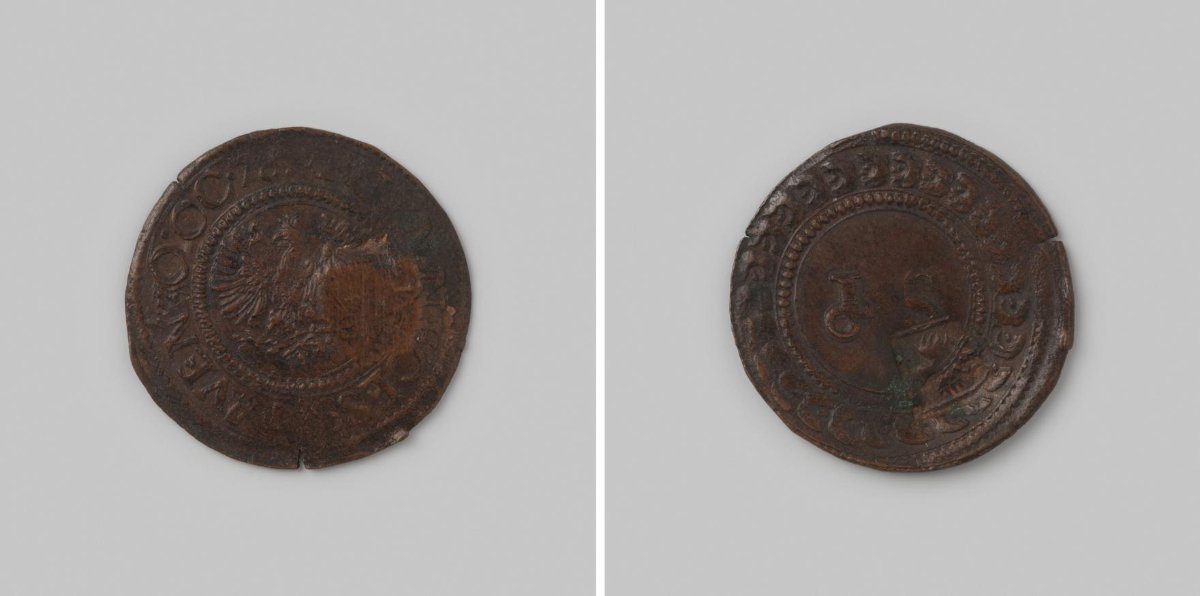
Half stuiver, emergency coin from Deventer, struck during the siege
1578
Copper emergency coin. Obverse: within a beaded circle, a crowned single-headed eagle facing left. Legend: Vrgen. Necess [small city coat of arms] Daven. 30 Oc 78. Reverse: within a beaded circle, denomination indication on one line: ½ S. Outside the beaded circle, a wreath. With countermark small city coat of arms?…
Partial type record
Rijksmuseum, Amsterdam
modern coins
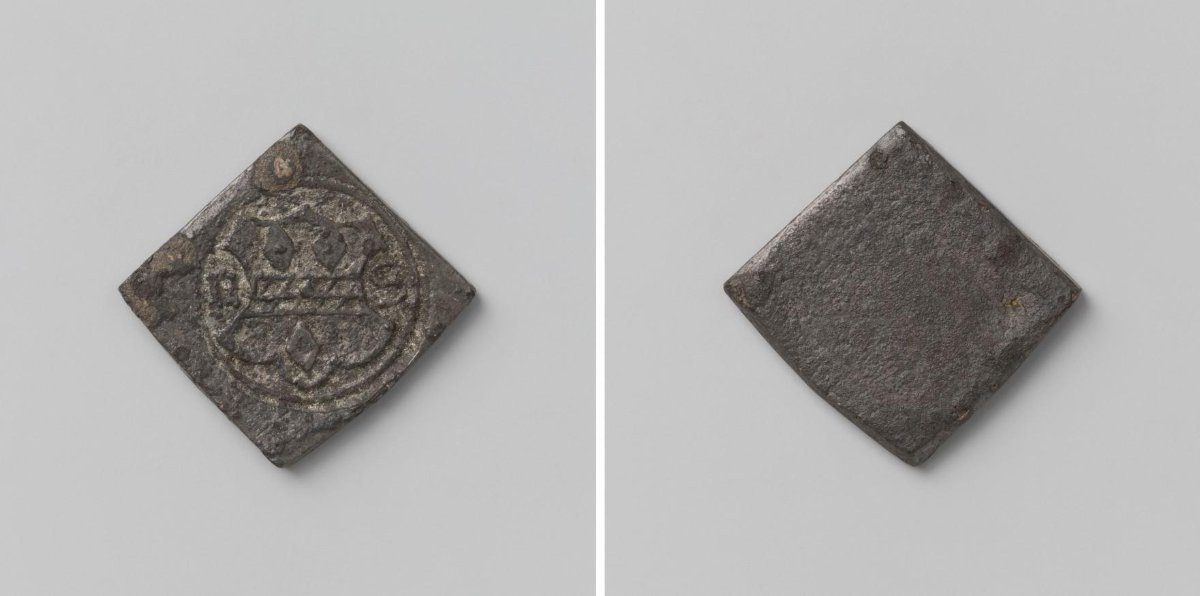
Half stuiver, emergency coin from Woerden, struck during the siege
1575-09-08
Uniface, diamond-shaped, pewter emergency coin of half a stuiver from Woerden. Obverse: coat of arms between II and S. Reverse: blank. The Rijksmuseum, Amsterdam, holds this object as NG-VG-4-101; its record gives material recorded as tin (metal); technique striking (metalworking); measurements height 2.5 cm x width…
Partial type record
Rijksmuseum, Amsterdam
modern coins
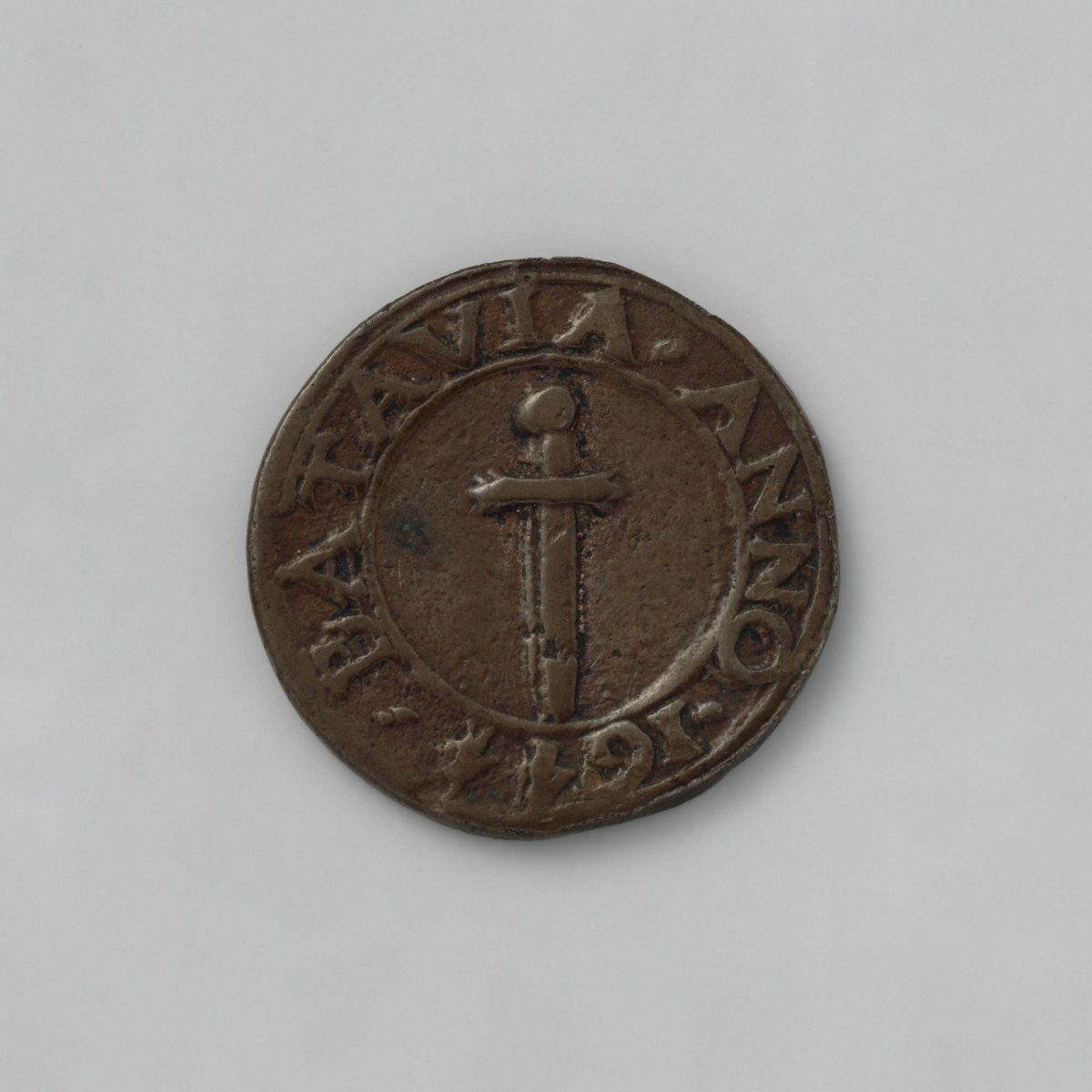
Half stuiver; emergency coin from Batavia of the Dutch East India Company (VOC)
1644
Copper emergency coin. Obverse: downward-pointing sword. Date in inscription. Reverse: monogram of the VOC, above which is the value indication 1/2 st. Plain edge. The Rijksmuseum, Amsterdam, holds this object as KOG-MP-1-4683; its record gives material recorded as copper (metal); technique striking (metalworking);…
Partial type record
Rijksmuseum, Amsterdam
modern coins
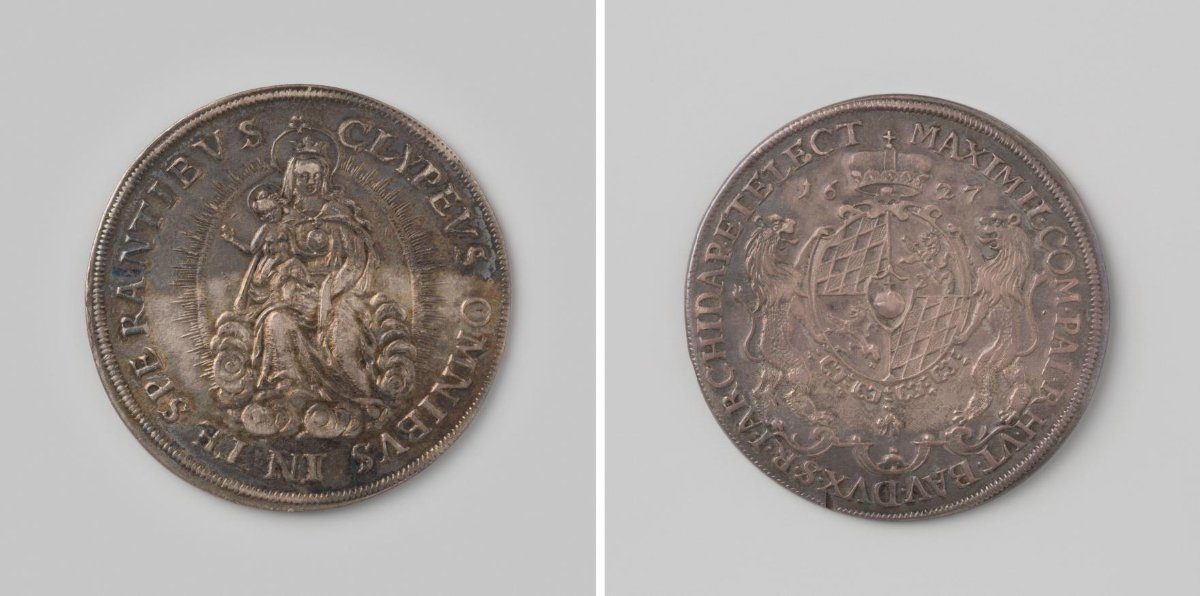
Half Taler from the Duchy of Bavaria of Elector Maximilian I, 1627
1627
Silver coin. Obverse: within a mandorla, the Madonna and Child. Reverse: between date, crowned coat of arms held by two lions, draped with the collar and badge of the Order of the Golden Fleece. The Rijksmuseum, Amsterdam, holds this object as KOG-MP-1-1152; its record gives material recorded as silver (metal); tech…
Partial type record
Rijksmuseum, Amsterdam
modern coins
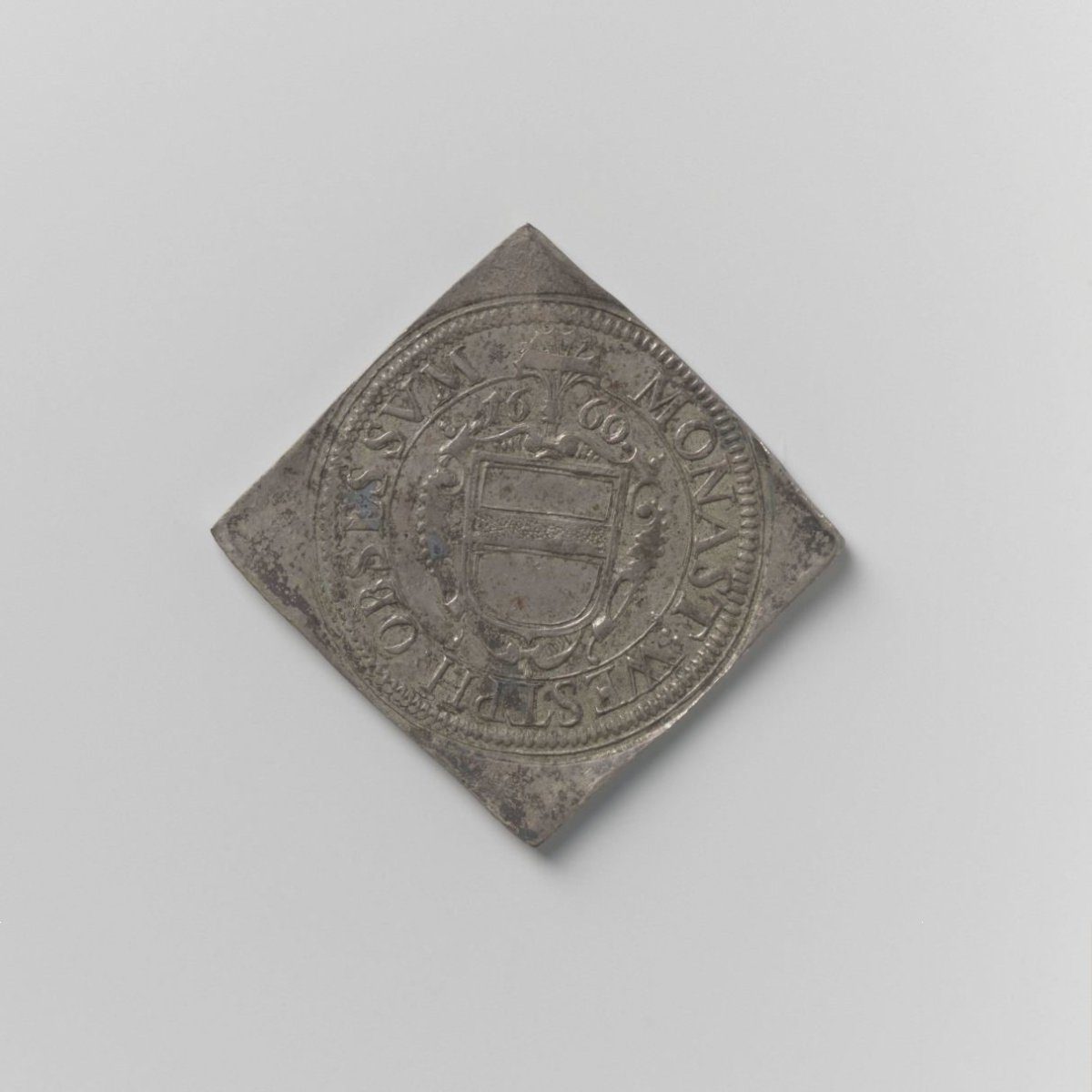
Half taler, emergency coin from Münster, struck during the siege by Christoph Bernhard von Galen, to pay the mercenaries who defended the city
1660
Uniface, lozenge-shaped emergency coin. Obverse: within a circular punch: coat of arms in an ornamented cartouche beneath the date within a legend. Reverse: blank. The Rijksmuseum, Amsterdam, holds this object as NG-VG-4-340; its record gives material recorded as silver (metal); technique striking (metalworking); me…
Partial type record
Rijksmuseum, Amsterdam
modern coins
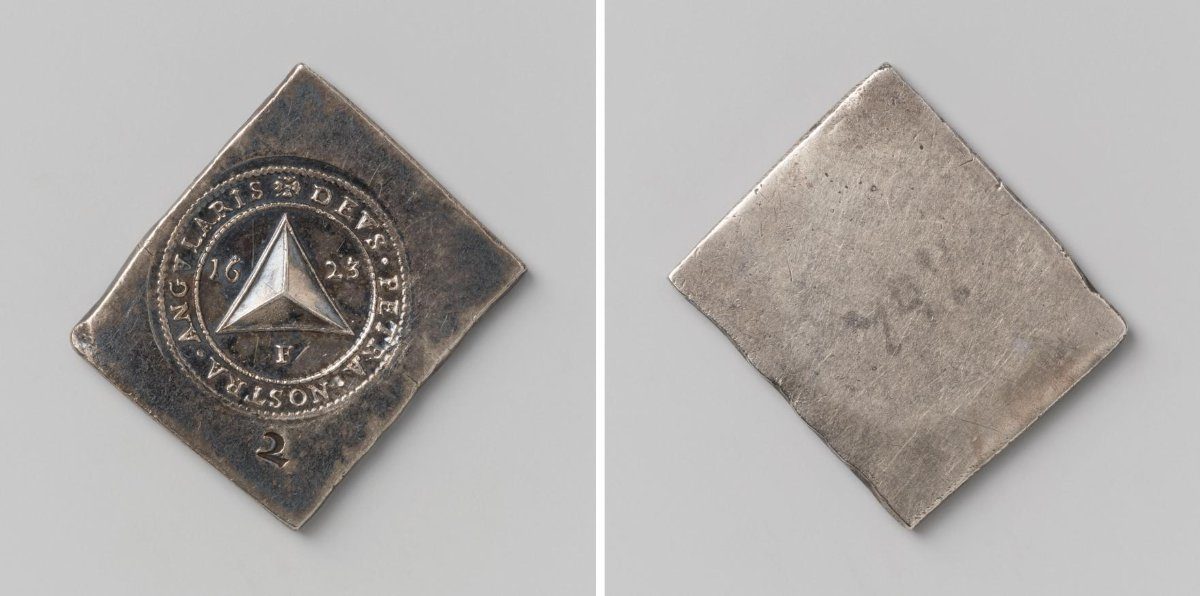
Half taler; two units, emergency coin from Frankenthal, struck during the siege by Verdugo
1623
Uniface, diamond-shaped emergency coin. Obverse: two stamps; above: cornerstone between year above letter F within circumscription; below: countermarked: numeral 2. Reverse: blank. The Rijksmuseum, Amsterdam, holds this object as NG-VG-4-262; its record gives material recorded as silver (metal); technique striking (…
Partial type record
Rijksmuseum, Amsterdam
modern coins
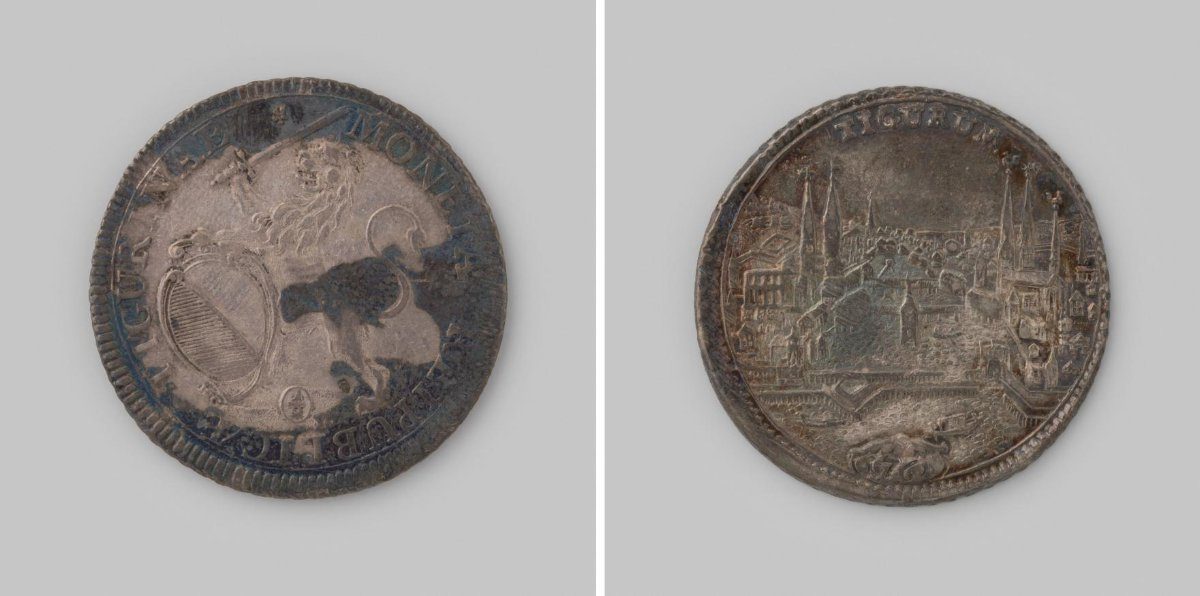
Half thaler or gulden from the Canton of Zurich, 1761
1761
Silver coin. Obverse: standing lion facing left, holding a sword in its right paw and a decorated coat of arms with its left. Between them, value indication: ½. Reverse: city view. Date below in decoration. Cable edge. The Rijksmuseum, Amsterdam, holds this object as KOG-MP-1-1388; its record gives material recorded…
Partial type record
Rijksmuseum, Amsterdam
modern coins
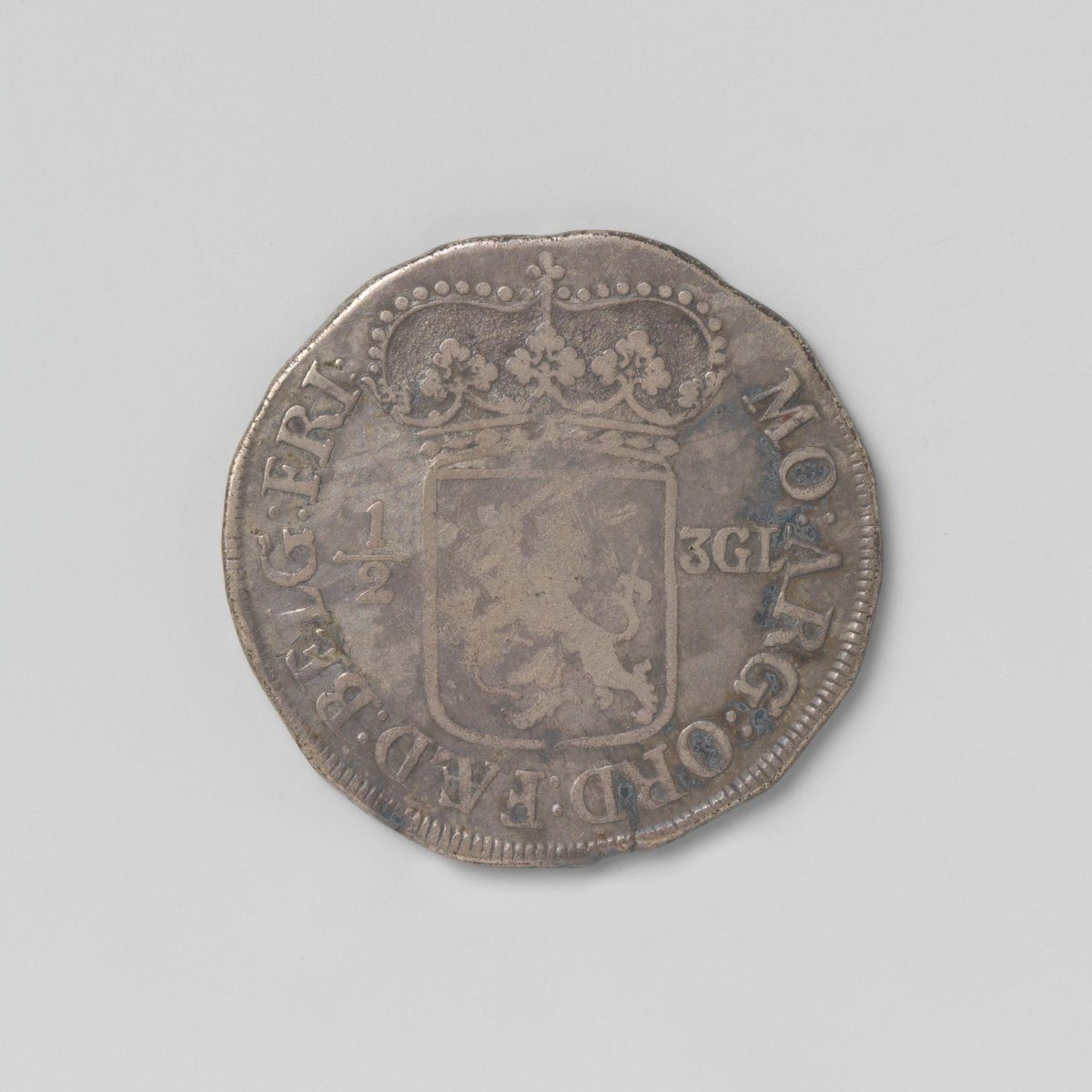
Half three-gulden of Friesland, 1696
1696
Silver coin. Obverse: crowned Generality coat of arms between value designation. Reverse: standing Dutch Maiden with spear in right hand bearing cap, resting left hand on an altar on which a Bible. In exergue, year. The Rijksmuseum, Amsterdam, holds this object as KOG-MP-1-2036; its record gives material recorded as…
Partial type record
Cleveland Museum of Art
ancient coins
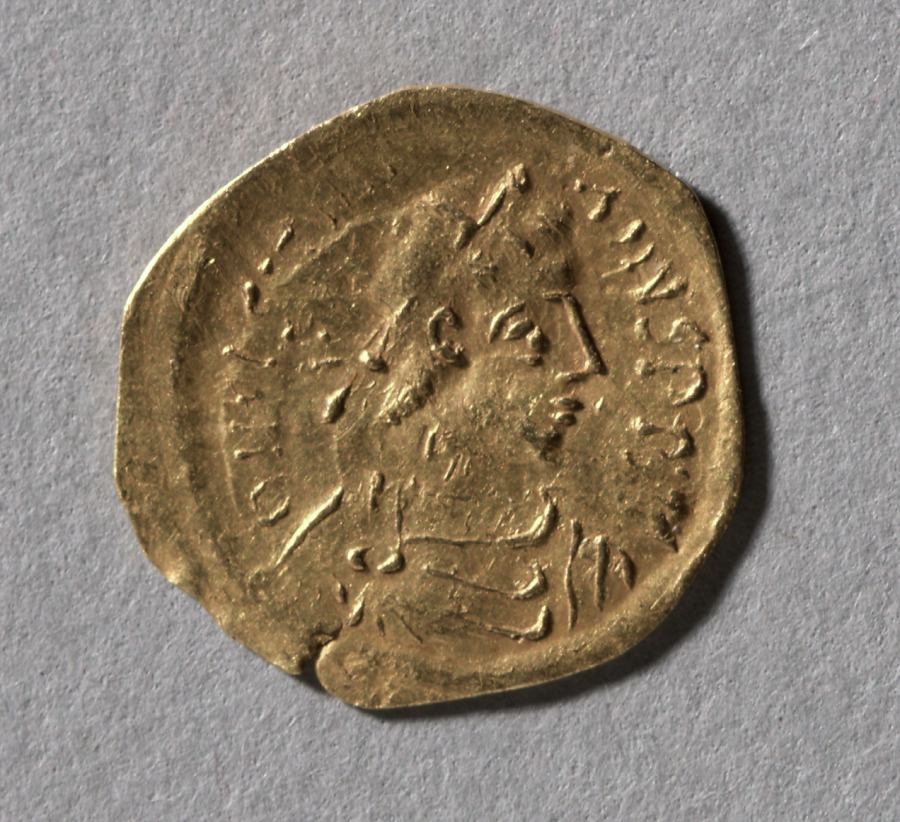
Half Tremissis of Justinian I (Cleveland Museum of Art 2004.149)
527–565
This solidus was issued during the reign of Emperor Justin II, successor of Justinian the Great. Cleveland Museum of Art object 2004.149: Half Tremissis of Justinian I, 527–565. Byzantinium, Constantinople, Byzantine period, 6th century. Gold; diameter: 1.5 cm (9/16 in.). Inscribed: (Avers): DNIVSTINI ANVSPPA[VC] (R…
Partial type record
Rijksmuseum, Amsterdam
modern coins
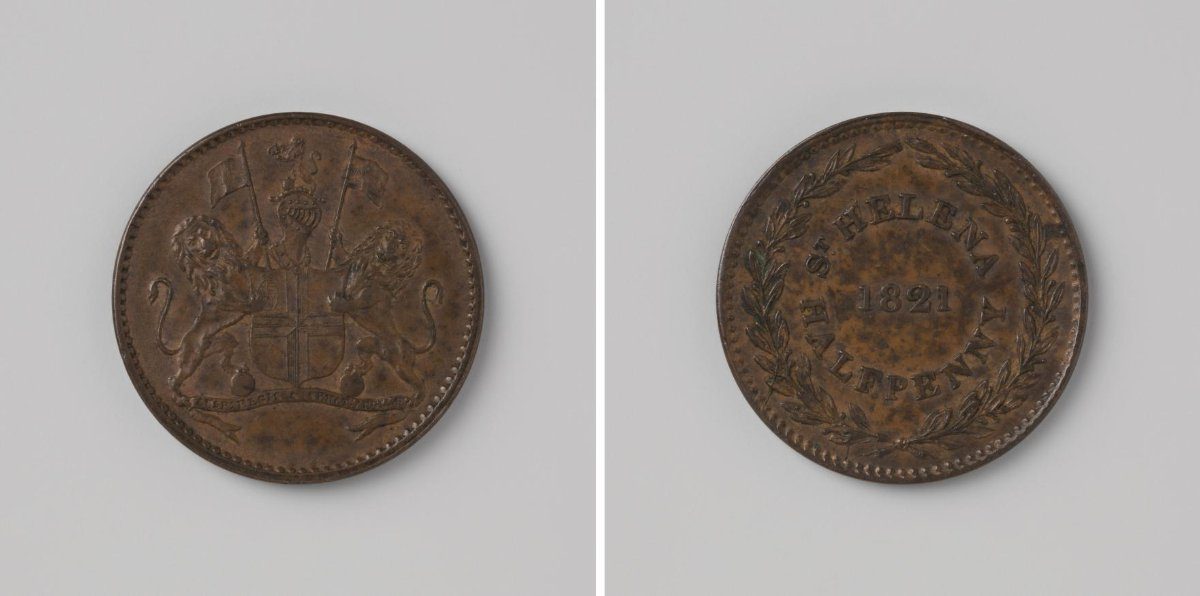
Half-penny coin of Saint Helena
1821
Obverse: two lions, each holding a banner, jointly lifting a helmeted coat of arms above a pennant with inscription. Reverse: year within legend and laurel wreath. The Rijksmuseum, Amsterdam, holds this object as NG-VG-1-3454; its record gives material recorded as bronze (metal); technique striking (metalworking); m…
Partial type record
Cleveland Museum of Art
modern coins
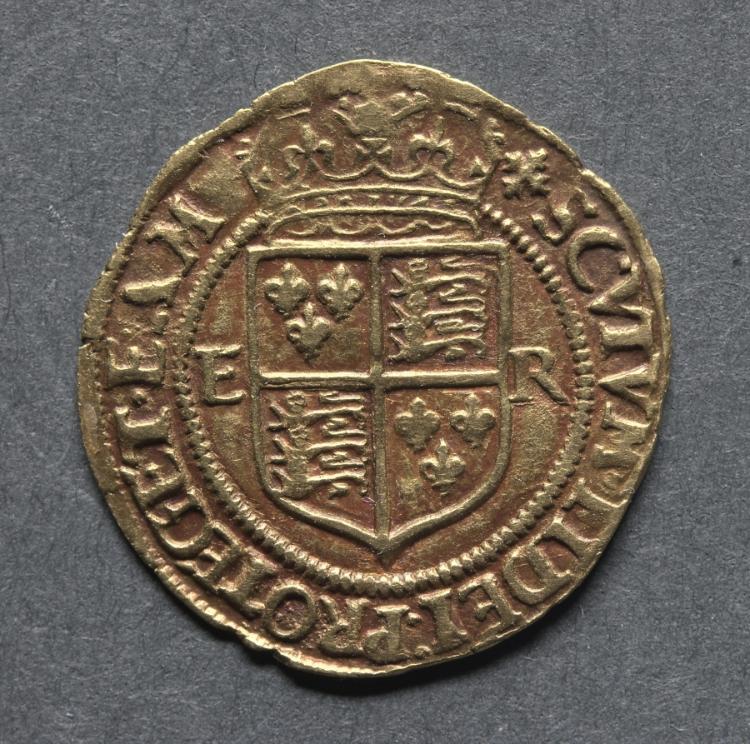
Halfcrown: Elizabeth I (obverse); Crowned Shield of Arms (Cleveland Museum of Art 1969.182)
1560–61
The portrait of the queen is very well executed. There are two types of this coin that feature a bust of the queen. They vary considerably, this one being less ornate than the second, 1969.184. Elizabeth I chose a Latin phrase, SCVTVM FIDEI PROTEGET EAM, translated as The Shield of Faith Shall Protect Her to appear…
Partial type record
Cleveland Museum of Art
modern coins
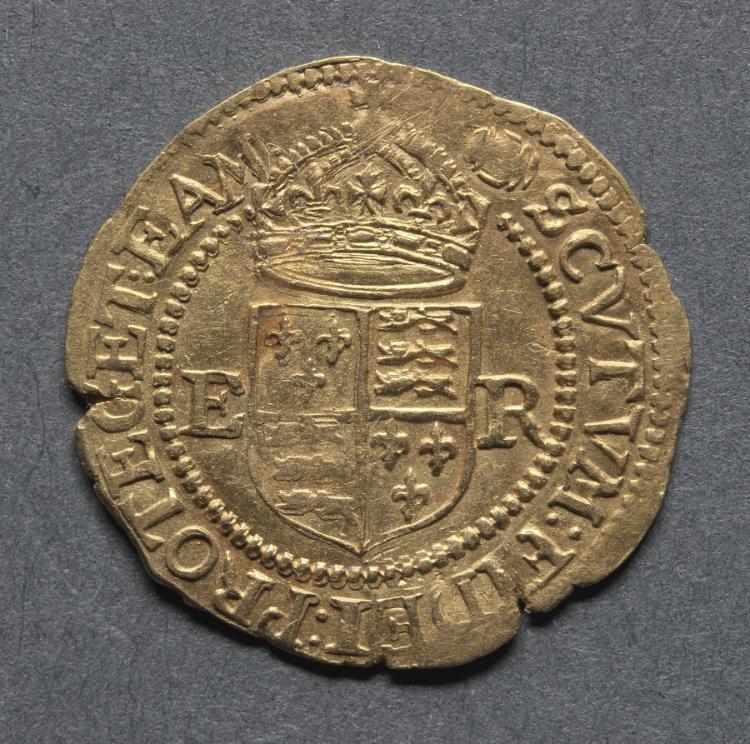
Halfcrown: Elizabeth I (obverse); Crowned Shield of Arms (Cleveland Museum of Art 1969.184)
1592–95
This is the second type of gold halfcrown, showing the queen in ornate style. She often wore elaborate and luxuriously decorated dresses, many of them heavily bejeweled as seen here. The mint mark, visible just above the crown on the reverse, is a tun or barrel. This helps identify the date the coin was issued as th…
Partial type record
Rijksmuseum, Amsterdam
modern coins
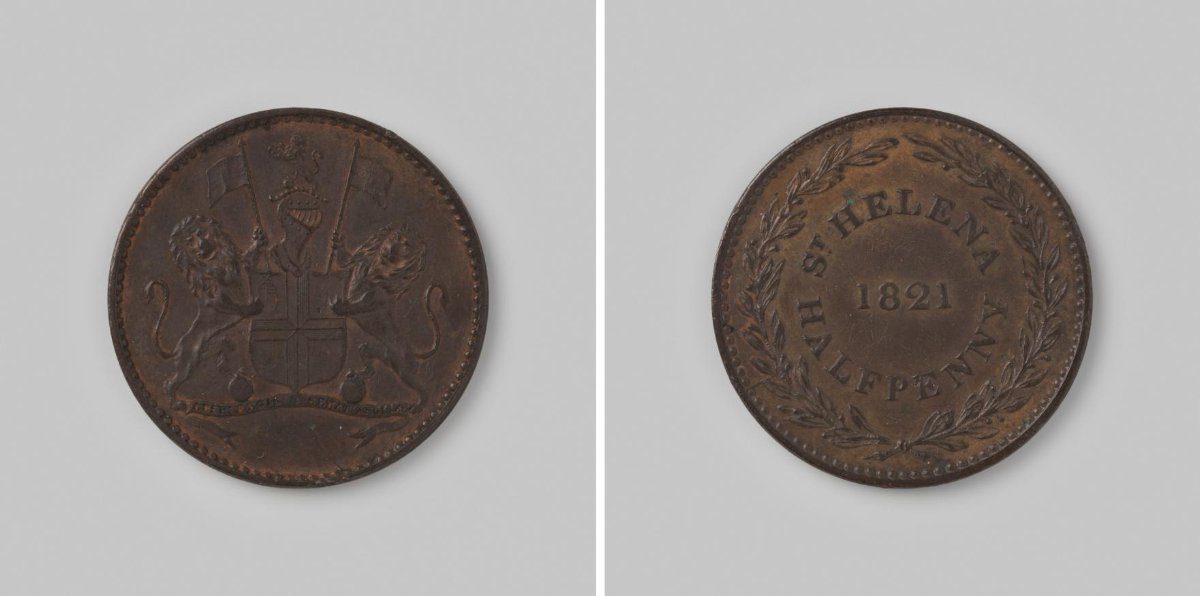
Halfpenny for Saint Helena of the English East India Company (EIC), 1821
1821
Copper coin. Obverse: coat of arms of the EIC, surmounted by a crest, held by two lions standing on a scroll bearing an inscription, each holding an arrow with an attached flag in their paw. Reverse: year between two tied branches. Above it, country indication, and below it, value indication: halfpenny. Plain edge.…
Partial type record
Rijksmuseum, Amsterdam
modern coins
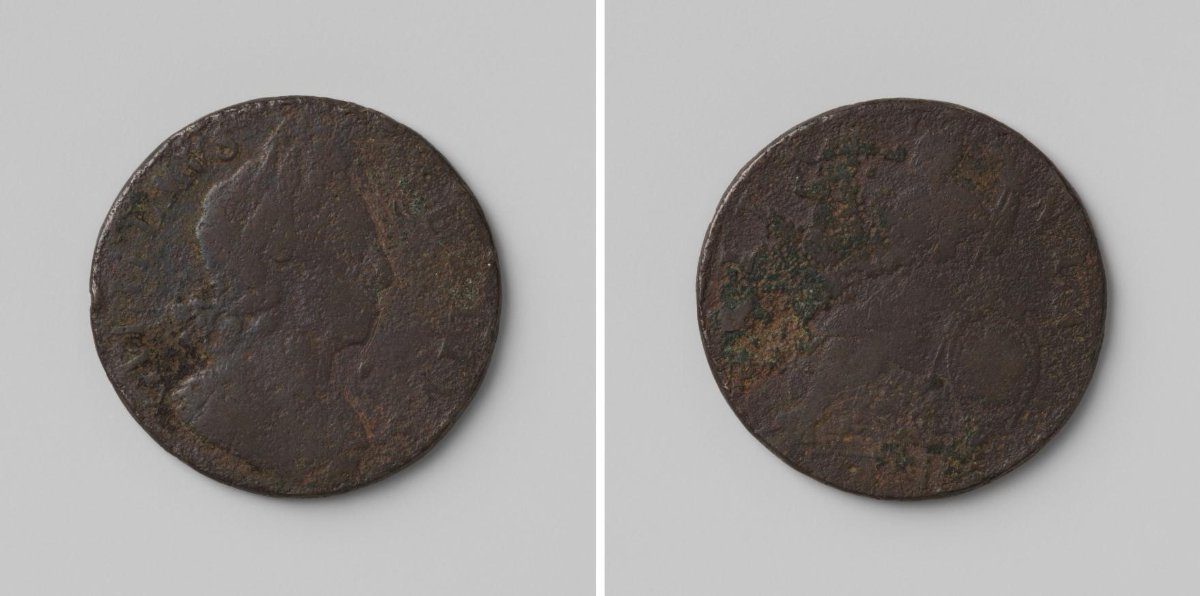
Halfpenny of William III, King of England
1699 - 1701
Copper coin. Obverse: bust of a man with laurel wreath facing right within circumscription. Reverse: helmeted Britannia with spear and shield within circumscription; exergue: illegible date. The Rijksmuseum, Amsterdam, holds this object as NG-VG-14-21-A; its record gives material recorded as copper (metal); techniqu…
Partial type record
Photograph: Concordia Numismatic; Corpus Nummorum (Berlin-Brandenburg Academy of Sciences and Humanities)
ancient coins
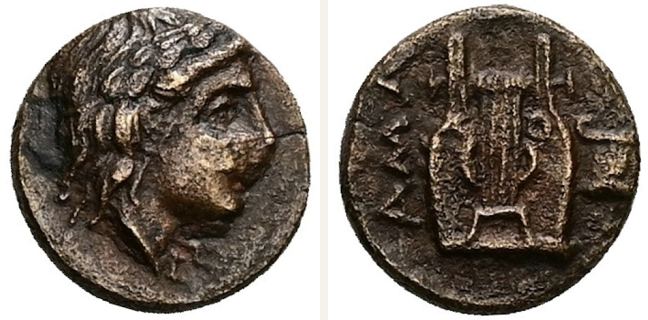
Hamaxitos, bronze coin — Cithara (CN type 24011)
400–310 BC
Coin in bronze struck at Hamaxitos in Troas, dated 400–310 BC. Corpus Nummorum, the online type corpus of the Berlin-Brandenburg Academy of Sciences and Humanities, records it as CN type 24011 (period: Hellenistic Period; issuing authority type: city). Obverse: Head of (youthful) Apollo, right, wearing laurel wreat…
Research required
Photograph: Corpus Nummorum; Corpus Nummorum (Berlin-Brandenburg Academy of Sciences and Humanities)
ancient coins
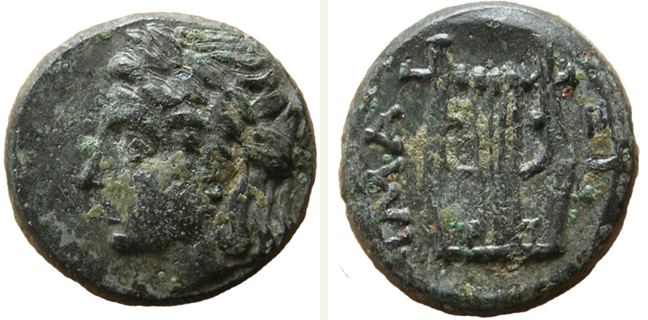
Hamaxitos, bronze coin — Lyre (CN type 20308)
c. 350–310 BC
Coin in bronze struck at Hamaxitos in Troas, dated c. 350–310 BC. Corpus Nummorum, the online type corpus of the Berlin-Brandenburg Academy of Sciences and Humanities, records it as CN type 20308 (period: Classical/Hellenistic Period; issuing authority type: city). Obverse: Laureate head of Apollo, left. Reverse: L…
Research required
Rijksmuseum, Amsterdam
modern coins
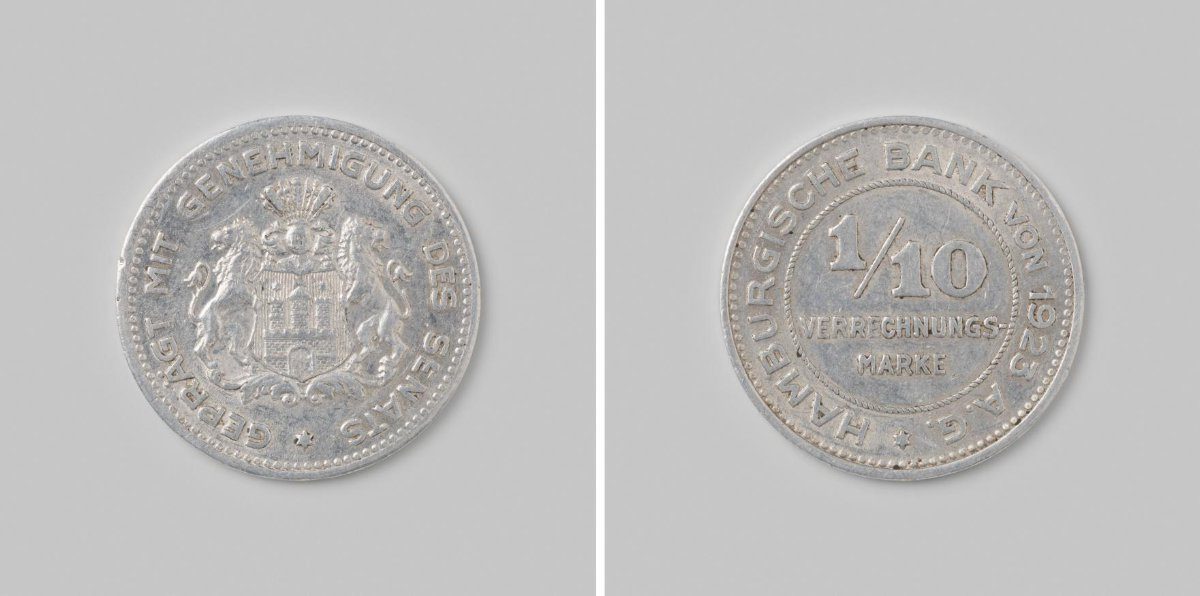
Hamburg, 1/10 verrechnungsmark, 1923
1923
Aluminium emergency coin. Obverse: city coat of arms supported by two lions, surmounted by crest. Reverse: denomination in three lines. Date in circumscription. Plain edge. The Rijksmuseum, Amsterdam, holds this object as KOG-MP-1-1021A; its record gives material recorded as aluminum (metal); technique striking (met…
Partial type record
Cleveland Museum of Art
ancient coins
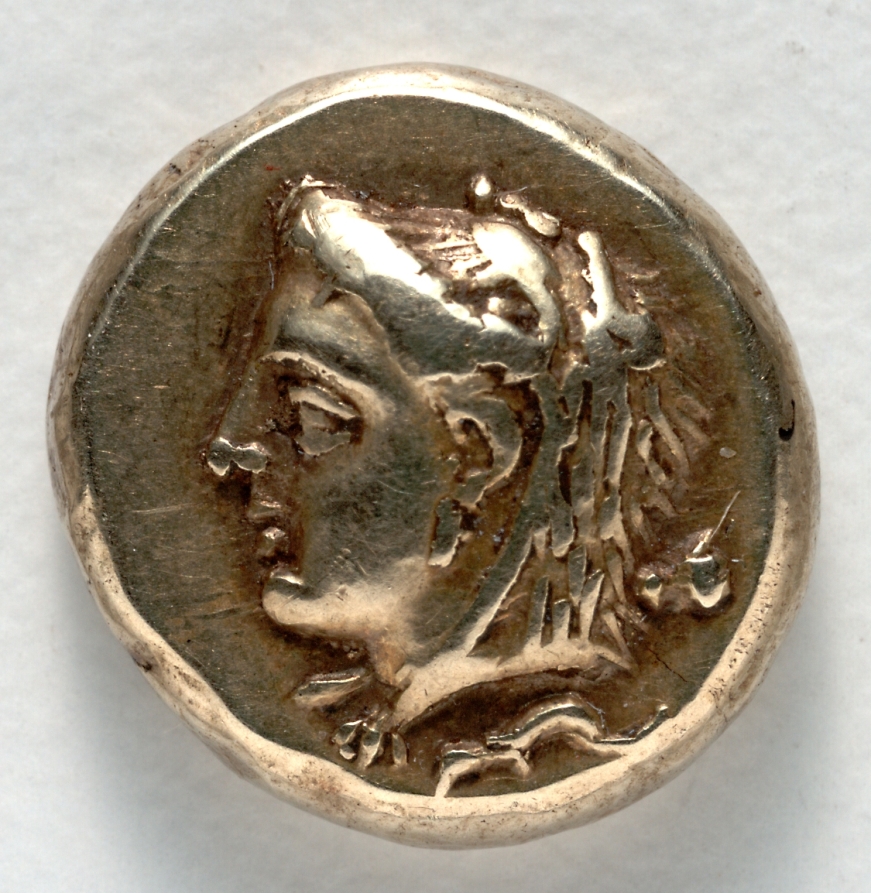
Hecte: Head of Omphale (obverse); Incuse Square (Cleveland Museum of Art 1916.973)
387–326 BCE
This very small electrum coin shows the Lydian queen Omphale on the obverse. She can be distinguished from Herakles, whose lion-skin she wears, by her earring. Also visible, over her shoulder, is the hero’s club, while beneath her swims a small seal— phôkê in Greek, a punning reference to Phokaia, where the coin was…
Partial type record
Rijksmuseum, Amsterdam
modern coins
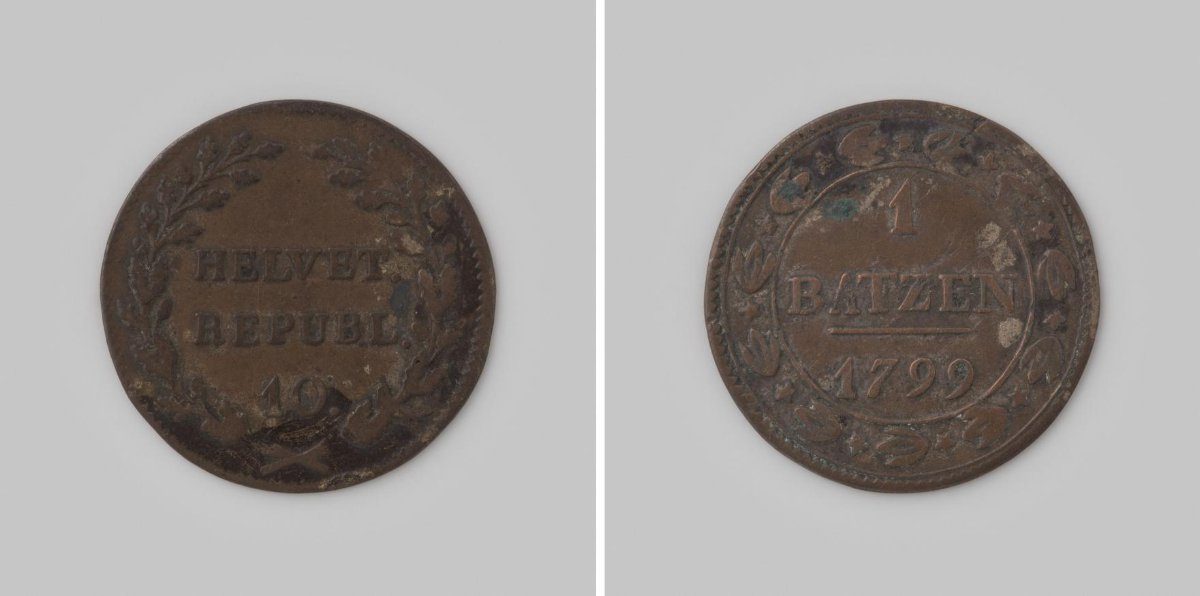
Helvetic Republic, Batzen or 10 rappen, 1799
1799
Copper coin. Obverse: between two branches, country designation in two lines, below which is the denomination indication: 10. Reverse: within a wreath, denomination indication in two lines: 1 batzen, below which is the year. Plain edge. The Rijksmuseum, Amsterdam, holds this object as KOG-MP-1-1479; its record gives…
Partial type record
Rijksmuseum, Amsterdam
modern coins
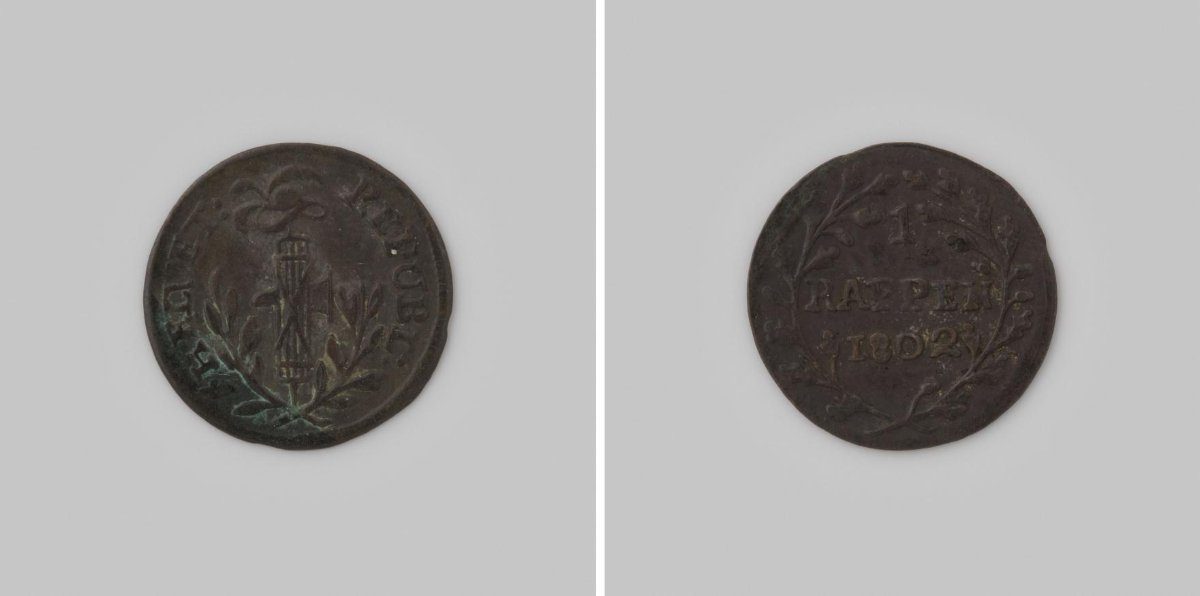
Helvetic Republic, rappen, 1802
1802
Copper coin. Obverse: standing fasces with axe and cap of liberty between two branches. Reverse: value indication in two lines within a wreath, below which the date. Smooth edge. The Rijksmuseum, Amsterdam, holds this object as KOG-MP-1-1481; its record gives material recorded as copper (metal); technique striking (…
Partial type record
The Metropolitan Museum of Art — Rogers Fund, 1936
ancient coins
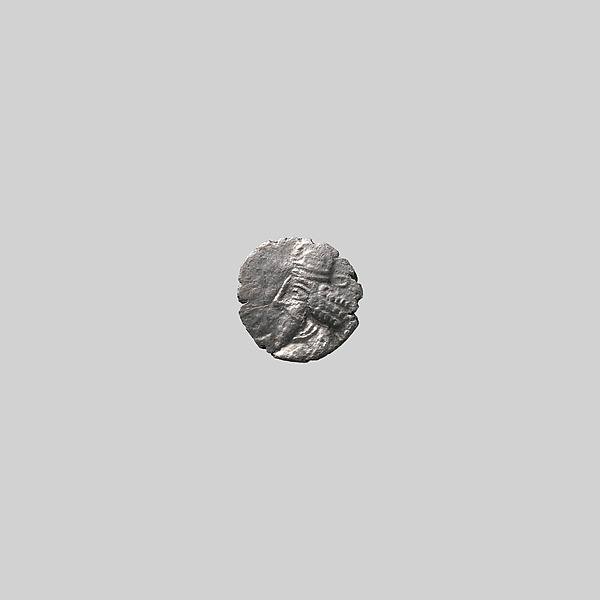
Hemidrachm of King Kapat II of Persis, ca. 50–100 CE
ca. 50–100 CE
This small silver coin is a hemidrachm issued under King Kapat II, who was also known as Napad, of Persis. The obverse depicts the left-facing bust of the monarch, rendered with a prominent nose, elongated hair, and a curly, lengthened beard. He is shown wearing a torc or necklace around his neck, and his head is cr…
Partial type record
The Metropolitan Museum of Art — Rogers Fund, 1936
ancient coins
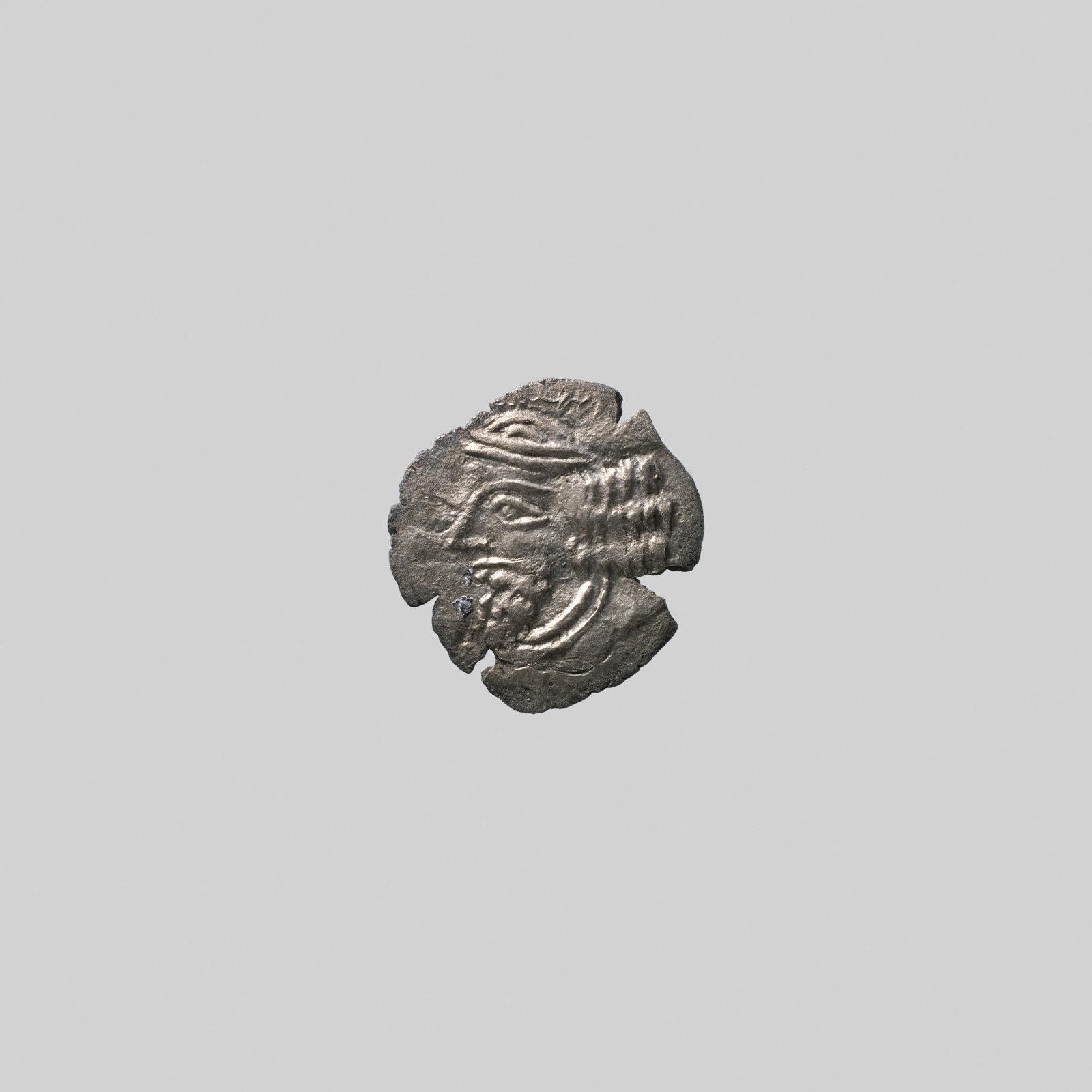
Hemidrachm of Pakor I of Persis, ca. 1st century CE
ca. 1st century CE
This small silver hemidrachm was issued during the first century CE by King Pakor I of Persis, a territory situated in southwestern Iran. Produced during the broader Parthian period, the coin measures approximately 1.4 centimeters in diameter. Persis was governed during this era by local client kings who asserted th…
Partial type record
Cleveland Museum of Art
ancient coins
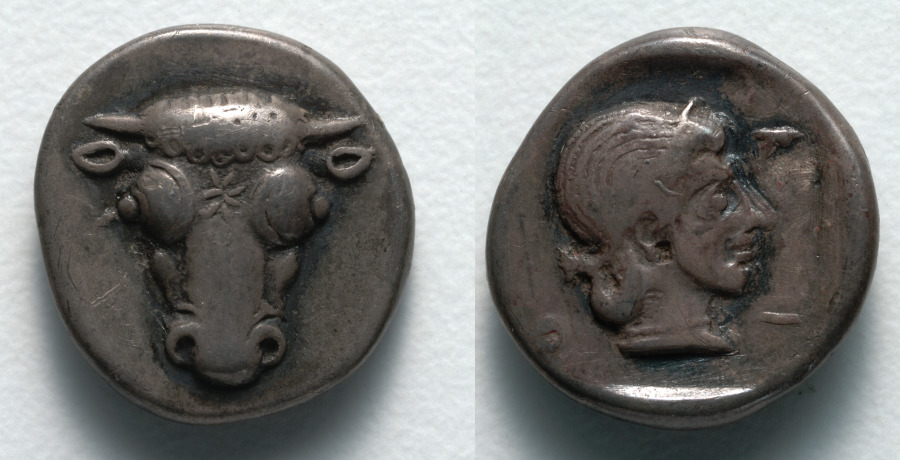
Hemidrachm: Bull's Head (obverse); Head of Artemis (Cleveland Museum of Art 1916.983)
c. 485–480 BCE
The head of a bull, its characteristic star-like fur and bulbous eyes particularly noticeable, dominates the obverse of this coin. On the reverse is Artemis, whose hair is curled back in the krobylos style using a hairnet. The unusual lines above Artemis’s nose and below her chin suggest that the reverse may have be…
Partial type record
Cleveland Museum of Art
ancient coins
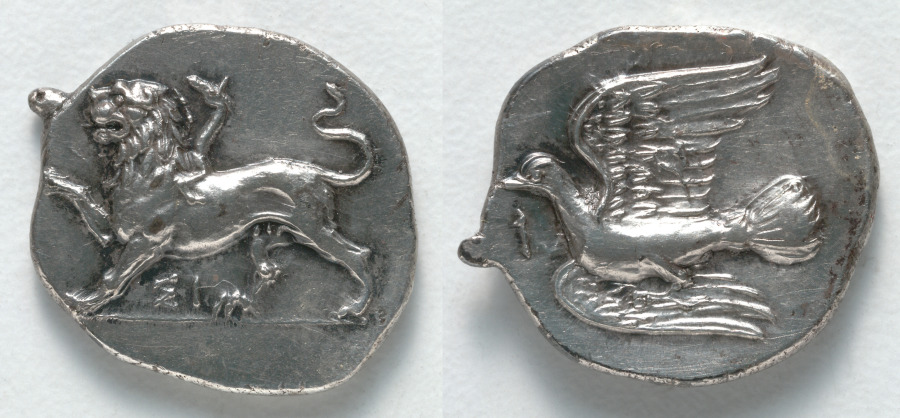
Hemidrachm: Chimaera (obverse); Dove (Cleveland Museum of Art 1917.979)
400–323 BCE
Cleveland Museum of Art object 1917.979: Hemidrachm: Chimaera (obverse); Dove (reverse), 400–323 BCE. Greek, minted at Sikyon (Peloponnesos). Silver; diameter: 1.7 cm (11/16 in.). Inscribed: ΣΙ (SI, indicates that this coin is from Sikyon); I. It is catalogued under Sicyon. Cleveland Museum of Art classifies it as…
Partial type record
Cleveland Museum of Art
ancient coins
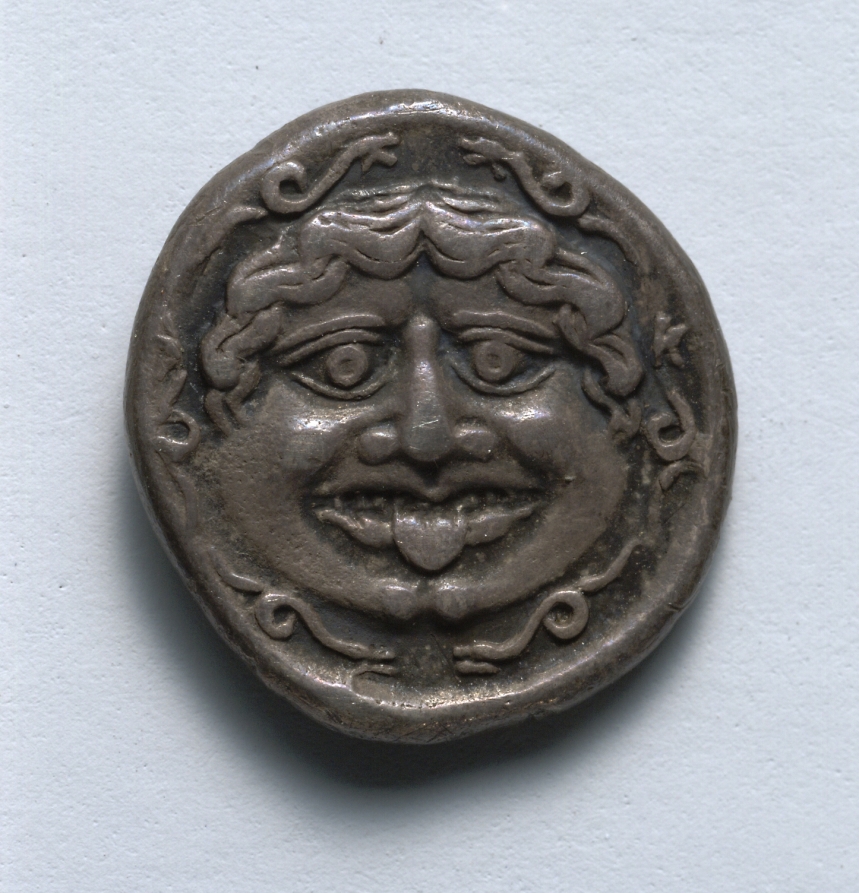
Hemidrachm: Gorgoneion (obverse); Bull (Cleveland Museum of Art 1917.991)
c. 400 BCE
Like the coins of several other ancient cities, those of Parion feature the gorgoneion, or frontal face of Medusa, surrounded by serpents. On the reverse, a bull looks back across its body, with the letters Ρ Ι between its legs. More centrally struck examples preserve two more letters above—Π Α, to give ΠΑΡΙ (PARI),…
Partial type record
Cleveland Museum of Art
ancient coins
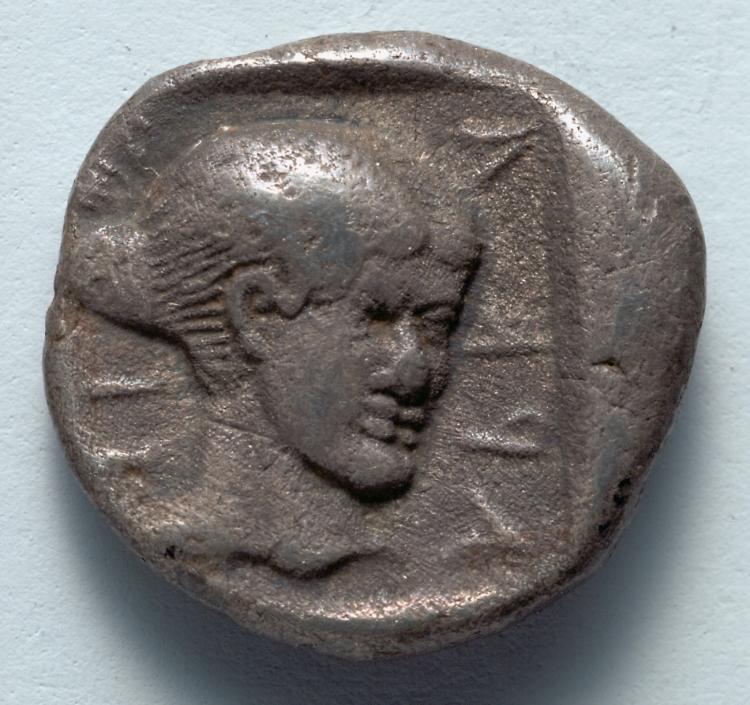
Hemidrachm: Zeus (obverse); Head of Despoina (Cleveland Museum of Art 1917.981)
c. 460 BCE
Cleveland Museum of Art object 1917.981: Hemidrachm: Zeus (obverse); Head of Despoina (reverse), c. 460 BCE. Greek, minted at Tegea (Arkadia). Silver; diameter: 1.4 cm (9/16 in.). Inscribed: ΑRKΑ | ΔΙΚ[ΟΝ] (Of the Arkadians). It is catalogued in the museum's Greek and Roman Art department under Coins. Credit line:…
Partial type record
Auction house “Sovereign Rarities”, via Invaluable
modern coins
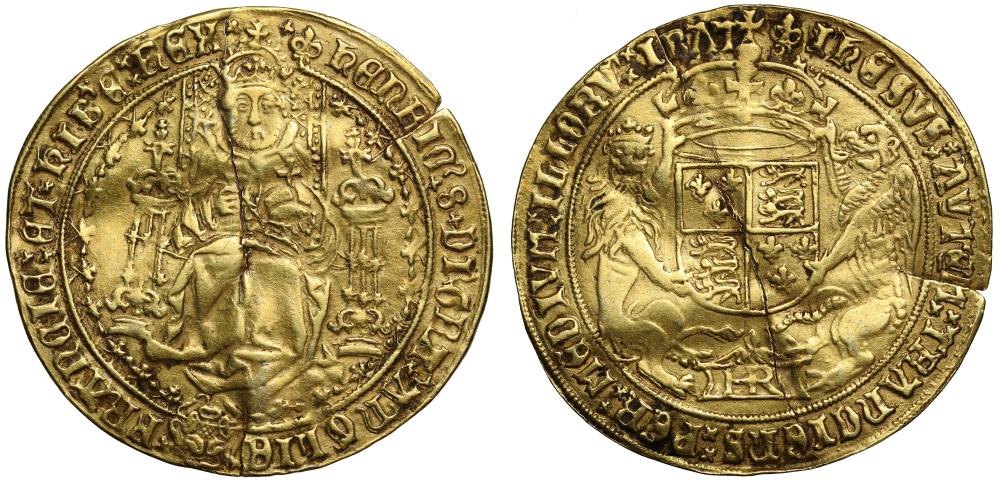
Henry VIII gold Sovereign, third coinage, Tower Mint, type I, mint mark lis
1544-1547
This exceptional English gold Sovereign represents the third coinage of King Henry VIII, struck at the Tower Mint circa 1544-1547.The obverse depicts the King facing, seated on an ornate throne, wearing robes and a crown, with a rose situated below. The throne is flanked by candlesticks, and the royal title legend i…
Partial type record
Photograph: Lutz-Jürgen Lübke (Lübke & Wiedemann); Corpus Nummorum (Berlin-Brandenburg Academy of Sciences and Humanities); specimen held by ikmk.smb.museum
ancient coins
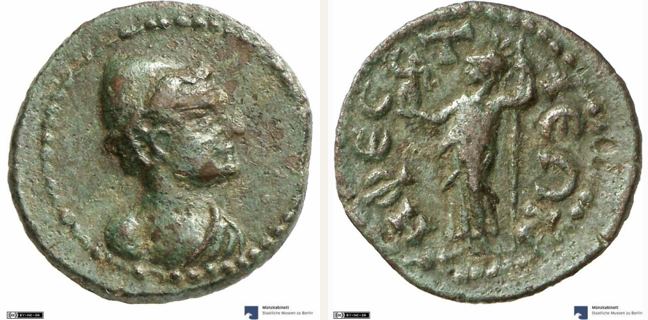
Hephaistia, bronze coin — Athena standing left (CN type 19967)
1st century BC to 3rd century AD
Coin in bronze struck at Hephaistia in Thrace, dated 1st century BC to 3rd century AD. Corpus Nummorum, the online type corpus of the Berlin-Brandenburg Academy of Sciences and Humanities, records it as CN type 19967 (period: Roman Imperial Period; issuing authority type: city). Obverse: Draped bust of Hephaestus w…
Research required
Photograph: Corpus Nummorum; Corpus Nummorum (Berlin-Brandenburg Academy of Sciences and Humanities)
ancient coins
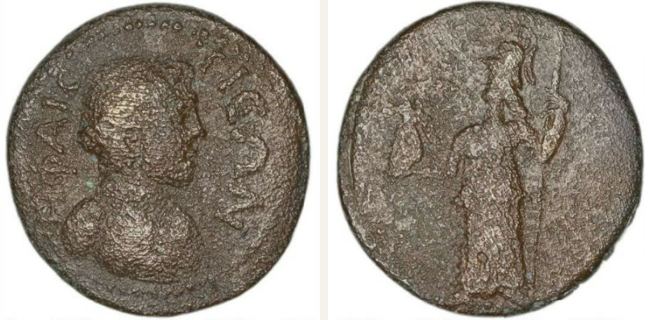
Hephaistia, bronze coin — Athena standing left (CN type 19969)
1st century BC to 3rd century AD
Coin in bronze struck at Hephaistia in Thrace, dated 1st century BC to 3rd century AD. Corpus Nummorum, the online type corpus of the Berlin-Brandenburg Academy of Sciences and Humanities, records it as CN type 19969 (period: Roman Imperial Period; issuing authority type: city). Obverse: Bust of Hephaestus wearing…
Research required
Photograph: Kostas Manolis; Corpus Nummorum (Berlin-Brandenburg Academy of Sciences and Humanities)
ancient coins
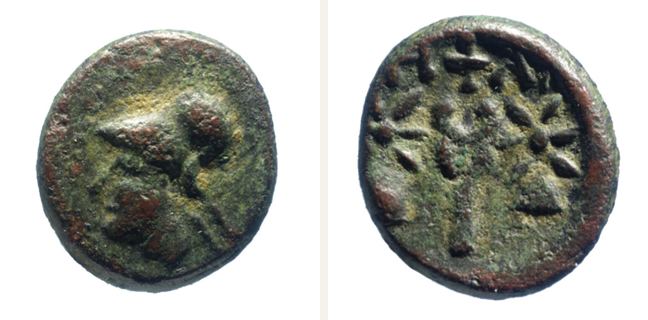
Hephaistia, bronze coin — Caduceus (CN type 12889)
c. 300–250 BC
Coin in bronze struck at Hephaistia in Thrace, dated c. 300–250 BC. Corpus Nummorum, the online type corpus of the Berlin-Brandenburg Academy of Sciences and Humanities, records it as CN type 12889 (period: Hellenistic Period; issuing authority type: city). Obverse: Head of Athena, left, wearing Corinthian helmet.…
Research required
Photograph: Lutz-Jürgen Lübke (Lübke & Wiedemann); Corpus Nummorum (Berlin-Brandenburg Academy of Sciences and Humanities); specimen held by ikmk.smb.museum
ancient coins
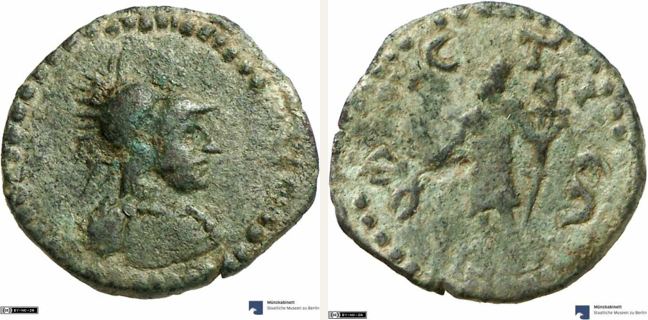
Hephaistia, bronze coin — Hephaestus standing left (CN type 19970)
1st century BC to 3rd century AD
Coin in bronze struck at Hephaistia in Thrace, dated 1st century BC to 3rd century AD. Corpus Nummorum, the online type corpus of the Berlin-Brandenburg Academy of Sciences and Humanities, records it as CN type 19970 (period: Roman Imperial Period; issuing authority type: city). Obverse: Draped bust of Athena to ri…
Research required
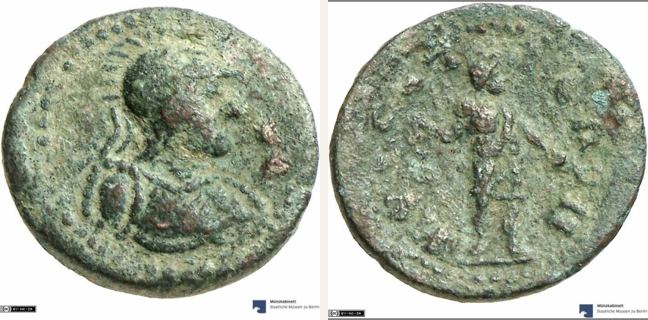
Photograph: Lutz-Jürgen Lübke (Lübke & Wiedemann); Corpus Nummorum (Berlin-Brandenburg Academy of Sciences and Humanities); specimen held by ikmk.smb.museum
ancient coins
Hephaistia, bronze coin — Hephaestus standing right (CN type 19971)
1st century BC to 3rd century AD
Coin in bronze struck at Hephaistia in Thrace, dated 1st century BC to 3rd century AD. Corpus Nummorum, the online type corpus of the Berlin-Brandenburg Academy of Sciences and Humanities, records it as CN type 19971 (period: Roman Imperial Period; issuing authority type: city). Obverse: Draped bust of Athena to ri…
Research required
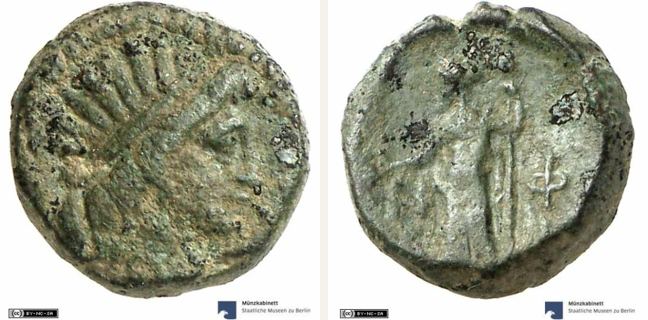
Photograph: Lutz-Jürgen Lübke (Lübke & Wiedemann); Corpus Nummorum (Berlin-Brandenburg Academy of Sciences and Humanities); specimen held by ikmk.smb.museum
ancient coins
Hephaistia, bronze coin — Nude Dionysus standing left (CN type 19915)
c. 276/261–167 BC
Coin in bronze struck at Hephaistia in Thrace, dated c. 276/261–167 BC. Corpus Nummorum, the online type corpus of the Berlin-Brandenburg Academy of Sciences and Humanities, records it as CN type 19915 (period: Hellenistic Period; issuing authority type: city). Obverse: Head of Helios with radiate crown, right. Rev…
Research required
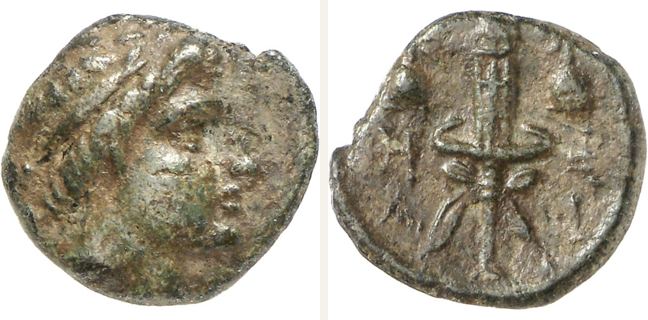
Photograph: Lutz-Jürgen Lübke (Lübke und Wiedemann); Corpus Nummorum (Berlin-Brandenburg Academy of Sciences and Humanities); specimen held by ikmk.smb.museum
ancient coins
Hephaistia, bronze coin — Torch (CN type 19908)
c. 276/261–167 BC
Coin in bronze struck at Hephaistia in Thrace, dated c. 276/261–167 BC. Corpus Nummorum, the online type corpus of the Berlin-Brandenburg Academy of Sciences and Humanities, records it as CN type 19908 (period: Hellenistic Period; issuing authority type: city). Obverse: Youthful head (Apollo?) right, wearing laurel…
Research required
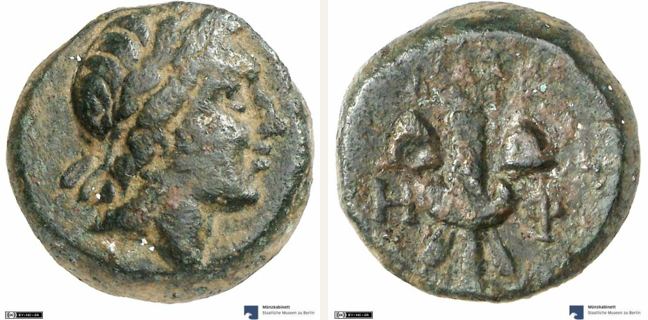
Photograph: Lutz-Jürgen Lübke (Lübke & Wiedemann); Corpus Nummorum (Berlin-Brandenburg Academy of Sciences and Humanities); specimen held by ikmk.smb.museum
ancient coins
Hephaistia, bronze coin — Torch (CN type 19911)
c. 276/261–167 BC
Coin in bronze struck at Hephaistia in Thrace, dated c. 276/261–167 BC. Corpus Nummorum, the online type corpus of the Berlin-Brandenburg Academy of Sciences and Humanities, records it as CN type 19911 (period: Hellenistic Period; issuing authority type: city). Obverse: Laureate head of Apollo, right. Reverse: Torc…
Research required
Photograph: Lutz-Jürgen Lübke (Lübke & Wiedemann); Corpus Nummorum (Berlin-Brandenburg Academy of Sciences and Humanities); specimen held by ikmk.smb.museum
ancient coins
Hephaistia, bronze coin — Torch (CN type 19914)
c. 276/261–167 BC
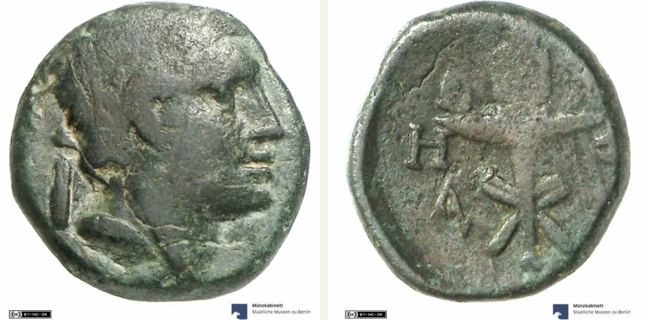
Coin in bronze struck at Hephaistia in Thrace, dated c. 276/261–167 BC. Corpus Nummorum, the online type corpus of the Berlin-Brandenburg Academy of Sciences and Humanities, records it as CN type 19914 (period: Hellenistic Period; issuing authority type: city). Obverse: Diademed (?) male, youthful head, right. Reve…
Research required
Rijksmuseum, Amsterdam
modern coins
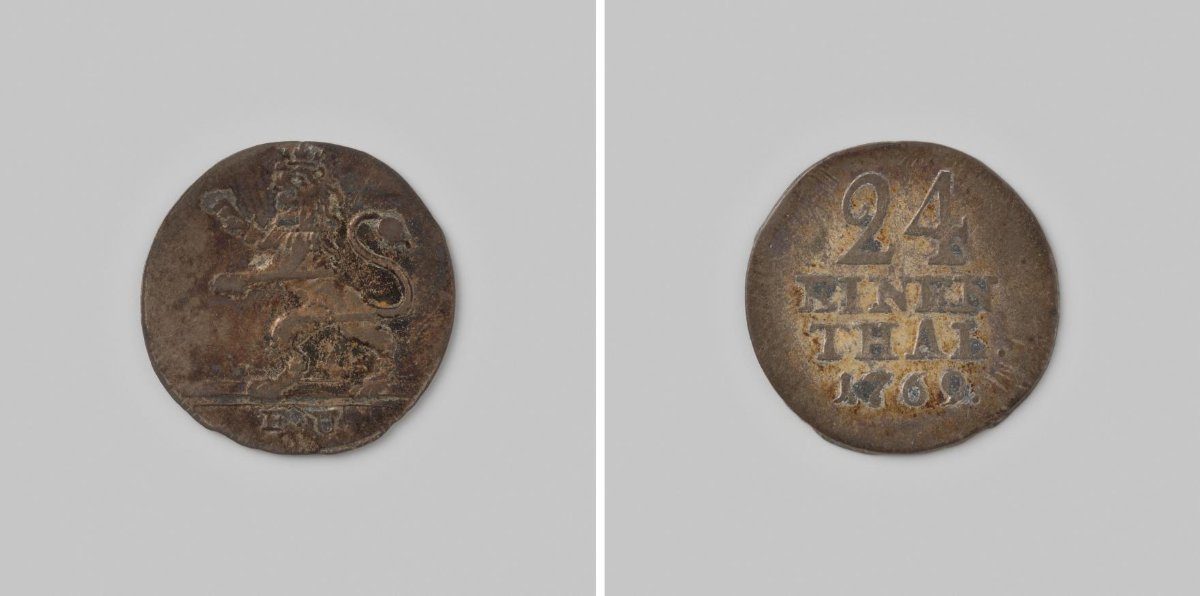
Hesse-Kassel, Friedrich II, 1/24 Taler, 1769
1769
Silver coin. Obverse: crowned rampant lion clad in a mantle, facing left. Reverse: indication of value in three lines, below which the year. Plain edge. The Rijksmuseum, Amsterdam, holds this object as KOG-MP-1-0678; its record gives material recorded as silver (metal); technique striking (metalworking); measurement…
Partial type record
Rijksmuseum, Amsterdam
modern coins
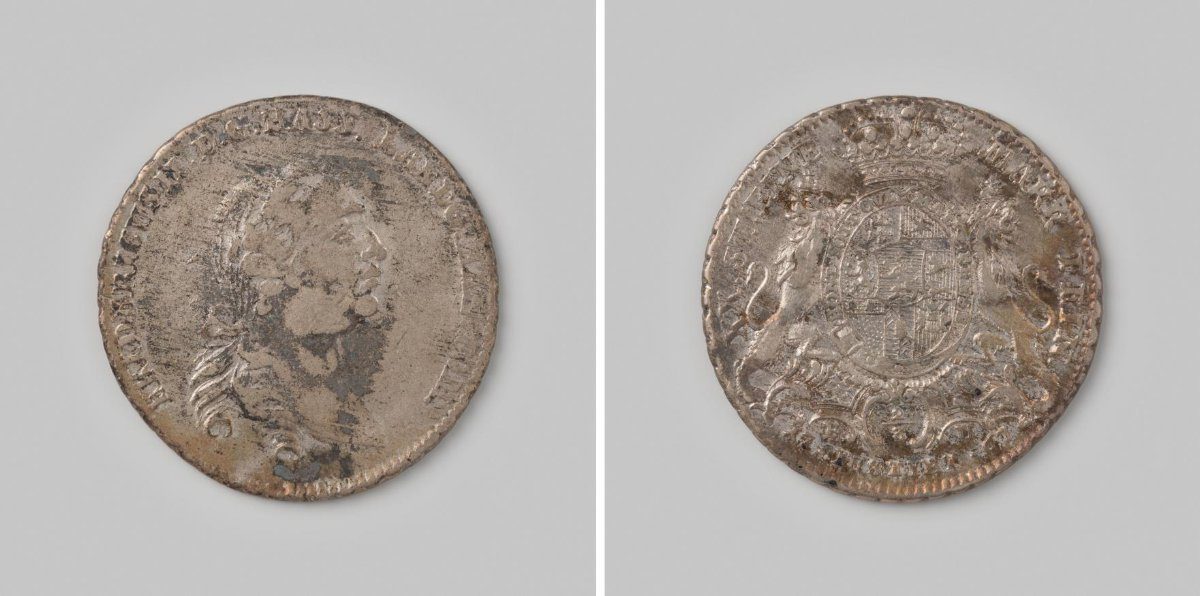
Hesse-Kassel, Friedrich II, 2/3 Taler, 1767
1767
Silver coin. Obverse: portrait of the Landgrave facing right. Reverse: oval composite coat of arms held by two lions and surrounded by the Order of the Garter, below which indication of value. Year in circumscription. Floral edge. The Rijksmuseum, Amsterdam, holds this object as KOG-MP-1-0677B; its record gives mate…
Partial type record
Rijksmuseum, Amsterdam
modern coins
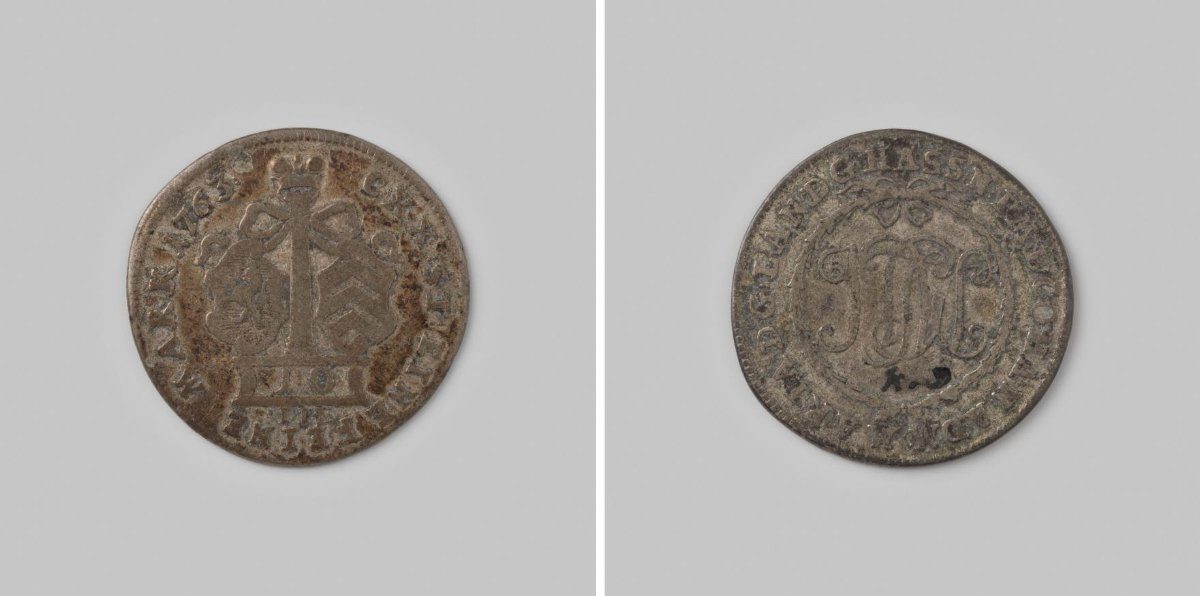
Hesse-Kassel, Landgravine Maria as regent, zehner, 1763
1767
Silver coin. Obverse: on either side of a crowned column on a pedestal two coats of arms bound together. Value designation and year in circumscription. Reverse: monogram within two tied branches. Cable edge. The Rijksmuseum, Amsterdam, holds this object as KOG-MP-1-0677A; its record gives material recorded as silver…
Partial type record
Cleveland Museum of Art
modern coins
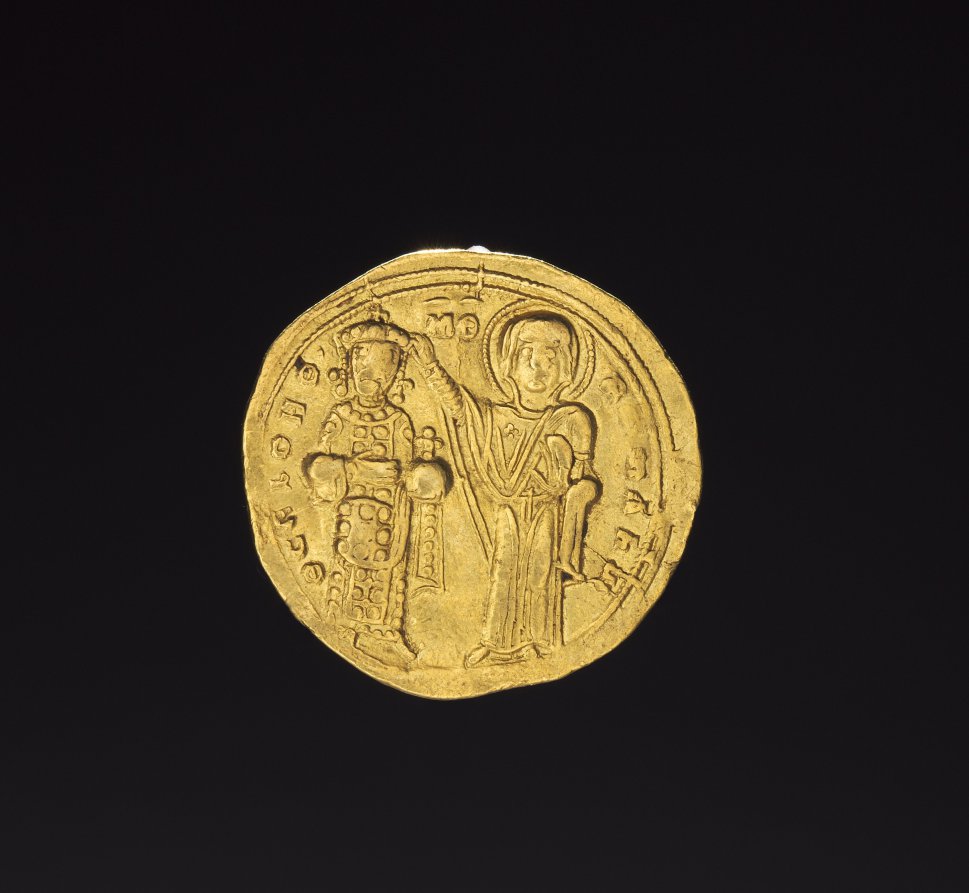
Histamenon of Romanus III (Cleveland Museum of Art 2011.213)
1028–34
Romanus III Argyrus (968–April 11, 1034) was Byzantine emperor from November 15, 1028, until his death. He was husband of Zoe, the daughter of Constantine VII, the man Romanus was to succeed as emperor three days after wedding the daughter. He appears to have thought a lot of himself and his abilities, but in fact w…
Partial type record
Rijksmuseum, Amsterdam
modern coins
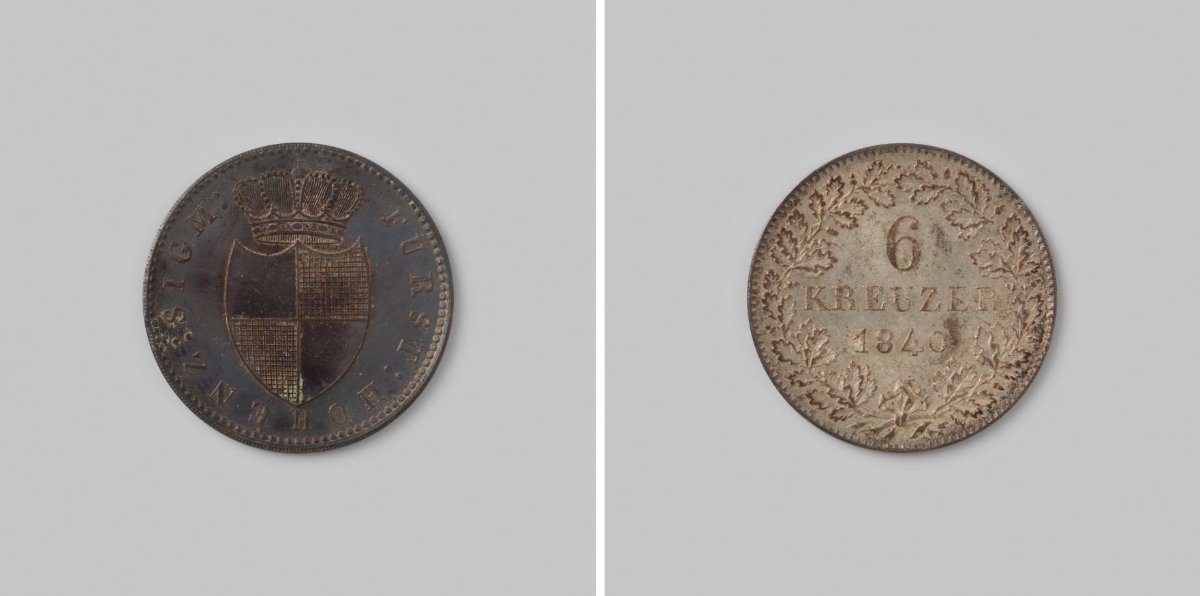
Hohenzollern-Sigmaringen, Karl III, 6 kreuzer, 1840
1840
Silver coin. Obverse: crowned coat of arms. Reverse: within an oak leaf wreath, value indication in two lines, below which the year. Milled edge. The Rijksmuseum, Amsterdam, holds this object as KOG-MP-1-0813; its record gives material recorded as silver (metal); technique striking (metalworking); measurements diame…
Partial type record
Colonial Government of New South Wales
modern coins
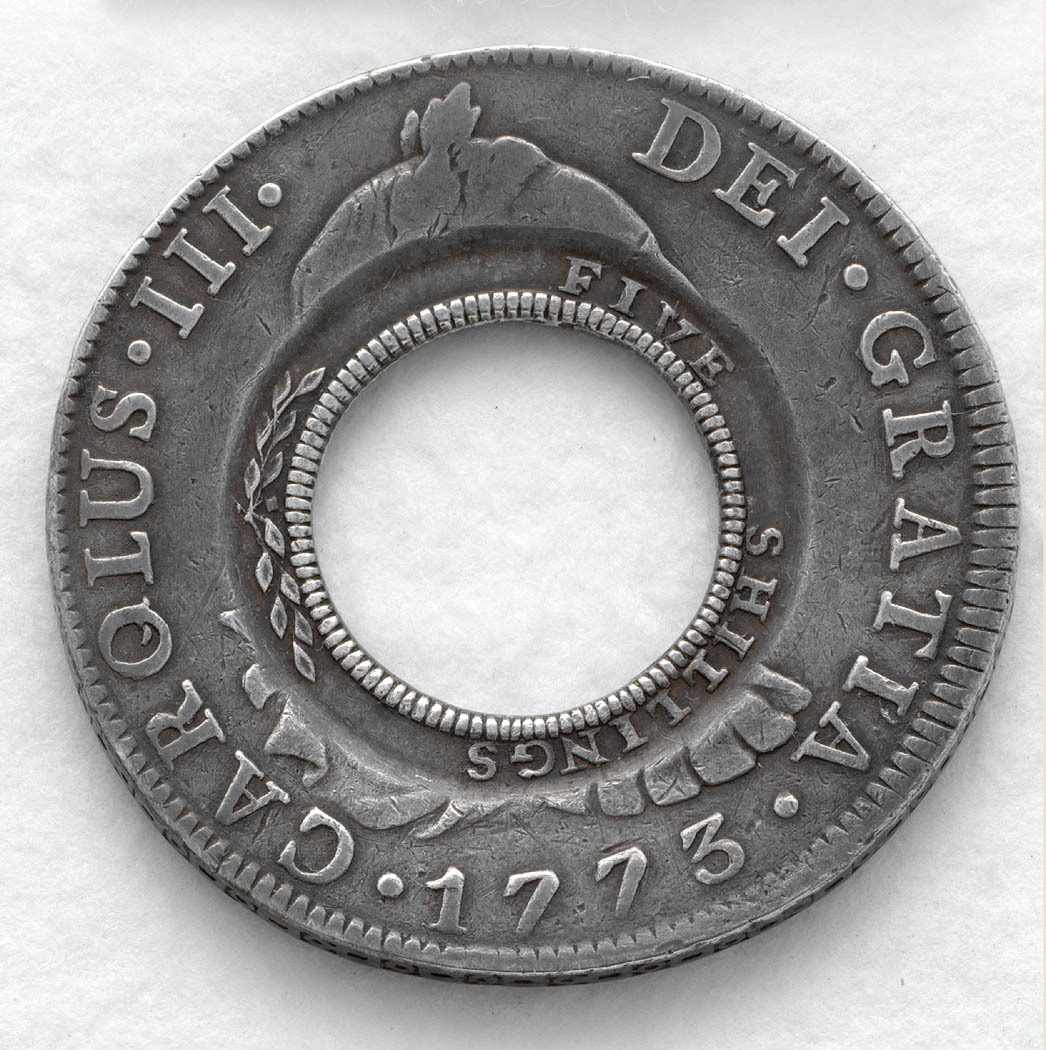
Holey dollar and dump
1813
The holey dollar and dump are paired coins created by punching out the centre of Spanish silver dollars (eight-real pieces) to provide a local circulating medium. In the British colony of New South Wales, they constituted the first official currency struck specifically for the territory. Governor Lachlan Macquarie i…
Partial type record
Rijksmuseum, Amsterdam
modern coins
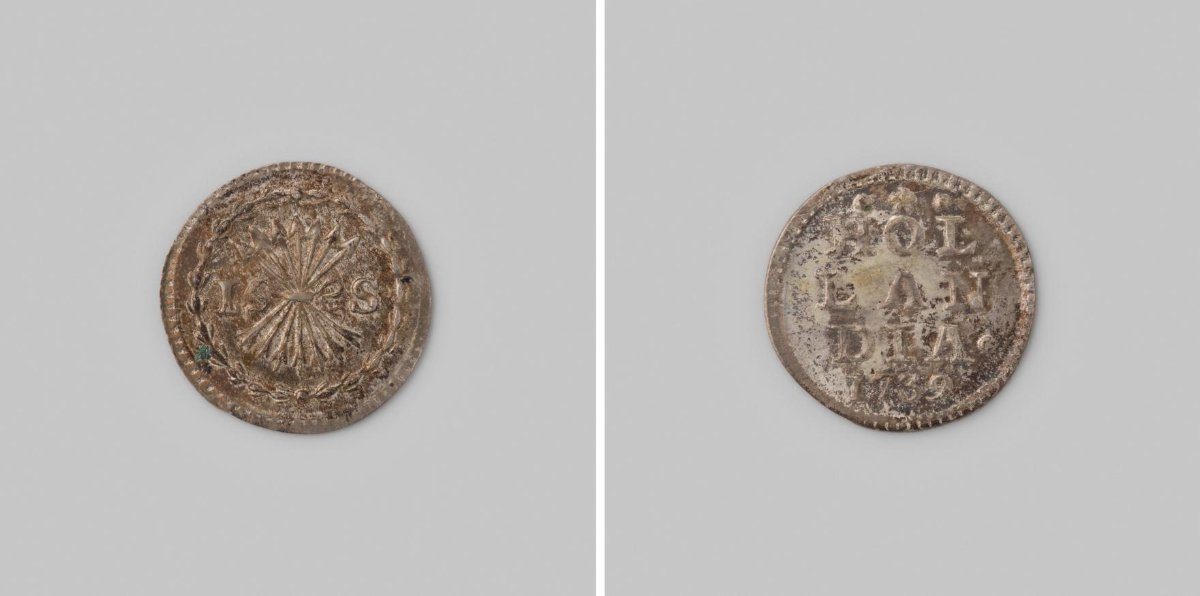
Holland bezemstuiver, 1739
1739
Silver coin. Obverse: bundle of arrows within a wreath between mark of value. Reverse: inscription: name of the province in three lines, year below. The Rijksmuseum, Amsterdam, holds this object as KOG-MP-1-1590; its record gives material recorded as silver (metal); technique striking (metalworking); measurements di…
Partial type record
Rijksmuseum, Amsterdam
modern coins
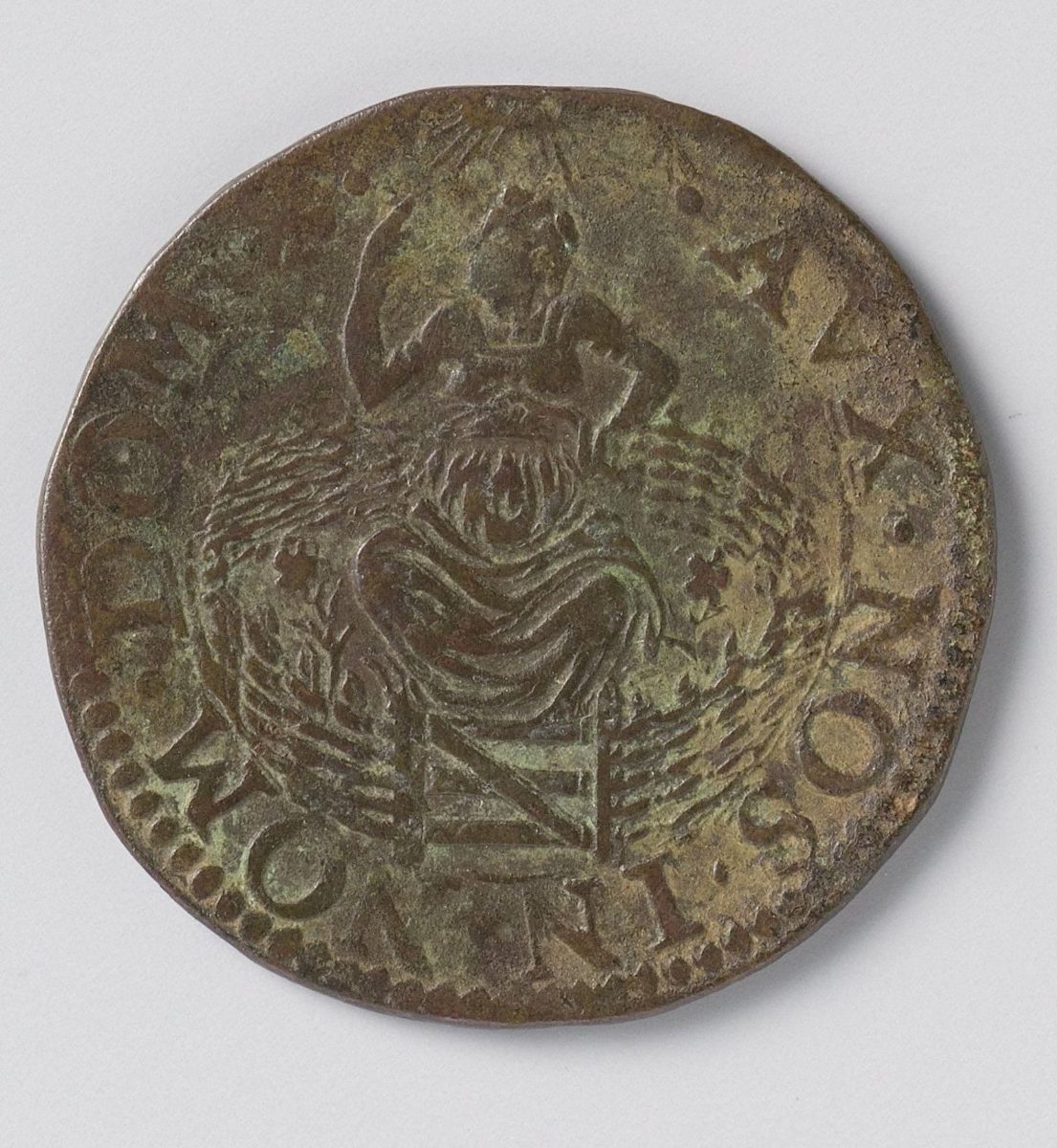
Holland coin or duit
c. 1590 - c. 1596
Both sides, struck: Maiden of Holland in the garden; around it original text "AUX NOS IN NOM DOM". The Rijksmuseum, Amsterdam, holds this object as NG-NM-7747-3; its record gives material recorded as copper (metal); technique striking (metalworking); measurements diameter 2.4 cm.
Partial type record
Rijksmuseum, Amsterdam
modern coins
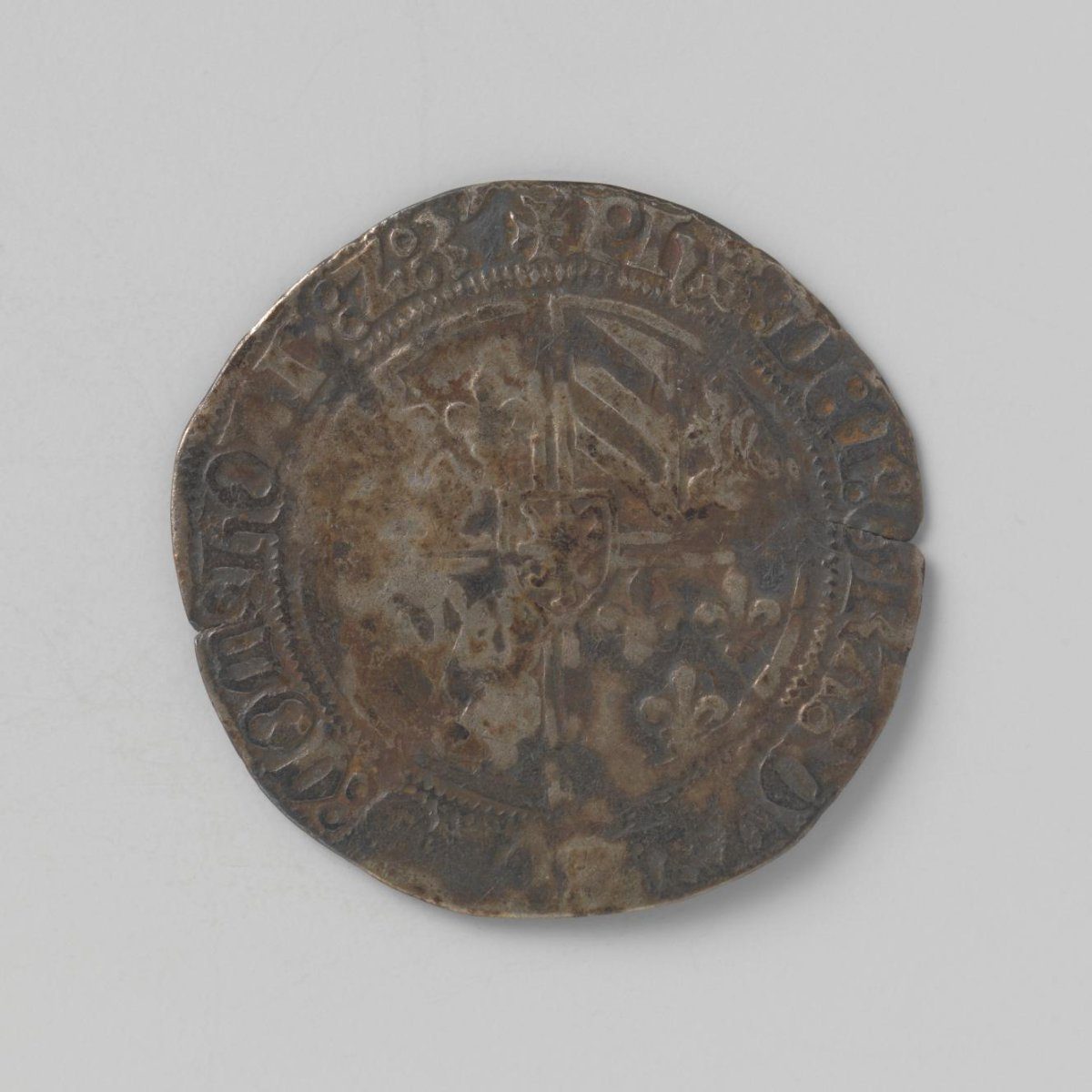
Holland double groot vierlander of Philip the Good, 1428-1467
1434 - 1467
Silver coin. Obverse: coat of arms of Philip the Good in field. Reverse: long cross pattée, in corners alternating fleurs-de-lis and small lions, in the center a rose. The Rijksmuseum, Amsterdam, holds this object as KOG-MP-1-1534; its record gives material recorded as silver (metal); technique striking (metalworkin…
Partial type record
Rijksmuseum, Amsterdam
modern coins
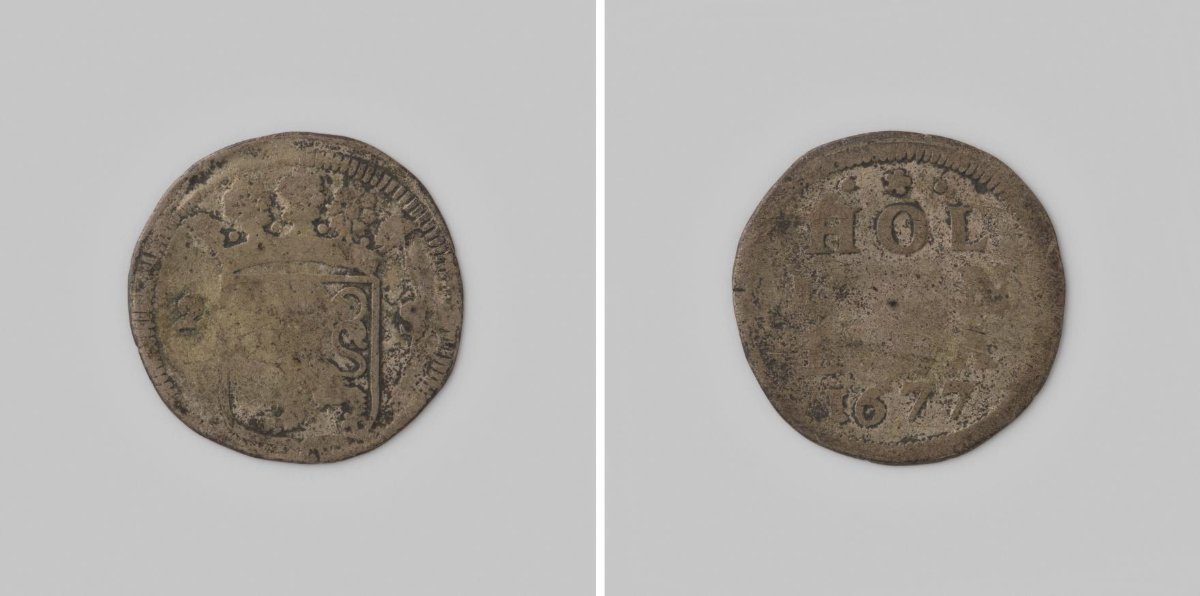
Holland double stuiver, 1677
1677
Silver coin. Obverse: crowned coat of arms of Holland between value designation 2 S. Reverse: inscription: province name in three lines, below it the year. The Rijksmuseum, Amsterdam, holds this object as KOG-MP-1-1560F; its record gives material recorded as silver (metal); technique striking (metalworking); measure…
Partial type record
Rijksmuseum, Amsterdam
modern coins
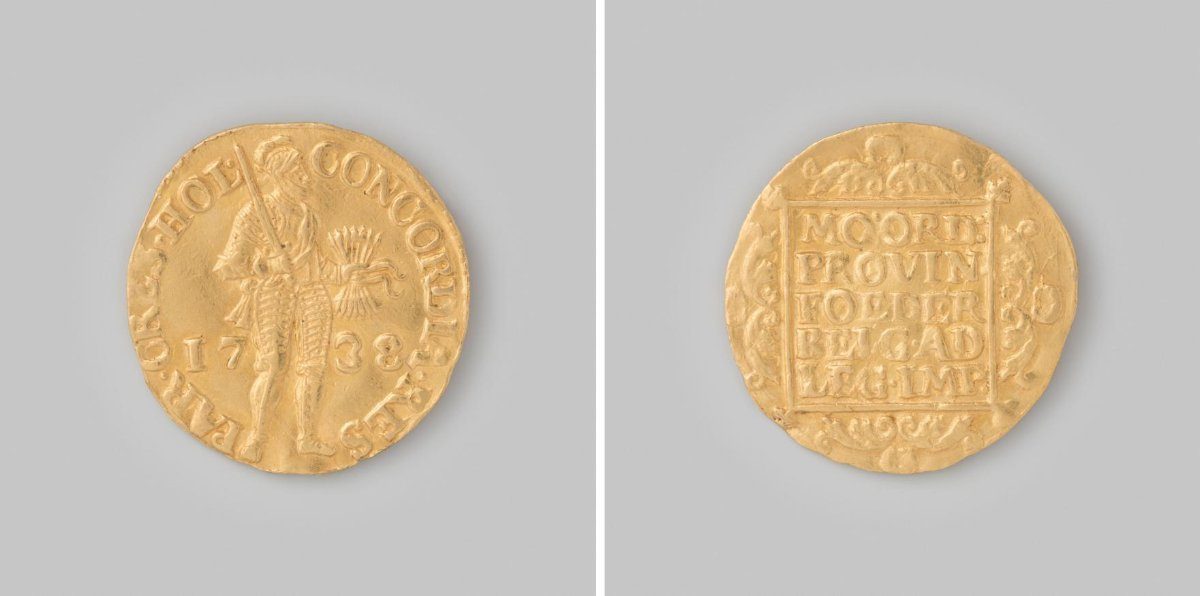
Holland ducat, 1738
1738
Gold coin. Obverse: standing knight to the right between year. In right hand sword, in left hand bundle of arrows. Reverse: in decorated square, five-line inscription. Plain edge. The Rijksmuseum, Amsterdam, holds this object as KOG-MP-1-1588A; its record gives material recorded as gold (metal); technique striking (…
Partial type record