Catalogue
Ancient Coins
Greek, Roman, Byzantine, Celtic, Persian, Indian, Chinese and other pre-medieval coinages.
Catalogue entries (3,128)
Filter by era, country, maker or material241–288 of 3,128 entries
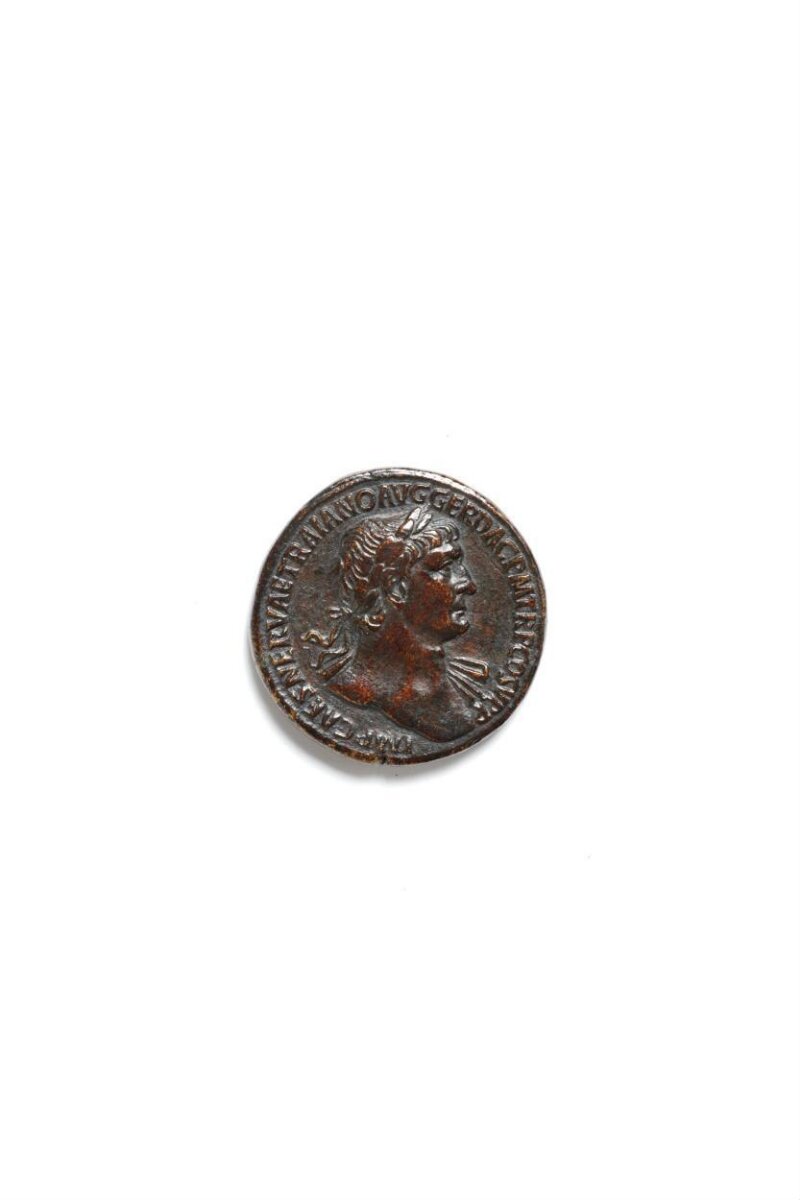
© Victoria and Albert Museum, London
ancient coins
Coin (sestertius) — Coin of Trajan, Roman, 105 AD
105 AD
Coin (sestertius) in the Victoria and Albert Museum, London (museum number A.708-1910), made in Roman, dated 105 AD. The museum's brief description reads: Coin (sestertius), brass, of Trajan, head of Trajan / Tiber overcoming Dacia, Roman, 105 AD. Museum description: Brass coin. On the obverse is a head of Trajan wi…
Partial type record
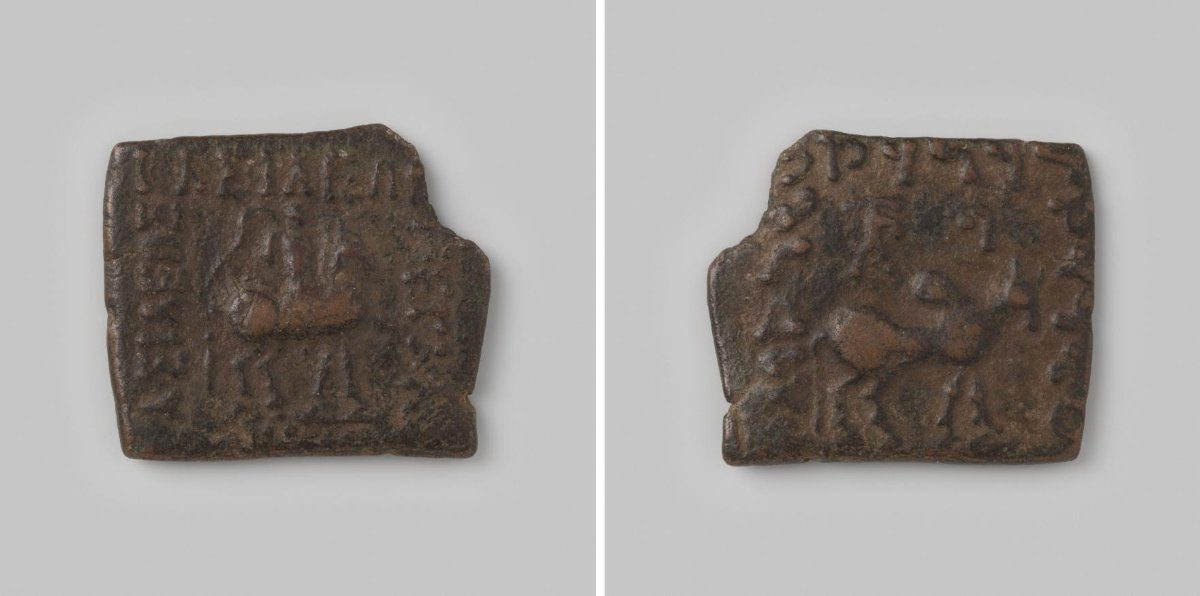
Rijksmuseum, Amsterdam
ancient coins
Coin from Bactria of King Azes, 15 BC – AD 15
15 BC – AD 15
Bronze, rectangular coin. Obverse: the king with lance on horseback facing right. Greek legend. Reverse: humped bull. Legend in Pali. The Rijksmuseum, Amsterdam, holds this object as KOG-MP-1-0024; its record gives material recorded as copper (metal); technique striking (metalworking); measurements length 2.7 cm x w…
Partial type record
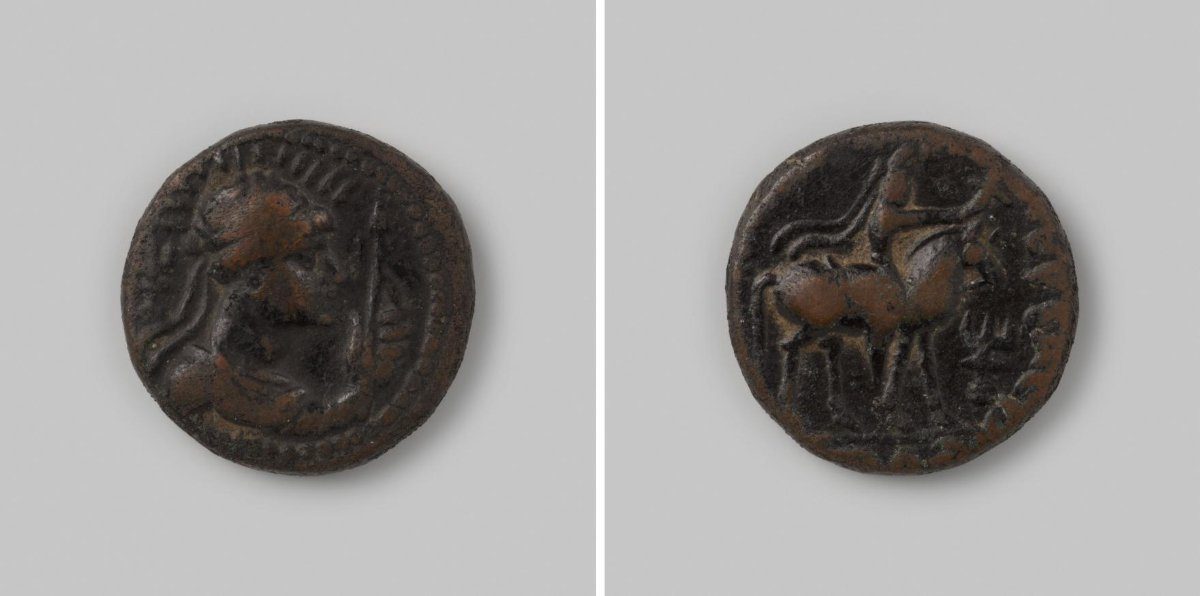
Rijksmuseum, Amsterdam
ancient coins
Coin from Bactriana of King Soter Megas, 30-50
30 - 50
Bronze coin. Obverse: bust of the king with lance facing right. Reverse: the king with lance facing right. Greek legend. The Rijksmuseum, Amsterdam, holds this object as KOG-MP-1-0025; its record gives material recorded as bronze (metal); technique striking (metalworking); measurements diameter 2 cm x weight 8.38 g.
Partial type record
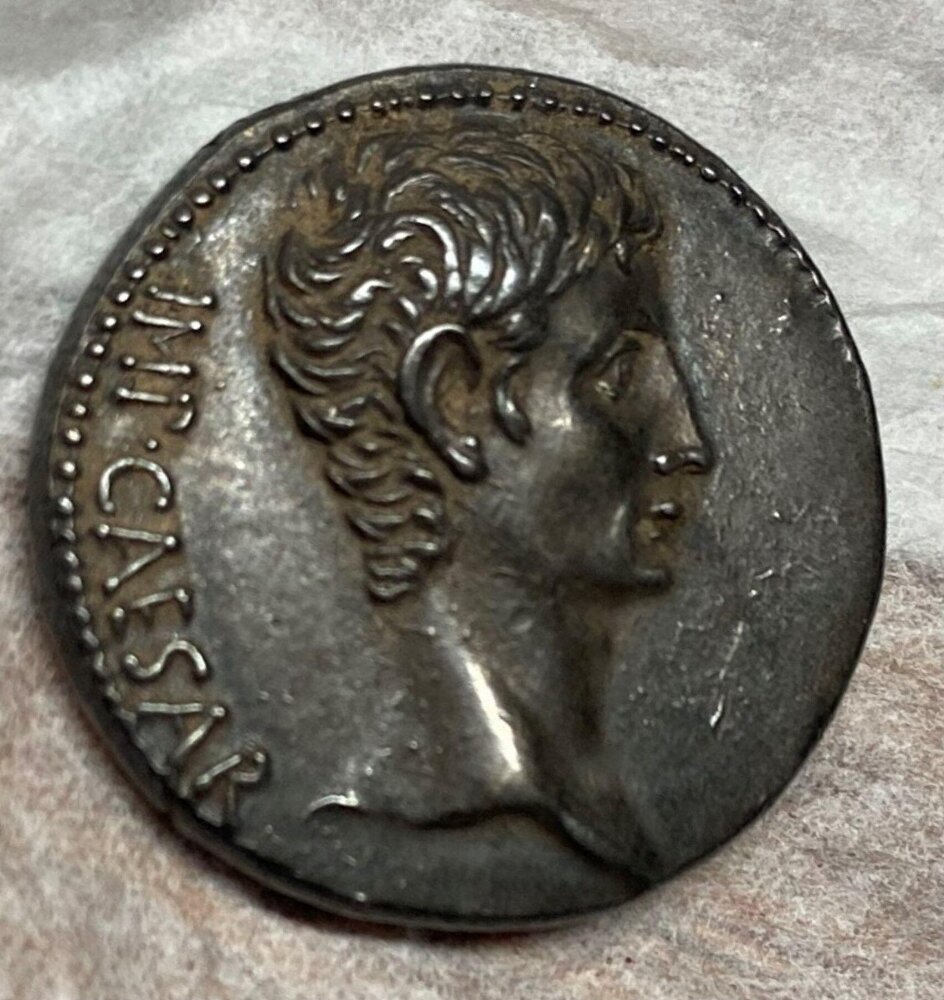
© Victoria and Albert Museum, London
ancient coins
Coin of Augustus, Roman, last century BC to 1st century AD
last century BC to 1st century AD
Coin depicts on the obverse: Inscription. Head of Augustus to right. Border of dots. Reverse: Latin inscription. A sphinx seated to right. Border of dots. The museum record gives material recorded as silver; measurements Diameter 24 mm; Weight 12.01 g; place associated: Roman, Asia.
Partial type record
Cleveland Museum of Art
ancient coins
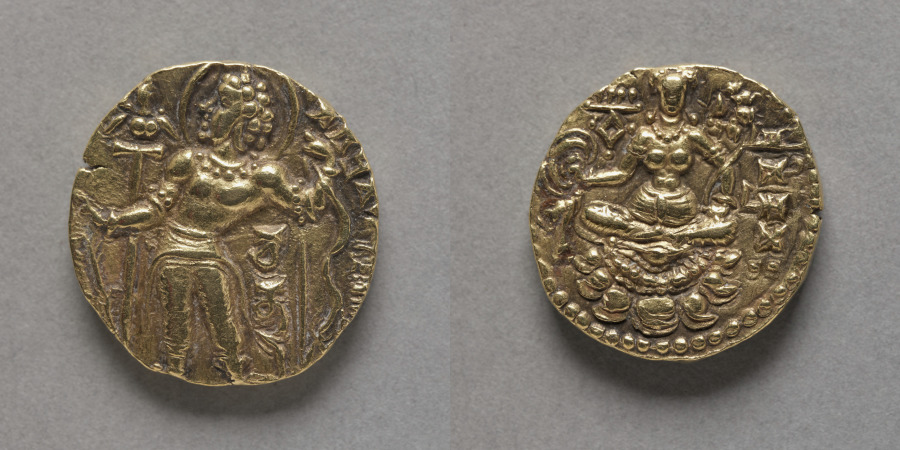
Coin of Chandragupta II (Cleveland Museum of Art 1977.62)
c. 400 CE
The rulers of the Gupta dynasty unified northern India under native rule for the first time since the Maurya empire (323-185 bc). The Guptas named themselves after Chandragupta, the founder of the Maurya dynasty. This coin of Chandragupta II, who ruled from around ad 380 to 415, depicts a divine archer holding a bow…
Partial type record
Cleveland Museum of Art
ancient coins
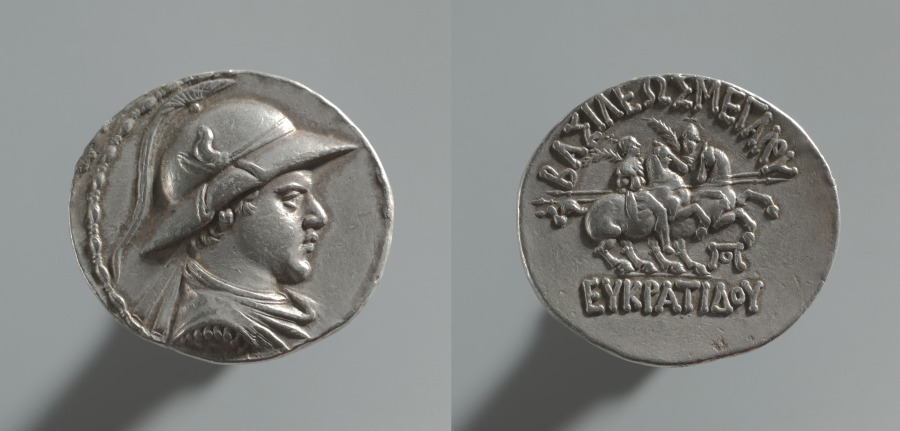
Coin of Eukratides I (Cleveland Museum of Art 1999.319)
170–145 BCE
After Alexander of Macedon succeeded in conquering Egypt and Persia in 331 BC, his ambition to rule the known world led him further east across Bactria in Afghanistan, through the Hindu Kush mountain pass, and into India. There he succeeded in defeating all the local kings of the region until his men, on the brink o…
Partial type record
The Cleveland Museum of Art — Gift of Dr. Norman Zaworski
ancient coins
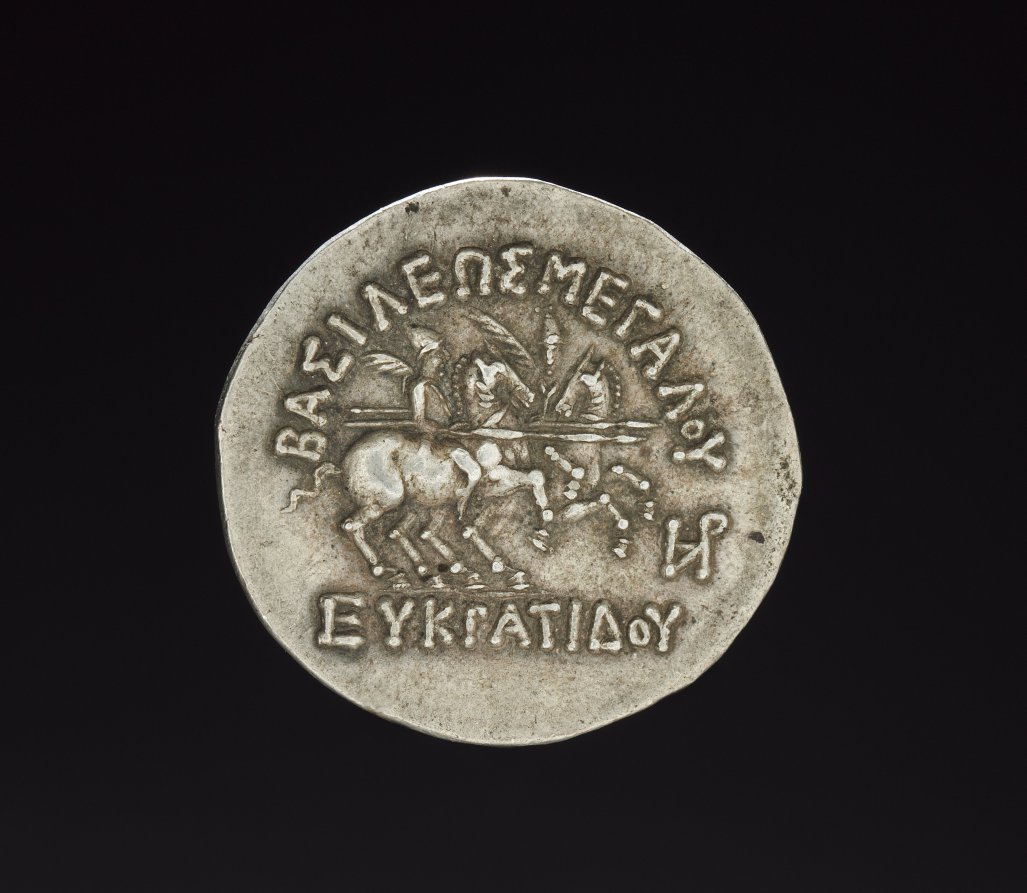
Coin of Eukratides I, Afghanistan, Bactria, 170–145 BCE (Cleveland Museum of Art, 2011.211.b)
170–145 BCE
Coin of Eukratides I, Afghanistan, Bactria, 170–145 BCE is an object recorded by Cleveland Museum of Art, dated 170–145 BCE. Museum description: The twins Castor and Pollux were known as the Diosuroi in Greek mythology, and they were the children of Zeus and Leda. Together they also form the constellation Gemini. Th…
Partial type record
The Cleveland Museum of Art — Gift of Dr. Norman Zaworski
ancient coins
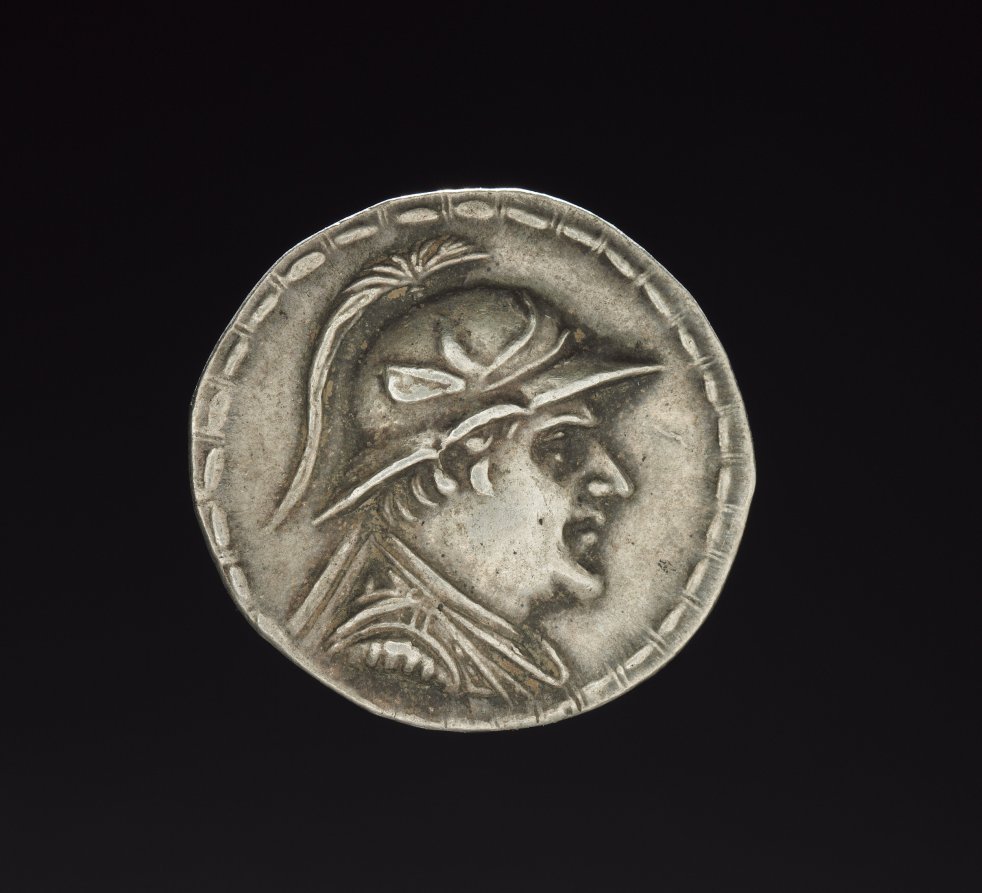
Coin of Eukratides I, Afghanistan, Bactria, 170–145 BCE (Cleveland Museum of Art, 2011.211)
170–145 BCE
Eukratides, a successor of Alexander in Bactria, wears a helmet with bull's ear and horn, like military leaders from Macedon, Alexander's homeland in the north of Greece. On the reverse Castor and Pollux, sons of Zeus, ride horseback. Because Alexander also was considered to be an offspring of Zeus, Eukratides refer…
Partial type record
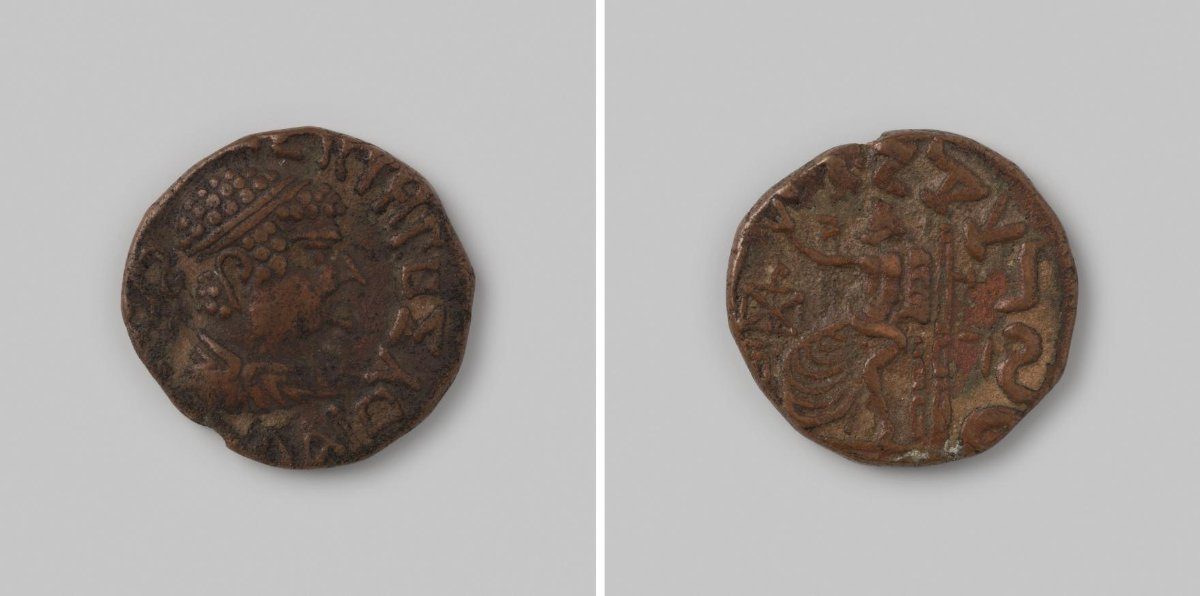
Rijksmuseum, Amsterdam
ancient coins
Coin of King Hermaios (Hermaeus) Soter from Bactria
98–50 BC
Bronze coin. Obverse: bust of the king with diadem facing right. Greek legend. Reverse: Zeus on seat. Legend in Pali. The Rijksmuseum, Amsterdam, holds this object as KOG-MP-1-0023; its record gives material recorded as bronze (metal); technique striking (metalworking); measurements diameter 2.3 cm x weight 9.01 g.
Partial type record
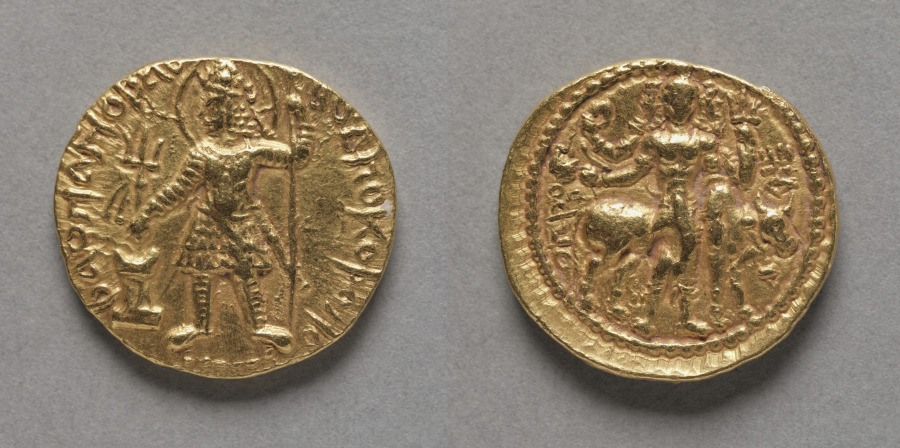
Cleveland Museum of Art
ancient coins
Coin of Kushan King Vasudeva I (Cleveland Museum of Art 1999.226)
c. 142/145+
This gold coin represents the reign of the Kushana ruler, Vasudeva I. The coin bears a portrait of the ruler on the obverse and various deities on the reverse. It is identified by inscriptions in Kharosthi, the language used in northwestern India during the Kushan period. Cleveland Museum of Art object 1999.226: Coi…
Partial type record
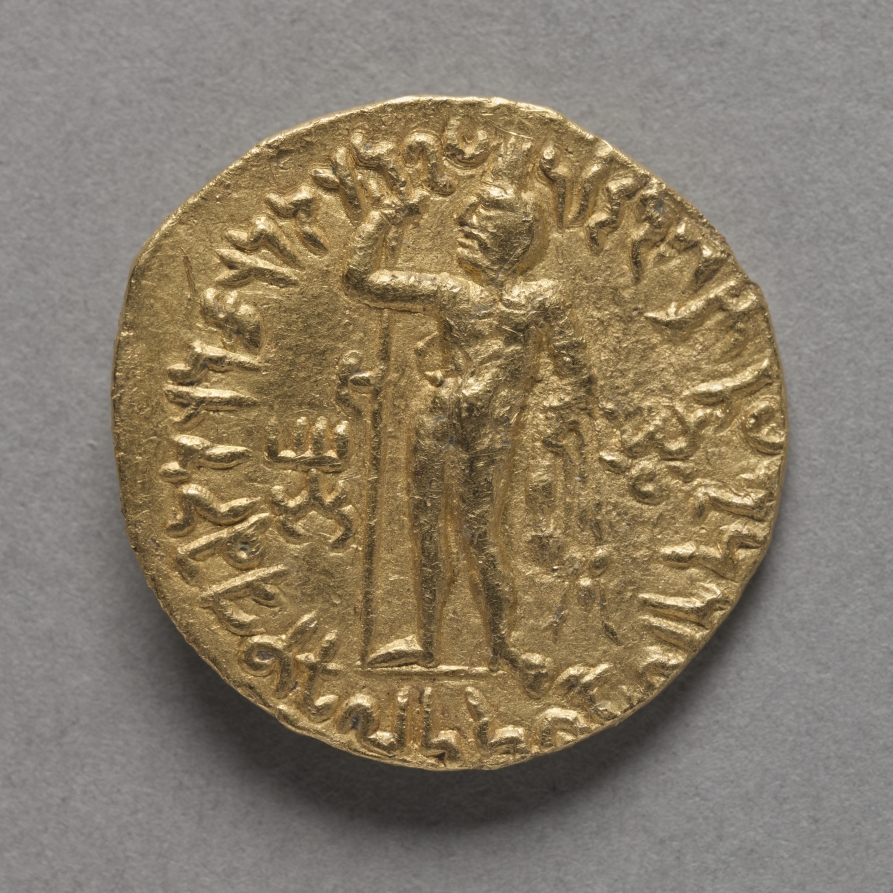
Cleveland Museum of Art
ancient coins
Coin of Kushan King Vima Kadphises (Cleveland Museum of Art 1999.225)
100–200s CE
This gold coin represents the reigns of the Kushana ruler, Vima Kadphises. The coin bears a portrait of the ruler on the obverse and various deities on the reverse. It is identified by an inscription in Kharosthi, the language used in northwestern India during the Kushan period. The reverse depicts the figure of Her…
Partial type record
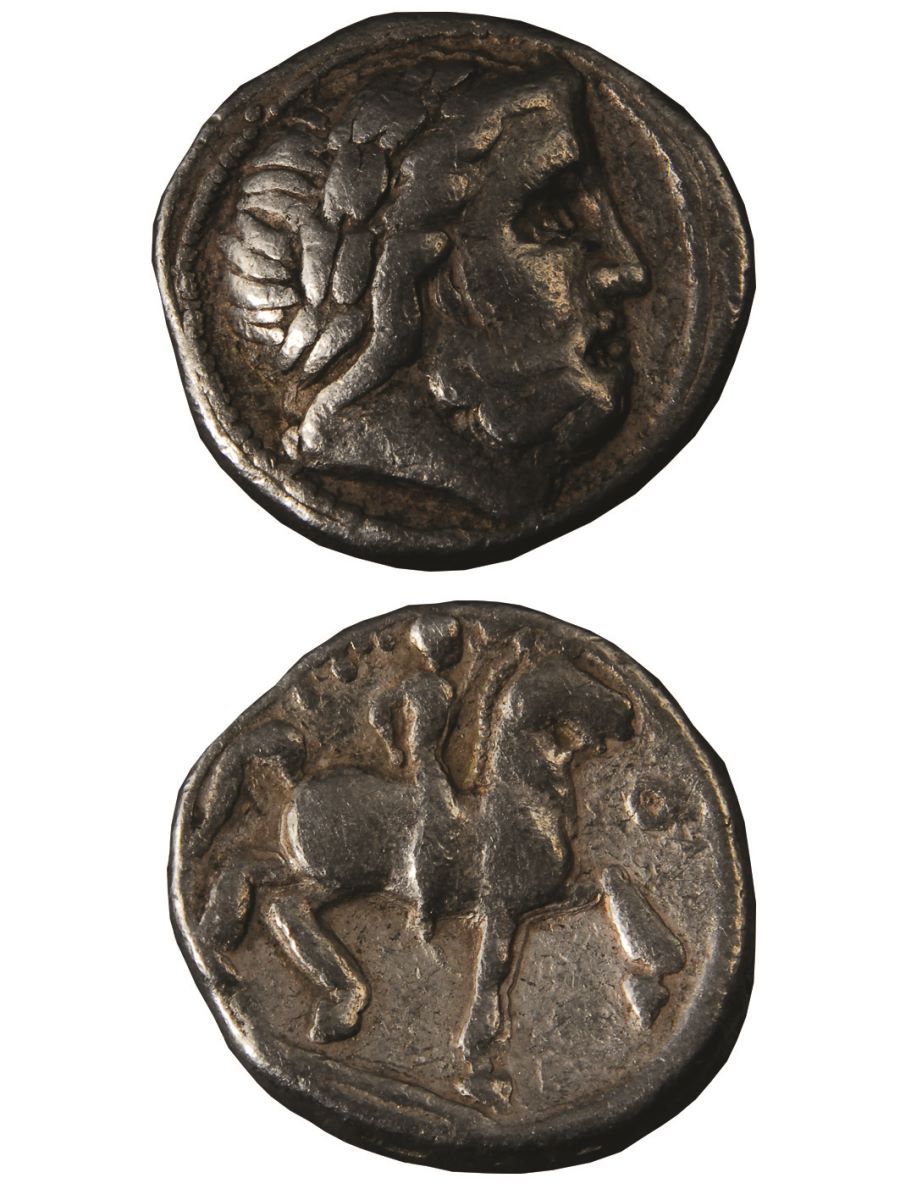
Tarii Crisurilor Museum via Europeana
ancient coins
Coin of Șilindia type (Tarii Crisurilor Museum)
Coin of Șilindia type is held by Tarii Crisurilor Museum. Museum description: obverse: On the obverse appears a human head, with beard and laurel wreath, reproduction of the effigy of Zeus, facing right. The hair is rendered by several curls situated above the forehead, by a long, arched lock originating above the e…
Partial type record
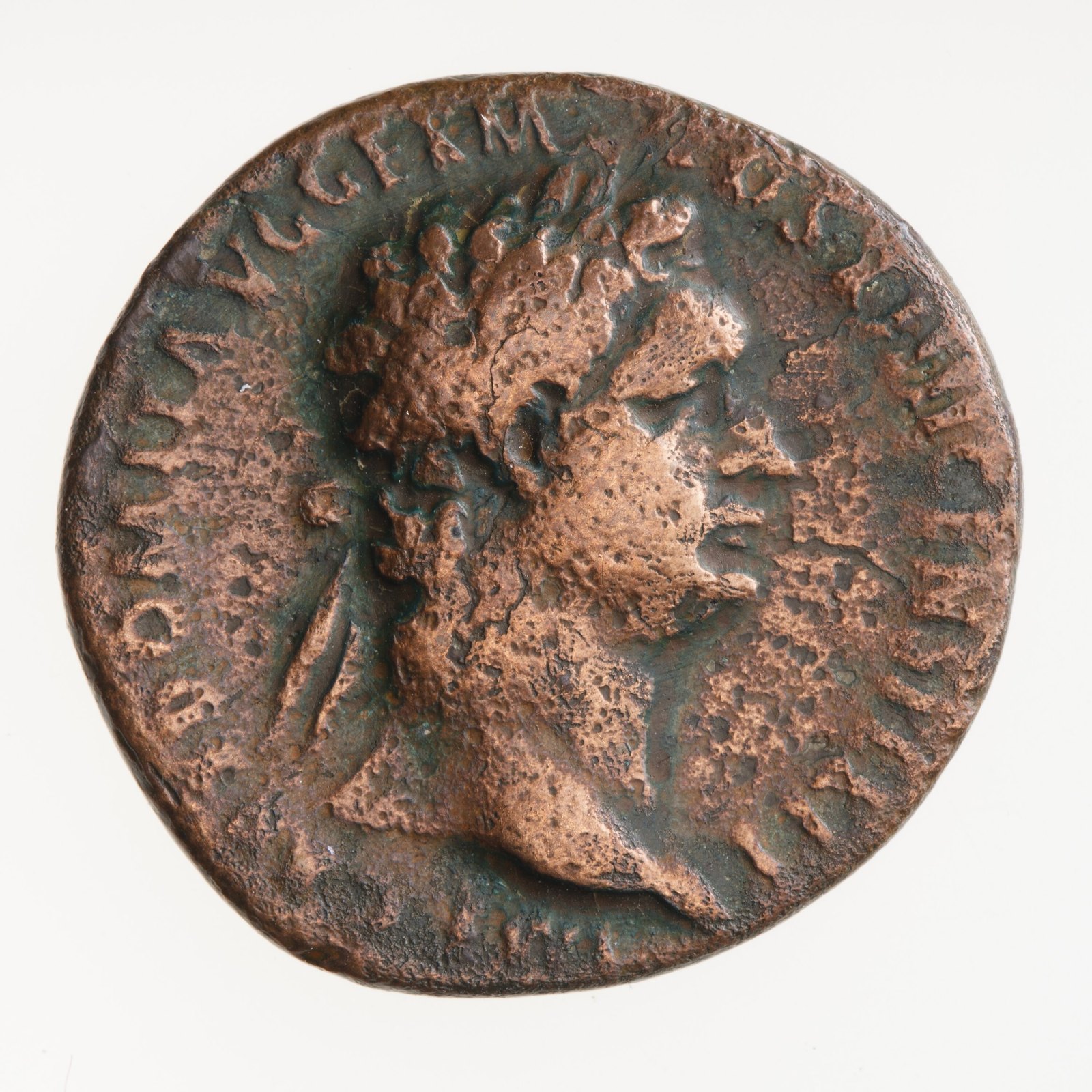
Museums Victoria / Photographer: Heath Warwick
ancient coins
Coin, As, Emperor Domitian, Ancient Roman Empire, 88-89 AD
88-89 AD
Copper As struck during the reign of the Emperor Domitian, Ancient Roman Empire, in the period 88 to 89 AD. Minted by Rome. Domitian was Consul for the 14th time (COS XIIII on this coin) in 88 AD and for the 15th time from 1 Jan 90. The production of the coin therefore belongs in the period 88 to 89 AD. Obverse: Lau…
Partial type record
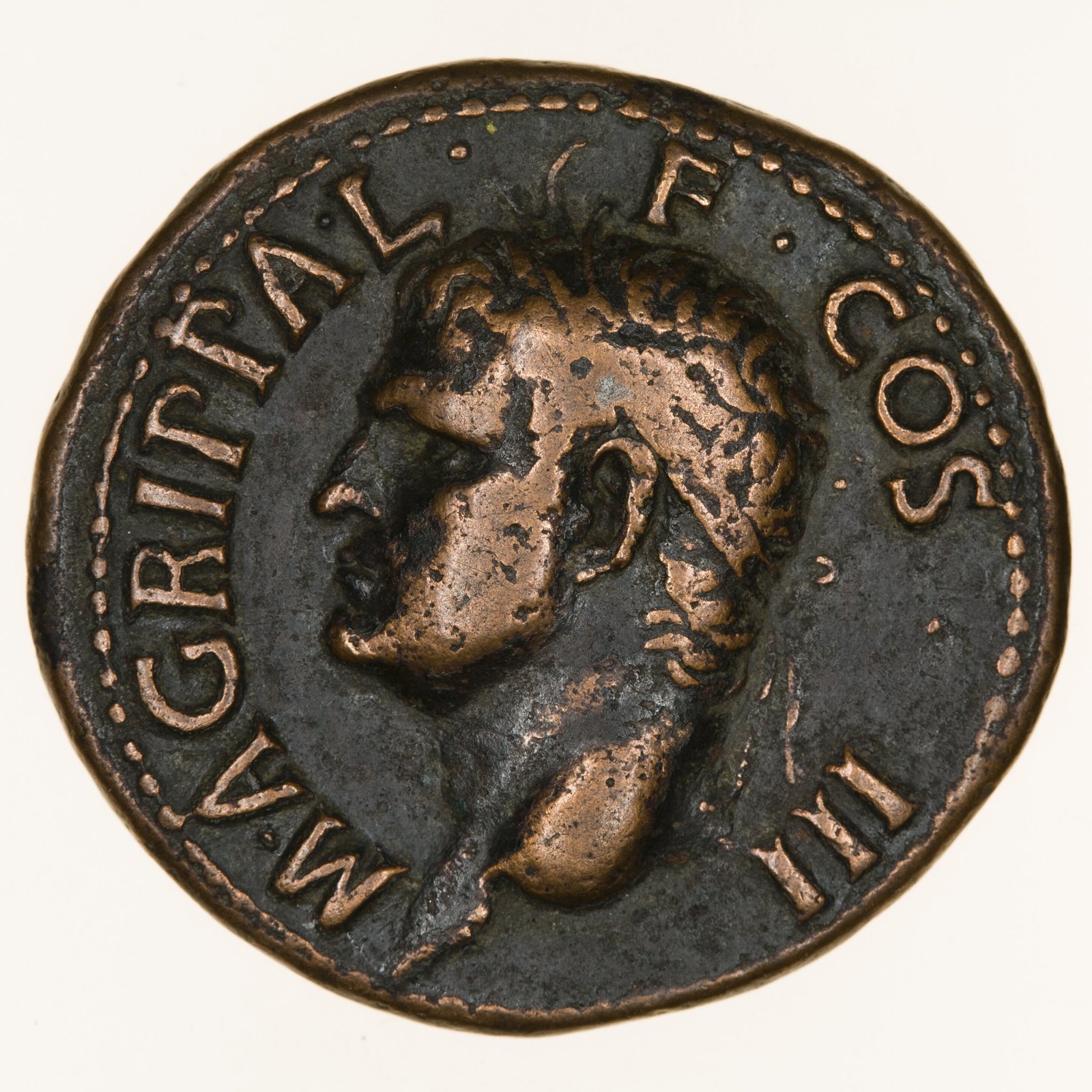
Museums Victoria / Photographer: Rodney Start
ancient coins
Coin, As, Emperor Gaius, Rome, 37-41 AD
37-41 AD
Copper As probably struck during the reign of Gaius, Ancient Roman Empire, in the name of Agrippa during the period 37-41 AD or later. Minted by Rome. "When were the enormously common asses in the name of M. Agrippa produced? In their day, whenever that was, they must have formed a solid proportion of the aes in cir…
Partial type record
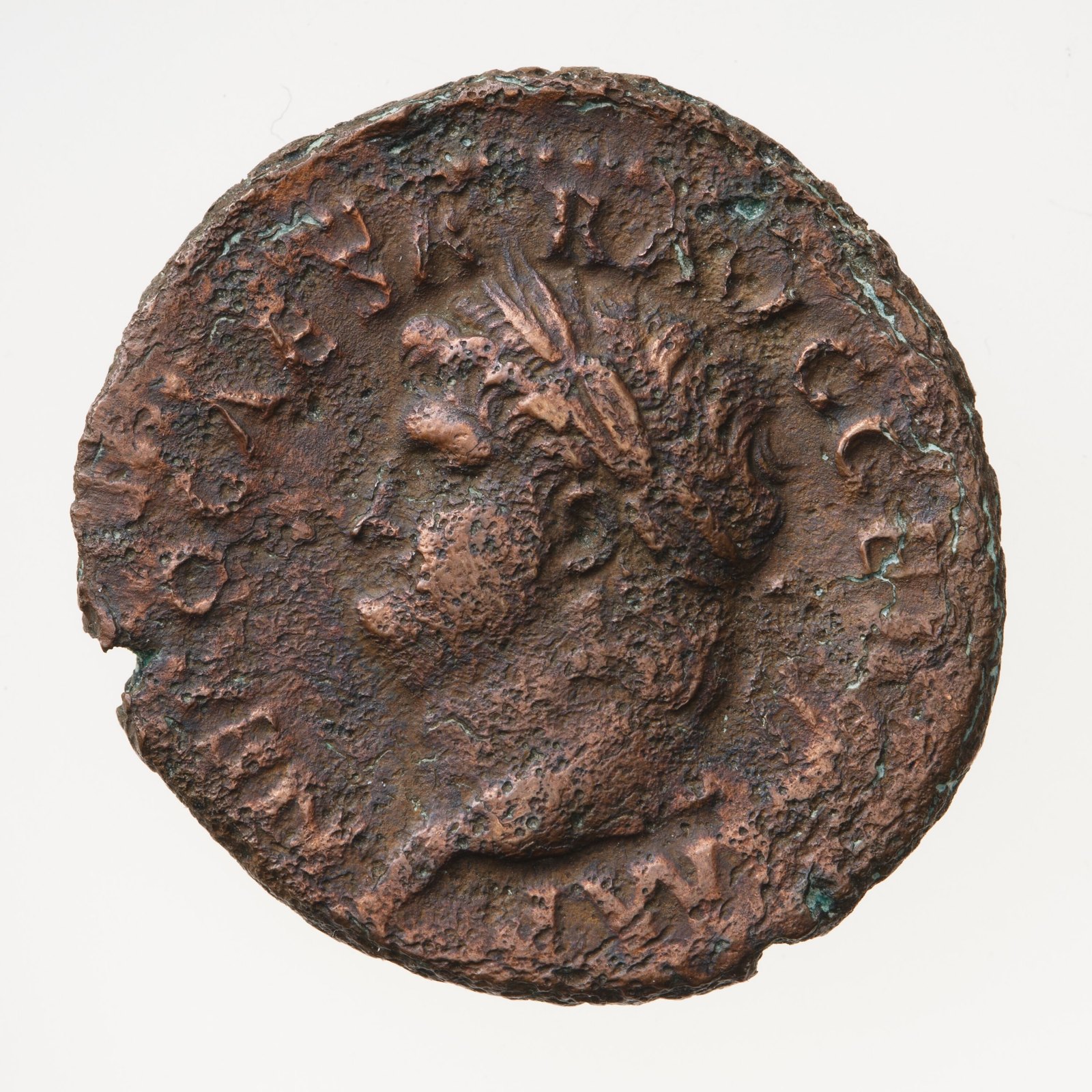
Museums Victoria / Photographer: Heath Warwick
ancient coins
Coin, As, Emperor Nero, Ancient Roman Empire, 65 AD
65 AD
Copper As issued by the Emperor Nero probably in 65 AD. Minted by Rome, Ancient Roman Empire. This coin depicts the Temple of Janus with its doors closed. Closing the doors was a declaration that the Empire was at peace. "The peace with Parthia was signed at the end of A.D. 63 and the Temple of Janus was solemly clo…
Partial type record
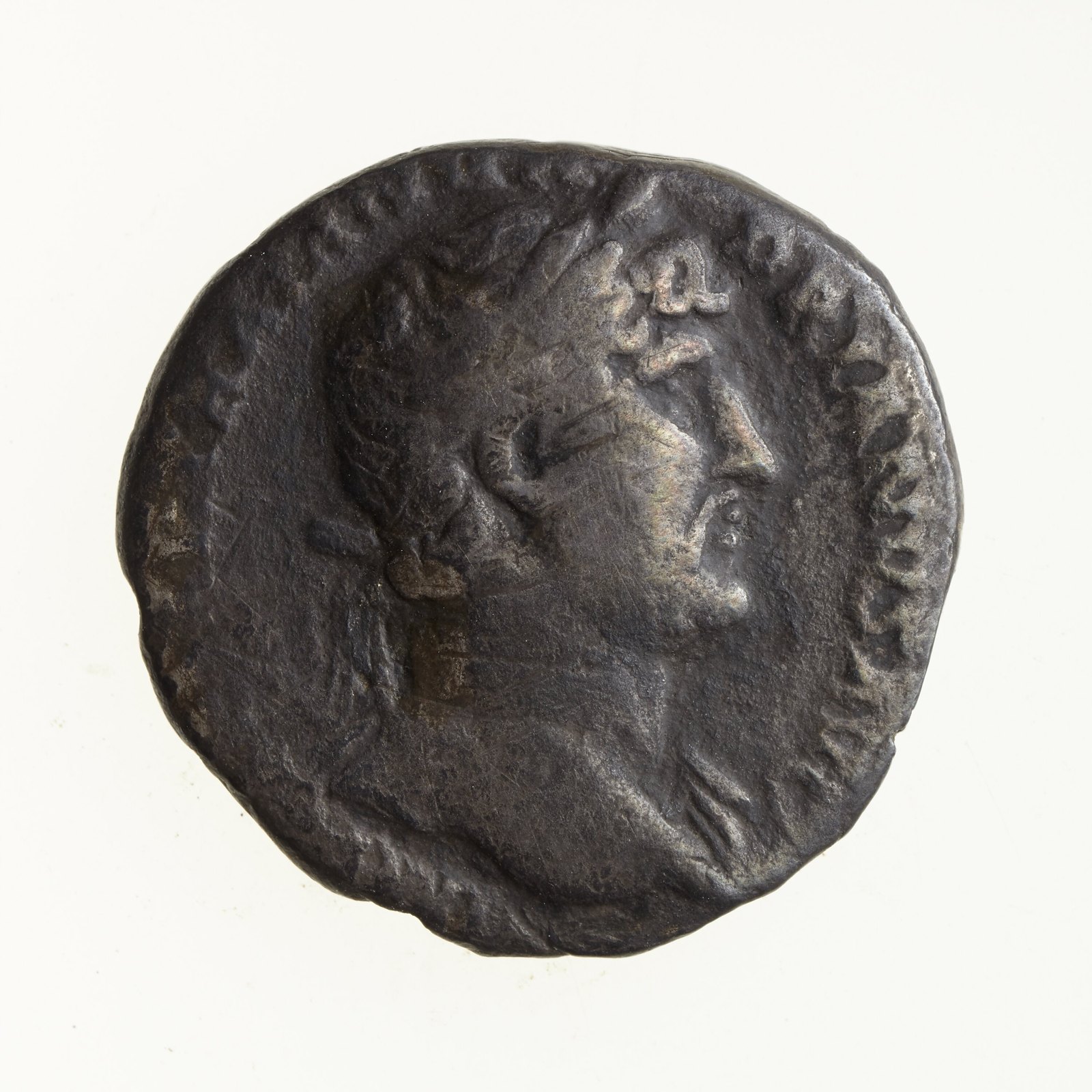
Museums Victoria / Photographer: Heath Warwick
ancient coins
Coin, denarius of Hadrian, Roman Empire, 119-122 AD
119-122 AD
Silver Denarius struck during the reign of the Emperor Hadrian between 119 and 122 AD, Ancient Roman Empire. Minted by Rome. Hadrian was Consul for the third and final time (COS III on this coin) from 1 Jan 119, the production of this coin therefore belongs after that date. It is believed the mint was largely inact…
Partial type record
Museums Victoria / Photographer: Heath Warwick
ancient coins
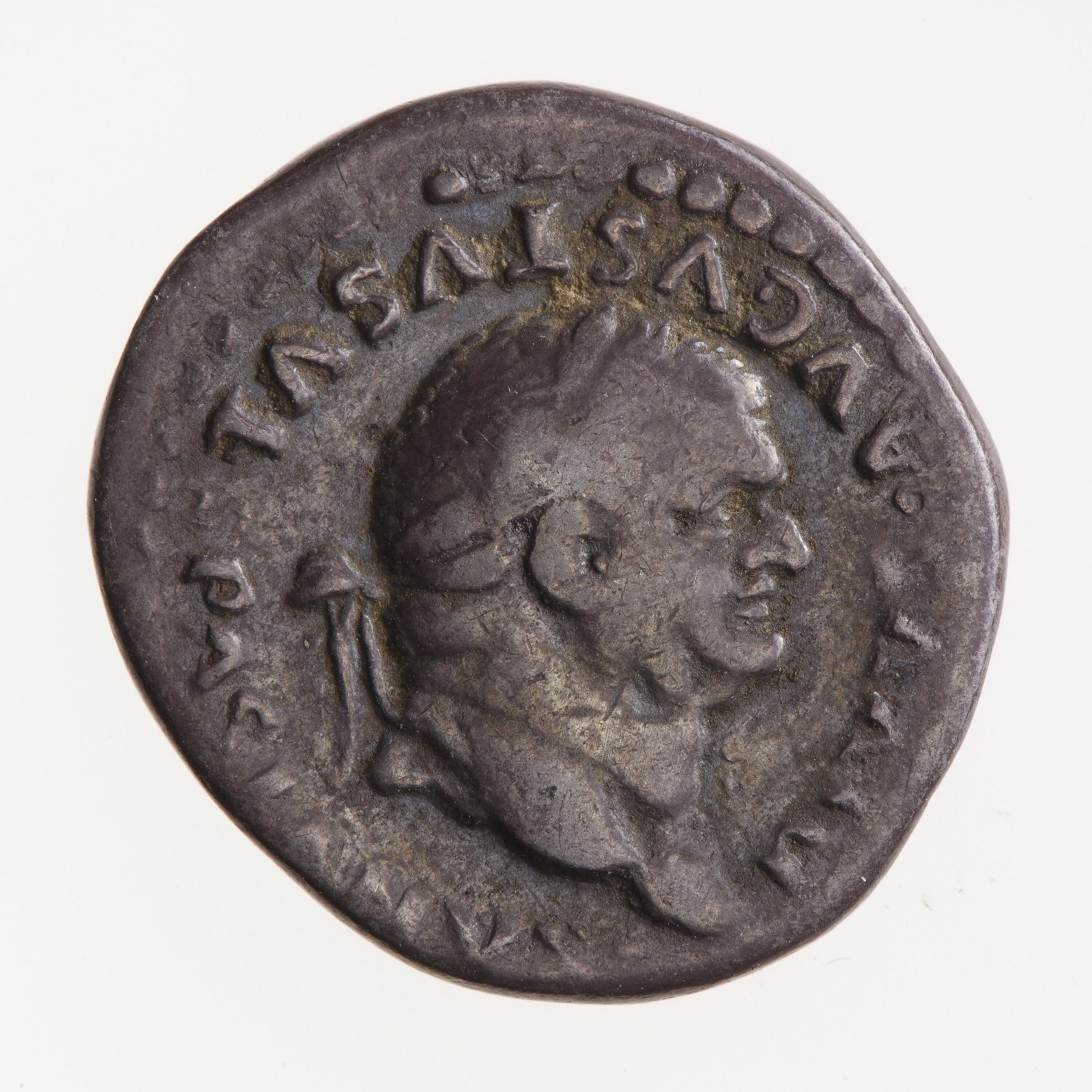
Coin, Denarius, Roman Empire, 79-81 AD
79-81 AD
Silver denarius struck during the reign of the Emperor Titus in the name of his father, Vespasian, in the period 79-81 AD, Ancient Roman Empire. Minted by Rome. Vespasian died on 23 June 79 BC and was immediately deified. This issue, in memory of Vespasian, is often dated 80-81 AD as there is a gap in silver and gol…
Partial type record
Museums Victoria / Photographer: Justine Philip
ancient coins
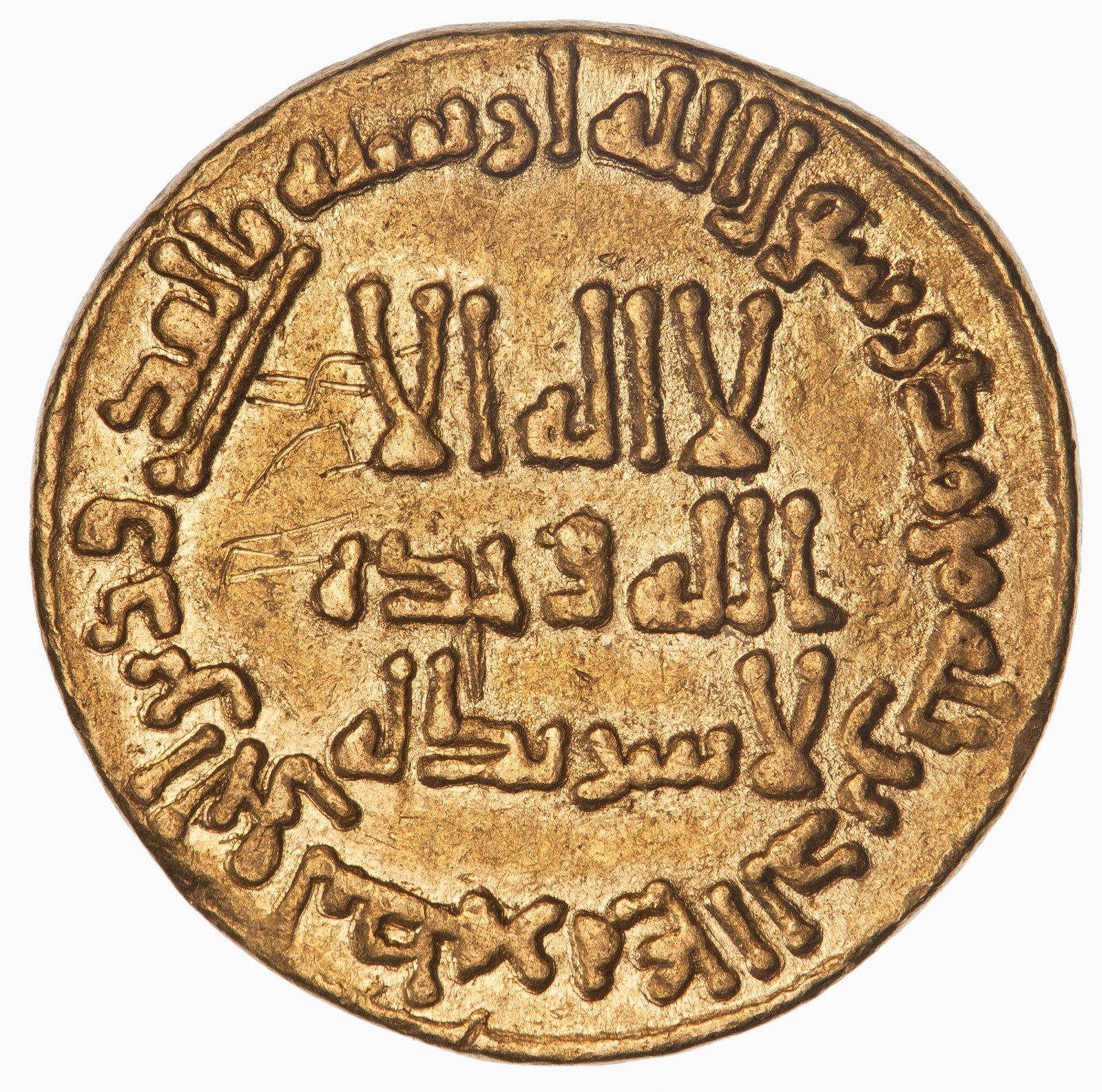
Coin, Dinar of Caliph Hisham, Ummayyad Caliphate, 110 AH
110 AH
Dinar coin issued by the Umayyad Caliph Hisham (723-743 AD). Struck at the Damascus mint (probable) in the year 110 AH (728-729 AD). On gold coins the date is of production is provided but not the name of the mint, it is believed that Damascus was the sole gold mint. On both sides, Kufic script in centre with more…
Partial type record
Museums Victoria / Photographer: Rodney Start
ancient coins
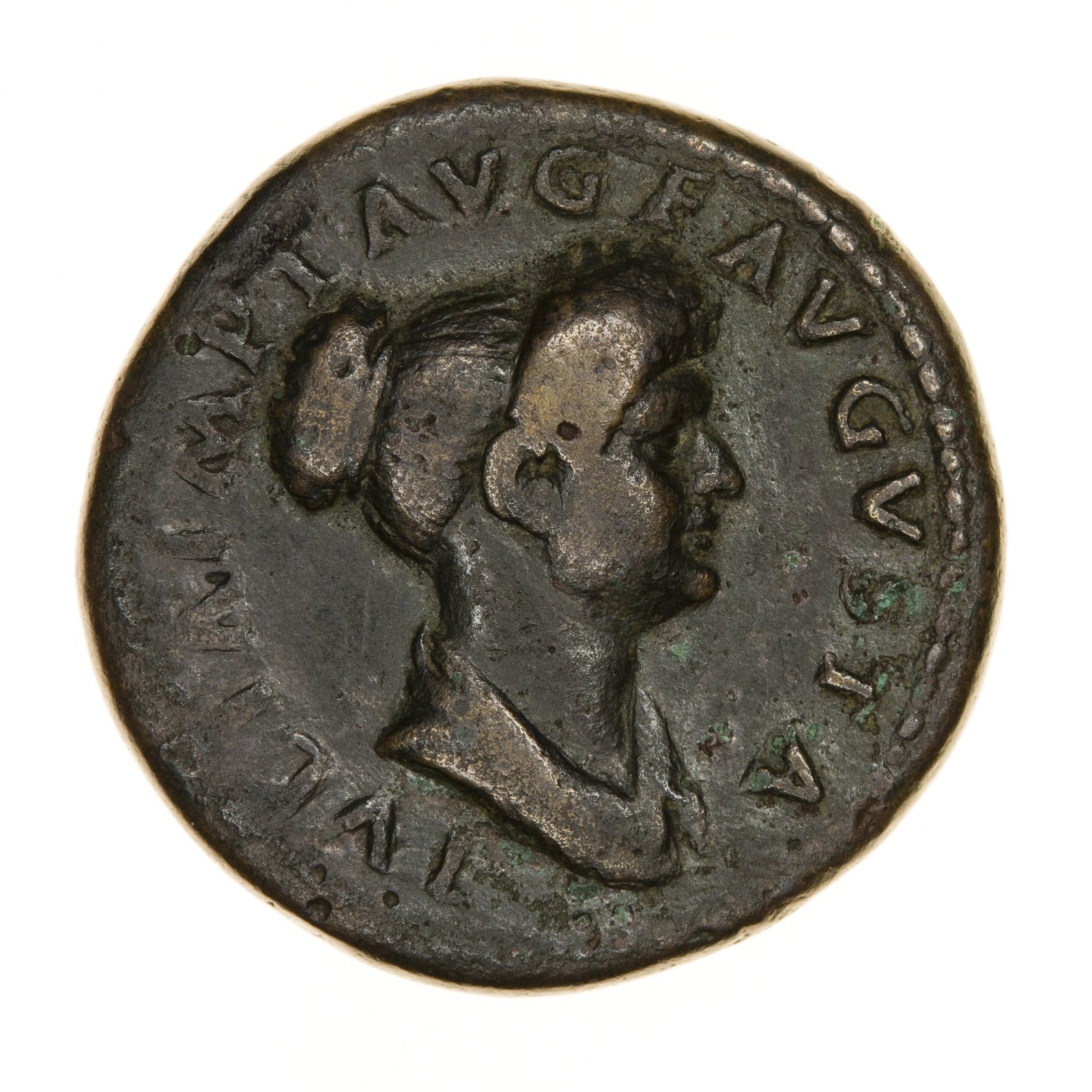
Coin, dupondius, Julia Titi, Ancient Roman Empire, 79-81 AD
circa 79-81 AD
Orichalcum Dupondius struck during the reign of the Emperor Titus in the name of his daughter, Julia Flavia Titi in the period 79 to 81 AD, Ancient Roman Empire. Minted by Rome. This coin holds no direct datable information but is attributed to the reign of Titus as he is named in the obverse legend as Julia's fathe…
Partial type record
Museums Victoria / Photographer: Justine Philip
ancient coins
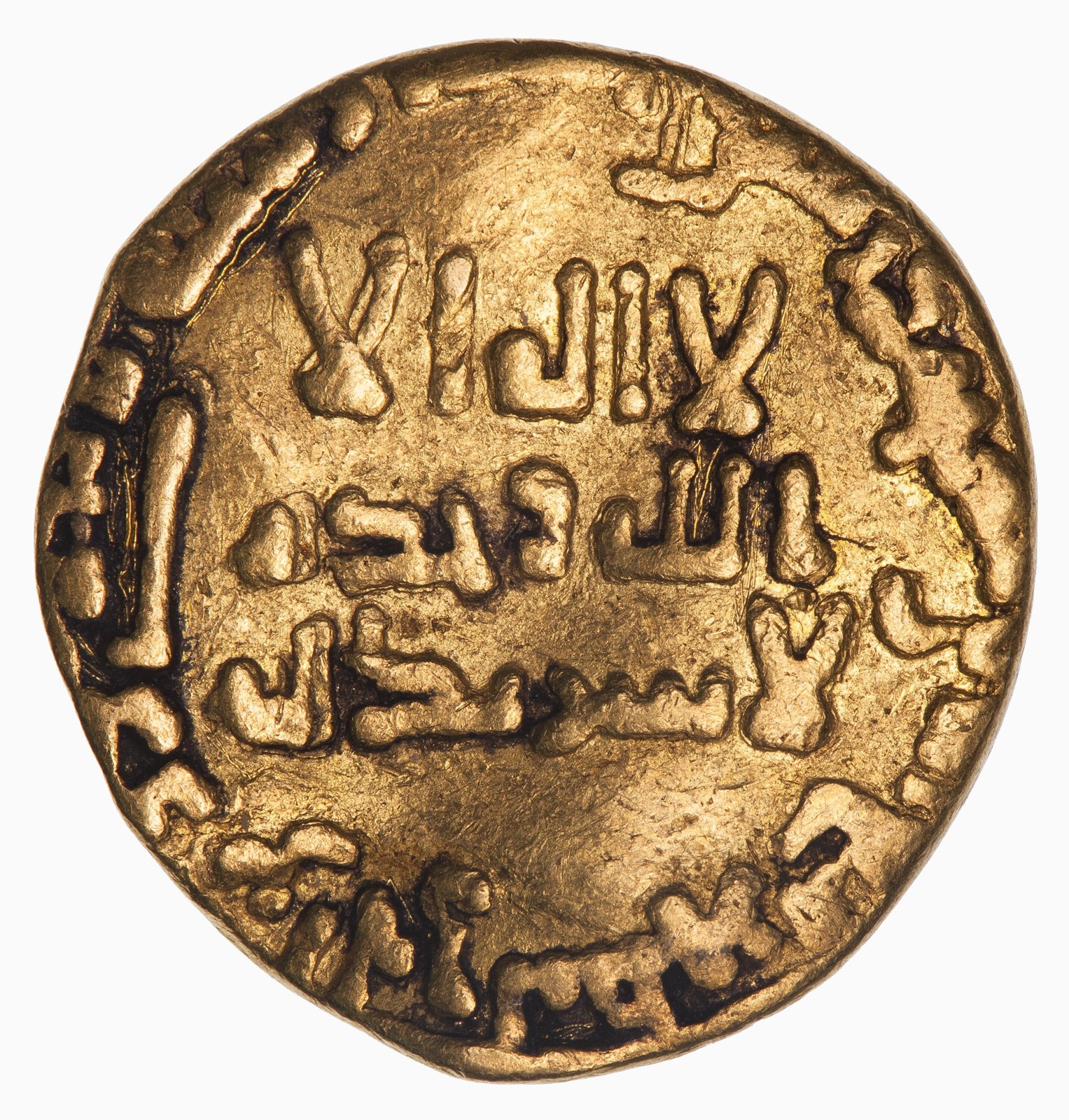
Coin, gold dinar, al-Mansur, Abbasid Caliphate, 138 AH
138 AH
Dinar coin issued by the Abassid Caliph al-Mansur (754-775 AD). Struck at the Damascus mint (probable) in the year 138 AH (755-756 AD). The coinage reform which led to the issue of this coin began in 77 AH (696-697 AD) under the Umayyad Caliph 'Abd al-Malik. It removed all symbolism associated with Byzantine or Sass…
Partial type record
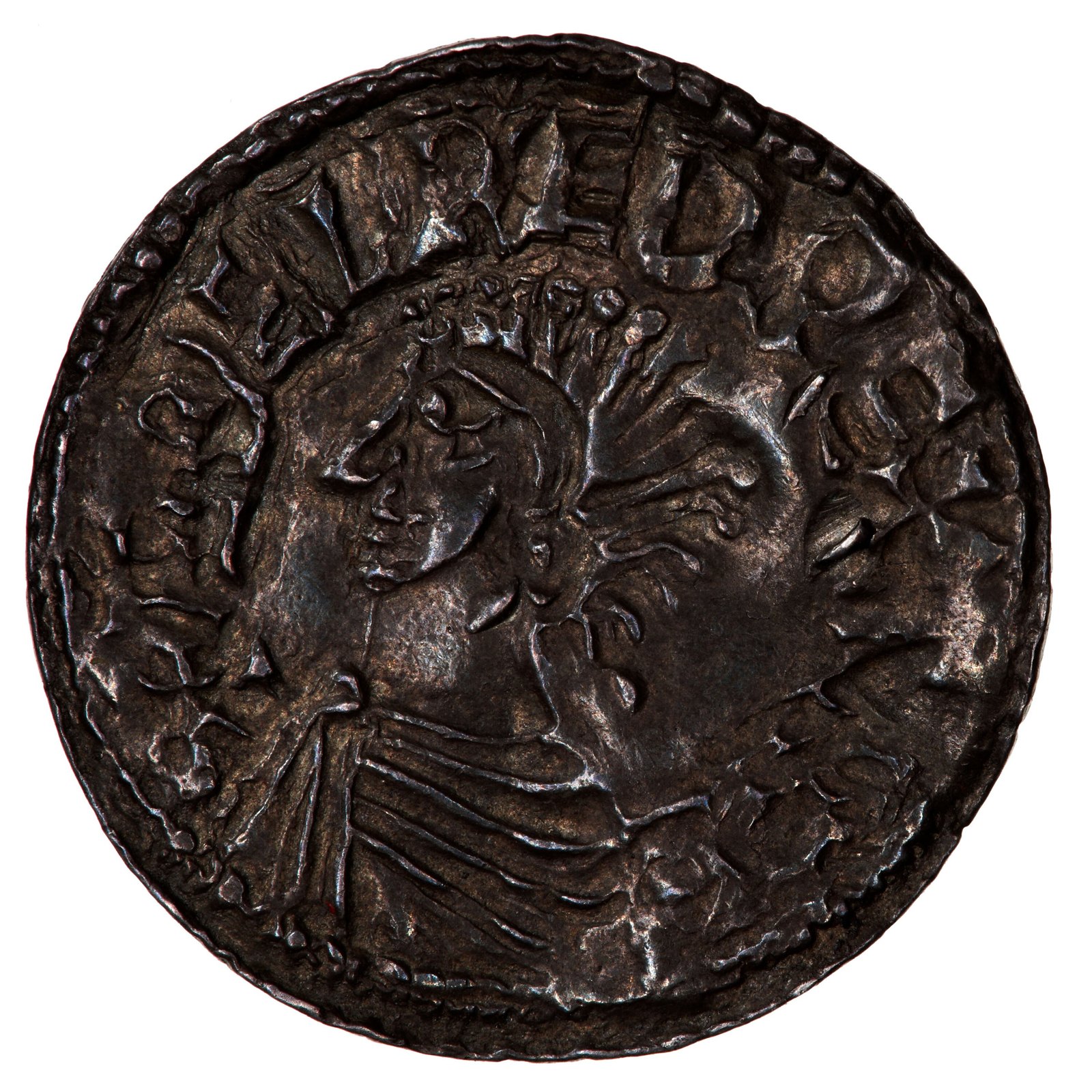
Museums Victoria / Photographer: Justine Philip
ancient coins
Coin, Penny, Aethelred II, England, 997-1003
997-1003 AD
Silver coin, Denomination: Penny Gothabyrig Mint Aethelred II (978-1016); Kings of All England Moneyer: Wulfmaer; Type: Long Cross (997-1003) The attribution of coins of this King to Ythancaster seems to have been rejected since 1932. Aethelred II ascended the throne after the murder of his half-brother, Edward the…
Partial type record
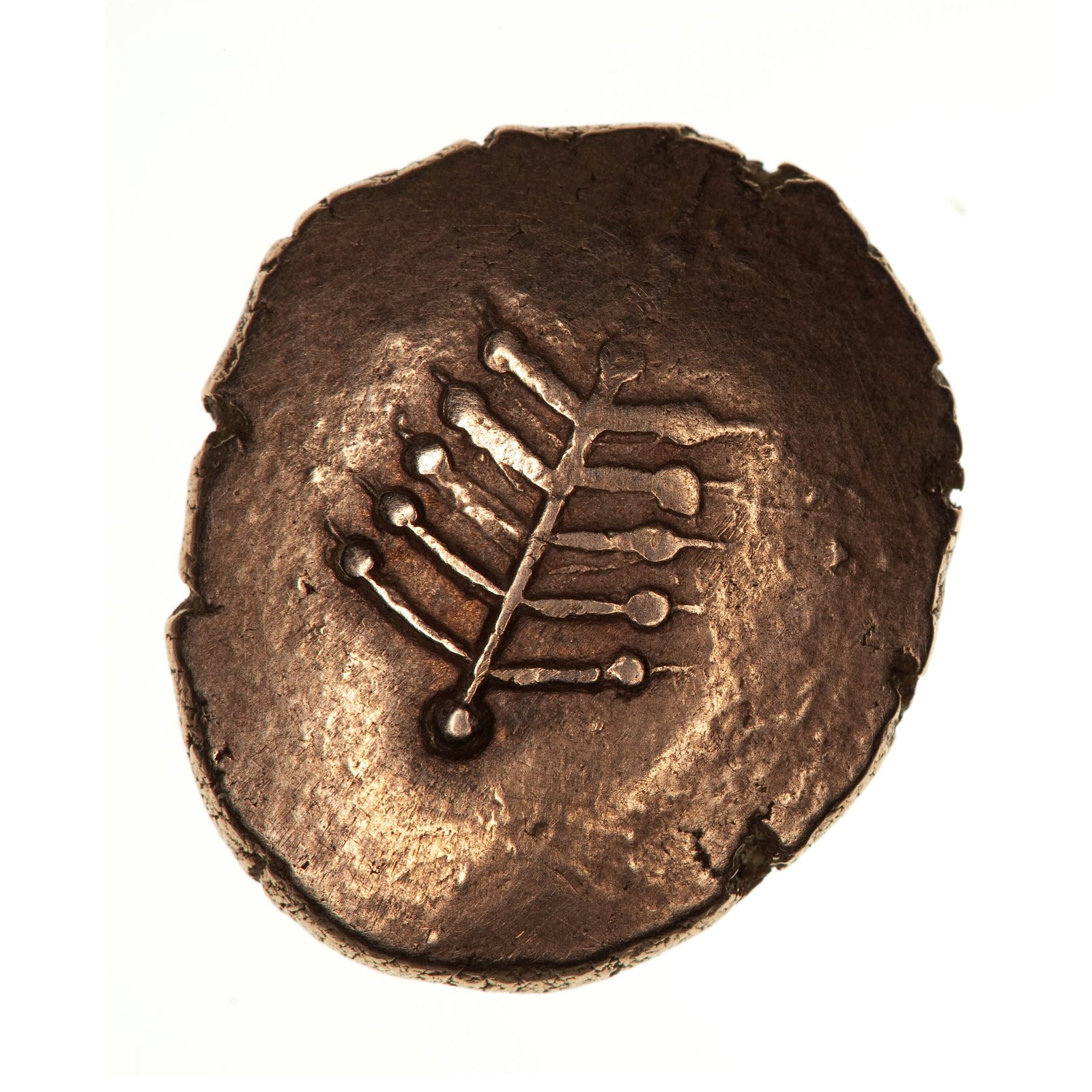
Museums Victoria / Photographer: Justine Philip
ancient coins
Coin, stater, Antedrig Dobunni, Ancient Britain, 40 BC-43 AD
40 BC-43 AD
Gold coin; Denomination: Stater Struck under a "King" of the Celtic tribe the Dobunni called Antedrig (Latin Antedrigus, sometimes just Anted). The monarchs of the Dobunni are known only from their names on their coins. The order of their rule (and even if they should be called Kings) is unknown but is probably what…
Partial type record
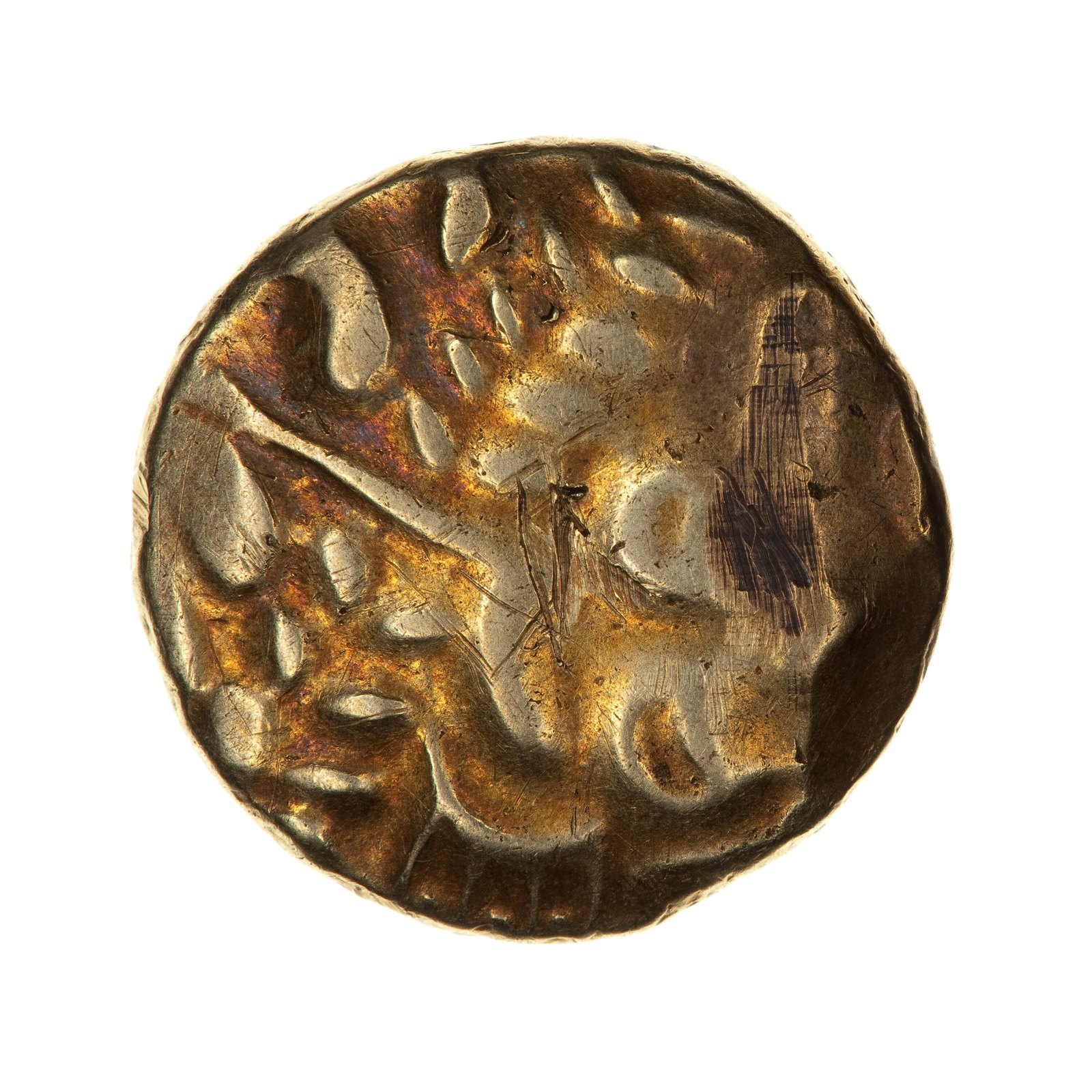
Museums Victoria / Photographer: Justine Philip
ancient coins
Coin, stater, Britain, 90-70 BC
90-70 BC
Gold coin; Denomination: Stater This is a Westerham type stater (named after a small hoard of coins of this type found at Westerham in Kint in 1927). It is also classed as British A, the first coins struck after settlement in Britain by people moving from Belgic-Gaul. Its design is copied from the Gallo-Belgic types…
Partial type record
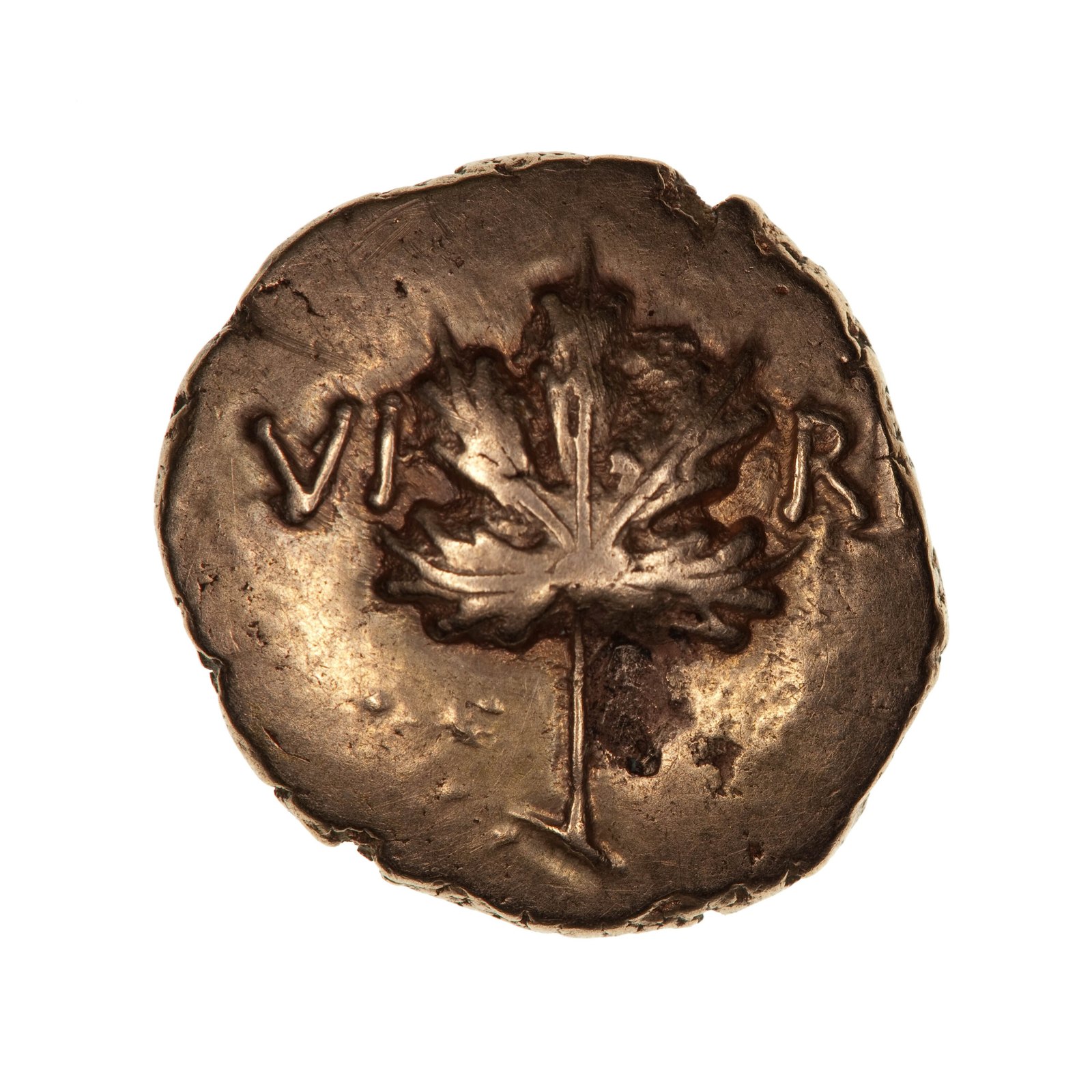
Museums Victoria / Photographer: Justine Philip
ancient coins
Coin, Stater, Verica, Ancient Britain, 15-40 AD
15 - 40 AD
Gold coin; Denomination Stater Issued by King Verica of the Atrebates Tribe Verica was the youngest son of Commius, King of the Atrebates. He siezed the throne from his brother Eppillus circa AD15 and was recognised as King by the Romans. This coin is of superior workmanship to the normal British Celtic gold and it…
Partial type record
Museums Victoria / Photographer: Rodney Start
ancient coins
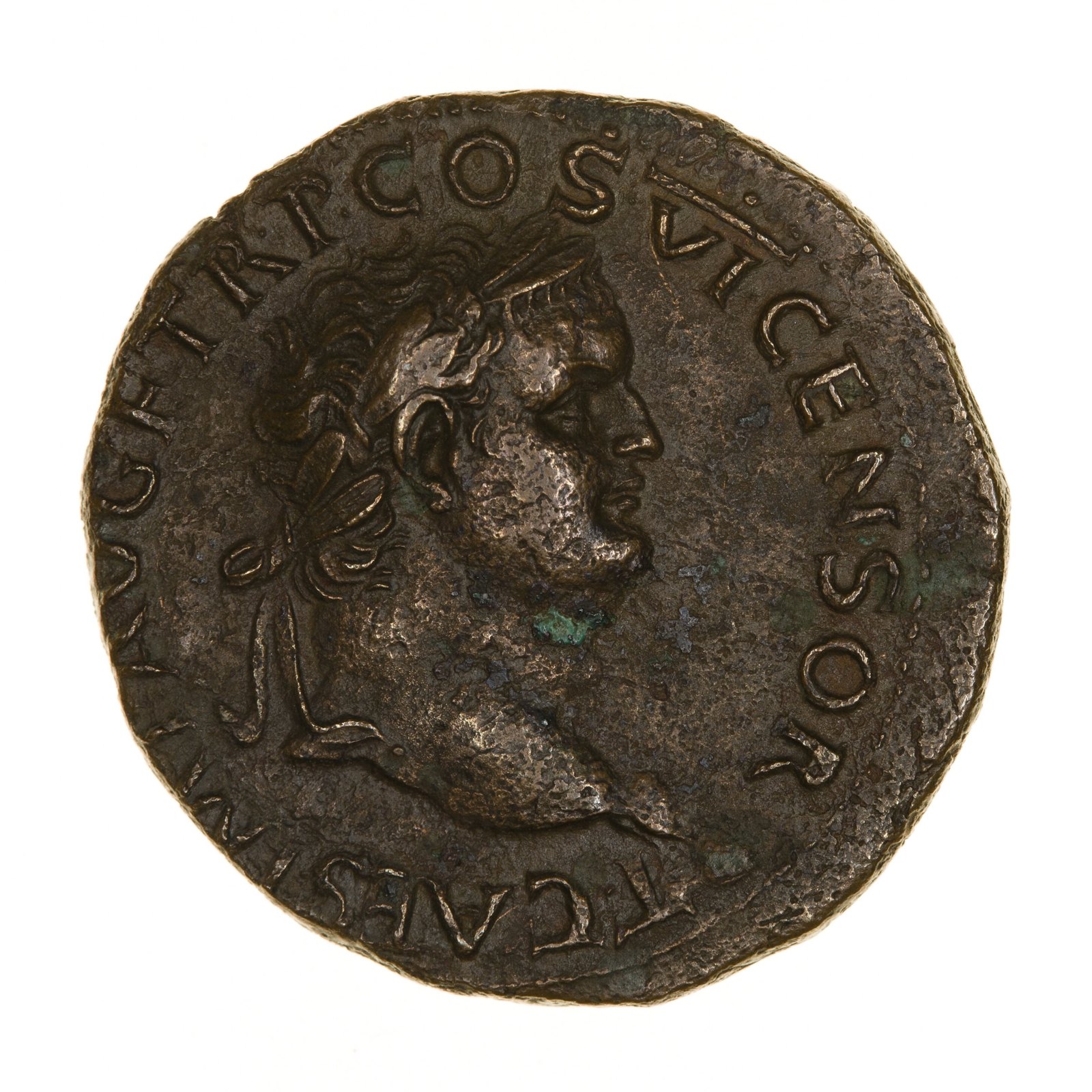
Coin, Titus, Ancient Roman Empire, 77-78 AD
77-78 AD
Copper As struck during the reign of the Emperor Vespasian in the name of his son, Titus, in the period 77 to 78 AD, Ancient Roman Empire. Minted by Lugdunum. Titus was Consul for the sixth time in 77 AD but did not hold the office again until 79 AD so the coin can only be dated to the period 77 to 78 AD Obverse: A…
Partial type record
Auction house “Noonans Mayfair”, via Invaluable
ancient coins
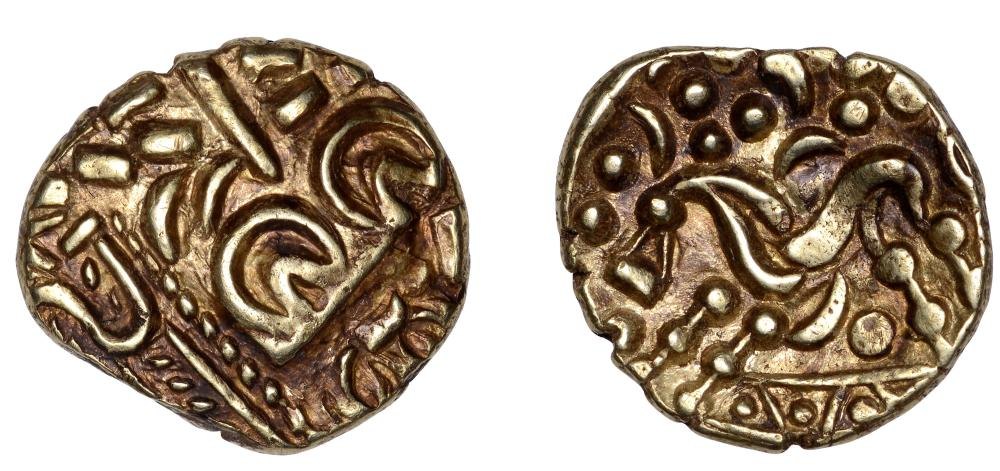
Corieltauvi British Iron Age uninscribed gold Stater, British I North East Coast Left type
British Iron Age
This British Iron Age stater is an uninscribed gold coin attributed to the Corieltauvi tribe, specifically identified as the British I North East Coast Left type. The obverse features a highly stylized, devolved head of Apollo oriented to the right, rendered through a complex arrangement of a wreath, cloak, and vari…
Partial type record
Cleveland Museum of Art
ancient coins
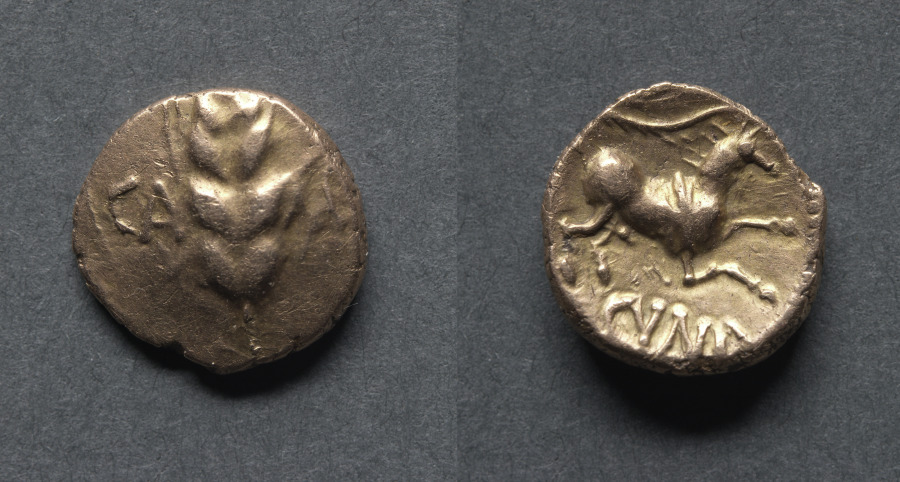
Cunobeline Quarter Stater: Corn (obverse); Horse and Branch (Cleveland Museum of Art 1969.153)
c. 10–40 CE
The ear of corn or wheat is frequently found on coins of Cunobeline. The workmanship on the horse is not as good as another in the collection, 1969.152. The relative proportions of the head and neck are poor and the animal has acquired an additional joint in its right foreleg, though this does not appear on all spec…
Partial type record
Cleveland Museum of Art
ancient coins
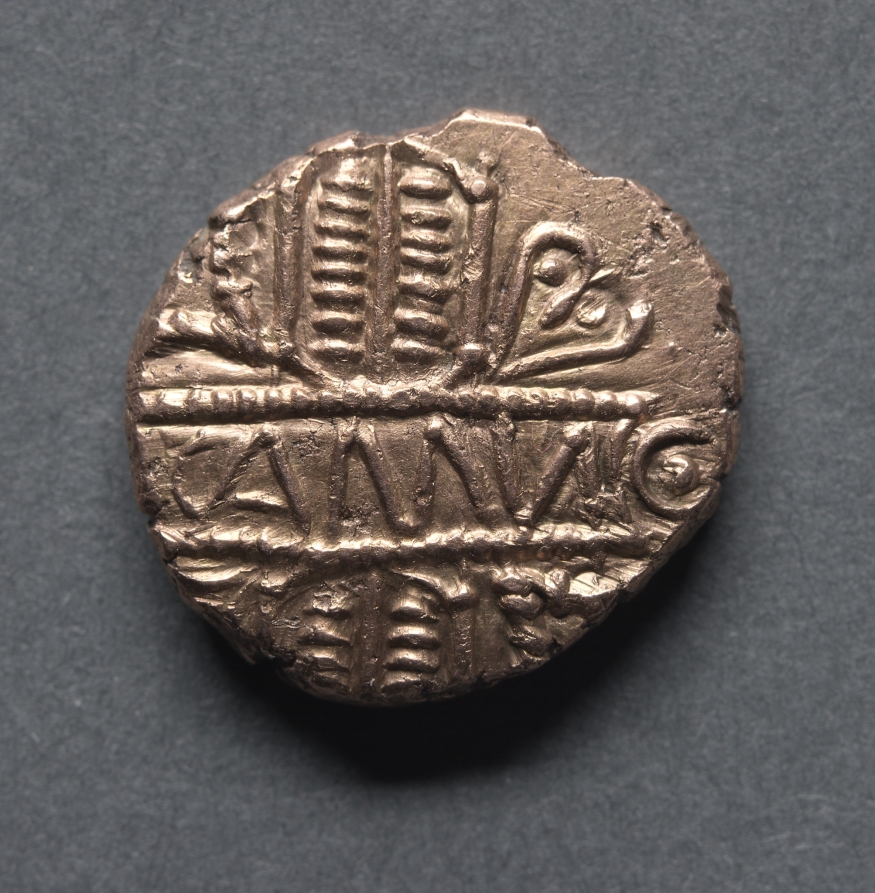
Cunobeline Stater: Tablet on Wreath (reverse); Two Horses and Wheel (Cleveland Museum of Art 1969.152)
c. 10–40 CE
Cunobeline is mentioned by various Roman historians. He was a powerful ruler, the son of Tasciovanus. He is known to have had one brother, Epaticcus, and possibly another, Sego, as well as two sons, Caratacus and Togodumnus. The history of this ancient time is very confused, particularly over family relationships; s…
Partial type record
Tarii Crisurilor Museum via Europeana
ancient coins
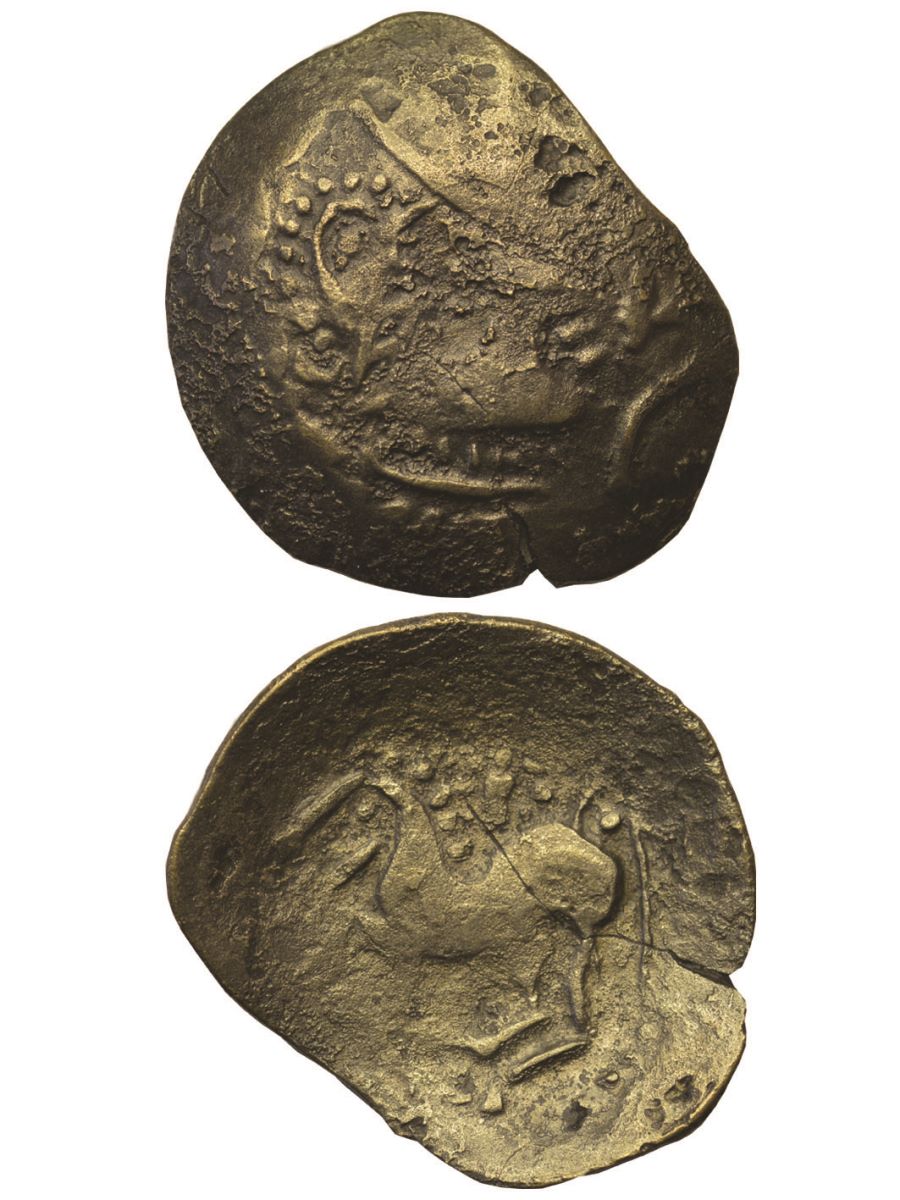
Dacian coin of the Mit Bartkranzavers / Toc-Chereluș type (Tarii Crisurilor Museum)
Dacian coin of the Mit Bartkranzavers / Toc-Chereluș type is held by Tarii Crisurilor Museum. Museum description: obverse: Stylized human head, in profile, facing right. The only recognizable elements are the contour of the face rendered by a wide line and the eye represented by a pellet placed inside a rhomboidal b…
Partial type record
National Museum of Bukovina via Europeana
ancient coins
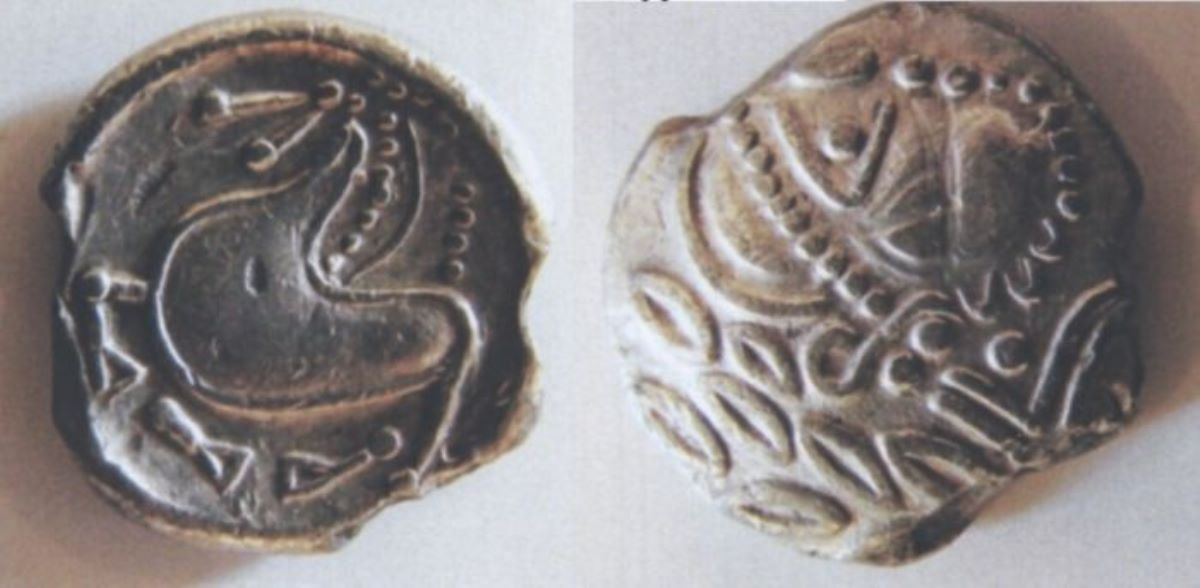
Dacian tetradrachm
Dacian tetradrachm is held by National Museum of Bukovina (Romania). Description supplied by the holding institution: obverse: Stylized head of Heracles in profile to the right. Pointed and prominent chin, lips formed by two lines ending in a globule each, nose an oblique line. Several concentric lines depict the ha…
Partial type record
Rijksmuseum, Amsterdam
ancient coins
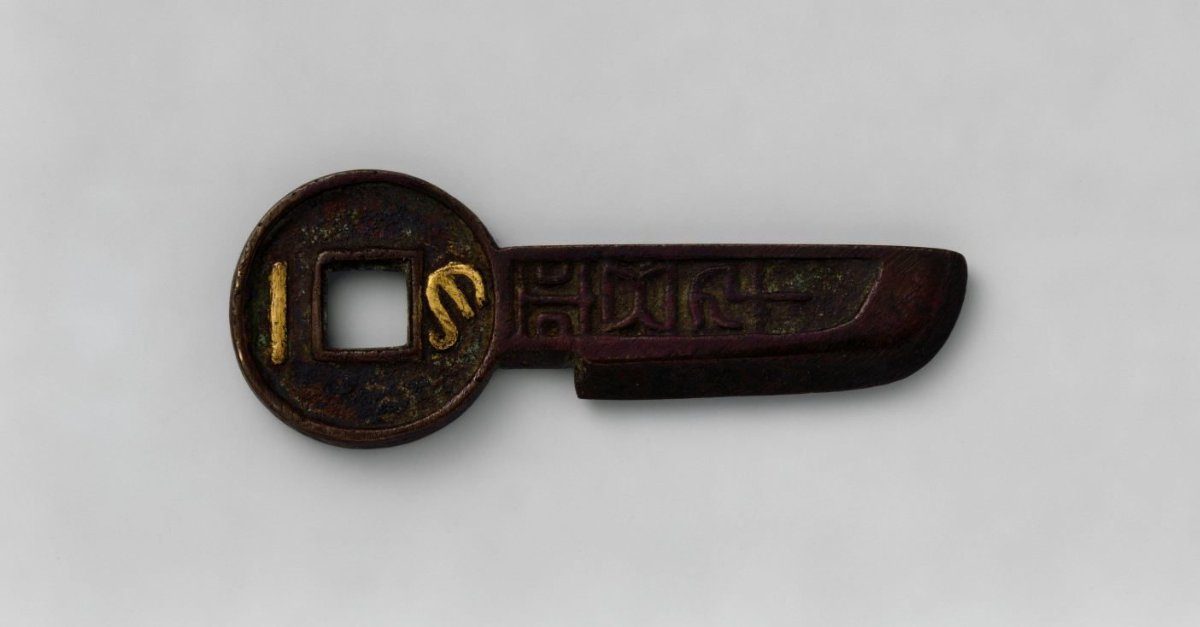
Dao from China of Wang Mang (Sji-kwan-kwee), 9 AD - 13 AD
9 - 13
Brass coin in the shape of a knife. Obverse: on round "handle" with square hole two characters and on "blade" five Chinese characters. Reverse: on handle no characters, on blade five of the same Chinese characters as on obverse. The Rijksmuseum, Amsterdam, holds this object as KOG-MP-1-4163; its record gives materia…
Partial type record
Photograph: Münzkabinett Berlin; Corpus Nummorum (Berlin-Brandenburg Academy of Sciences and Humanities)
ancient coins
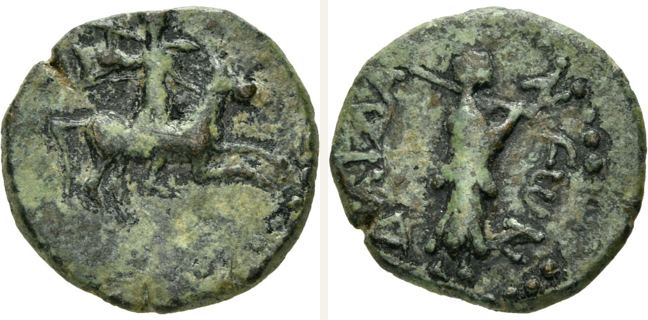
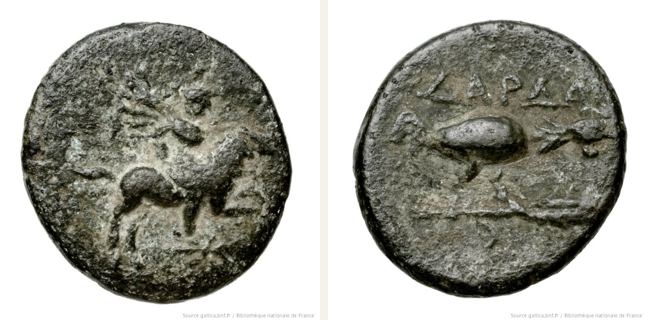
Dardanos, bronze coin — Athena Ilias standing right (CN type 3981)
c. 27 BC to AD –100
Coin in bronze struck at Dardanos in Troas, dated c. 27 BC to AD –100. Corpus Nummorum, the online type corpus of the Berlin-Brandenburg Academy of Sciences and Humanities, records it as CN type 3981 (period: Roman Imperial Period; issuing authority type: city). Obverse: Horseman with spear, wearing chlamys und pet…
Research required
Photograph: Bibliothèque nationale de France, Paris; Corpus Nummorum (Berlin-Brandenburg Academy of Sciences and Humanities); specimen held by gallica.bnf.fr
ancient coins
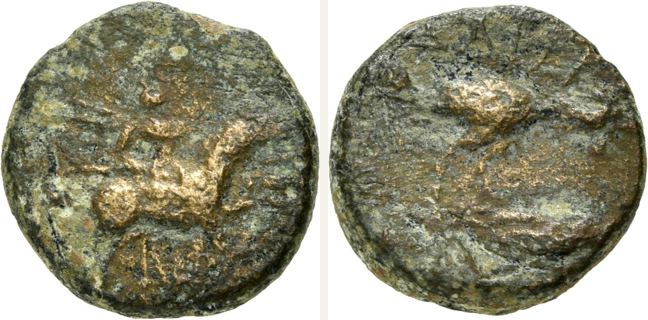
Dardanos, bronze coin — Cock left (CN type 3940)
c. 325–250 BC
Coin in bronze struck at Dardanos in Troas, dated c. 325–250 BC. Corpus Nummorum, the online type corpus of the Berlin-Brandenburg Academy of Sciences and Humanities, records it as CN type 3940 (period: Hellenistic Period; issuing authority type: city). Obverse: Horseman with spear, wearing chlamys und petasos, on…
Research required
Photograph: Münzkabinett Berlin; Corpus Nummorum (Berlin-Brandenburg Academy of Sciences and Humanities)
ancient coins
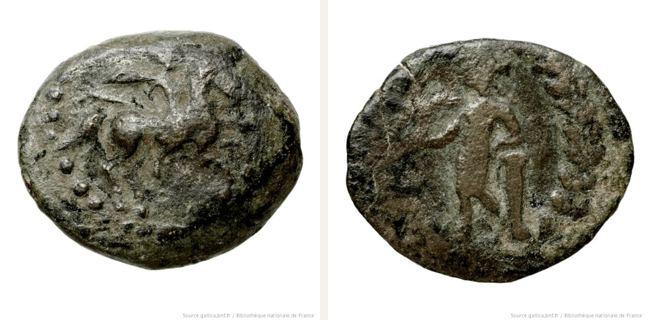
Dardanos, bronze coin — Cock right in fighting attitude (CN type 24315)
c. 325–250 BC
Coin in bronze struck at Dardanos in Troas, dated c. 325–250 BC. Corpus Nummorum, the online type corpus of the Berlin-Brandenburg Academy of Sciences and Humanities, records it as CN type 24315 (period: Hellenistic Period; issuing authority type: city). Obverse: Horseman with spear, wearing chlamys und petasos, on…
Research required
Photograph: Bibliothèque nationale de France, Paris; Corpus Nummorum (Berlin-Brandenburg Academy of Sciences and Humanities); specimen held by gallica.bnf.fr
ancient coins
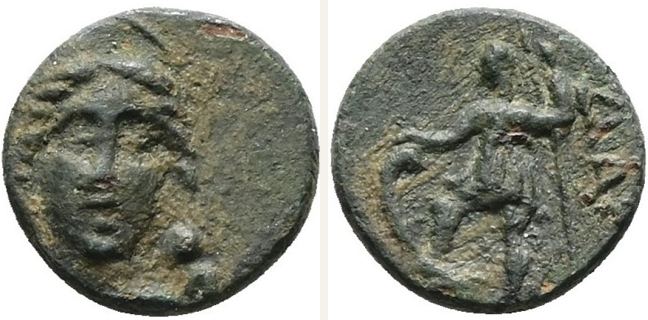
Dardanos, bronze coin — Male deity standing left (CN type 3983)
c. 27 BC to AD –100
Coin in bronze struck at Dardanos in Troas, dated c. 27 BC to AD –100. Corpus Nummorum, the online type corpus of the Berlin-Brandenburg Academy of Sciences and Humanities, records it as CN type 3983 (period: Roman Imperial Period; issuing authority type: city). Obverse: Horseman with spear, wearing chlamys und pet…
Research required
Photograph: Corpus Nummorum; Corpus Nummorum (Berlin-Brandenburg Academy of Sciences and Humanities)
ancient coins
Dardanos, bronze coin — Warrior in military attire standing left (CN type 3962)
c. 150–30 BC
Coin in bronze struck at Dardanos in Troas, dated c. 150–30 BC. Corpus Nummorum, the online type corpus of the Berlin-Brandenburg Academy of Sciences and Humanities, records it as CN type 3962 (period: Hellenistic Period; issuing authority type: city). Obverse: Bust of Artemis facing; quiver at her right shoulder.…
Research required
Photograph: Gorny & Mosch Giessener Münzhandlung; Corpus Nummorum (Berlin-Brandenburg Academy of Sciences and Humanities)
ancient coins
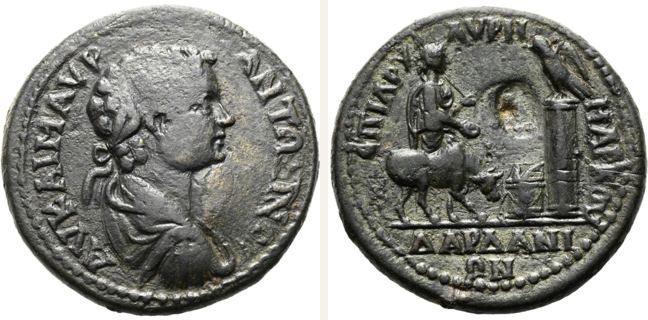
Dardanos, Caracalla, bronze coin — Bull right approaching lighted altar (CN type 21736)
AD 197–217
Coin in bronze struck at Dardanos in Troas under Caracalla, dated AD 197–217. Corpus Nummorum, the online type corpus of the Berlin-Brandenburg Academy of Sciences and Humanities, records it as CN type 21736 (period: Roman Imperial Period; issuing authority type: city). Obverse: Laureate bust of youthful Caracalla,…
Research required
Photograph: BBAW; Corpus Nummorum (Berlin-Brandenburg Academy of Sciences and Humanities)
ancient coins
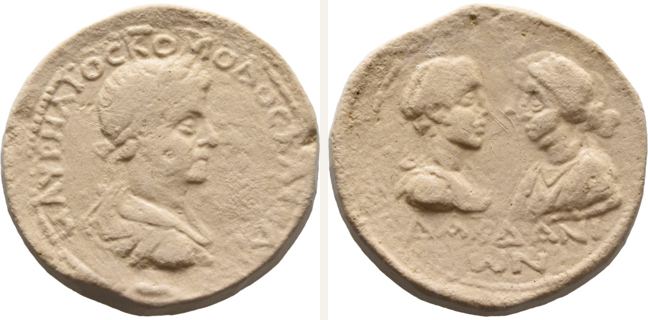
Dardanos, Commodus, bronze coin — Bust of the beardless Commodus facing right with laurel wreath (CN type 4008)
c. AD 178
Coin in bronze struck at Dardanos in Troas under Commodus, dated c. AD 178. Corpus Nummorum, the online type corpus of the Berlin-Brandenburg Academy of Sciences and Humanities, records it as CN type 4008 (period: Roman Imperial Period; issuing authority type: city). Obverse: Laureate bust of Commodus, right, weari…
Research required
Photograph: Münzkabinett Berlin; Corpus Nummorum (Berlin-Brandenburg Academy of Sciences and Humanities)
ancient coins
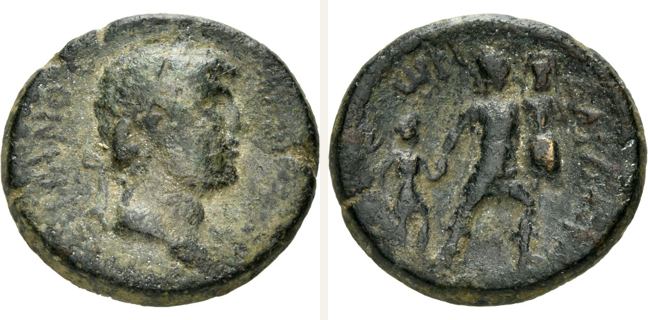
Dardanos, Hadrian, bronze coin — Aeneas walking right (CN type 3994)
AD 117–138
Coin in bronze struck at Dardanos in Troas under Hadrian, dated AD 117–138. Corpus Nummorum, the online type corpus of the Berlin-Brandenburg Academy of Sciences and Humanities, records it as CN type 3994 (period: Roman Imperial Period; issuing authority type: city). Obverse: Laureate head of Hadrian, right. Legend…
Research required
Photograph: BBAW; Corpus Nummorum (Berlin-Brandenburg Academy of Sciences and Humanities)
ancient coins
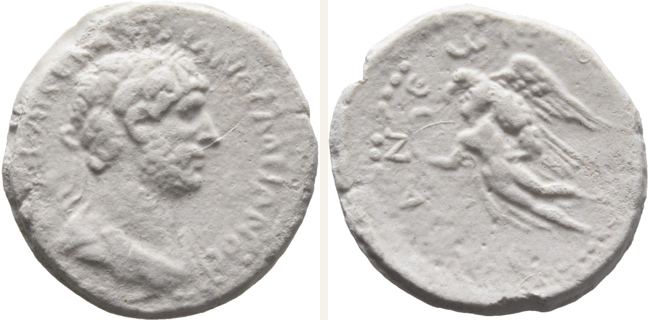
Dardanos, Hadrian, bronze coin — Zeus in the form of an eagle left (CN type 3997)
AD 117–138
Coin in bronze struck at Dardanos in Troas under Hadrian, dated AD 117–138. Corpus Nummorum, the online type corpus of the Berlin-Brandenburg Academy of Sciences and Humanities, records it as CN type 3997 (period: Roman Imperial Period; issuing authority type: city). Obverse: Laureate bust of Hadrian, right, wearin…
Research required
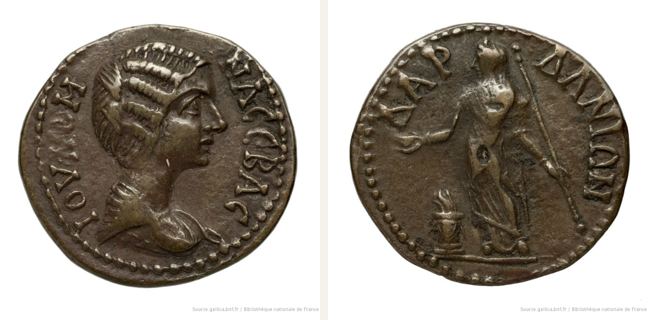
Photograph: Bibliothèque nationale de France, Paris; Corpus Nummorum (Berlin-Brandenburg Academy of Sciences and Humanities)
ancient coins
Dardanos, Iulia Domna, bronze coin — Goddess standing facing (CN type 4012)
AD 193–217
Coin in bronze struck at Dardanos in Troas under Iulia Domna, dated AD 193–217. Corpus Nummorum, the online type corpus of the Berlin-Brandenburg Academy of Sciences and Humanities, records it as CN type 4012 (period: Roman Imperial Period; issuing authority type: city). Obverse: Draped bust of Julia Domna, right.…
Research required
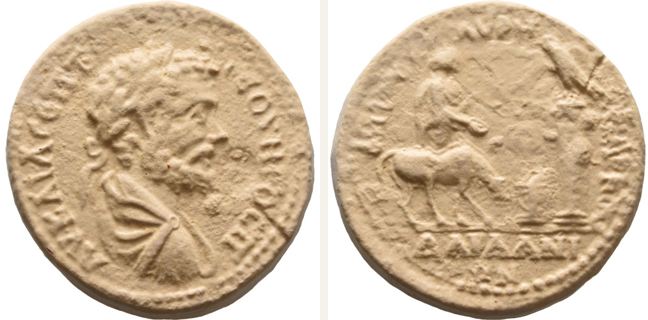
Photograph: BBAW; Corpus Nummorum (Berlin-Brandenburg Academy of Sciences and Humanities)
ancient coins
Dardanos, Septimius Severus, bronze coin — Bull right approaching lighted altar (CN type 4010)
AD 193–211
Coin in bronze struck at Dardanos in Troas under Septimius Severus, dated AD 193–211. Corpus Nummorum, the online type corpus of the Berlin-Brandenburg Academy of Sciences and Humanities, records it as CN type 4010 (period: Roman Imperial Period; issuing authority type: city). Obverse: Laureate bust of Septimius Se…
Research required
Art Institute of Chicago
ancient coins
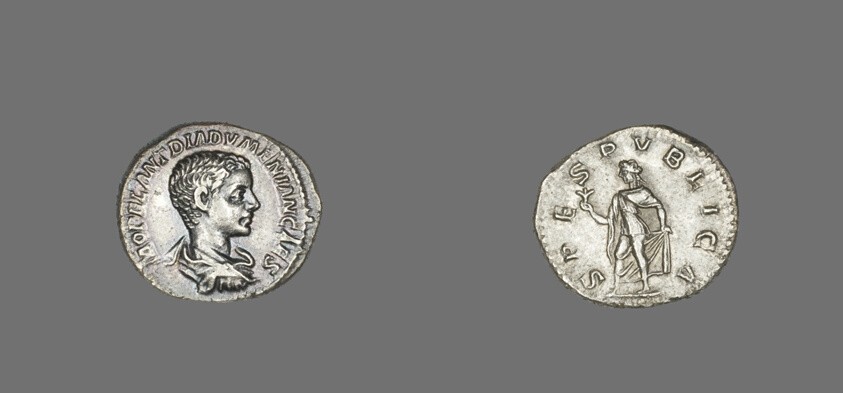
Denarius (Coin) Portraying Diadumenian
217 (April/December)
Denarius (Coin) Portraying Diadumenian — coin, by Roman, made in Rome, dated 217 (April/December). Physical description: Silver; Diam.: 2 cm (13/16 in.).
Partial type record
Art Institute of Chicago
ancient coins
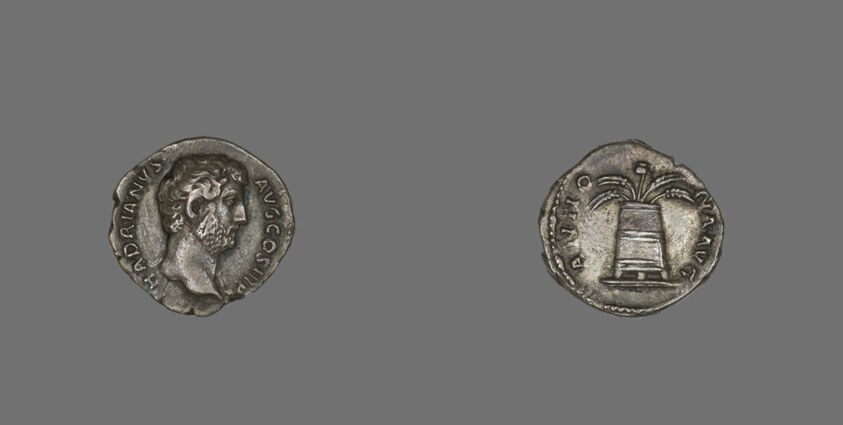
Denarius (Coin) Portraying Emperor Hadrian
134-138
Denarius (Coin) Portraying Emperor Hadrian — coin, by Roman, minted in Rome, made in Roman Empire, dated 134-138. Physical description: Silver; Diam.: 1.8 cm (3/4 in.).
Partial type record
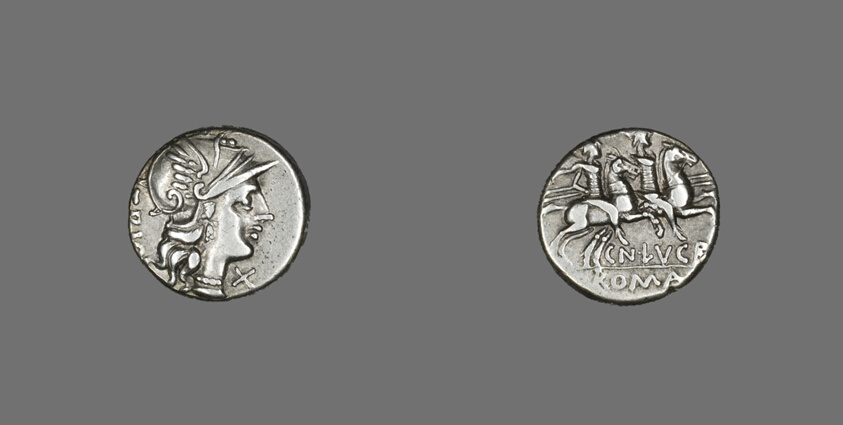
Art Institute of Chicago
ancient coins
Denarius Depicting the Goddess Roma
136 BCE
This object is an ancient Roman silver denarius struck in Rome, Italy, dated to 136 BCE. The coin has a circular form with a diameter measuring approximately 1.8 cm (3/4 in.). It was produced using striking techniques typical of Roman coinage from this period. The obverse features the profile head of the goddess Ro…
Partial type record
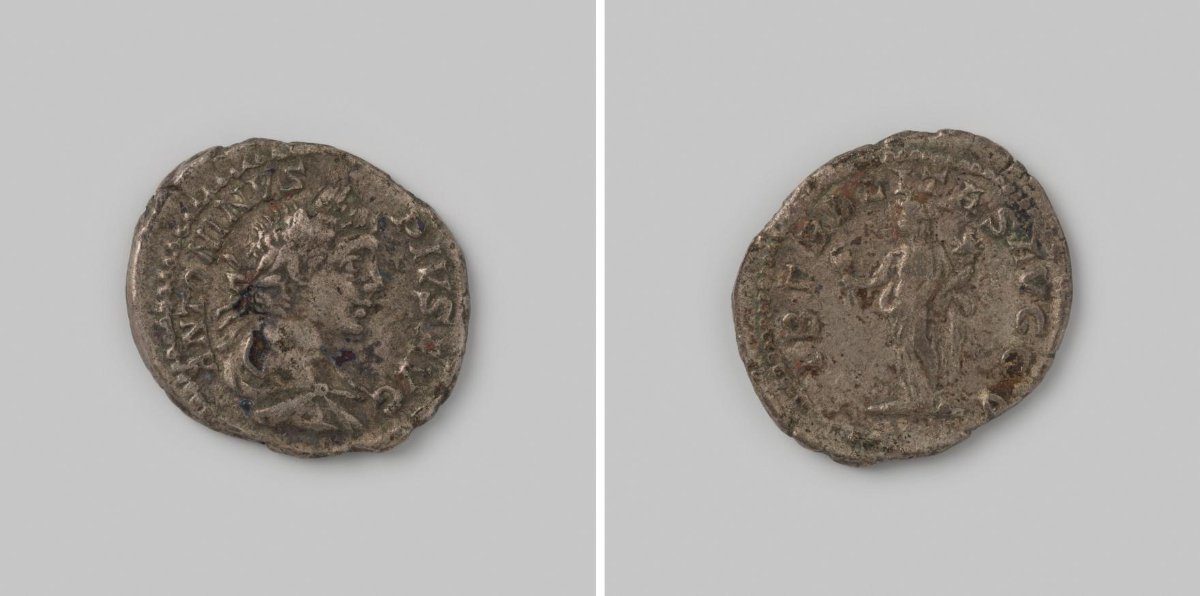
Rijksmuseum, Amsterdam
ancient coins
Denarius from the Roman Empire of Caracalla, 198–217
198 - 217
Reverse: the goddess of generosity, Liberalitas, standing with an abacus in her right hand and a cornucopia in her left hand. The Rijksmuseum, Amsterdam, holds this object as KOG-MP-1-0071A; its record gives material recorded as silver (metal); technique striking (metalworking); measurements diameter 2 cm x weight 3…
Partial type record
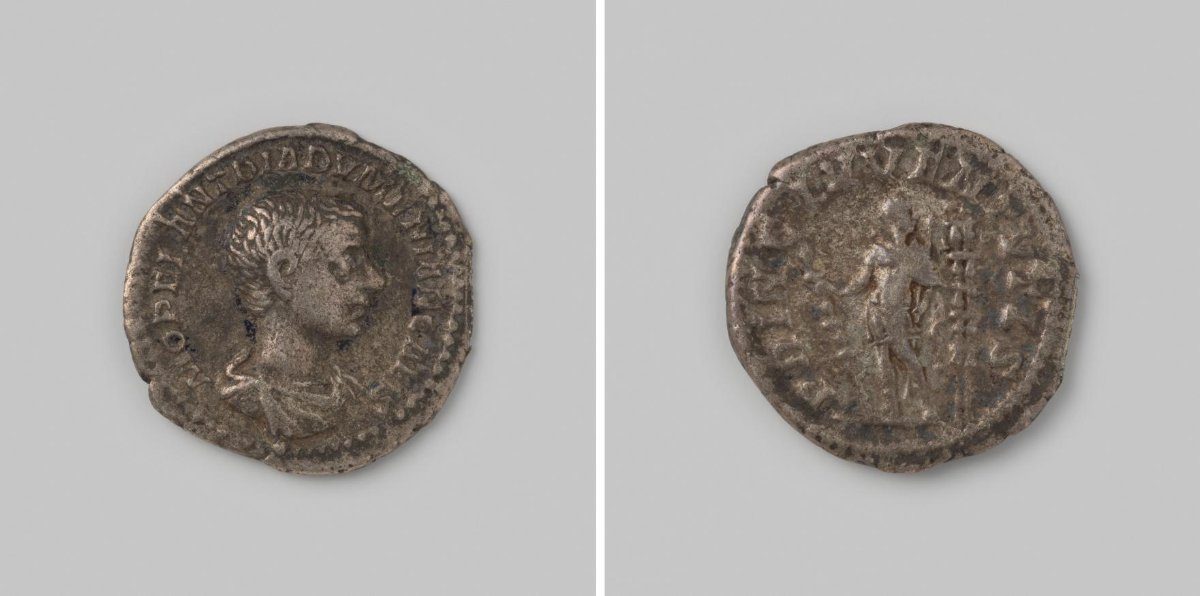
Rijksmuseum, Amsterdam
ancient coins
Denarius from the Roman Empire of Diadumenian, 218
217 - 218
Reverse: the emperor standing with his head facing right, holding a sceptre in his right hand and a standard in his left, to the right of him two more standards. The Rijksmuseum, Amsterdam, holds this object as KOG-MP-1-0071B; its record gives material recorded as silver (metal); technique striking (metalworking); m…
Partial type record
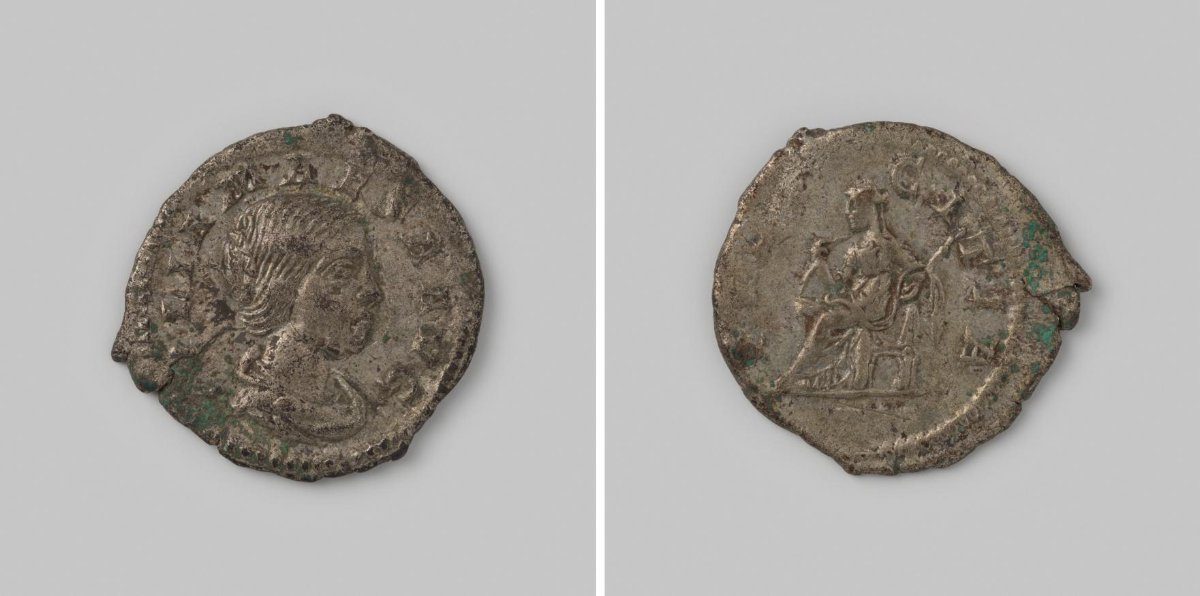
Rijksmuseum, Amsterdam
ancient coins
Denarius from the Roman Empire of Elagabalus, in the name of Julia Maesa, 222-223
222 - 223
Reverse: the goddess Pudicitia seated facing left, holding a sceptre in her left hand and drawing a veil over her face with her right hand. The Rijksmuseum, Amsterdam, holds this object as KOG-MP-1-0071C; its record gives material recorded as silver (metal); technique striking (metalworking); measurements diameter 2…
Partial type record