Catalogue
Ancient Coins
Greek, Roman, Byzantine, Celtic, Persian, Indian, Chinese and other pre-medieval coinages.
Catalogue entries (3,128)
Filter by era, country, maker or material2,881–2,928 of 3,128 entries
Corpus Nummorum (Berlin-Brandenburg Academy of Sciences and Humanities)
ancient coins
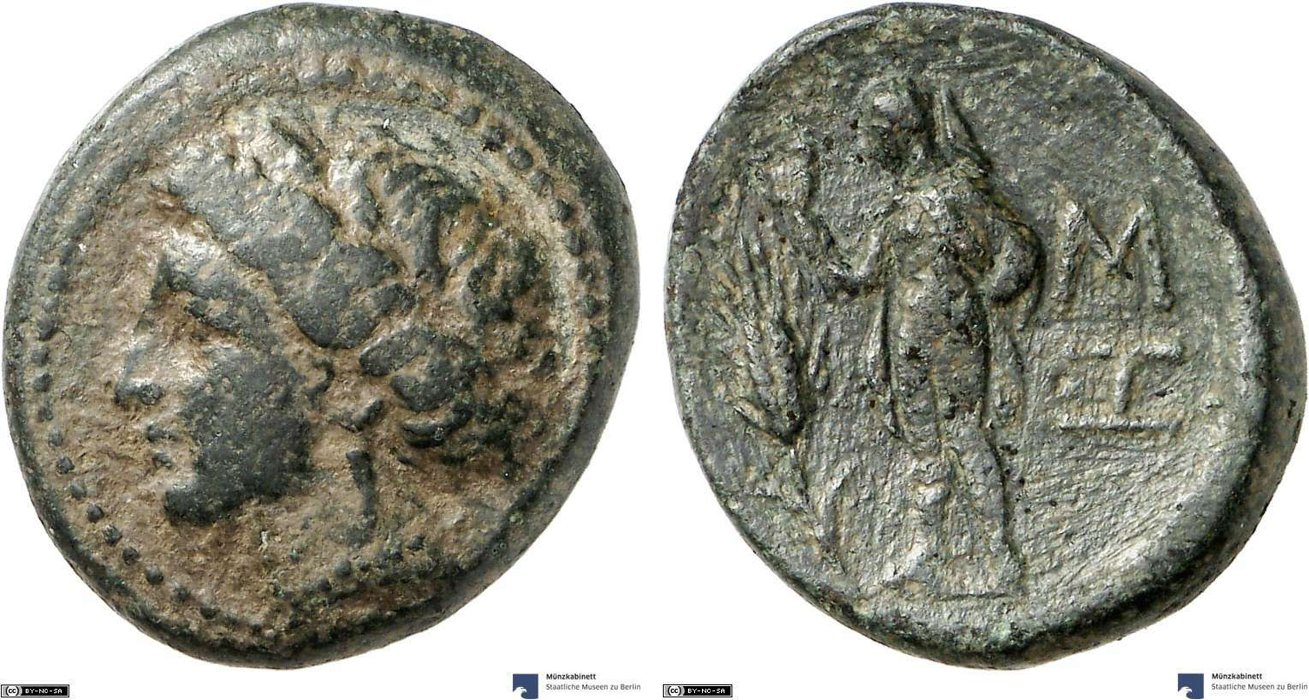
Sestos, large denomination (bronze) — Naked Hermes with caduceus and chlamys (CN type 11970)
c. 310–290 BC
Large denomination (bronze) struck at Sestos in Thrace, dated c. 310–290 BC. Corpus Nummorum, the online type corpus of the Berlin-Brandenburg Academy of Sciences and Humanities, records it as CN type 11970 (period: Hellenistic Period; issuing authority type: city). Obverse: Female head, left, wearing earring and s…
Research required
Photograph: American Numismatic Society; Corpus Nummorum (Berlin-Brandenburg Academy of Sciences and Humanities)
ancient coins
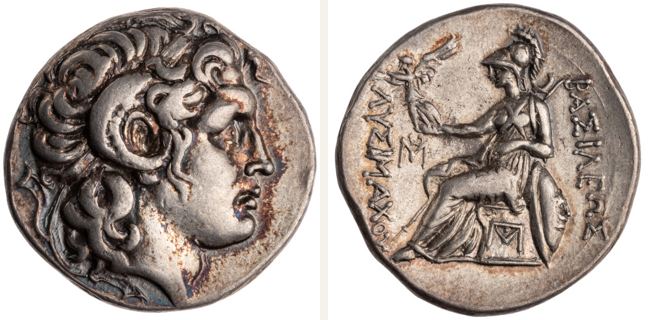
Sestos, Lysimachos, tetradrachm — Athena seated left (CN type 12247)
c. 297/296–282/281 BC
Tetradrachm in silver struck at Sestos in Thrace under Lysimachos, dated c. 297/296–282/281 BC. Corpus Nummorum, the online type corpus of the Berlin-Brandenburg Academy of Sciences and Humanities, records it as CN type 12247 (period: Hellenistic Period; issuing authority type: ruler). Obverse: Diademed head of dei…
Research required
Corpus Nummorum (Berlin-Brandenburg Academy of Sciences and Humanities)
ancient coins
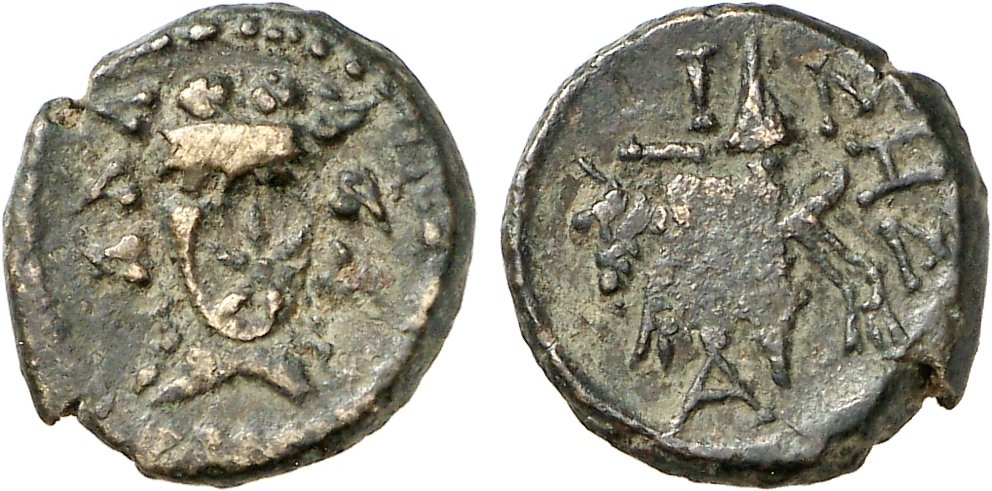
Sestos, middle denomination (Bronze) — Thyrsos (CN type 11946)
c. 150–100 BC
Middle denomination (Bronze) struck at Sestos in Thrace, dated c. 150–100 BC. Corpus Nummorum, the online type corpus of the Berlin-Brandenburg Academy of Sciences and Humanities, records it as CN type 11946 (period: Hellenistic Period; issuing authority type: city). Obverse: Head of (youthful) Dionysos wearing ivy…
Research required
Photograph: H. I.; Corpus Nummorum (Berlin-Brandenburg Academy of Sciences and Humanities)
ancient coins
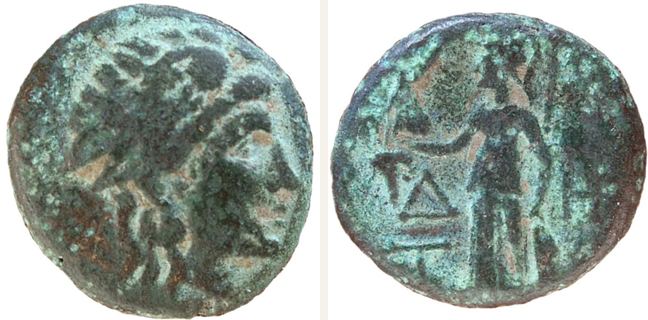
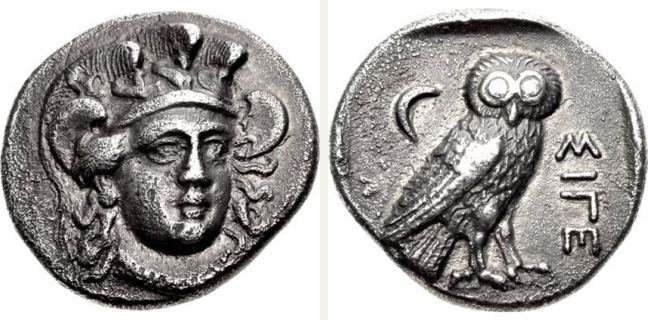
Side, bronze coin — Athena standing left (CN type 3168)
3rd century BC
Coin in bronze struck at Side, dated 3rd century BC. Corpus Nummorum, the online type corpus of the Berlin-Brandenburg Academy of Sciences and Humanities, records it as CN type 3168 (period: Hellenistic Period; issuing authority type: city). Obverse: Laureate head of Apollo, right. Reverse: Athena standing left, ho…
Research required
Photograph: Classical Numismatic Group; Corpus Nummorum (Berlin-Brandenburg Academy of Sciences and Humanities)
ancient coins
Sigeion, drachm — Owl standing right (CN type 22715)
c. 360–340 BC
Drachm in silver struck at Sigeion in Troas, dated c. 360–340 BC. Corpus Nummorum, the online type corpus of the Berlin-Brandenburg Academy of Sciences and Humanities, records it as CN type 22715 (period: Classical Period; issuing authority type: city). Obverse: Head of Athena three-quarter facing right, wearing tr…
Research required
The Metropolitan Museum of Art, New York
ancient coins
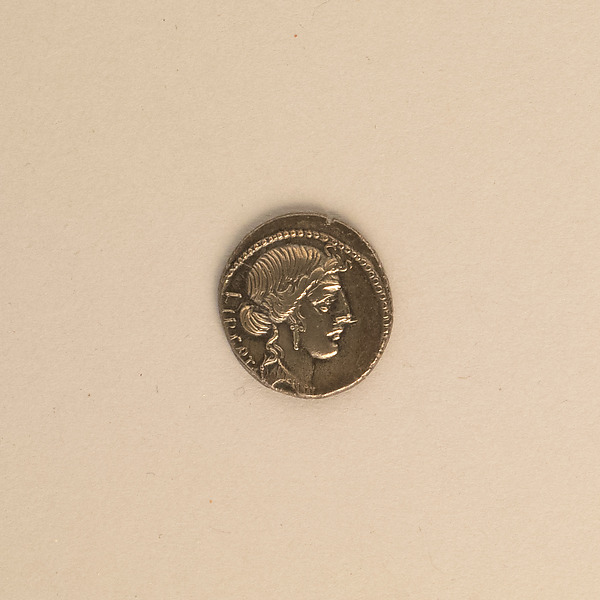
Silver denarius of Brutus, Roman, 54 BCE
54 BCE
Denarius in The Metropolitan Museum of Art, New York (accession 08.170.81), catalogued by the museum's Greek and Roman Art department under the title “Silver denarius of Brutus”. The museum dates it 54 BCE and records its origin as Roman; Late Republican. The museum records the medium as Silver and the dimensions as…
Partial type record
The Metropolitan Museum of Art, New York
ancient coins
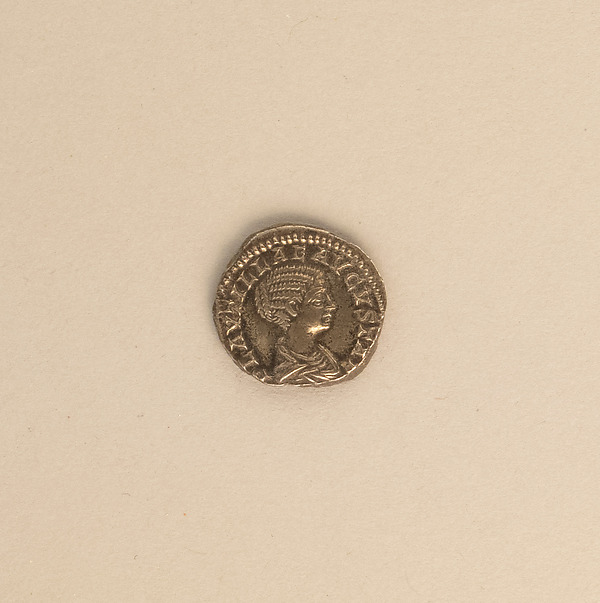
Silver denarius of Caracalla, Roman, 202–205 CE
202–205 CE
Denarius in The Metropolitan Museum of Art, New York (accession 08.170.342), catalogued by the museum's Greek and Roman Art department under the title “Silver denarius of Caracalla”. The museum dates it 202–205 CE and records its origin as Roman; Mid Imperial, Severan. The museum records the medium as Silver and the…
Partial type record
The Metropolitan Museum of Art, New York
ancient coins
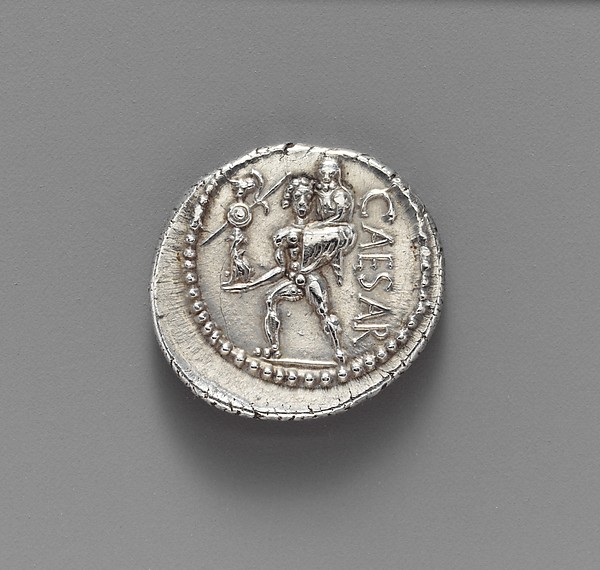
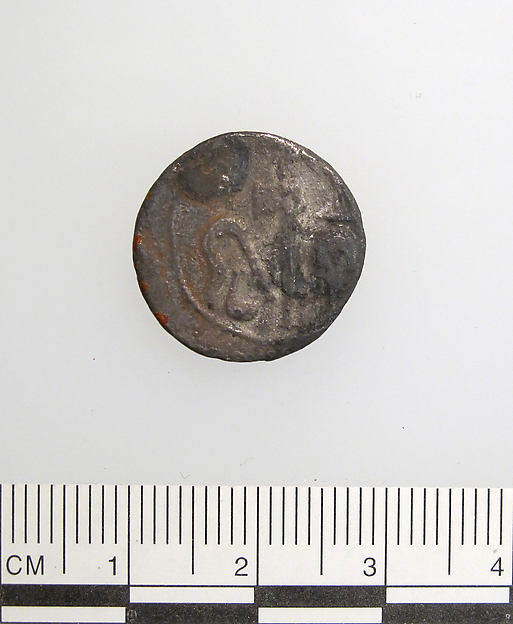
Silver denarius of Julius Caesar, Roman, 47–46 BCE
47–46 BCE
Denarius of Julius Caesar in The Metropolitan Museum of Art, New York (accession 08.170.80), catalogued by the museum's Greek and Roman Art department under the title “Silver denarius of Julius Caesar”. The museum dates it 47–46 BCE and records its origin as Roman; Late Republican. The museum records the medium as S…
Partial type record
The Metropolitan Museum of Art, New York
ancient coins
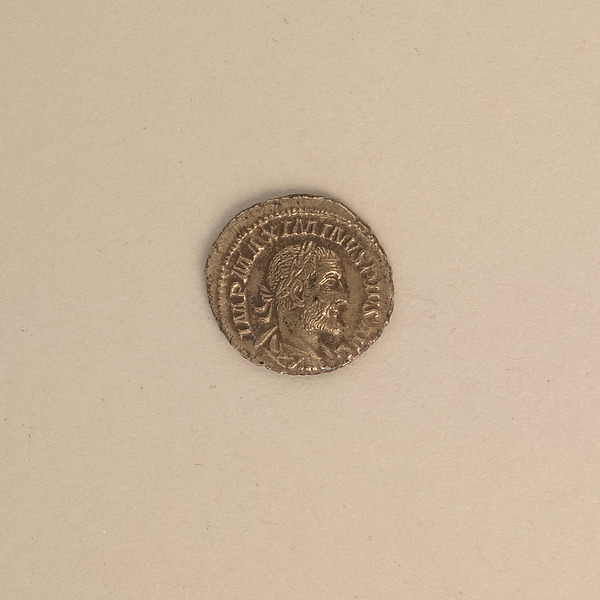
Silver denarius of Julius Caesar, Roman, Gaul, 49–48 BCE
49–48 BCE
Denarius in The Metropolitan Museum of Art, New York (accession X.314.5), catalogued by the museum's Greek and Roman Art department under the title “Silver denarius of Julius Caesar”. The museum dates it 49–48 BCE and records its origin as Roman, Gaul; Late Republican. The museum records the medium as Silver and the…
Partial type record
The Metropolitan Museum of Art, New York
ancient coins
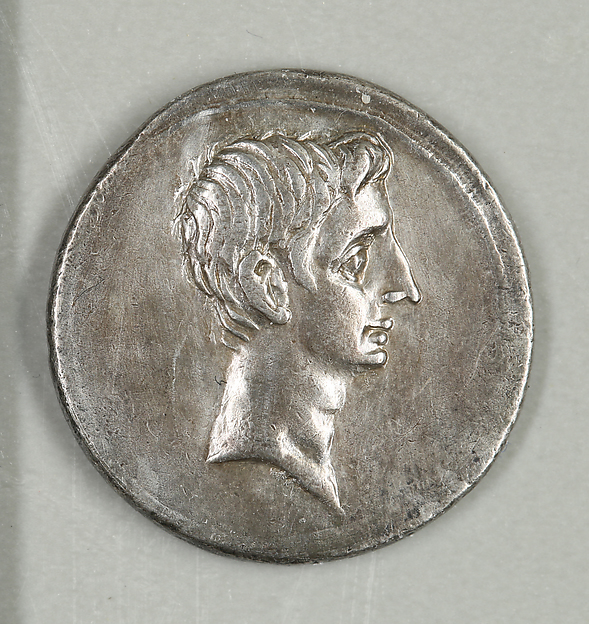
Silver denarius of Maximinus Thrax, Roman, 236 CE
236 CE
Denarius in The Metropolitan Museum of Art, New York (accession 08.170.346), catalogued by the museum's Greek and Roman Art department under the title “Silver denarius of Maximinus Thrax”. The museum dates it 236 CE and records its origin as Roman; Late Imperial. The museum records the medium as Silver and the dimen…
Partial type record
The Metropolitan Museum of Art, New York
ancient coins
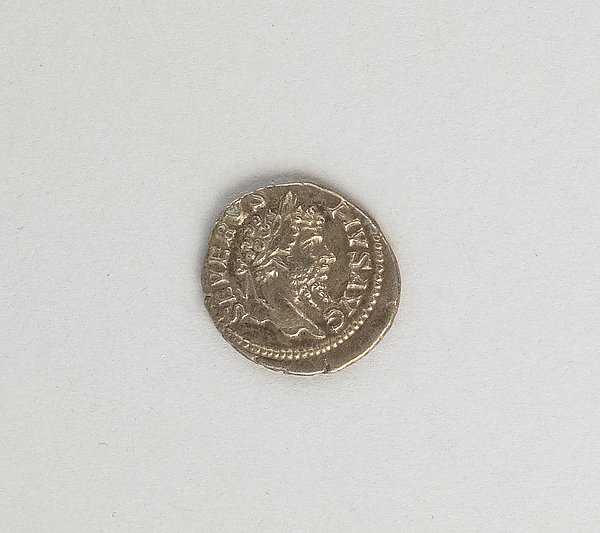
Silver denarius of Octavian, Roman, 29–27 BCE
29–27 BCE
Denarius of Octavian in The Metropolitan Museum of Art, New York (accession 08.170.88), catalogued by the museum's Greek and Roman Art department under the title “Silver denarius of Octavian”. The museum dates it 29–27 BCE and records its origin as Roman; Late Republican. The museum records the medium as Silver and…
Partial type record
The Metropolitan Museum of Art, New York
ancient coins
Silver denarius of Septimius Severus, Roman, 202–210 CE
202–210 CE
Denarius in The Metropolitan Museum of Art, New York (accession 08.170.334), catalogued by the museum's Greek and Roman Art department under the title “Silver denarius of Septimius Severus”. The museum dates it 202–210 CE and records its origin as Roman; Mid Imperial, Severan. The museum records the medium as Silver…
Partial type record
The Metropolitan Museum of Art, New York
ancient coins
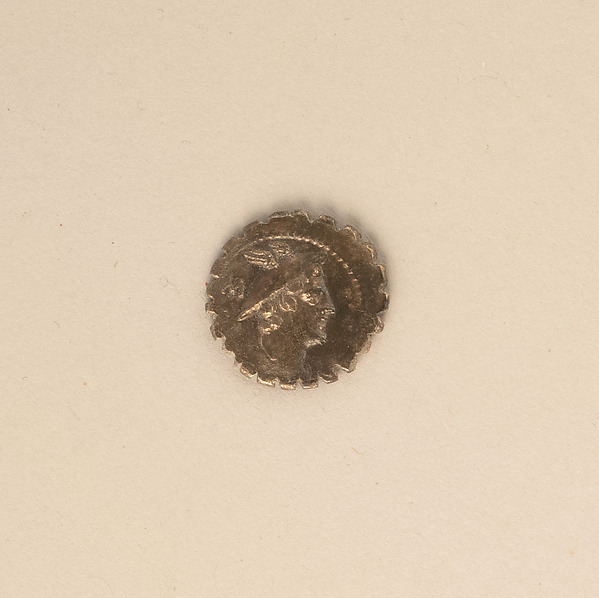
Silver denarius serratus of Mamilius Limetanus, Roman, 82 BCE
82 BCE
Denarius in The Metropolitan Museum of Art, New York (accession 08.170.82), catalogued by the museum's Greek and Roman Art department under the title “Silver denarius serratus of Mamilius Limetanus”. The museum dates it 82 BCE and records its origin as Roman; Late Republican. The museum records the medium as Silver…
Partial type record
The Metropolitan Museum of Art, New York
ancient coins
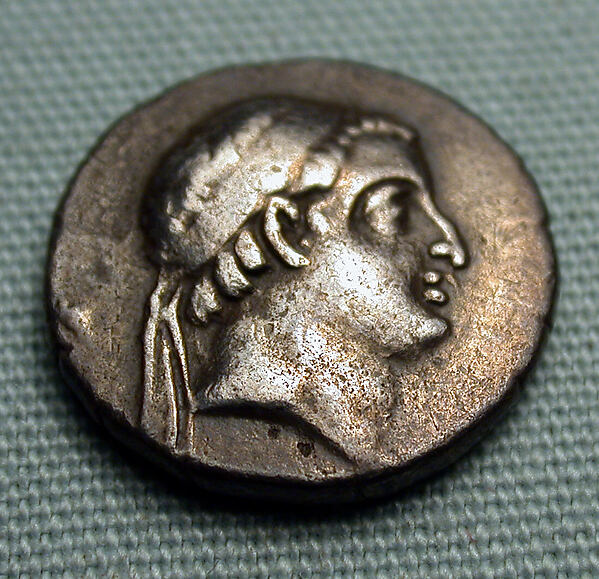
Silver Drachm of Ariobarzanes I, Greek, Cappadocia, Eusebeia, ca. 96–63 BC
ca. 96–63 BC
Drachm in The Metropolitan Museum of Art, New York (accession 2021.40.78), catalogued by the museum's Greek and Roman Art department under the title “Silver Drachm of Ariobarzanes I”. The museum dates it ca. 96–63 BC and records its origin as Greek, Cappadocia, Eusebeia. The museum records the medium as Silver and t…
Partial type record
The Metropolitan Museum of Art, New York
ancient coins
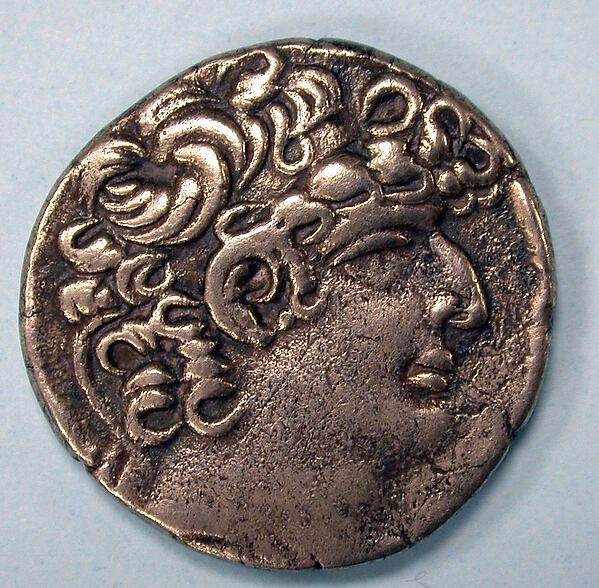
Silver Tetradrachm of Antiochus VIII, Greek, Seleucid, ca. 121–97 BC
ca. 121–97 BC
Tetradrachm in The Metropolitan Museum of Art, New York (accession 2021.40.88), catalogued by the museum's Greek and Roman Art department under the title “Silver Tetradrachm of Antiochus VIII”. The museum dates it ca. 121–97 BC and records its origin as Greek, Seleucid; Hellenistic. The museum records the medium as…
Partial type record
The Metropolitan Museum of Art, New York
ancient coins
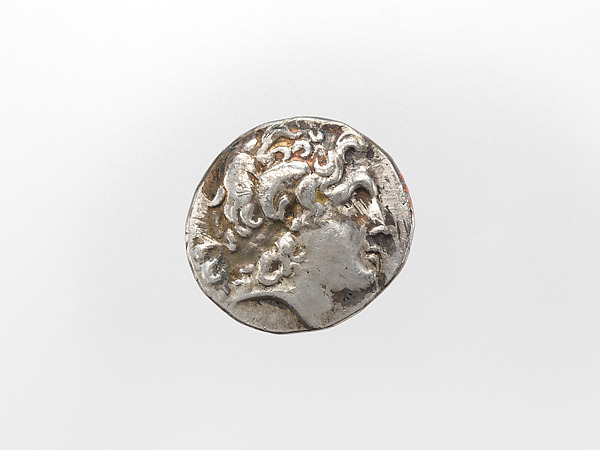
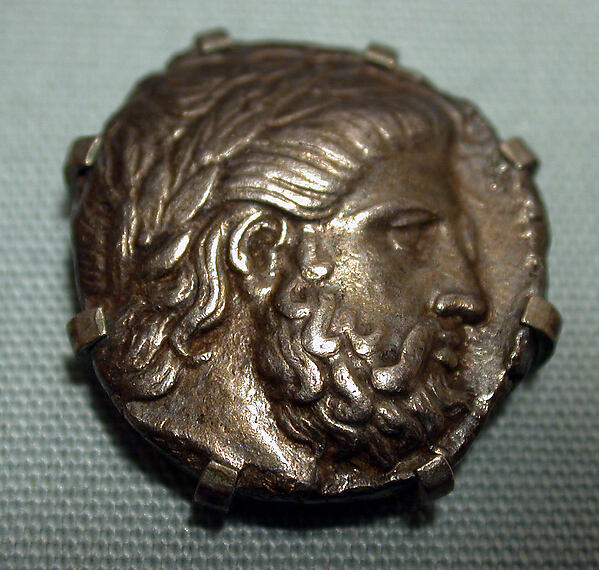
Silver tetradrachm of Lysimachos, Greek, Macedonian, 297–281 BCE
297–281 BCE
Tetradrachm in The Metropolitan Museum of Art, New York (accession 05.44.430), catalogued by the museum's Greek and Roman Art department under the title “Silver tetradrachm of Lysimachos”. The museum dates it 297–281 BCE and records its origin as Greek, Macedonian; Hellenistic. The museum records the medium as Silve…
Partial type record
The Metropolitan Museum of Art, New York
ancient coins
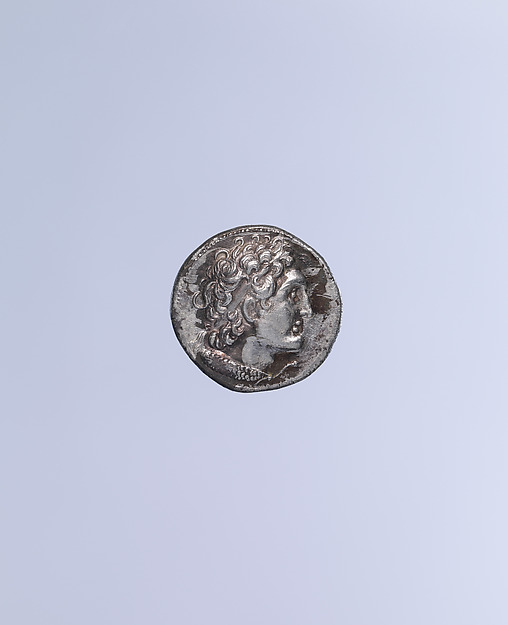
Silver Tetradrachm of Philip II, Greek, Macedon, ca. 359–355 BC
ca. 359–355 BC
Tetradrachm in The Metropolitan Museum of Art, New York (accession 2021.40.81), catalogued by the museum's Greek and Roman Art department under the title “Silver Tetradrachm of Philip II”. The museum dates it ca. 359–355 BC and records its origin as Greek, Macedon. The museum records the medium as Silver and the dim…
Partial type record
The Metropolitan Museum of Art, New York
ancient coins
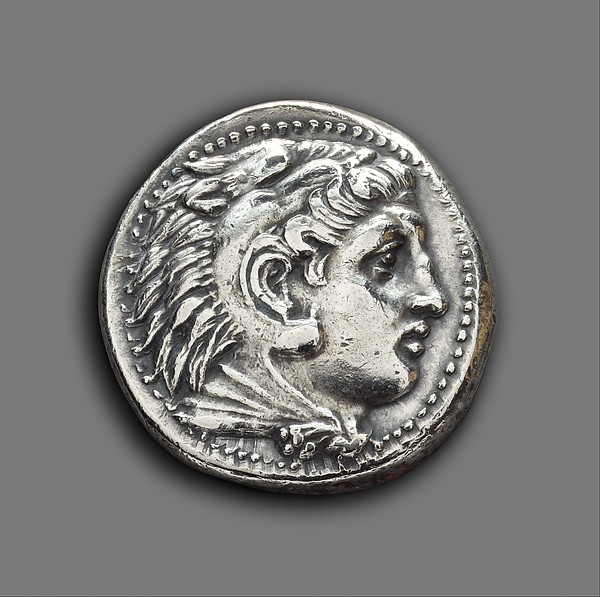
Silver tetradrachm of Ptolemy VIII Euergetes, Ptolemaic, 164–145 BCE
164–145 BCE
Tetradrachm in The Metropolitan Museum of Art, New York (accession 05.44.884), catalogued by the museum's Greek and Roman Art department under the title “Silver tetradrachm of Ptolemy VIII Euergetes”. The museum dates it 164–145 BCE and records its origin as Ptolemaic; Hellenistic. The museum records the medium as S…
Partial type record
The Metropolitan Museum of Art, New York
ancient coins
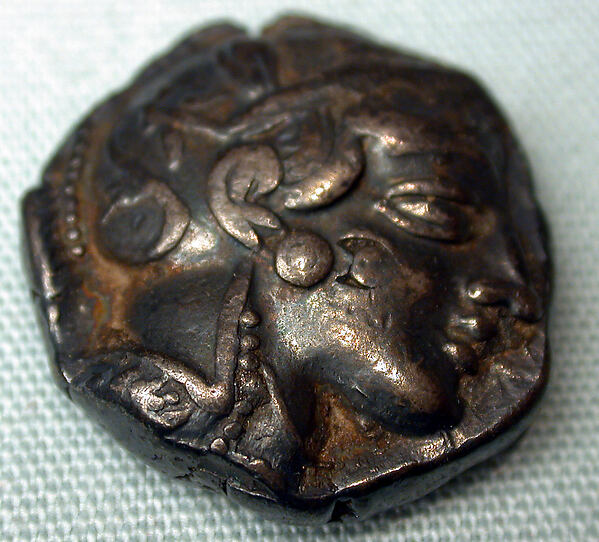
Silver tetradrachm, Greek, 315–308 BCE
315–308 BCE
Tetradrachm in The Metropolitan Museum of Art, New York (accession 05.44.388), catalogued by the museum's Greek and Roman Art department under the title “Silver tetradrachm”. The museum dates it 315–308 BCE and records its origin as Greek; Hellenistic. The museum records the medium as Silver and the dimensions as Di…
Partial type record
The Metropolitan Museum of Art, New York
ancient coins
Silver tetradrachm, Greek, Attica, ca. 440–404 BC
ca. 440–404 BC
Tetradrachm in The Metropolitan Museum of Art, New York (accession 2021.40.80), catalogued by the museum's Greek and Roman Art department under the title “Silver tetradrachm”. The museum dates it ca. 440–404 BC and records its origin as Greek, Attica. The museum records the medium as Silver and the dimensions as 15/…
Partial type record
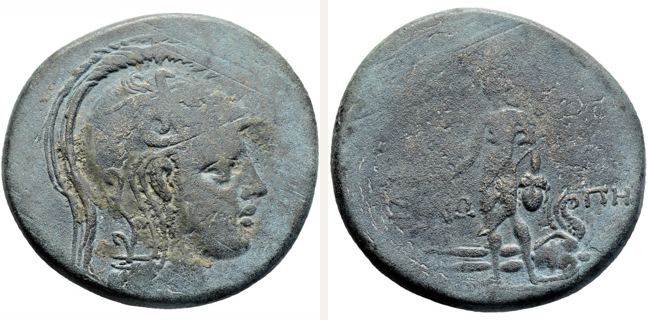
Photograph: Time - Numismatic (formerly Rönesans Salzgitter); Corpus Nummorum (Berlin-Brandenburg Academy of Sciences and Humanities)
ancient coins
Sinope, bronze coin — Perseus standing facing holding Medusa‘s head and harpa (CN type 24483)
90–85 BC
Coin in bronze struck at Sinope, dated 90–85 BC. Corpus Nummorum, the online type corpus of the Berlin-Brandenburg Academy of Sciences and Humanities, records it as CN type 24483 (period: Hellenistic Period; issuing authority type: city). Obverse: Head of Athena, right, wearing helmet. Reverse: Perseus standing fac…
Research required
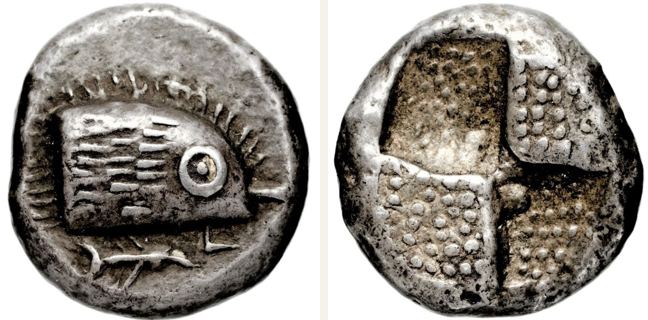
Photograph: Bibliothèque nationale de France; Corpus Nummorum (Berlin-Brandenburg Academy of Sciences and Humanities)
ancient coins
Sinope, drachm — Quadratum incusum with dotted surface (CN type 22922)
c. 490–425 BC
Drachm in silver struck at Sinope, dated c. 490–425 BC. Corpus Nummorum, the online type corpus of the Berlin-Brandenburg Academy of Sciences and Humanities, records it as CN type 22922 (period: Classical Period; issuing authority type: city). Obverse: Eagle head right above a dolphin right. Reverse: Quadratum incu…
Research required
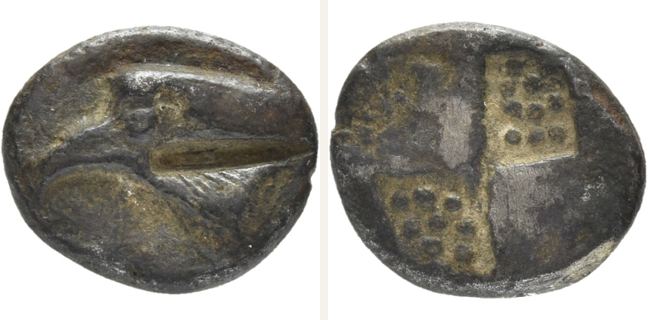
Photograph: Bernhard Weisser; Corpus Nummorum (Berlin-Brandenburg Academy of Sciences and Humanities); specimen held by ikmk.smb.museum
ancient coins
Sinope, drachm — Quadratum incusum with dotted surface (CN type 23940)
c. 425–410 BC
Drachm in silver struck at Sinope, dated c. 425–410 BC. Corpus Nummorum, the online type corpus of the Berlin-Brandenburg Academy of Sciences and Humanities, records it as CN type 23940 (period: Classical Period; issuing authority type: city). Obverse: Eagle head left. Reverse: Quadratum incusum with dotted surface…
Research required
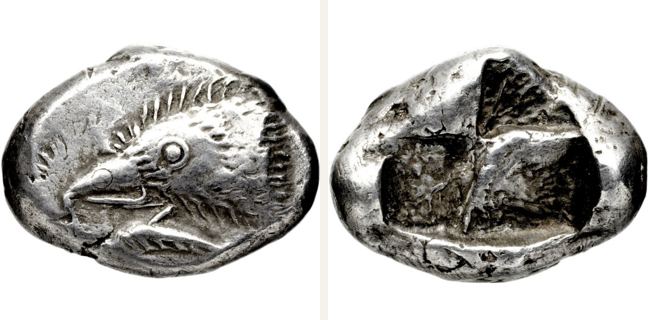
Photograph: Corpus Nummorum; Corpus Nummorum (Berlin-Brandenburg Academy of Sciences and Humanities)
ancient coins
Sinope, drachm — Quadripartite incuse square (CN type 22925)
c. 490–425 BC
Drachm in silver struck at Sinope, dated c. 490–425 BC. Corpus Nummorum, the online type corpus of the Berlin-Brandenburg Academy of Sciences and Humanities, records it as CN type 22925 (period: Classical Period; issuing authority type: city). Obverse: Eagle head left above a dolphin left. Reverse: Quadripartite in…
Research required
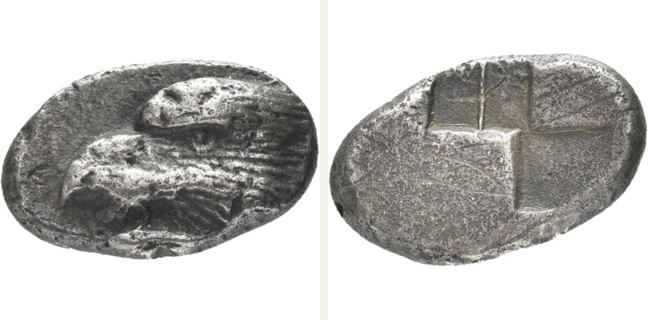
Photograph: Bernhard Weisser; Corpus Nummorum (Berlin-Brandenburg Academy of Sciences and Humanities); specimen held by ikmk.smb.museum
ancient coins
Sinope, drachm — Quadripartite incuse square (CN type 23935)
c. 425–410 BC
Drachm in silver struck at Sinope, dated c. 425–410 BC. Corpus Nummorum, the online type corpus of the Berlin-Brandenburg Academy of Sciences and Humanities, records it as CN type 23935 (period: Classical Period; issuing authority type: city). Obverse: Eagle head left above a dolphin left. Reverse: Quadripartite in…
Research required
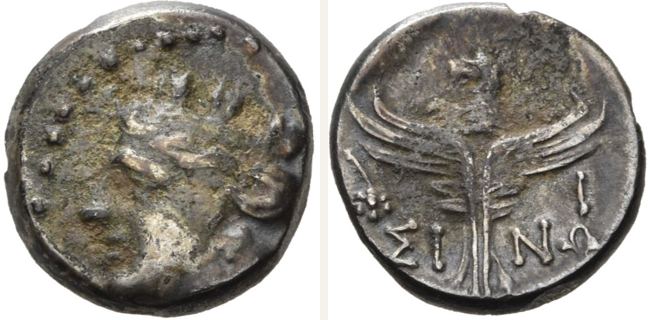
Photograph: Bernhard Weisser; Corpus Nummorum (Berlin-Brandenburg Academy of Sciences and Humanities); specimen held by ikmk.smb.museum
ancient coins
Sinope, silver coin — Eagle standing facing (CN type 24514)
330–250 BC
Coin in silver struck at Sinope, dated 330–250 BC. Corpus Nummorum, the online type corpus of the Berlin-Brandenburg Academy of Sciences and Humanities, records it as CN type 24514 (period: Hellenistic Period; issuing authority type: city). Obverse: Head of nymphe Sinope, left, wearing turreted stephane. Reverse: E…
Research required
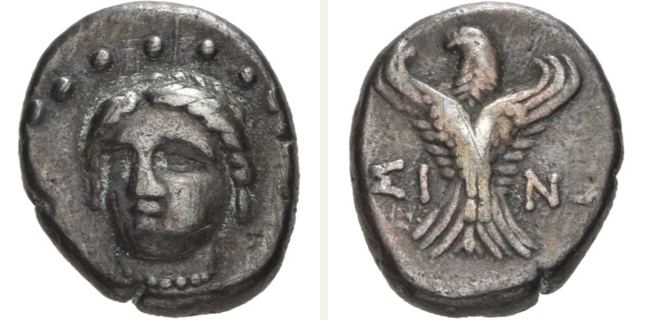
Photograph: Bernhard Weisser; Corpus Nummorum (Berlin-Brandenburg Academy of Sciences and Humanities); specimen held by ikmk.smb.museum
ancient coins
Sinope, silver coin — Eagle standing facing (CN type 24516)
330–300 BC
Coin in silver struck at Sinope, dated 330–300 BC. Corpus Nummorum, the online type corpus of the Berlin-Brandenburg Academy of Sciences and Humanities, records it as CN type 24516 (period: Hellenistic Period; issuing authority type: city). Obverse: Head of nymphe Sinope facing three-quarters to left, wearing neckl…
Research required
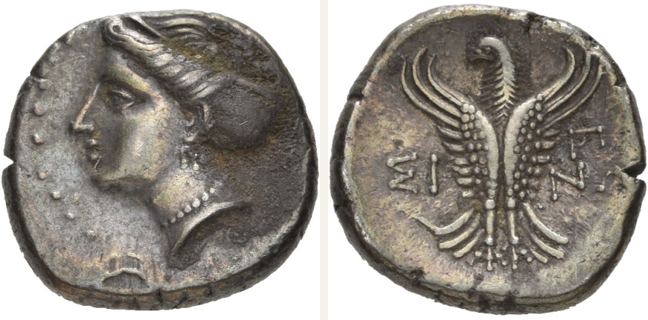
Photograph: Bernhard Weisser; Corpus Nummorum (Berlin-Brandenburg Academy of Sciences and Humanities); specimen held by ikmk.smb.museum
ancient coins
Sinope, silver coin — Eagle standing facing (CN type 24517)
330–300 BC
Coin in silver struck at Sinope, dated 330–300 BC. Corpus Nummorum, the online type corpus of the Berlin-Brandenburg Academy of Sciences and Humanities, records it as CN type 24517 (period: Hellenistic Period; issuing authority type: city). Obverse: Head of nymphe Sinope, left, wearing sphendone. Reverse: Eagle sta…
Research required
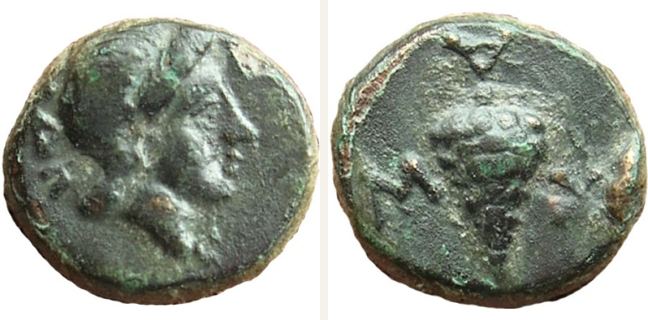
Photograph: H.I., Lemgo; Corpus Nummorum (Berlin-Brandenburg Academy of Sciences and Humanities)
ancient coins
Skamandria, bronze coin — Fir cone (CN type 19462)
c. 350–300 BC
Coin in bronze struck at Skamandria in Troas, dated c. 350–300 BC. Corpus Nummorum, the online type corpus of the Berlin-Brandenburg Academy of Sciences and Humanities, records it as CN type 19462 (period: Classical/Hellenistic Period). Obverse: Fir-wreathed head of a goddess (Ide), right. Reverse: Fir cone. Legend…
Research required
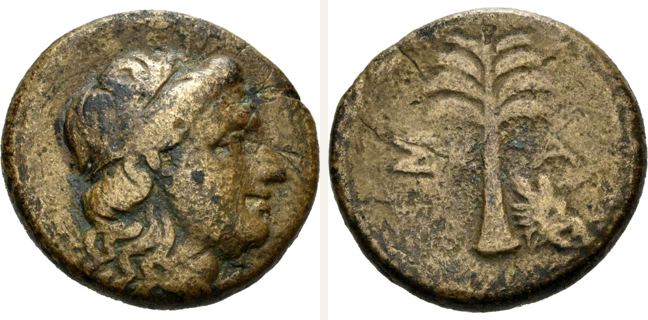
Photograph: Corpus Nummorum; Corpus Nummorum (Berlin-Brandenburg Academy of Sciences and Humanities)
ancient coins
Skamandria, bronze coin — Fir-tree (CN type 12921)
second half of the 4th century BC
Coin in bronze struck at Skamandria in Troas, dated second half of the 4th century BC. Corpus Nummorum, the online type corpus of the Berlin-Brandenburg Academy of Sciences and Humanities, records it as CN type 12921 (period: Classical/Hellenistic Period; issuing authority type: city). Obverse: Fir-wreathed head of…
Research required
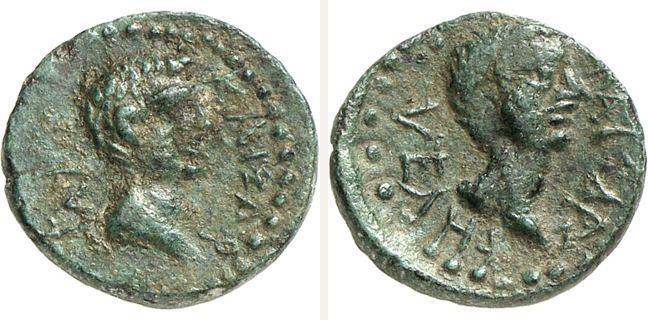
Photograph: Lutz-Jürgen Lübke (Lübke und Wiedemann); Corpus Nummorum (Berlin-Brandenburg Academy of Sciences and Humanities); specimen held by ikmk.smb.museum
ancient coins
Skepsis, Augustus, bronze coin — Bare head of Lucius Caesar (CN type 18621)
31 BC to AD –14
Coin in bronze struck at Skepsis in Troas under Augustus, dated 31 BC to AD –14. Corpus Nummorum, the online type corpus of the Berlin-Brandenburg Academy of Sciences and Humanities, records it as CN type 18621 (period: Roman Imperial Period; issuing authority type: city). Obverse: bare head of Gaius Caesar, right.…
Research required
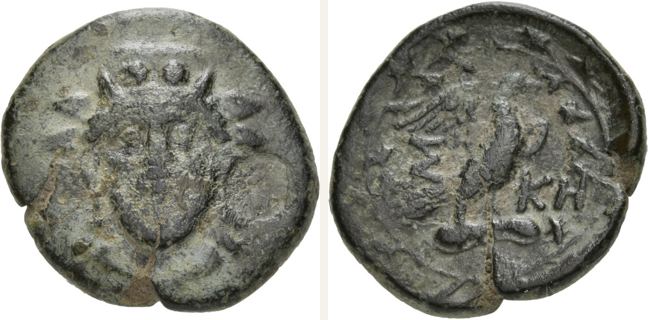
Photograph: Corpus Nummorum; Corpus Nummorum (Berlin-Brandenburg Academy of Sciences and Humanities)
ancient coins
Skepsis, bronze coin — Eagle with spread wings standing on base (CN type 19665)
c. 200–75 BC
Coin in bronze struck at Skepsis in Troas, dated c. 200–75 BC. Corpus Nummorum, the online type corpus of the Berlin-Brandenburg Academy of Sciences and Humanities, records it as CN type 19665 (period: Hellenistic Period; issuing authority type: city). Obverse: Horned head of Dionysos, facing, wearing kalathos and…
Research required
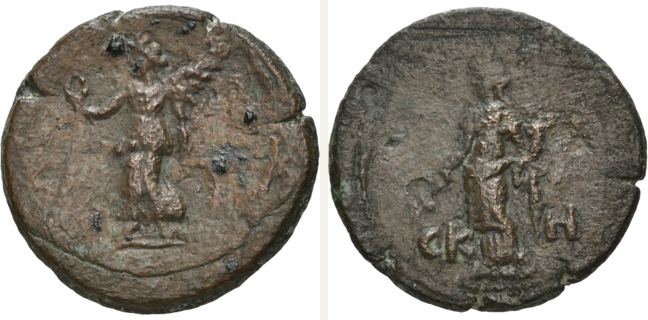
Photograph: Corpus Nummorum; Corpus Nummorum (Berlin-Brandenburg Academy of Sciences and Humanities)
ancient coins
Skepsis, bronze coin — Female goddess standing left (CN type 19682)
1st–2nd century AD
Coin in bronze struck at Skepsis in Troas, dated 1st–2nd century AD. Corpus Nummorum, the online type corpus of the Berlin-Brandenburg Academy of Sciences and Humanities, records it as CN type 19682 (period: Roman Imperial Period; issuing authority type: city). Obverse: Nike standing left, holding laurel wreath in…
Research required
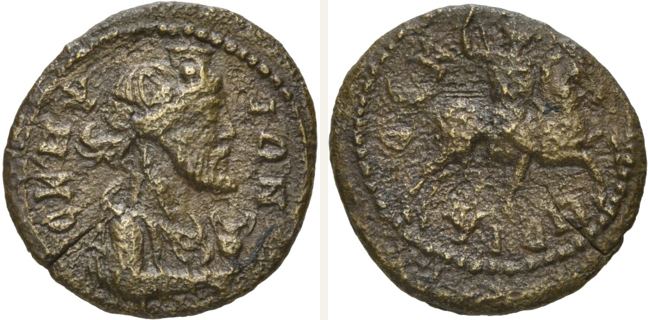
Photograph: Corpus Nummorum; Corpus Nummorum (Berlin-Brandenburg Academy of Sciences and Humanities)
ancient coins
Skepsis, bronze coin — Horseman galopping right (CN type 18956)
c. AD 169–235
Coin in bronze struck at Skepsis in Troas, dated c. AD 169–235. Corpus Nummorum, the online type corpus of the Berlin-Brandenburg Academy of Sciences and Humanities, records it as CN type 18956 (period: Roman Imperial Period; issuing authority type: city). Obverse: Draped bearded bust of Dionysus, right, wearing iv…
Research required
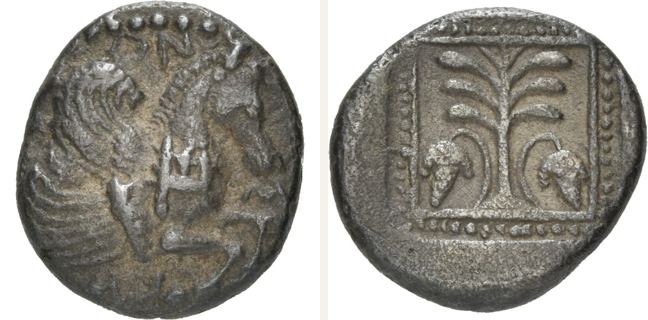
Photograph: Corpus Nummorum; Corpus Nummorum (Berlin-Brandenburg Academy of Sciences and Humanities)
ancient coins
Skepsis, drachm — Fir-tree between two bunches of grapes within linear square and (CN type 20820)
c. 450–400 BC
Drachm in silver struck at Skepsis in Troas, dated c. 450–400 BC. Corpus Nummorum, the online type corpus of the Berlin-Brandenburg Academy of Sciences and Humanities, records it as CN type 20820 (period: Classical Period; issuing authority type: city). Obverse: Forepart of winged horse, right. On neck, a symbol. L…
Research required
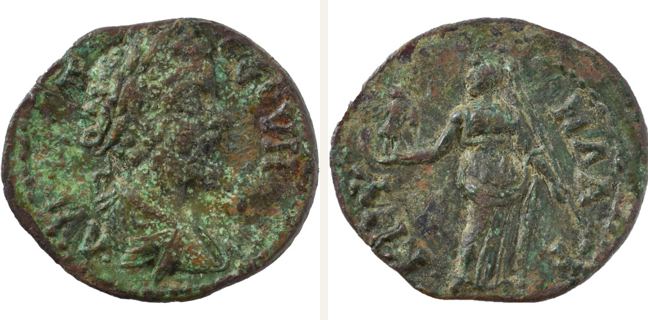
Photograph: Bernisches Historisches Museum; Corpus Nummorum (Berlin-Brandenburg Academy of Sciences and Humanities)
ancient coins
Skepsis, Septimius Severus, bronze coin — Aphrodite standing left (CN type 21939)
AD 193–217
Coin in bronze struck at Skepsis in Troas under Septimius Severus, dated AD 193–217. Corpus Nummorum, the online type corpus of the Berlin-Brandenburg Academy of Sciences and Humanities, records it as CN type 21939 (period: Roman Imperial Period; issuing authority type: city). Obverse: Laureate and cuirassed bust o…
Research required
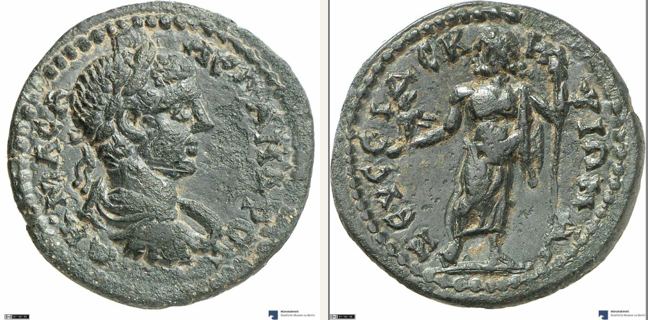
Photograph: Lutz-Jürgen Lübke (Lübke & Wiedemann); Corpus Nummorum (Berlin-Brandenburg Academy of Sciences and Humanities); specimen held by ikmk.smb.museum
ancient coins
Skepsis, Severus Alexander, bronze coin — Cult statue of Zeus Idaios (CN type 19192)
AD 222–235
Coin in bronze struck at Skepsis in Troas under Severus Alexander, dated AD 222–235. Corpus Nummorum, the online type corpus of the Berlin-Brandenburg Academy of Sciences and Humanities, records it as CN type 19192 (period: Roman Imperial Period; issuing authority type: city). Obverse: Laureate bust of Severus Alex…
Research required
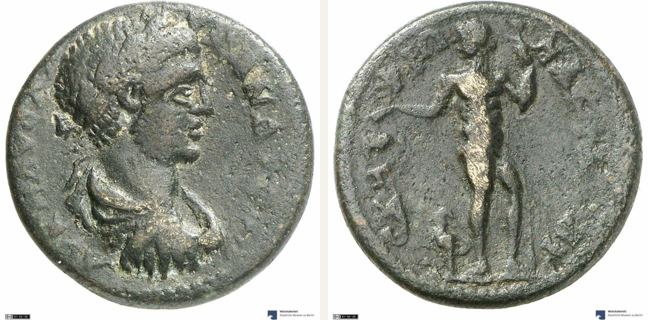
Photograph: Lutz-Jürgen Lübke (Lübke & Wiedemann); Corpus Nummorum (Berlin-Brandenburg Academy of Sciences and Humanities); specimen held by ikmk.smb.museum
ancient coins
Skepsis, Severus Alexander, bronze coin — Dionysus standing l (CN type 19191)
AD 222–235
Coin in bronze struck at Skepsis in Troas under Severus Alexander, dated AD 222–235. Corpus Nummorum, the online type corpus of the Berlin-Brandenburg Academy of Sciences and Humanities, records it as CN type 19191 (period: Roman Imperial Period; issuing authority type: city). Obverse: Laureate bust of Severus Alex…
Research required
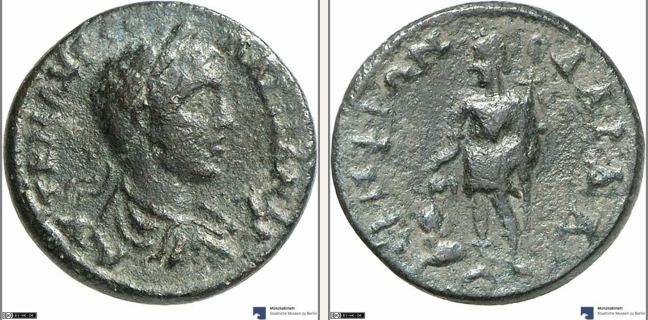
Photograph: Lutz-Jürgen Lübke (Lübke & Wiedemann); Corpus Nummorum (Berlin-Brandenburg Academy of Sciences and Humanities); specimen held by ikmk.smb.museum
ancient coins
Skepsis, Severus Alexander, bronze coin — Dionysus standing left (CN type 19196)
AD 222–235
Coin in bronze struck at Skepsis in Troas under Severus Alexander, dated AD 222–235. Corpus Nummorum, the online type corpus of the Berlin-Brandenburg Academy of Sciences and Humanities, records it as CN type 19196 (period: Roman Imperial Period; issuing authority type: city). Obverse: Laureate bust of Severus Alex…
Research required
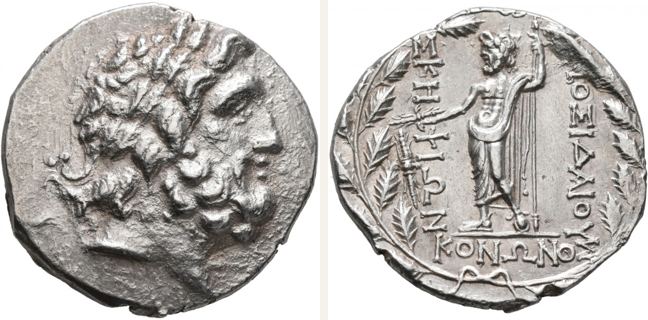
Photograph: Corpus Nummorum; Corpus Nummorum (Berlin-Brandenburg Academy of Sciences and Humanities)
ancient coins
Skepsis, tetradrachm — Zeus Idaios standing facing (CN type 20885)
c. 85–70 BC
Tetradrachm in silver struck at Skepsis in Troas, dated c. 85–70 BC. Corpus Nummorum, the online type corpus of the Berlin-Brandenburg Academy of Sciences and Humanities, records it as CN type 20885 (period: Hellenistic Period; issuing authority type: city). Obverse: Laureate head of Zeus, right. Reverse: Zeus Idai…
Research required
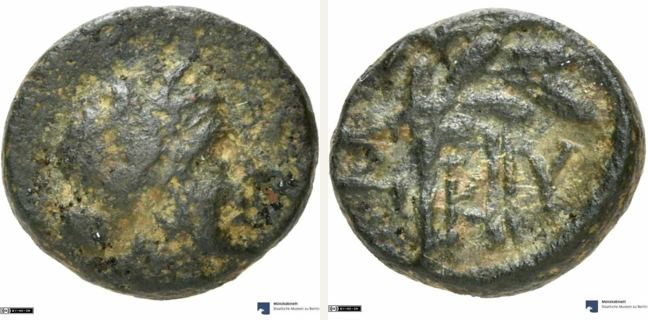
Photograph: Bernhard Weisser; Corpus Nummorum (Berlin-Brandenburg Academy of Sciences and Humanities); specimen held by ikmk.smb.museum
ancient coins
Skylake, bronze coin — Laurel-branch (CN type 19712)
c. 400–300 BC
Coin in bronze struck at Skylake in Mysia, dated c. 400–300 BC. Corpus Nummorum, the online type corpus of the Berlin-Brandenburg Academy of Sciences and Humanities, records it as CN type 19712 (period: Classical Period; issuing authority type: city). Obverse: Head of Apollo (?), right, wearing hair bun and wreath.…
Research required
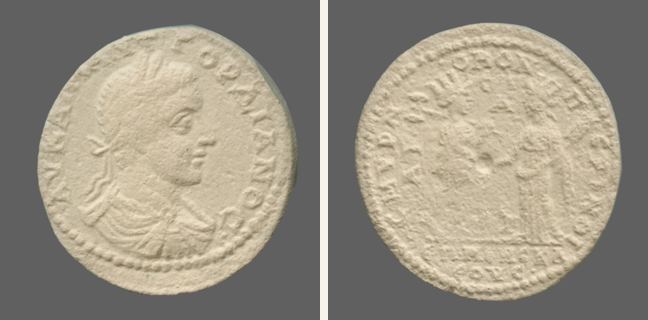
Photograph: BBAW; Corpus Nummorum (Berlin-Brandenburg Academy of Sciences and Humanities)
ancient coins
Smyrna, Gordian III., 4 unit — Amazon of Smyrna and Tyche of Perinthus (CN type 3411)
AD 238–244
4 unit in bronze struck at Smyrna under Gordian III., dated AD 238–244. Corpus Nummorum, the online type corpus of the Berlin-Brandenburg Academy of Sciences and Humanities, records it as CN type 3411 (period: Roman Imperial Period; issuing authority type: league). Obverse: Laureate bust of Gordian III, right, wear…
Research required
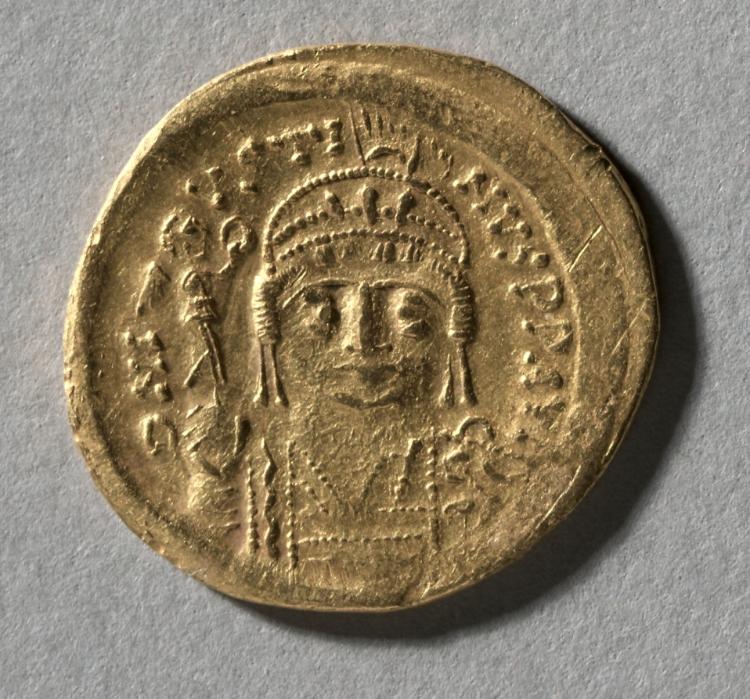
Cleveland Museum of Art
ancient coins
Solidus (Cleveland Museum of Art 2004.151)
565–578
Cleveland Museum of Art object 2004.151: Solidus, 565–578. Byzantine, 6th century. Gold; diameter: 2 cm (13/16 in.). Inscribed: (Avers): DNI VST NVSPPAVI (Revers): VICTORI AAVCCCH and CONOB. It is catalogued in the museum's Medieval Art department under Coins. Credit line: Gift of Dr. Thomas S. and Marion Korllos.…
Partial type record
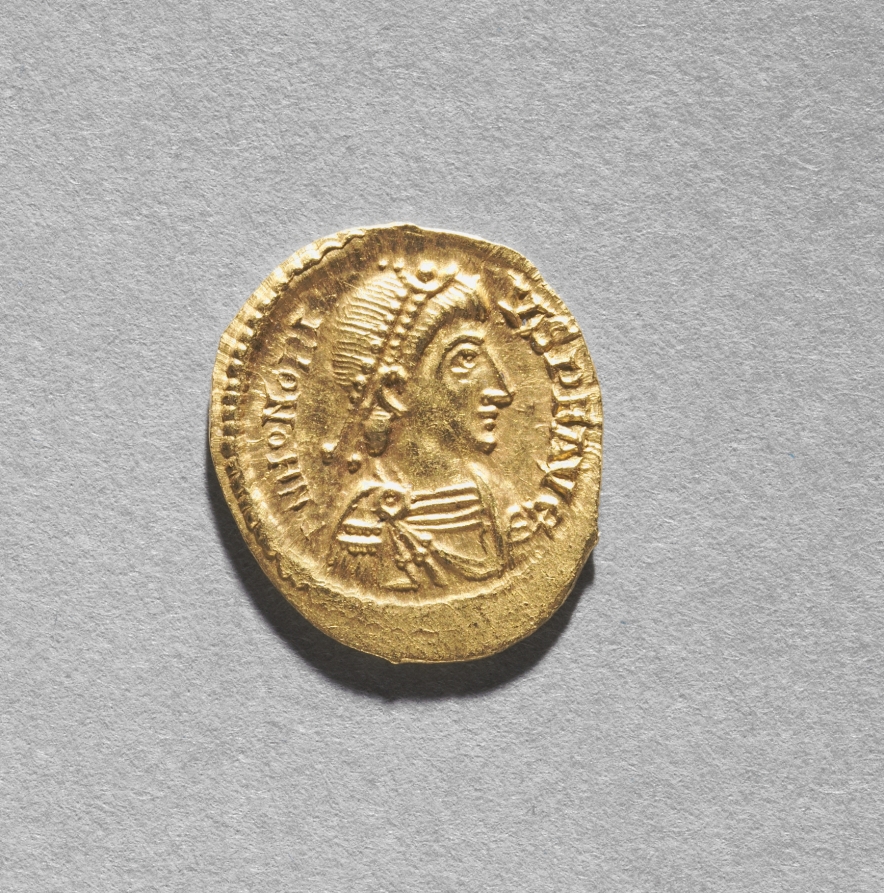
Cleveland Museum of Art
ancient coins
Solidus of Arkadios (Cleveland Museum of Art 1968.53)
395–408 CE
The coins shown here include the solidus, the basic gold coin of 24 karats; the tremissis, a gold coin of one-third the weight and value of the solidus; and the nomisma, which in the 10th century replaced the solidus as the standard gold coin. Cleveland Museum of Art object 1968.53: Solidus of Arkadios, 395–408 CE.…
Partial type record
The Metropolitan Museum of Art, New York
ancient coins
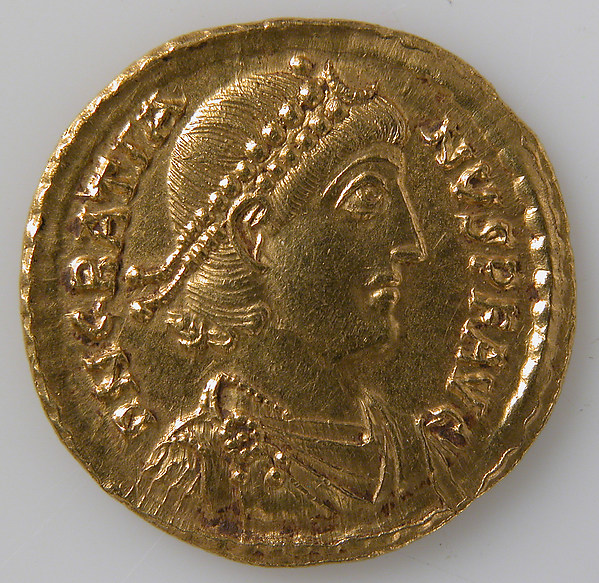
Solidus of Gratian (r. 375–383), Byzantine, 375–83
375–83
Solidus in The Metropolitan Museum of Art, New York (accession 67.265.17), catalogued by the museum's Medieval Art department under the title “Solidus of Gratian (r. 375–383)”. The museum dates it 375–83 and records its origin as Byzantine. The museum records the medium as Gold and the dimensions as Overall: 13/16 x…
Partial type record
Cleveland Museum of Art
ancient coins
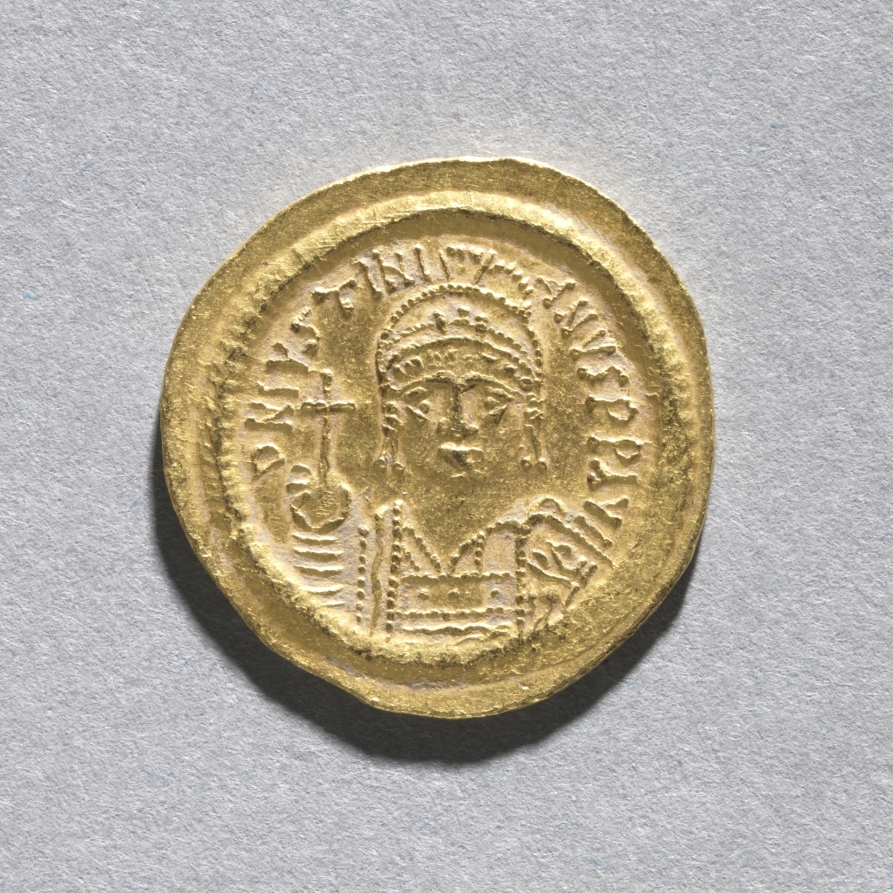
Solidus of Justinian I (Cleveland Museum of Art 1968.55)
c. 545–65
The solidus is the basic gold coin of 24 karats; the tremissis, a gold coin of one-third the weight and value of the solidus; and the nomisma, which replaced the solidus as the standard gold coin in the 900s. Cleveland Museum of Art object 1968.55: Solidus of Justinian I, c. 545–65. Byzantium, Constantinople, Byzant…
Partial type record
The Metropolitan Museum of Art, New York
ancient coins
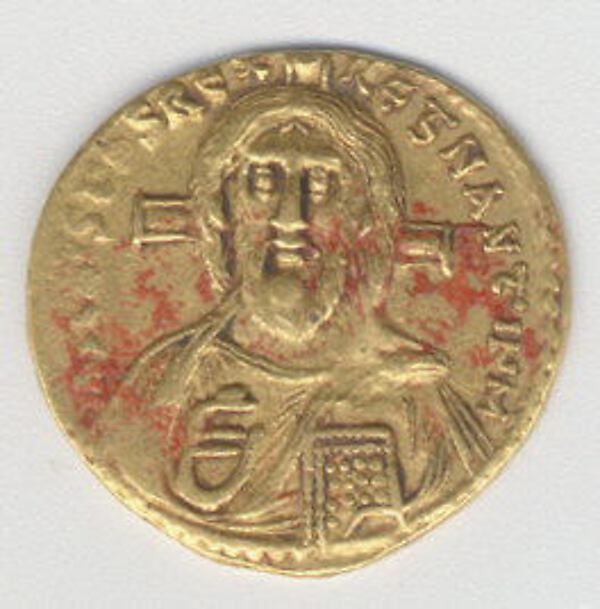
Solidus of Justinian II (685-95), Byzantine, 692–695
692–695
Solidus in The Metropolitan Museum of Art, New York (accession 10.130.1495), catalogued by the museum's Medieval Art department under the title “Solidus of Justinian II (685-95)”. The museum dates it 692–695 and records its origin as Byzantine; Constantinople. The museum records the medium as Gold and the dimensions…
Partial type record
Cleveland Museum of Art
ancient coins
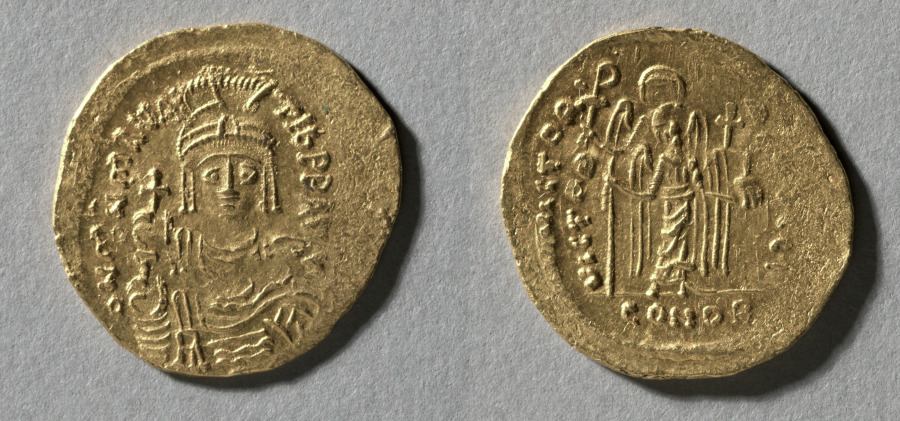
Solidus of Maurice Tiberius (Cleveland Museum of Art 2004.150)
583–602
This coin was minted by Maurice Tiberius, an emperor best known for his military prowess and his successes in the war against the Persians. Cleveland Museum of Art object 2004.150: Solidus of Maurice Tiberius, 583–602. Byzantine, 6th-7th century. Gold; diameter: 2.2 cm (7/8 in.). Inscribed: (Avers): DN MAVRC TIbPPAV…
Partial type record