Catalogue
Ancient Coins
Greek, Roman, Byzantine, Celtic, Persian, Indian, Chinese and other pre-medieval coinages.
Catalogue entries (3,128)
Filter by era, country, maker or material721–768 of 3,128 entries
Photograph: Lutz-Jürgen Lübke (Lübke & Wiedemann); Corpus Nummorum (Berlin-Brandenburg Academy of Sciences and Humanities); specimen held by ikmk.smb.museum
ancient coins
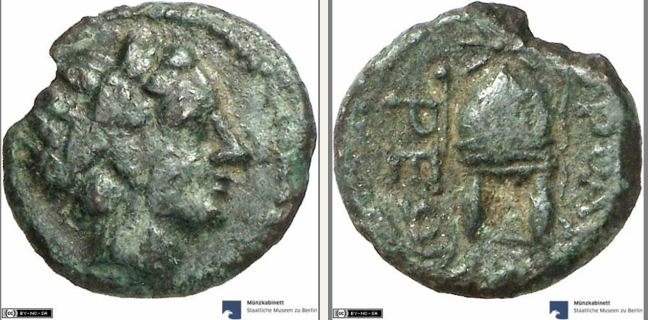
Orthagoria, large denomination (bronze) — Helmet (CN type 2239)
c. 348/347–290 BC
Large denomination (bronze) struck at Orthagoria in Thrace, dated c. 348/347–290 BC. Corpus Nummorum, the online type corpus of the Berlin-Brandenburg Academy of Sciences and Humanities, records it as CN type 2239 (period: Classical Period; issuing authority type: city). Obverse: Laureate head of Apollo, right. Rev…
Research required
Photograph: Lutz-Jürgen Lübke (Lübke und Wiedemann); Corpus Nummorum (Berlin-Brandenburg Academy of Sciences and Humanities); specimen held by ikmk.smb.museum
ancient coins
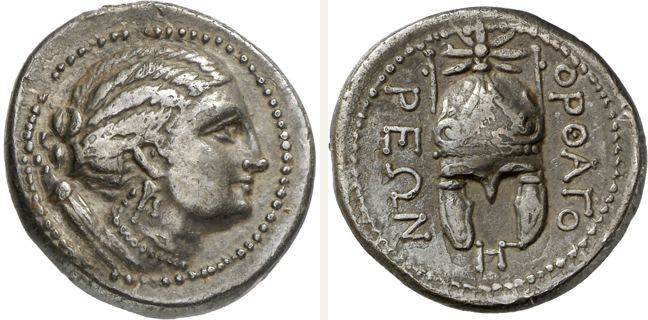
Orthagoria, stater (double siglos, didrachm) — Helmet (CN type 2237)
c. 310–290 BC
Stater (double siglos, didrachm) in silver struck at Orthagoria in Thrace, dated c. 310–290 BC. Corpus Nummorum, the online type corpus of the Berlin-Brandenburg Academy of Sciences and Humanities, records it as CN type 2237 (period: Hellenistic Period; issuing authority type: city). Obverse: Head of Artemis, right…
Research required
Corpus Nummorum (Berlin-Brandenburg Academy of Sciences and Humanities)
ancient coins
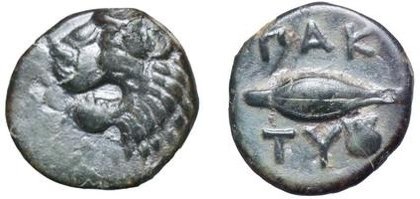
Paktye, bronze coin — Barley-grain (CN type 2704)
375–325 BC
Coin in bronze struck at Paktye in Thrace, dated 375–325 BC. Corpus Nummorum, the online type corpus of the Berlin-Brandenburg Academy of Sciences and Humanities, records it as CN type 2704 (period: Classical Period; issuing authority type: city). Obverse: Lion's head, left. Reverse: Barley-grain. Legend: ΠΑΚΤΥ. M…
Research required
Photograph: Corpus Nummorum; Corpus Nummorum (Berlin-Brandenburg Academy of Sciences and Humanities)
ancient coins
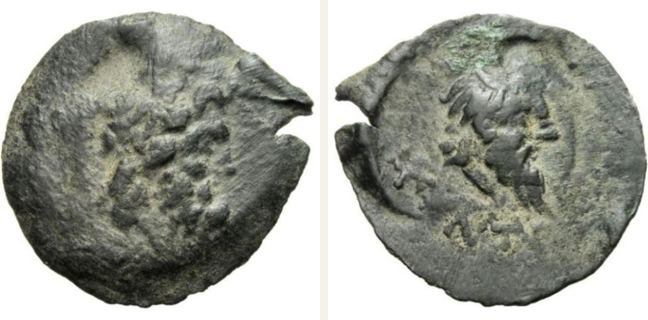
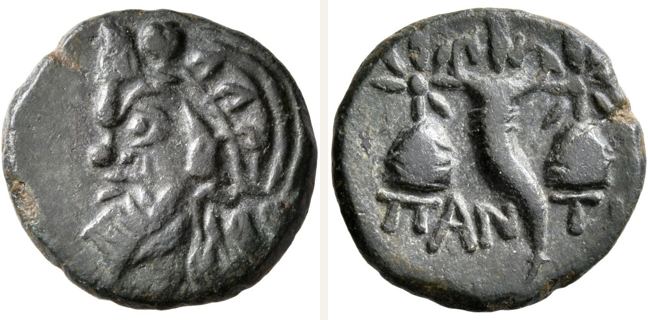
Pantikapaion, bronze coin — Bearded head of a satyr right (CN type 23999)
195–185 BC
Coin in bronze struck at Pantikapaion, dated 195–185 BC. Corpus Nummorum, the online type corpus of the Berlin-Brandenburg Academy of Sciences and Humanities, records it as CN type 23999 (period: Hellenistic Period; issuing authority type: city). Obverse: Head of Poseidon, right, wearing taenia. Reverse: Bearded he…
Research required
Photograph: Corpus Nummorum; Corpus Nummorum (Berlin-Brandenburg Academy of Sciences and Humanities)
ancient coins
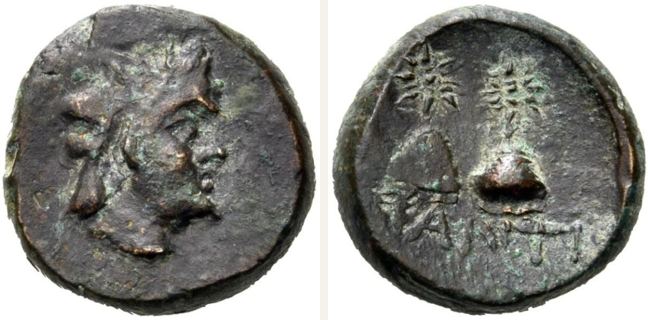
Pantikapaion, bronze coin — Cornucopia (CN type 24038)
135–125 BC
Coin in bronze struck at Pantikapaion, dated 135–125 BC. Corpus Nummorum, the online type corpus of the Berlin-Brandenburg Academy of Sciences and Humanities, records it as CN type 24038 (period: Hellenistic Period; issuing authority type: city). Obverse: Bearded head of a satyr left, with long hair and blunt nose.…
Research required
Photograph: Corpus Nummorum; Corpus Nummorum (Berlin-Brandenburg Academy of Sciences and Humanities)
ancient coins
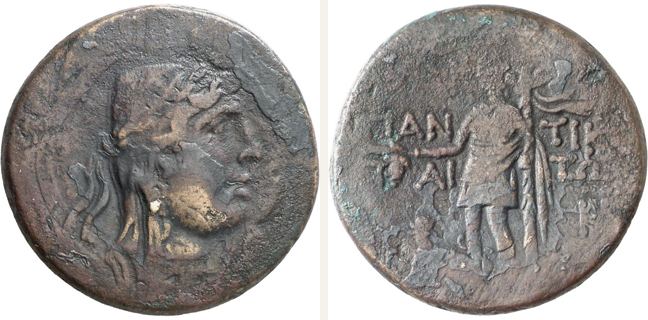
Pantikapaion, bronze coin — Cornucopia (CN type 24054)
135–125 BC
Coin in bronze struck at Pantikapaion, dated 135–125 BC. Corpus Nummorum, the online type corpus of the Berlin-Brandenburg Academy of Sciences and Humanities, records it as CN type 24054 (period: Hellenistic Period; issuing authority type: city). Obverse: Clean-shaven, ivy-wreathed head of a satyr right, with long…
Research required
Photograph: Lutz-Jürgen Lübke (Lübke und Wiedemann); Corpus Nummorum (Berlin-Brandenburg Academy of Sciences and Humanities); specimen held by ikmk.smb.museum
ancient coins
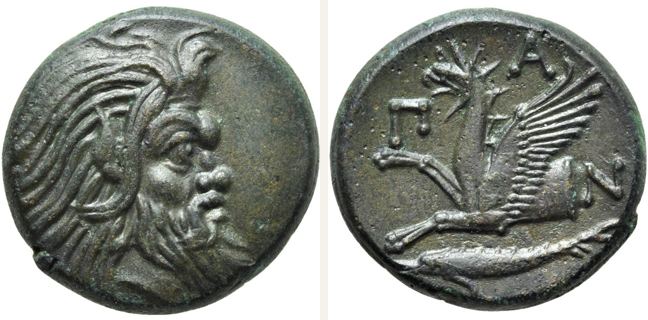
Pantikapaion, bronze coin — Dionysus standing facing (CN type 24104)
90–83 BC
Coin in bronze struck at Pantikapaion, dated 90–83 BC. Corpus Nummorum, the online type corpus of the Berlin-Brandenburg Academy of Sciences and Humanities, records it as CN type 24104 (period: Hellenistic Period; issuing authority type: city). Obverse: Youthful male head (Menes?), right, wearing Phrygian cap. Reve…
Research required
Photograph: Numismatik Naumann; Corpus Nummorum (Berlin-Brandenburg Academy of Sciences and Humanities)
ancient coins
Pantikapaion, bronze coin — Forepart of griffin (CN type 21739)
c. 320–310 BC
Coin in bronze struck at Pantikapaion, dated c. 320–310 BC. Corpus Nummorum, the online type corpus of the Berlin-Brandenburg Academy of Sciences and Humanities, records it as CN type 21739 (period: Hellenistic Period; issuing authority type: city). Obverse: Bearded head of a satyr right, with long hair and blunt n…
Research required
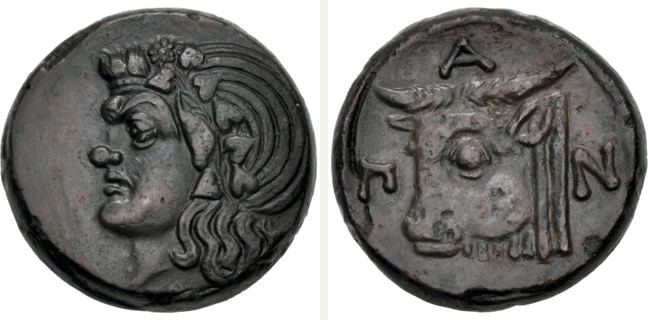
Photograph: Corpus Nummorum; Corpus Nummorum (Berlin-Brandenburg Academy of Sciences and Humanities)
ancient coins
Pantikapaion, bronze coin — Head of a bull with neck left (CN type 23954)
293–283 BC
Coin in bronze struck at Pantikapaion, dated 293–283 BC. Corpus Nummorum, the online type corpus of the Berlin-Brandenburg Academy of Sciences and Humanities, records it as CN type 23954 (period: Hellenistic Period; issuing authority type: city). Obverse: Clean-shaven, ivy-wreathed head of a satyr left, with long h…
Research required
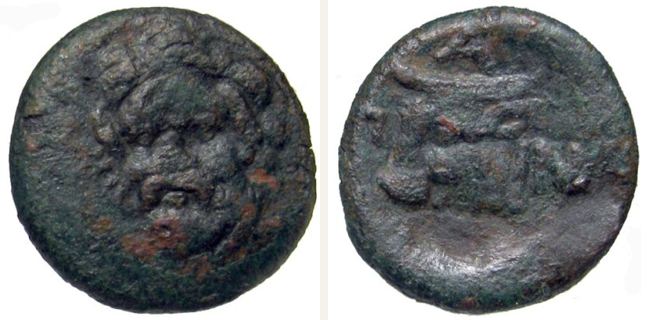
Photograph: Corpus Nummorum; Corpus Nummorum (Berlin-Brandenburg Academy of Sciences and Humanities)
ancient coins
Pantikapaion, bronze coin — Head of a bull with neck left (CN type 23956)
293–283 BC
Coin in bronze struck at Pantikapaion, dated 293–283 BC. Corpus Nummorum, the online type corpus of the Berlin-Brandenburg Academy of Sciences and Humanities, records it as CN type 23956 (period: Hellenistic Period; issuing authority type: city). Obverse: Bearded head of a satyr facing three-quarters to left, with…
Research required
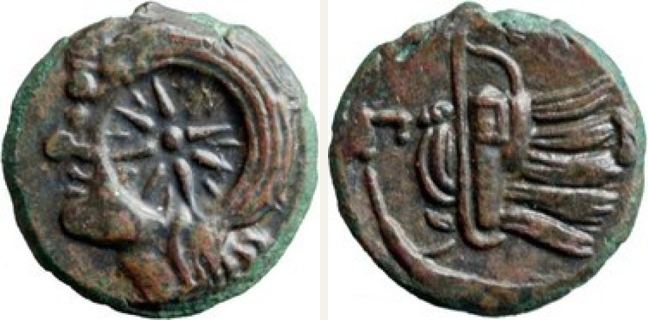
Photograph: Corpus Nummorum; Corpus Nummorum (Berlin-Brandenburg Academy of Sciences and Humanities)
ancient coins
Pantikapaion, bronze coin — Lion head (CN type 23955)
293–283 BC
Coin in bronze struck at Pantikapaion, dated 293–283 BC. Corpus Nummorum, the online type corpus of the Berlin-Brandenburg Academy of Sciences and Humanities, records it as CN type 23955 (period: Hellenistic Period; issuing authority type: city). Obverse: Clean-shaven, ivy-wreathed head of a satyr left, with long h…
Research required
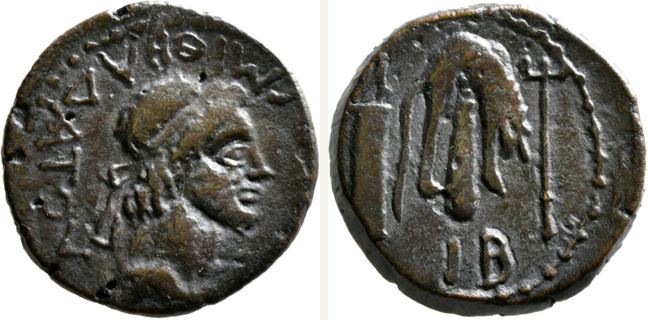
Photograph: Vladimir F. Stolba; Corpus Nummorum (Berlin-Brandenburg Academy of Sciences and Humanities)
ancient coins
Pantikapaion, Mithridates III (VIII), 12 units — Lion's skin draped over club (CN type 23764)
c. AD 39–45
12 units in bronze struck at Pantikapaion under Mithridates III (VIII), dated c. AD 39–45. Corpus Nummorum, the online type corpus of the Berlin-Brandenburg Academy of Sciences and Humanities, records it as CN type 23764 (period: Roman Imperial Period; issuing authority type: ruler). Obverse: Diademed head of Mithr…
Research required
Photograph: Corpus Nummorum; Corpus Nummorum (Berlin-Brandenburg Academy of Sciences and Humanities)
ancient coins
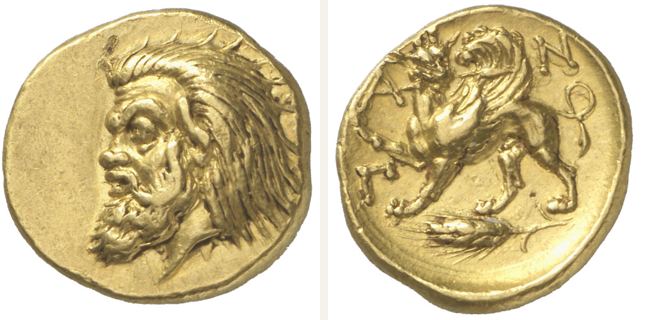
Pantikapaion, stater — Griffin standing left (CN type 20974)
c. 370–360 BC
Stater in gold struck at Pantikapaion, dated c. 370–360 BC. Corpus Nummorum, the online type corpus of the Berlin-Brandenburg Academy of Sciences and Humanities, records it as CN type 20974 (period: Classical Period; issuing authority type: city). Obverse: Bearded head of a satyr left, with long hair and blunt nose…
Research required
Photograph: Lutz-Jürgen Lübke (Lübke und Wiedemann); Corpus Nummorum (Berlin-Brandenburg Academy of Sciences and Humanities); specimen held by ikmk.smb.museum
ancient coins
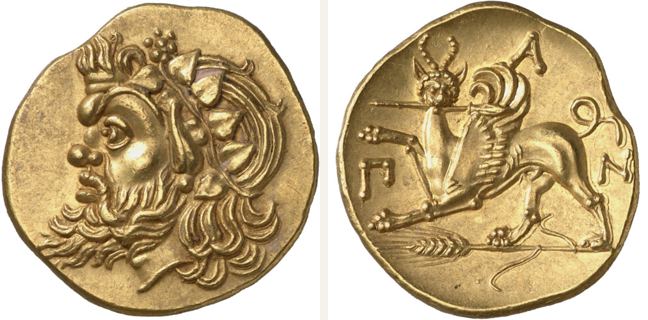
Pantikapaion, stater — Griffin standing left (CN type 21711)
c. 345–340 BC
Stater in gold struck at Pantikapaion, dated c. 345–340 BC. Corpus Nummorum, the online type corpus of the Berlin-Brandenburg Academy of Sciences and Humanities, records it as CN type 21711 (period: Classical/Hellenistic Period; issuing authority type: city). Obverse: Bearded, ivy-wreathed head of a satyr left, wit…
Research required
Photograph: Corpus Nummorum; Corpus Nummorum (Berlin-Brandenburg Academy of Sciences and Humanities); specimen held by gallica.bnf.fr
ancient coins
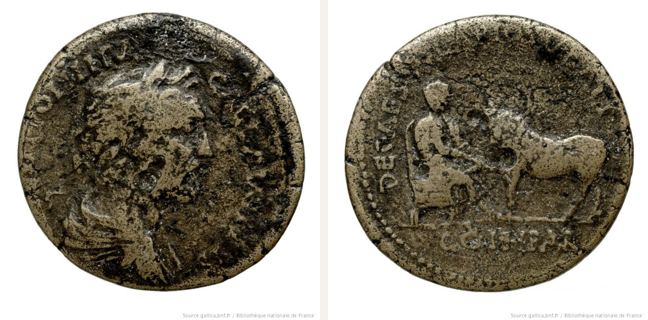
Parion, Antoninus Pius, bronze coin — Asclepius seated (CN type 17449)
AD 147–161 (?)
Coin in bronze struck at Parion in Mysia under Antoninus Pius, dated AD 147–161 (?). Corpus Nummorum, the online type corpus of the Berlin-Brandenburg Academy of Sciences and Humanities, records it as CN type 17449 (period: Roman Imperial Period; issuing authority type: city). Obverse: Laureate bust of Antoninus Pi…
Research required
Photograph: Corpus Nummorum; Corpus Nummorum (Berlin-Brandenburg Academy of Sciences and Humanities); specimen held by gallica.bnf.fr
ancient coins
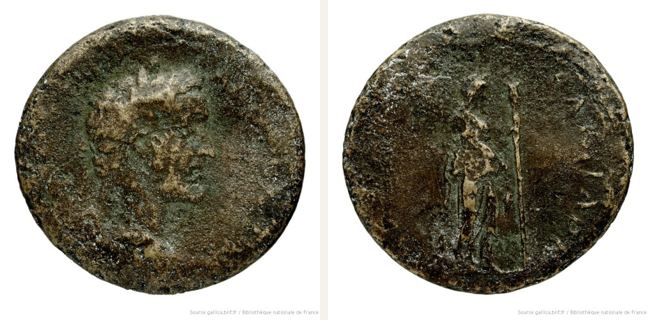
Parion, Antoninus Pius, bronze coin — Demeter in long garment standing right (CN type 17437)
AD 138–161
Coin in bronze struck at Parion in Mysia under Antoninus Pius, dated AD 138–161. Corpus Nummorum, the online type corpus of the Berlin-Brandenburg Academy of Sciences and Humanities, records it as CN type 17437 (period: Roman Imperial Period; issuing authority type: city). Obverse: Laureate head of Antoninus Pius,…
Research required
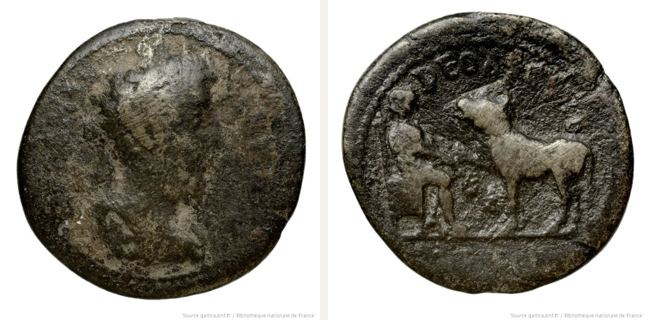
Photograph: Corpus Nummorum; Corpus Nummorum (Berlin-Brandenburg Academy of Sciences and Humanities); specimen held by gallica.bnf.fr
ancient coins
Parion, Commodus, bronze coin — Asclepius seated (CN type 17493)
c. AD 188–190
Coin in bronze struck at Parion in Mysia under Commodus, dated c. AD 188–190. Corpus Nummorum, the online type corpus of the Berlin-Brandenburg Academy of Sciences and Humanities, records it as CN type 17493 (period: Roman Imperial Period; issuing authority type: city). Obverse: Laureate bust of Commodus, right, we…
Research required
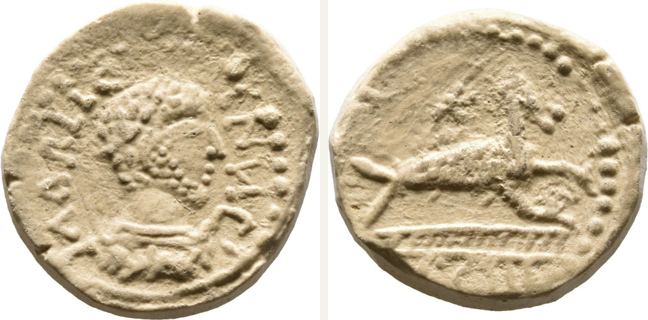
Photograph: Corpus Nummorum; Corpus Nummorum (Berlin-Brandenburg Academy of Sciences and Humanities)
ancient coins
Parion, Gallienus, bronze coin — Capricorn holding globe between forelegs (CN type 23174)
AD 253–268
Coin in bronze struck at Parion in Mysia under Gallienus, dated AD 253–268. Corpus Nummorum, the online type corpus of the Berlin-Brandenburg Academy of Sciences and Humanities, records it as CN type 23174 (period: Roman Imperial Period; issuing authority type: city). Obverse: Laureate bust of Gallienus, right, wea…
Research required
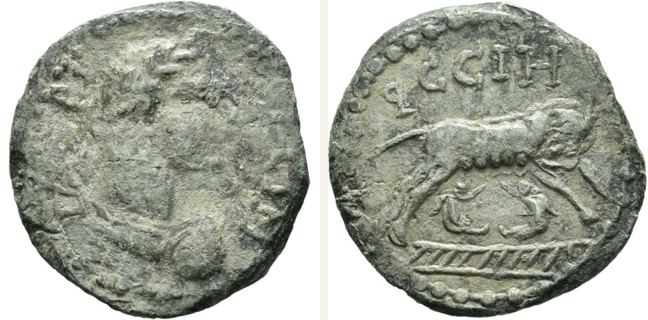
Photograph: Bernhard Weisser; Corpus Nummorum (Berlin-Brandenburg Academy of Sciences and Humanities); specimen held by ikmk.smb.museum
ancient coins
Parion, Gallienus, bronze coin — She-wolf standing right (CN type 23175)
AD 253–268
Coin in bronze struck at Parion in Mysia under Gallienus, dated AD 253–268. Corpus Nummorum, the online type corpus of the Berlin-Brandenburg Academy of Sciences and Humanities, records it as CN type 23175 (period: Roman Imperial Period; issuing authority type: city). Obverse: Laureate bust of Gallienus, right, wea…
Research required
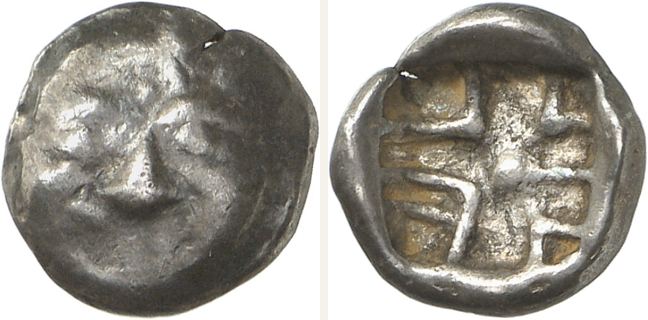
Photograph: Lutz-Jürgen Lübke (Lübke & Wiedemann); Corpus Nummorum (Berlin-Brandenburg Academy of Sciences and Humanities)
ancient coins
Parion, hemidrachm — Incuse square with a linear cruciform pattern and a central (CN type 21230)
c. 500–400 BC
Hemidrachm in silver struck at Parion in Mysia, dated c. 500–400 BC. Corpus Nummorum, the online type corpus of the Berlin-Brandenburg Academy of Sciences and Humanities, records it as CN type 21230 (period: Classical Period; issuing authority type: city). Obverse: Gorgoneion. Reverse: Incuse square with a linear c…
Research required
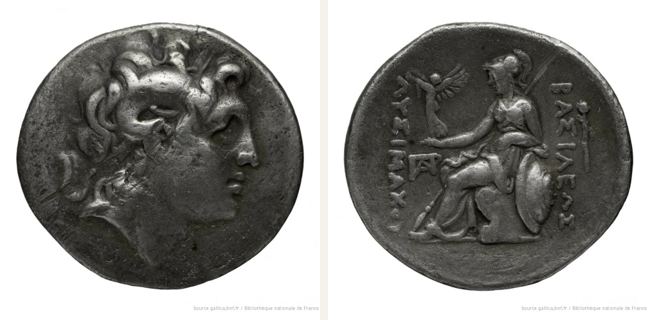
Photograph: Corpus Nummorum; Corpus Nummorum (Berlin-Brandenburg Academy of Sciences and Humanities); specimen held by gallica.bnf.fr
ancient coins
Parion, Lysimachos, tetradrachm — Athena seated left (CN type 24258)
297–281 BC
Tetradrachm in silver struck at Parion in Mysia under Lysimachos, dated 297–281 BC. Corpus Nummorum, the online type corpus of the Berlin-Brandenburg Academy of Sciences and Humanities, records it as CN type 24258 (period: Hellenistic Period; issuing authority type: city). Obverse: Diademed head of deified Alexande…
Research required
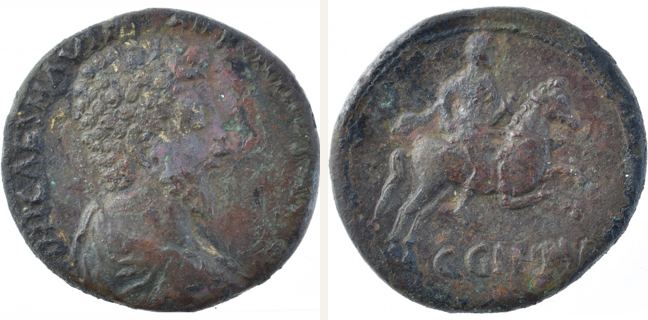
Photograph: Bernisches Historisches Museum; Corpus Nummorum (Berlin-Brandenburg Academy of Sciences and Humanities)
ancient coins
Parion, Marc Aurel, bronze coin — Emperor in military attire riding right on horseback (CN type 17472)
AD 166–180
Coin in bronze struck at Parion in Mysia under Marc Aurel, dated AD 166–180. Corpus Nummorum, the online type corpus of the Berlin-Brandenburg Academy of Sciences and Humanities, records it as CN type 17472 (period: Roman Imperial Period; issuing authority type: city). Obverse: Bare-headed bust of Marcus Aurelius,…
Research required
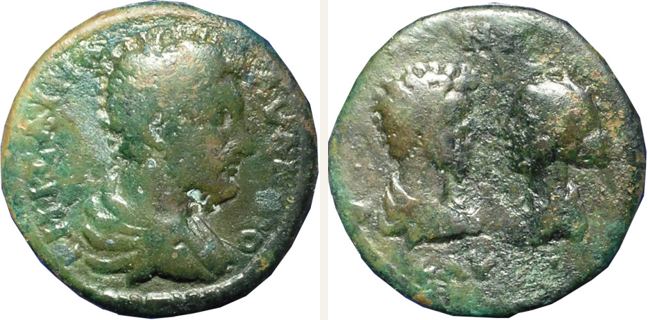
Photograph: Bernisches Historisches Museum; Corpus Nummorum (Berlin-Brandenburg Academy of Sciences and Humanities)
ancient coins
Parion, Marc Aurel, bronze coin — Head of Marcus Aurelius with padulamentum l (CN type 22673)
c. AD 161–169
Coin in bronze struck at Parion in Mysia under Marc Aurel, dated c. AD 161–169. Corpus Nummorum, the online type corpus of the Berlin-Brandenburg Academy of Sciences and Humanities, records it as CN type 22673 (period: Roman Imperial Period; issuing authority type: city). Obverse: Bare-headed bust of Marcus Aureliu…
Research required
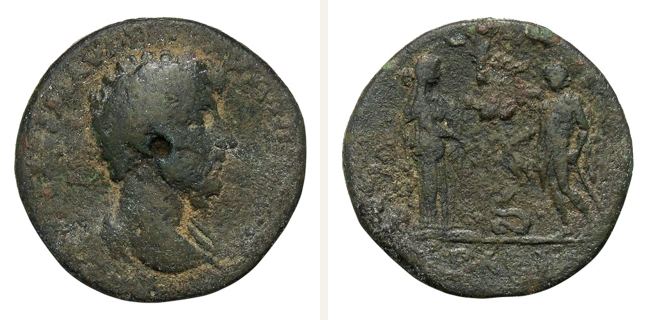
Photograph: Reinhard Saczewski; Corpus Nummorum (Berlin-Brandenburg Academy of Sciences and Humanities); specimen held by ikmk.smb.museum
ancient coins
Parion, Marc Aurel, bronze coin — Salus/Hygieia and Asclepius (CN type 17466)
c. AD 161–165
Coin in bronze struck at Parion in Mysia under Marc Aurel, dated c. AD 161–165. Corpus Nummorum, the online type corpus of the Berlin-Brandenburg Academy of Sciences and Humanities, records it as CN type 17466 (period: Roman Imperial Period; issuing authority type: city). Obverse: Bare head of Marcus Aurelius, righ…
Research required
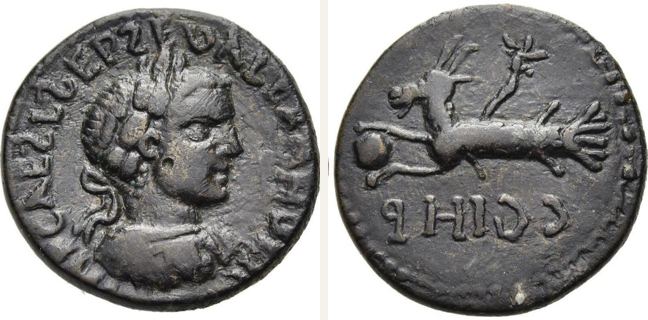
Photograph: RPC; Corpus Nummorum (Berlin-Brandenburg Academy of Sciences and Humanities); specimen held by rpc.ashmus.ox.ac.uk
ancient coins
Parion, Severus Alexander, bronze coin — Capricorn left holding globe between forelegs (CN type 18091)
AD 218–235
Coin in bronze struck at Parion in Mysia under Severus Alexander, dated AD 218–235. Corpus Nummorum, the online type corpus of the Berlin-Brandenburg Academy of Sciences and Humanities, records it as CN type 18091 (period: Roman Imperial Period; issuing authority type: city). Obverse: Laureate bust of Severus Alexa…
Research required
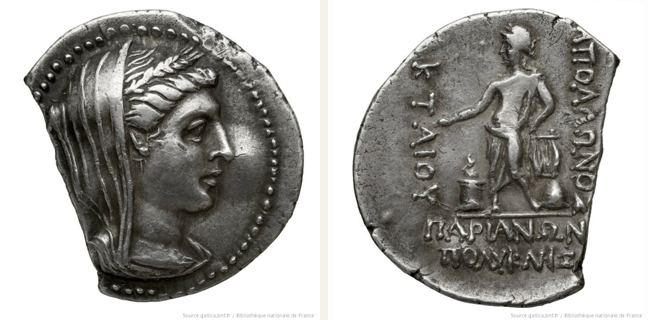
Photograph: Corpus Nummorum; Corpus Nummorum (Berlin-Brandenburg Academy of Sciences and Humanities); specimen held by gallica.bnf.fr
ancient coins
Parion, silver coin — Apollo Aktaios semi-draped standing left (CN type 21193)
c. 133–50 BC
Coin in silver struck at Parion in Mysia, dated c. 133–50 BC. Corpus Nummorum, the online type corpus of the Berlin-Brandenburg Academy of Sciences and Humanities, records it as CN type 21193 (period: Hellenistic Period; issuing authority type: city). Obverse: Veiled head of Demeter, right, wearing corn wreath. Rev…
Research required
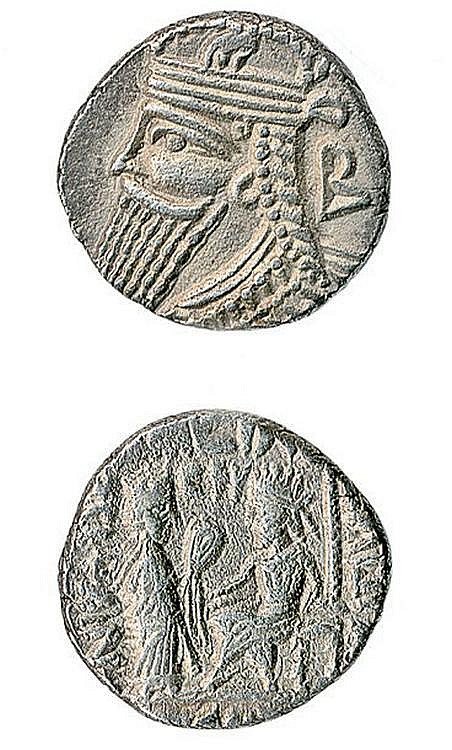
Auction house “Rossini Maison de Ventes aux Enchères”, via Invaluable
ancient coins
Parthian billon tetradrachm of Vologases IV
147-191
This ancient coin is a billon tetradrachm issued during the reign of Vologases IV of the Parthian Empire, who ruled from 147 to 191 AD. The tetradrachm was a significant denomination in the ancient world, historically equivalent to four drachmae, and its use expanded through Greek-influenced regions following the co…
Partial type record
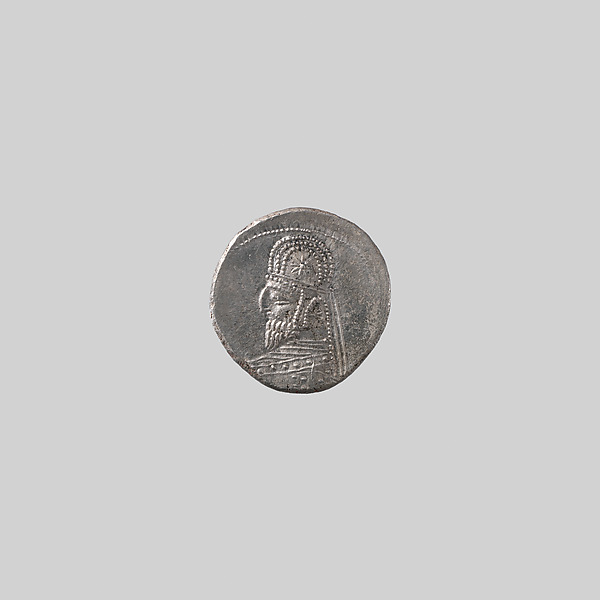
The Metropolitan Museum of Art — Purchase, H. Dunscombe Colt Gift, 1969
ancient coins
Parthian drachm of an unidentified king, ca. 100–50 BCE
ca. 100–50 BCE
This silver drachm was struck by an unknown Parthian ruler, probably in the early first century BCE. The obverse depicts a left-facing royal bust sporting a long beard. The monarch wears a domed tiara with earflaps, the characteristic crown of Parthian royalty, which is ornamented with a central star enclosed by thr…
Partial type record
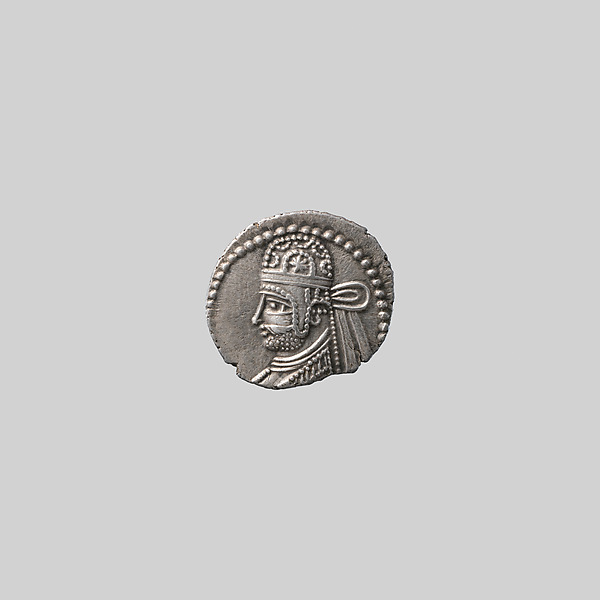
The Metropolitan Museum of Art — Bequest of Joseph H. Durkee, 1898
ancient coins
Parthian drachm of an unidentified king, ca. 78–110 CE
ca. 78–110 CE
Struck in silver, this drachm was produced under an unidentified Parthian monarch, with scholars suggesting candidates such as Pacorus II, Parthmaspates, or Sanatruces. The obverse presents a left-facing royal bust, probably depicting the issuing king himself. He is shown with a prominent mustache, a short curly bea…
Partial type record
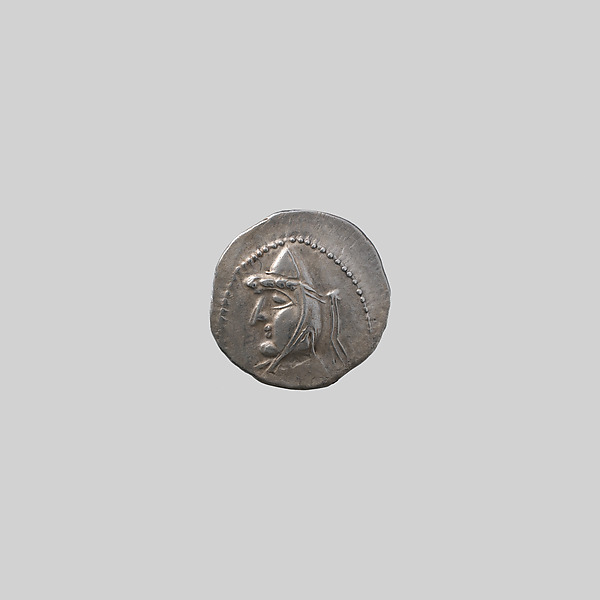
The Metropolitan Museum of Art — Bequest of Joseph H. Durkee, 1898
ancient coins
Parthian drachm of Mithridates I, ca. 171–138 BCE
ca. 171–138 BCE
This silver drachm was minted under the Parthian king Mithridates I. The front of the coin displays a left-facing royal head, likely portraying Mithridates himself wearing a pointed cap tied with a diadem, framed by a dotted circular border that does not completely join along the bottom edge. The reverse depicts a…
Partial type record
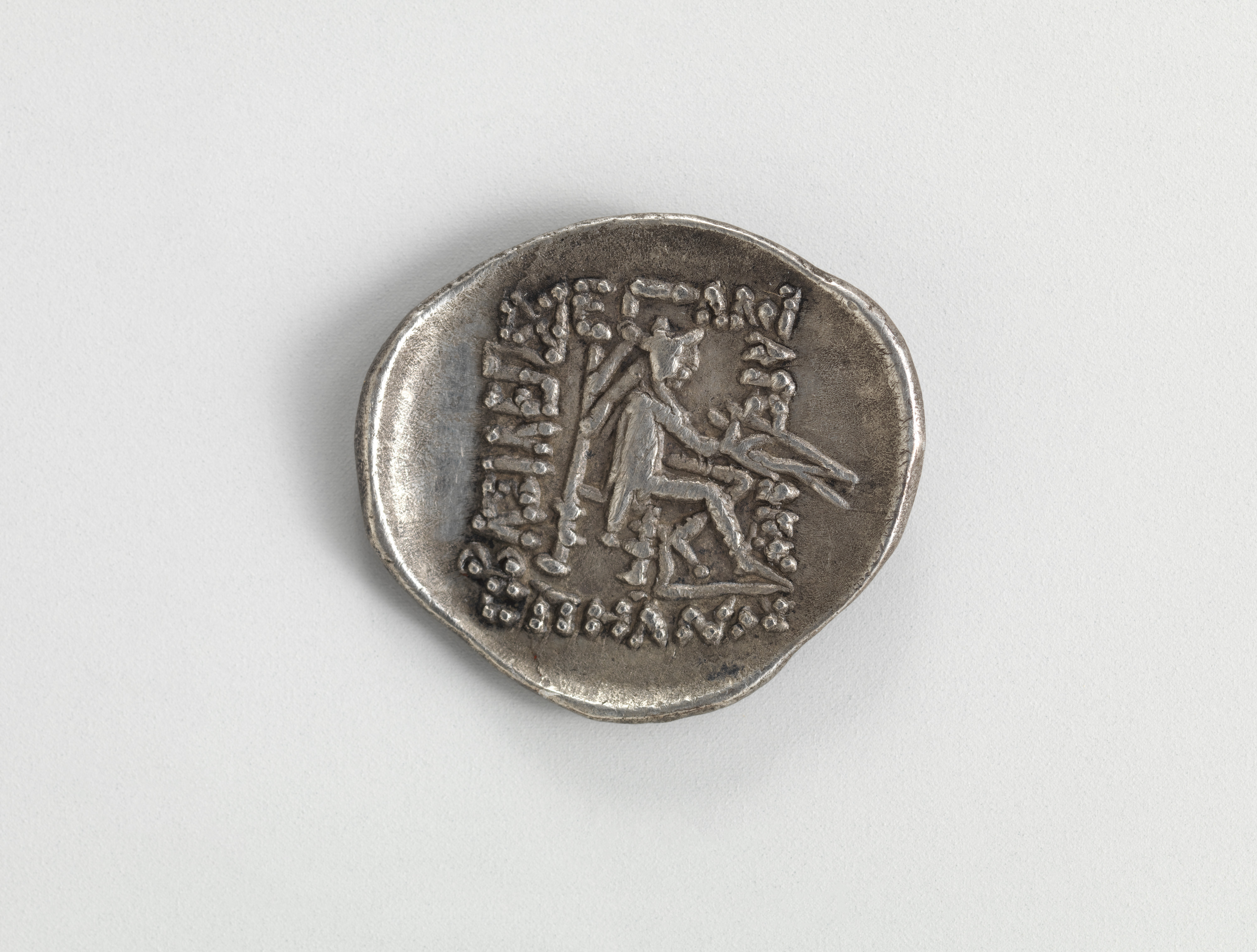
The Metropolitan Museum of Art — Bequest of Joseph H. Durkee, 1898
ancient coins
Parthian drachm of Mithridates II, ca. 121–91 BCE
ca. 121–91 BCE
This ancient Iranian silver drachm was produced under the authority of the Parthian monarch Mithridates II, who ruled from approximately 121 to 91 B.C. Numismatists classify the design into an obverse face displaying the ruler and a reverse face presenting regal and dynastic imagery. The coin's obverse features a l…
Partial type record
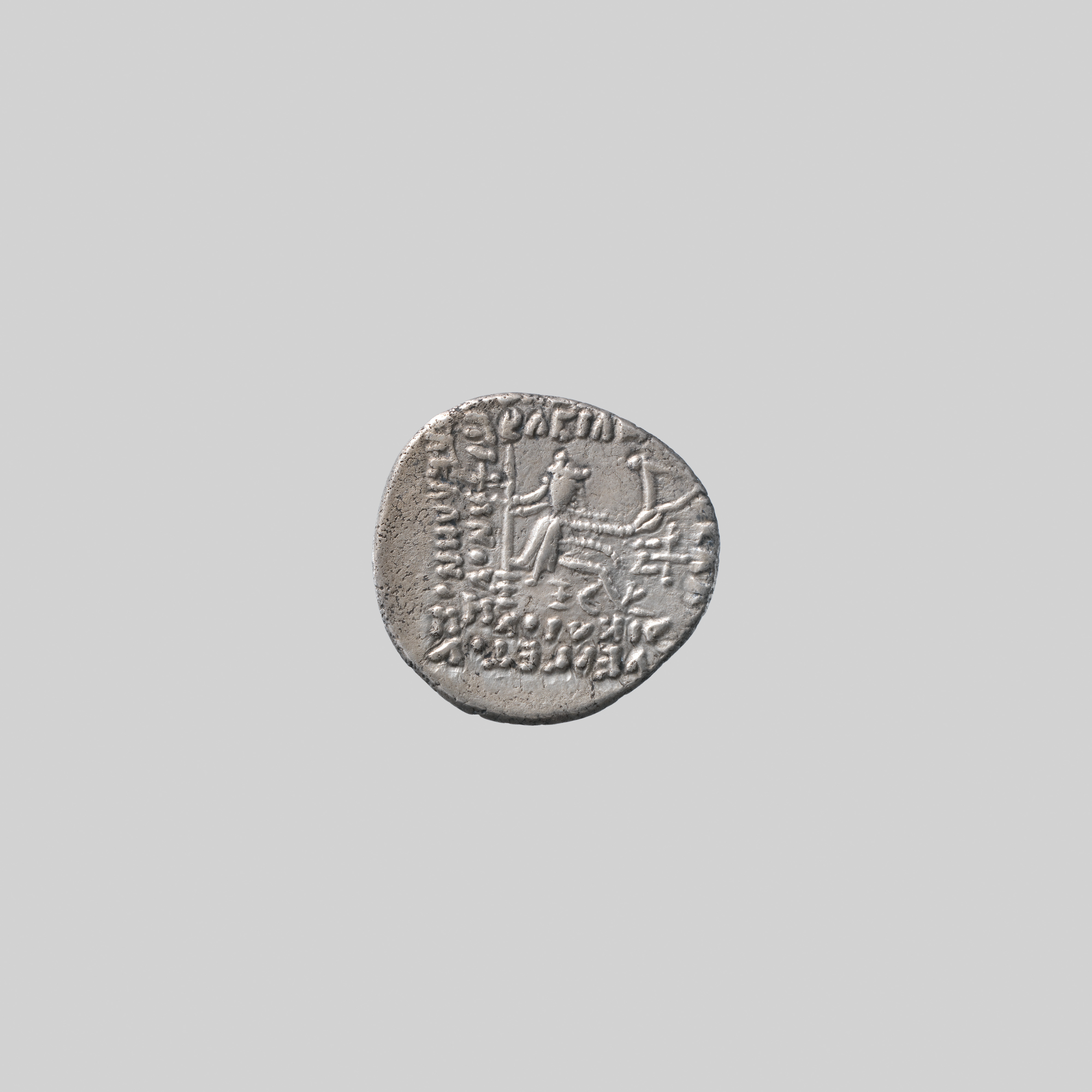
The Metropolitan Museum of Art — Bequest of Joseph H. Durkee, 1898
ancient coins
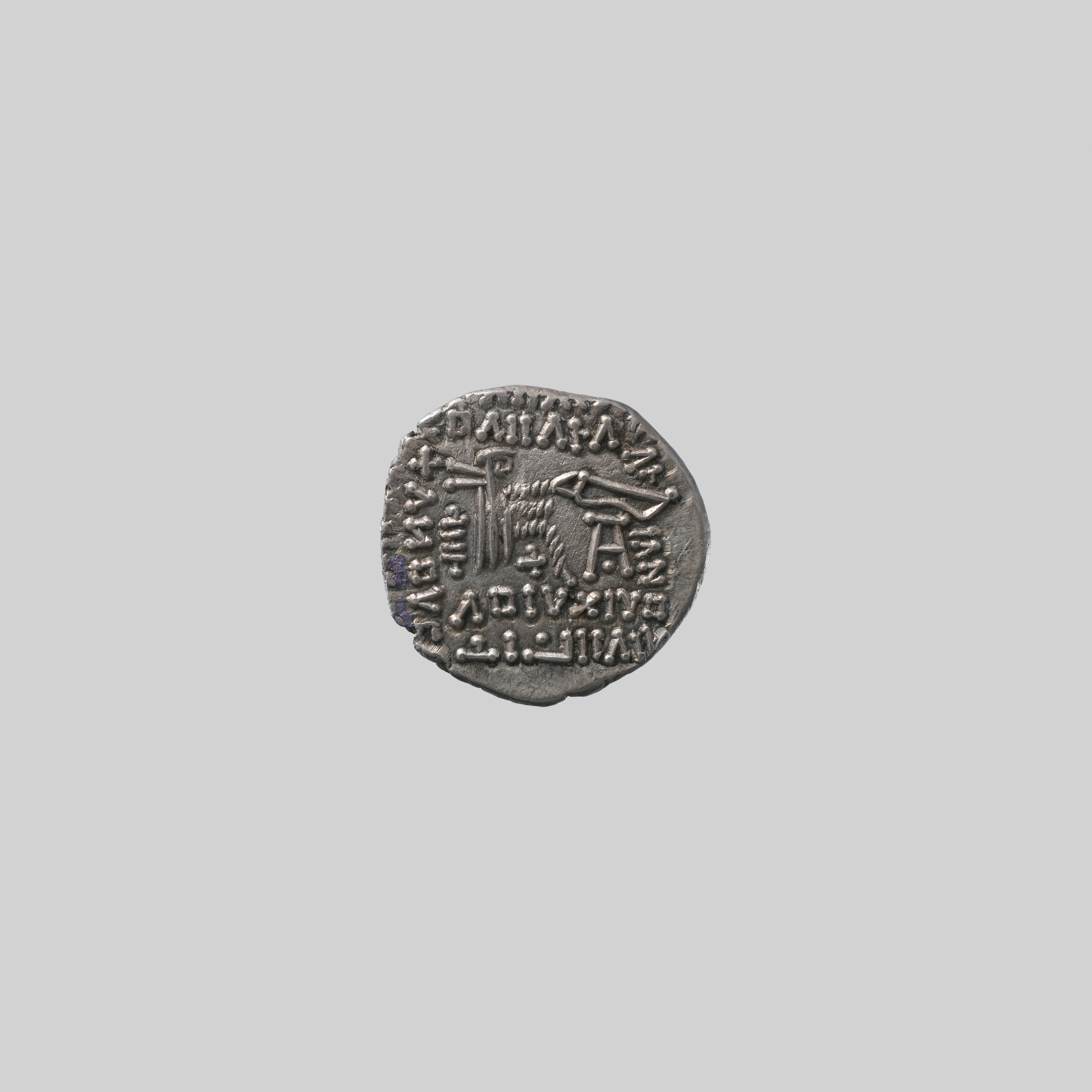
Parthian drachm of Orodes II, ca. 57–38 BCE
ca. 57–38 BCE
This silver drachm was produced under the Parthian king Orodes II. The obverse features a left-facing bust of the ruler, likely representing Orodes himself wearing a diadem as a victory emblem. He is rendered with wavy hair and a beard, wearing a torque or necklace around his neck. A star appears before his forehead…
Partial type record
The Metropolitan Museum of Art — Bequest of Joseph H. Durkee, 1898
ancient coins
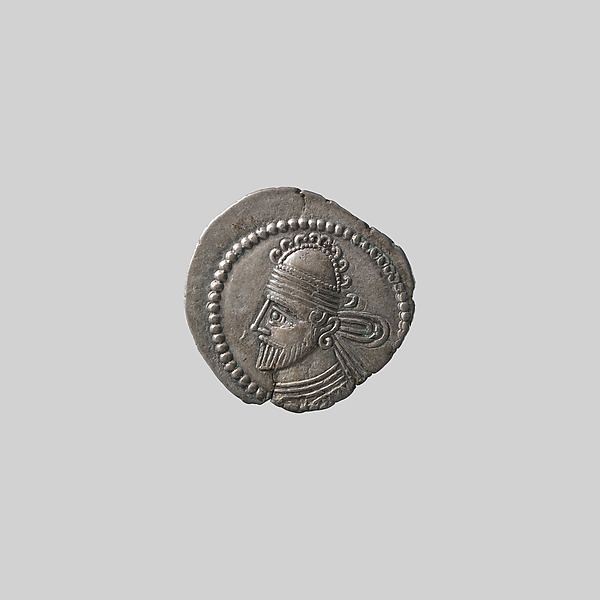
Parthian drachm of Osroes, ca. 110–129 CE
ca. 110–129 CE
This silver drachm was minted during the rule of Osroes, a Parthian king. The obverse of the coin displays a left-facing bust of the ruler, likely representing Osroes himself, wearing an athletic diadem as a mark of victory. He also wears a torque or necklace around his neck. His portrait is executed with schematic…
Partial type record
The Metropolitan Museum of Art — Bequest of Joseph H. Durkee, 1898
ancient coins
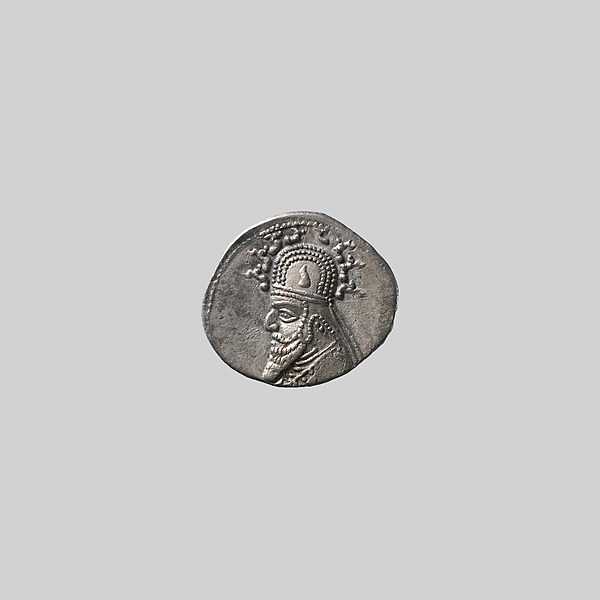
Parthian drachm of Pacorus II, ca. 78–110 CE
ca. 78–110 CE
This silver drachm was produced under the Parthian king Pacorus II. The obverse depicts the profile of the monarch facing left, wearing a torque around his neck along with a curl-adorned domed tiara wrapped with a Greek victory diadem. His short beard is portrayed using vertical lines, and a dotted circle frames the…
Partial type record
The Metropolitan Museum of Art — Bequest of Joseph H. Durkee, 1898
ancient coins
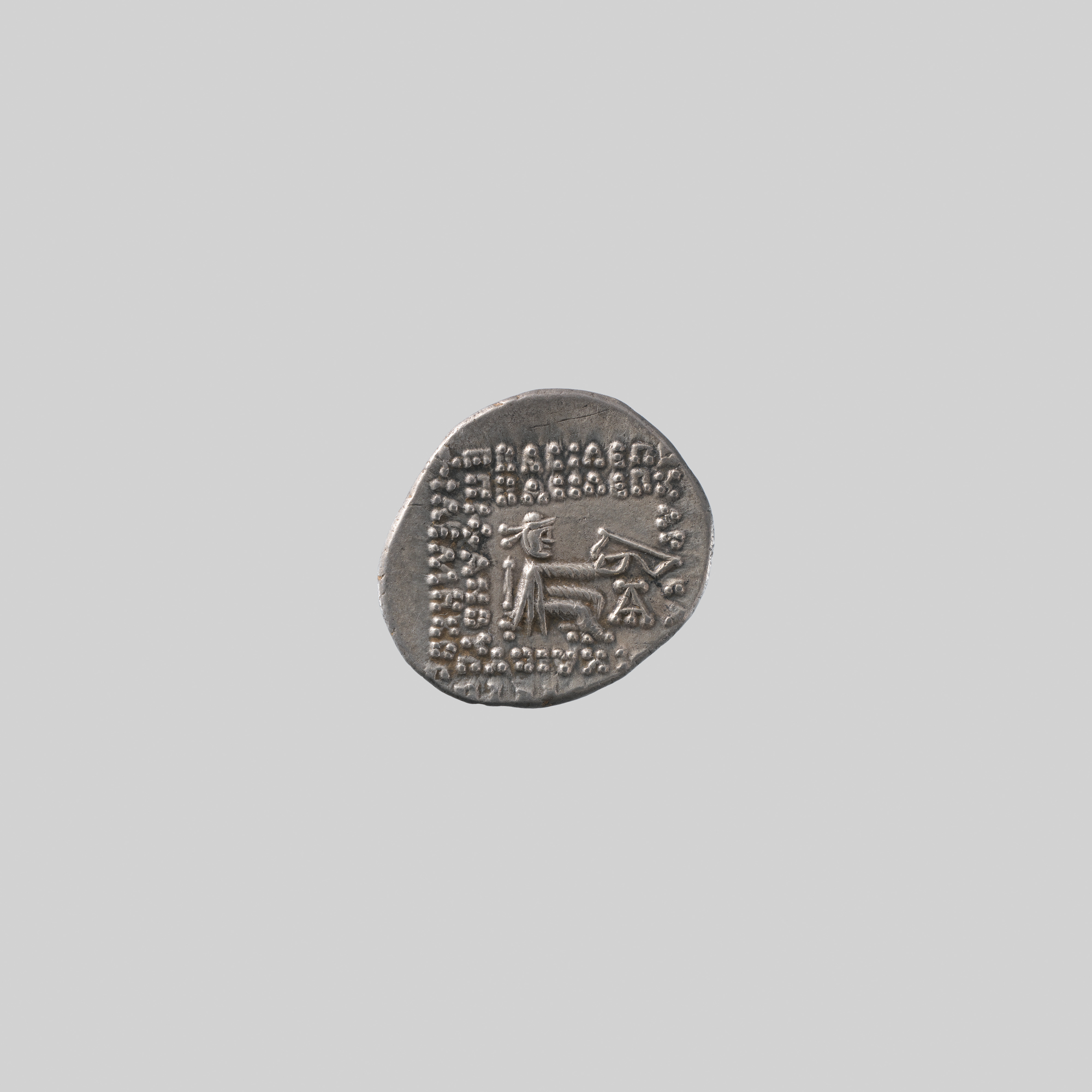
Parthian drachm of Phraates III, ca. 70–57 BCE
ca. 70–57 BCE
This silver drachm was issued under the Parthian king Phraates III, who ruled from approximately 70 to 57 B.C. The coin exemplifies imperial Parthian currency, drawing upon visual conventions and Greek epigraphy that were incorporated after the Parthians conquered the territories of the Seleucid Empire. The obverse…
Partial type record
The Metropolitan Museum of Art — Bequest of Joseph H. Durkee, 1898
ancient coins
Parthian drachm of Phraates IV, ca. 38–2 BCE
ca. 38–2 BCE
This silver drachm was struck under the Parthian ruler Phraates IV, who reigned from approximately 38 to 2 B.C. The coin originates from Iran, featuring a monogram that may indicate production at the mint of Ecbatana. The obverse displays a left-facing bust of a king, probably Phraates IV himself, sporting curly hai…
Partial type record
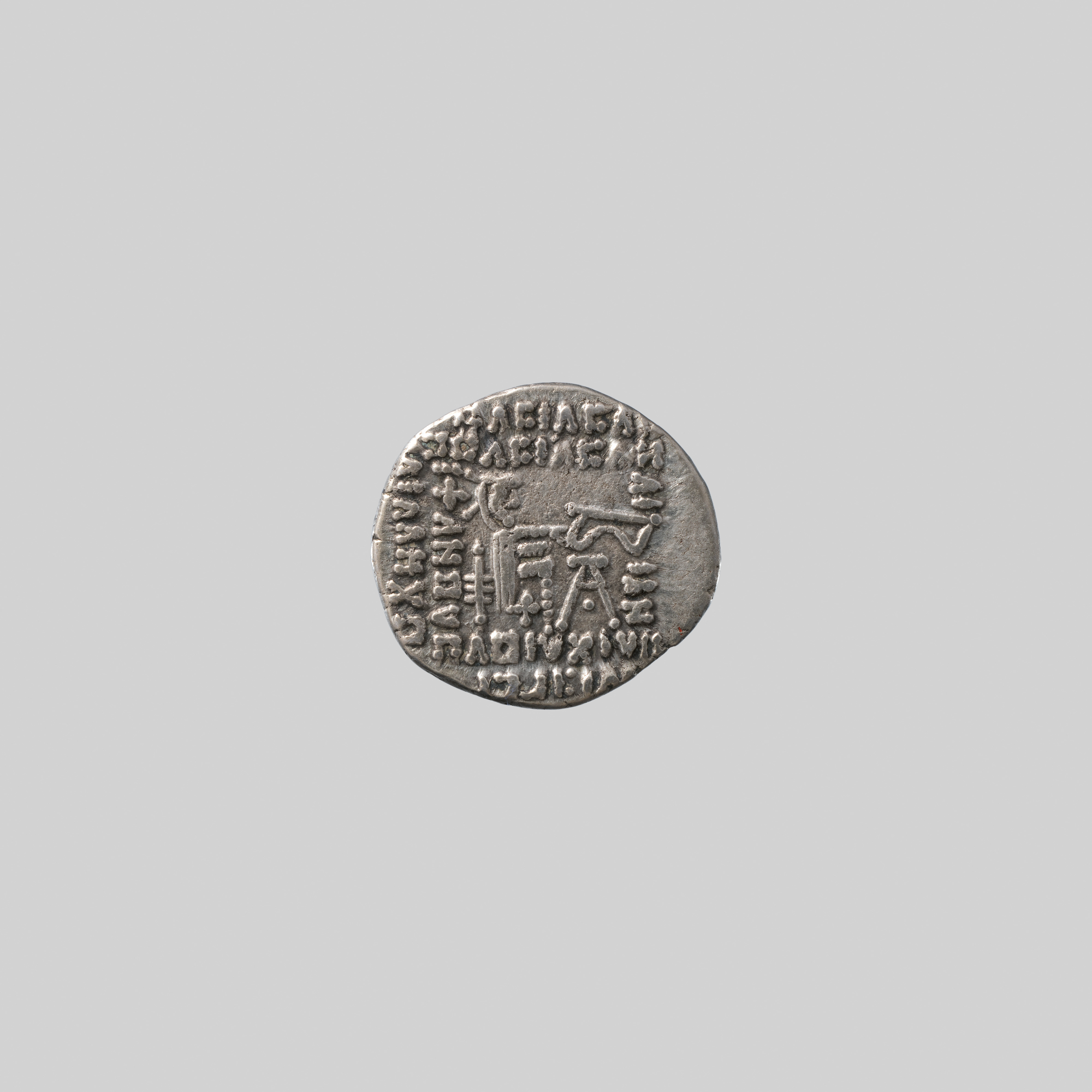
The Metropolitan Museum of Art — Bequest of Joseph H. Durkee, 1898
ancient coins
Parthian drachm of Vardanes or Gotarzes II, ca. 40–51 CE
ca. 40–51 CE
This silver drachm was produced under the authority of a Parthian monarch, either Vardanes or Gotarzes II. The coin's obverse presents an unusual front-facing bust of the king, who has a mustache and a trimmed beard. He wears a torque around his neck alongside a pointed cap with earflaps encircled by an athletic vic…
Partial type record
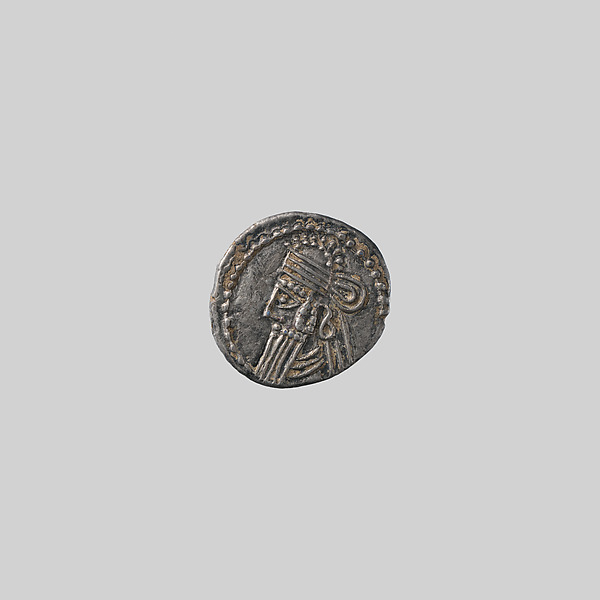
The Metropolitan Museum of Art — Bequest of Joseph H. Durkee, 1898
ancient coins
Parthian drachm of Vologases III, ca. 147–191 CE
ca. 147–191 CE
This silver drachm from ancient Iran was produced under the authority of the Parthian king Vologases III, who reigned from approximately A.D. 147 to 191. Measuring 1.9 centimeters in diameter and 0.2 centimeters in thickness, the coin represents the official currency issued during his rule and exemplifies the distin…
Partial type record
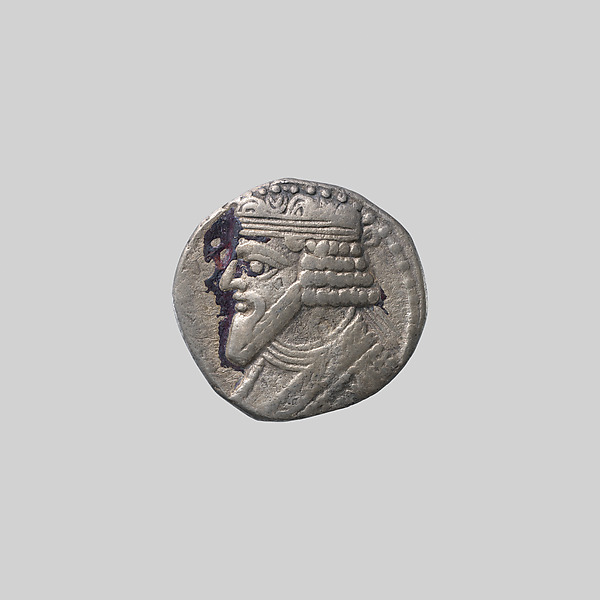
The Metropolitan Museum of Art — Bequest of Joseph H. Durkee, 1898
ancient coins
Parthian tetradrachm of Gotarzes II, ca. 49–50 CE
ca. 49–50 CE
This silver tetradrachm was produced under the Parthian king Gotarzes II, who governed from around A.D. 40 to 51. Manufactured at the mint of Seleucia-on-the-Tigris, situated close to present-day Baghdad, the coin is dated by Greek numerals to the Seleucid year 361, corresponding to A.D. 49–50, with an inscription m…
Partial type record
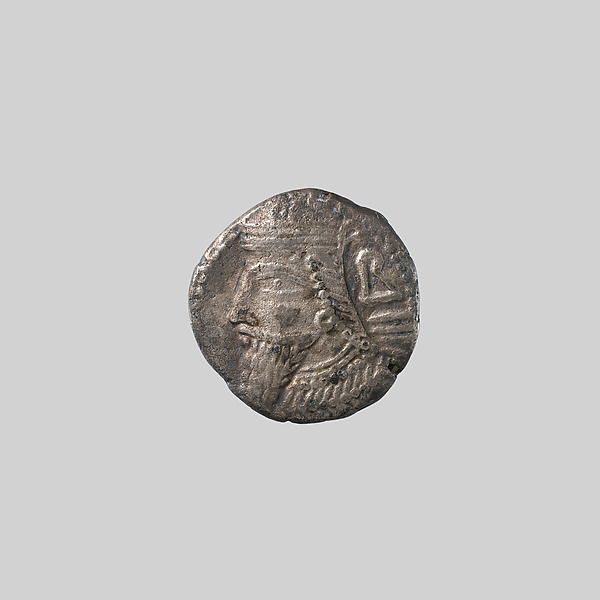
The Metropolitan Museum of Art — Bequest of Joseph H. Durkee, 1898
ancient coins
Parthian tetradrachm of Vologases V, ca. 212–213 CE
ca. 212–213 CE
This silver tetradrachm was produced under the authority of the Parthian king Vologases V. The obverse features a left-facing bust, probably representing the monarch himself, encircled by a border of dots. The ruler sports an elongated beard marked by vertical lines, a necklace, and a domed tiara with earflaps bound…
Partial type record
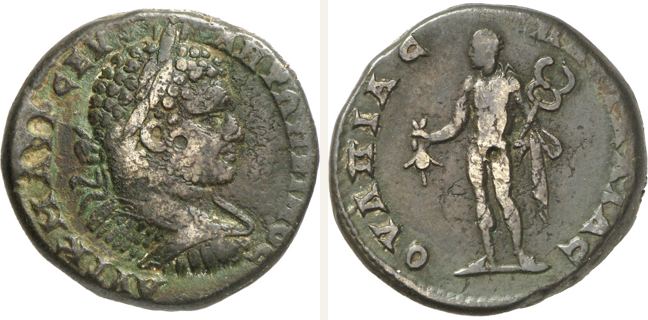
Photograph: Lutz-Jürgen Lübke (Lübke & Wiedemann); Corpus Nummorum (Berlin-Brandenburg Academy of Sciences and Humanities); specimen held by ikmk.smb.museum
ancient coins
Pautalia, Caracalla, 4 unit — Nude Hermes standing facing (CN type 21693)
AD 211–217
4 unit in bronze struck at Pautalia in Thrace under Caracalla, dated AD 211–217. Corpus Nummorum, the online type corpus of the Berlin-Brandenburg Academy of Sciences and Humanities, records it as CN type 21693 (period: Roman Imperial Period; issuing authority type: city). Obverse: Laureate and cuirassed bust of be…
Research required
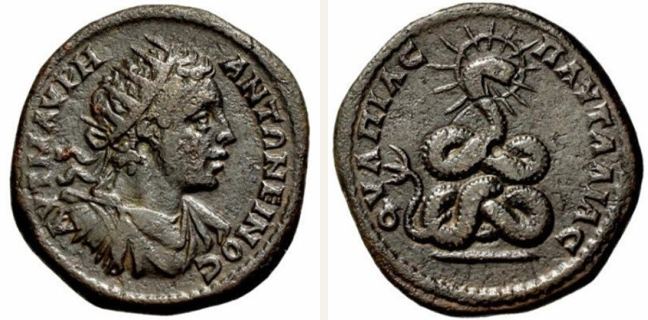
Photograph: Gerhard Hirsch Nachfolger; Corpus Nummorum (Berlin-Brandenburg Academy of Sciences and Humanities)
ancient coins
Pautalia, Caracalla, 4 unit — Serpent with fishtail coiling (CN type 21264)
AD 203
4 unit in bronze struck at Pautalia in Thrace under Caracalla, dated AD 203. Corpus Nummorum, the online type corpus of the Berlin-Brandenburg Academy of Sciences and Humanities, records it as CN type 21264 (period: Roman Imperial Period; issuing authority type: city). Obverse: Radiate bust of Caracalla, right, see…
Research required
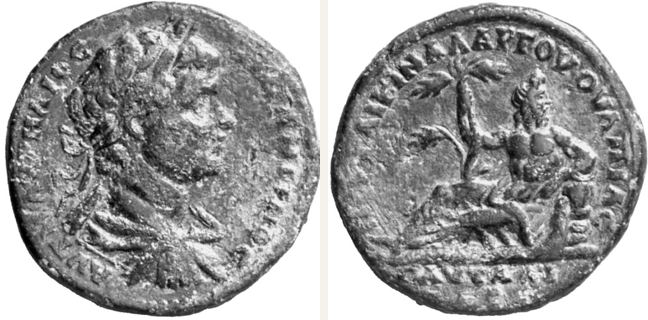
Photograph: Lutz-Jürgen Lübke (Lübke & Wiedemann); Corpus Nummorum (Berlin-Brandenburg Academy of Sciences and Humanities)
ancient coins
Pautalia, Caracalla, bronze coin — Bearded river-god reclining left (CN type 22552)
AD 197–217
Coin in bronze struck at Pautalia in Thrace under Caracalla, dated AD 197–217. Corpus Nummorum, the online type corpus of the Berlin-Brandenburg Academy of Sciences and Humanities, records it as CN type 22552 (period: Roman Imperial Period; issuing authority type: city). Obverse: Laureate bust of Caracalla, right,…
Research required
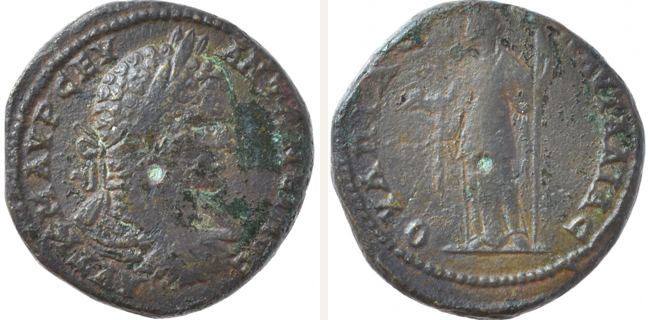
Photograph: Bernisches Historisches Museum; Corpus Nummorum (Berlin-Brandenburg Academy of Sciences and Humanities)
ancient coins
Pautalia, Caracalla, bronze coin — Hera enthroned left (CN type 22558)
AD 212–217
Coin in bronze struck at Pautalia in Thrace under Caracalla, dated AD 212–217. Corpus Nummorum, the online type corpus of the Berlin-Brandenburg Academy of Sciences and Humanities, records it as CN type 22558 (period: Roman Imperial Period; issuing authority type: city). Obverse: Laureate bust of bearded Caracalla,…
Research required
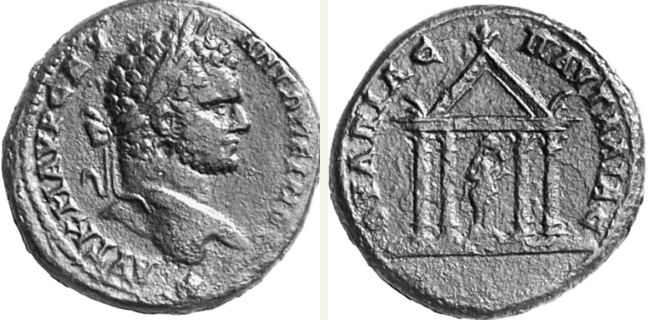
Photograph: Lutz-Jürgen Lübke (Lübke & Wiedemann); Corpus Nummorum (Berlin-Brandenburg Academy of Sciences and Humanities)
ancient coins
Pautalia, Caracalla, bronze coin — Temple front of a tetrastyle temple (CN type 22132)
AD 211–217
Coin in bronze struck at Pautalia in Thrace under Caracalla, dated AD 211–217. Corpus Nummorum, the online type corpus of the Berlin-Brandenburg Academy of Sciences and Humanities, records it as CN type 22132 (period: Roman Imperial Period; issuing authority type: city). Obverse: Laureate and cuirassed bust of bear…
Research required
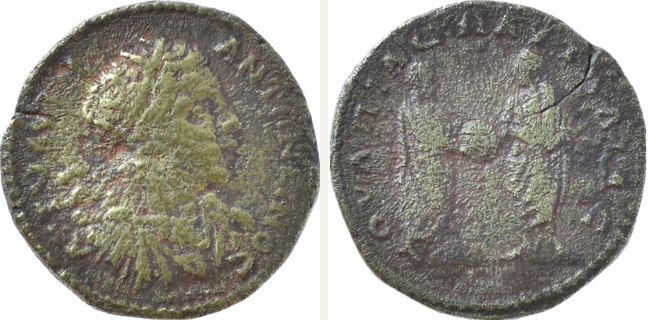
Photograph: Bernisches Historisches Museum; Corpus Nummorum (Berlin-Brandenburg Academy of Sciences and Humanities)
ancient coins
Pautalia, Caracalla, bronze coin — Two emperors standing facing each other (CN type 22542)
Coin in bronze struck at Pautalia in Thrace under Caracalla. Corpus Nummorum, the online type corpus of the Berlin-Brandenburg Academy of Sciences and Humanities, records it as CN type 22542 (period: Roman Imperial Period; issuing authority type: city). Obverse: Radiate bust of Caracalla, right, wearing cuirass and…
Research required
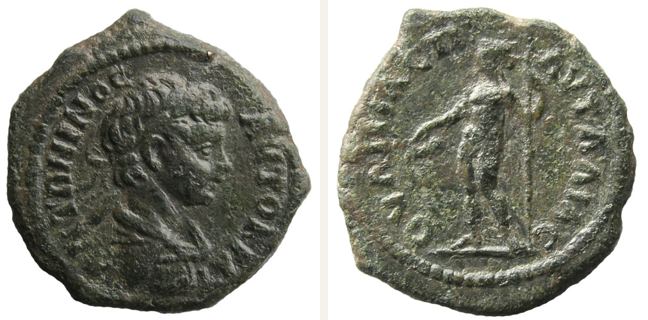
Photograph: Corpus Nummorum; Corpus Nummorum (Berlin-Brandenburg Academy of Sciences and Humanities)
ancient coins
Pautalia, Caracalla, One and one half — Dionysus standing left (CN type 20128)
AD 198–205
One and one half in bronze struck at Pautalia in Thrace under Caracalla, dated AD 198–205. Corpus Nummorum, the online type corpus of the Berlin-Brandenburg Academy of Sciences and Humanities, records it as CN type 20128 (period: Roman Imperial Period; issuing authority type: city). Obverse: Laureate bust of youthf…
Research required
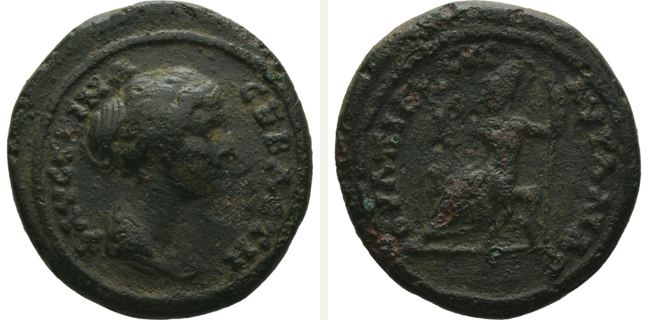
Photograph: Corpus Nummorum; Corpus Nummorum (Berlin-Brandenburg Academy of Sciences and Humanities)
ancient coins
Pautalia, Faustina II., 3 unit — Roma?) enthroned left (CN type 12540)
AD 161–175
3 unit in bronze struck at Pautalia in Thrace under Faustina II., dated AD 161–175. Corpus Nummorum, the online type corpus of the Berlin-Brandenburg Academy of Sciences and Humanities, records it as CN type 12540 (period: Roman Imperial Period; issuing authority type: city). Obverse: Draped bust of Faustina II, ri…
Research required